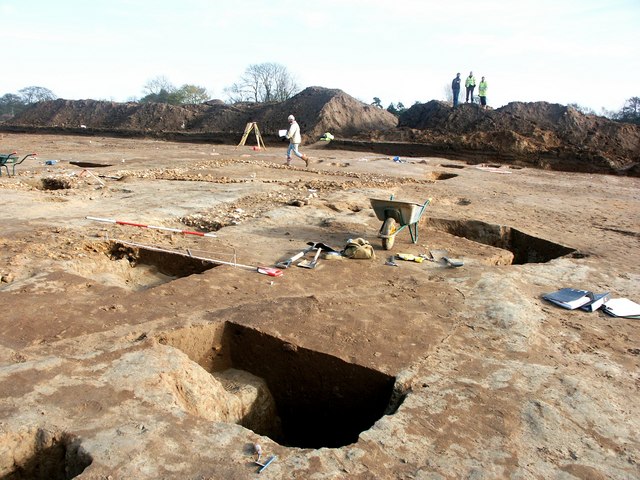

Ancient Egypt is one of those subjects you think you understand… until science runs a few tests and everything you thought you knew starts to wobble. Radiocarbon dating, DNA sequencing, chemical analysis, and 3D scanning were supposed to solve the big questions. Instead, they often made the puzzle weirder, not clearer.
What I love most is that feeling when a neat textbook story falls apart under a microscope. A mummy turns out to be something else entirely, a sacred text appears older or younger than it should be, a tomb does not fit the person inside. It is like opening a well‑wrapped gift and finding another locked box inside. Let’s walk through twelve discoveries that became more confusing, not less, once scientists really dug in.
The Great Pyramid’s Hidden Void That Should Not Exist
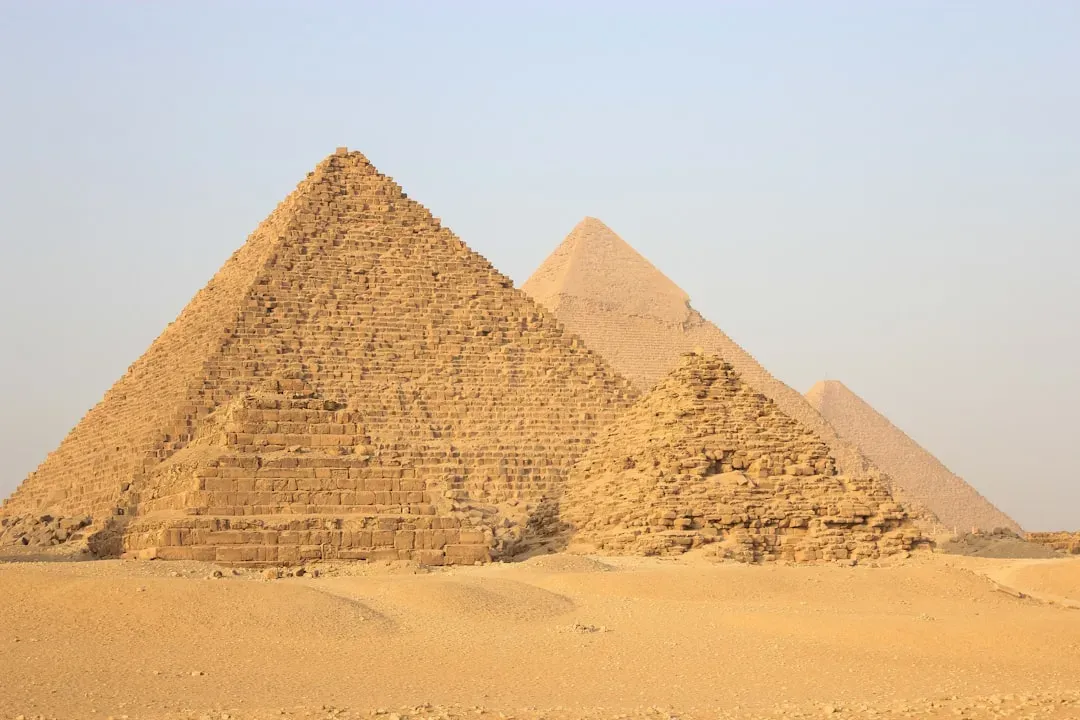
For centuries, the Great Pyramid of Giza seemed thoroughly mapped: descending corridors, the Queen’s Chamber, the King’s Chamber, the Grand Gallery. Then muon tomography, a particle‑physics technique that tracks cosmic rays passing through stone, revealed a massive hidden void above the Grand Gallery. It is roughly the length of a commercial jet but silent, sealed, and utterly inaccessible with current techniques.
What turned a wonder into a riddle is that no one knows why this space is there. Is it a relieving chamber to reduce weight, a hidden construction ramp, or a symbolic chamber with ritual meaning? Engineers can model structural benefits, but the shape and scale do not neatly match a simple stress‑relief cavity. Egyptologists are left in the uncomfortable space between “we have data” and “we still do not know what it means,” and that is exactly where mystery thrives.
King Tut’s Dagger Made From Metal That Fell From the Sky
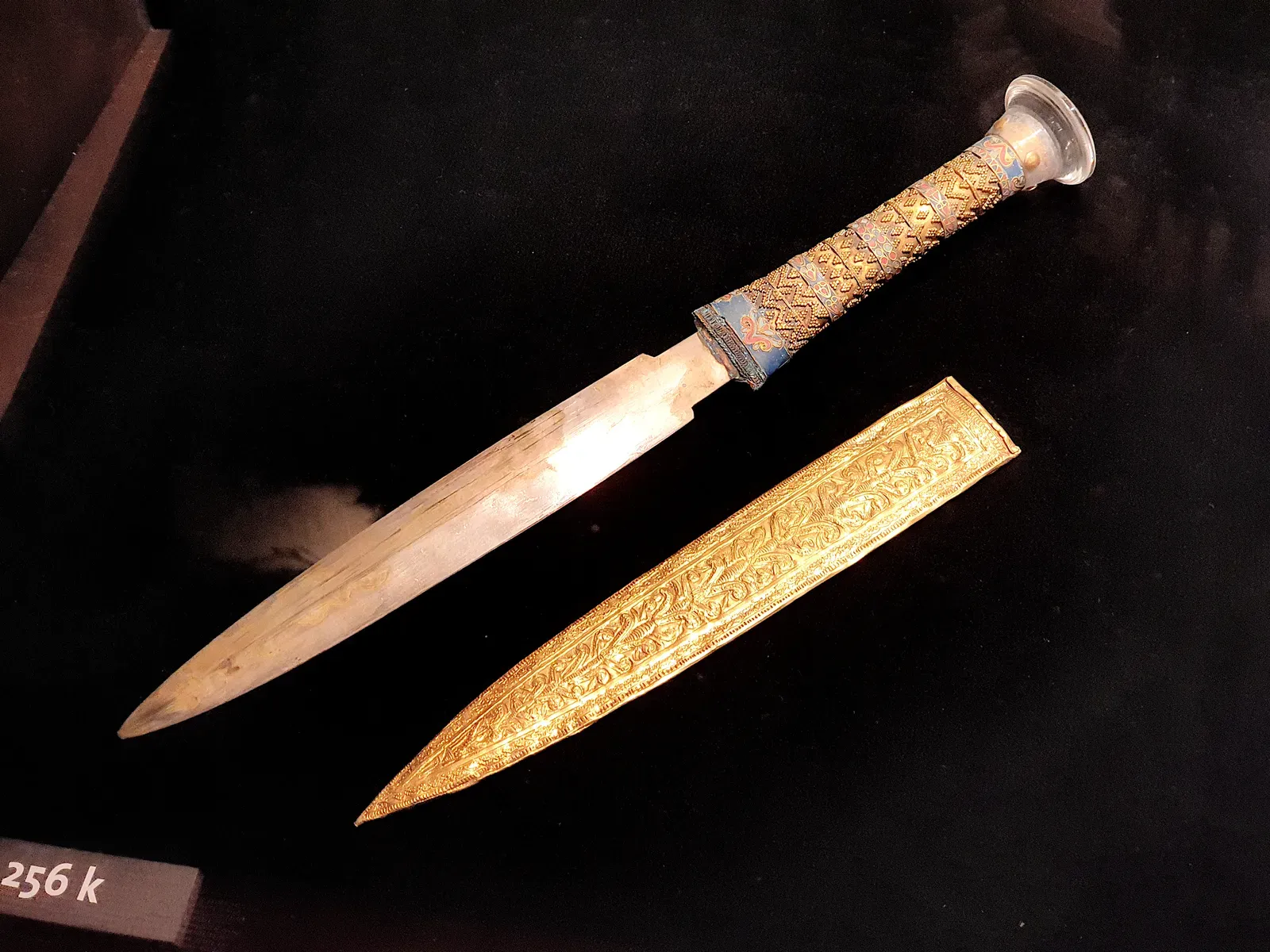
When researchers used X‑ray fluorescence to analyze the famous dagger buried with Tutankhamun, they confirmed something that sounded almost mythical: the blade was forged from meteoritic iron. Its nickel and cobalt ratios matched known iron meteorites, telling us that Egyptian metalworkers were literally working with space rock more than three thousand years ago. In a culture already obsessed with the sky, stars, and the afterlife, that feels almost too on‑the‑nose.
The tests answered one question but opened others. How routinely were Egyptians using meteoritic iron, and did they recognize it as something “not of this earth” in a scientific sense or purely a sacred one? The dagger’s workmanship is so refined that it suggests a long tradition of skilled metalworking, yet archaeological evidence for early ironworking in Egypt is thin. Either we are missing entire chapters of experimental metallurgy, or this one object is the rare survivor of a much broader, poorly understood practice.
The Dendera “Light Bulb” Relief That Refuses to Stay Simple
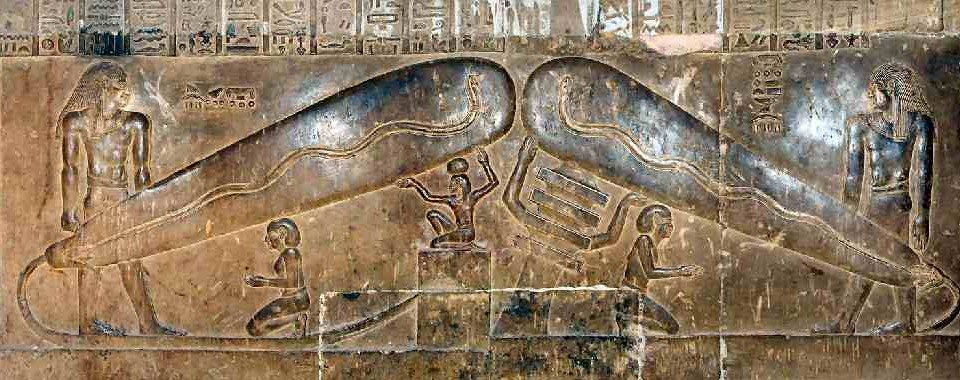
In the Hathor Temple at Dendera, there is a carved relief showing a lotus flower, a snake, and what, to modern eyes, can look alarmingly like a glass bulb with a cable. Most scholars see a familiar Egyptian religious motif: the primordial serpent emerging from the lotus, symbols of creation and rebirth. That explanation is solid, consistent with other art, and fits the cultural context.
Yet when modern engineers and hobbyists started modeling the shape as a kind of Crookes tube or discharge lamp, and then building analog devices, the story picked up a stubborn second life. No serious evidence actually supports the idea of ancient electrical lighting in temples, and yet the geometry provokes people because it overlaps eerily with modern tech. The scientific analyses of soot, lamp residues, and temple architecture support mundane lamp light, but strangely, piling on evidence has not killed the “light bulb” myth; if anything, it made the relief more notorious and weirdly iconic.
The Faiyum Portrait Mummies Whose Faces and DNA Do Not Quite Match Expectations
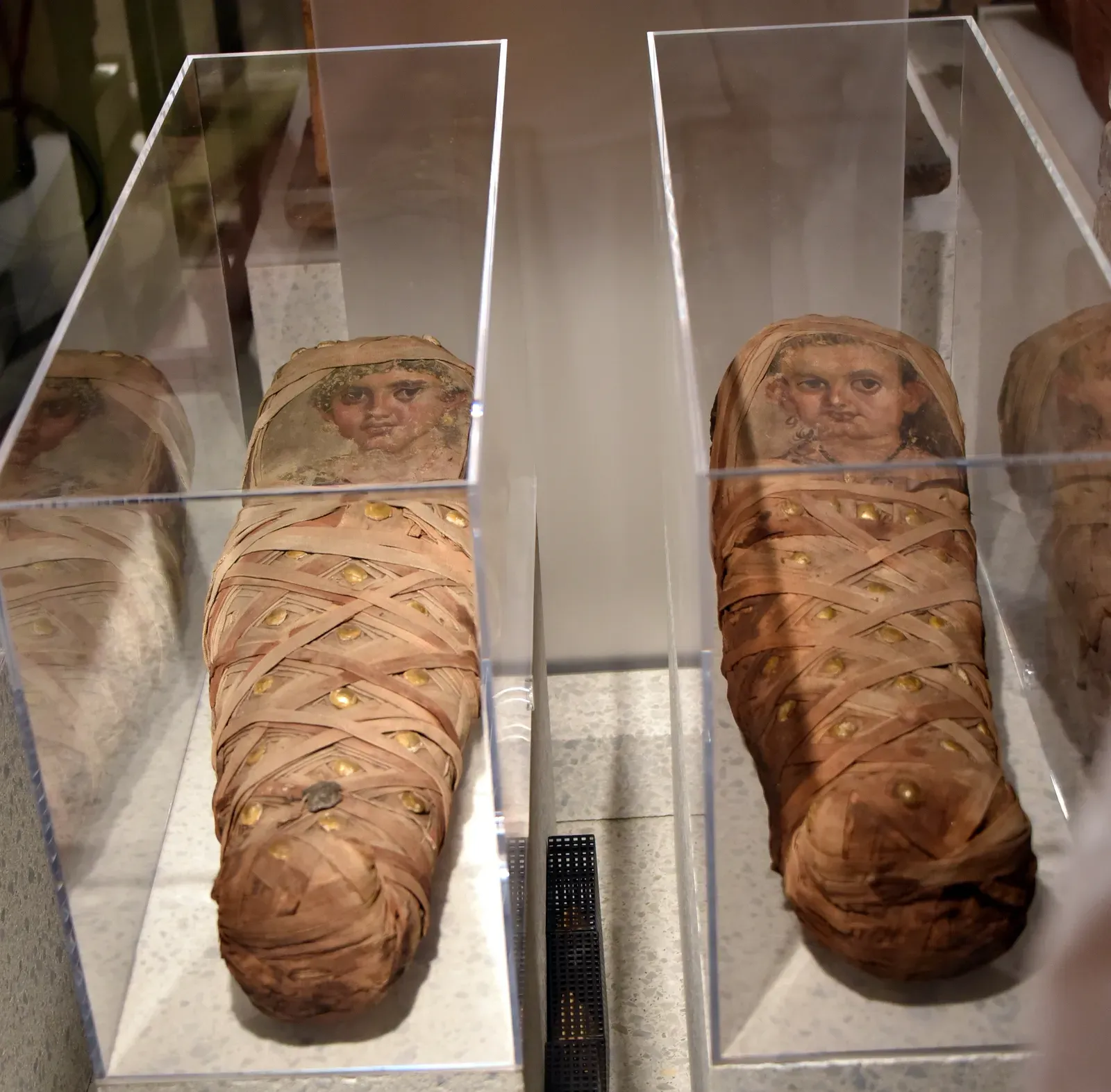
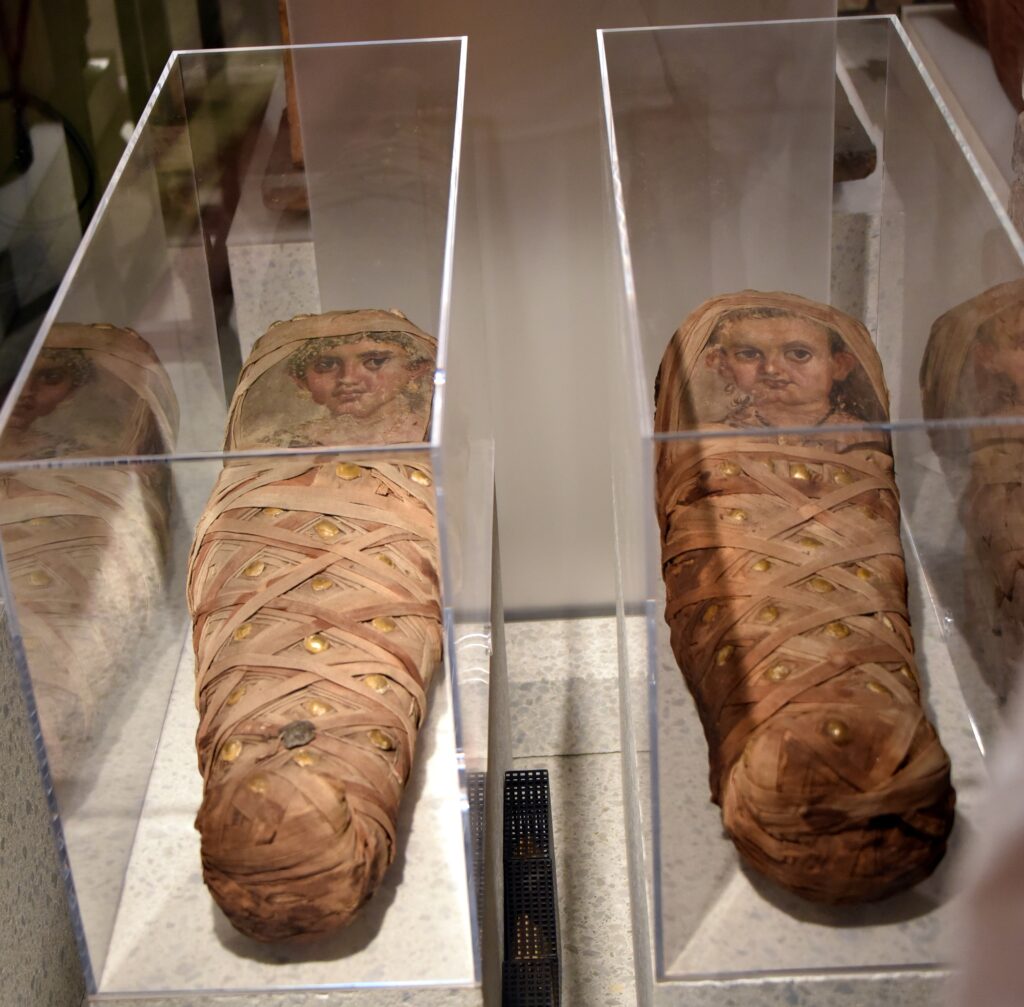
The so‑called Faiyum mummy portraits, those haunting, realistic faces painted on wood and attached to mummies from Roman‑era Egypt, look strikingly modern. When researchers began testing them with radiocarbon dating, pigment analysis, and, in some cases, DNA sampling from associated remains, a more complex picture of identity emerged. The portraits usually show idealized young, healthy individuals, but the underlying bodies sometimes belong to people with disease, older age, or even children.
This mismatch between face and body raises challenging questions about how these people saw themselves. Were the portraits aspirational self‑branding, like the heavily filtered profile photos of their time? DNA and stable isotope studies suggest mixed ancestries and mobile lives, blending Egyptian, Greek, and Near Eastern backgrounds. Instead of neatly mapping “ethnic” faces to genetic origins, the science highlights how slippery identity was, reminding us that the labels we want to impose on the past often do not survive contact with data.
The KV55 Mummy and the Family Drama Science Cannot Untangle
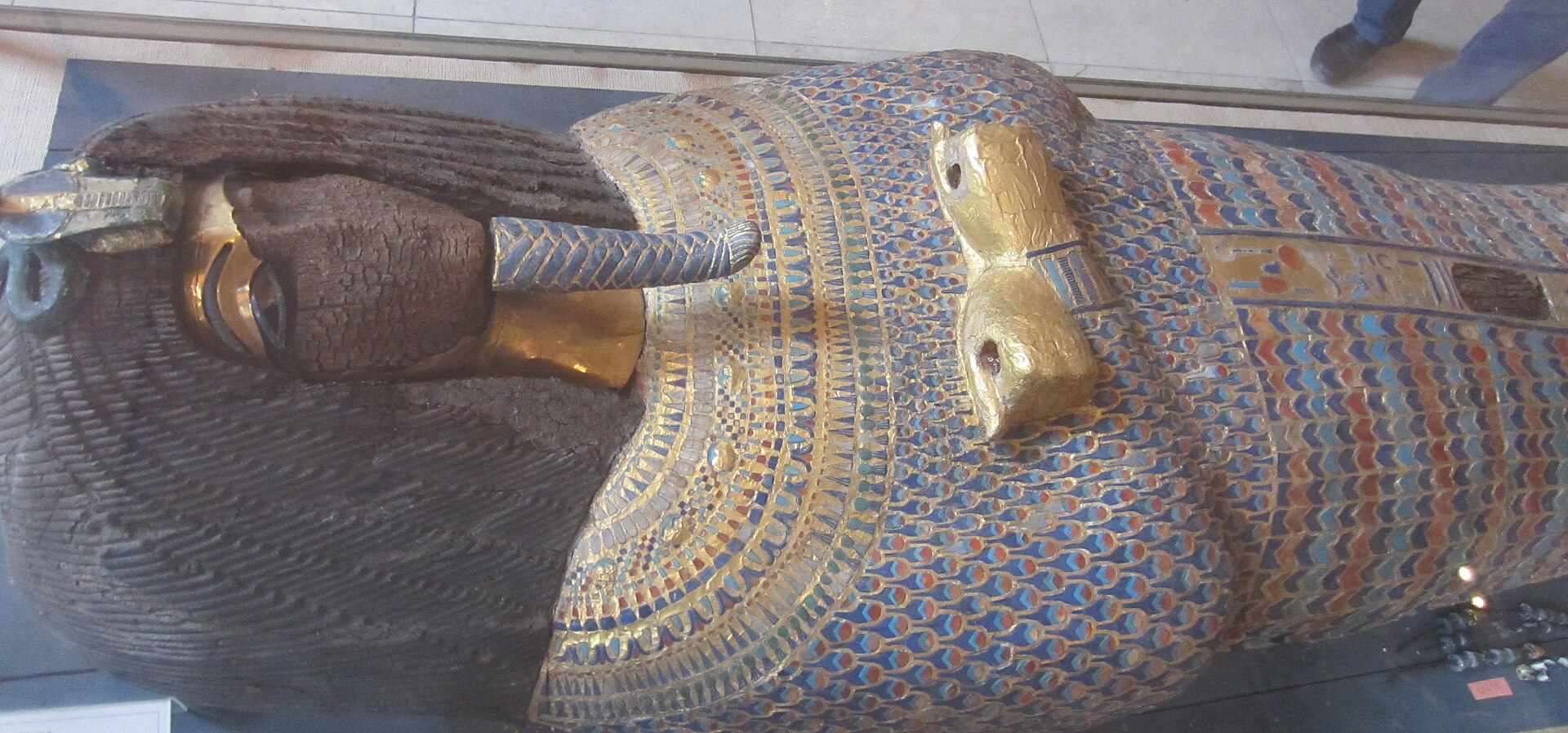
The mummy discovered in tomb KV55 in the Valley of the Kings has been at the center of one of Egyptology’s longest arguments. Initially, clues pointed in several directions: inscriptions linked to Akhenaten’s heretical religious revolution, fragments referring to different royals, and a coffin that seemed altered and re‑used. When radiography and physical anthropology tried to pin down age and sex, estimates wobbled, feeding rather than resolving debate over who this person really was.
The introduction of ancient DNA seemed like it should finally settle things. Genetic studies suggested that the KV55 mummy was a close blood relative of Tutankhamun, likely his father. But even that “answer” raised further issues: the level of relatedness among royal mummies is so tight that the exact family tree remains tangled, and contamination, small sample sizes, and damaged DNA complicate interpretations. Instead of a clear reveal, the science turned a historical soap opera into a still‑ongoing forensic mystery.
The Saqqara Animal Necropolis and the Question of Mass Production of the Sacred
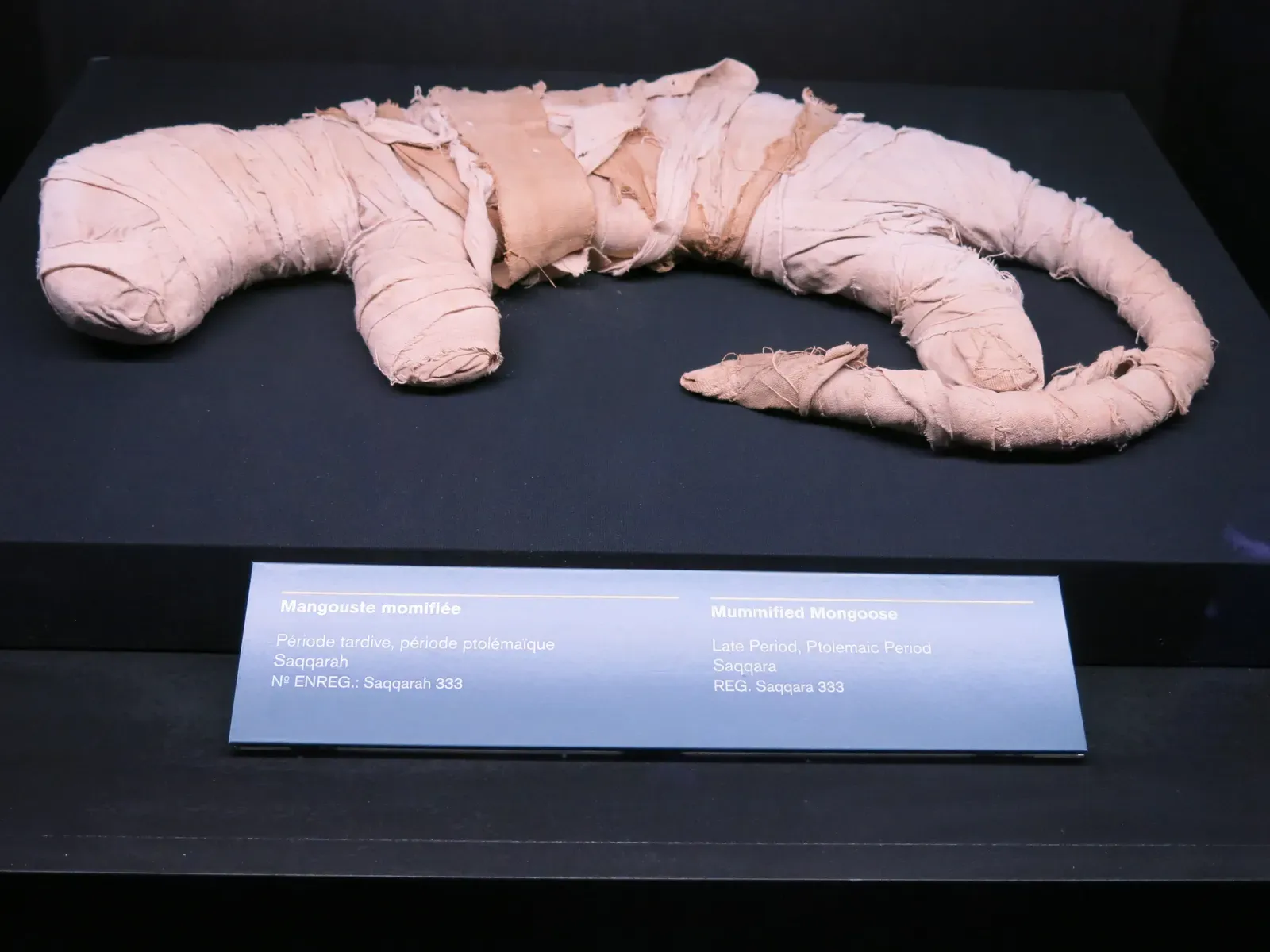
At Saqqara, archaeologists have uncovered vast catacombs filled with mummified animals – cats, ibises, dogs, crocodiles, and more. For a long time, many assumed these were carefully prepared holy animals devoted to specific gods. But when scientists began systematically scanning and dissecting animal mummies using X‑rays, CT, and micro‑CT, they found something surprising: a large number of bundles contained only partial remains or even just feathers, sticks, or sand shaped like animals.
This does not mean fraud in the modern sense so much as an industrial scale of votive production that sits uncomfortably with our romantic image of individualized piety. Stable isotope and DNA analyses reveal that animals were bred, traded, and sacrificed on a massive scale, almost like a religious supply chain. The more we test, the less the necropolis looks like a collection of beloved sacred pets and the more it resembles a complex economy of devotion, with all the ambiguity – and moral questions – that implies.
The “Bent” Pyramid’s Perfectly Imperfect Engineering
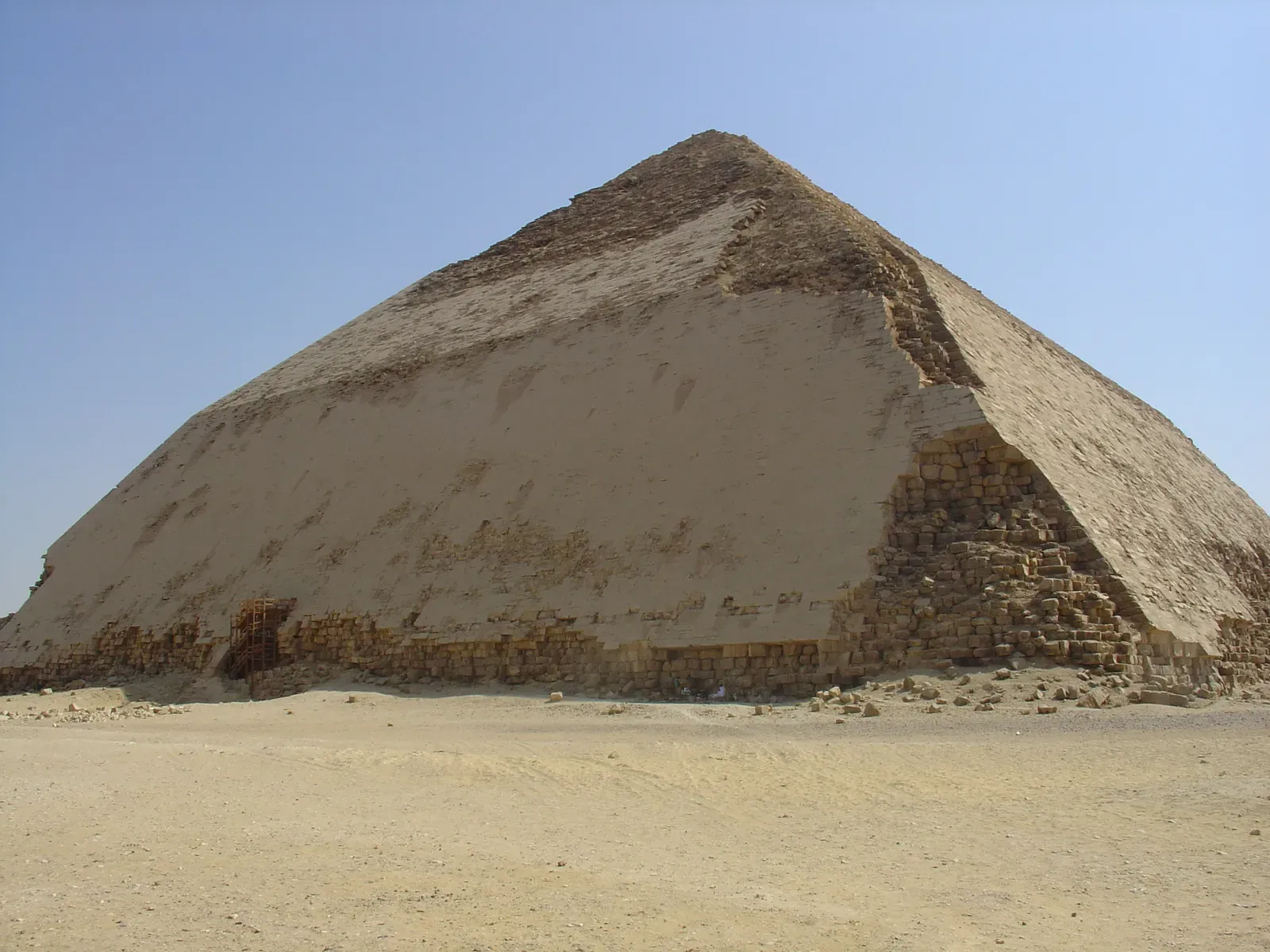
The Bent Pyramid at Dahshur looks like a design failure at first glance: its angle abruptly changes partway up, giving it a broken, kinked profile. For years, many explanations were architectural common sense: the builders miscalculated, saw cracks developing, then shifted to a gentler angle to avoid collapse. When modern teams used detailed laser scanning, structural modeling, and internal imaging, the story got less straightforward.
The internal corridors, relieving chambers, and masonry patterns are more sophisticated than a simple “oops, fix it on the fly” narrative suggests. Some engineers now argue that the builders were experimenting deliberately with load distribution, moving from theory to practice in real time. The pyramid starts to look like both a monument and a research project in stone. Ironically, the more carefully we quantify its structure, the less sure we are about whether it is a mistake, a prototype, or some combination of both.
The Pyramid Texts and the Puzzle of Their True Age
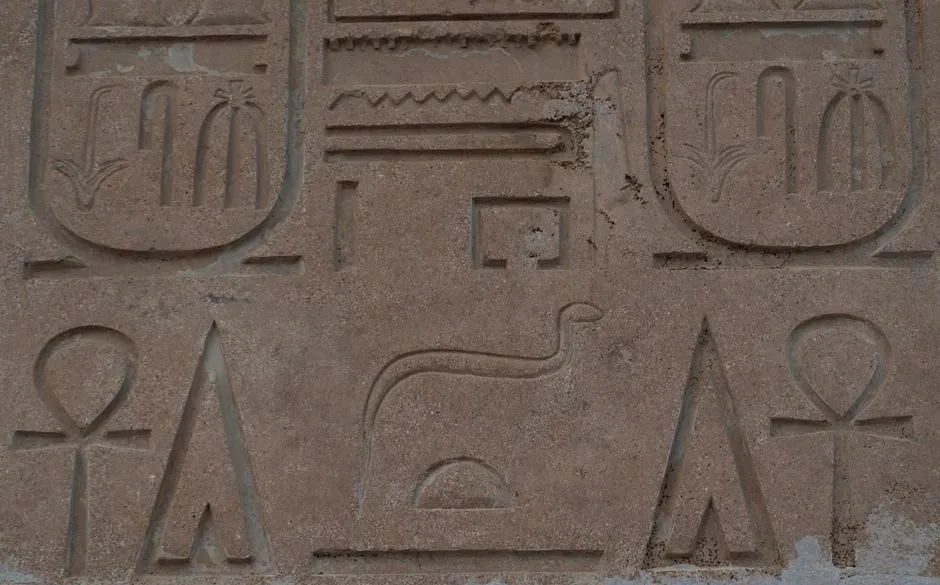
The Pyramid Texts carved in Old Kingdom pyramids are often described as the oldest surviving religious texts on earth. Linguistic analysis places them firmly in a very early phase of written Egyptian, but efforts to push further – using paleography, statistical language models, and comparisons to later funerary texts – have raised uncomfortable questions about how much earlier the underlying oral traditions might be. Dating the stone is easy; dating the ideas is not.
As scholars model patterns in vocabulary and grammar, some passages appear surprisingly conservative, as if they were already ancient when first carved. Others show unexpected innovation. Scientific attempts to pin the texts to neat developmental stages of religious thought often just reveal more layers of editing, reuse, and reinterpretation. The data nudges us toward the idea that there was never a single “original” version, only a constantly evolving ritual script, which is fascinating but also deeply unsatisfying if you crave clear origin stories.
The Mysterious Residues in Ancient Beer and Wine Jars
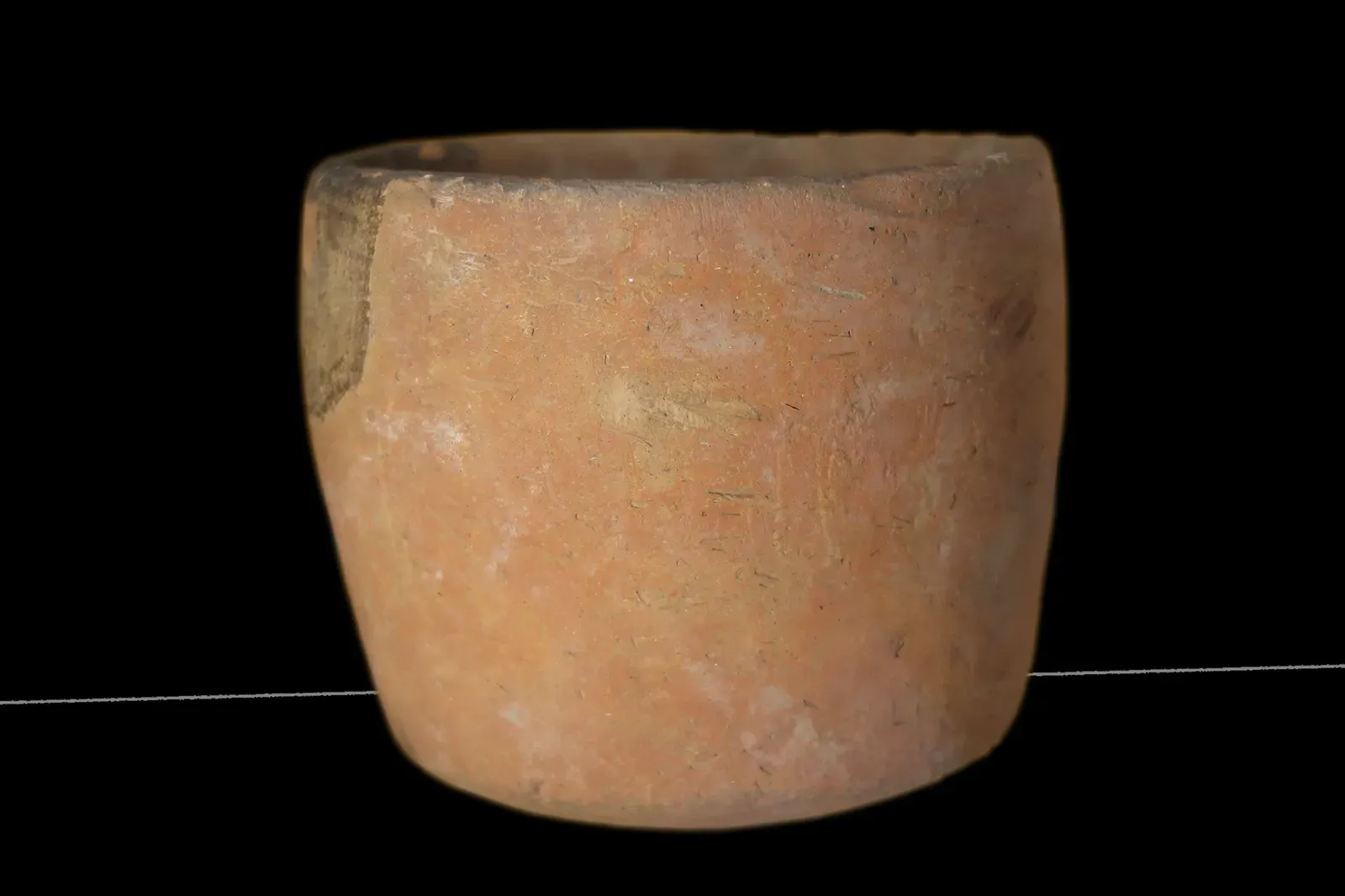
Residue analysis has turned broken jars into tiny chemical time capsules. When scientists scrape and test the insides of Egyptian beer and wine vessels, they find traces of plant compounds, resins, and sometimes surprising additives: herbs with possible medicinal properties, tree resins similar to those used in incense, and substances that could have altered flavor, preservation, or even the drinkers’ perception. Suddenly, that friendly “bread and beer” slogan of daily life becomes a lot more complex.
Yet interpreting these chemical signatures is tricky. A compound might signal a deliberate additive, accidental contamination, or a later intrusion from groundwater. Without detailed written recipes, analysts have to walk a fine line between interesting hypotheses and overconfident storytelling. Every new study seems to show a richer, more experimental beverage culture, but it also underlines how much we still do not understand about what Egyptians were really feeling, tasting, or intending when they raised a cup.
The “Screaming Mummy” and the Limits of Forensic Drama
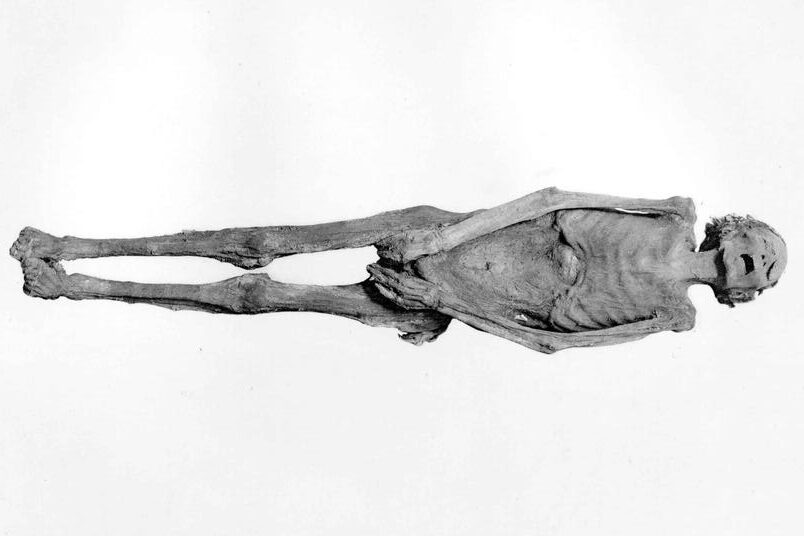
When CT scans and forensic examinations were performed on the so‑called “screaming mummy” with a gaping mouth, media narratives almost wrote themselves: was this a victim of torture, execution, or deliberate humiliation in death? Some analyses suggested signs of unusual treatment, possibly even a body that was not properly embalmed. Others proposed poisoning or violent death, and the open mouth became a kind of visual exclamation point for every dramatic theory.
But deeper study has shown how easy it is to over‑interpret such remains. Bodies shift as they dry, wrappings move, jaws fall open even in ordinary circumstances. Isotope studies, examination of burial context, and comparisons to other mummies complicate simple stories of curses and crimes. Scientific tools here have mostly highlighted our own appetite for dark narratives; they push us to admit that, sometimes, the honest answer really is “we are not sure,” no matter how theatrical the evidence looks.
The Black Goo in Royal Tombs That Was Not Just Pitch
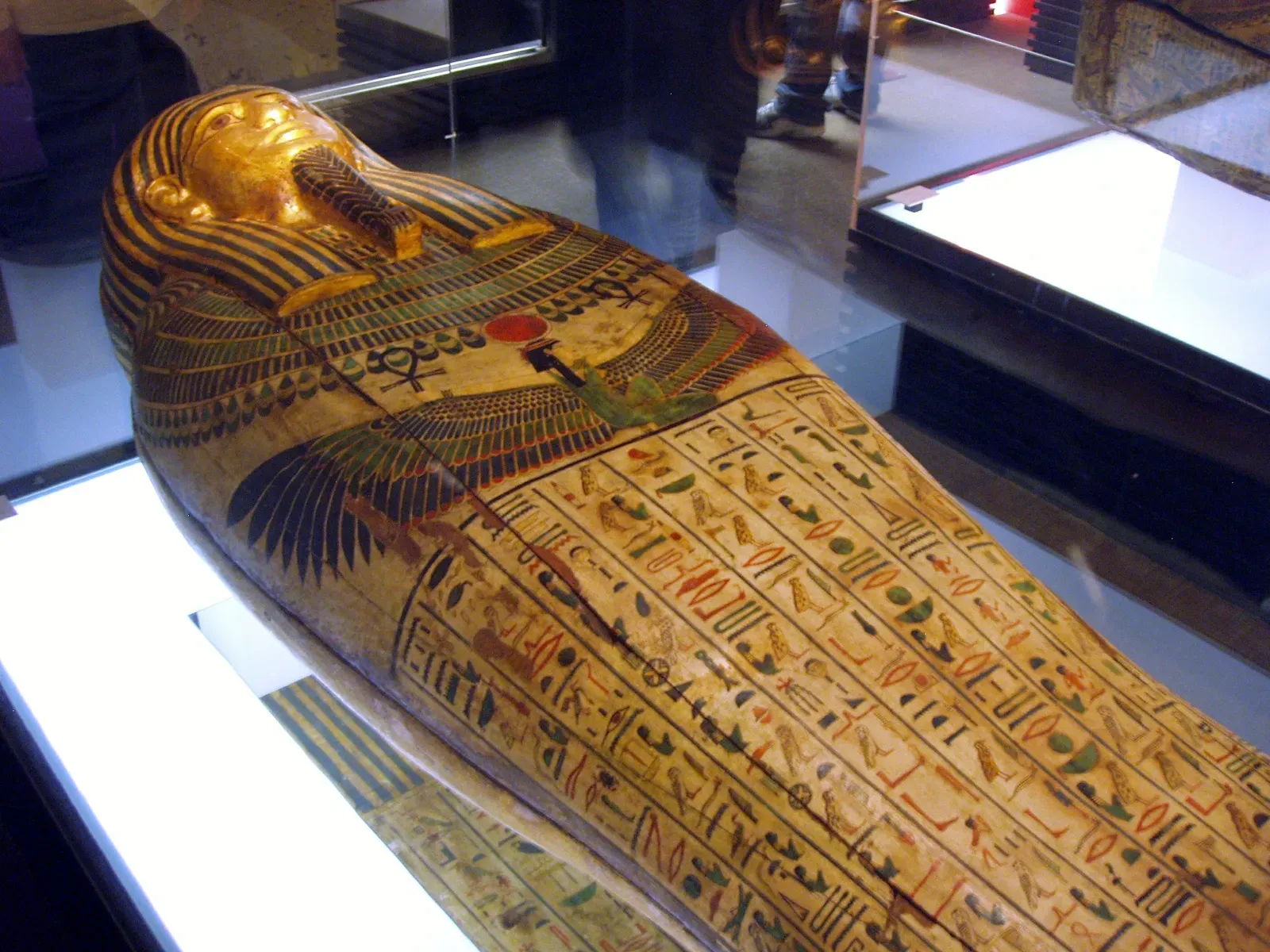
Some royal coffins and sarcophagi, including those from the New Kingdom, were found coated in thick layers of a mysterious black goo. For a long time it was loosely described as bitumen or pitch, assumed to be a straightforward preservative or sealant. Chemical analyses, however, have revealed complex mixtures: plant oils, tree resins, animal fats, beeswax, and sometimes genuine bitumen, blended in ways that seem both practical and symbolic.
What is genuinely puzzling is the sheer quantity and the careful application in some burials. This was not a cheap material casually slapped on. It would have smelled strong, looked dramatic, and taken coordinated labor to produce and pour. The mixtures vary between tombs, suggesting individual choices or evolving ritual fashions. Science has transformed “mysterious black stuff” into detailed lists of ingredients, but the deeper meaning of this dark, glistening shell around a king still sits in a gray zone between chemistry and theology.
The Rosetta Stone’s Hidden Story in the Stone Itself
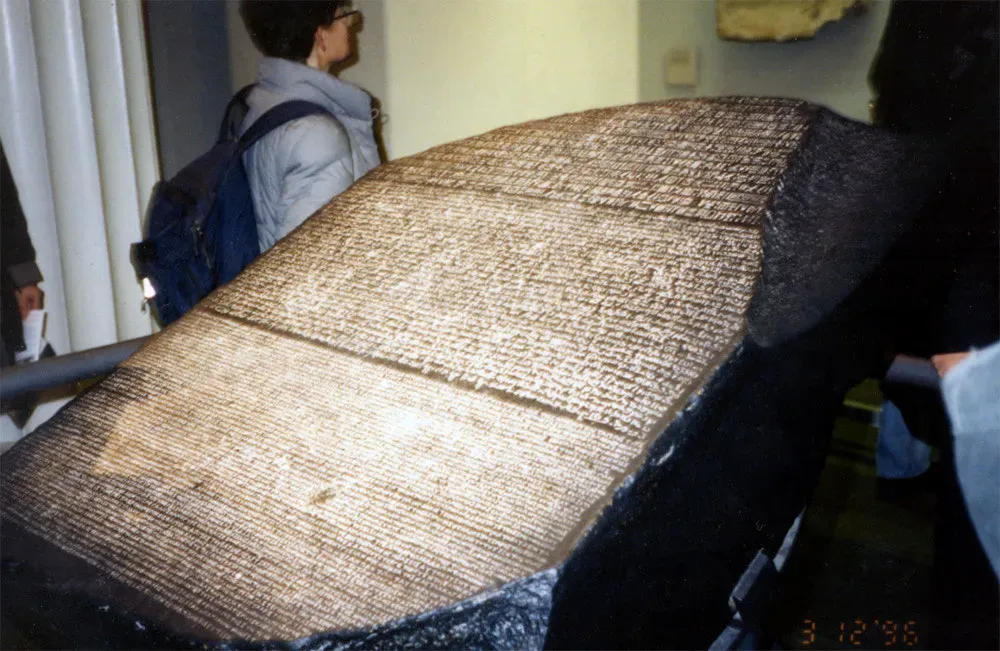
The Rosetta Stone is famous for its inscription – the tri‑lingual decree that unlocked hieroglyphs. Recently, though, more attention has turned to the stone as an object: its origin as a slab of granodiorite, tool marks from its carving, and microscopic wear patterns. Petrological studies suggest quarry sources and transport routes, while imaging techniques reveal reworked surfaces and earlier damage that predate its modern discovery.
This raises a slightly disorienting possibility: before it became the Rosetta Stone we know, it may have had another life as part of a larger monument or architectural feature. The text itself is already a kind of political performance, but now the material story of the stone adds another layer of reuse and repurposing. Scientific scrutiny quietly undermines the idea of it as a single, pristine artifact and instead turns it into a palimpsest – an object whose past is messier, more fragmented, and frankly more interesting than the heroic decoding myth we like to tell.
Conclusion: When Answers Make the Past Stranger, Not Safer
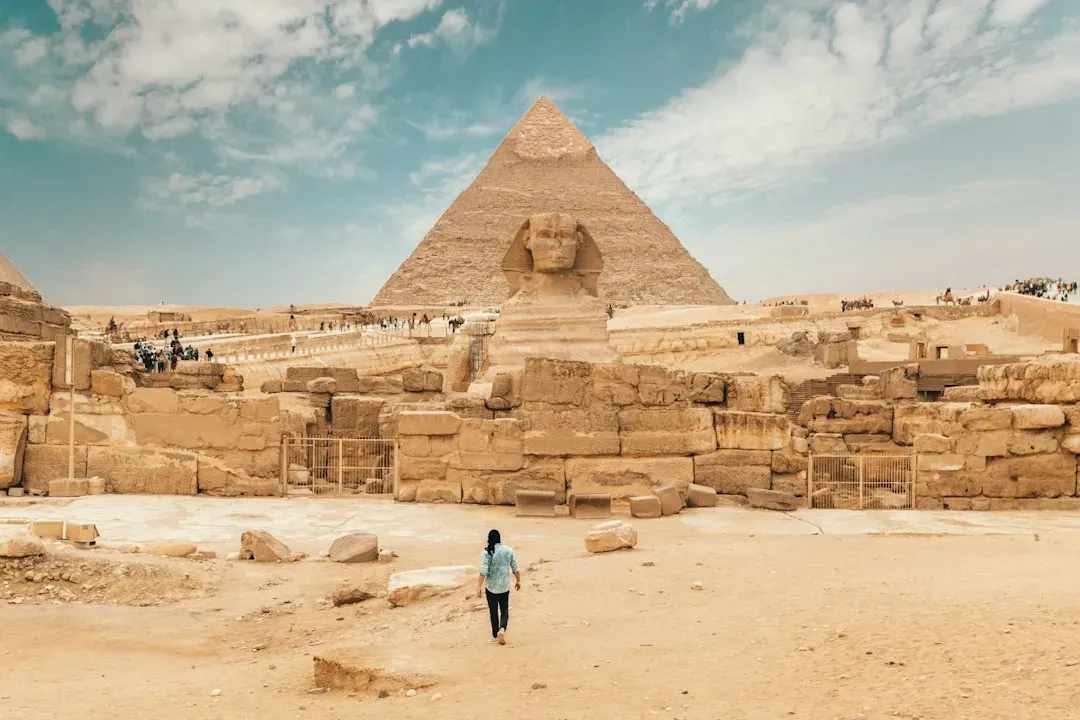
What all these cases share is something I find both humbling and exhilarating: every time we point a new tool at ancient Egypt, we trade simple stories for complicated ones. Muon scans, DNA sequences, mass spectrometers, and CT scanners are not magic keys; they are like brighter flashlights that reveal how big the cavern really is. The Great Pyramid’s void, Tut’s meteorite dagger, mixed‑up mummies, and chemically complex rituals remind us that ancient Egyptians were not prototypes of us – they were their own, deeply sophisticated world that will never line up neatly with our expectations.
If anything, the more “advanced” our methods become, the more obvious it is that some mysteries may never collapse into tidy explanations, and that might be a good thing. A past with no loose threads would feel suspiciously edited. I think we are better off accepting that science often deepens the fog even as it sharpens the edges. After all, if every test simply confirmed what we already believed, would ancient Egypt still fascinate us this much – or would it quietly fade into the background of settled facts you never think about again?