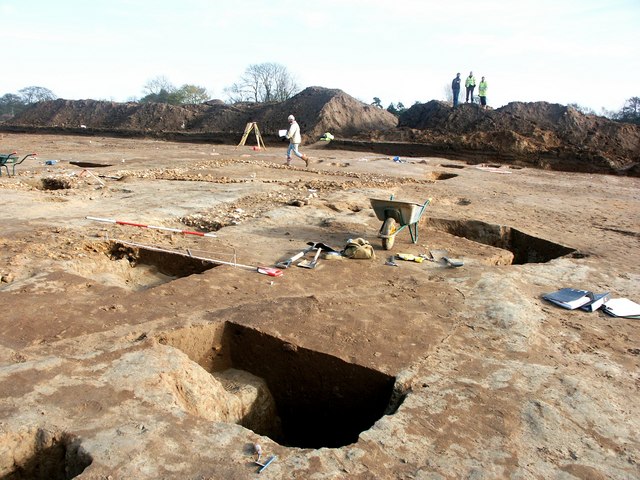

Every time a shovel bites into American soil, there’s a chance history is about to be rewritten. Beneath parking lots, farm fields, and sleepy suburbs, archaeologists keep stumbling onto clues that our story on this continent is far older, stranger, and more interconnected than many of us were ever taught in school. These finds challenge neat timelines, tidy maps, and the idea that the past was simple.
What follows are nine discoveries that did more than make headlines – they forced scientists to rethink when people arrived in the Americas, how they lived, and how complex their worlds really were. Some of these sites sparked bitter academic fights, others quietly sat in museum drawers for decades before anyone realized their importance. All of them remind us that the ground under our feet is still keeping secrets.
1. Monte Verde (Chile’s cousin in the debate) and the quiet death of the “Clovis‑first” story
Let’s start with a twist: the discovery that shook up American archaeology didn’t technically sit under U.S. soil, but it completely rewired how scientists interpret sites across North America. The early campsite at Monte Verde in southern Chile showed human presence thousands of years before the famous Clovis culture, forcing everyone to go back and re‑examine U.S. evidence they’d been dismissing as “too early.” Suddenly, stone tools and butchered animal bones from places like the mid‑Atlantic and the Pacific Northwest didn’t look like flukes anymore – they looked like missing puzzle pieces.
Why does that matter for what lies beneath American ground? Because once Monte Verde cracked open the timeline, it gave credibility to pre‑Clovis sites in the United States that had been sidelined for decades. As investigators revisited radiocarbon dates, sediment layers, and microscopic wear on tools, they started seeing a consistent pattern of deep antiquity. In a strange way, a boggy campsite in Chile gave U.S. archaeology permission to admit that humans were here earlier than the textbooks allowed, and it pushed a new generation of digs and re‑analysis from Virginia to Oregon.
2. Meadowcroft Rockshelter: A Pennsylvania hillside that refused to fit the timeline
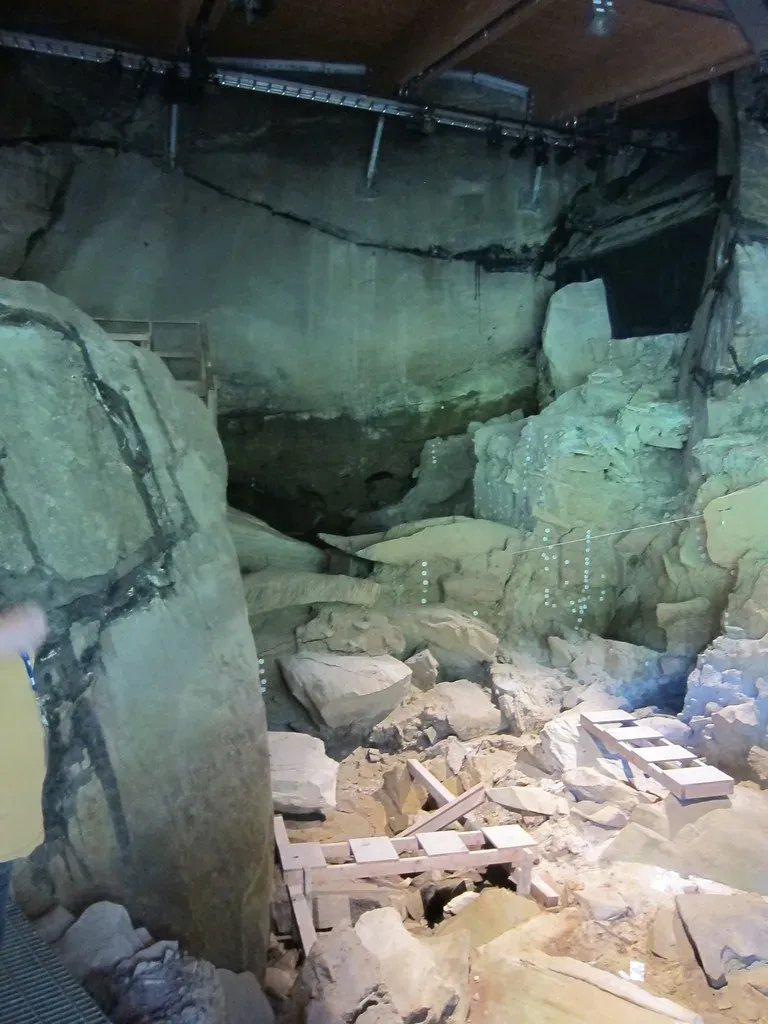
Imagine digging into a quiet rockshelter on a Pennsylvania farm and finding evidence that humans may have camped there long before the great ice sheets fully retreated. That’s Meadowcroft Rockshelter, a layered time capsule with stone tools, animal bones, hearths, and plant remains stacked like pages in a library. When dates suggesting human presence far earlier than the classic Clovis period first came out, many archaeologists flat‑out rejected them, arguing there had to be contamination or lab error.
Over time, with more careful testing and relentless scrutiny, Meadowcroft stubbornly held its ground. The deposits remained consistent, the artifacts made sense, and multiple lines of dating converged on the same conclusion: people were in this part of North America earlier than the old story allowed. The controversy around Meadowcroft was ugly at times, but it forced the field to sharpen its methods and to accept that some of the earliest Americans were living in what is now southwestern Pennsylvania while glaciers still dominated much of the continent.
3. Buttermilk Creek and the Texas artifacts that pushed human roots deeper
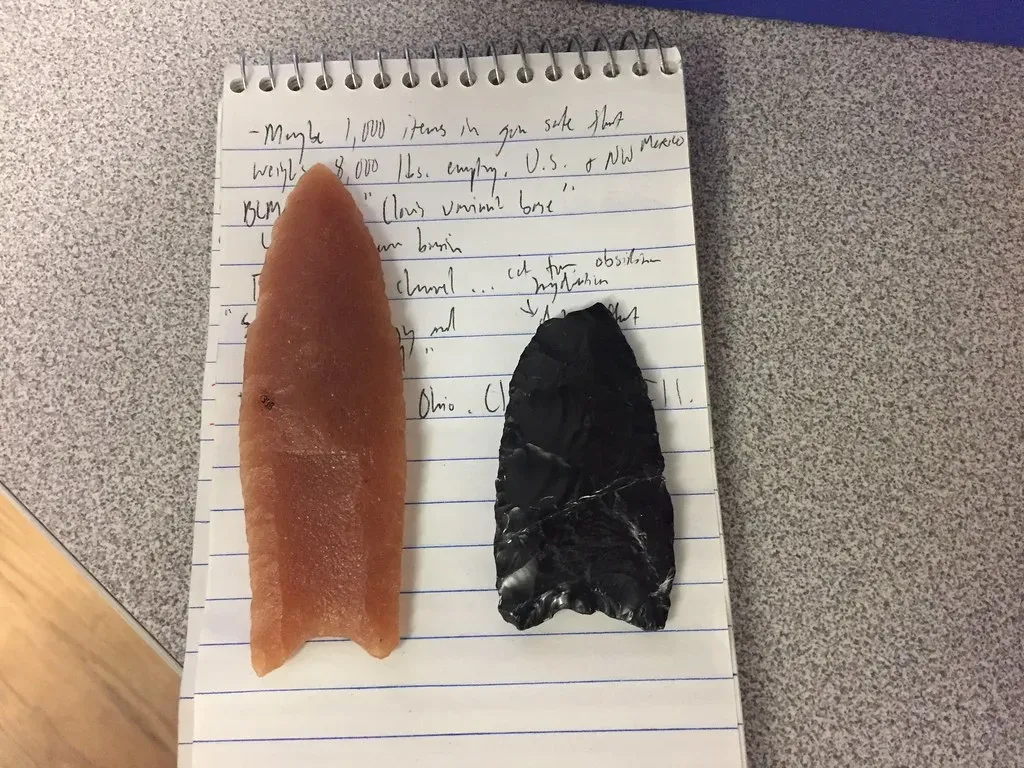
In central Texas, near Buttermilk Creek, archaeologists uncovered a dense layer of stone tools and flakes beneath a classic Clovis horizon. For years, “under Clovis” was practically code for “don’t even try to publish this,” but careful excavation and modern dating methods made these artifacts hard to ignore. The tools were different from Clovis points, and their position in undisturbed sediments below the well‑known layer suggested people were crafting them long before Clovis hunters were roaming the plains.
What changed here wasn’t just the dates, but the mindset. Buttermilk Creek showed that the story of early Americans wasn’t a single, sudden arrival of one culture, but probably a long, messy process with multiple groups adapting to different landscapes. These tiny Texas tools helped break the idea of a simple starting line and replaced it with a broader, older, and more diverse picture of the continent’s first inhabitants.
4. Paisley Caves coprolites: Ancient Oregon poop that rewrote migration maps
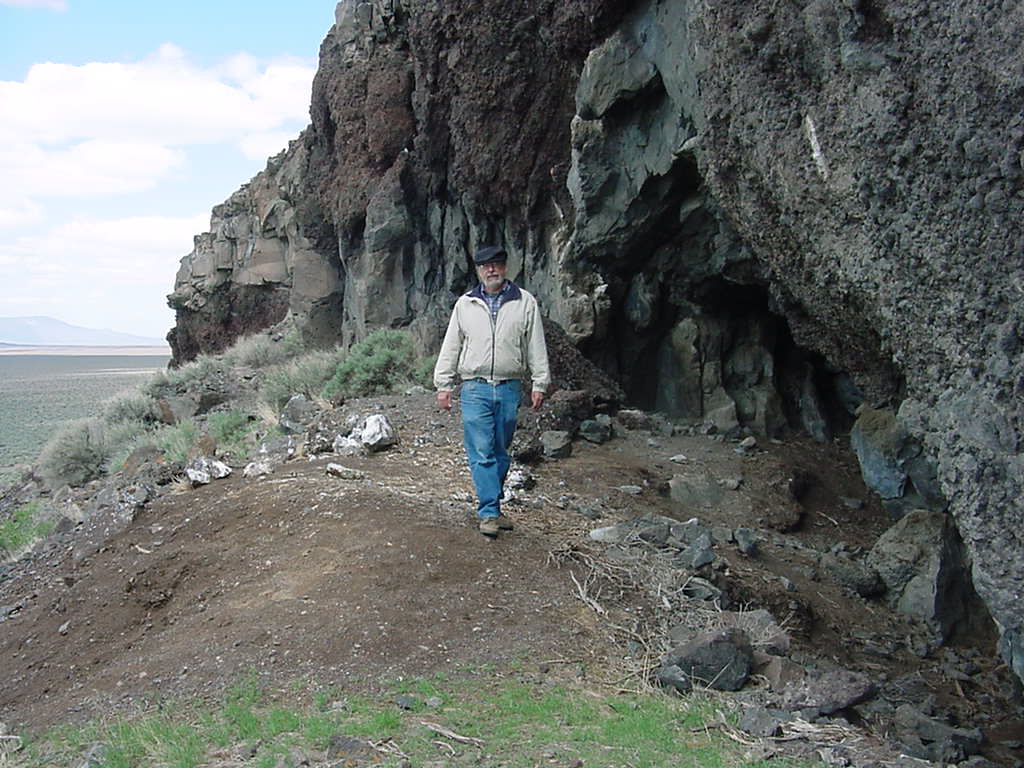
Few things sound less glamorous than ancient coprolites, but fossilized human feces from Oregon’s Paisley Caves turned out to be some of the most powerful evidence in the pre‑Clovis debate. DNA and radiocarbon dating on those tiny, foul‑sounding nuggets suggested humans were in the Pacific Northwest long before the familiar Clovis hunters left their signature spearpoints across the Great Plains. Here was biological evidence, not just stone tools that could be debated or dismissed as “natural.”
These remains helped boost an idea that once seemed fringe: that early people may have traveled down a coastal route along the Pacific rather than waiting for an inland ice‑free corridor to open. When you picture small groups hugging foggy shorelines, using boats and beach resources instead of chasing mammoths across open grasslands, the whole tone of American prehistory shifts. Paisley’s coprolites did something strange and beautiful – they turned what most of us would flush away without a second thought into one of the strongest clues about how the first Americans moved.
5. The Gault Site: A Texas workshop revealing a culture, not just a toolkit
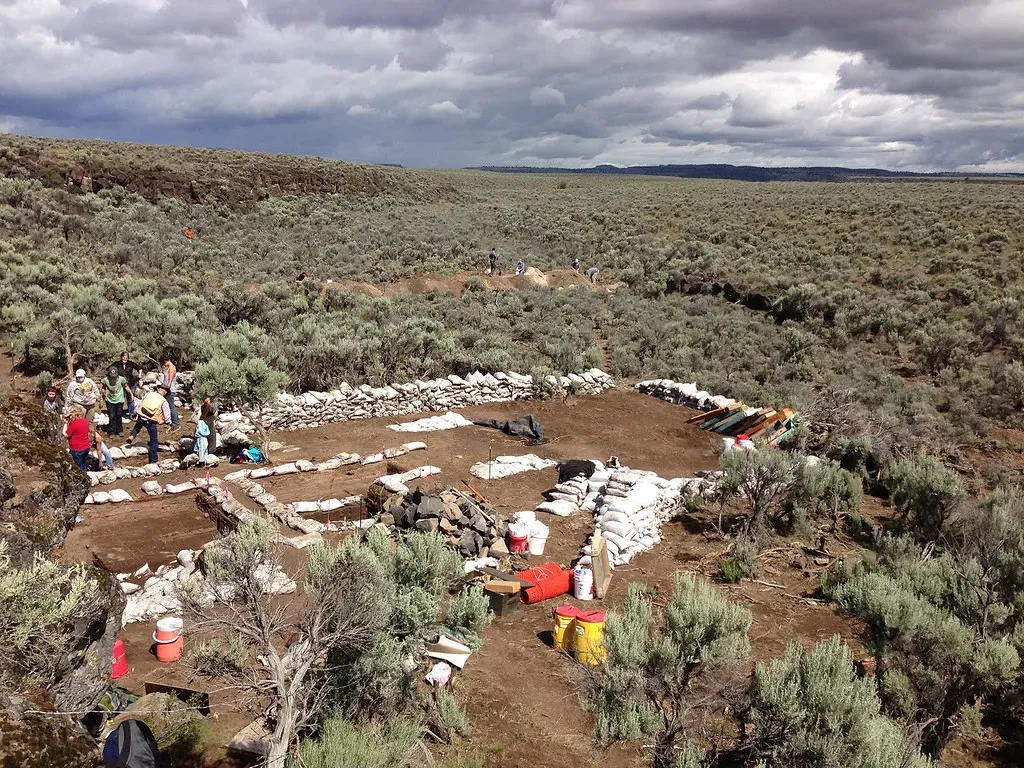
Not far from Buttermilk Creek lies the Gault Site, a sprawling quarry and workshop that has turned out to be one of the richest early archaeological landscapes in North America. Instead of a few scattered spearpoints, researchers unearthed tens of thousands of artifacts, from delicate blades to tools that look like everyday gear for processing plants and animals. This wasn’t just a spot where hunters passed through; it was a place where people lived, learned, and passed on their skills over generations.
Gault matters because it helps humanize the Clovis and pre‑Clovis story. Instead of seeing these early inhabitants as anonymous big‑game hunters, we can start to imagine families camping near water, children learning to flake stone from elders, and complex knowledge circulating through social networks. By uncovering busy workshops and repeated occupation layers, Gault transformed the first Americans from silhouettes chasing mammoths into real communities with routines, traditions, and shared spaces.
6. Cahokia’s buried woodhenges and the forgotten American metropolis
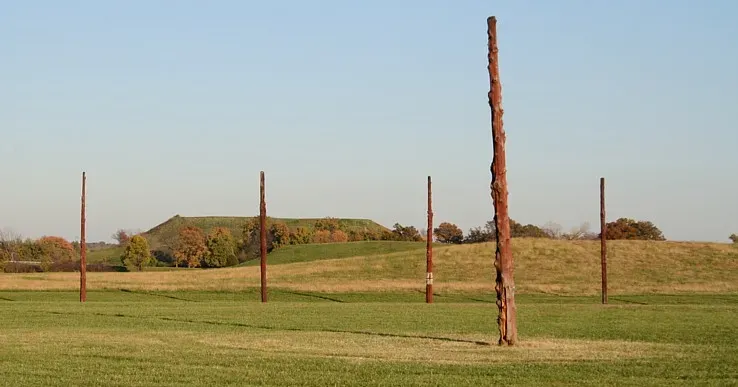
On the floodplain across from modern‑day St. Louis sits Cahokia, a city that once rivaled or exceeded many European towns in size. Beneath the grass and suburban houses, archaeologists have uncovered massive earthen mounds, evidence of neighborhoods, and – astonishing to many people – circular timber constructions aligned with the movements of the sun. These “woodhenges,” once marked by towering posts, became an early proof that North America hosted large, planned ceremonial landscapes and astronomical observatories long before colonization.
Discoveries at Cahokia shattered the old myth that complex urban life in the Americas was mostly a Mesoamerican or Andean story. Excavations under parking lots and roadways revealed layers of feasting, trade goods from distant regions, and signs of social hierarchy that looked more like a bustling preindustrial capital than a scattered village. The city’s rise and fall also sparked new questions about how environmental stress, social inequality, and political power played out on this continent, centuries before European contact.
7. Poverty Point: Louisiana’s earthworks that redrew ideas of “simple” hunter‑gatherers
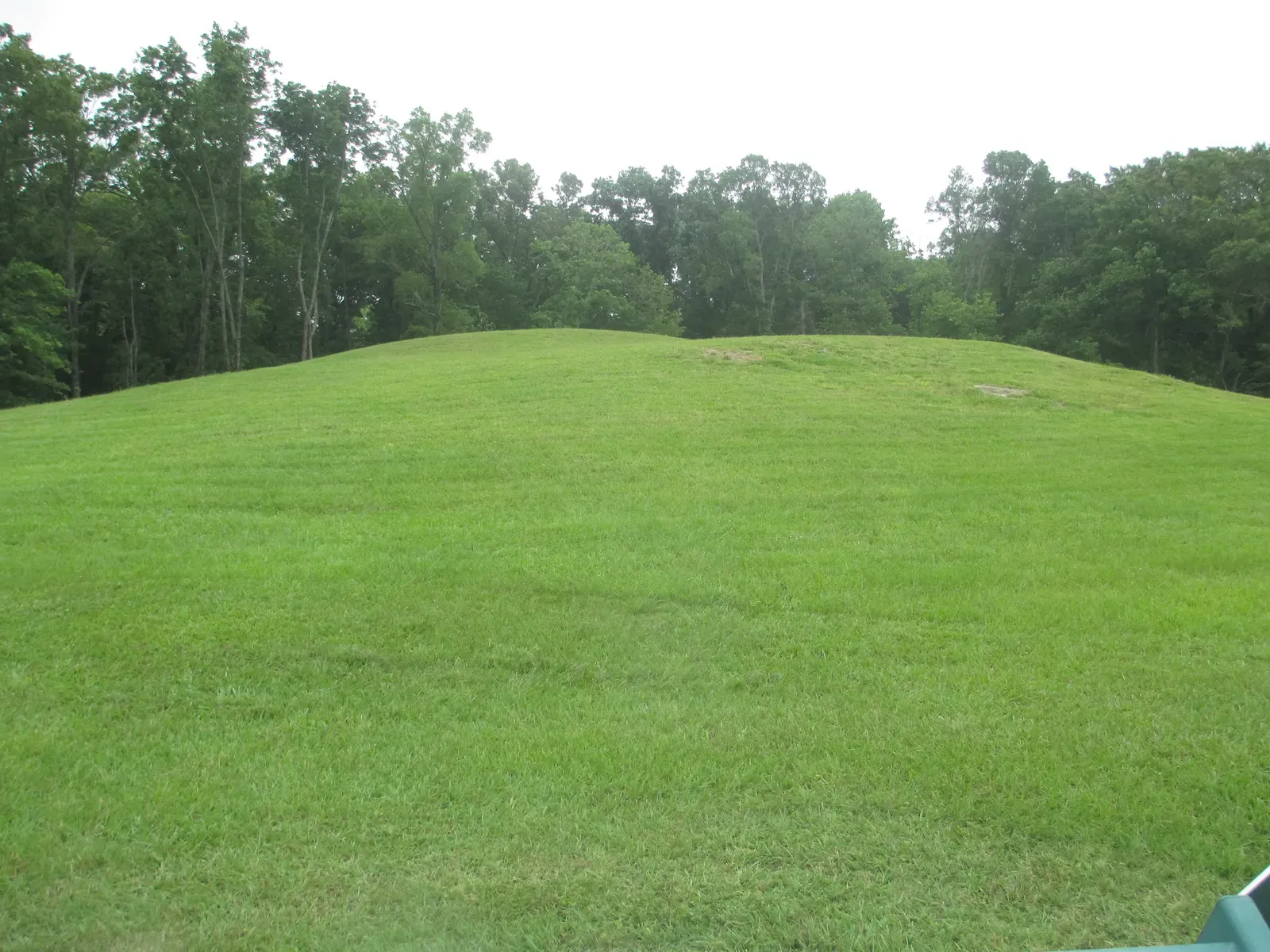
In northeastern Louisiana, a series of enormous concentric ridges and mounds, known as Poverty Point, lay largely misunderstood for years. When archaeologists finally grasped the age and scale of these earthworks, many had to drop the comfortable label of “simple” for the people who built them. Here were massive construction projects and long‑distance trade networks created by communities that did not rely on full‑scale agriculture the way later Mississippian societies did.
Finds beneath the topsoil – from exotic stone materials transported over hundreds of miles to carefully arranged hearths and living surfaces – showed a sophisticated understanding of design, logistics, and social organization. Poverty Point demonstrates that we underestimate ancient Americans at our own risk. Even groups that we might casually label as foragers were capable of large‑scale, coordinated efforts, and they left behind landscapes that still puzzle and impress modern engineers.
8. Serpent Mound and the layered history beneath an Ohio ridge
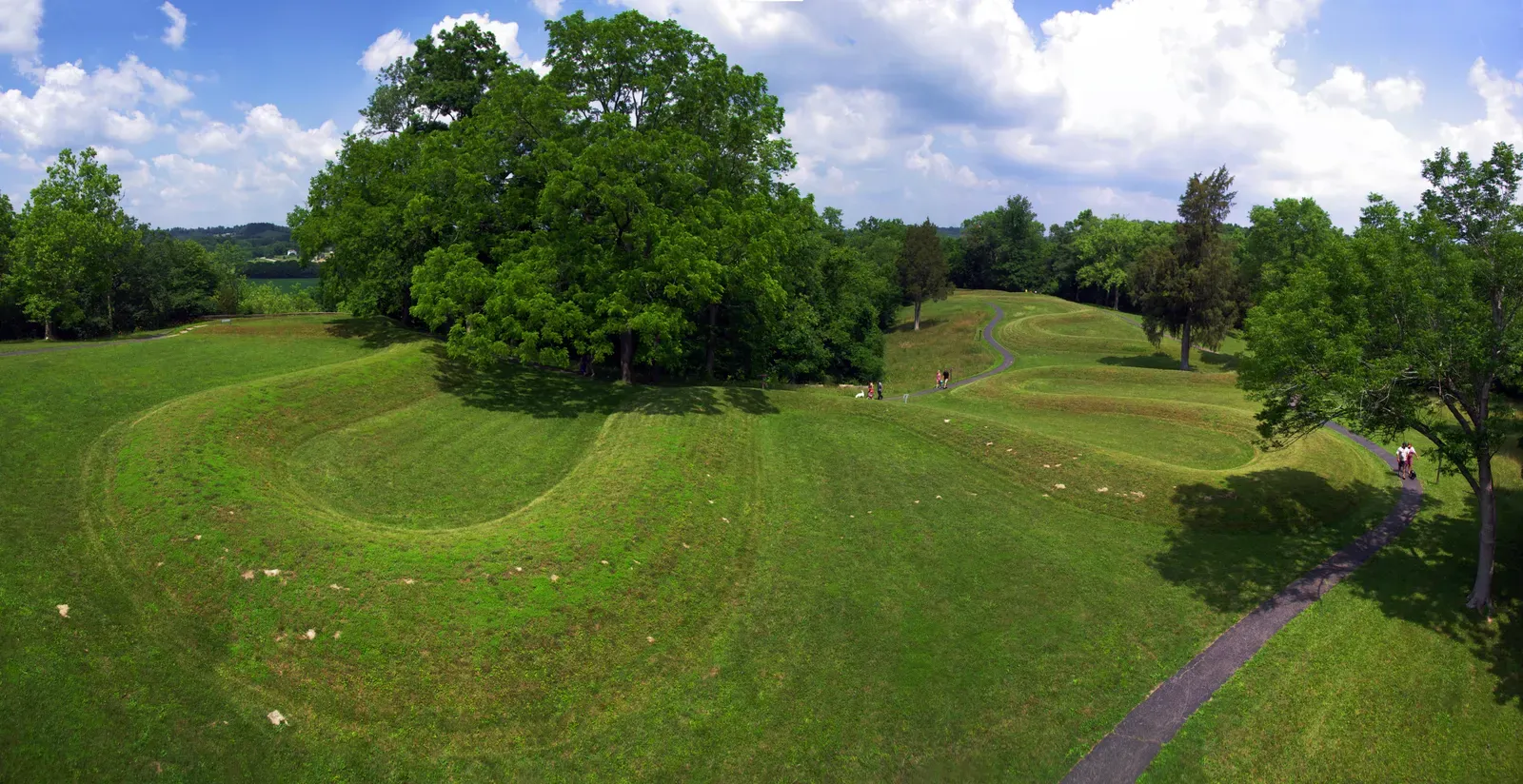
Serpent Mound in Ohio has fascinated locals and visitors for generations, but it’s the work beneath and around the earthwork that has transformed it from roadside curiosity to archaeological game‑changer. Excavations and dating efforts suggested the famous sinuous effigy was part of a longer sequence of occupation and construction in the area. Different cultural groups, at different times, seem to have used and modified this ridge, adding complexity to a monument that already defied simple explanation.
By peeling back soil layers and studying nearby mounds and burials, researchers began to see Serpent Mound not as a one‑off sculpture, but as a node in a much larger ceremonial and social landscape. This has challenged old assumptions that Midwestern prehistory was a story of disconnected mound builders with isolated traditions. Instead, it points toward overlapping belief systems, shared symbols, and evolving ritual practices that played out across centuries in the heart of North America.
9. Anzick and Kennewick: Ancient burials that reshaped ancestry debates
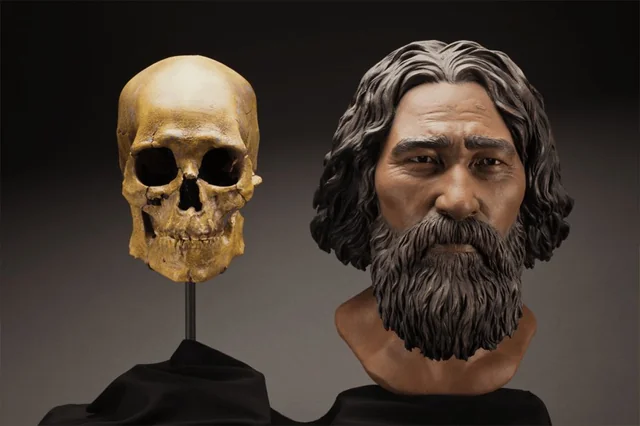
Two burials – one of a child in Montana near Anzick, and one of a man found in Washington state near the Columbia River – sparked some of the most intense debates in American archaeology and politics. The remains, discovered beneath layers of soil and rock, carried genetic clues that connected ancient individuals to present‑day Indigenous communities. At the same time, early interpretations of skull shape and anatomy had once been used to suggest they were somehow different from modern Native Americans, fueling controversial narratives about who “really” came first.
As DNA analysis improved and legal frameworks for protecting Native American burials evolved, these discoveries forced scientists and the public to confront uncomfortable questions about ownership, identity, and respect for the dead. The genetic data ultimately reinforced deep continuity between ancient remains and living Indigenous peoples, undercutting older, speculative theories that tried to insert separate “mysterious” populations into the story. These burials didn’t just rewrite migration charts; they pushed archaeology to listen more closely to Native communities and to recognize them as descendants, not bystanders, in the continent’s deep history.
Conclusion: The ground is still arguing with our textbooks
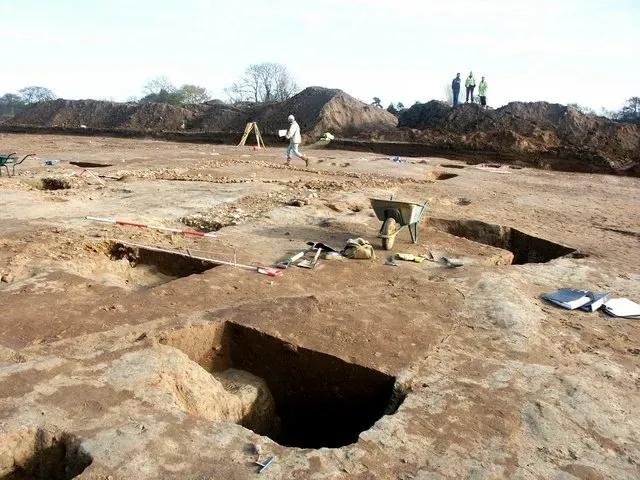
Looking across these discoveries, one theme keeps jumping out: the soil of the Americas has been quietly disagreeing with our neat little stories for decades. Every new site that pushes dates back, reveals unexpected complexity, or confirms deep ties between ancient remains and living communities chips away at the idea that we already know the script. Personally, I find that both humbling and energizing – it means we’re not living on a finished museum exhibit, but on a landscape that is still revealing chapters of a very long book.
It’s tempting to want a single, clean answer: a first date for human arrival, a tidy list of cultures, a straightforward path from small bands to cities. The real past, as these finds show, is messier, older, and more interconnected than that, and our conclusions should be bold enough to change when the dirt says otherwise. Maybe the most radical lesson here is simple: we should expect to be surprised again. The next time a highway project or backyard dig uncovers something odd, will we be ready to listen to what the ground is trying to tell us?