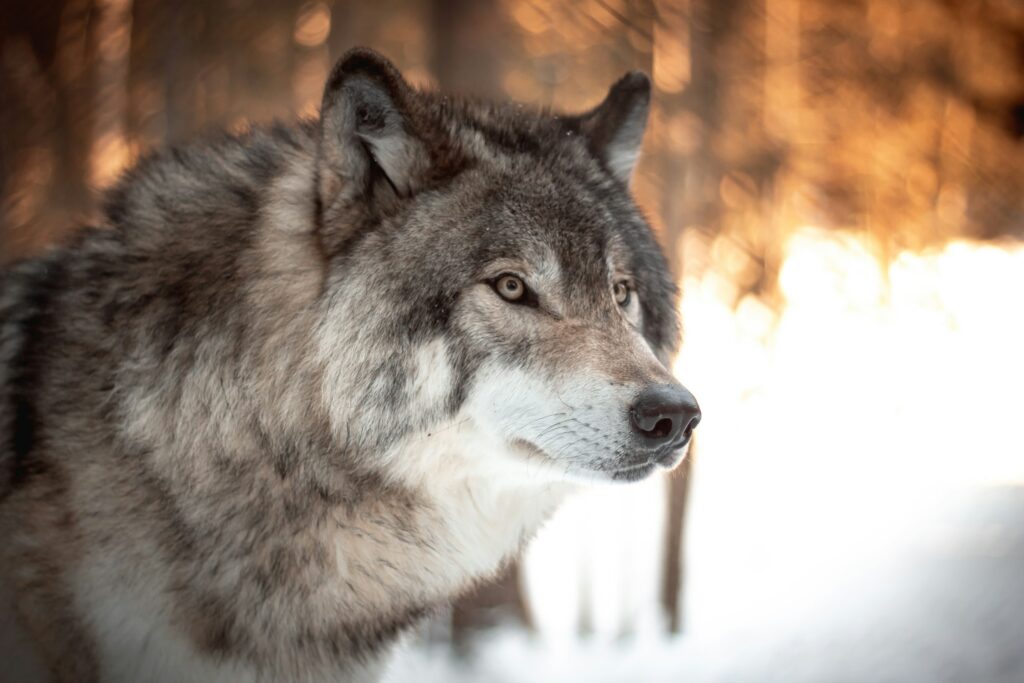

You might imagine a wolf pack as a blur of fur and teeth, rushing after anything that moves, driven by raw instinct. But when you look closely at what biologists and wildlife researchers see in the field, a very different picture starts to appear. Instead of mindless chasing, you’re watching constant split-second decisions: weighing distance, terrain, wind, the strength of the herd, and even the condition of their own pack before committing to a run. That means that every time a wolf lowers its head and starts to trot toward a herd of elk or deer, there’s a quiet calculation happening. You could almost think of it as a living cost–benefit analysis: is this worth the energy, the danger, and the time? When you understand that, you stop seeing wolves as simple predators and start seeing them as strategic thinkers trying to survive in a harsh, unpredictable world – very much like you do, just with different tools.
Why Wolves Can’t Afford a Bad Chase
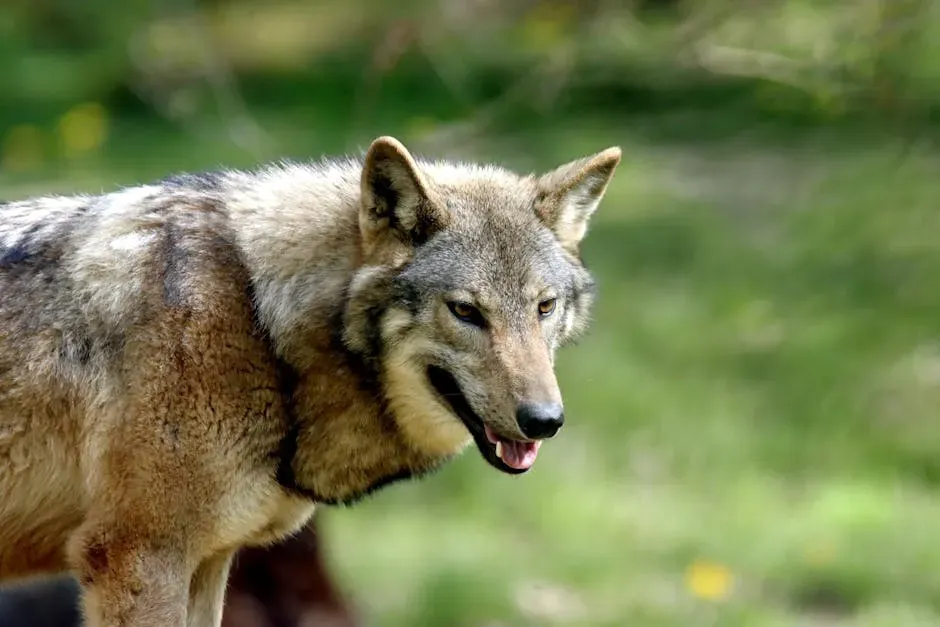
If you had to burn a huge amount of energy every time you went to the grocery store, you’d start planning each trip very carefully. That’s the basic reality for wolves: a single full-speed chase can cost them a huge chunk of their stored energy, and they do not know when the next easy meal will appear. Because of that, they can’t afford to sprint after every moving target; they need to make each chase count. You see this in how often wolf hunts fail. Field studies have shown that most chase attempts do not end in a kill, which means every unsuccessful run is an expensive mistake in terms of calories and risk of injury. So when a wolf decides to go from trotting watchfully to launching into a full chase, it’s not just “instinct taking over” – it’s a decision under pressure, shaped by hard lessons about how costly failure really is.
Reading the Herd: Spotting Weakness Before Committing
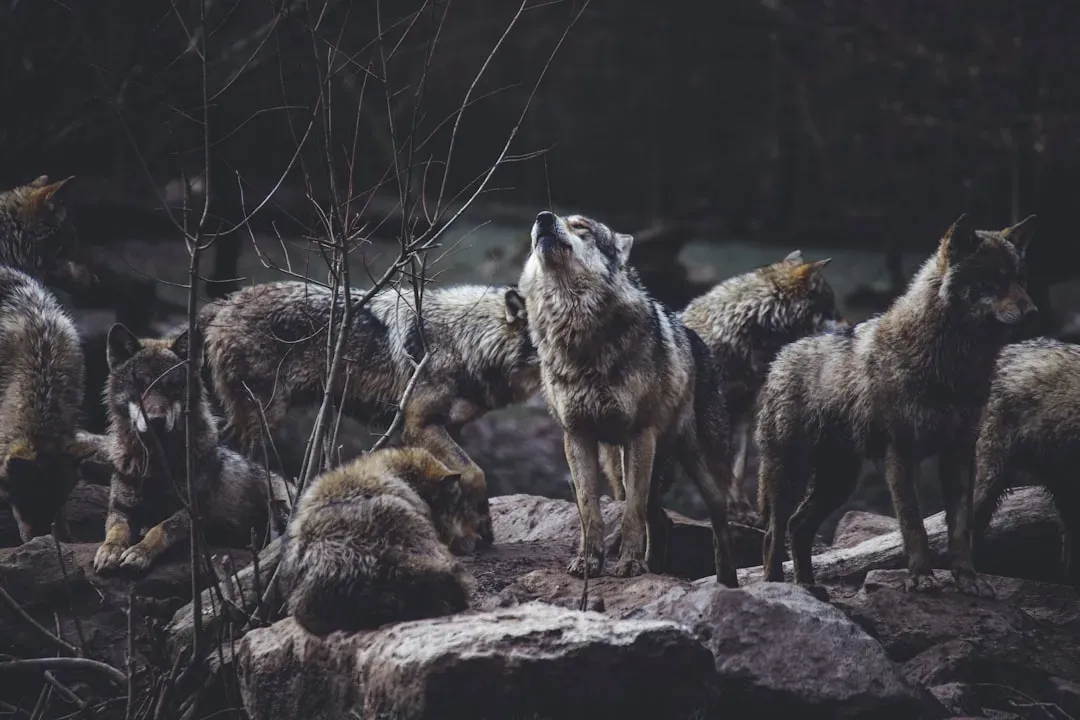
The next time you see footage of wolves approaching a herd, pay attention to the pace. You’ll notice that they rarely charge straight in; instead, they move in a probing, testing way. You’re watching them scan for risk and opportunity: which animals are lagging, which ones look injured, which direction the herd will flee, and how tightly they are grouped together. That slow build-up is part of their risk assessment, not hesitation or confusion. You can think of it the way you might walk into a crowded room and instantly sense who’s distracted, who’s confident, and where the exits are. Wolves do something similar with prey. They will often trigger a small panic, then back off just enough to watch how individuals move. If they see a limping elk or a calf separated from its mother, that specific target changes the risk equation – suddenly, the odds swing in their favor, and a full chase becomes more “worth it.”
Terrain, Weather, and Wind: The Hidden Variables
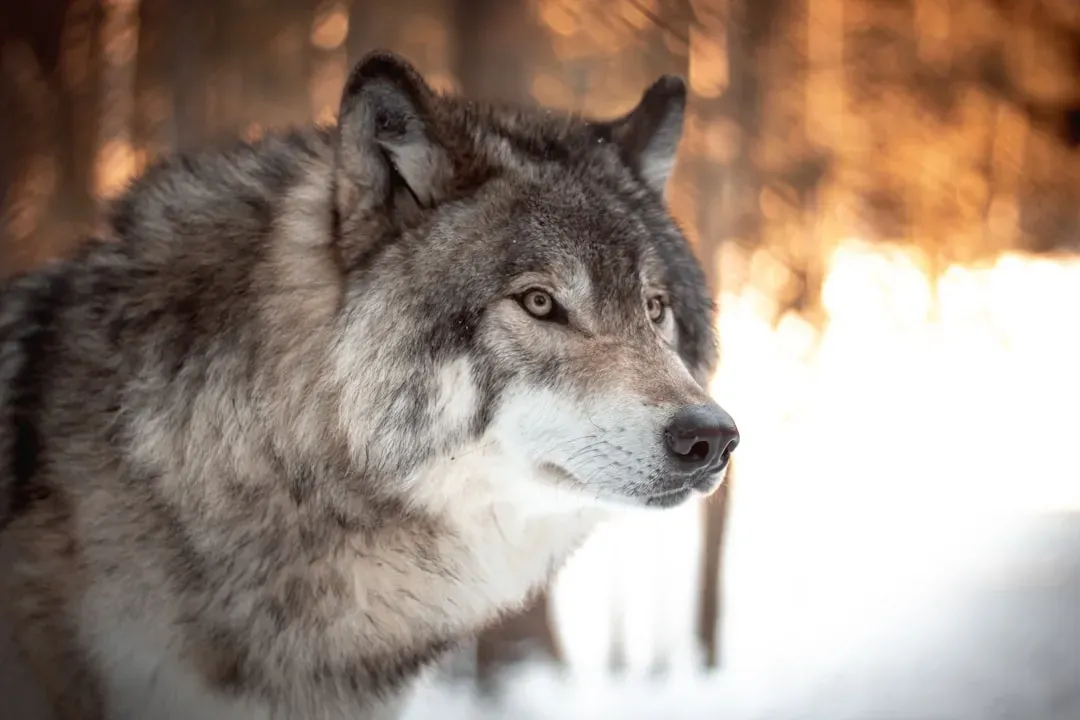
If you ever tried running uphill in deep snow, you know how quickly your legs and lungs start screaming. Wolves have to factor that kind of challenge into every hunt. They do better when the terrain slows their prey down: crusted snow that can hold wolf weight but not that of heavier elk, slippery ice, or dense forest that breaks up a herd’s ability to run together. So before a chase, wolves are, in a sense, reading the landscape and asking, “Does this place help us or help them?” Wind direction is another subtle but crucial part of the risk calculation. If the wind carries a wolf’s scent straight toward the herd, a potential ambush can be blown before it even begins. By circling and shifting their approach, wolves are not just sneaking; they’re reducing the risk that the prey will bolt too early. It looks smooth and instinctive from the outside, but it only works because the wolves are constantly adjusting their behavior to the terrain and conditions in front of them.
Pack Size and Strength: Knowing When You’re Outmatched
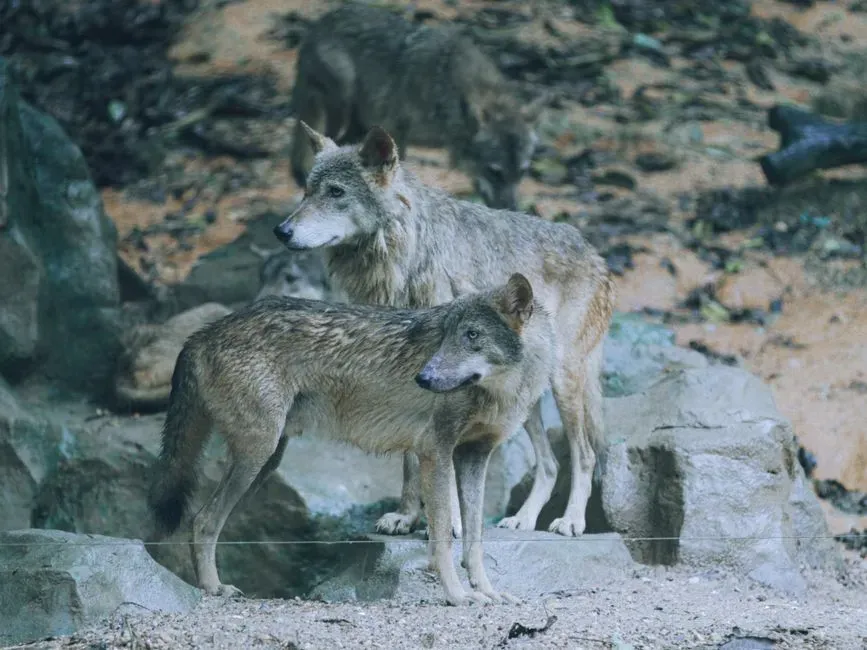
You can’t separate a wolf’s decision from the state of its pack. A large, healthy group with several strong adults can take on bigger prey and higher-risk situations than a small, injured, or exhausted pack. When you watch a smaller group shadowing a big herd, they often hang back more, test less aggressively, and give up sooner. That isn’t fear in the human sense; it’s sober assessment of what they can realistically handle. Imagine playing on a sports team where half your players are injured – you wouldn’t sign up for the toughest match that day. Wolves do something similar without spreadsheets or game plans. They “know” when a situation might overwhelm them: a herd that holds its ground, multiple big adults forming a defensive ring, or prey that actively turns and fights. Every one of those signs feeds into whether the pack decides to escalate the encounter or peel off and go look for an easier, less dangerous opportunity.
Learning From Pain: Experience Shapes Every Future Chase
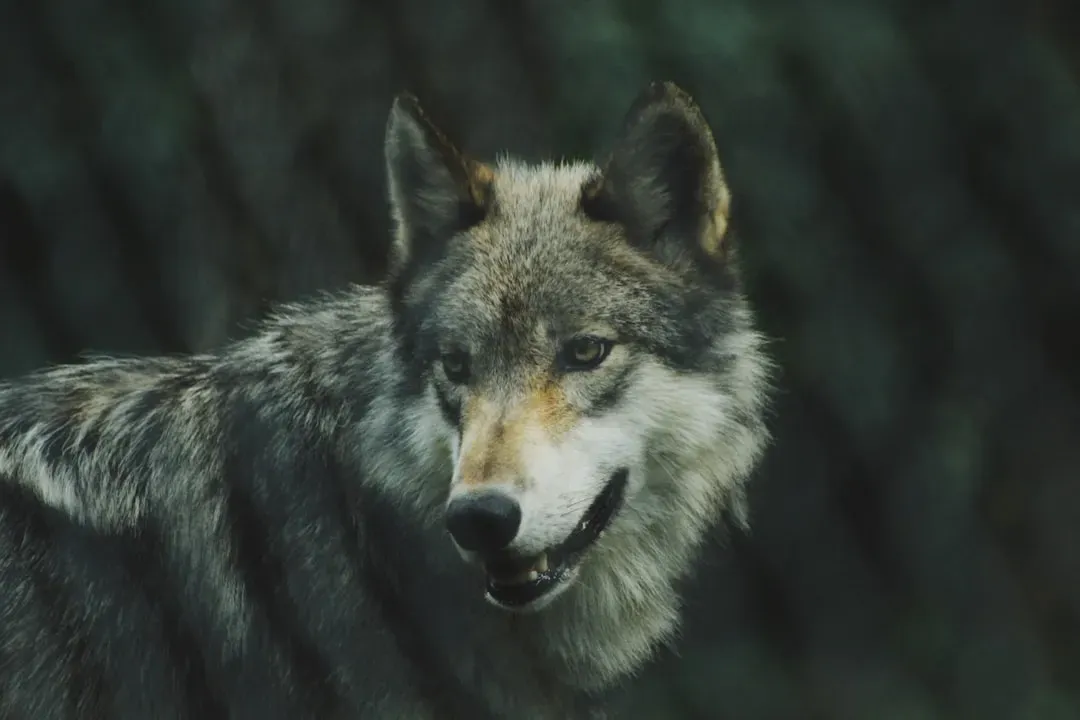
Risk assessment does not appear out of nowhere; it’s built from experience. Young wolves are clumsy hunters, more likely to chase impulsively and waste energy or misjudge a situation. Over time, they experience exhaustion, failed hunts, and sometimes painful kicks or goring from prey that fights back. Those lessons leave a mark, and they change how a wolf responds to similar situations the next time. You probably know this feeling in your own life: after one rough financial mistake or a painful relationship, you suddenly evaluate new opportunities much more cautiously. Wolves learn in a comparable way, just without language. A failed chase is data. An injury is a reminder. So when an older wolf pauses just a beat longer before committing to a chase, you’re seeing the product of years of trial, error, and survival-based learning, not a generic, unchanging instinct.
Moments of Choice: When Wolves Abort a Chase
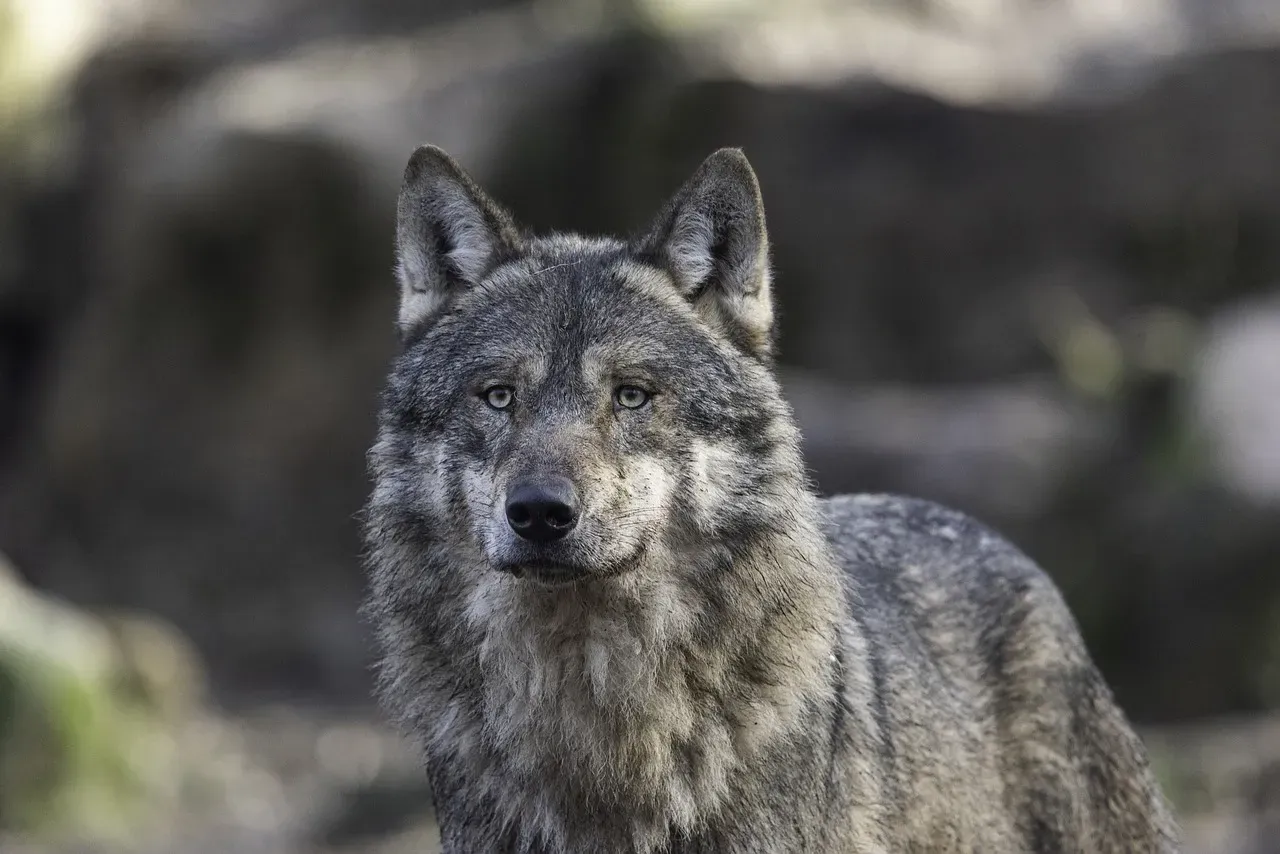
One of the clearest signs that wolves are weighing risk is how often they stop chasing mid-hunt, even when prey is still visible. You’ll see a pack launch, then suddenly break off, regroup, and slow back to a trot. If chasing were just an unstoppable reflex, that on–off behavior would not make much sense. Instead, wolves seem to reassess on the fly: is the target too fast, has the herd reorganized, is an injury more likely now than a successful kill? It’s not that wolves are “overthinking”; they are updating their internal math as new information appears. If the chase stretches on too long, the energy cost climbs. If the prey leads them into terrain that favors defense – steep slopes, tricky rocks, deep water – the risk of broken bones or serious wounds rises fast. When you see wolves peel away, it’s essentially them cutting their losses, preserving their bodies and energy for a better opportunity down the line.
Instinct vs. Intelligence: How Both Work Together
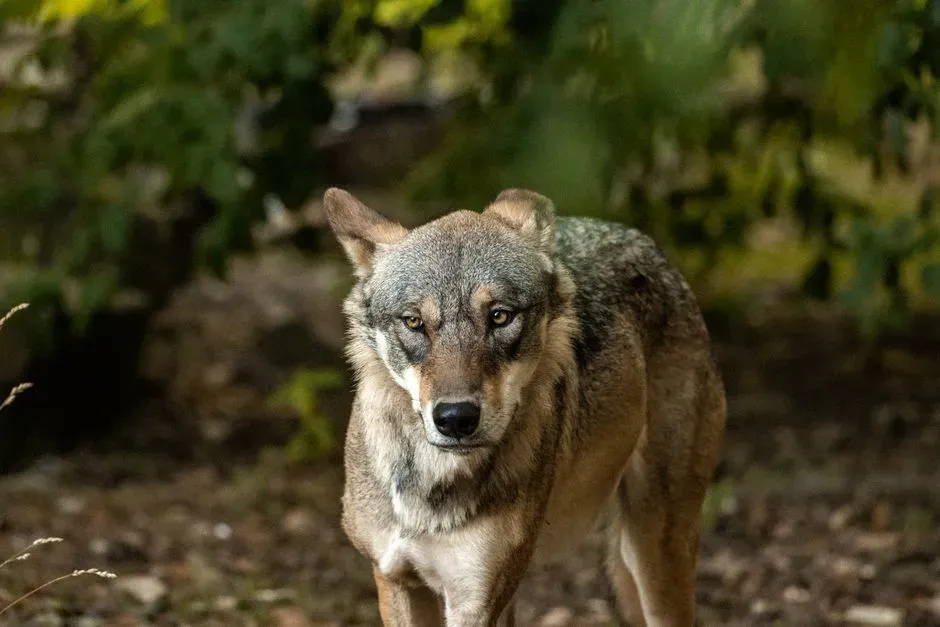
It’s tempting to pit instinct against intelligence, as if an animal can only rely on one or the other. In reality, a wolf’s behavior is a blend of both. Instinct gives the basic blueprint: chase, bite, surround, survive. But what you actually see in the wild is that those built-in tendencies are constantly being shaped by context and learning. Risk assessment rides on top of instinct, fine-tuning when and how those instinctive actions are used. Think of instinct as the default settings on a device and learning as the custom adjustments you make over time. You start with a base pattern, but repeated experience reshapes what feels “automatic.” For wolves, judging the safest angle of attack, recognizing a dangerous kick, or knowing when a prey animal is bluffing all come from that ongoing blend. You’re not watching a robot; you’re watching a creature that updates its survival strategy with every encounter.
What Wolves Can Teach You About Everyday Risk
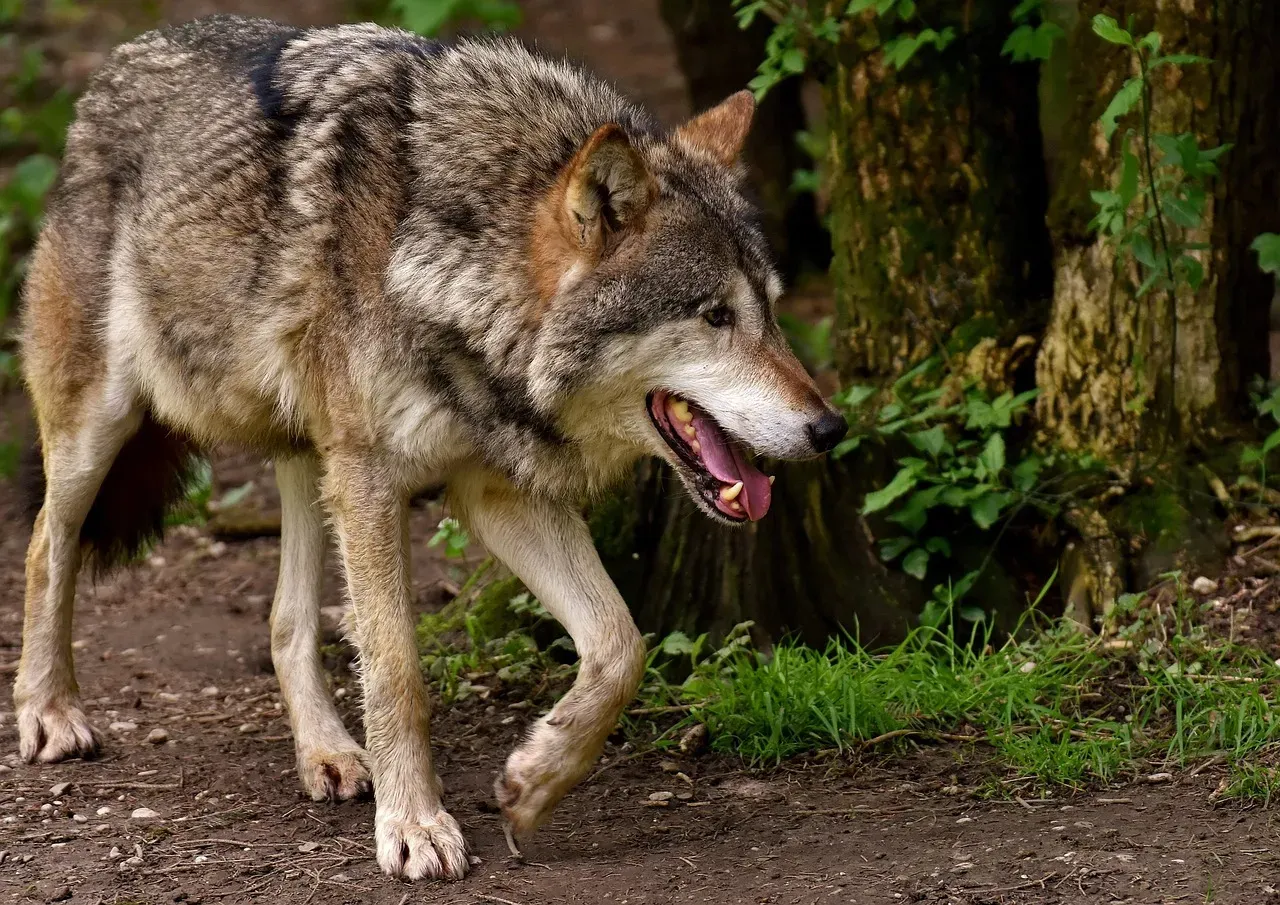
If you look closely, wolf hunting strategy ends up being surprisingly relatable. You may not be chasing elk across a snowfield, but you’re constantly deciding which goals to pursue, which chances to take, and when to walk away. Just like a wolf, you’re balancing effort, reward, and danger – only your “prey” might be a new job, a relationship, or a big purchase instead of a deer. Their world turns those calculations into life-or-death stakes, which makes their choices easier to see and study. You can borrow a lot from that mindset. Before rushing in, you can test the water, gather signals, and be willing to abort when new information changes the odds. You can take into account your own “pack condition” – your energy, health, finances, and support system – before committing to something costly. In that way, watching wolves gives you more than wildlife trivia; it offers a wild, stripped-down mirror of the way you already judge risk in your own life.
Conclusion: The Chase Is Never Just a Chase
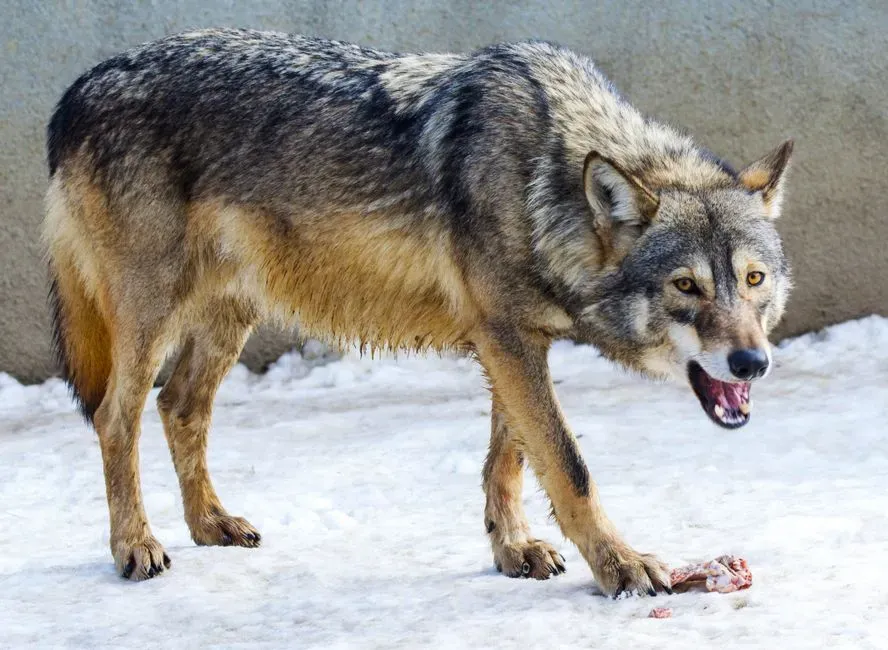
Once you start viewing wolves through this lens, every hunt becomes more than an action scene; it becomes a series of layered decisions. Instead of a simple story of instinct, you see a richer, more dynamic process: scanning the herd, reading the land, checking the pack’s strength, learning from past pain, and pulling out when the math no longer works. The drama is still there, but now you can appreciate the quiet calculations behind each sprint. And maybe that changes how you see your own snap decisions too. Underneath your fast reactions, there’s usually a lot of unseen experience, subtle pattern recognition, and quiet evaluation going on. Wolves remind you that instincts and judgment can work together rather than against each other, especially when survival – or success – depends on it. The next time you see a wolf break into a run, will you see only a predator, or also a strategist making the best of a risky world?