

Everyone knows that big life choices say something about who you are. Your job, your friends, where you live, what you post online – all of that feels obviously “you.” But the sneaky truth is that your personality leaks out in much smaller, quieter ways long before you ever say a word or share a hot take on social media.
Psychologists have been studying these tiny, everyday behaviors for decades, and the results are both fascinating and a little unnerving. From how you walk into a room to what you do with your phone when you’re bored, these little habits can quietly sketch a surprisingly accurate picture of your inner world. Once you start noticing them, you’ll probably never look at yourself – or other people – quite the same way again.
1. How You Walk Into a Room

Think about the last time you walked into a busy café or meeting. Did you stride in quickly with your head up, or slip in quietly and hug the wall? Your walking speed, posture, and eye contact are like a live trailer for your personality, hinting at your energy level, confidence, and emotional state long before you open your mouth.
People who move with steady, purposeful strides and look around tend to be more extroverted, assertive, or at least comfortable being seen. On the other hand, a slower, shuffling, or hesitant walk can show up in more anxious, introverted, or cautious personalities. It’s not that one style is good and the other bad; it’s more like different walking “fonts” that reveal how you naturally move through the world.
2. What You Do With Your Phone When You’re Waiting
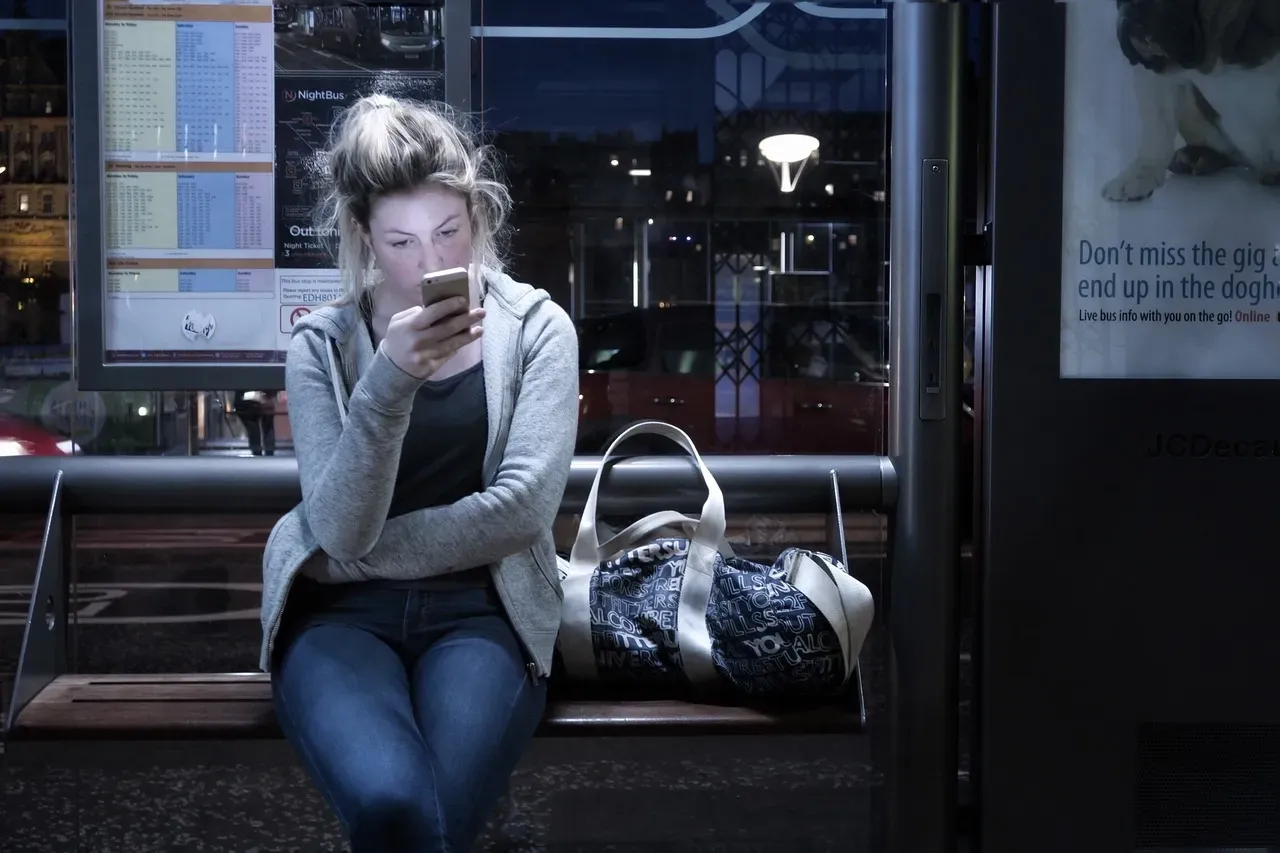
Picture yourself standing in line or sitting alone at a table. Do you immediately reach for your phone, scroll mindlessly, or do you look around and people-watch? That knee‑jerk reaction says a lot about your comfort with stillness, boredom, and your own thoughts. Many of us have turned the phone into a tiny emotional support device without even realizing it.
People who automatically dive into their screens often lean toward higher social anxiety, fear of missing out, or simply a stronger need for stimulation. Those who sit and observe, or just let their minds wander, tend to be slightly more comfortable with their own company and boredom, and may have a richer internal world. Neither style makes you better or worse – but noticing which one feels more “you” can be surprisingly revealing.
3. How You React to Sudden Interruptions

You’re in the middle of something – reading, working, relaxing – and someone unexpectedly interrupts you. Do you snap, sigh, smile, or immediately switch gears? That split-second reaction often shows your baseline emotional regulation, not the polished version of you that shows up when you’ve had time to think.
Quick irritation, eye-rolling, or a sharp tone can hint at underlying stress, low bandwidth, or a more reactive temperament. People who can pause, reset, and respond calmly, even when annoyed, tend to have stronger self-control and emotional flexibility. It is not about never getting frustrated; it is about what “leaks out” in that first unfiltered moment when life does not follow your script.
4. How You Treat People Who Can’t “Do Anything” for You

Watch yourself with waiters, cashiers, cleaners, receptionists, or the intern on their first day. Do you make eye contact, say thank you, and use a warm tone, or do you barely look up, mumble, or act as if they are invisible? This tiny pattern is one of the clearest signals of your values, empathy, and sense of social hierarchy.
People who consistently show basic kindness and respect, even when there is nothing to gain, tend to have stronger prosocial traits: empathy, humility, and a deeper sense of fairness. If someone is polite to their boss but dismissive to staff, that gap is not a glitch – it is a personality clue. This is one of those habits that feels small in the moment but says a lot about how you truly see other people.
5. How You Handle Minor Inconveniences

The coffee is a bit too cold, your package is late, the app crashes once, traffic is annoying. Do you curse under your breath, spiral into a rant, or shrug it off and move on? Your reactions to these “tiny annoyances” quietly reveal your tolerance for frustration and your general outlook on life.
People who explode over small things often carry a higher level of baseline stress or a belief that the world should conform closely to their expectations. Those who laugh it off, adjust, or let it go usually have a more flexible, resilient mindset. It is not that they enjoy inconvenience; they just do not let every bump in the road feel like a personal attack from the universe.
6. Where Your Eyes Go in a New Place

Walk into a friend’s living room or a new office. What do you notice first? The people, the art, the clutter, the view, the tech? Your attention naturally gravitates toward whatever your brain finds most relevant, and that reveals what you care about and how you process the world.
People who instantly scan faces often lean more social, reading emotions and group dynamics before anything else. Others zoom straight to bookshelves, gadgets, or décor, hinting at curiosity, aesthetic sense, or analytical focus. There is no right answer, but your “first look” is like a personality snapshot: it shows what your brain decides matters most in the very first second.
7. How You Talk About Your Past

When you tell stories about school, old jobs, or ex-relationships, do you frame yourself mainly as the hero, the victim, the learner, or the observer? The words you choose – even casually – reveal how you make sense of your own life and how much responsibility you tend to take for what happens to you.
People who always cast themselves as powerless or unlucky may lean toward a more external sense of control and lingering resentment. Those who can admit their own mistakes, highlight what they learned, and still hold some warmth for past versions of themselves usually have a more resilient and growth‑oriented mindset. You do not have to sugarcoat painful experiences, but the story you repeat becomes part of your personality’s backbone.
8. Your Default Response to Invitations

A friend texts: “Want to grab dinner Thursday?” The group chat suggests a weekend trip. Your coworkers invite you to a casual hangout. Is your first impulse to say yes, say no, or stall? That knee‑jerk reaction says a lot about your social energy, openness to new experiences, and how you manage your time and boundaries.
People who reflexively say yes might be more extroverted or simply afraid to miss out or disappoint others, sometimes at the cost of burnout. Those who often say no or hesitate may be more introverted, protective of their routines, or anxious about social situations. The sweet spot is usually a thoughtful middle: people who pause, check in with themselves, and then respond honestly show a blend of self-awareness and respect for their own capacity.
9. What Your “Resting” Face and Body Do

When you are not actively performing – just listening, thinking, or zoning out – what does your face do? Do your brows furrow, lips tighten, shoulders tense, or do you naturally soften and relax? Your resting expressions and posture often reveal your emotional baseline more than your big smiles and posed photos.
Chronic tension in the jaw, shoulders, or brow can suggest ongoing stress, vigilance, or a more serious, analytical temperament. A naturally relaxed, open posture might hint at a calmer, more easygoing baseline. You are not stuck with one forever, but noticing your default can explain why some people assume you are angry, sad, or unapproachable when you feel perfectly normal inside.
10. How You Talk to Yourself When You Mess Up

You forget a deadline, send a text to the wrong person, burn dinner, or say something awkward. Do you immediately tell yourself you are stupid, useless, or doomed, or do you cringe, correct, and move on? Your inner commentary in those clumsy moments quietly reveals your self-esteem, perfectionism, and capacity for self-compassion.
Harsh self-talk often comes from old patterns: critical parents, competitive environments, or the belief that shame is the only path to improvement. People who can say something more balanced – basically “that sucked, but I am still okay” – tend to be more resilient and emotionally stable over time. The way you treat yourself after a mistake is one of the clearest windows into how safe you feel inside your own head.
Conclusion: Your Small Habits Are Loud

The tiny things you do without thinking are not random; they are your personality running on autopilot. How you walk, where your eyes land, how you treat strangers, how you narrate your own past – these details form a pattern that is often more honest than the carefully curated version of you that shows up on resumes and social feeds. That can feel a bit exposing, but it is also empowering, because you can start to notice those patterns and gently reshape them.
In my own life, the biggest wake‑up call was realizing how often I grabbed my phone the second I felt even slightly awkward, as if silence or eye contact were dangerous. Changing that one small habit made me feel more grounded and less jittery in my own skin. You do not need to reinvent yourself overnight; even tweaking how you handle interruptions or talk to yourself after a mistake can shift the whole tone of your days. If these little things reveal so much about you, which one are you most curious to pay attention to next?