
You already know the big names: Yellowstone, Yosemite, Everglades, Acadia. They’re spectacular, but they’re also crowded, expensive, and sometimes overwhelming if you just want a quiet day with your binoculars and a thermos of coffee. What you may not realize is that scattered between these icons are quieter, lesser-known birding spots that can feel every bit as magical, without the wall of rental SUVs at every overlook.
In these places, you’re more likely to share a trail with a handful of dedicated birders than a bus tour. You can linger on a warbler long enough to really notice the subtle color on its throat, or sit alone in a marsh blind while rails call from the reeds. Think of this list as a secret side door into America’s wild birdlife: familiar states, unexpected locations, and the kind of mornings you remember for years.
Bombay Hook National Wildlife Refuge, Delaware
If you think great birding only happens out West or in giant parks, Bombay Hook on Delaware’s coast proves you wrong in the best way. Here, you drive dike roads along vast tidal salt marshes that feel as wild and expansive as many famous national parks, but you’re never fighting for a parking spot. You might roll down your window and suddenly realize the “distant haze” over the marsh is actually an enormous flock of shorebirds lifting off in one swirling cloud.
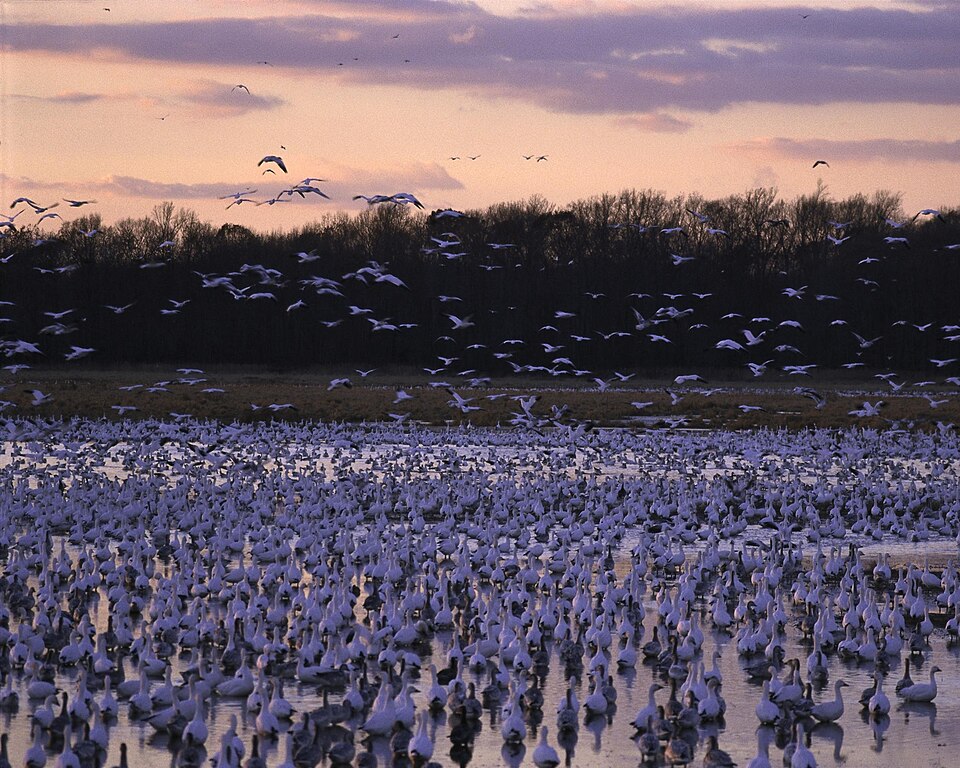
In spring and fall, you can watch sandpipers, dunlin, yellowlegs, and dowitchers feed right along the impoundments, often just yards from your car. Snow geese and other waterfowl pile in during migration and winter, sometimes in numbers that seem unreal until you hear their constant low roar. You can loop the refuge slowly, hopping out at observation towers and platforms, and you’ll often feel like you have front-row seats to a private wildlife show.
Bosque del Apache National Wildlife Refuge, New Mexico
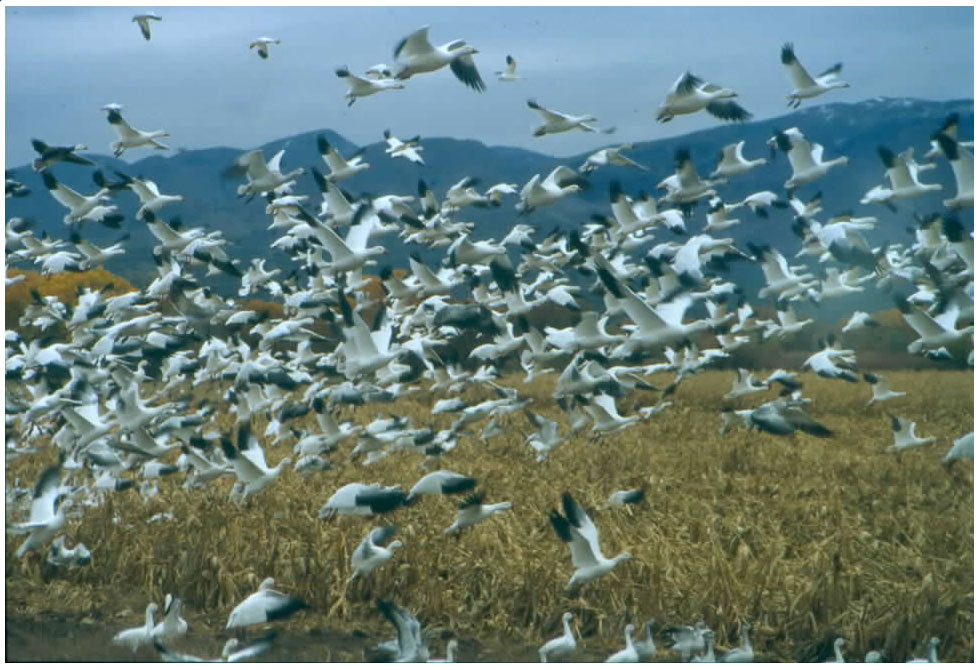
You may have seen images of cranes and snow geese exploding off a golden marsh at sunrise – that’s Bosque del Apache, and it rivals any national park spectacle in the country. If you visit in late fall or winter, you can stand in the pre-dawn chill and feel the ground vibrate as thousands of birds wake up and lift into the orange sky. It’s not just beautiful; it’s the kind of sensory overload you remember in detail years later.
During the day, you can cruise the auto loops, stopping to scan fields for Sandhill Cranes, dabbling ducks, and raptors riding the desert thermals. Because the refuge sits along the Rio Grande flyway, migration can bring in a surprising variety of species, from Ross’s geese to unexpected vagrants. You get this huge, cinematic bird experience, but you’re not bumping elbows with giant crowds like you might around a geyser basin or a national park viewpoint.
Santa Ana National Wildlife Refuge, Texas
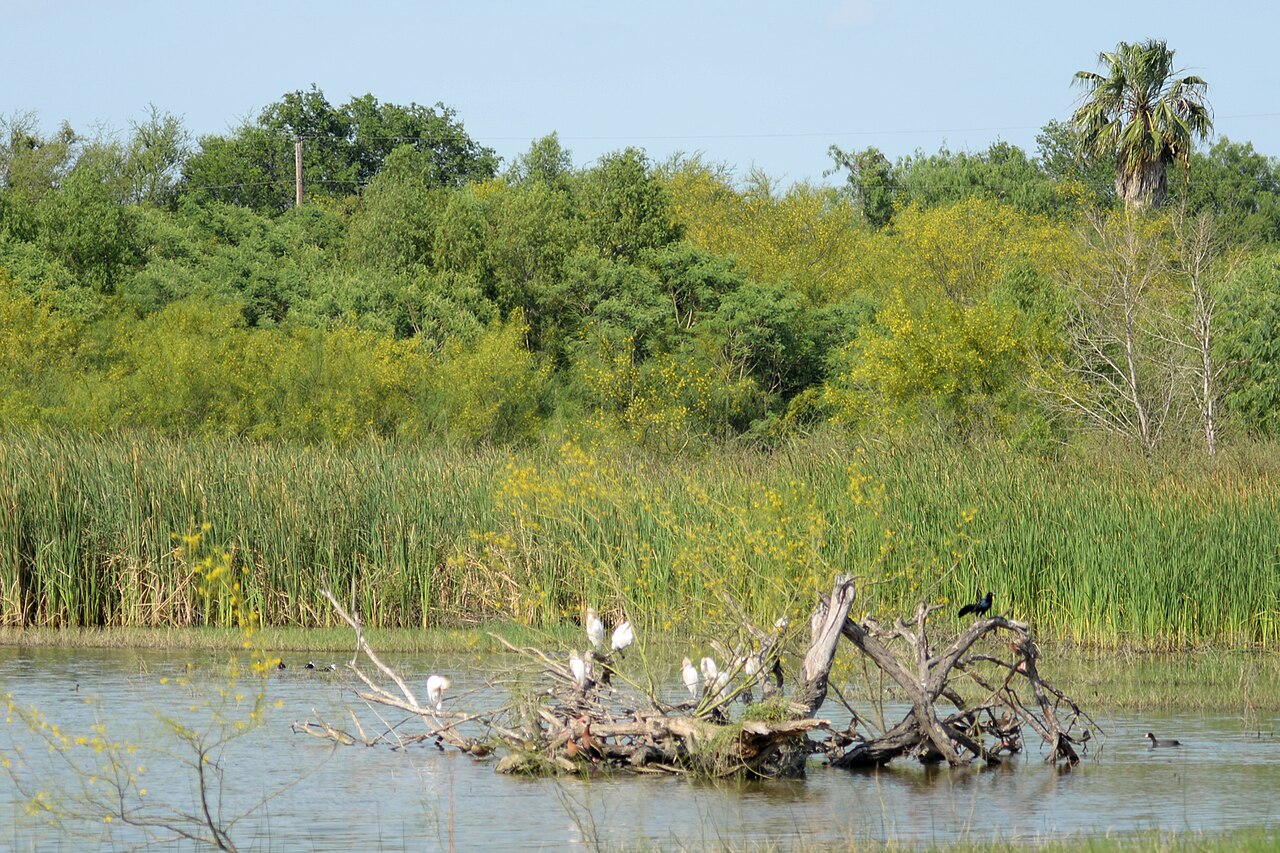
If you’ve ever dreamed of seeing birds that feel more at home in the tropics than in the United States, Santa Ana in the Lower Rio Grande Valley is where that dream gets real. You step onto the trails and suddenly you’re in a mosaic of riparian forest, resacas, and thornscrub that looks and sounds different from almost anywhere else in the country. Even the common birds here – Great Kiskadees, Green Jays, Plain Chachalacas – make you feel like you’ve crossed a border into another world.
Because this refuge sits at the meeting point of North American and Latin American bird ranges, you have a real shot at picking up rarities that would be bucket-list birds anywhere else. You can walk canopy towers, wander levees, and scan ponds for herons, kingfishers, and ducks, often with the soundtrack of kiskadees calling from overhead. It has the biodiversity buzz of a national park, but it’s compact enough that you can really get to know it in a long weekend.
Great Dismal Swamp National Wildlife Refuge, Virginia–North Carolina
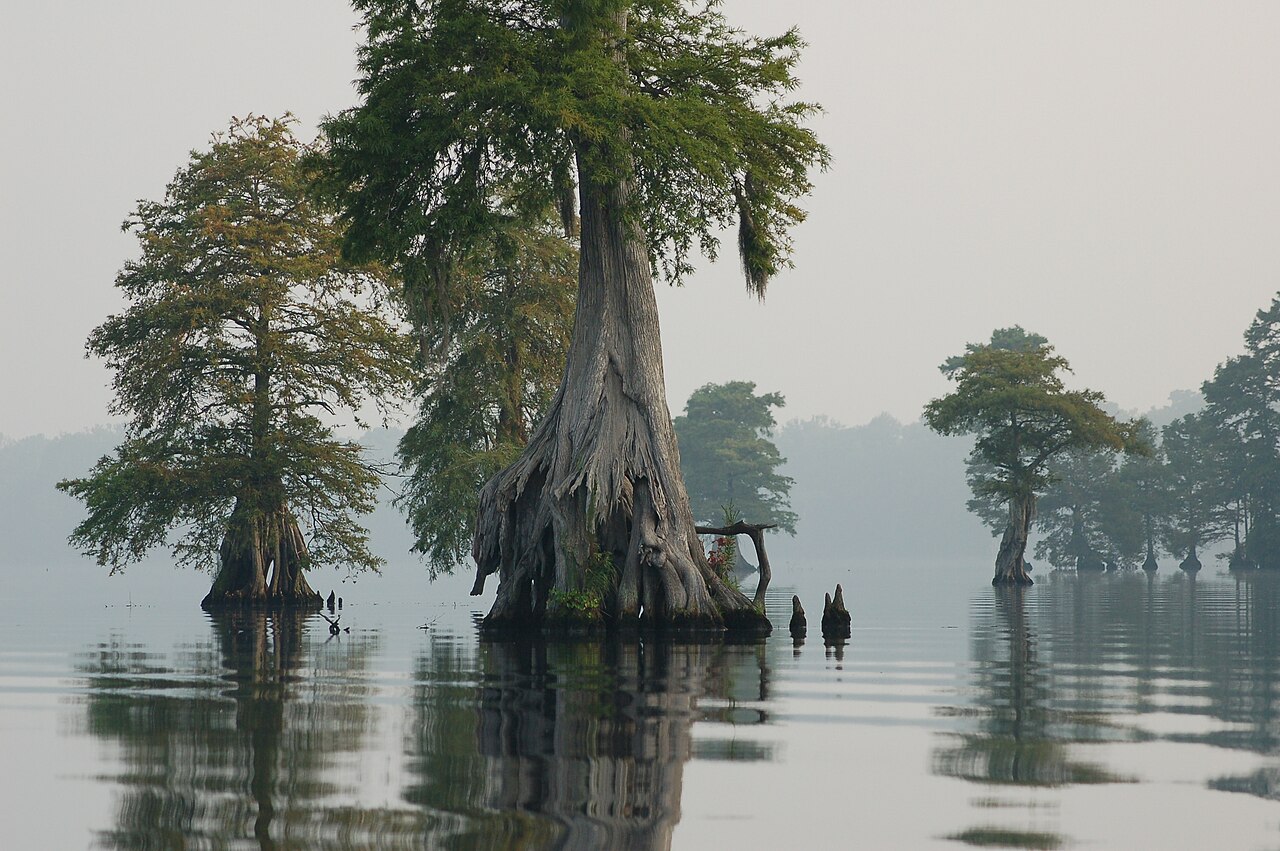
Because it’s not a household name, you’re often sharing the refuge with only a few other people spread across a huge area. You can slowly work edges, listening for the soft call notes of a Swainson’s Thrush or the sharp chip of a Prothonotary Warbler deep in the swamp. It has the wild, slightly untamed feel you might associate with a national park backcountry trail, but you’re never far from a main access road if you want to change spots or head out.
Bear River Migratory Bird Refuge, Utah
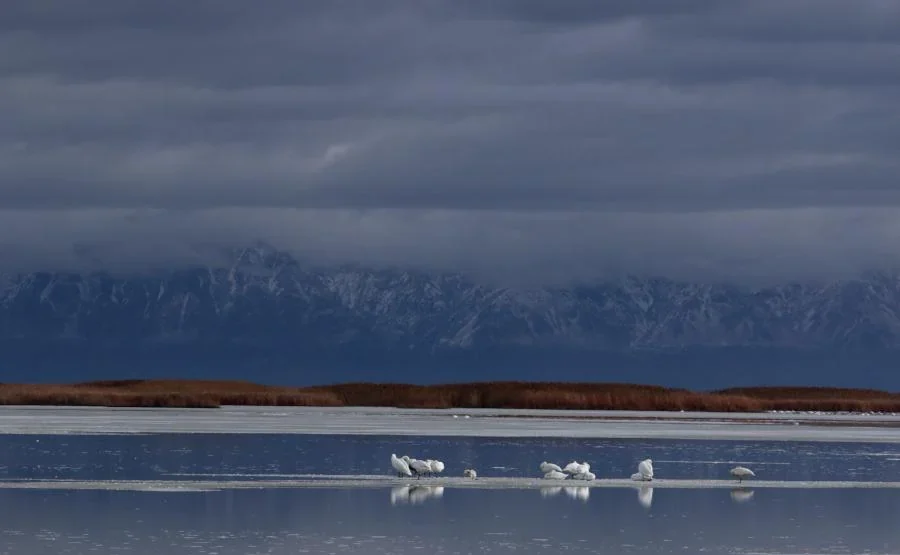
When you think of Utah, you probably picture red rocks and desert arches, not endless wetlands packed with birds. Bear River Migratory Bird Refuge flips that mental image on its head as it spills into the northeast corner of the Great Salt Lake. You follow a long, lonely road through marshes and open water where ibis, stilts, avocets, and phalaropes feed in shallow pools that stretch off toward distant mountains.
During migration, this place becomes a critical refueling station for waterbirds crossing the interior West, and you can watch huge mixed flocks wheel and feed in front of you. The auto tour loop lets you bird at your own pace, using your car as both blind and windbreak when the lake breeze picks up. The huge views, dramatic skies, and sheer number of birds make it feel every bit as grand as more famous western parks – just without the line of cars behind you.
Merritt Island National Wildlife Refuge, Florida
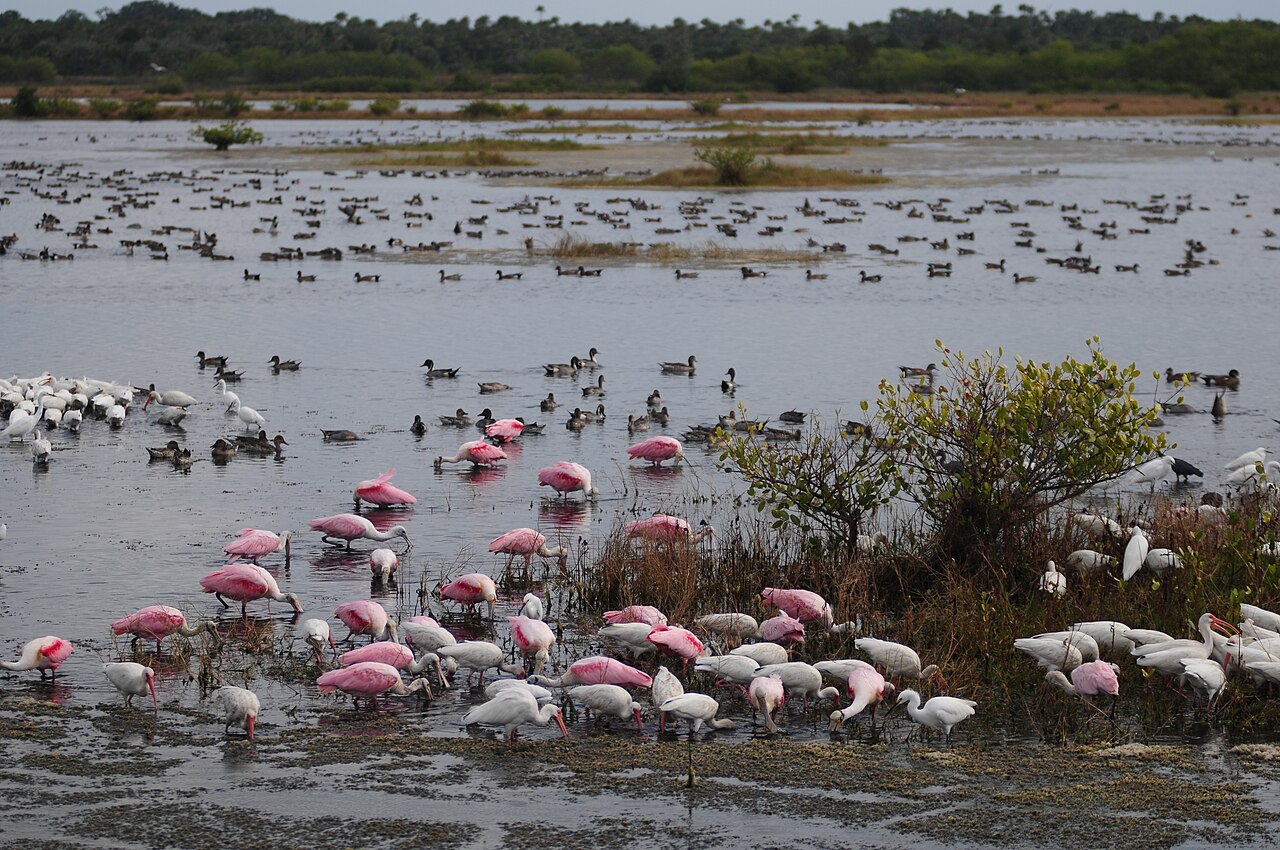
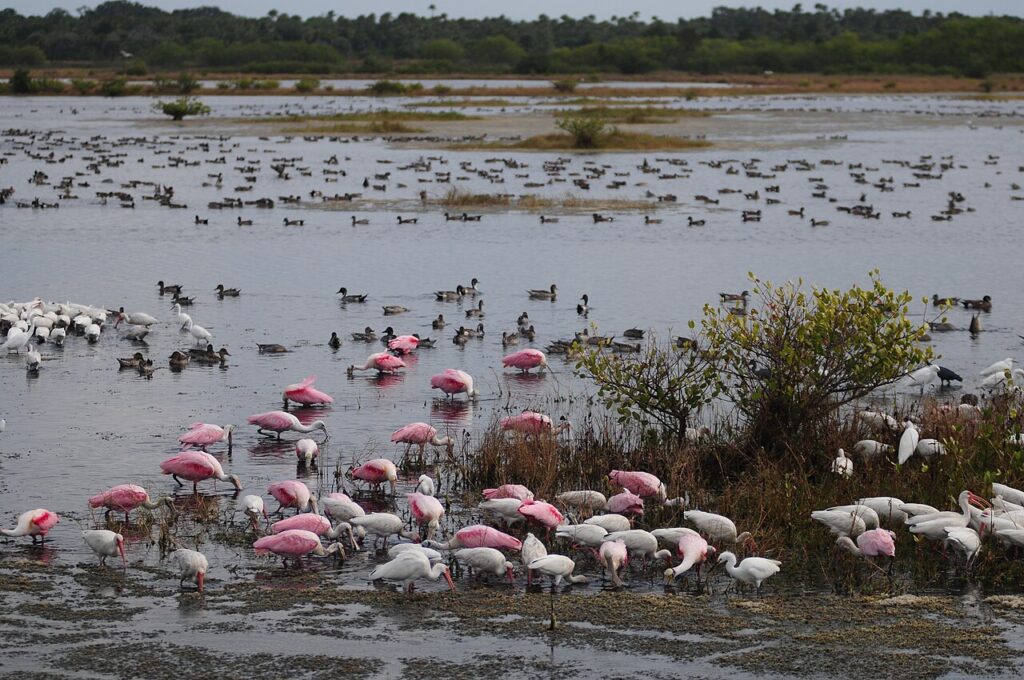
If you’ve ever wished you could combine a space center visit with top-tier birding, Merritt Island gives you that bizarrely perfect combo. Right next to the Kennedy Space Center, you’ll find a maze of wetlands, hammocks, and lagoons where roseate spoonbills, reddish egrets, and a whole cast of waders and shorebirds feed. You can roll along the famous Black Point Wildlife Drive and feel like you’re on a living, ever-changing safari.
In winter, the refuge turns into a magnet for ducks and other waterfowl, and you might find yourself sorting through rafts of birds that stretch across entire ponds. Ospreys and bald eagles patrol overhead, and dolphins sometimes surface in the nearby Indian River Lagoon while you scan the shorelines. It has that high-wildlife-density feeling you often get in national parks, but it’s laid back enough that you can stop at every pullout and stay as long as you like.
Tamarac National Wildlife Refuge, Minnesota
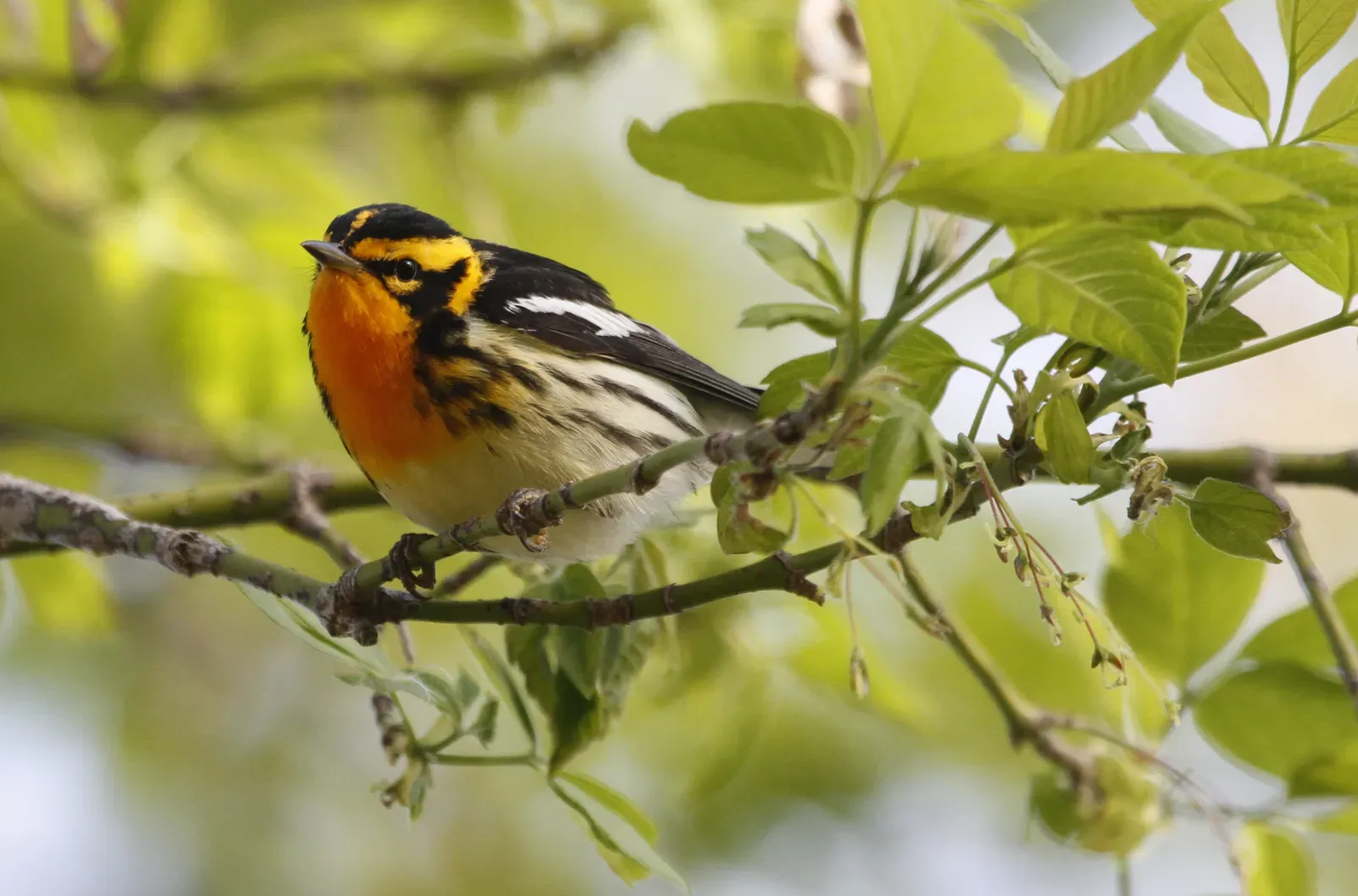
If you think the north woods are quiet and empty, Tamarac will surprise you with just how alive a boreal landscape can sound, especially at dawn in late spring. You’re surrounded by a patchwork of lakes, bogs, forests, and meadows, each harboring its own set of birds. Common Loons yodel from the water, while warblers like Blackburnian and Chestnut-sided flit through the spruce and aspen, flashing color every time they move.
Because it sits along key migratory pathways, you can hit days when every roadside thicket seems to hold a mix of sparrows and warblers. You can explore by car, on foot, or by canoe, slipping along shorelines while listening for the distant drumming of grouse. It’s a more intimate, layered kind of wilderness than a giant Western park: less about huge vistas, more about learning the voices in a living, northern soundscape.
Malheur National Wildlife Refuge, Oregon
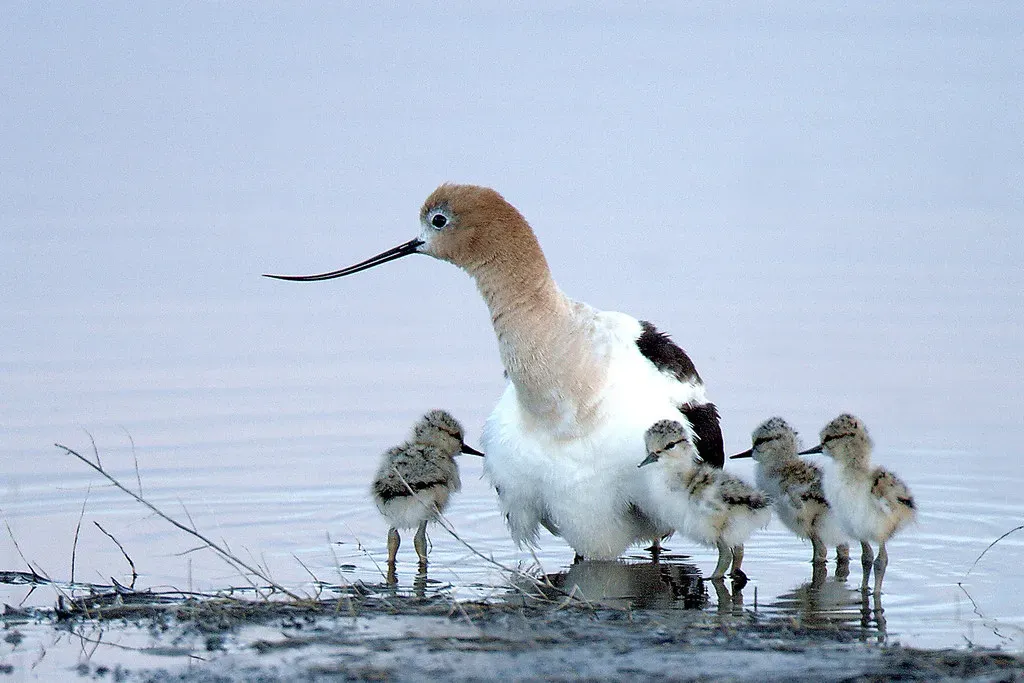
Out in Oregon’s high desert, Malheur feels like an oasis that birds simply cannot resist. You drive through sagebrush country, thinking it looks empty, and then you hit the refuge and suddenly there are marshes, lakes, and willows absolutely loaded with life. In migration especially, it turns into one of the West’s legendary birding hotspots, with waterfowl, shorebirds, and songbirds pouring through.
You can work your way from the headquarters area through cottonwood groves and wet meadows, ticking off everything from sandhill cranes to colorful breeding ducks. Because it’s relatively remote, you share the experience mostly with other birders, photographers, and a few ranch trucks passing by. It has the expansive, open-sky feeling you might associate with the big-name parks, but the focus here is on movement and sound – flocks lifting, calls echoing, wings hissing overhead.
Río Grande del Norte National Monument, New Mexico
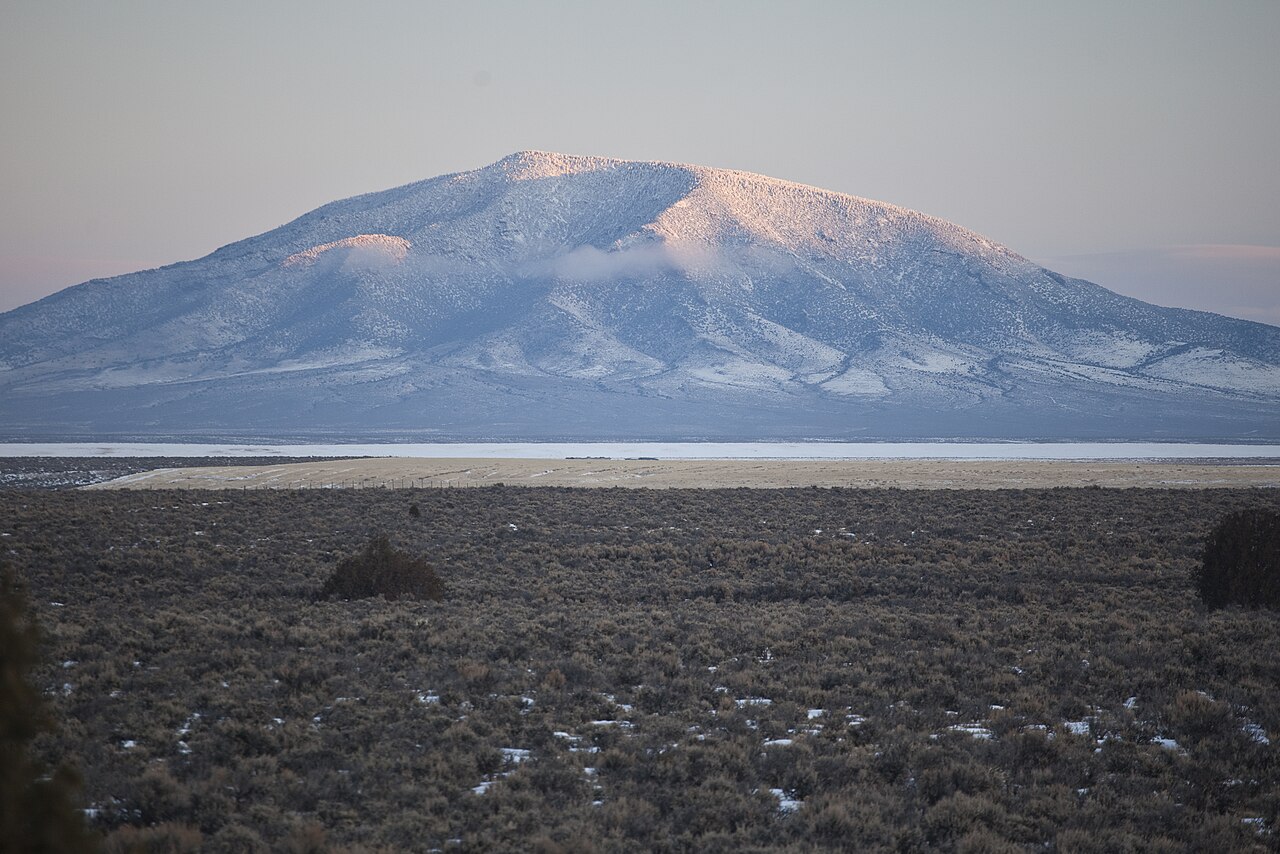
This national monument does not have the same brand recognition as the famous parks, but it delivers a rugged, dramatic landscape with some seriously rewarding birding. The Rio Grande carves a deep gorge through volcanic plateau, and you can scan from overlooks for soaring raptors like Golden Eagles and Prairie Falcons riding the thermals. Pinyon-juniper woodlands and riparian corridors along the river add songbirds to the mix, especially in migration and breeding season.
You can hike rim trails, drop into the canyon on designated routes, or bird the sagebrush flats where Sage Thrashers and other high-desert specialists live. The combination of big views and relatively light visitation means you can often have a viewpoint to yourself for long stretches. It gives you that iconic Southwest sense of space and drama, but your primary audience is birds and wind, not crowded shuttle buses.
Cape May, New Jersey (Beyond the Beach Town Stereotype)
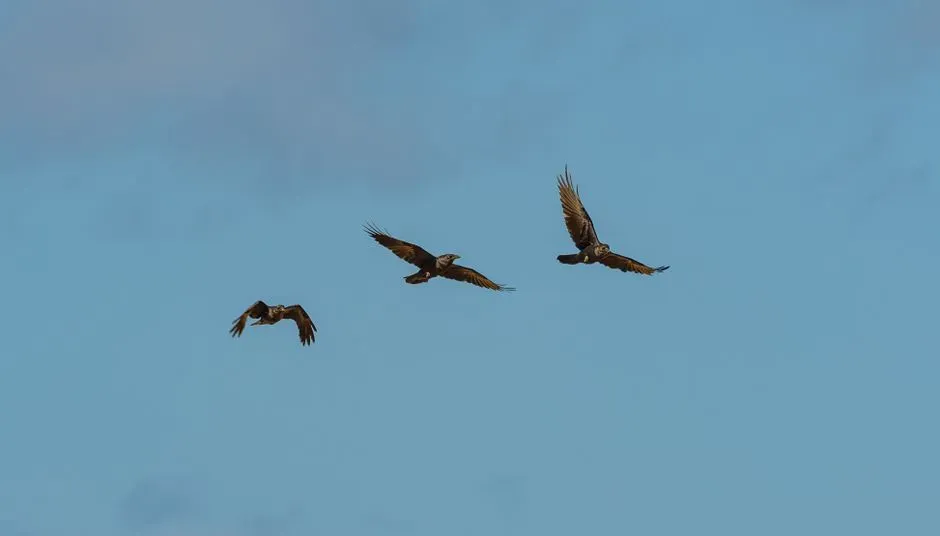
If you only know Cape May as a beach destination, you’re missing why birders talk about it with almost reverent excitement. Because of its position at the tip of a peninsula, this small area acts like a natural funnel, concentrating migrating birds in spring and especially in fall. You can stand at the hawk watch platform and watch raptors stream by, or walk the nearby trails and find warblers, sparrows, and other songbirds using every patch of cover.
Nearby wetlands, dunes, and woodlots create a surprising variety of habitats in a compact space, so you can rack up a long species list without driving huge distances. In fall, seabird movements and monarch butterfly flights add extra drama to the skyline. It may lack the mountain peaks or geysers of a national park, but in terms of sheer migration energy and diversity, it absolutely belongs in the same conversation.
Wrapping Up: Choosing Quiet Magic Over Crowded Icons
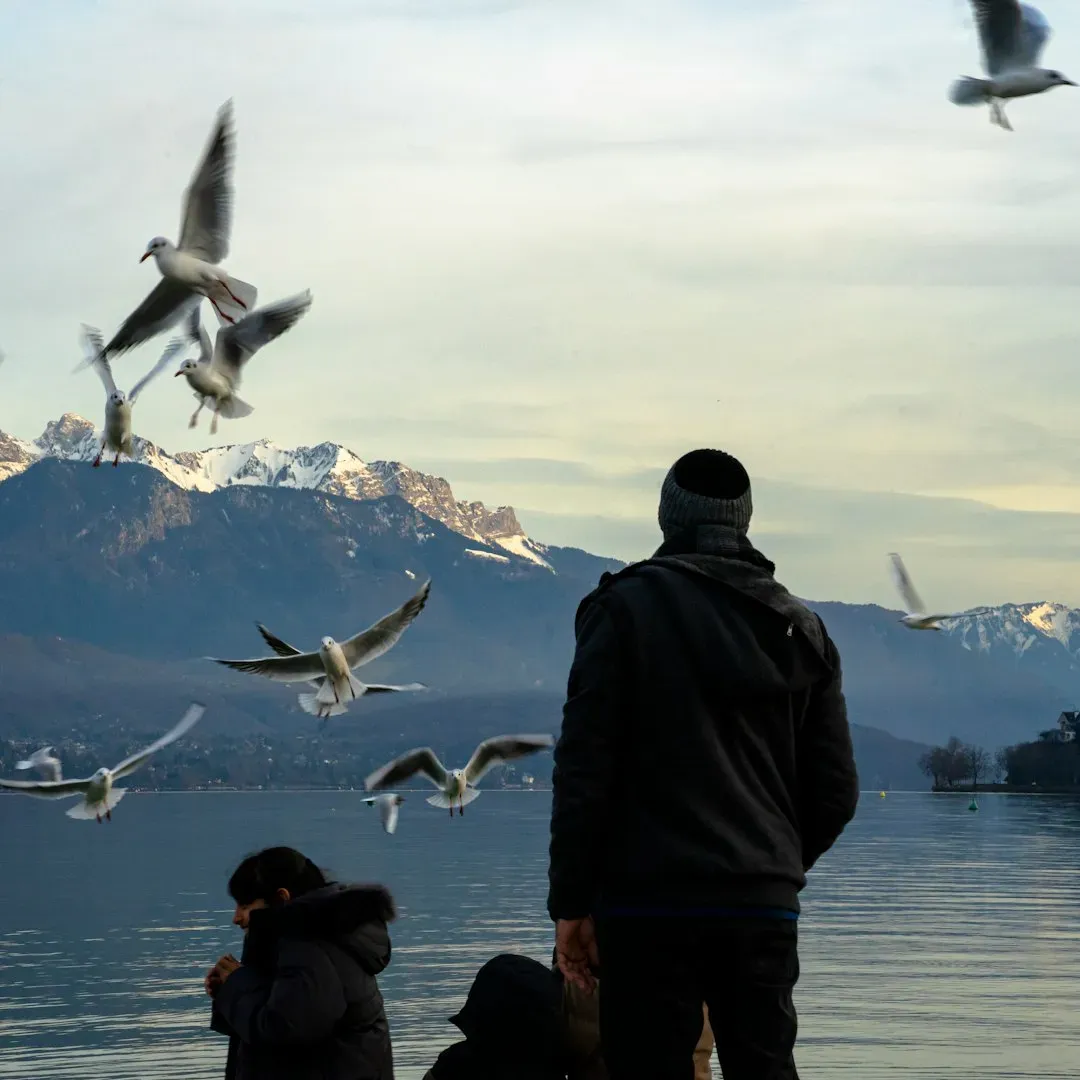
When you look at all these places together, you start to realize you do not need a famous park gate sign to step into world-class birding. You can trade the long shuttle lines and full campgrounds for dike roads, observation decks, and quiet trails where the loudest sound is often your own boots on gravel. And in return, you get moments that feel intensely personal: a crane’s call echoing over a marsh, a sudden fallout of warblers in a coastal grove, a loon’s wail drifting across a glassy lake.
The big national parks are still worth your time, but if your heart speeds up when you hear wings overhead, these hidden destinations deserve a spot on your travel list. Pack your binoculars, a field guide or birding app, and your curiosity, then pick one and actually go. The first time you find yourself alone at sunrise watching thousands of birds move together like a single living thing, you may quietly decide you prefer this kind of magic. Which of these hidden spots are you going to put at the top of your list?