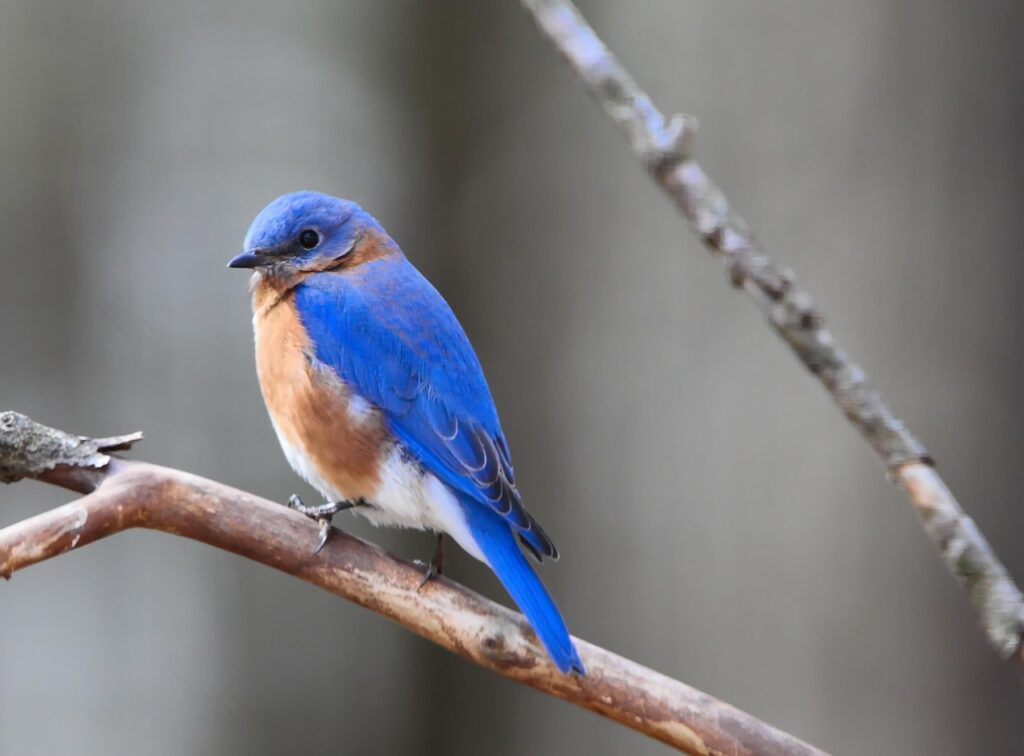

If you grew up where winters bite hard and hang on too long, you already know how powerful one small sign of spring can feel. In the Ozarks, people once looked to a very specific sign: the flash of a bluebird against a gray sky, a tiny streak of color that meant the worst was finally passing. You are not just talking about a pretty bird here; you are stepping into a whole way of reading the world, one where nature was the closest thing to a calendar, a weather report, and a spiritual guide rolled into one.
When you dig into Ozark folklore, you find that this belief in bluebirds as messengers of hope was not some random superstition. It grew out of real experiences with brutal winters, failed crops, and the emotional grind of isolation. In that context, a bluebird was like a lantern being lit in a dark room. As you walk through this story, you will see how a single small bird became a symbol of survival, second chances, and the stubborn belief that better days are always on their way.
Why Bluebirds Meant More Than Just Spring
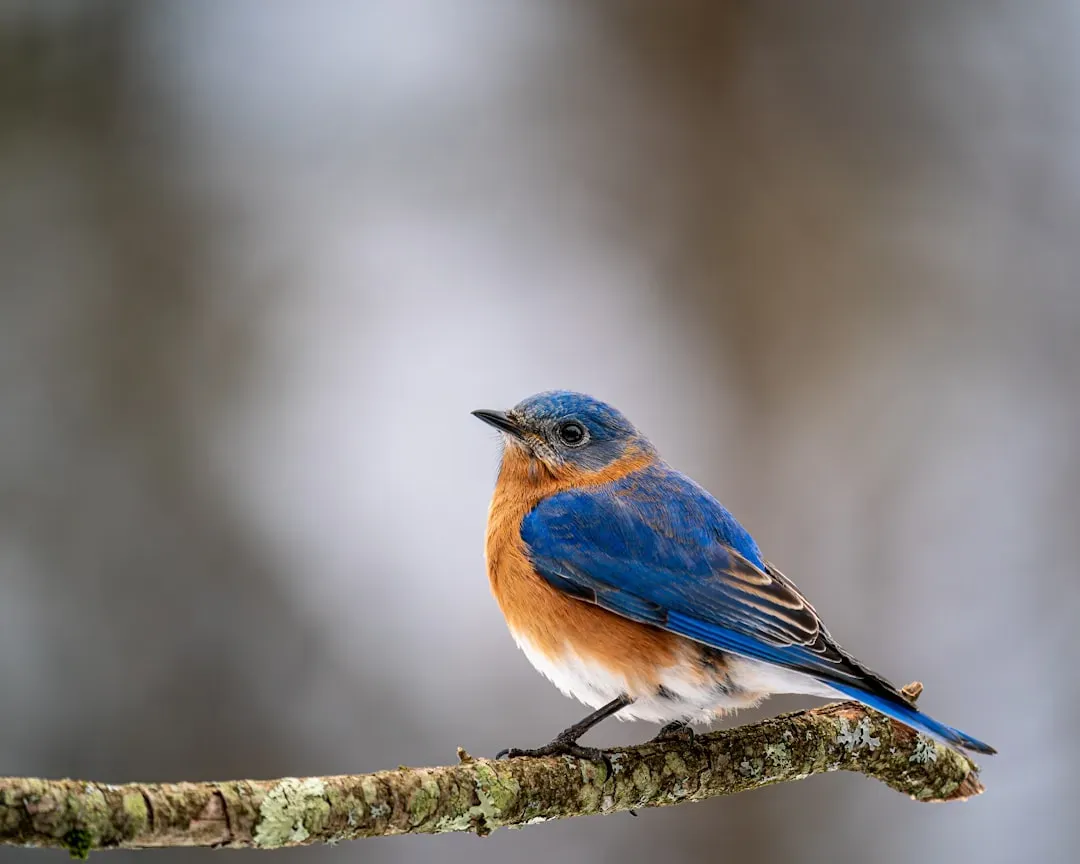
Imagine you have just come through a winter where roads are mud or ice, food is tight, and you hardly see anyone outside your own family. In older Ozark communities, that was not a rare exception; it was the rhythm of life. When you finally saw a bluebird, you were not only seeing warmer days ahead, you were seeing proof that you had made it through something difficult.
This is why you find bluebirds in Ozark stories not just as seasonal markers, but as emotional ones. The bird’s bright color alone could shift how you felt about the world that morning. You might still have chores, debts, and worries, but that little flash of blue told you that the cycle was turning in your favor again. Hope, in this setting, was not abstract; it had wings, a song, and perfect timing.
The Ozark Landscape That Shaped the Legend
To really understand why the bluebird mattered so much, you have to picture the Ozarks themselves: rugged hills, deep hollows, cold streams, and scattered farms tucked into pockets of land. You lived close to the land there, sometimes miles from your nearest neighbor, and your life depended on what the weather decided to do. Long winters could nip at your food stores and wear down your nerves.
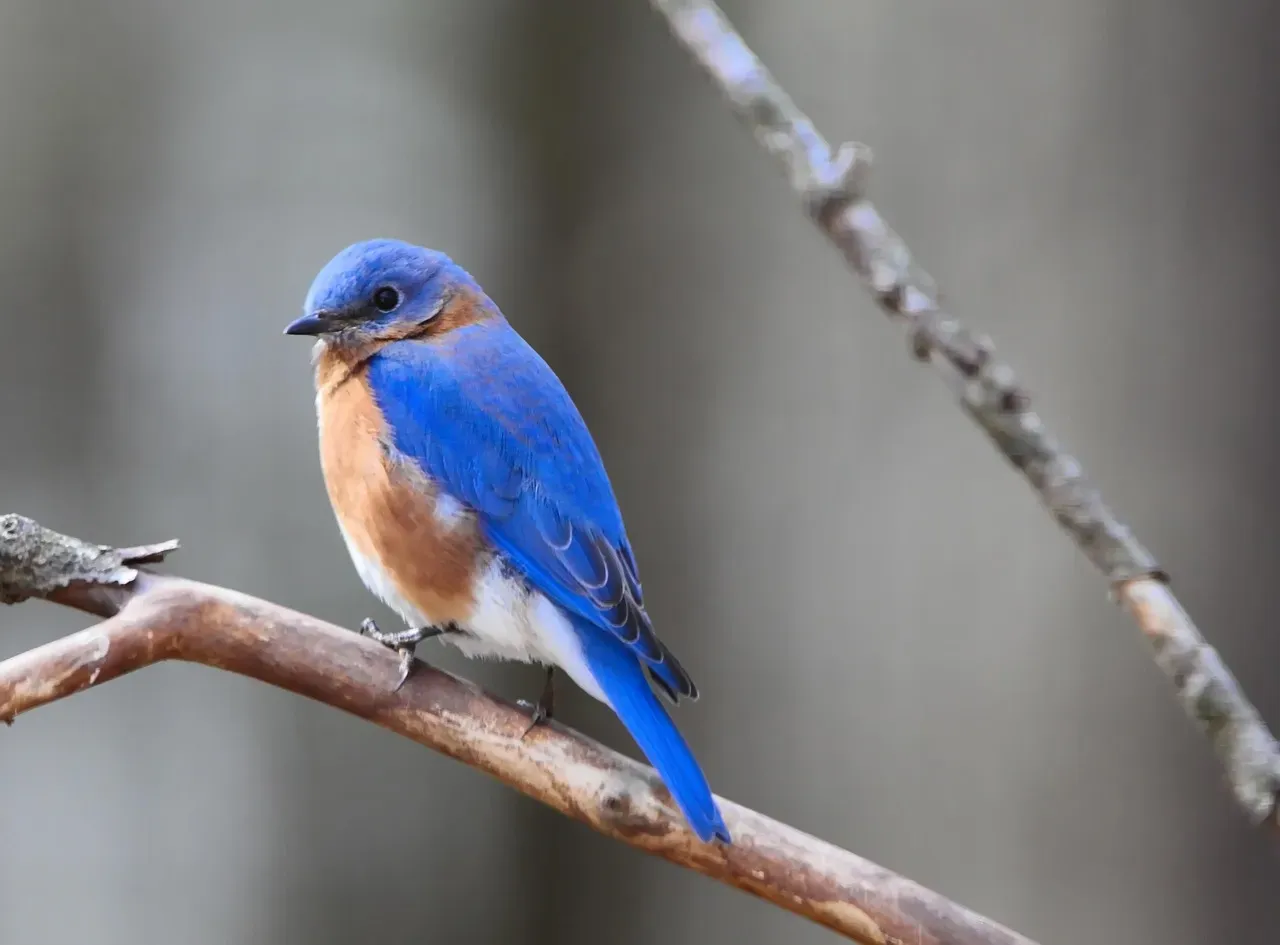
In that kind of place, you turned to whatever signs you could find. You watched when trees budded, when wildflowers appeared, when certain birds came back. Bluebirds love open fields, fence lines, and the edges of woods, which meant they often showed up right where you worked or walked every day. You did not have to go searching for them; they came to you, right on the edge of your own front yard reality.
Hard Winters and the Hunger for Good Omens
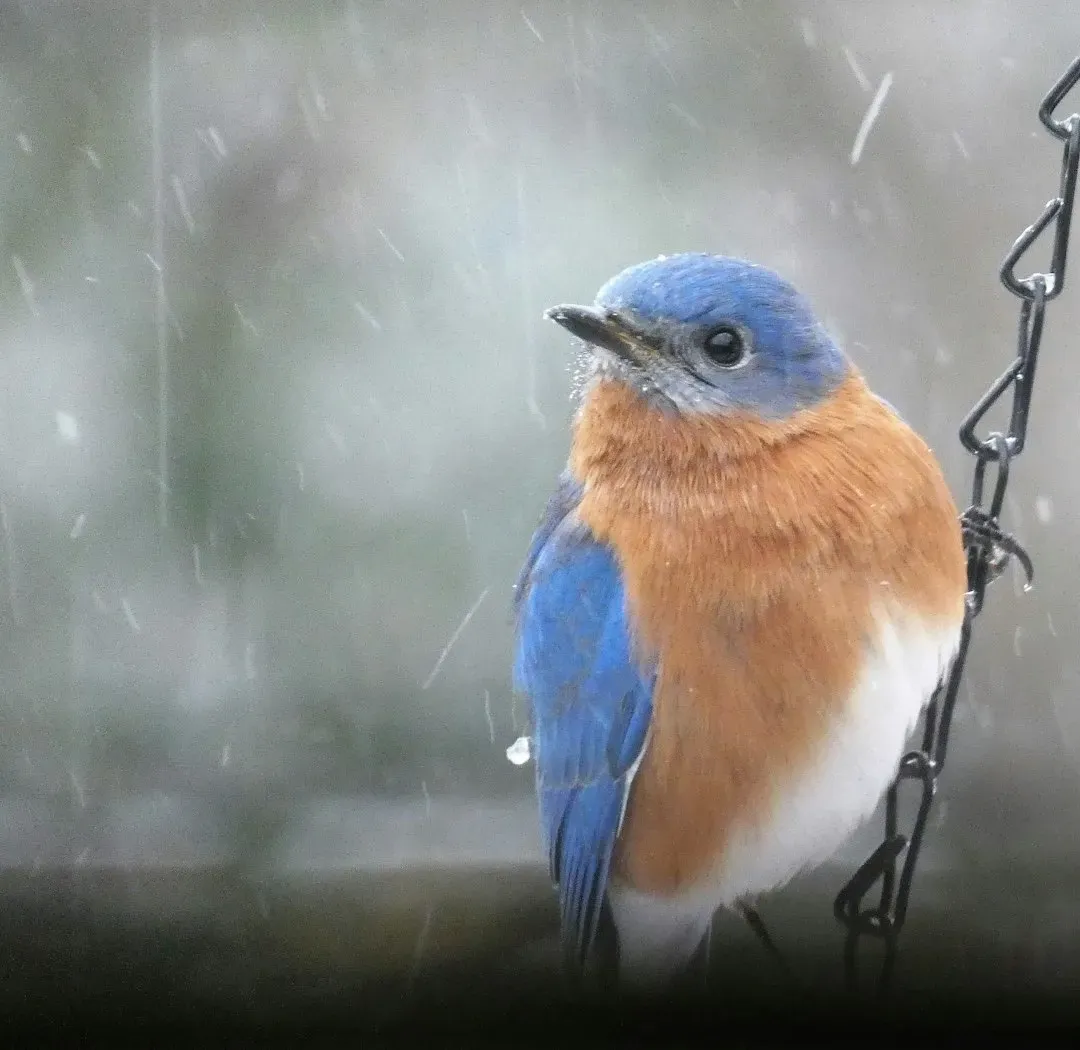
If you spend months stuck indoors more than you like, dealing with cold houses and short days, you start to crave any kind of good news. In older Ozark homes, winters often meant smoke-filled rooms, damp clothes drying by the fire, and the same stored food eaten night after night. You did not need a grand miracle; you just needed one sign that the world was not going to be frozen forever.
The bluebird filled that role perfectly. When you saw its bright body against bare branches or late snow, you could almost feel your shoulders drop and your chest loosen. It became easy to connect that moment with the idea that your luck might be about to change too. Over time, you would retell those moments, passing them on to younger people as simple sayings: when the bluebird comes back, your hard season is ending.
How People Read Signs in the Natural World
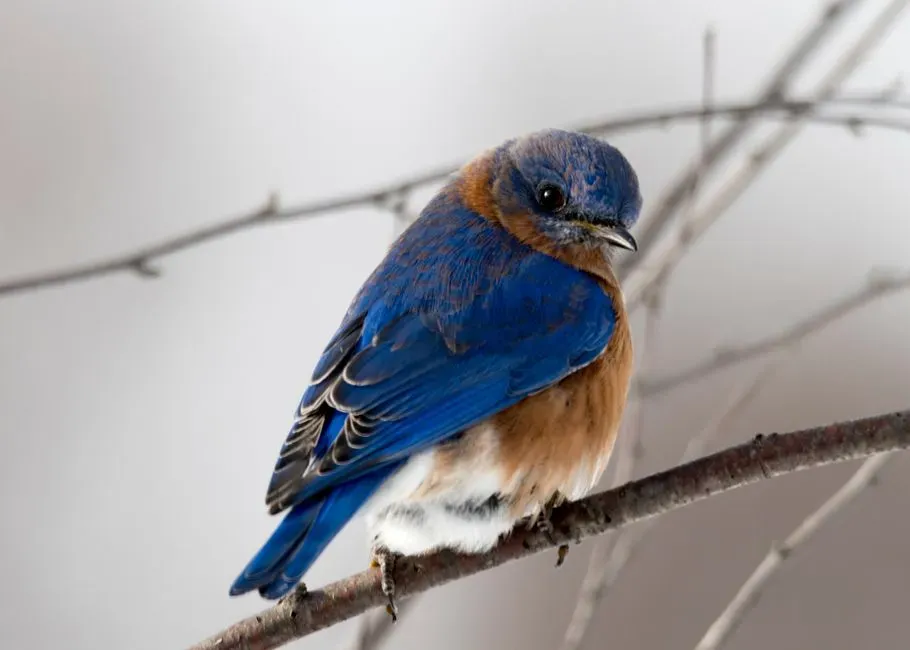
In Ozark folk culture, you did not separate daily life from the natural world the way many people do now. You paid attention to birds, bugs, clouds, and animal behavior because your survival often depended on it. You learned which signs hinted at late frost, which meant storms were coming, and which suggested a good planting time. The bluebird slipped into that system as a sign that warmth and growth were returning.
When you lived that way, you could not afford to treat nature as background decoration. A bluebird was not just a nice photograph waiting to happen; it was information and comfort at the same time. You might tell your children that if they see a bluebird, they can start looking forward to planting gardens and playing outside longer. Little by little, a practical observation turned into a story that carried emotional weight, and that story turned into tradition.
Bluebirds as Symbols of Hope, Not Guarantees
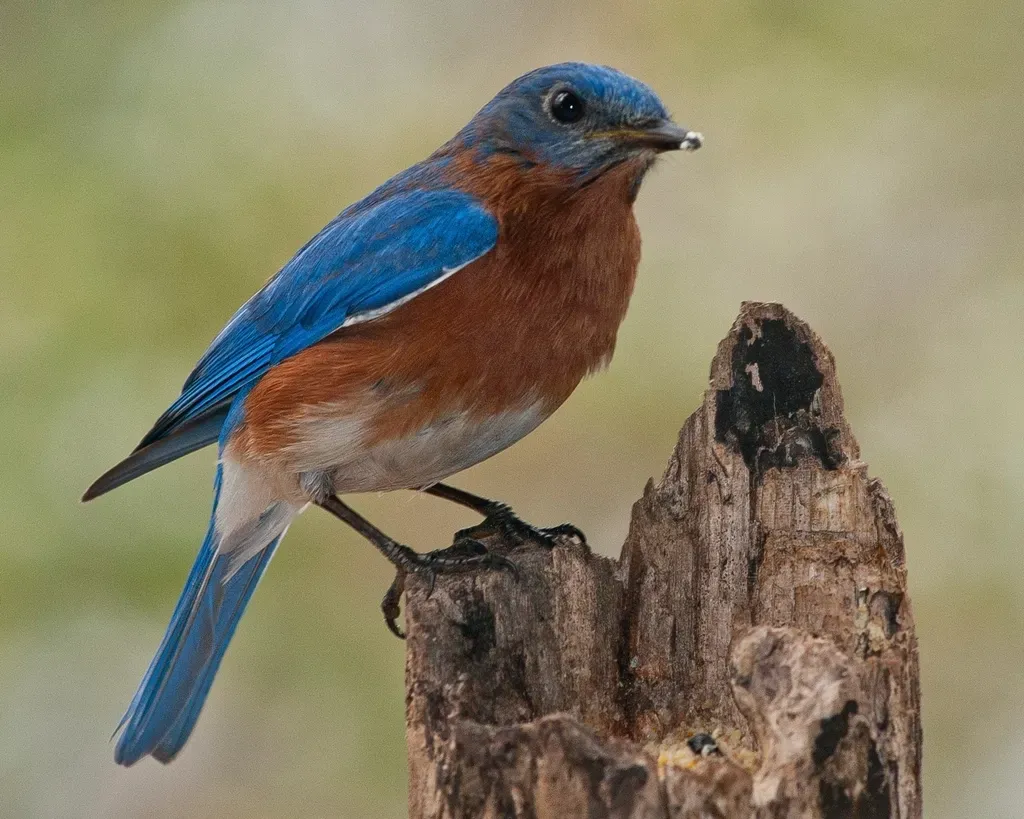
Of course, if you have ever lived through unpredictable weather, you know that one bird does not magically fix everything. Even in the Ozarks, a bluebird could appear and you might still get a late cold snap or a rough spring. Folklore here did not promise that bluebirds erased all troubles; instead, it said that when you saw them, you had a reason to lean toward hope instead of fear.
This difference matters for you today, too. You are not being told that nature offers perfect guarantees; you are being reminded that your mind needs hopeful symbols to keep going. When you attach meaning to a bluebird, you are not ignoring reality; you are choosing to notice what helps you keep putting one foot in front of the other. That is how people got through hard winters then, and honestly, it is not a bad way for you to face your own long seasons of difficulty now.
Carrying the Old Belief Into Modern Life
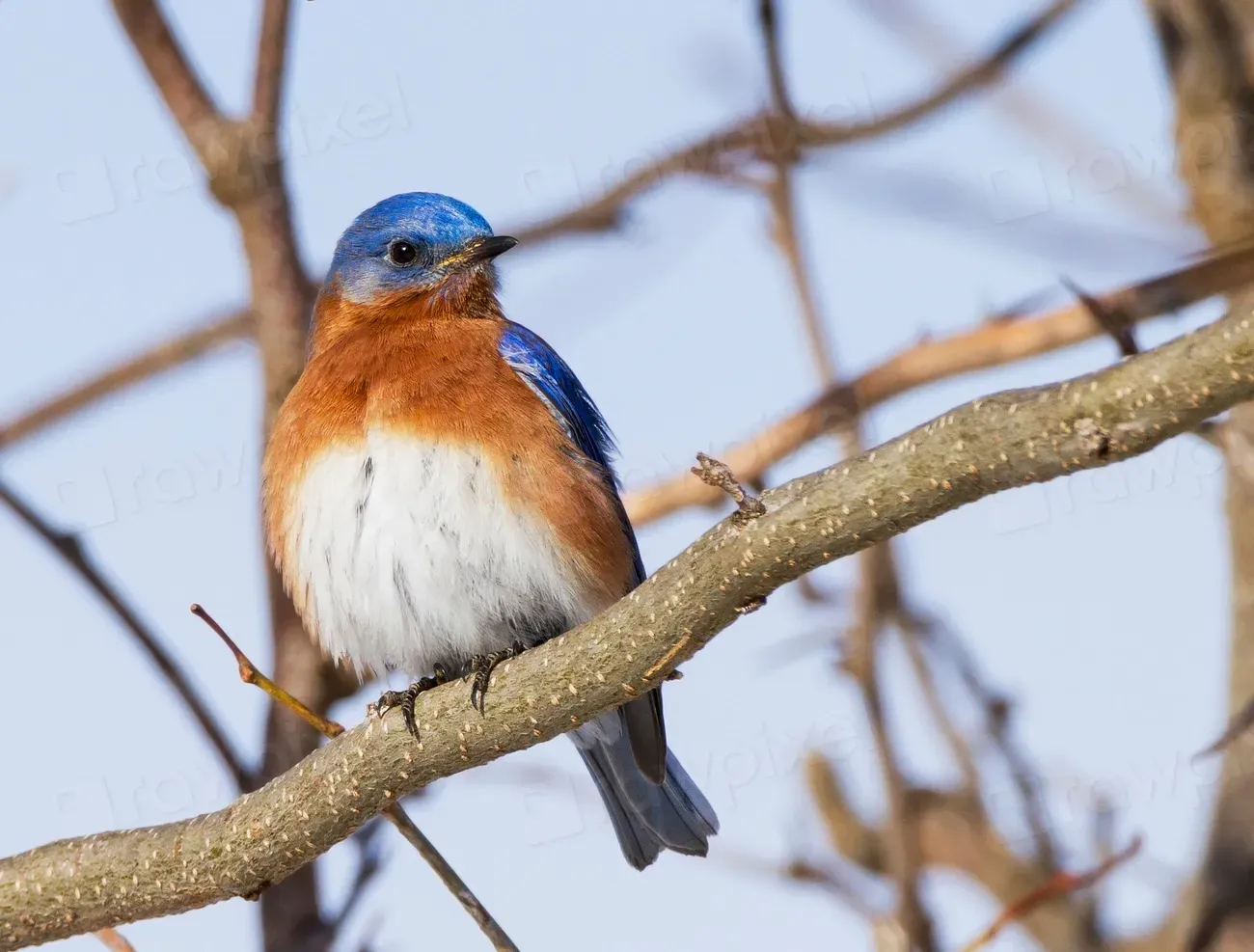
Even if you live in a city apartment or a suburb with tidy lawns, you can still feel the pull of this old Ozark belief. You might not depend on a garden to feed your family, but you still go through emotional winters: times when things feel stuck, heavy, or bleak. In those moments, spotting the first bluebird of the year in a park or on a fence line can hit you harder than you expect.
You can make this folklore part of your own life in simple ways. Maybe you pause whenever you see a bluebird and let yourself take one slow, deep breath, changing the channel in your head from worry to possibility. Maybe you draw or photograph bluebirds and keep them where you can see them when you are going through something rough. You are not pretending your problems do not exist; you are borrowing an old Ozark habit of letting a small sign from the natural world shift your outlook.
Finding Your Own Bluebird Moments
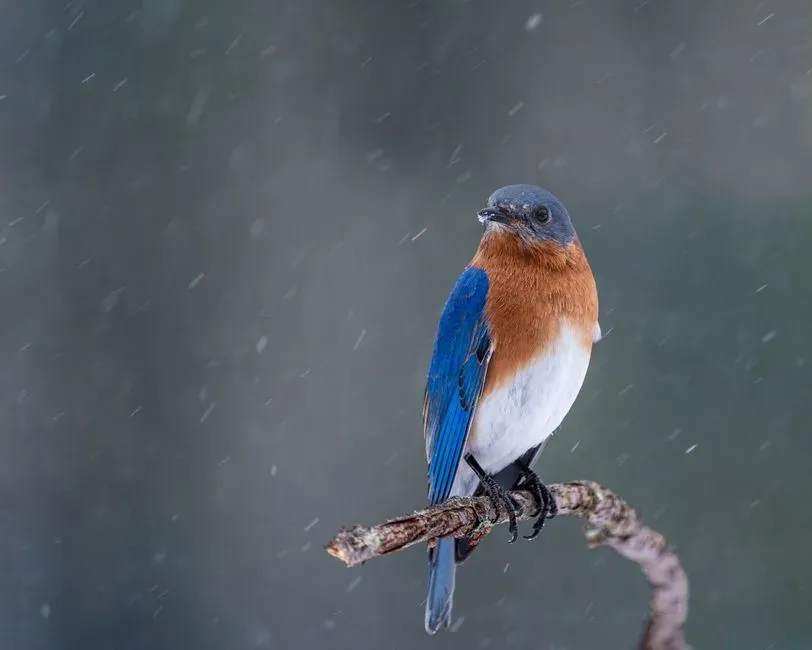
The heart of this old belief is not really about the specific bird; it is about how you respond to small, hopeful moments after a stretch of difficulty. For people in the Ozarks, the bluebird became the perfect symbol because of when and where it appeared. For you, it might still be a bluebird, or it might be something else: the first warm morning you can open a window, a friend’s unexpected message, or a trail you love finally drying out after weeks of rain.
When you treat these moments like personal bluebirds, you are carrying forward the same spirit that helped people survive long, lonely winters in those hills. You are telling yourself that even if the cold lingers, change is underway, and you can lean toward it. The folklore gives you permission to let something small matter more than it logically should, just enough to lift your heart. In a world that can still feel harsh and uncertain, that might be one old habit you are glad to keep.
Conclusion: A Small Bird, a Big Shift in Heart
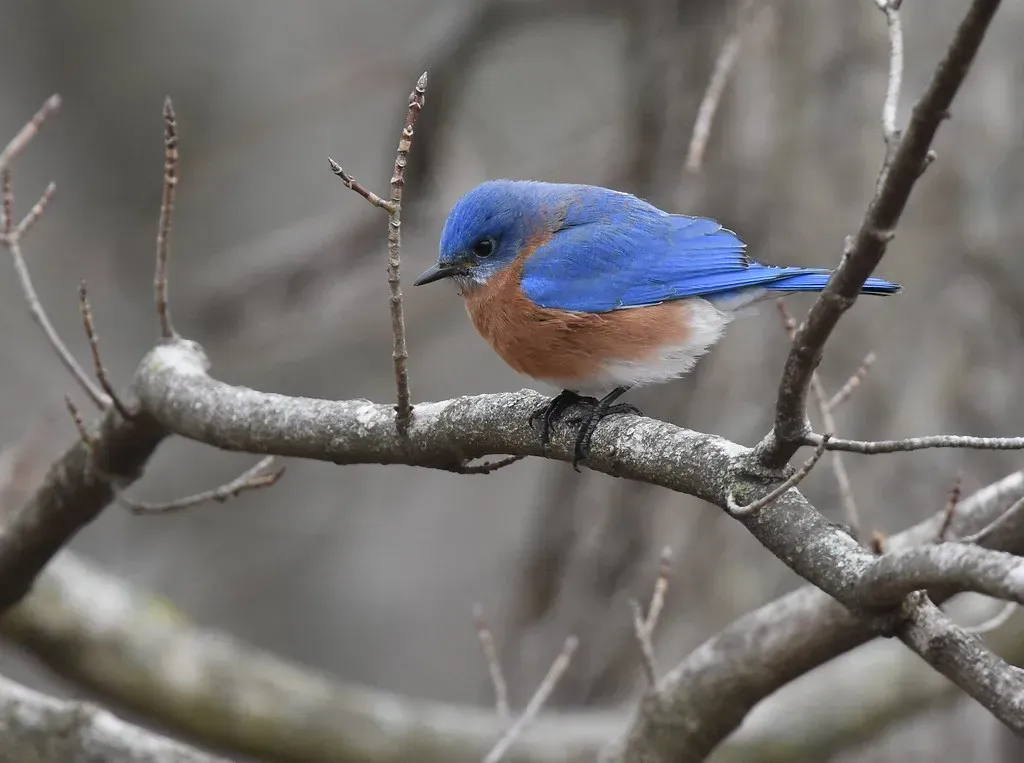
When you look back at this Ozark belief about bluebirds and hard winters, you are really looking at how people learned to survive more than just weather. They learned to survive discouragement, isolation, and the slow grind of worry by seizing on any honest sign of better days. The bluebird just happened to be the most vivid, unforgettable reminder that the wheel of the year always keeps turning.
You can let that same lesson soak into your life now, no matter where you live or what kind of winters you face. The next time you feel stuck in a long, cold season of your own, you might find yourself watching the sky a little more closely for a flicker of blue. When you finally see it, will you let it change how you feel, even just a little?