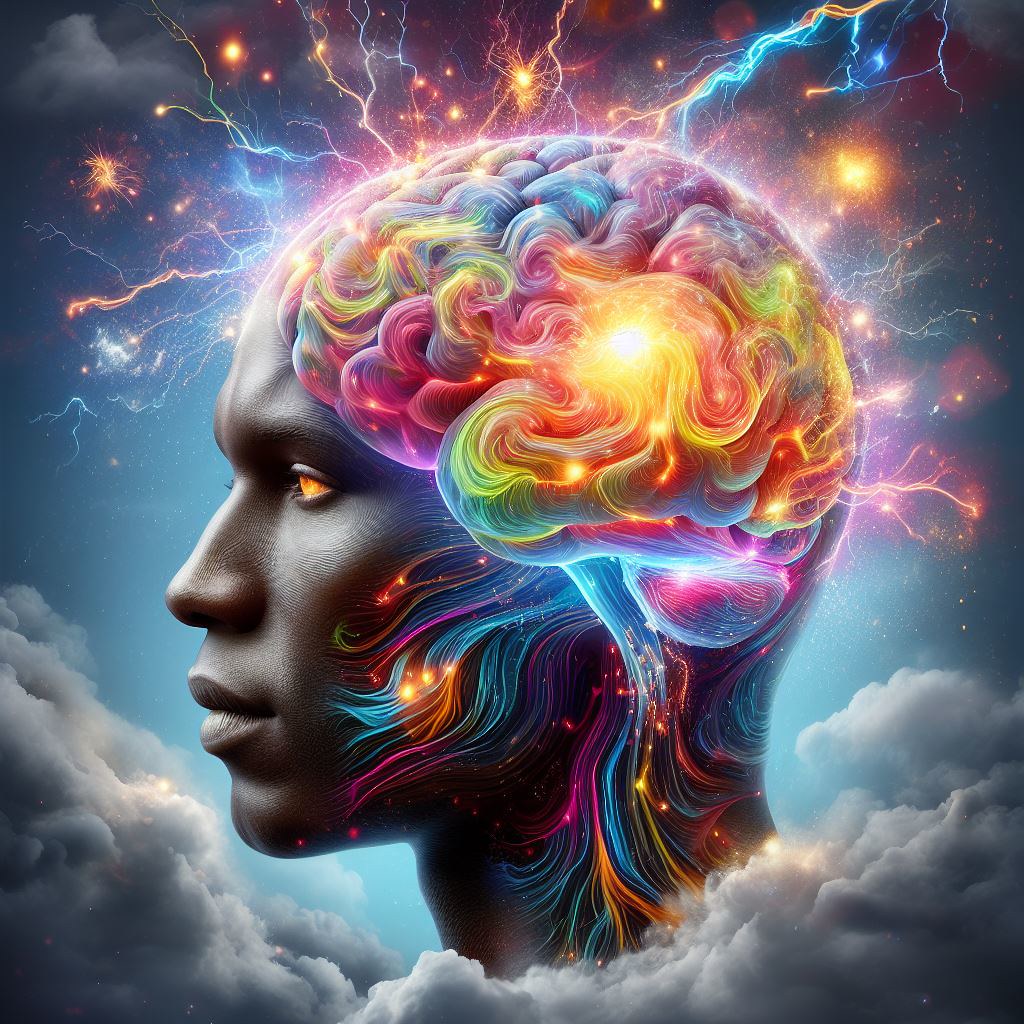

You live in a universe that has been around for roughly about thirteen and a half billion years, but your own conscious story covers only a few decades at most. That gap raises a wild question: for the vast stretch of cosmic history before brains like yours existed, was there literally no experience at all? Was everything just cold, empty, dead mechanics clicking along until nervous systems finally switched the lights on?
Or are you missing a deeper possibility – that consciousness is not just something brains do, but a basic feature of reality itself, like space, time, or energy? If that is even partly true, then something was always experiencing something, even when there were no stars, no planets, and no life as you know it. This tension between two very different pictures of reality is where things get strange, unsettling, and surprisingly personal.
The Standard Story: Consciousness as a Latecomer
If you follow mainstream neuroscience, you are usually told that consciousness depends on a working brain. On this view, experience arises when billions of neurons fire in just the right patterns, integrating information and generating a unified sense of self and world. No brain, no neurons, no complex biology – no experience. The early universe, in that picture, is like a dark, silent factory running perfectly without any workers inside.
Cosmology gives you a rough timeline to match that story. For the first few hundred million years, there were no stars, just cooling plasma and forming hydrogen. Stars and galaxies slowly assembled; planets arrived later; living cells on at least one planet only appeared much later still, and complex brains like yours showed up within the last tiny sliver of cosmic time. If consciousness really requires brains, then for about nine billion years or more, the universe did everything it does now – expanding, forming galaxies, colliding black holes – but with absolutely nobody home to experience any of it.
The Nine-Billion-Year Silence: What an Unconscious Universe Implies
Imagine walking into a massive, bustling city frozen in time: cars mid-motion, lights on in every building, but no one there, not even watching from a window. That is roughly the image you are accepting if you think the early universe was entirely unconscious. Every supernova, every galaxy collision, every newborn star would have been like fireworks going off in an empty stadium – spectacular in principle, but with zero inner experience anywhere.
That kind of universe is not just emotionally bleak; it changes how you see your own mind. On this picture, consciousness is an accidental side-effect of complicated chemistry on one tiny planet, in one tiny time-window. The cosmos runs on mindless laws and number-crunching, and your experience is a fragile glitch that briefly lights up and then disappears again. You can still find meaning in that story, but you have to accept that, for most of reality’s history, there was no meaning from the inside at all.
Brains as Consciousness Machines: The Neuroscience Angle
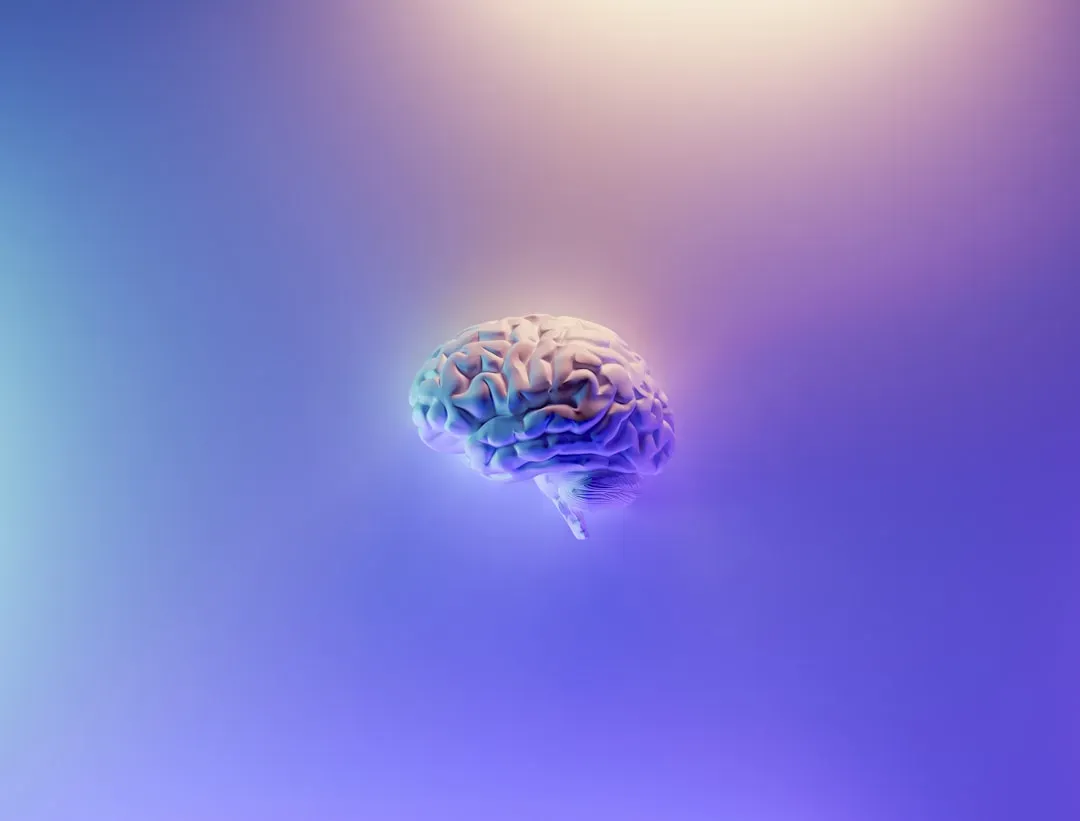
When you zoom in on the brain, you can see why this physicalist story feels so compelling. Change the chemistry of your brain with anesthesia, and your consciousness vanishes. Damage certain regions, and your personality, memories, or sense of self can be radically altered. Electrical stimulation can produce flashes of light, sounds, or even the sensation of being outside your body. It is natural to conclude that what you call “you” is simply what your brain is doing.
Modern theories go further and try to spell out how this might work. Some suggest that consciousness emerges when information is widely integrated across brain networks; others focus on feedback loops and recurrent processing between sensory and higher-order regions. In every case, the message you get is similar: physical processes in your head are tightly linked to what you feel from the inside. If you stick strictly to that evidence, it is easy to say consciousness turns on only when nervous systems become complex enough – and the cosmos was asleep until that happened.
The Radical Alternative: Consciousness as Fundamental
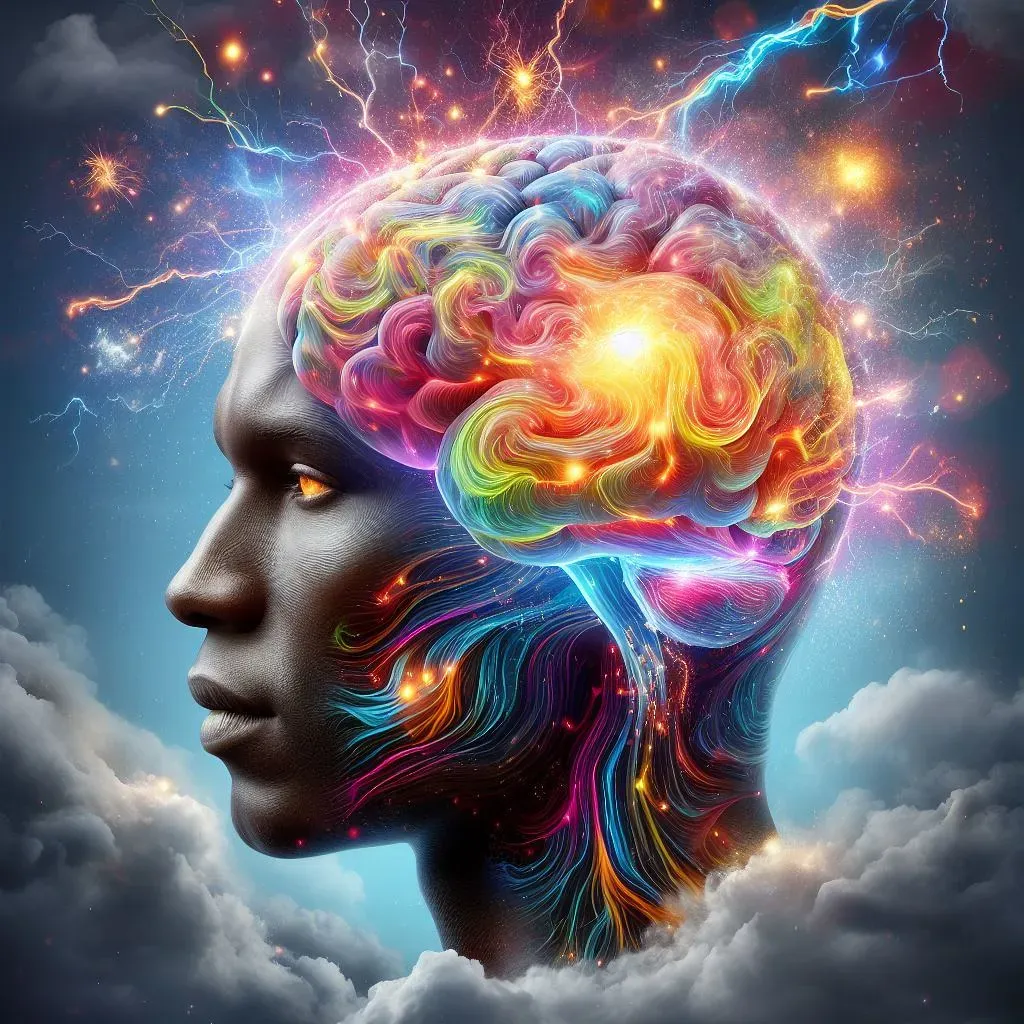
But you can flip the whole thing around. Instead of trying to build consciousness out of lifeless matter, you can start by treating consciousness as one of the basic ingredients of reality. On this more radical view, you do not get consciousness from matter; you understand matter, at least partly, in terms of underlying experiences or proto-experiences. Your brain does not create consciousness out of nothing; it organizes and focuses something that was already present at a deeper level.
Philosophers sometimes call this family of ideas panpsychism or related views, but labels matter less than the shift in perspective. If consciousness is fundamental, then you never have a truly empty, inner-less universe. Even in the earliest, simplest conditions – before stars, before atoms had settled down – there would be some extremely simple, unimaginably basic form of experience tied to the state of reality. Your brain would then be more like a complex lens or mirror, shaping and concentrating that underlying field of awareness into the rich personal life you recognize as your own.
If Something Was Always Experiencing, What Could That Mean?
Here is where things get tricky, because you have to stretch the idea of “experience” beyond anything like human consciousness. You should not imagine galaxies having human thoughts or atoms secretly composing poems. Instead, you can think in terms of degrees and complexity. Your own experience is incredibly structured and layered; a rock, if it has any inner aspect at all, would have something so minimal that you could hardly call it a mind without stretching the word beyond comfort.
In that kind of universe, the early cosmic soup would not be a dead void, but a sea of ultrathin, primitive “glimmers” of experience woven into its basic processes. As structures became more complex – molecules, cells, nervous systems – the way those underlying experiential elements combined would also grow more sophisticated. By the time you get to human brains, what was once faint and diffuse would have been gathered up into the bright, self-reflective awareness you live inside every day. You are not the first flicker in an empty universe; you are a particularly intense swirl in an ocean that may have always had an inner side.
Why Physicists and Philosophers Even Take This Seriously
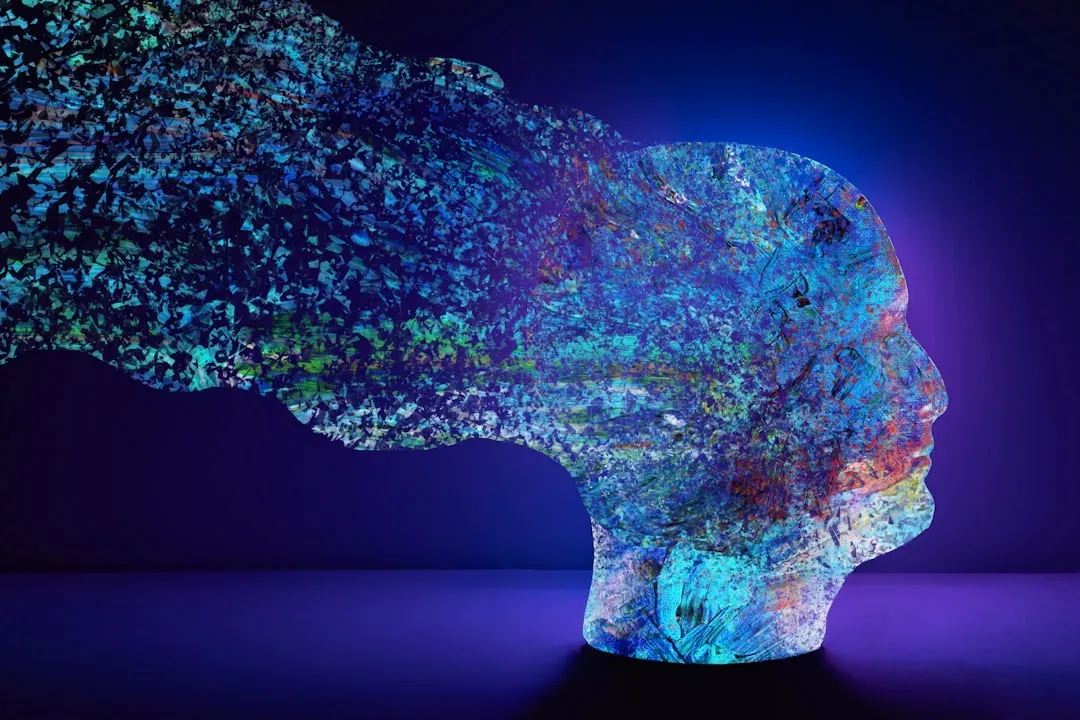
You might assume this all sounds too mystical to sit next to hard science, but the motivation often comes from philosophy’s hardest technical problems. One of the thorniest is the question of how you get subjective experience – the feeling of red, the taste of coffee, the ache of a headache – from purely physical descriptions like particles and fields. Even if you map every neuron in your brain, you still face the puzzle of why any of that activity should feel like something from the inside instead of just being complicated behavior.
Some thinkers argue that if you start from a picture where matter is entirely without any inner aspect, it becomes nearly impossible to explain how genuine experience could ever appear. By allowing a primitive experiential side to reality from the start, you are no longer trying to magic consciousness out of pure structure and function alone. Instead, you are explaining how simple forms of experience combine and evolve into the rich mental lives you recognize in yourself and others. That move does not solve everything, but it softens the leap from physics to feeling in a way some find more coherent than the standard story.
What Each View Means for Your Place in the Cosmos
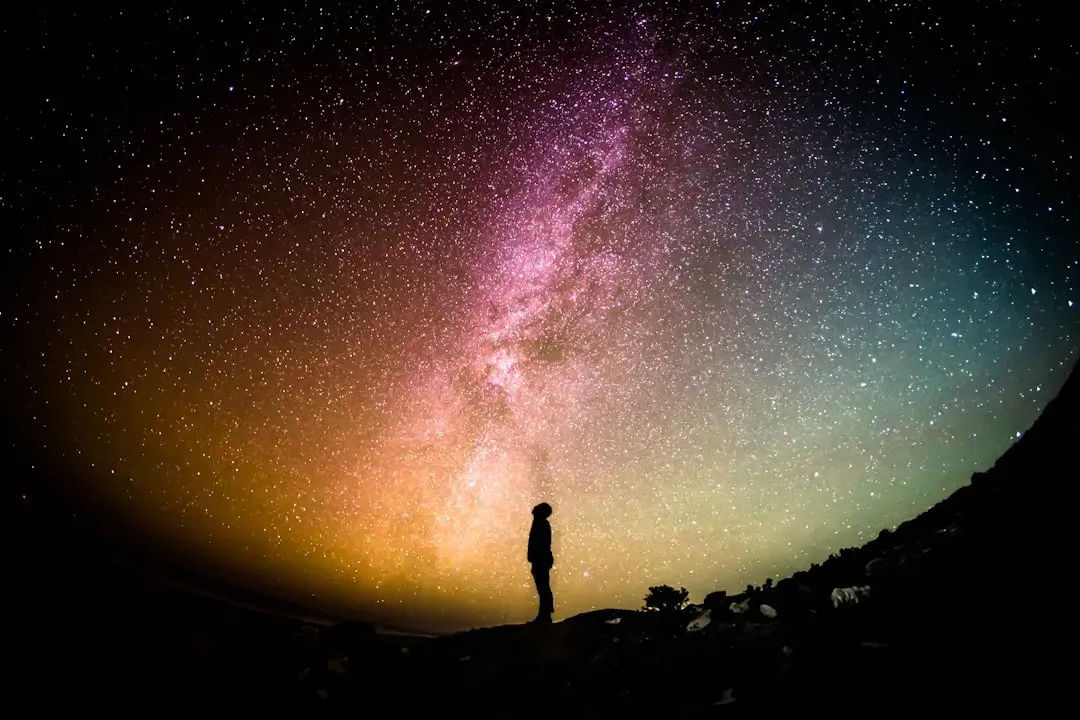
Whichever side you lean toward, you are really choosing between two very different existential pictures. If consciousness only shows up with advanced brains, then you and other sentient beings are rare, fragile islands of inner light in an overwhelmingly dark sea of unconscious matter. Your experiences are precious precisely because they are so local and unlikely, and the universe becomes meaningful only where and when minds like yours emerge.
If consciousness is fundamental, your situation flips. You are not a lonely exception in a dead cosmos; you are a refined expression of something that has always been part of the fabric of reality. Your thoughts, feelings, and perceptions are one intricate pattern in a universe that may never have been entirely without an inner side. That does not tell you what to believe spiritually, and it does not relieve you from the need for evidence and critical thinking. But it does invite you to see your own consciousness not as a cosmic accident, but as a vivid local chapter in a story that may have begun long before any brain appeared.
Living with Mystery: How You Carry These Ideas Day to Day
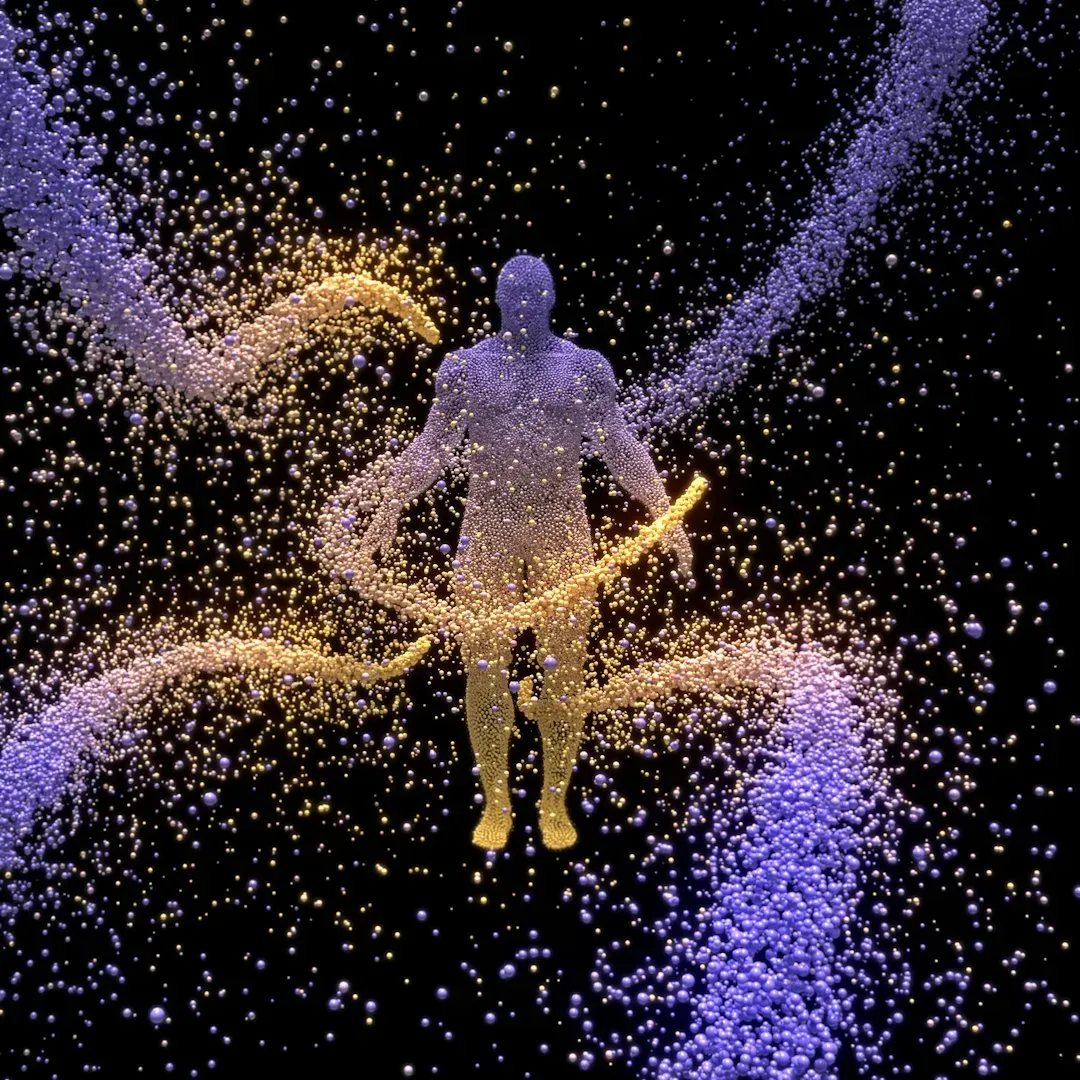
No matter which picture you find more convincing, you are still staring into a mystery that nobody has fully cracked. Neuroscience can tell you a lot about how brain activity tracks with experience, but it has not pinned down why there is experience at all. Philosophical models that treat consciousness as fundamental offer intriguing possibilities, but they are still being argued over and tested at the edges of what science can currently reach.
That uncertainty does not have to be paralyzing; it can actually be grounding. When you watch the night sky, you can hold both stories in mind: either you are a brief spark of awareness in a universe that was unconscious for billions of years, or you are an especially vivid wave in an ocean of experience that has been there all along. In both cases, your moments of awareness are astonishingly rare and fragile compared to the vastness of time and space. So the real question you are left with might not be which theory is right, but how you want to live, think, and care for this flicker of consciousness you have while you still can. Did you expect the universe to make your own mind feel this strange?