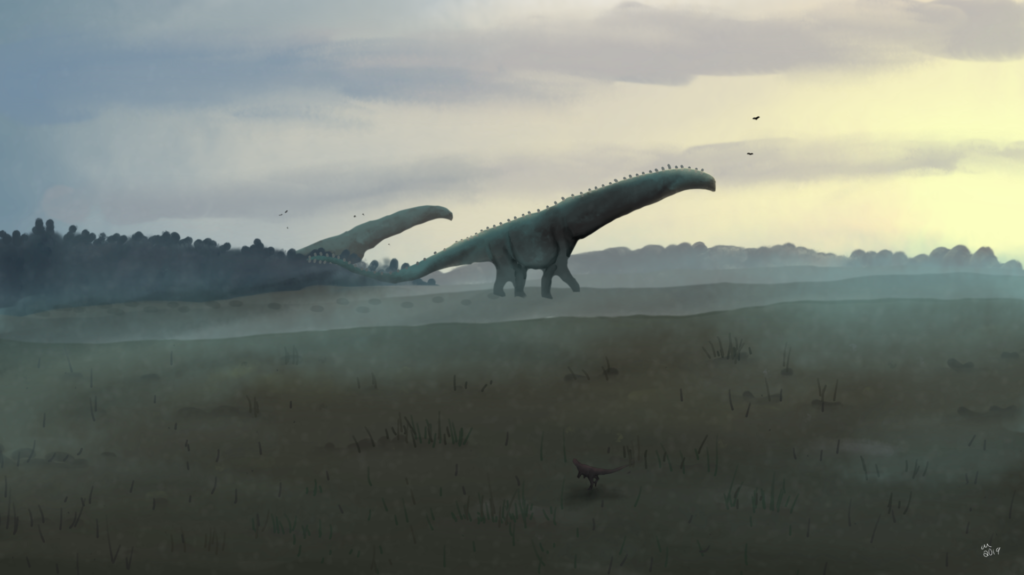

You probably grew up thinking of dinosaurs as creatures from far‑off deserts or dusty badlands, but if you want to stand where the truly giant ones once walked, your mental map needs an update. In the deep south of South America, Patagonia has turned into a kind of natural time machine, where ranchers stumble over bones longer than cars and scientists keep having to rewrite their notes on what “big” really means. When you zoom in on this region, you step into a landscape where herds of long‑necked titans once moved through lush floodplains, leaving behind bones so massive they look almost unreal. In the last few decades, your entire picture of the largest land animals that ever lived has been quietly reshaped by discoveries from this windswept corner of the world – and the most exciting part is that the rush of new finds still hasn’t slowed down.
Patagonia: The New Ground Zero for Giant Dinosaurs
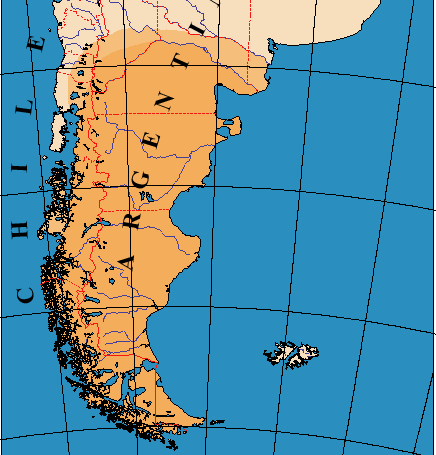
If you imagine the dinosaur world as a global stage, Patagonia has suddenly taken over as the main spotlight for truly gigantic species. From the late twentieth century onward, a steady stream of colossal sauropods – especially titanosaurs – has emerged from its rock layers, and many of them now sit at or near the top of the size charts for all land animals ever found. You are no longer looking to North America or Africa for the champions of dinosaur scale; the most compelling contenders keep coming from this southern strip of Argentina and Chile. What makes this even more striking is how concentrated these discoveries are. In parts of Patagonia, you can walk across badlands where almost every new excavation seems to uncover another piece of a record‑breaking animal. This is where some of the best‑known giants, including Patagotitan and Argentinosaurus, were found in rocks dating to the Cretaceous period, when this region was a network of rivers, forests, and floodplains that could support herds of enormous herbivores. Instead of being a paleontological footnote, Patagonia has become the go‑to place when you want to understand what the upper limits of land‑animal size really looked like.
Meet the Titanosaurs: Your New Benchmark for “Huge”
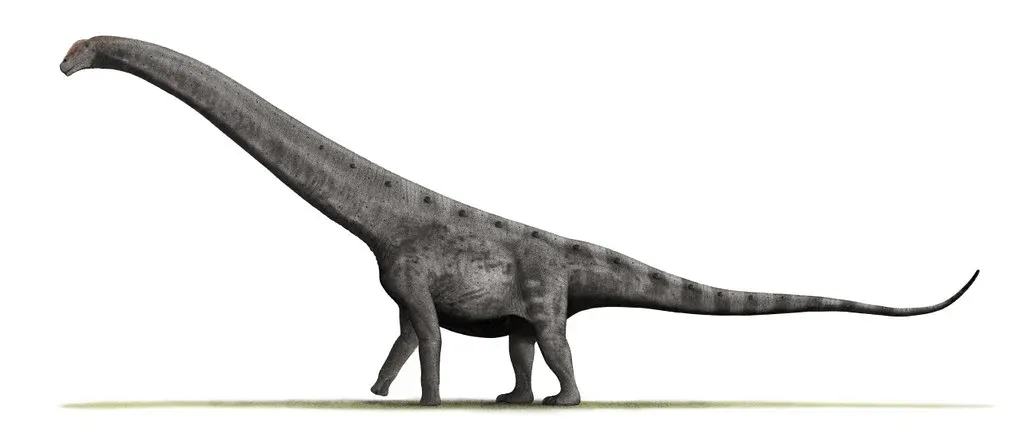
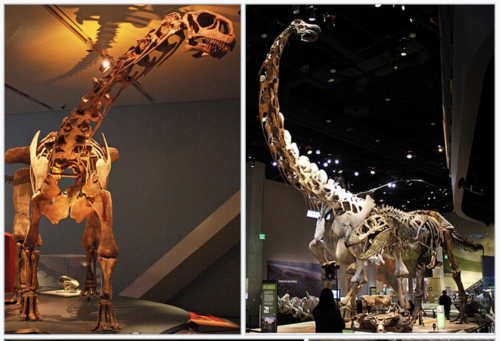
When you talk about Patagonia’s dinosaur boom, you’re mostly talking about titanosaurs, the long‑necked, long‑tailed sauropods that pushed body size into almost absurd territory. These animals are the reason you can say with a straight face that the largest land creatures ever known were walking around in what is now southern South America. Specimens from Patagonia, such as Patagotitan mayorum and Argentinosaurus, sit in a weight range comparable to dozens of modern elephants combined, making your usual mental image of a big animal feel almost dainty by comparison. What may surprise you is how diverse this group actually is. In Patagonia alone, titanosaurs range from cow‑sized species to behemoths stretching well over thirty meters long, with body masses estimated in the several‑dozen‑ton range and beyond. Some lineages appear more stocky and tank‑like, while others might have been surprisingly giraffe‑like, with long front legs and high‑reaching necks adapted to different feeding strategies. When you look at this spread of forms, you start to see Patagonia not just as a home for one freakishly large dinosaur, but as an evolutionary testing ground where size, shape, and lifestyle all got pushed in new directions.
The Discovery Stories That Changed How You Picture Giants
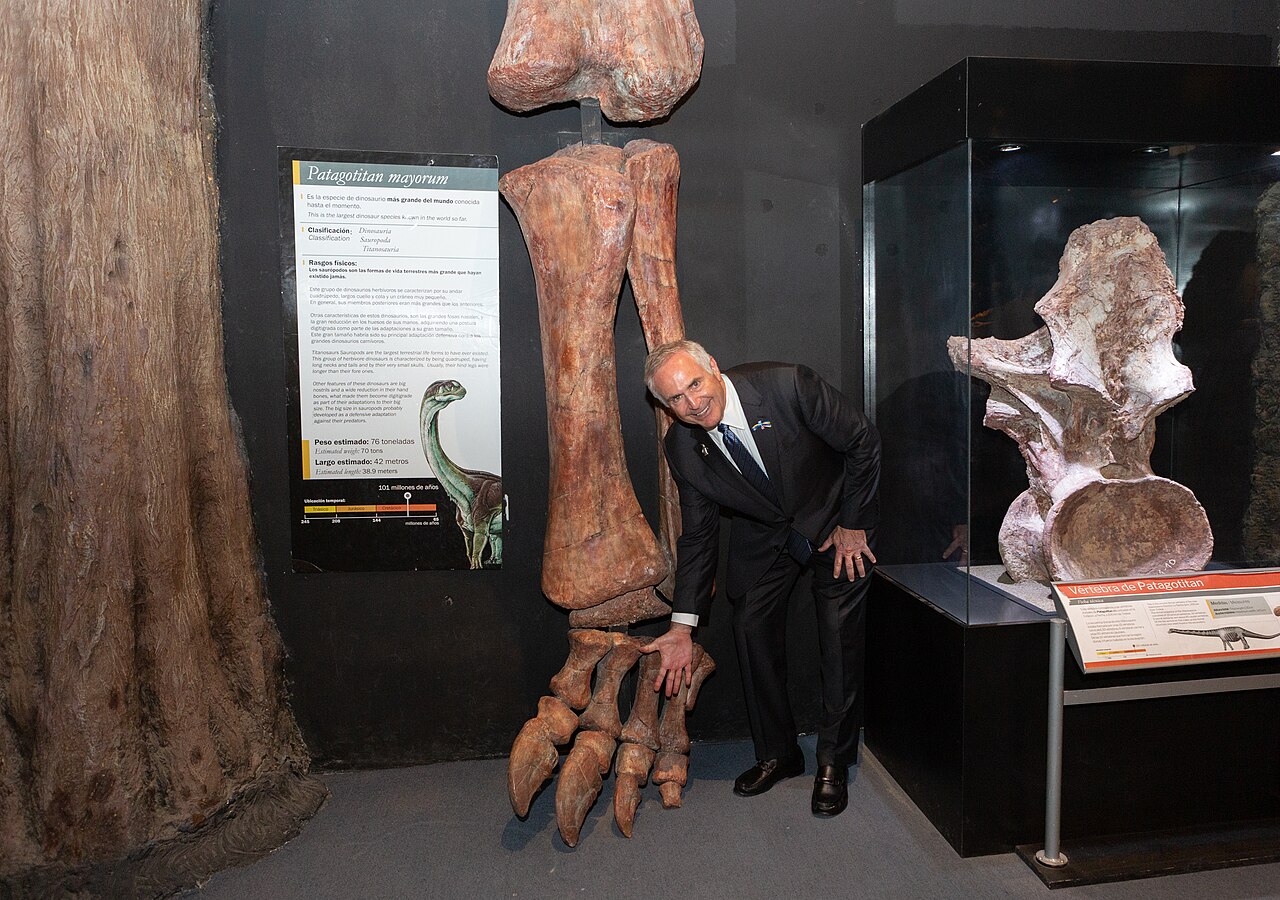
One of the reasons Patagonia feels so thrilling is that the discovery stories sound almost unreal, yet they are well documented and recent. You have ranch workers spotting huge bones sticking out of the ground, remote digs where teams uncover dozens of vertebrae from a single animal, and quarries packed with enough fossils to keep researchers busy for years. Patagotitan, for example, was first recognized when a worker noticed a gigantic thigh bone on a ranch in Chubut Province, kicking off an excavation that revealed an exceptionally complete skeleton from one of the largest animals ever to walk on land. Another Patagonian titanosaur, Dreadnoughtus, came from rocks in southern Patagonia and preserved such a high proportion of its skeleton that it suddenly gave scientists the detailed anatomical blueprint they had been missing for these giants. Until finds like this, your view of the biggest titanosaurs was based on handfuls of fragmentary bones, making size estimates and reconstructions more guesswork than science. With these Patagonian skeletons, researchers can test ideas about posture, muscle attachment, and how such massive bodies could move without collapsing under their own weight, fundamentally changing how you imagine these animals as living, breathing creatures.
Rewriting the Limits of How Big a Land Animal Can Be
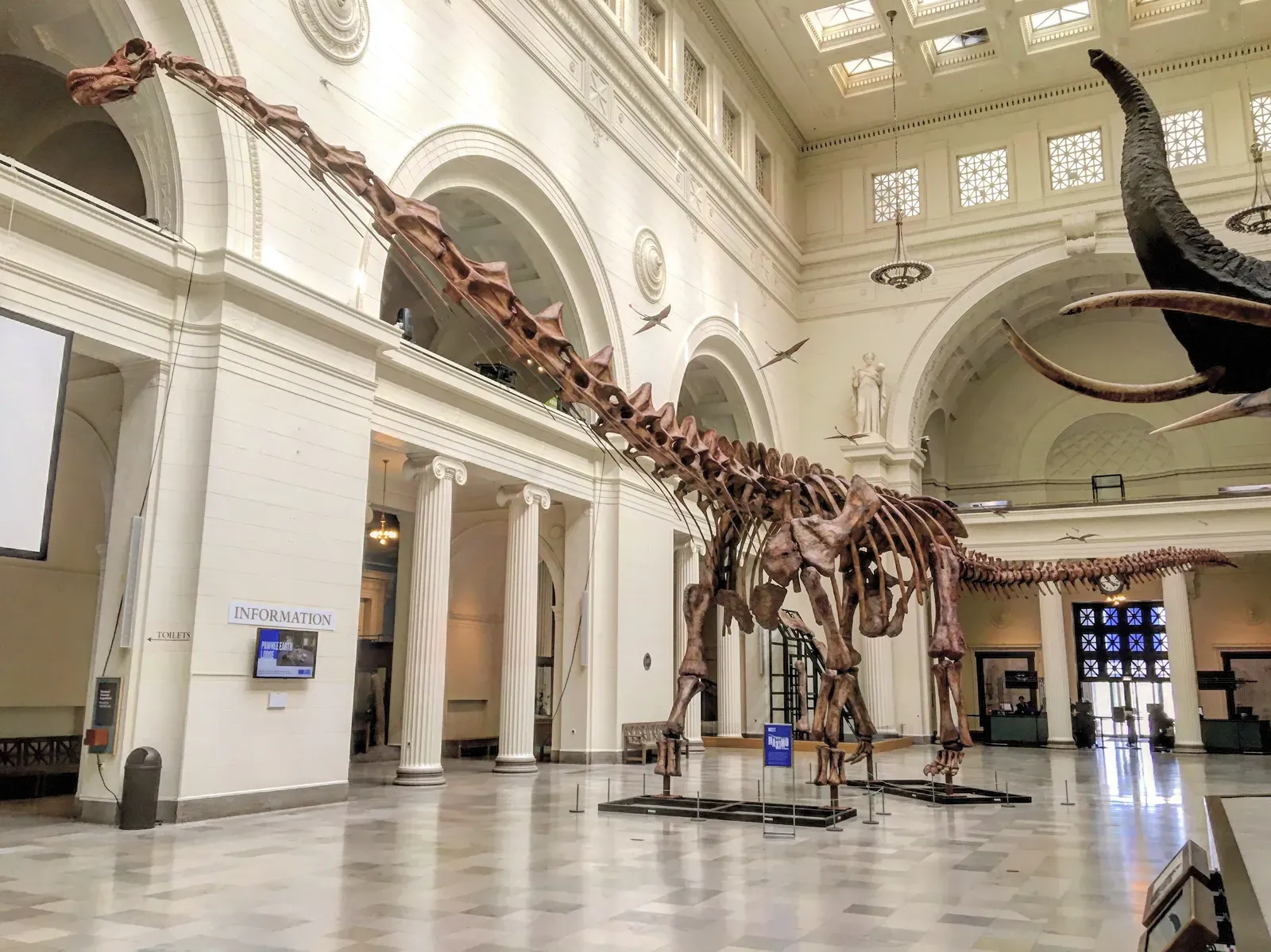
Before the Patagonian boom, you might have assumed that paleontologists already knew roughly how big dinosaurs could get, with only minor tweaks left around the edges. The new titanosaur discoveries forced a rethink. Analyses of giants like Patagotitan suggest you are getting close to the theoretical ceiling for a land animal’s size, based on how bones bear weight, how lungs and hearts can function, and how much food an environment can provide. Instead of one outlier, Patagonia now offers multiple massive titanosaurs that crowd the upper end of the size spectrum, hinting at a previously unknown cluster of super‑giants. These animals also push you to reconsider their ecosystems. For such enormous herbivores to thrive, Patagonia in the Cretaceous must have been rich in vegetation, with abundant river systems and extensive plant communities capable of supporting multi‑ton herds. The presence of both gigantic and relatively small titanosaurs in the same broad region suggests a complex web of ecological roles – some species browsing high, others feeding closer to the ground, much like modern combinations of giraffes, elephants, and large antelope. Instead of a simple “big dinosaur” story, you are looking at a carefully balanced system that allowed land animals to explore almost every possible size niche.
Not Just Giants: Patagonia’s Smallest Titans and Hidden Diversity
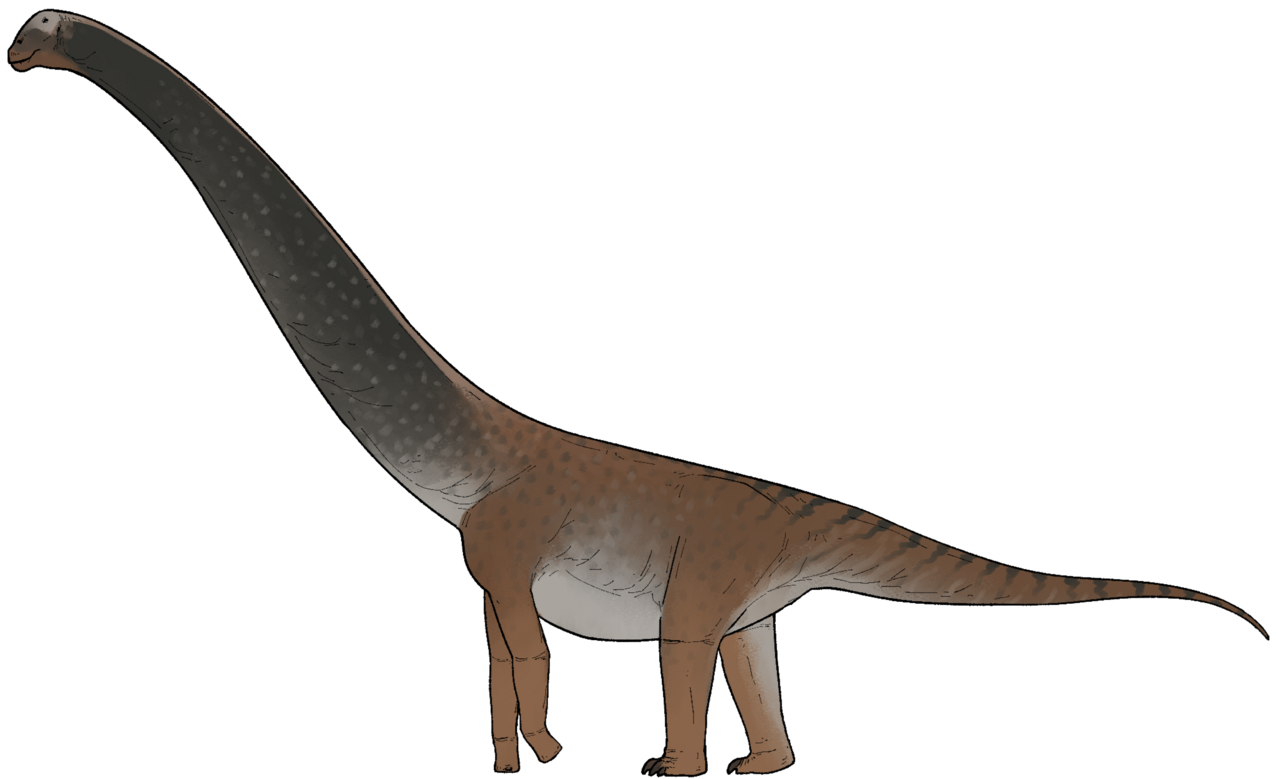
Here’s where Patagonia really complicates your assumptions: it is not only about the biggest of the big. Recent work has uncovered one of the smallest titanosaurs ever described from Patagonian rocks, an animal roughly the size of a large cow rather than a moving apartment block. When you put a small titanosaur beside a seventy‑ton neighbor in your mind, you suddenly realize that “giant dinosaur country” also hosted more modestly sized relatives experimenting with different lifestyles and body plans. You can think of Patagonia’s Cretaceous world as a crowded neighborhood of sauropods, theropods, crocodile‑like reptiles, turtles, and early birds, all sharing the same broad landscapes. New Patagonian quarries have yielded hundreds of fossils representing dozens of animal groups and even ancient plants, giving you a far fuller picture of these ecosystems than a single enormous skeleton ever could. The discovery of small titanosaurs in the same region as record‑breaking giants suggests that body size itself was a flexible trait, shaped by local conditions, predators, and available food, rather than a one‑way march toward being as massive as possible.
How Patagonian Discoveries Are Changing Your View of Dinosaur Evolution
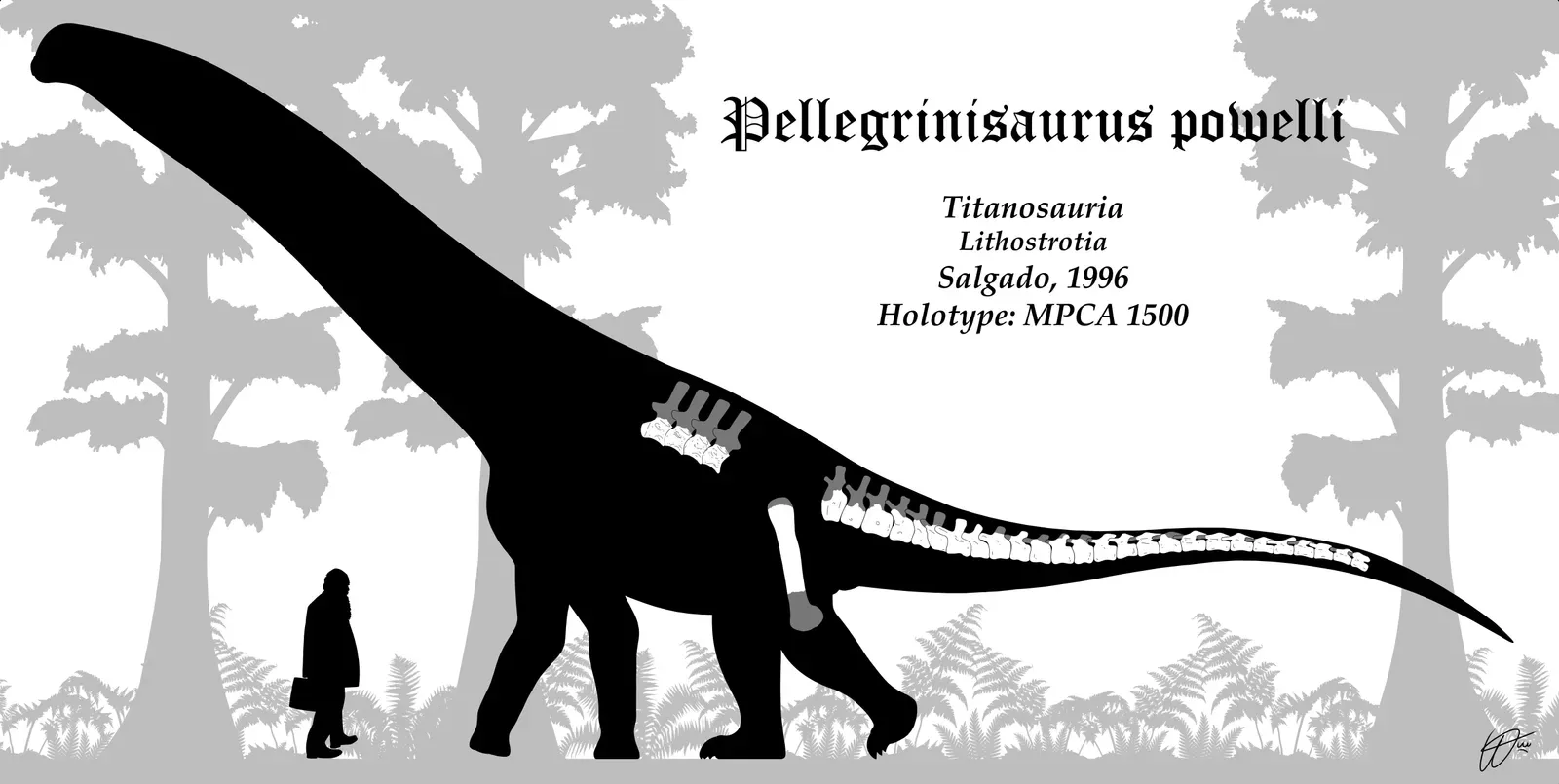
Once you factor in Patagonia, your mental timeline of dinosaur evolution, especially in the southern continents, has to shift. Titanosaurs were among the last surviving sauropods before the mass extinction event about sixty‑six million years ago, and Patagonia preserves a crucial slice of that final chapter. The mix of gigantic and smaller titanosaurs, along with diverse carnivores and other animals, shows you that dinosaur ecosystems in the south were still dynamic and experimenting with form and function right up to the end, not simply fading away. These discoveries also deepen your understanding of how the southern landmasses – once joined in the supercontinent Gondwana – shared and diverged in their dinosaur faunas. When you compare Patagonian titanosaurs with relatives from Brazil, Africa, India, and even newly identified titanosaurs in Antarctica, you see patterns of dispersal, isolation, and adaptation that help explain why some lineages reached extraordinary sizes in certain regions. Patagonia sits at the crossroads of these stories, giving you a grounded case study in how geography, climate, and evolutionary history combined to produce the largest land animals you know of.
Why Patagonia’s Dinosaur Rush Is Still Far From Over
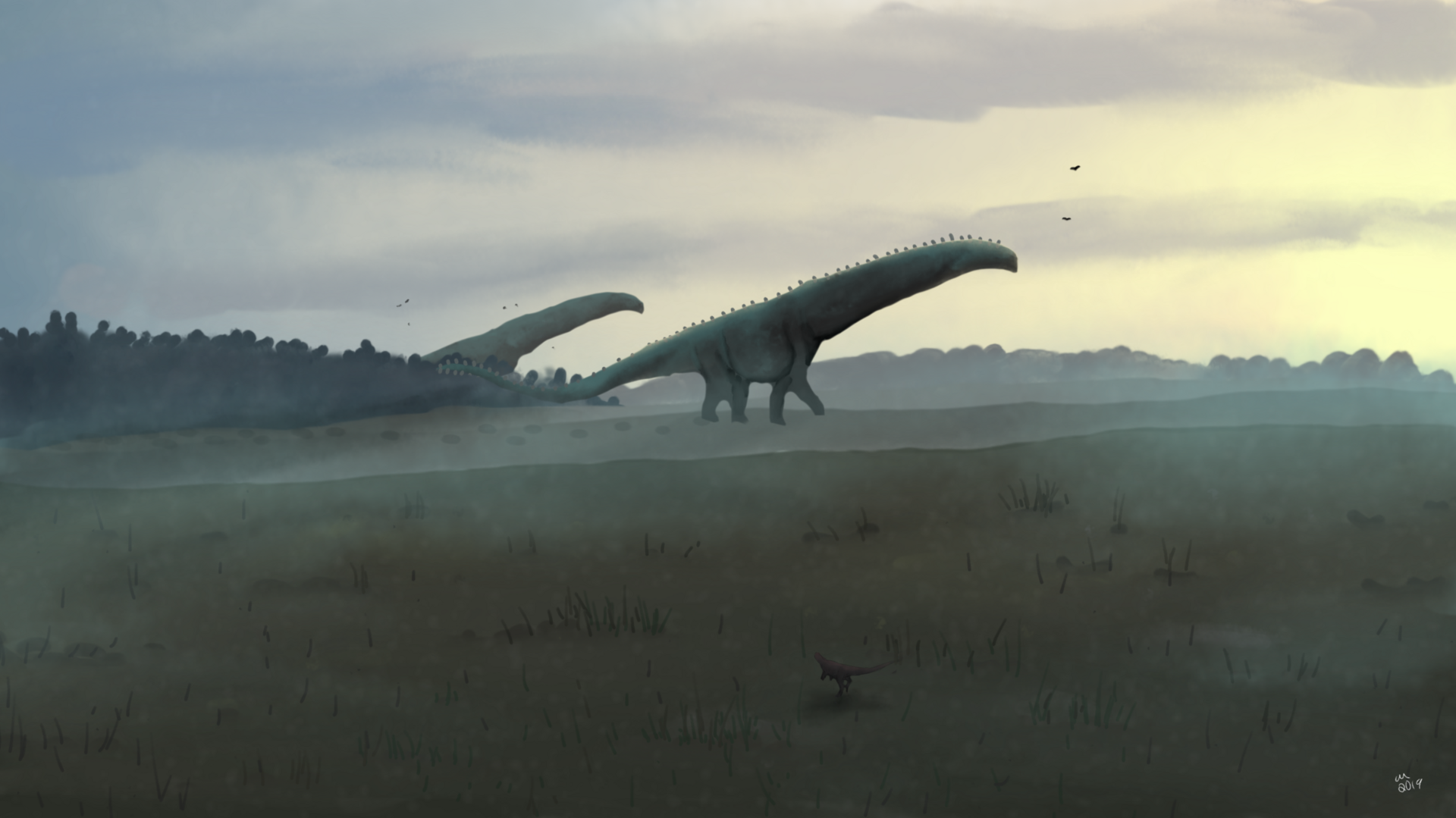
If you think the biggest surprises are all in the past, Patagonia quickly proves you wrong. Many of the spectacular titanosaur finds you hear about today were discovered only in the last couple of decades, and new species from this region continue to be described in scientific journals. Vast areas of fossil‑bearing rock are still underexplored, waiting for the next combination of local tip‑offs, satellite imagery, and old‑fashioned fieldwork to reveal what lies underneath. As techniques improve and more expeditions head south, you can realistically expect more new species and better skeletons, possibly even shifting the record books again. At the same time, ongoing research on already known Patagonian dinosaurs keeps squeezing extra information out of existing bones. Detailed studies of growth rings, bone microstructure, and muscle scars are helping scientists estimate how fast these animals grew, how their limbs handled weight, and even how they might have moved across muddy ground without sinking. Every new paper from this region nudges your understanding of giant dinosaur biology forward a little more, turning Patagonia from a one‑off headline into a long‑running laboratory for answering some of the hardest questions about life at extreme scale.
What Patagonia’s Giants Ultimately Teach You About Life on Earth
When you step back from the individual skeletons and quarries, Patagonia’s dinosaur record leaves you with a more humbling message about life on Earth. These rocks show you that your planet has already hosted land animals far beyond anything alive today in sheer mass and length, yet they were part of ordinary ecosystems, dealing with hunger, injury, drought, and competition just as modern animals do. Instead of frozen monsters from a distant age, they become extreme but understandable products of evolution working under familiar physical rules. For you, that means the Patagonian story is not just about records and measurements; it is about stretching your sense of what is possible while still grounded in evidence. As you follow each new discovery from this region, you are not only learning the names of more titanosaurs – you are watching scientists gradually decode how biology, geology, and climate once combined to push land animals to their limits. The next time you see an artist’s reconstruction of a Patagonian giant towering over trees, you might quietly ask yourself: if this is what we’ve already found, what is still waiting just below the next patch of wind‑scoured Patagonian soil?