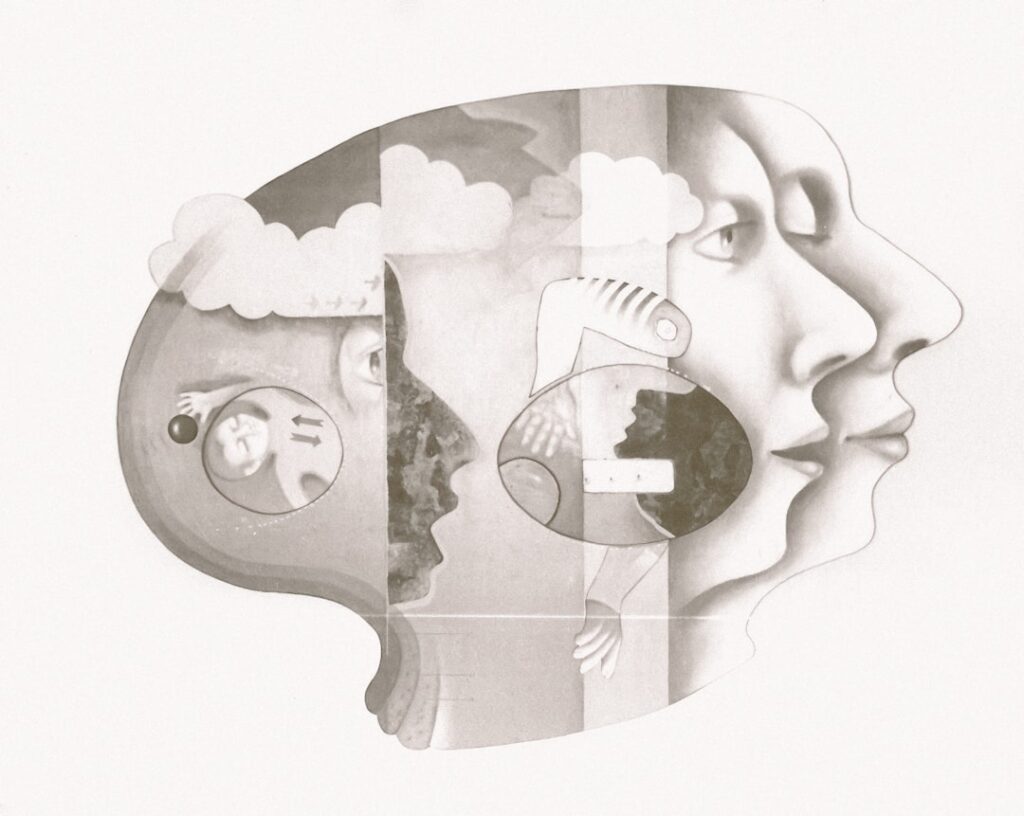

You wake up every morning assuming your brain is generating your private movie of reality. It feels obvious: neurons fire, and somehow a world appears inside your head. But what if you have it backward? What if consciousness is not something your brain makes, but something your brain edits down, cuts away, and hides from you? In that view, you’re not a small mind inside a big universe. You’re more like a wide, open field of awareness being squeezed through a narrow biological funnel. Your everyday experience would then be a carefully curated slice of something much bigger, stranger, and more fundamental than you usually allow yourself to imagine.
The Filter Theory: Your Brain as a Reducing Valve
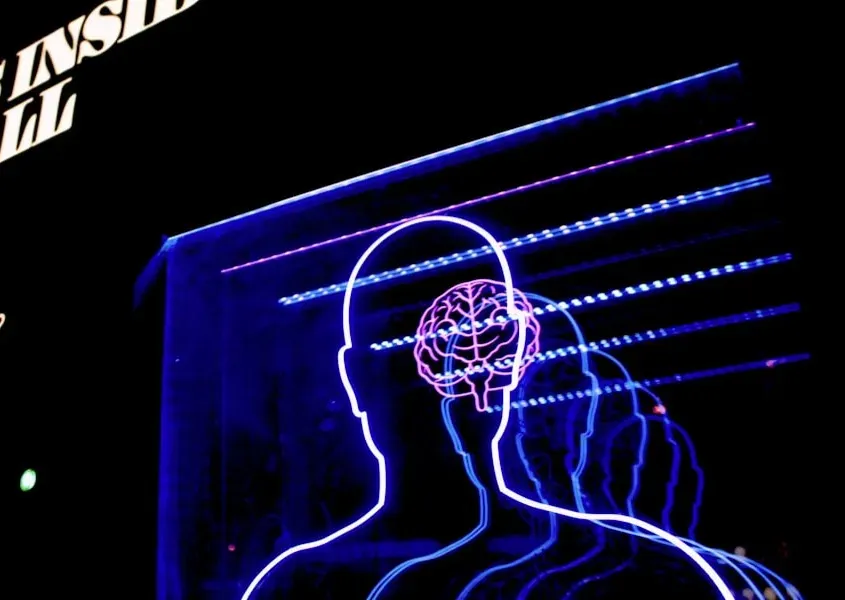
You can think of your brain less like a factory that produces consciousness and more like a filter that reduces it, like a faucet that limits the flow of water from a huge reservoir. This idea has been proposed in different forms by philosophers, psychologists, and some neuroscientists who argue that the brain’s main role is to select, suppress, and simplify. Instead of giving you reality, it might be hiding most of it so you can function. From this angle, all the sights, sounds, and thoughts you experience are not the full picture, but a tiny, survival-focused subset. Your nervous system may cut away anything that isn’t immediately useful for staying alive and reproducing. The price of functioning well in the world is that you experience only a narrow, streamlined version of whatever reality actually is.
Why Evolution Would Want to Limit Your Reality
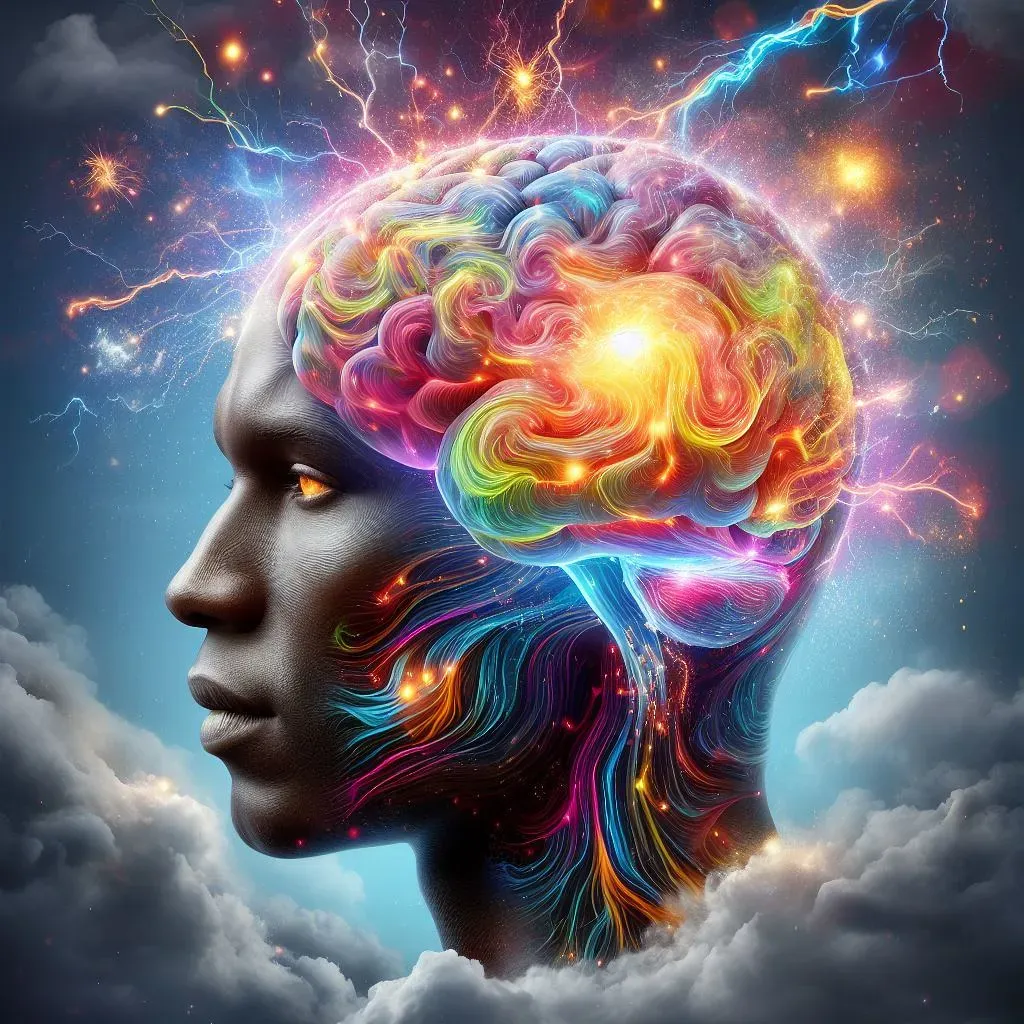
If you imagine having access to every possible detail of reality at once, your life would probably grind to a halt. You’d notice every photon, every sound wave, every microscopic shift in your body, and every subtle emotional nuance of everyone around you. You wouldn’t cross the street; you’d freeze on the sidewalk, overwhelmed by data. Evolution does not reward you for encountering truth in its entirety; it rewards you for making quick, useful decisions. So your brain likely evolved as a ruthless censor, not a generous storyteller. It hides almost everything so you can focus on a few cues: movement, faces, threats, rewards, patterns that helped your ancestors survive long enough to have kids.
The Brain’s Efficient Shortcut: Constructed but Constrained Experience
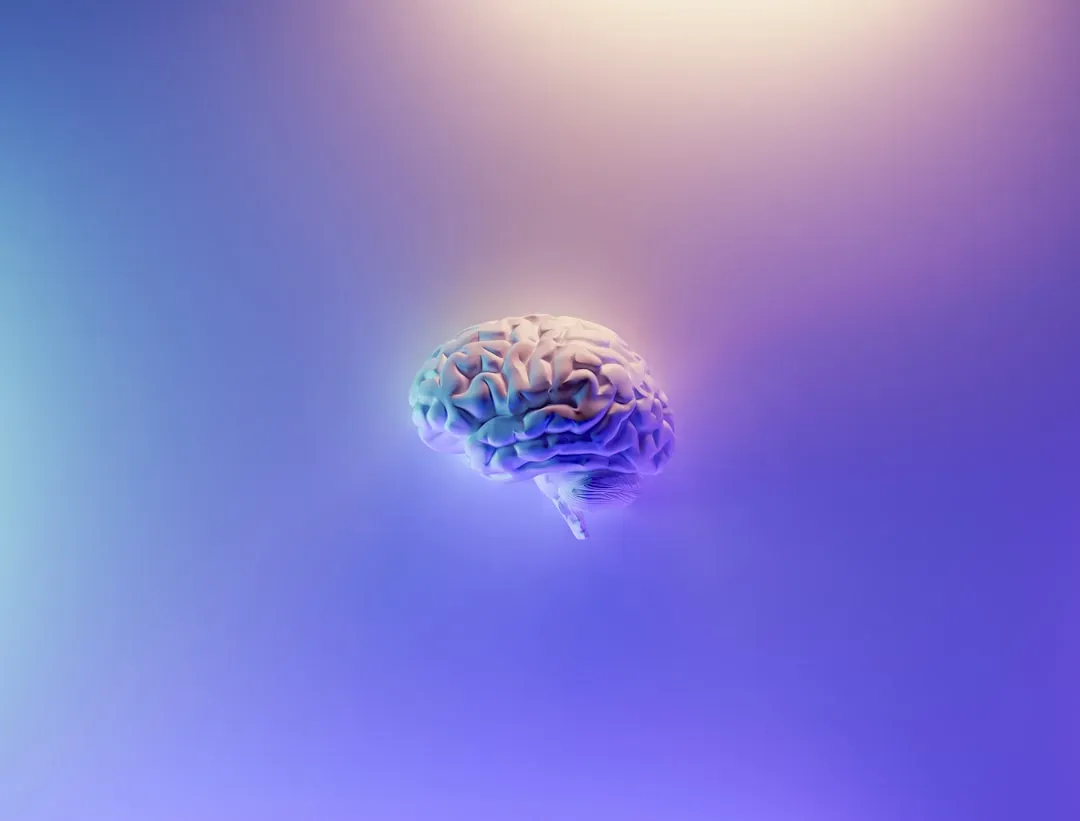
You’ve probably heard that your brain “constructs” reality, and that’s true in an important sense. Your senses collect raw signals, and your brain turns them into colors, sounds, smells, and a sense of space and self. But if the brain is filtering a wider field of consciousness, then these constructions are not created out of nothing; they’re shaped from an underlying awareness that’s already there. In this view, your brain works like a compression algorithm on a computer: it takes a huge, rich input and strips it down into a light, fast-running file that you can actually use. The world you move through feels solid and complete, but it might be closer to a low-resolution model tuned for action, not a full-resolution rendering of reality in all its depth.
Perceptual Blind Spots: How Little You Actually See
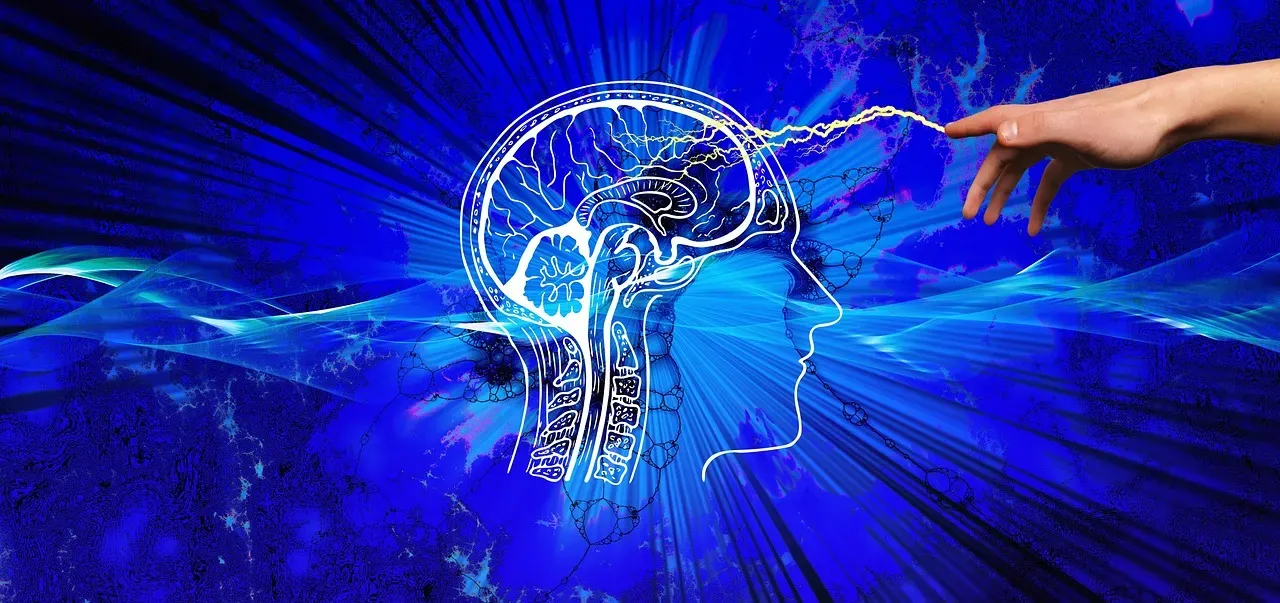
You already know that your senses miss a lot, but you probably underestimate just how extreme that is. You see only a small band of the electromagnetic spectrum, hear only a narrow slice of possible frequencies, and are blind to whole domains like ultrasound, infrasound, and many chemical cues other animals use effortlessly. The world you perceive is already heavily edited. On top of that, your attention acts like a spotlight, illuminating just a few things at a time and leaving almost everything in darkness. You walk through a crowded street and later realize you barely registered the buildings, the sky, or even the colors of the cars. Your brain quietly decides what to ignore, and your conscious mind just goes along for the ride, convinced it saw more than it did.
Altered States: When the Filter Loosens or Glitches
When you look at dreams, near-death experiences, deep meditation, sensory deprivation, or certain psychedelic states, you see moments where your ordinary sense of reality gets bent or broken. People often report time slowing down, colors intensifying, boundaries between self and world softening, or entirely new kinds of meaning appearing. You can interpret these as the brain “malfunctioning,” or you can see them as the filter temporarily changing its settings. If consciousness is primary and the brain is a limiter, then these altered states might be what happens when the filtering system relaxes or misfires. Instead of neat, well-behaved experience, you get floods of perception, emotion, and connection that feel too big to fit inside your usual mental frame. That can be terrifying or deeply meaningful, depending on how you approach it and what context you have.
Information Overload and Cognitive Bandwidth
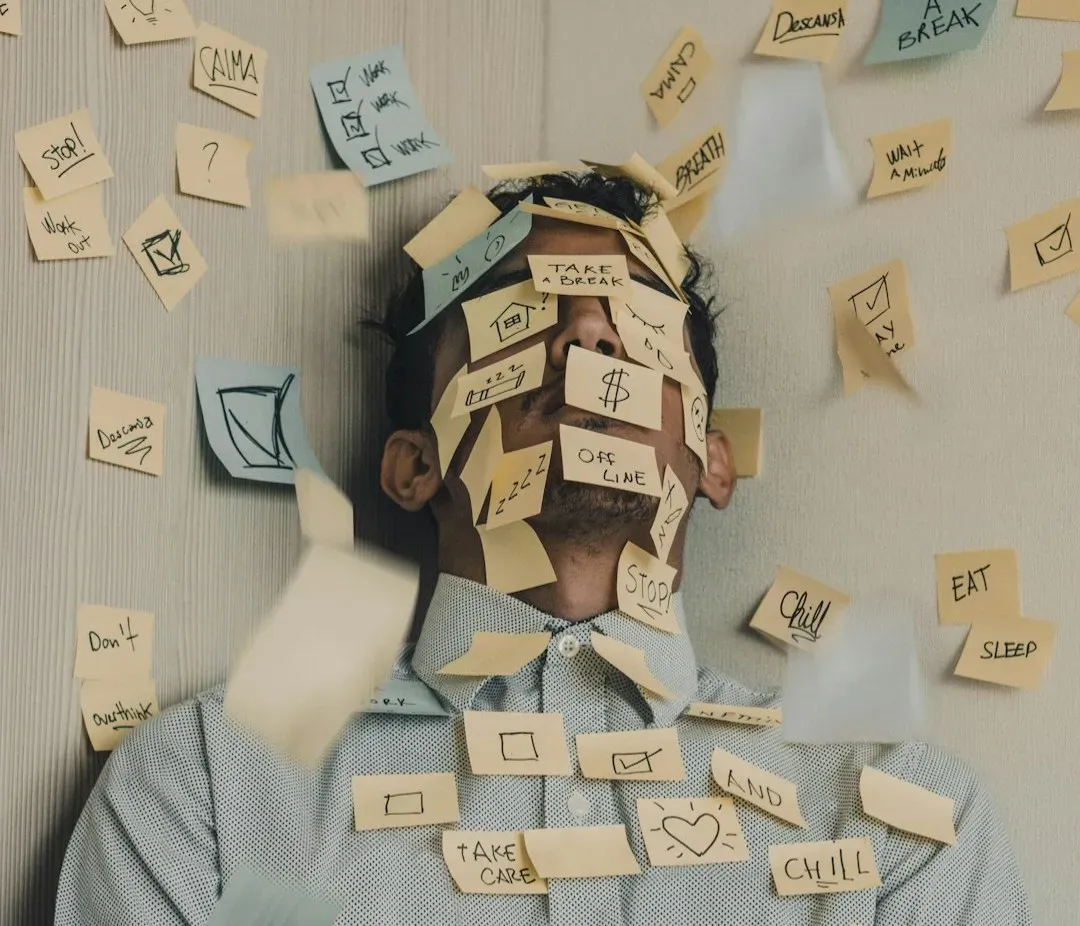
You feel the limits of your filter every time you get overwhelmed by notifications, emails, or social feeds. Your brain has only so much bandwidth, and when you try to cram too much in, your focus and mood suffer. This everyday information overload reflects a deeper truth: your conscious awareness runs on a strict budget. From a filter perspective, your brain is like a gatekeeper at a club that can only admit a small number of guests at once. Thoughts, sensations, and memories line up at the door, but only a few make it in. You experience those few as your “now,” while the rest stay outside, shaping your behavior from the shadows or disappearing before you ever notice them.
What This Means for Your Sense of Self
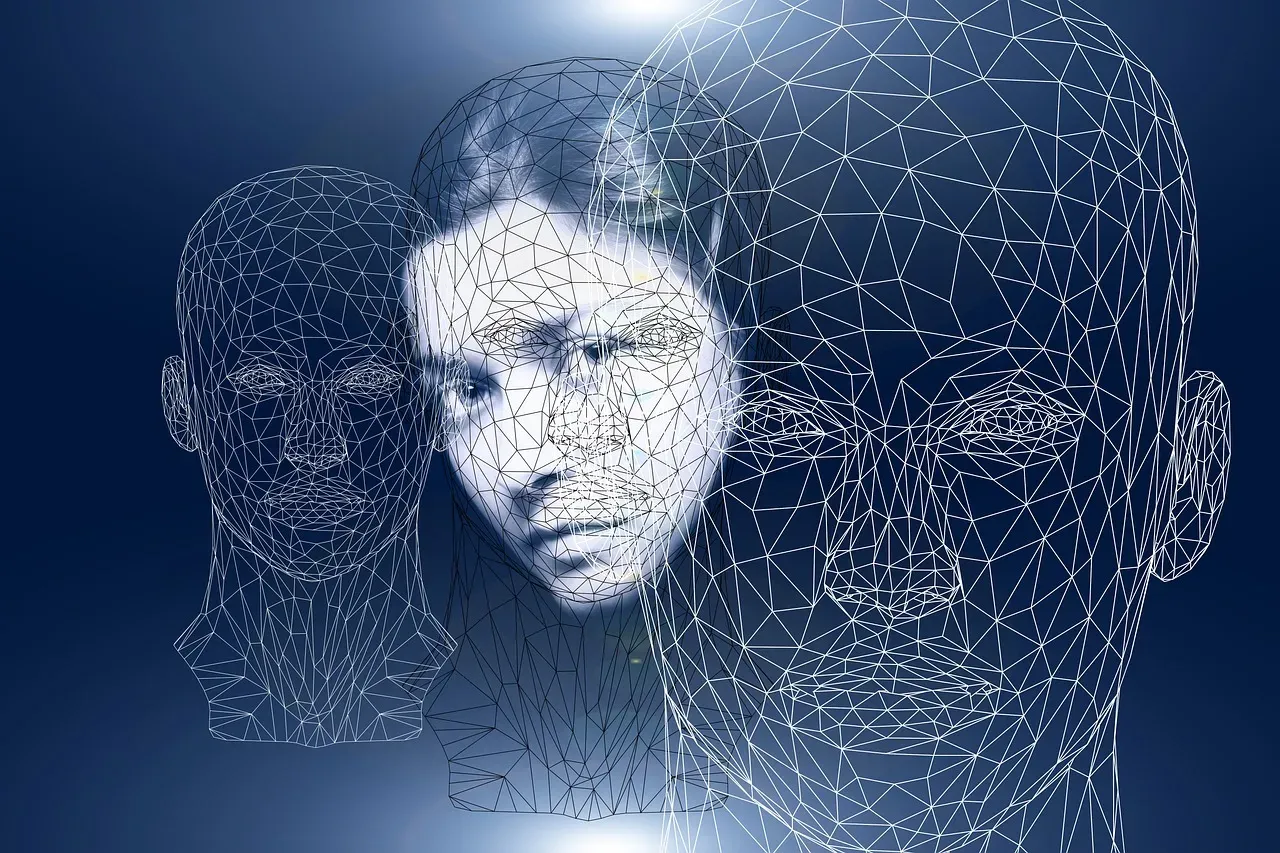
If your brain doesn’t generate consciousness but instead narrows it down, then your familiar sense of self might be a kind of user interface rather than your deepest identity. The “you” in your head who thinks, plans, worries, and remembers could be a practical avatar that reality uses to operate in a human body and environment. It feels central and solid, but it might be closer to a helpful illusion. You can test this a bit by paying attention to how your sense of self shifts through the day. You feel like a different person at work than with close friends, and different again when you’re exhausted or inspired. If consciousness is fundamental and the brain is a filter, then these changing versions of “you” are just different configurations of the same underlying awareness, like different apps running on the same operating system.
Practical Implications: Living with a Filtered Reality

This idea can sound abstract, but it quietly reshapes how you live once you take it seriously. First, it can introduce a bit of humility: you stop assuming that what you see, think, and feel is the whole story. You become more open to the possibility that your blind spots are not just small gaps but giant unknowns. At the same time, it can be surprisingly comforting. If your brain is a limiter, then moments of awe, creativity, or deep connection might be glimpses of a wider reality that is always here, just mostly hidden. Practices like mindfulness, contemplation, careful listening, or time in nature can then feel less like hobbies and more like ways of gently widening the filter, even if only a little.
Science, Speculation, and Staying Grounded
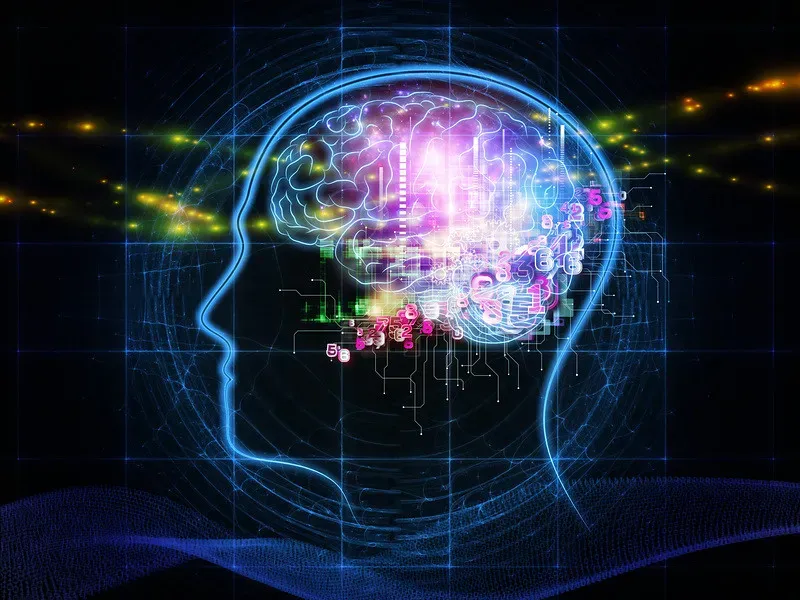
It’s important to be honest: modern neuroscience has not proven that consciousness exists outside the brain or that the brain only filters it. Most mainstream models treat consciousness as emerging from complex brain activity. At the same time, scientists still debate what consciousness is and how it arises, and there is no single agreed-upon solution. So you sit in a zone of informed speculation. You can acknowledge that this filter idea fits some data, lines up with certain experiences, and remains an open possibility, without pretending it is settled fact. The most balanced stance is to stay curious, keep an eye on new research, and use this framework as a lens to explore your own experience rather than as a dogma to defend.
Conclusion: Living as a Narrow Beam from a Wider Light
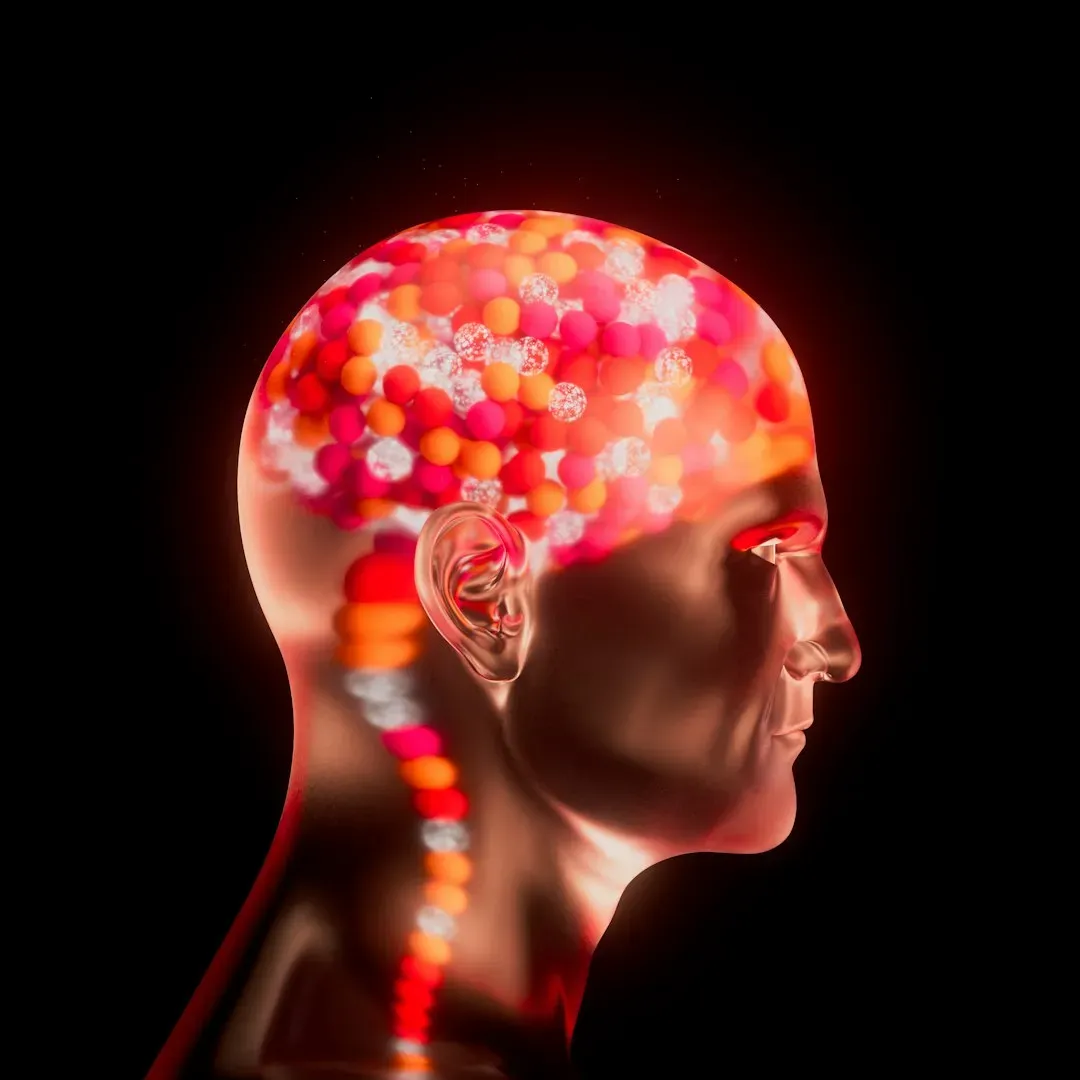
If you treat your everyday awareness as a narrow beam shining out from a much wider light, your relationship to life subtly shifts. You stop assuming that your current perspective defines the world, and you start recognizing it as one thin, adaptive slice of something larger. That alone can soften your judgments, deepen your curiosity, and make mystery feel less like a problem and more like a feature of being alive. You still have to pay your bills, answer messages, and navigate ordinary challenges, but you can do it with a quiet sense that reality might be deeper than your brain allows you to see. In that sense, every moment carries a hint of something beyond the edges of your attention, waiting for you to notice. If your brain is really a filter, not a generator, how might you choose to live with the tiny but precious window you’ve been given?