
You like to think of yourself as the author of your own life, right? You feel yourself weighing options, wrestling with hard choices, and finally deciding, almost like a judge delivering a verdict. But what if those moments are closer to post‑hoc commentary than genuine control, like a sports commentator narrating a game that has already been played in slow motion?
For decades now, neuroscientists have been quietly gathering evidence that your brain begins preparing your decisions several seconds before you feel yourself choosing. This is not a vague philosophical musing; it is a measurable, repeatable lab finding. And once you take that seriously, all the comforting stories we tell about responsibility, morality, and what it means to be a “self” suddenly look a lot less stable.
When Your Brain Decides Before “You” Do
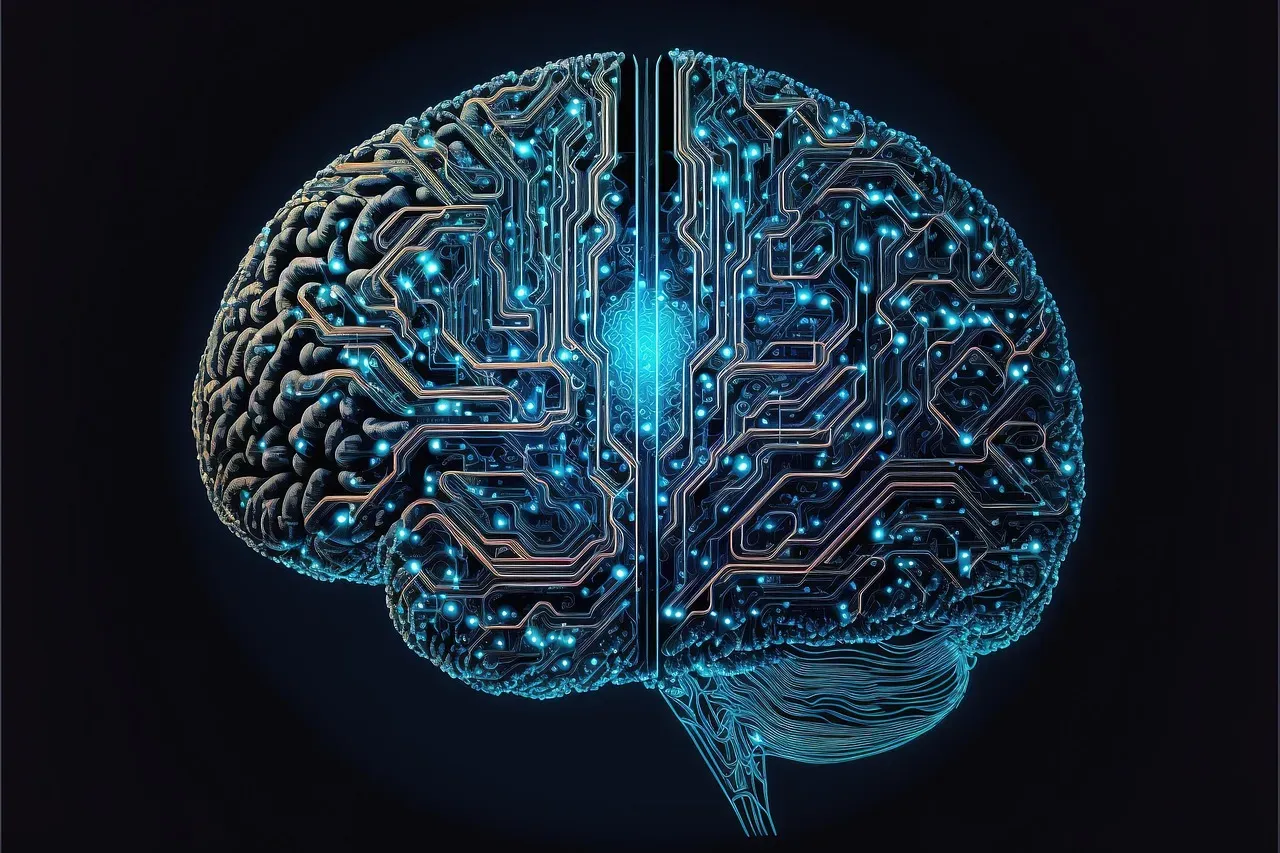
The strange story really took off with experiments that asked people to make trivial choices, like flexing a wrist or pressing a button whenever they felt like it, while their brain activity was recorded. Researchers noticed a now‑famous pattern: subtle electrical changes in the brain ramped up a fraction of a second before participants reported the conscious urge to act. In other words, the brain looked like it had already started the decision‑making process before the person felt any intention.
Later studies pushed this even further. Using brain‑imaging techniques, researchers found they could, for very simple choices, predict which option someone would pick several seconds before the person became consciously aware of choosing. The predictions were not perfect and only applied to basic tasks, but the very fact that they were possible at all feels like a crack in the story that “I” decide first and my brain follows.
How Libet’s Experiments Lit the Fuse on the Free Will Debate
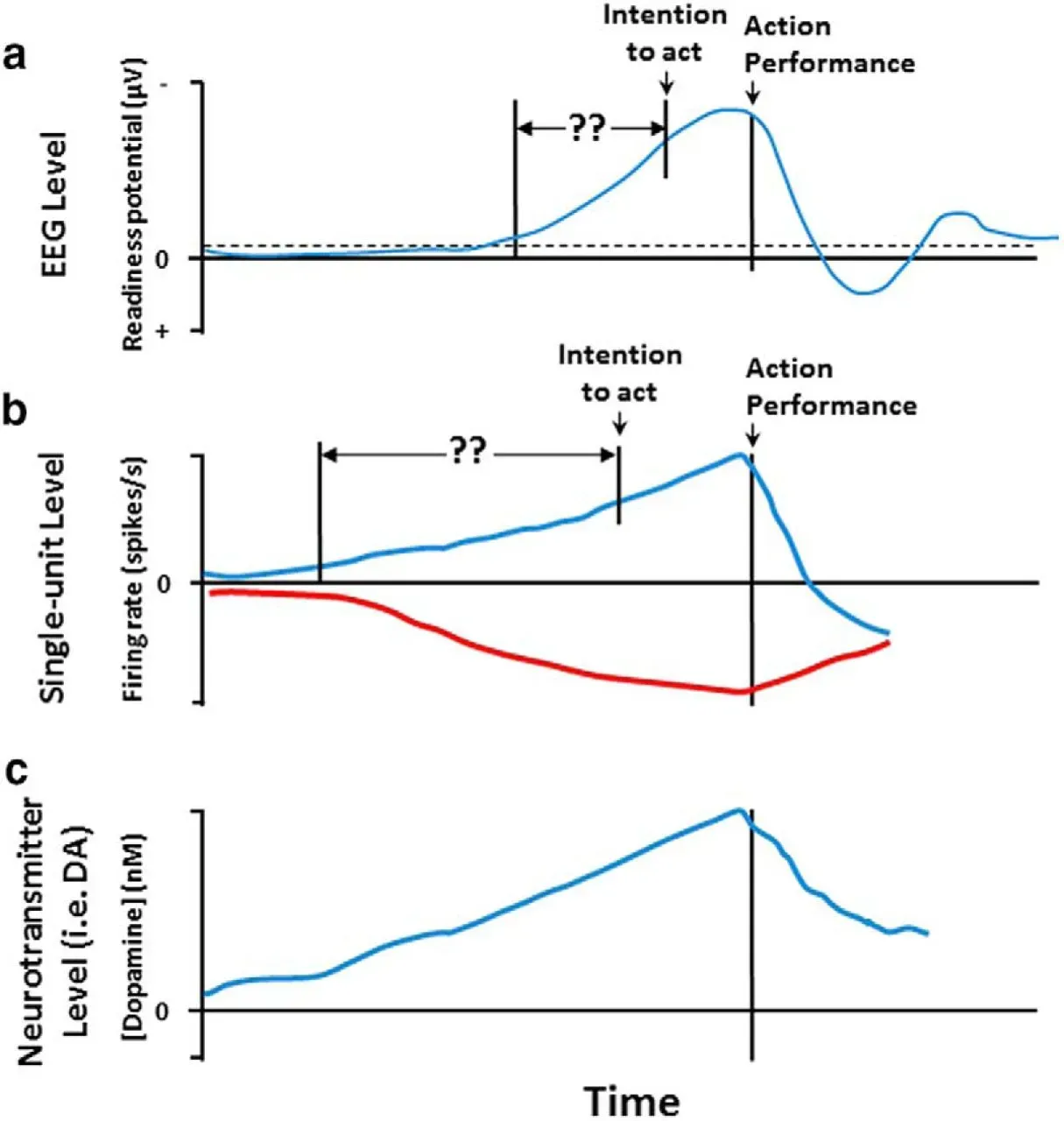
The classic studies that kicked off this modern debate are often grouped under the name of a single researcher who asked people to move a finger whenever they felt the urge, while watching a fast‑moving clock. Participants then reported the position of the clock hand at the instant they first felt the wish to move. By comparing brain signals, muscle activity, and the timing of that reported urge, he noticed something unsettling: the brain’s readiness signal appeared before the conscious intention.
The delay was not enormous in everyday terms, but it was philosophically explosive. If the neural build‑up starts first and the experience of “I decided” comes later, then maybe conscious will is less a commander and more a narrator that jumps in once the real work is already in motion. Some argued that consciousness might still have a last‑second veto power, a kind of internal emergency brake, but even that is a far smaller role than the grand picture of a conscious self steering every move.
Seven Seconds of Unconscious Preparation: What Modern Brain Scanners Reveal
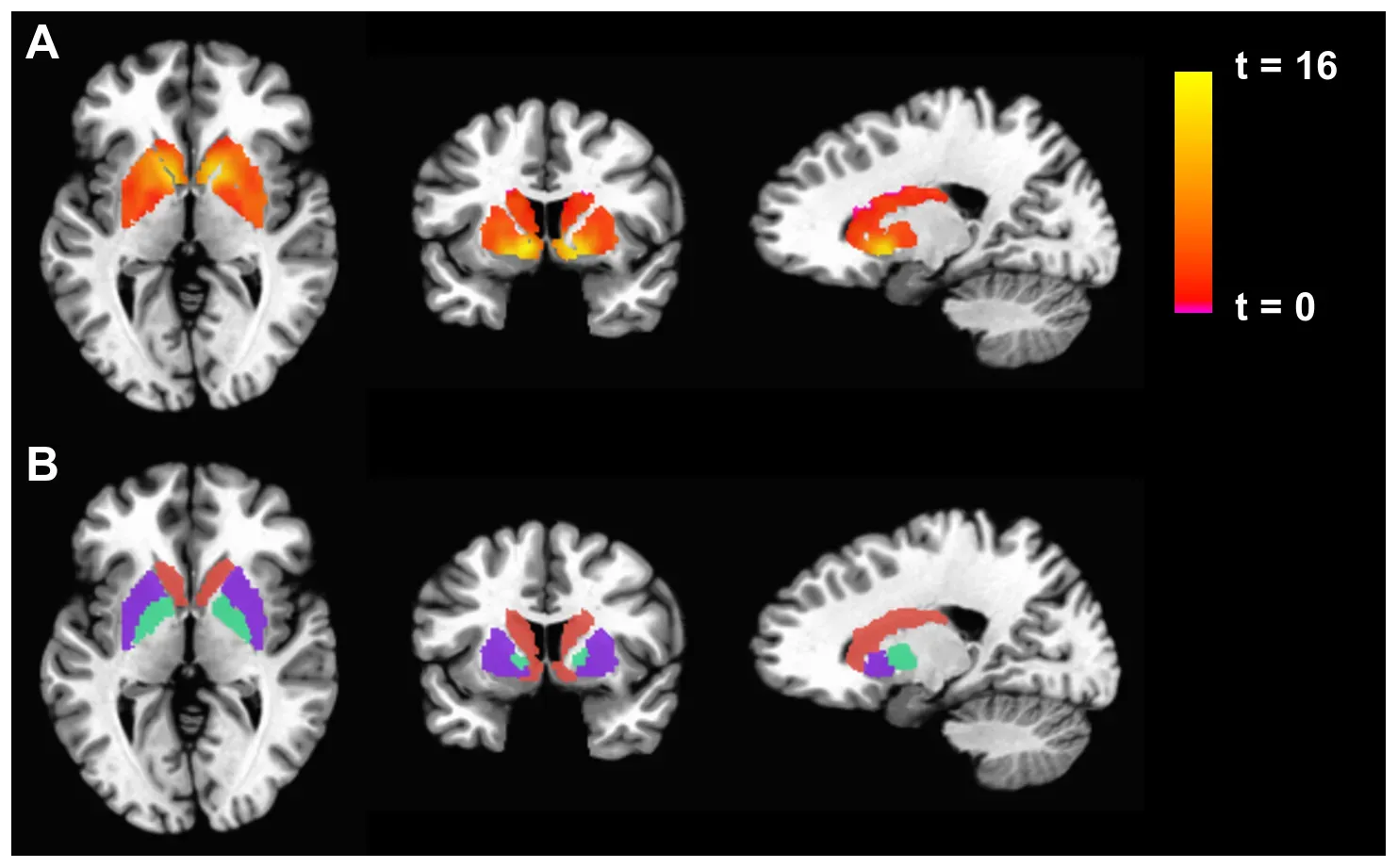
As brain‑imaging technology improved, scientists went beyond finger twitches and simple reaction tasks. In some experiments, people lay in an MRI scanner choosing between two options, such as pressing a left or right button, or deciding whether to add or subtract numbers, while researchers watched patterns of brain activity in real time. Remarkably, certain brain regions carried information that allowed computers to guess the eventual choice up to several seconds before participants reported having made up their mind.
These studies are not reading complex thoughts or decoding grand life plans; they are working with stripped‑down, artificial tasks, and the predictions are only modestly better than chance. Still, the timing matters. If the brain shows a reliable bias toward one option six or seven seconds before consciousness catches up, then something meaningfully decision‑like is already underway outside of your awareness. That does not prove free will is an illusion, but it does prove that conscious will is not the whole story.
Are These Really “Decisions,” or Just Neural Rumblings?
Here is where things get tricky: what exactly counts as a decision? The early build‑up of activity in the brain might reflect nothing more than noisy fluctuations in neural networks being nudged toward one outcome, similar to a coin wobbling mid‑air before it lands. Some scientists argue that what we see in these experiments is the brain preparing possible actions or drifting toward a threshold, not making a full‑blown commitment you are unaware of.
On this interpretation, consciousness still plays a crucial role in stabilizing, endorsing, or vetoing these tendencies before they become action. It is a bit like seeing your inbox fill with half‑written drafts that your brain started, but your conscious self decides which ones actually get sent. In that light, the seven‑second signals are not the death of free will; they are the messy prehistory of a choice that becomes “yours” once you consciously accept it.
The Problem of Trivial Choices vs. Life‑Changing Ones

There is another important limitation that people often gloss over: most of these brain‑before‑mind findings come from extremely simple, consequence‑free decisions. Press left or right. Move now or in a moment. These are the cognitive equivalent of flipping a light switch, not deciding whom to marry, whether to quit your job, or how to raise your children. It is a huge leap to assume that the brain behaves exactly the same way in rich, emotionally loaded decisions.
Real‑world choices involve memory, long‑term goals, social norms, and imagination. They can unfold over days, months, or years, with multiple rounds of reflection and doubt. Even if unconscious processes shape your preferences and nudge your thinking, consciousness may still have a more substantial role in larger‑scale deliberation. In that sense, treating trivial lab tasks as replicas of deeply personal decisions is a bit like judging an entire movie from a single snapshot of a background extra.
Your Brain as a Storyteller: Is Conscious Will Just a Narrative?
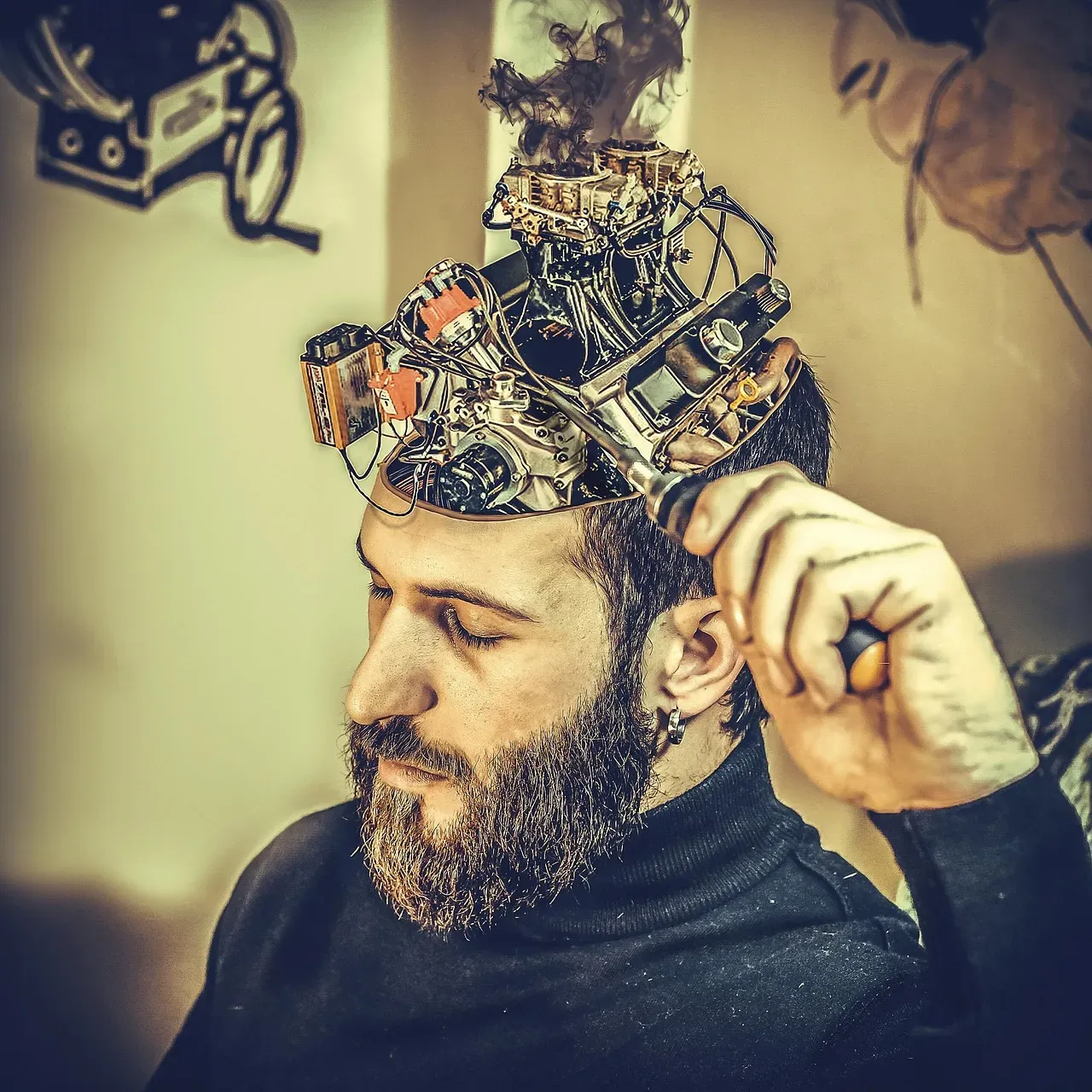
Still, there is a more radical interpretation that refuses to let consciousness off the hook so easily. According to this view, your sense of being a unified, choosing self is largely a story the brain tells itself to make sense of actions that were already determined by countless hidden processes. Your mind experiences itself as the driver of the car, but under the hood a complex machine has already decided when to turn the wheel. Conscious intention becomes a tidy explanation rather than an authentic cause.
This idea is uncomfortable because it strikes at the heart of how we talk about guilt, pride, love, and even creativity. When you say you “decided” to help a friend or “chose” to betray someone’s trust, it feels like a conscious turning point. If that turning point is really the brain’s after‑the‑fact narration of deeper neural currents, then responsibility starts to look less like authorship and more like ownership of an organism’s behavior. You are still accountable, but you may not be the kind of author you thought you were.
Free Will, Responsibility, and Why Society Still Needs “Choice”

Even if the strict, metaphysical version of free will takes a beating from neuroscience, that does not mean we throw out concepts like responsibility and choice. Laws, relationships, and moral norms are built on the idea that people can respond to reasons, learn from consequences, and adjust their behavior. All of that can stay true in a world where decisions emerge from brain processes, especially if conscious awareness is one of the tools the brain uses to shape future behavior.
Think of it this way: whether or not you have some magical ability to step outside causality, your brain clearly reacts to information, training, and feedback. If you grow up in a culture that values honesty, or you practice a skill for years, your neural circuits change in ways that alter what you are likely to do next. Calling those altered tendencies “your choices” might not be philosophically perfect, but it is practically indispensable, just like calling a storm “dangerous” even though it is just physics playing out.
My Take: Free Will Is Smaller Than We Think, but Not Dead

Personally, I think the seven‑second findings should puncture our ego more than our ethics. They suggest that the part of us that feels like a tiny executive sitting in the control room is actually just one process among many, often late to the party. That is humbling. But it does not follow that we are helpless passengers. Conscious reflection, even if downstream from many hidden influences, still seems to reshape habits, reframe values, and steer us away from impulses we later regret.
In that sense, free will looks less like a supernatural power and more like a fragile, emergent capacity: the ability of a brain to model itself, anticipate outcomes, and nudge its own future paths. It is constrained, biased, and riddled with blind spots, but it is not nothing. Maybe the most honest stance is to admit that our control is partial and probabilistic, not absolute. That realization can feel unsettling at first, yet it also opens a gentler, more realistic way of seeing ourselves and one another. If your brain starts writing your choices before you feel them, the real question becomes: how will you train that brain, and what kind of person will those unconscious seconds be quietly preparing you to be?