
Think back to being a kid and locking eyes with a bird on a windowsill, a dog on the street, or a bug crawling across the floor. For a moment, everything else disappeared. That pull you felt was not random cuteness or boredom relief; it was your brain doing one of its oldest, most powerful learning tricks. Long before there were screens, schools, and storybooks, there were animals to watch, imitate, chase, fear, and befriend.
Across history and cultures, children have been mesmerized by animals in ways that go beyond simple entertainment. Psychologists and neuroscientists now see that a child’s attention to living, moving, unpredictable creatures is not a side effect of curiosity, but one of the core tools the young brain uses to figure out how this complicated world actually works. When a child watches a cat stalk, a bird take flight, or a lizard freeze and dart, they’re not just “watching animals” – they’re running real-time experiments about life, movement, cause and effect, and even emotion.
The Ancient Brain Hack: Why Animals Grab Kids’ Attention Instantly
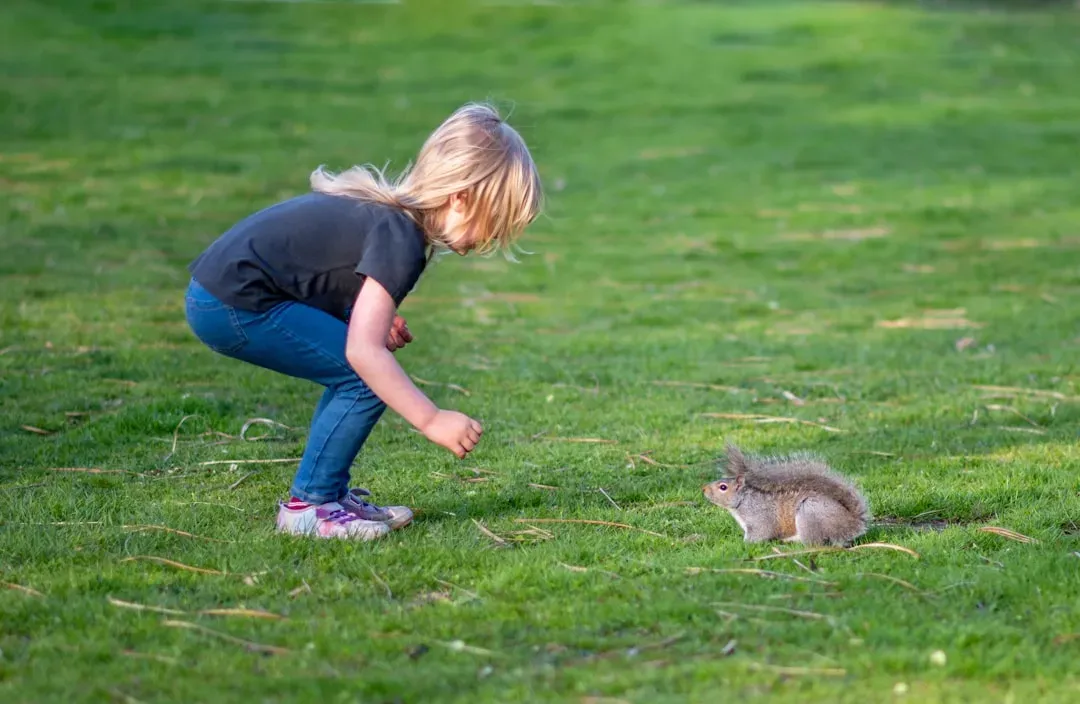
Here’s the first surprising thing: a child can scroll past a hundred pictures but will freeze the second a squirrel darts by the window. That instant lock-on is tied to deep survival systems in the brain that prioritize living, moving stimuli over everything else. The human nervous system is built to notice agents – things that move on their own, change direction, and appear to have goals – far more than static objects like rocks or chairs.
For a developing brain, animals are like neon signs flashing “Pay attention, this matters.” They move in ways that are complex but not incomprehensible, unlike storms or machines that can feel too big or too abstract. A kid can see a dog pause, sniff, choose, and react, and the brain reads that as meaningful behavior to decode. This is one reason even toddlers will track an animal’s path across a room far more persistently than they’ll follow a toy car rolling in a straight line.
Unpredictability: The Secret Ingredient That Supercharges Learning
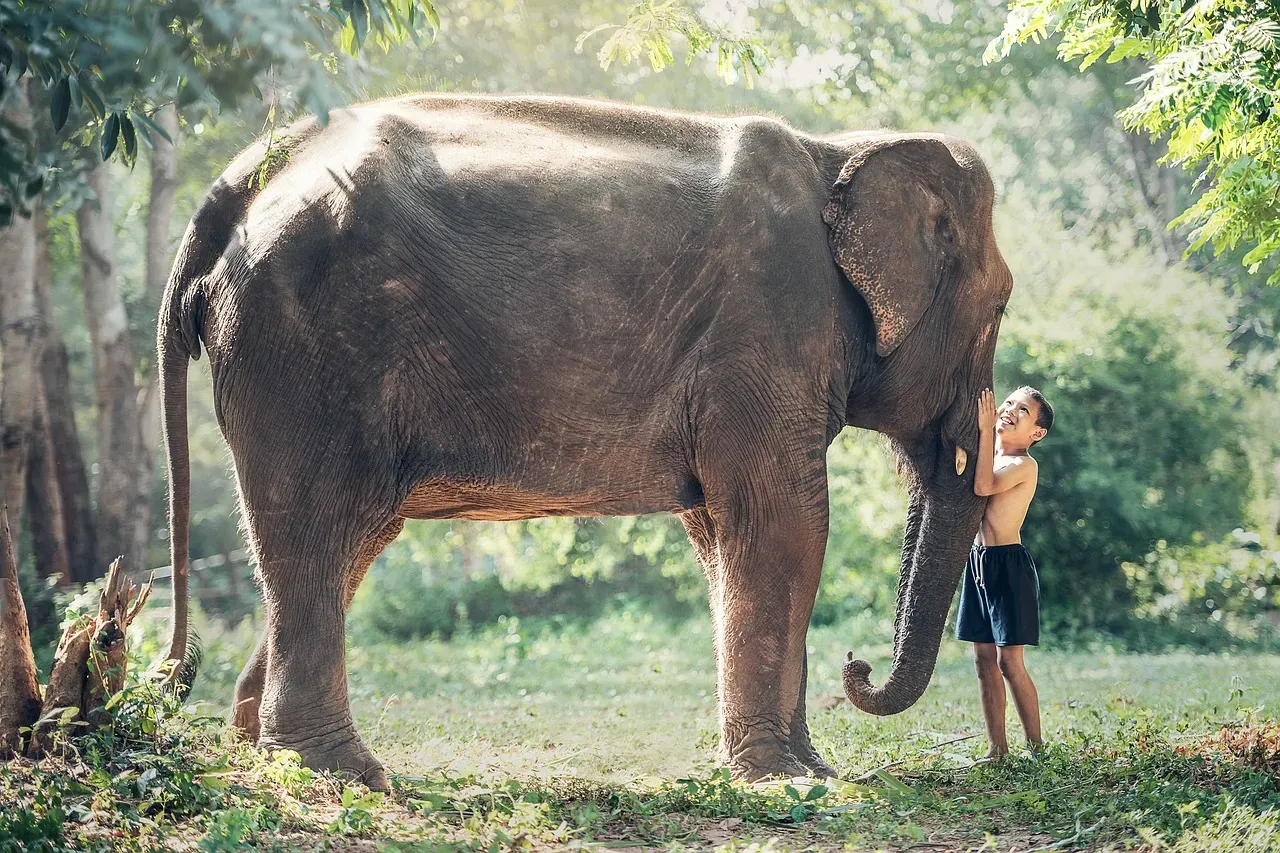
If learning is a game of prediction and feedback, then animals are the ultimate level-up. They are similar enough to be familiar, yet always capable of doing something slightly unexpected. A cat that usually tolerates petting may suddenly swat; a goat that always approaches might, one day, back away. Those little surprises are catnip for the learning brain, because they force the child to adjust mental models instead of running on autopilot.
Psychologists talk a lot about “prediction error” – the gap between what you expect and what actually happens – as the engine of learning. Animals naturally generate these moments because they’re not scripts; they’re spontaneous, independent agents. Unlike a battery-powered toy that repeats the same sequence every time, a living creature constantly tweaks its behavior based on mood, environment, and history. Each deviation becomes a fresh lesson in cause and effect, risk, trust, and consequence.
From Barnyards to Backyards: A Cross-Cultural Constant
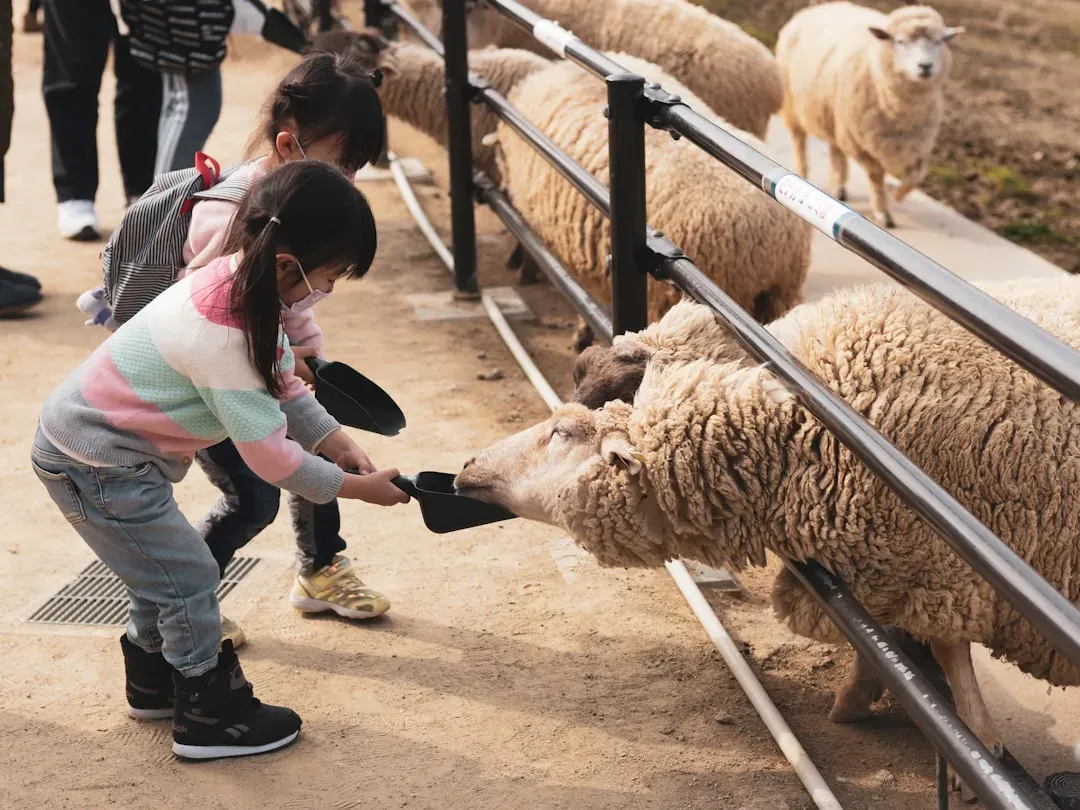
Whether it is children chasing chickens in a rural village, feeding carp in a temple pond, or watching pigeons in a busy city square, the pattern is incredibly consistent: kids find animals, or animals find them. Anthropologists studying childhood across cultures repeatedly note animal watching, tending, and play as a universal theme, even where formal schooling is limited or entirely absent. This is not a hobby of wealthy, modern families; it is a human default.
What changes across cultures is not the interest in animals, but which animals are available and how adults frame the relationship. In some places, children learn early to respect dangerous animals from a distance; in others, kids raise goats, dogs, or birds as helpers and companions. Yet underneath the cultural stories – sacred, practical, playful – you see the same raw behavior: watch, track, imitate, approach, retreat, and watch again. That tells us this attraction is not a trend; it is baked into how human development works.
Moving Bodies, Moving Minds: How Animals Train Perception and Attention
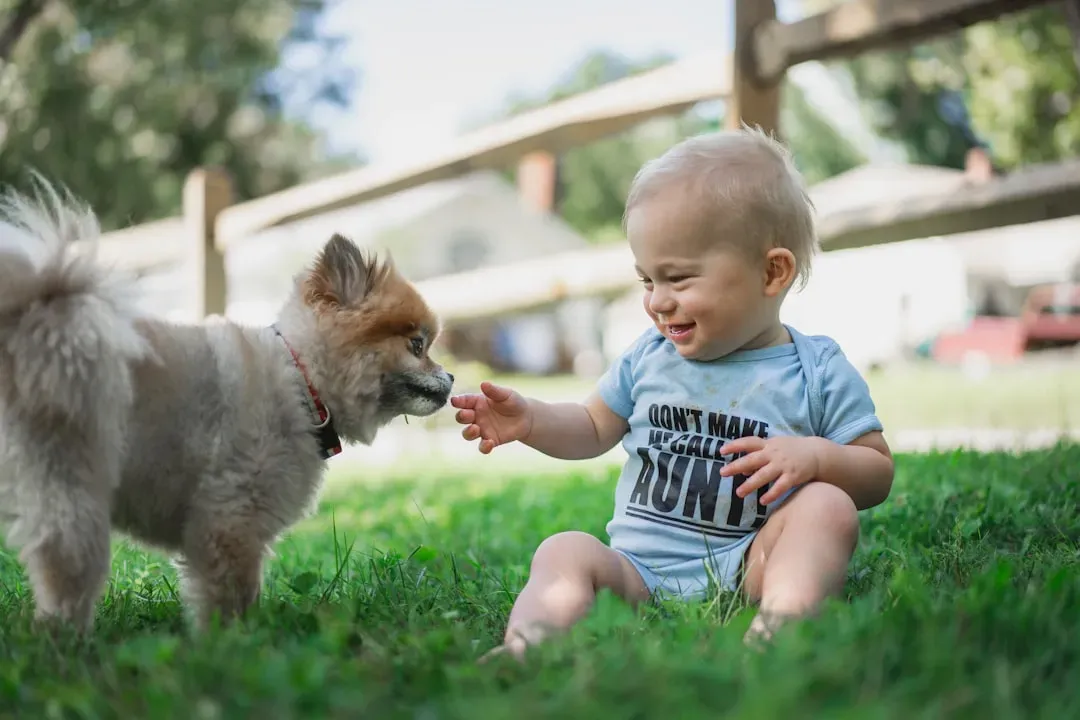
Children’s eyes do not just drift lazily over animals; they lock, track, and anticipate. Following a bird’s zigzag flight or a cat’s slow crouch trains visual attention and prediction skills in a way static scenes never could. The ability to smoothly track a moving target and guess where it will be next is tied to both motor development and later skills like reading, sports, and even safe street crossing.
When a child watches an animal leap, turn, or freeze, their brain is simulating those movements in internal “maps” of space and motion. This is how kids start grasping ideas like distance, speed, and trajectory, long before anyone mentions math. It is also why simply watching animals, even without touching them, can be deeply stimulating. The brain is practicing micro-forecasts every second: Will it run? Will it jump? Will it stop? Each tiny guess sharpens focus and prepares the mind for navigating a dynamic world.
Emotion in Motion: Learning to Read Minds by Watching Animals
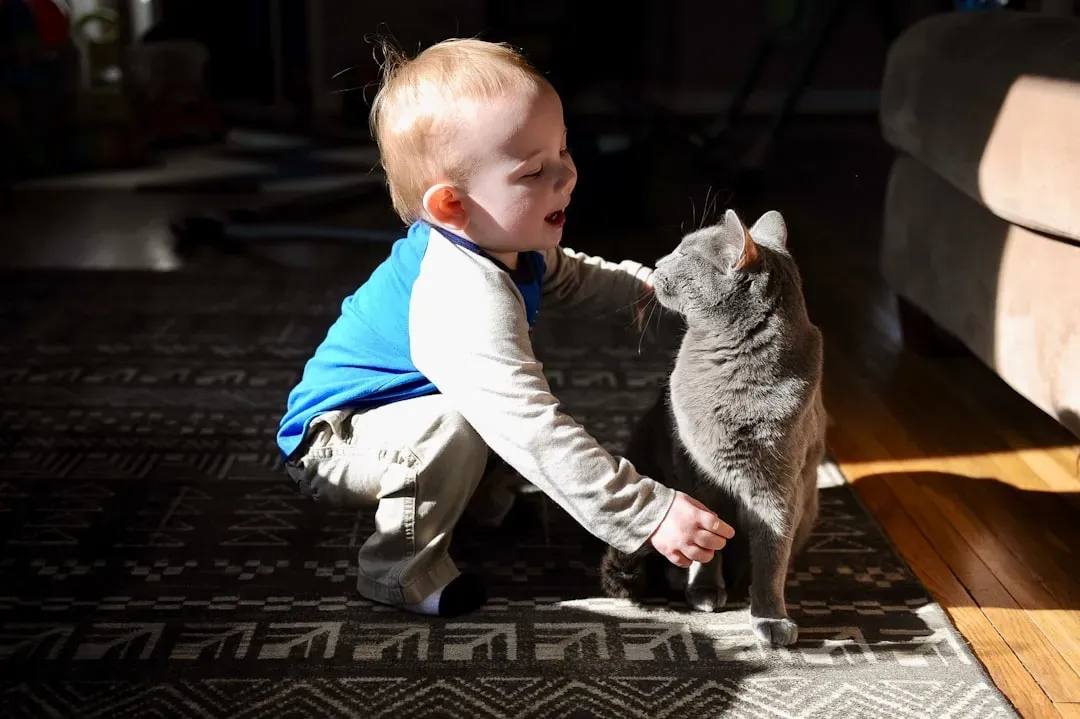
Animals are emotional masterclasses with fur, feathers, or scales. A dog tucks its tail, a cat arches its back, a bird puffs up, a horse flinches – kids soak up these cues long before they can read complex human expressions. It is often easier for a small child to say that a dog looks scared or a cat looks angry than to correctly name the emotions of a strained adult at a family gathering. Animals wear their feelings more bluntly, and that clarity gives the young brain a gentle training ground.
By watching these reactions and matching them to outcomes – a bark that precedes a lunge, a wagging tail before a playful bounce – children slowly build what psychologists call theory of mind: the understanding that others have their own thoughts, feelings, and intentions. Animals become living practice partners for empathic reading. Kids test ideas like “If I move too fast, it might run” or “If I’m gentle, it might come closer,” and those lessons naturally generalize to siblings, friends, and classmates.
Risk, Safety, and Consequence: Animals as Real-World Teachers
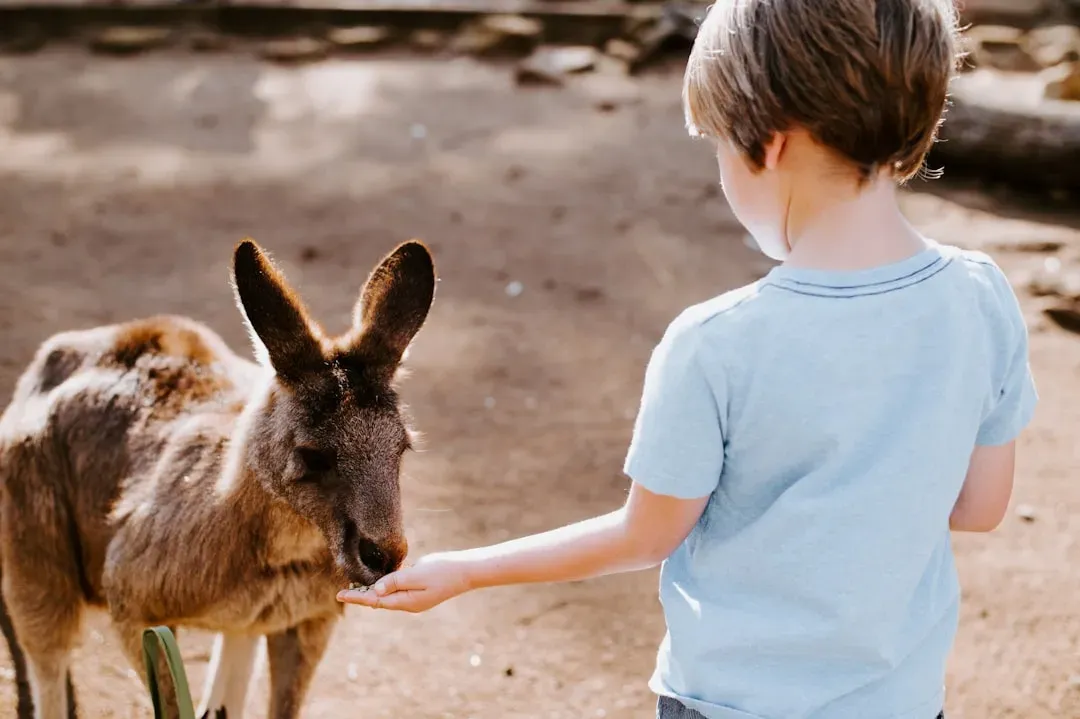
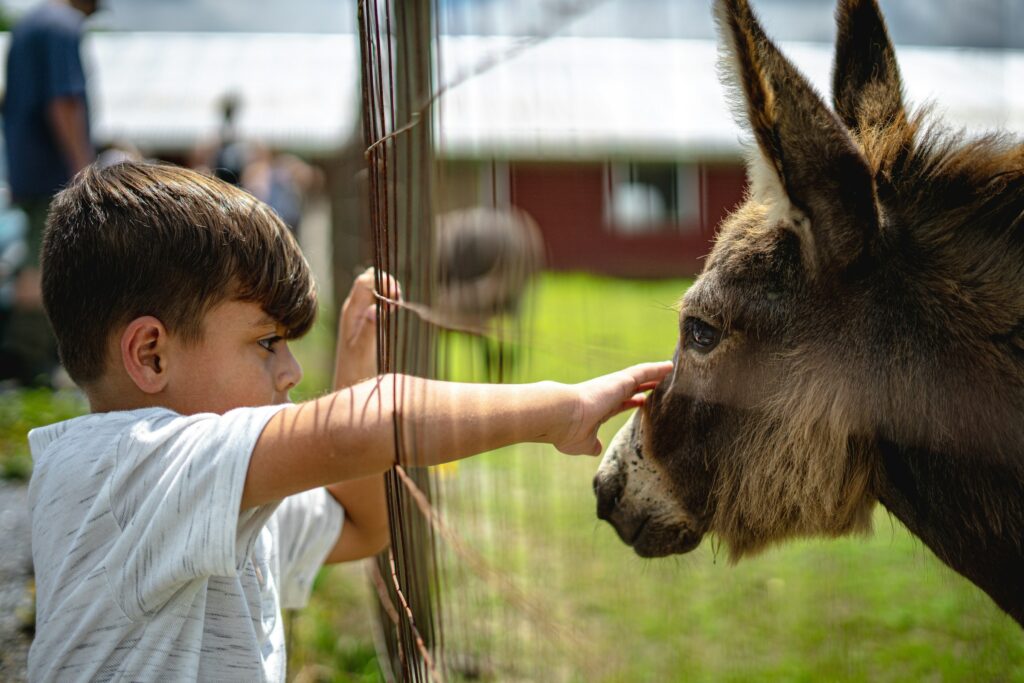
No matter how carefully adults supervise, animals bring a hint of real risk into a child’s world, and that is part of why they are such powerful teachers. A scratch from a cat, a nip from a goat, or a loud bark that startles can feel dramatic but also incredibly educational. Kids start connecting their own behavior to clear responses: pull the tail, get chased; hold out a quiet hand, gain trust. That tight feedback loop sharpens judgment faster than a dozen warnings from grown-ups.
In this way, animals embody what psychologists sometimes call “manageable uncertainty.” They are not as predictably safe as stuffed toys, but not as existentially dangerous as natural disasters. Navigating that middle ground teaches kids how to modulate their own behavior, set boundaries, and read early warning signs. It also undercuts the illusion that the world is completely controllable. Animals remind children that other beings have their own needs and limits, whether the child likes it or not.
Play, Fantasy, and Story: How Animals Shape the Inner World

Even when no live animal is around, children’s imaginary worlds fill up with them – talking dogs, heroic horses, clever foxes, mysterious owls. That is not an accident. Animals sit right in the sweet spot between familiarity and otherness. They are close enough to us that we can project feelings and motives onto them, but different enough that they remain slightly magical. This balance makes animals ideal characters for stories, games, and daydreams, especially for young minds still sorting out who they are.
Psychologically, pretending to be or talk to animals gives children a low-stakes way to explore power, vulnerability, loyalty, fear, and courage. A child might roar like a lion to try on strength, or curl like a kitten to feel safe and cared for. When kids narrate what an animal “is thinking,” they are not only entertaining themselves; they are rehearsing social understanding and emotional language. The pull toward animal characters in books, shows, and toys builds directly on the original, real-world habit of closely watching living creatures.
From Farm to Feed: The Modern Shift to Screens and Why Live Animals Still Matter
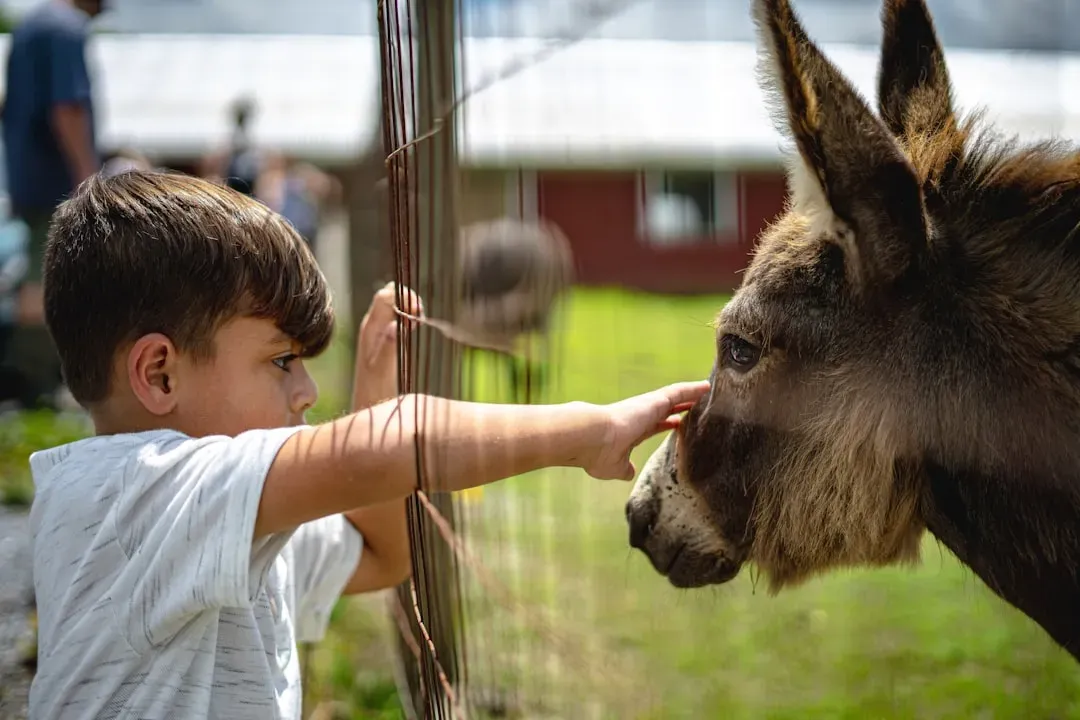
Today, many kids see more animals through screens than in real life. They can watch endless clips of pandas, sharks, or exotic birds from the couch. While that exposure can be fascinating and educational, it is not a full substitute for the nervous-system intensity of sharing space with a real creature. A video cannot recreate the unpredictability of a dog deciding whether to approach, or the sensation of a bird suddenly taking off right next to you.
At the same time, the internet has amplified children’s interest in animals, turning them into global celebrities and shared emotional touchstones. A child in one country can obsess over a zoo animal or rescue story from somewhere they will never visit. The risk is thinking that digital proximity is enough. The brain’s oldest learning circuits still fire strongest in the presence of real, breathing, moving animals, where smell, sound, and subtle movement all collide in one immersive experience.
What This Means for Parents, Educators, and Anyone Who Cares About Kids
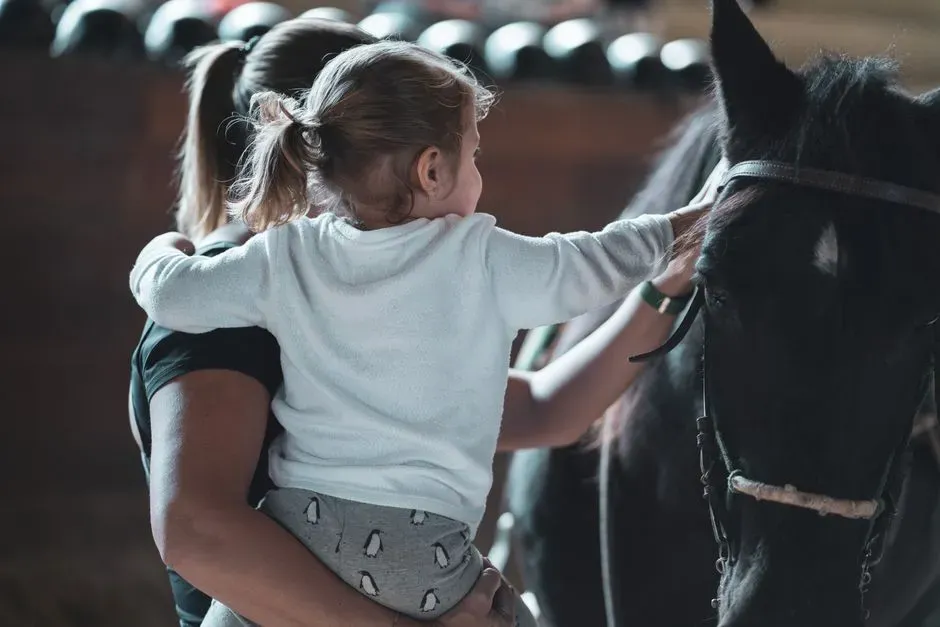
If you look at children’s attraction to animals as a core learning tool instead of a cute side hobby, it changes how seriously we should take it. Time with animals stops being a “nice extra” and starts looking more like an essential part of growing up. For parents, that might mean making space for a pet, even a small or low-maintenance one, or simply prioritizing visits to farms, parks, zoos, or wildlife areas where kids can observe animals without heavy scripting.
For educators and community planners, it suggests weaving animals into early education more deliberately: classroom pets, school gardens that attract insects and birds, thoughtfully designed field trips, and nature-rich playgrounds. Even in dense cities, children can be given regular chances to watch urban wildlife like birds, insects, and small mammals. The point is not to turn every child into a biologist, but to nourish the brain’s natural tendency to learn through living, moving, unpredictable creatures.
Conclusion: My Take on Why Kids and Creatures Still Need Each Other
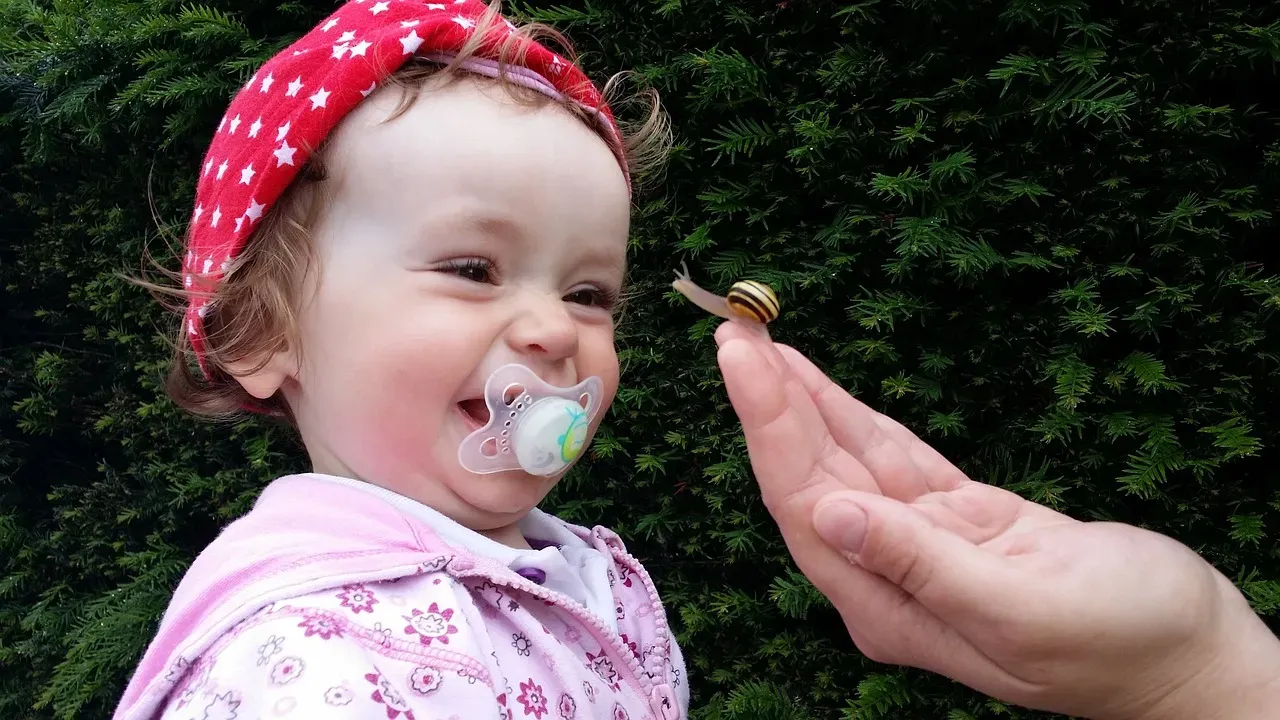
Personally, I think we underestimate how radical it is that a child can spend an hour just watching a snail cross a path while adults are glued to notifications. That quiet obsession is not wasted time; it is the mind doing exactly what it evolved to do. I would go so far as to say that when we strip kids’ lives of direct contact with animals and replace it with endless polished content, we are dulling one of their oldest, sharpest learning tools.
Across centuries and cultures, human children have turned to animals – not only to love and fear them, but to study them, copy them, and use them as mirrors for their own developing minds. In a world that is getting more artificial by the day, I think it is an act of sanity to keep real animals in kids’ daily lives wherever possible. The question is not whether children will be drawn to animals; they always have been. The real question is: will we give them enough real creatures to watch, or just more pixels pretending to be alive?