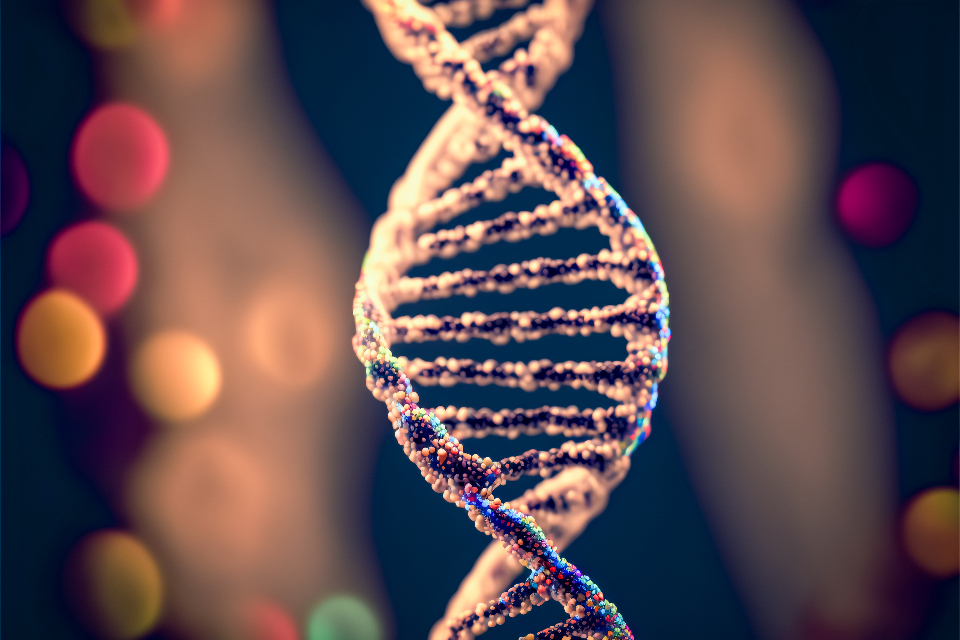

Most people picture their DNA as a tidy blueprint, passed down cleanly from parent to child like a family recipe card. But when geneticists actually opened up the human genome and started reading it letter by letter, they kept running into things that had no business being there.
Fragments of extinct viruses. Borrowed code from a completely different species of human. Genetic material that behaves less like an instruction manual and more like a graveyard that occasionally sits up and starts talking. What started as routine genome mapping turned into one of the strangest detective stories in modern science, and it’s still unfolding. Here’s what researchers actually found when they stopped assuming and started digging.
#12 – Roughly 8% of Your Genome Is Made of Dead Viruses
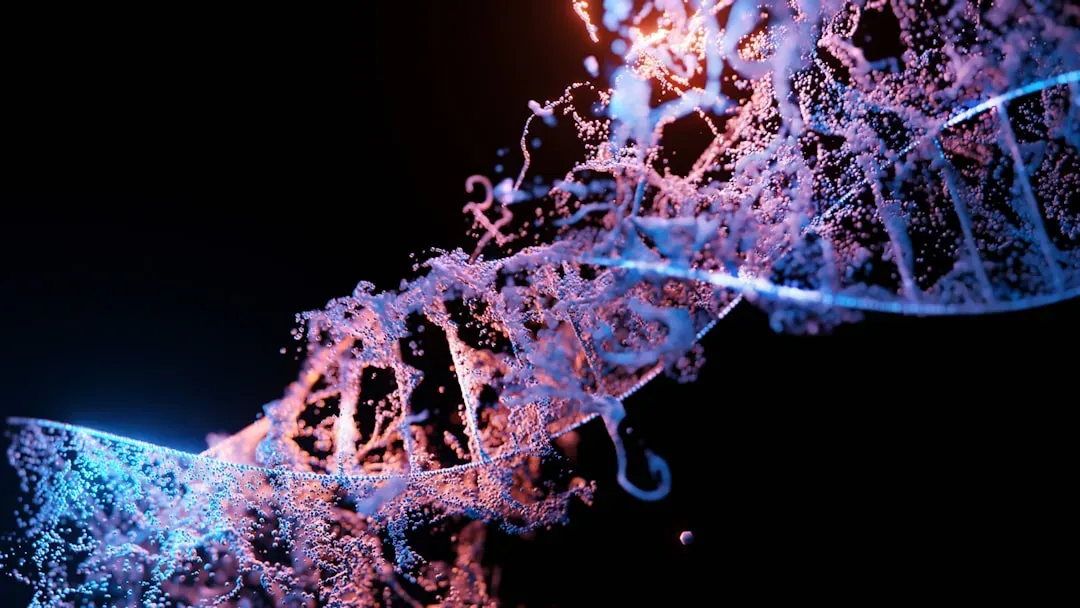
Scientists sequencing the human genome expected genes. What they found instead, tucked into every single cell, was an ancient viral graveyard.
Human endogenous retroviruses make up about 8 percent of the human genome, left behind by infections that our primate ancestors suffered millions of years ago. These weren’t random infections that came and went. Some ancient retroviruses gained the rare ability to infect germ cells, like egg or sperm, which meant the virus’s own genetic code got copied into every generation that followed.
Fast Facts
- About 8% of the human genome is made up of ancient retroviral DNA.
- Roughly 30 distinct HERV families exist in humans today.
- Over 60,000 separate viral fragments are scattered across human chromosomes.
- These sequences entered the genome by infecting germ cells millions of years ago.
The truly strange part is the scale of it. There are roughly 30 different families of human endogenous retroviruses in people today, adding up to over 60,000 separate viral fossils quietly filed away in your chromosomes right now. That’s not a metaphor. It’s your actual DNA. And it turns out those fossils aren’t nearly as dead as anyone assumed.
#11 – Those “Dead” Viral Genes Are Secretly Switching On Right Now
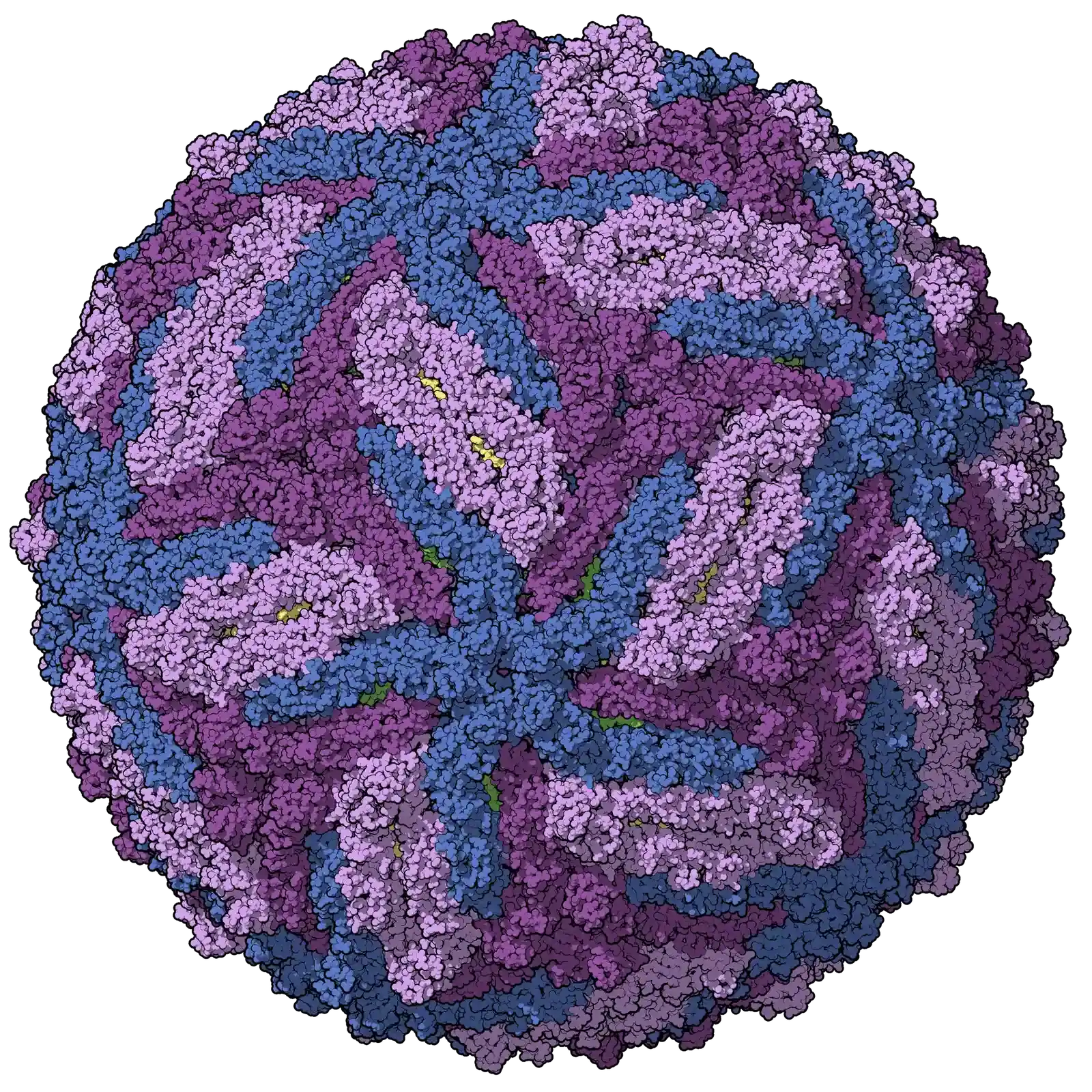
Here’s the part that genuinely unsettled researchers: those ancient viruses were never fully switched off.
For decades, scientists assumed these viral leftovers stayed permanently silenced, waking up only in disease. But newer research shows that HERV genes are active in healthy tissue too, not just in tumors or during the chaos of early embryonic development. Nobody had bothered to check whether ordinary, healthy cells were quietly running this old viral software until someone finally looked.
Most people assume their body only reactivates ancient viral code when something goes wrong. Instead, it looks like a low hum of viral gene activity is just part of being human, present in embryos and in perfectly healthy tissue alike. That single finding is forcing scientists to rewrite what “normal” gene expression even means.
#10 – A Virus Literally Built the Human Placenta
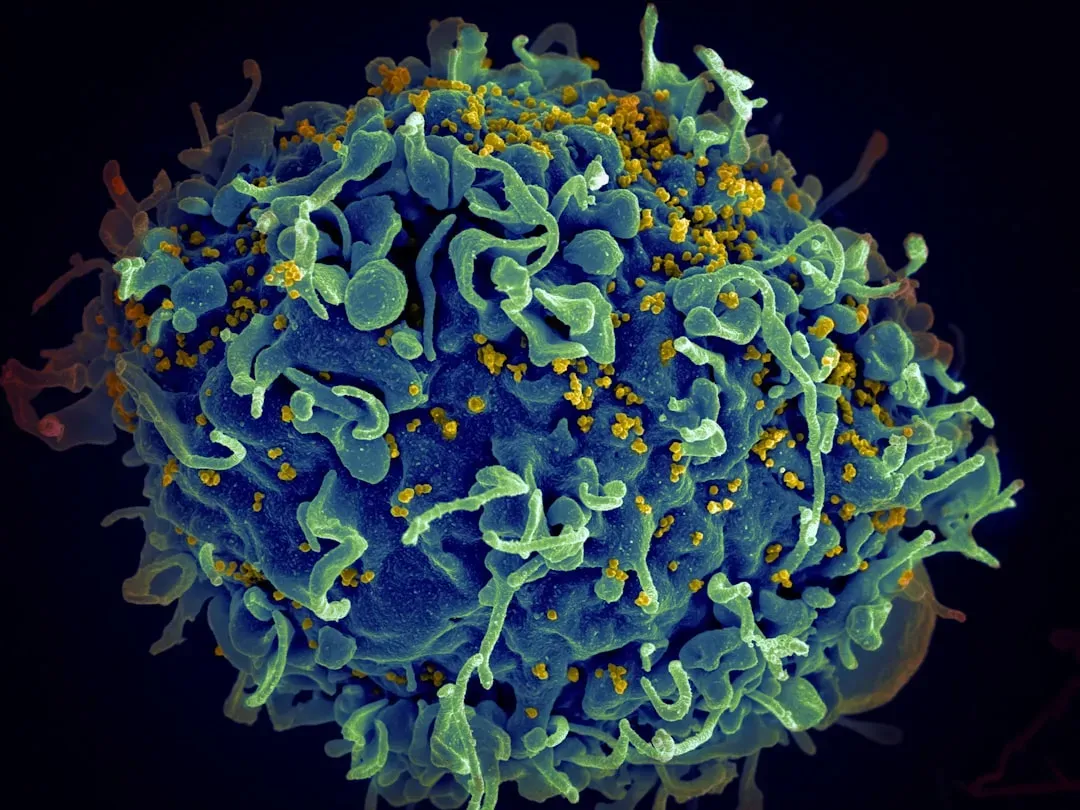
This is the discovery that made virologists rethink human reproduction from the ground up: the organ that keeps a fetus alive inside the womb is made from stolen viral parts.
Retroviruses carry their genetic material as RNA, but during infection that RNA gets converted into DNA and spliced into the host’s chromosomes. When the infected cell happened to be a germ cell, that viral DNA became a permanent part of the animal’s lineage. One particular viral gene, called env, got repurposed by early mammals into what’s now known as the syncytin genes, which build the fusion proteins that form the placenta’s nutrient-sharing layer.
Without an ancient viral infection millions of years ago, live birth in mammals might never have evolved the way it did. Syncytins show up across placental mammals, which has led researchers to a striking hypothesis: retroviral infection may have directly driven the evolution of placental mammals away from egg-laying ancestors. A virus, in other words, may be the reason you weren’t born from an egg.
#9 – You’re Still Carrying Neanderthal Genes That Run Your Immune System
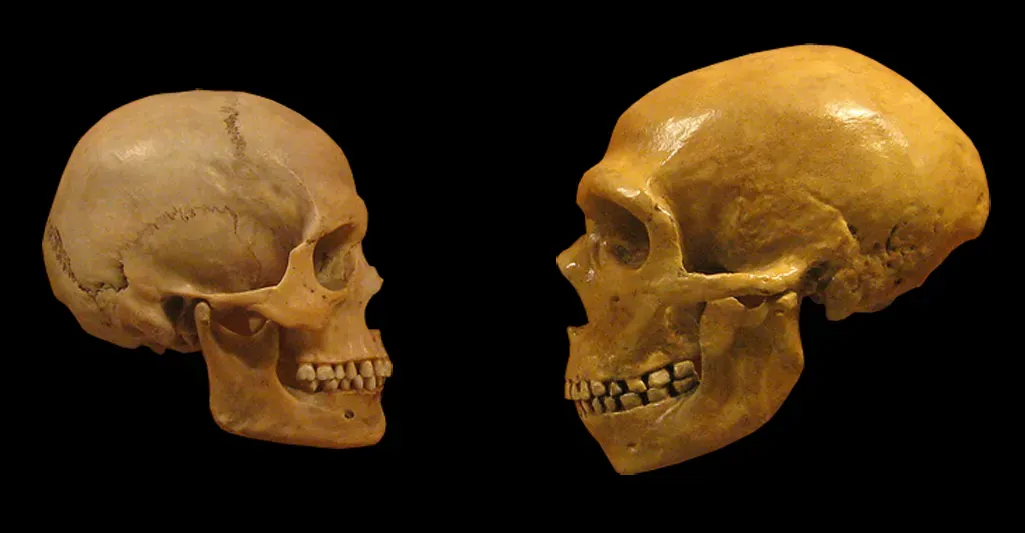
Every non-African person alive today is walking around with genetic material from a species that went extinct roughly 40,000 years ago.
Ancient humans and Neanderthals interbred often enough that modern humans carry about 1 to 2 percent Neanderthal DNA. That’s not filler. Researchers have traced Neanderthal ancestry directly to three innate immunity genes in the human Toll-like-receptor family: TLR1, TLR6, and TLR10.
- Immune defense: Neanderthal-derived genes help modern humans detect and fight off pathogens.
- Trade-off: The same inheritance may also make some people more prone to allergies.
Your body’s ability to recognize an infection today may trace directly back to a species that hasn’t existed for tens of thousands of years. Somewhere in your immune system, a Neanderthal is still on the job.
#8 – Denisovan DNA Rewired How Some Humans Handle Extreme Environments
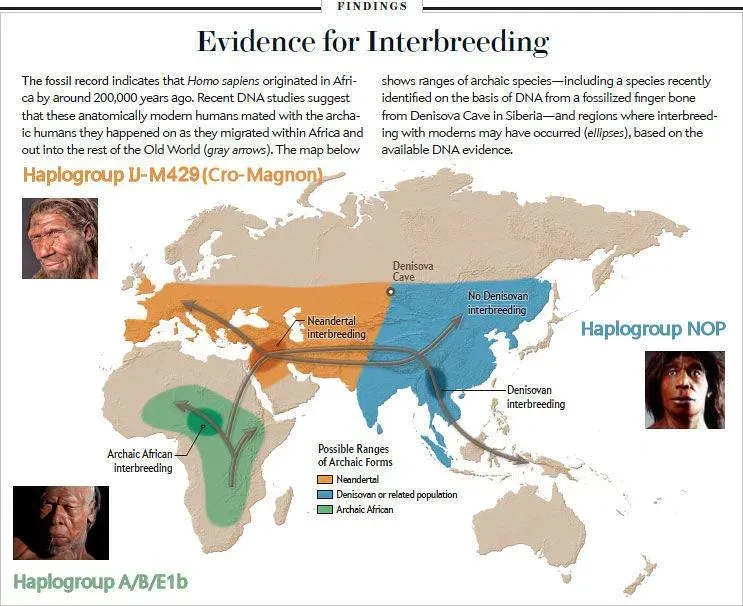
Neanderthals weren’t the only extinct relatives who left a fingerprint. A separate group of archaic humans called Denisovans, known mostly from a handful of bone fragments found in a Siberian cave, also interbred with our ancestors and passed along working genes.
Population geneticists have found that people in parts of Asia carry Denisovan-derived variants tied to how the body handles low-oxygen environments, along with certain immune responses. These variants came from interbreeding events tens of thousands of years ago. Unlike most archaic DNA, which tends to fade out over generations because it’s neutral or mildly harmful, these specific variants stuck around because they gave a real, measurable survival advantage.
Worth Knowing
- Denisovans were only discovered four years ago thanks to 41,000-year-old DNA recovered from a couple of bones that would fit in your palm, according to the study that first linked them to Tibetan adaptation.
- The Tibetan version of the EPAS1 gene shares such a specific structure with Denisovans that the selected haplotype is only found in Denisovans and in Tibetans, and at very low frequency among Han Chinese.
- Their EPAS1 stops them from overproducing red blood cells and helps them acclimatise to the altitude without doing themselves harm, unlike lowlanders who visit the plateau.
This is now considered one of the clearest documented cases of natural selection acting on borrowed genetic material in human history. A gene inherited from a now-extinct human relative helped their descendants survive conditions their own ancestors’ DNA simply wasn’t built for.
#7 – “Junk DNA” Is Actually Holding Your Chromosomes Together
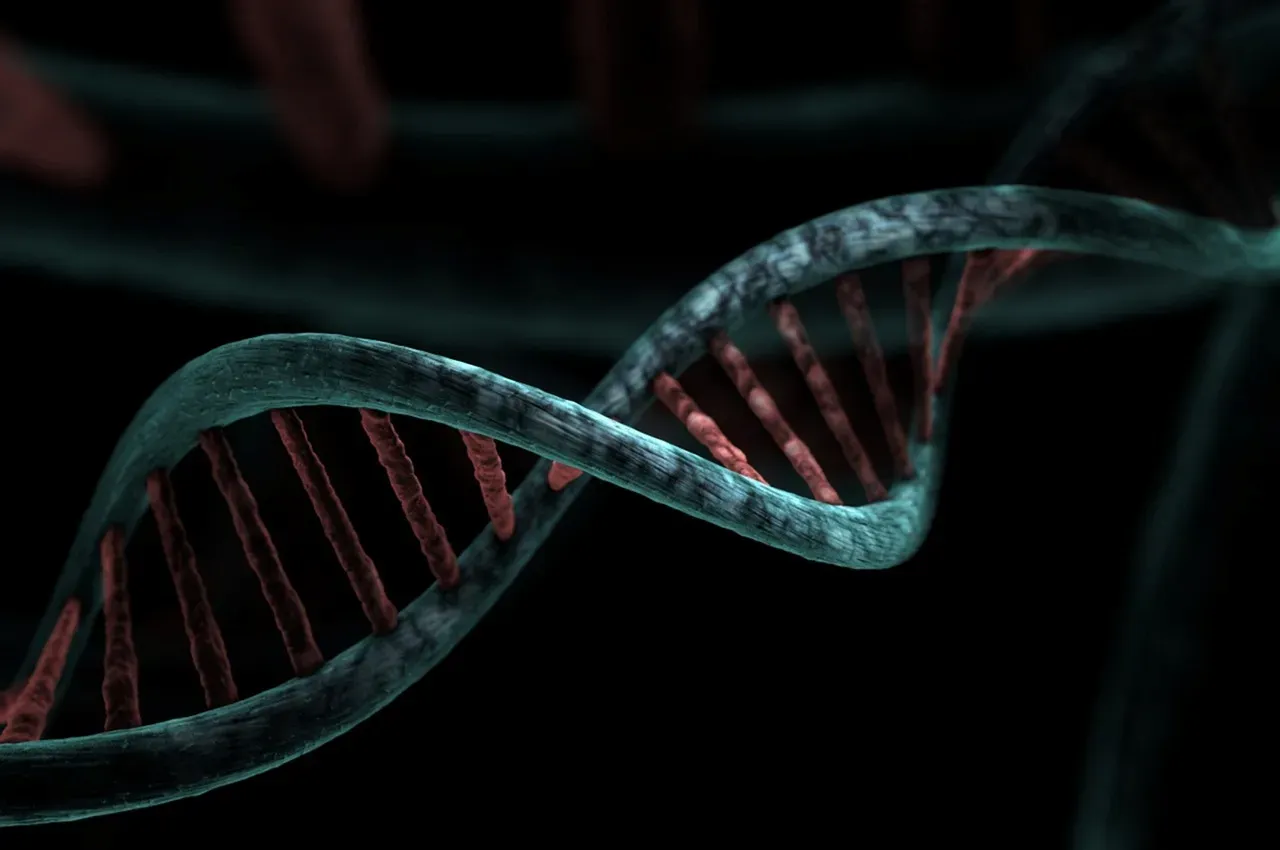
For decades, textbooks called it junk. Scientists assumed this so-called “selfish” DNA didn’t do anything real, and largely stopped asking questions about it. Then a University of Michigan team decided to actually test that assumption instead of just repeating it.
What they found upended the label completely. This repetitive DNA performs a vital structural job: it helps chromosomes bundle correctly inside the cell’s nucleus, a process the cell cannot survive without. A protein grabs onto this satellite DNA to pull all the chromosomes together. If that protein can’t grab hold, the cell fails to form a complete nucleus and dies.
We were not quite convinced by the idea that this is just genomic junk.
Yamashita, University of Michigan
“Meaningless” repetitive DNA, it turns out, is doing physical, structural labor every single time one of your cells divides.
#6 – Ancient Viral DNA Doubles as Your Body’s Antivirus Software
Here’s the twist nobody predicted: the same viral fossils sitting in your genome might actually be protecting you from modern viruses.
Research published in Science found that viral DNA embedded in human genomes from ancient infections can act as antivirals, defending human cells against certain present-day viruses. This wasn’t entirely out of nowhere. Earlier studies had already shown that ancient viral fragments in the genomes of mice, chickens, cats and sheep block modern viruses from ever entering the host’s cells.
The human study was done with cells in a lab dish, but it points to the same protective effect likely existing in real human bodies. Your ancient viral scars may be functioning less like leftover wreckage and more like an inherited vaccine you never asked for.
#5 – Pieces of Your DNA Are Still Physically Moving Around
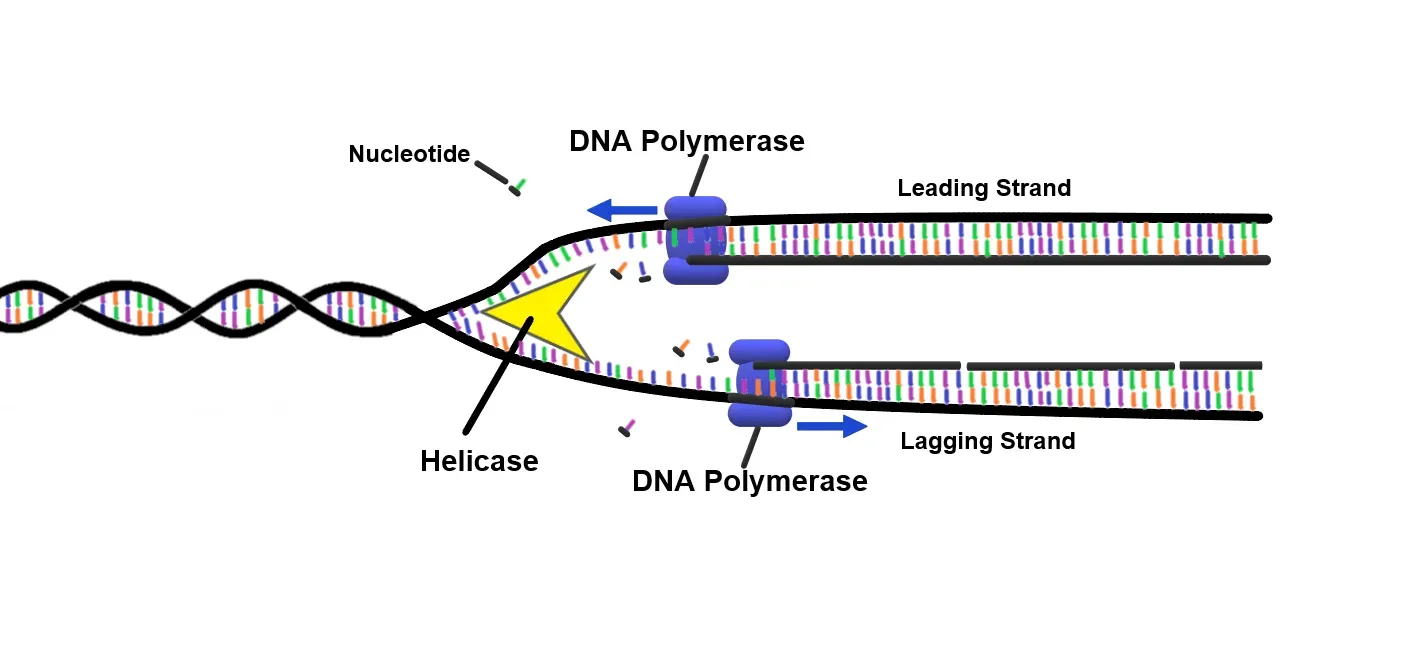
Most people picture DNA as static, like text printed permanently on a page. In reality, chunks of it are mobile. They cut themselves out and reinsert elsewhere in the genome throughout a person’s life.
These transposable elements originated from ancient viruses and now make up nearly half of the entire human genome. For years, scientists dismissed them as genetic parasites with no real function. Duke researchers recently identified a brand-new category of these elements, called mechano-response enhancer elements, that help stem cells decide what type of cell they’re going to become.
It’s a paradigm shift. What was once considered genetic clutter is now shown to be an essential part of how cells interpret and respond to their environment.
Yarui Diao, lead researcher
DNA that scientists once threw away as noise is apparently helping decide what kind of cell you’re made of, moment by moment.
#4 – Millions of Hidden “Switches” Were Buried in What Looked Like Empty DNA
For years, the space between genes was treated as filler, a kind of genetic packing material with nothing important inside it. Then a massive federally funded mapping project changed the story completely.
Researchers found at least four million gene switches sitting in stretches of DNA once dismissed as junk. These switches control how cells, organs, and tissues behave, and the discovery carries enormous implications for human health. Many complex diseases appear to be caused not by broken genes themselves, but by tiny changes scattered across hundreds of these switches.
At a Glance
- The findings came from ENCODE, short for a nine-year project called the “Encyclopedia of DNA Elements”.
- ENCODE involved 442 researchers from the United States, United Kingdom, Japan, Spain, and elsewhere.
- Analysis showed more than 80% of the genome was functional, thus disproving junk DNA.
- The project mapped a detailed map of genome function that identifies 4 million gene ‘switches’.
Researchers involved described the finding this way: the real surprise wasn’t just that almost all of the DNA is used, but that such a large proportion of it turned out to be gene switches. Disease risk, it turns out, often hides in the switches rather than the genes they control.
#3 – Some “Non-Coding” DNA Makes Tiny RNA Molecules Instead of Proteins
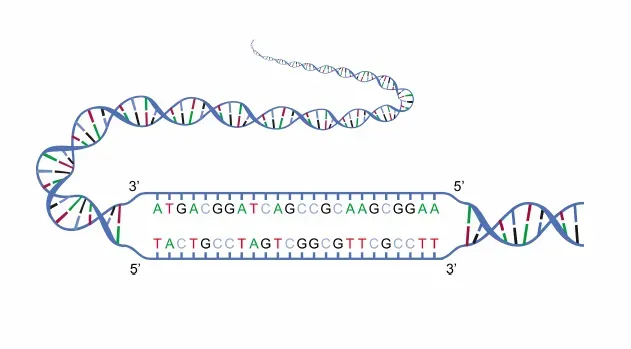
Biology’s central dogma used to be simple: DNA makes RNA, RNA makes protein, end of story. That clean story fell apart once researchers looked closer at sequences that never seemed to code for anything at all.
In 1998, scientists discovered that some DNA produces small pieces of non-coding RNA capable of silencing other genes entirely, a discovery that later won Andrew Fire and Craig Mello the 2006 Nobel Prize in medicine. Since then, the field has exploded, and small non-coding RNAs have turned out to play major roles in development and disease that researchers are still working to fully map.
The genome never needed to build a protein to control your biology. Sometimes it just needed to whisper instructions through RNA instead, quietly steering genes that do the actual manufacturing.
#2 – Broken, “Dead” Genes Are Quietly Still on the Payroll
Scattered throughout the human genome are pseudogenes: sequences that look almost exactly like working genes but carry mutations that should, in theory, make them useless. For a long time, geneticists filed them under evolutionary debris and moved on without a second look.
Closer study has shown that a meaningful number of these “broken” genes aren’t silent at all. Some get copied into RNA and go on to regulate their still-functional relatives, acting like decoys or dimmer switches for the genes they resemble. Others quietly supply raw genetic material that evolution can later reshape into something new and functional.
Most textbooks still describe pseudogenes as fossils, but many researchers now consider that label outdated. A gene doesn’t have to build a working protein to still shape what happens inside a cell.
#1 – Your Mitochondria Are Descendants of an Ancient Bacterial Takeover
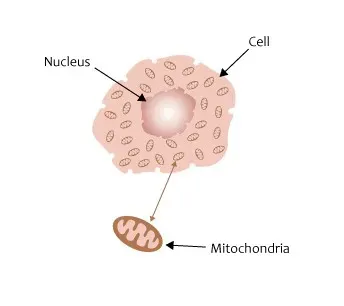
Every single cell in your body is running on power plants that were never originally human. Mitochondria, the structures that generate the energy your cells need to function, carry their own separate loop of DNA, completely distinct from the DNA sitting in your nucleus.
The leading explanation, known as endosymbiotic theory, holds that mitochondria began as free-living bacteria that got engulfed by a larger ancestral cell roughly a billion or more years ago. Instead of being digested, the bacterium stuck around. Over evolutionary time, the two organisms fused permanently, with the bacterium giving up most of its independence in exchange for stable shelter, while its host gained a portable energy factory it never had to build from scratch.
Why It Stands Out
- Mitochondrial DNA is a circular loop of a mere 16,569 base pairs, tiny next to the billions of base pairs packed into the nucleus.
- That small loop still contains 37 genes that encode 13 proteins, 22 tRNAs, and 2 rRNAs.
- It’s passed down only through the mother, since the zygote receives mitochondria only from the oocyte, and mtDNA is transmitted vertically from mother to all her male and female offsprings.
- Its shape is still a giveaway of its origins: unlike linear nuclear DNA found within chromosomes, mtDNA’s circular structure resembles bacterial DNA, reflecting its evolutionary origins.
Your body isn’t really one organism cooperating with itself. It’s the descendant of an ancient merger between two entirely different life forms that never fully separated again. Every heartbeat, every thought, every movement you make right now is powered by cellular machinery whose ancestors were once independent bacteria, doing their own thing, a billion years before you existed.
The Bottom Line
The human genome was never the clean blueprint scientists once imagined it to be. It’s a patchwork stitched together from ancient viral invasions, borrowed Neanderthal and Denisovan genes, repurposed retroviral proteins that built the placenta, and repetitive sequences once dismissed as junk that quietly hold your chromosomes together. Even your mitochondria trace back to a bacterial takeover billions of years old.
What strikes me most isn’t any single discovery on this list, it’s the pattern behind all of them. Every time science has confidently labeled a piece of DNA as “useless,” “dead,” or “junk,” that label has eventually gotten walked back, often within a decade or two. That’s not a small track record of being wrong. If genetics keeps overturning its own certainty this often, the honest answer to “how much of the genome do we actually understand” is probably: less than we think. What do you think scientists will find hiding in our DNA next? Drop your theory in the comments.