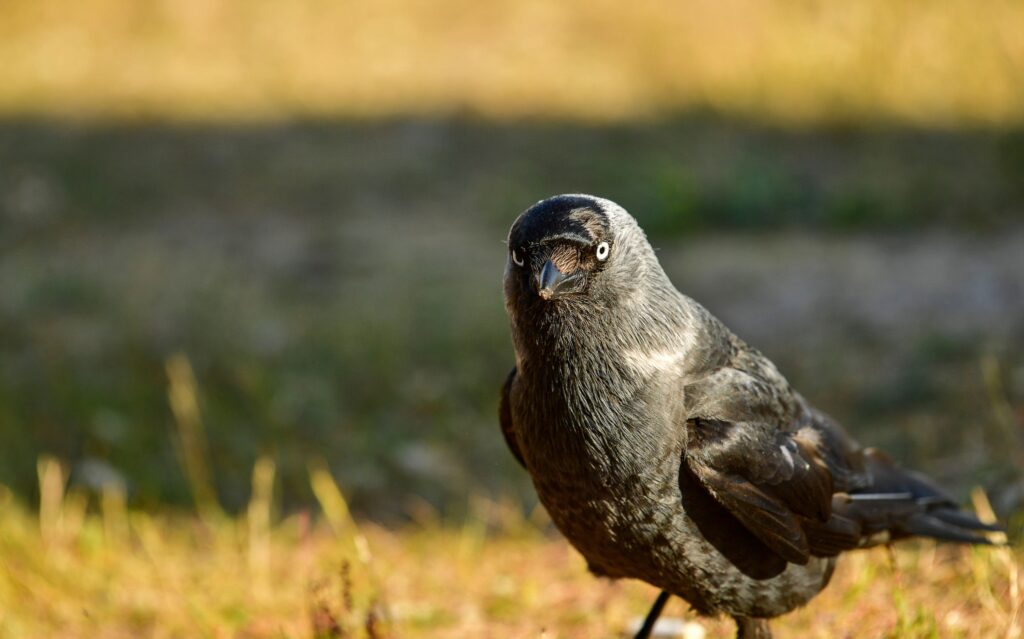

Most people assume crows are just noisy nuisances raiding trash cans and scaring off songbirds. But scientists at one of the top research universities in the country have spent nearly two decades proving something far stranger: crows don’t just notice you – they remember your face for years, hold a grudge, and tell their children to distrust you too.
Researchers have scanned crow brains, tracked wild populations for over a decade, and watched the behavior spread through entire flocks like folklore. And yet, the deeper scientists dig, the less they can explain about how a brain the size of a walnut pulls this off. Here’s what the data actually shows.
The Caveman Mask Experiment That Started It All
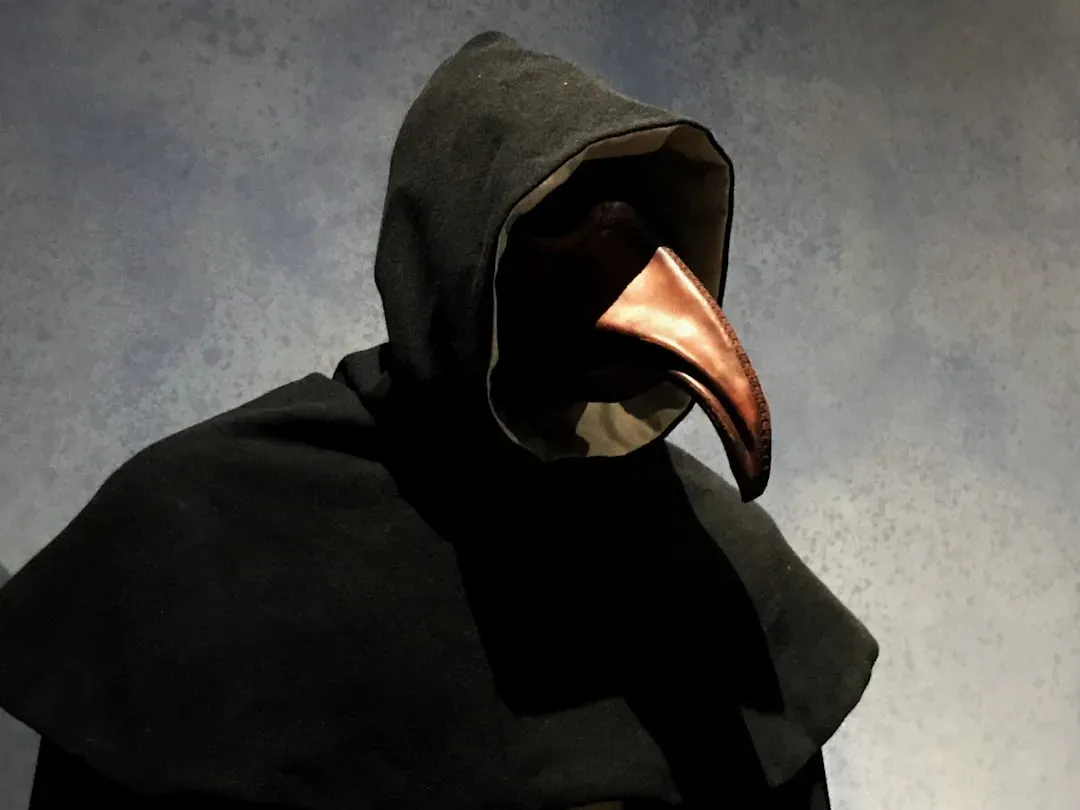
It began with a plastic Halloween mask and a net on a university campus, and it turned into one of the longest-running animal behavior studies in the country.
In 2006, researchers used a remotely triggered net to capture seven crows at four sites on the University of Washington Seattle campus. Each bird was handled for about fifteen minutes while the researcher wore a plastic caveman mask, while other crows swirled overhead scolding the whole ordeal. The team then walked the same paths wearing the caveman mask, a neutral control mask depicting then-Vice President Dick Cheney, and no mask at all – just to see which face triggered a reaction. The results weren’t subtle. Days later, at every single site, the crows ignored every mask except the one worn during the banding, greeting it with loud scolding cries and mobbing, no matter what clothes the researcher wore. But that’s nothing compared to what happened when researchers came back years later wearing the exact same mask.
Fast Facts
- The original trapping took place in 2006, when the lead researcher was already studying how expanding crow populations were affecting other birds on campus.
- Crews caught, banded, and released seven to fifteen wild American crows at five separate sites near Seattle.
- A single brief encounter with the mask was enough for crows to keep reacting to it for at least 2.7 years afterward.
- The peer-reviewed results were published in 2010 in the journal Animal Behaviour.
Crows Can Hold a Grudge for Half a Decade
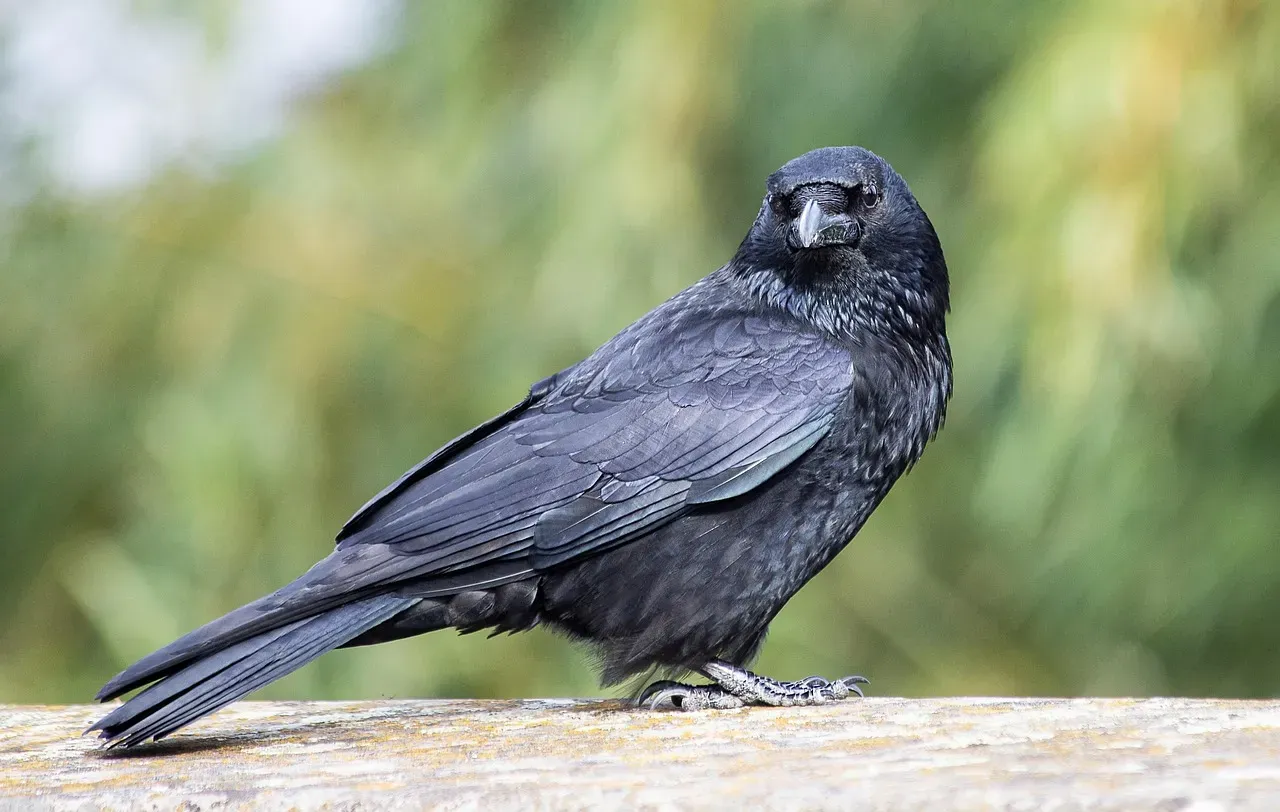
Here’s the part that stunned even the scientists running the study: crows didn’t just remember the mask for a few weeks. They remembered it for years.
The five-year University of Washington study found that crows possess an unusually strong memory for human faces linked to a stressful event. That alone would be impressive. But the timeline kept stretching – close to seven years after the study began, campus crows were still harassing the banding mask, even though they only saw it twice a year for a few hours at a time. Seven years, for two masked encounters a year. Most house pets forget a stranger faster than that. But the memory itself wasn’t the strangest part – it was what that memory was quietly doing to their brains.
“We were impressed by the implication that they attended to and recalled interactions with specific humans.”
John Marzluff, University of Washington
It’s Not Just Memory – It’s Emotional Memory
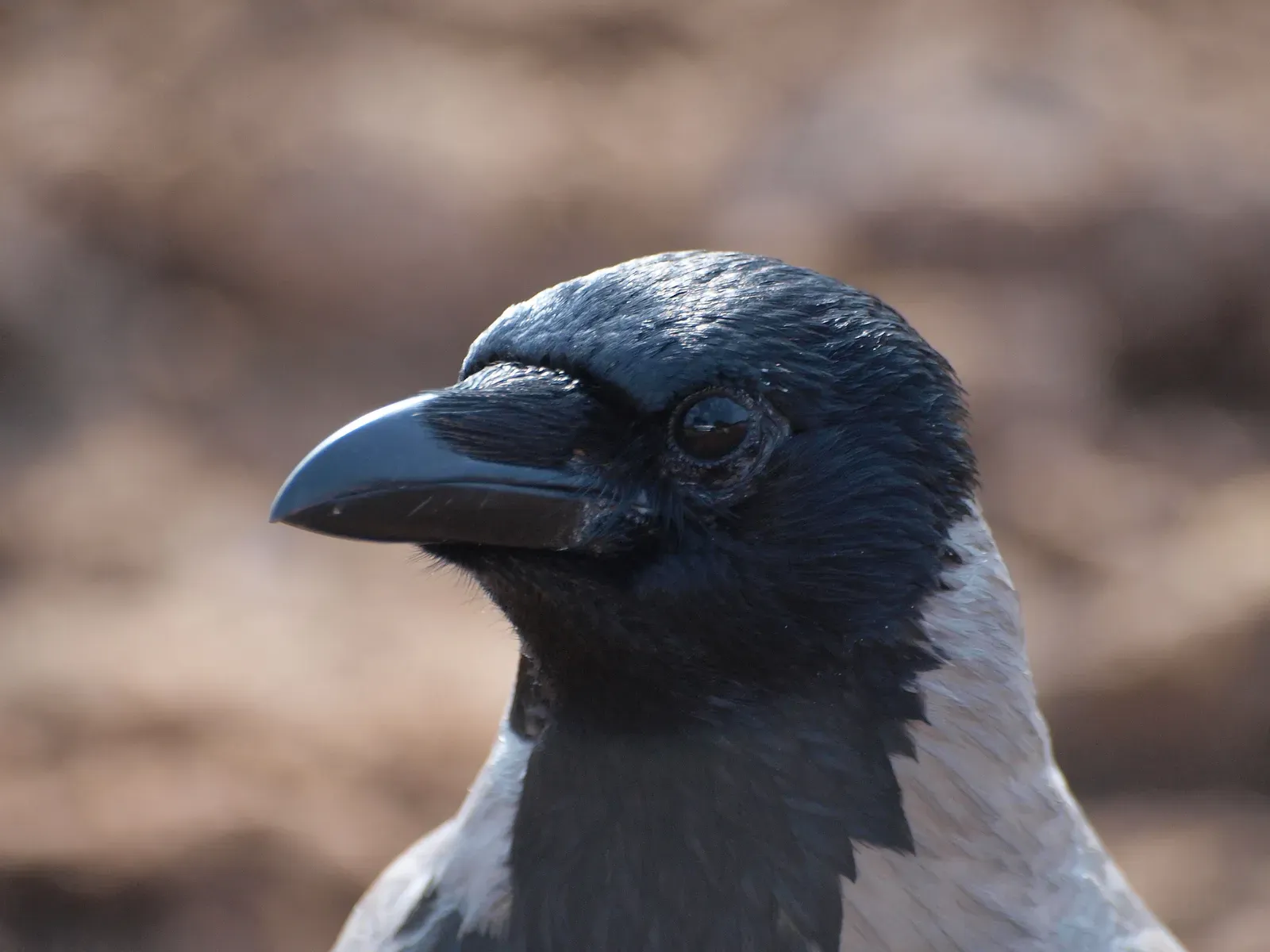
Recognizing a shape is one thing. Reacting to it with fear, years later, is something else entirely.
For crows, recognizing a human face turned out to be both a visual memory task and an emotional one. Researchers didn’t just track behavior – they tracked brain chemistry. To see what was actually happening inside the birds’ skulls, they injected glucose fluid into fully alert crows, exposed them to someone wearing either a threatening or a caring mask for about fifteen minutes, then sedated and scanned them to see which brain regions lit up. The pattern that emerged wasn’t random. It mapped almost perfectly onto the same emotional circuitry mammals use to store fear. That’s the detail nobody expected from a bird – and the specific brain region involved is where things get genuinely uncomfortable for anyone who’s ever mistreated a crow.
The Amygdala Connection Nobody Expected
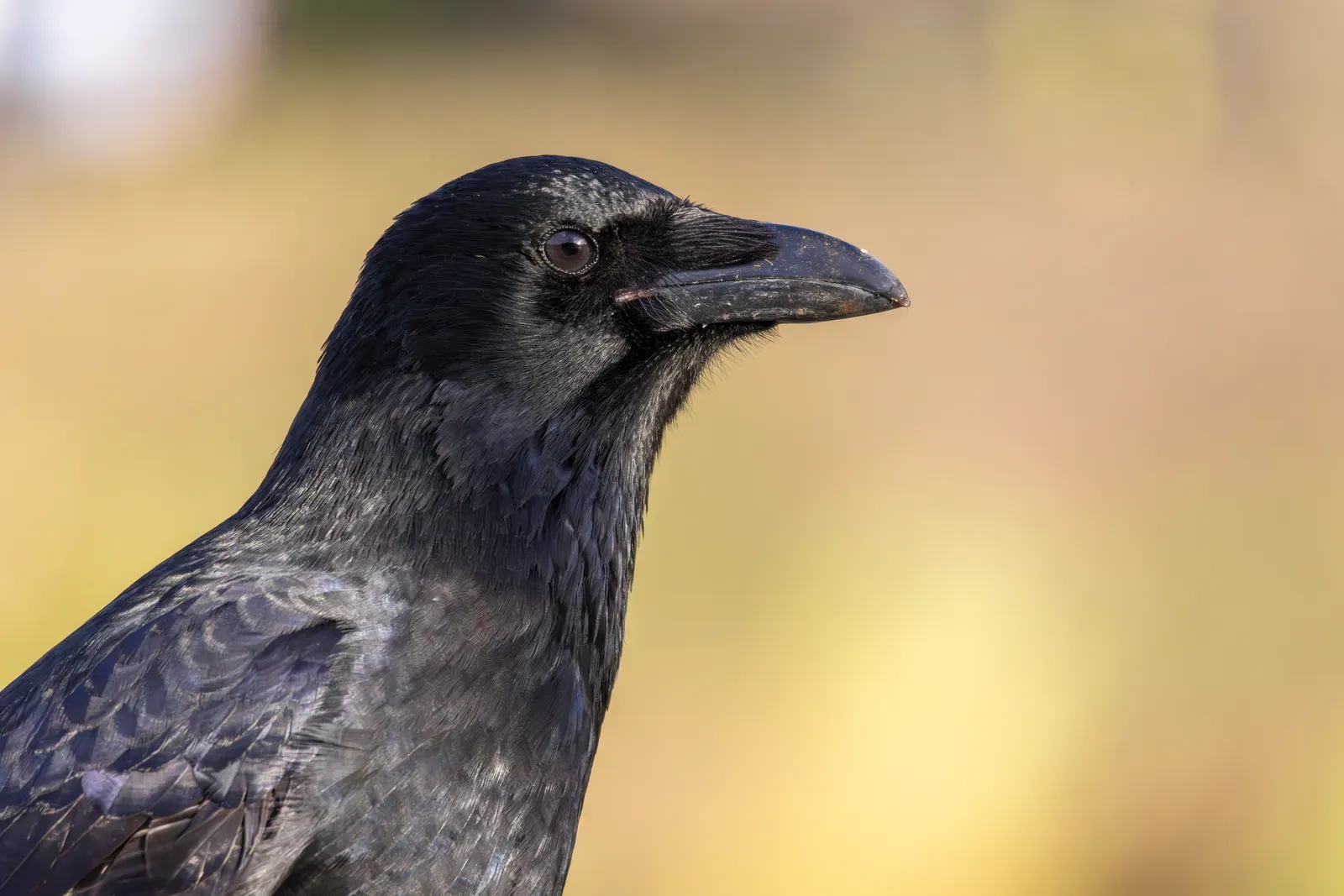
Ask any neuroscientist what the amygdala does, and they’ll tell you it’s the brain’s alarm system for fear and threat – in mammals. Crows apparently have their own version.
PET scans showed that when crows viewed human faces they associated with threat or care, activity spiked in the amygdala, thalamus and brain stem – the exact regions tied to emotional processing and fear learning. John Marzluff, the biologist who led much of this research, described it as a brain region analogous to the mammalian amygdala, the place where negative associations get filed away as long-term memories. Until this study, that circuitry was assumed to be a mammal-only feature. A bird brain running the same emotional software as a human one. That single finding rewired how scientists think about intelligence across species – but it still doesn’t explain how the recognition itself gets passed down the family tree.
Crows Gossip About Bad Humans to Their Kids
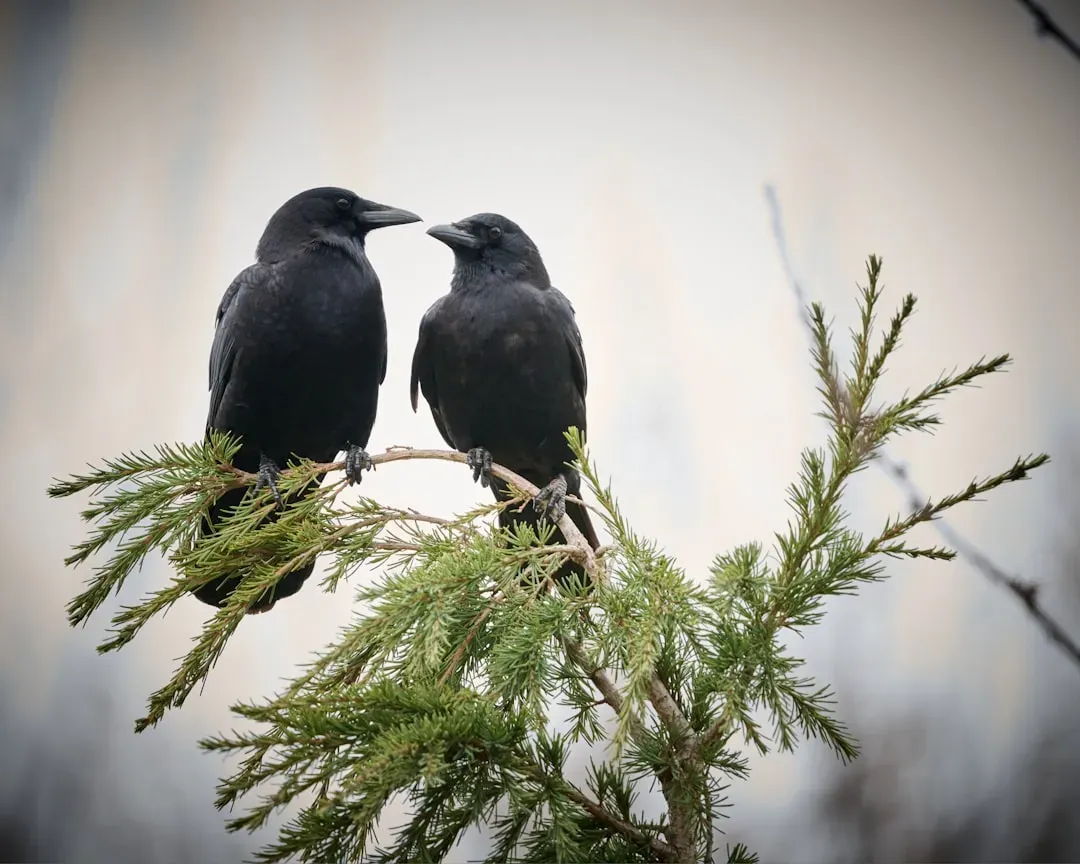
This is the detail that turns a cool animal fact into something genuinely unsettling: crows don’t keep the grudge to themselves.
The birds present at the original trapping remembered exactly which mask meant danger – and passed that information to their young and to other crows nearby. That means a crow that never personally encountered you can still learn to fear you, purely through social transmission. A study published in the Proceedings of the Royal Society B documented this spreading to crows who hadn’t even witnessed the original trapping. This is essentially reputation-tracking across generations, in a bird. Whether it counts as true “communication” is still debated among researchers, and that debate alone tells you how far outside normal animal behavior this sits. So how exactly do they know who to avoid without ever making eye contact?
Worth Knowing
- Within the first two weeks after trapping, an average of roughly a quarter of the crows encountered scolded the person wearing the dangerous mask.
- By 1.25 years, that rate held steady, and by nearly three years after the original trapping it had climbed to about two-thirds of the crows tested.
- At one study site, the share of crows reacting to the dangerous face roughly tripled over five years, even as new, younger birds who never saw the original trapping joined the mob.
- Researchers traced the spread through three separate routes: crows trapped directly, crows that only watched the mobbing overhead, and young crows taught by their parents.
The Eye Contact Test That Proves They’re Watching You
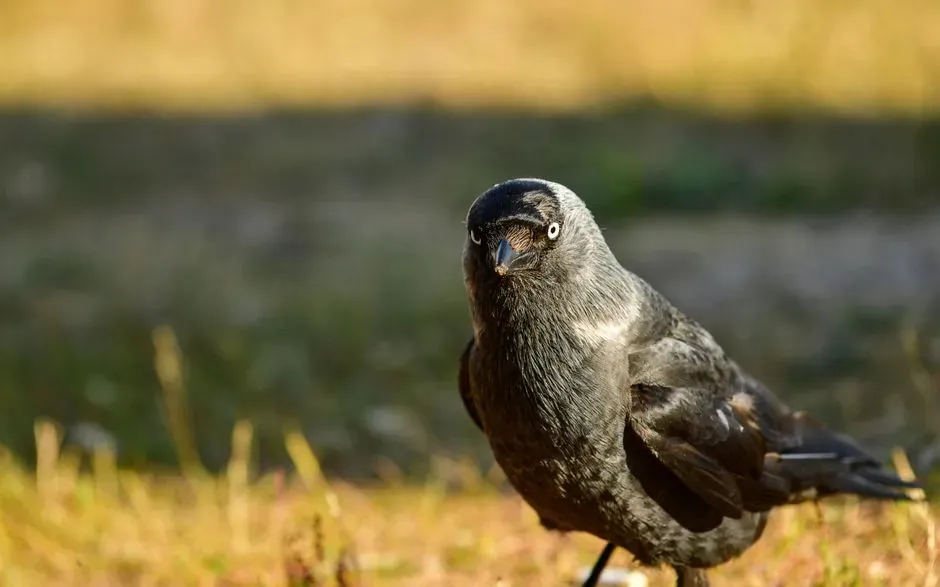
Crows aren’t just clocking your face – they’re clocking your intentions, and they do it faster than most animals bother to try.
Researchers found that crows take off much sooner when a person is walking toward them with their gaze locked on the bird, compared to someone merely glancing their way. Crows have learned to tell the difference between someone strolling by and someone actually heading toward them. If a human walks near without making eye contact, the crow often won’t even bother moving. Most animals scatter no matter what a human is doing. Crows apparently decided that’s a waste of energy, and calculated risk instead. That instinct for reading intent didn’t come from nowhere – and the brain structure behind it looks oddly familiar.
Crows Have a Primate-Like Brain Structure
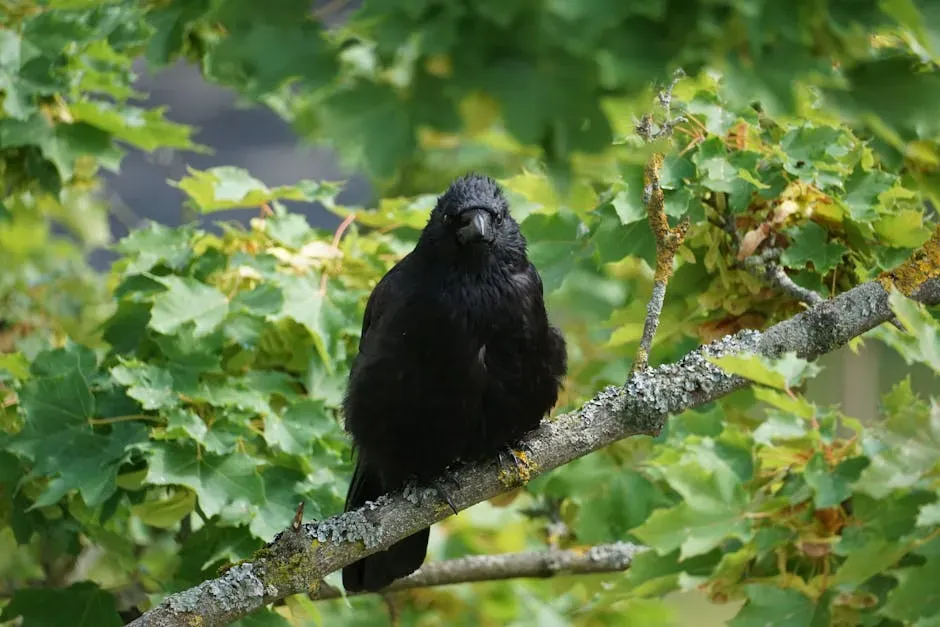
Here’s where the story stops sounding like folklore and starts sounding like a neuroscience paper that shouldn’t exist.
Bird brains are far smaller than mammalian ones, but they’re densely packed with neurons, and corvids in particular have extremely high neuron counts crammed into their forebrains. That density buys them cognitive horsepower most birds simply don’t have. Neuroanatomical researchers found that crows possess a nidopallium caudolaterale strikingly similar in function to a primate brain structure. A structure that mirrors the primate brain, in an animal that split evolutionarily from mammals hundreds of millions of years ago. Scientists call this convergent evolution – two completely unrelated lineages independently arriving at the same biological solution. It’s a tidy explanation for the hardware. It says almost nothing about why the software runs the way it does.
Kindness Gets Remembered Too
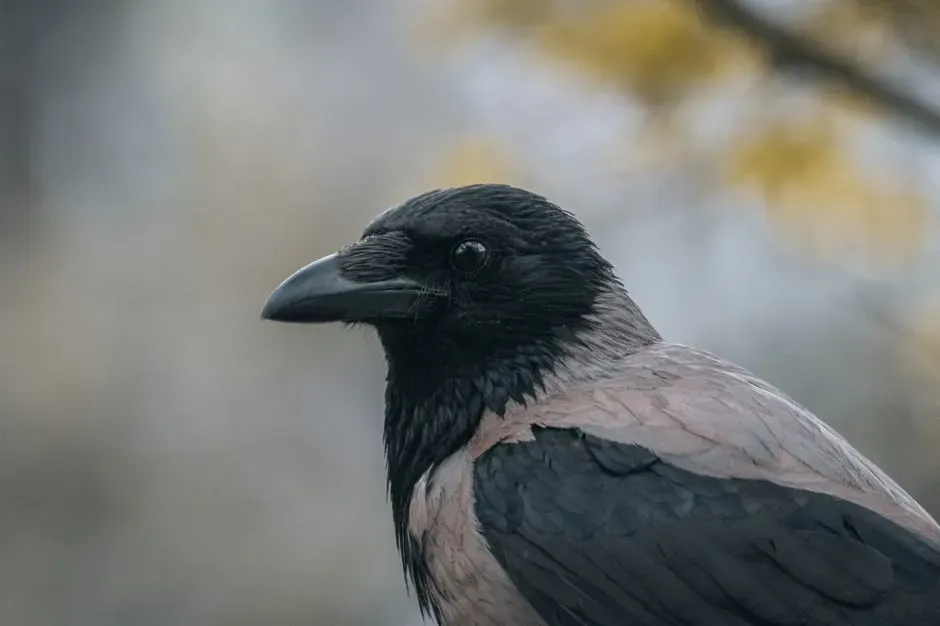
The grudge-holding gets all the headlines, but the flip side of this story rarely makes the rounds – crows remember generosity with just as much intensity.
In the brain-scan study, twelve male adult crows were captured by researchers wearing one mask – the “threatening face” – and then, during four weeks of captivity, fed by people wearing a different, neutral-expression mask, the “caring face.” The birds’ brains treated the two faces as opposites on an emotional map, not just as visually distinct patterns. Responses to the caring face were predominantly left-hemisphere biased, while responses to the threatening face skewed right-hemisphere. That’s the same hemispheric split seen in mammalian emotional processing. Feed a crow consistently, and you’re not just building trust – you’re apparently rewiring which side of its brain lights up when it sees you. But not every corvid story lines up quite this cleanly.
Other Species Do This Too – But Not Like Crows
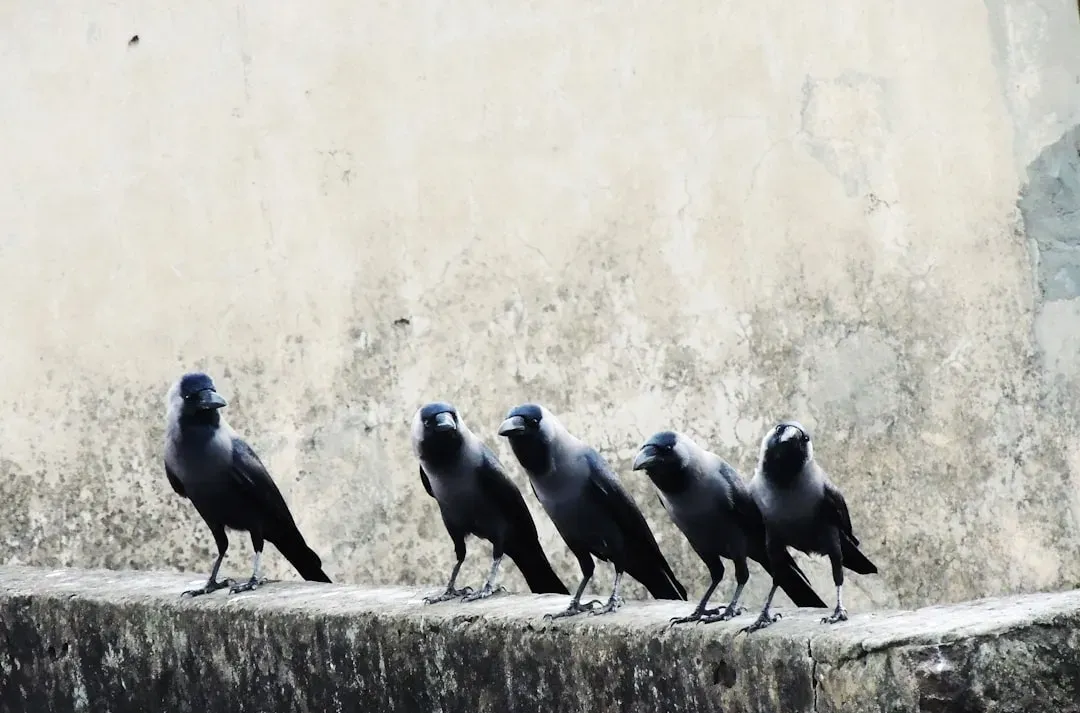
It’s worth being honest here: crows aren’t the only animals capable of recognizing human faces. But the scale of what crows do still stands apart.
Facial recognition has turned up in dogs, pigeons, sheep, octopuses, even honeybees, along with free-roaming magpies in South Korea and mockingbirds in Florida. So facial recognition itself isn’t the rare part. What’s rare is the combination – a multi-year memory, emotional lateralization, and social transmission, all happening in one wild, free-ranging bird. Most of the other species on that list show recognition in controlled lab settings over short windows, not years-long grudges passed down to offspring in an uncontrolled campus population. That combination is what keeps pulling researchers back to crows specifically, and it’s exactly why the “how” question refuses to go away.
Quick Compare
- Dogs, pigeons, sheep, octopuses, honeybees: facial recognition documented mainly in controlled lab settings.
- Free-roaming magpies and mockingbirds: recognition documented in the wild, but not tracked across years or generations.
- American crows: recognition confirmed in the wild for at least 2.7 years after a single encounter, with the memory passed down to offspring who never witnessed the original event.
The Science Still Can’t Explain the “How”
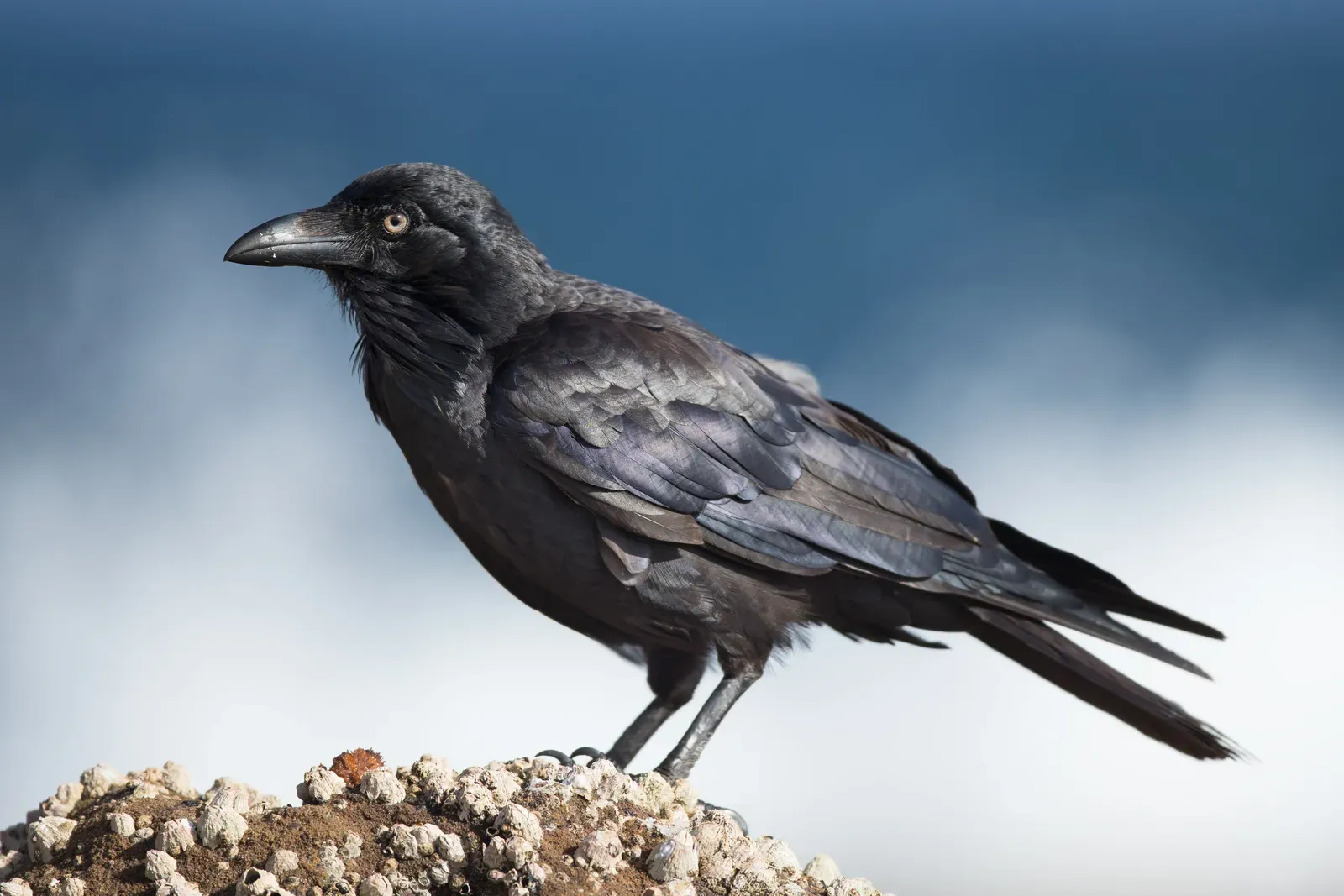
This is the uncomfortable admission buried in nearly every paper on the subject: researchers have mapped where the memory lives, but not fully how it forms so fast or lasts so long.
Crows devote significant neural resources to processing visual information, including fine facial detail. But unlike humans, who rely on specialized regions like the fusiform face area, crows appear to use more distributed neural networks that blend visual data with emotional memory on the fly. That’s a fundamentally different architecture doing a fundamentally similar job. Future work is aimed at whether crows can read human emotional expressions, how far their recognition abilities stretch across contexts, and whether they can sort humans into broader social categories rather than just tracking individuals. Translation: the leading experts on this topic openly admit they’re still working out the mechanism. That’s rare in a field this well-funded and this many years deep.
Why This Should Change How You Treat Wildlife
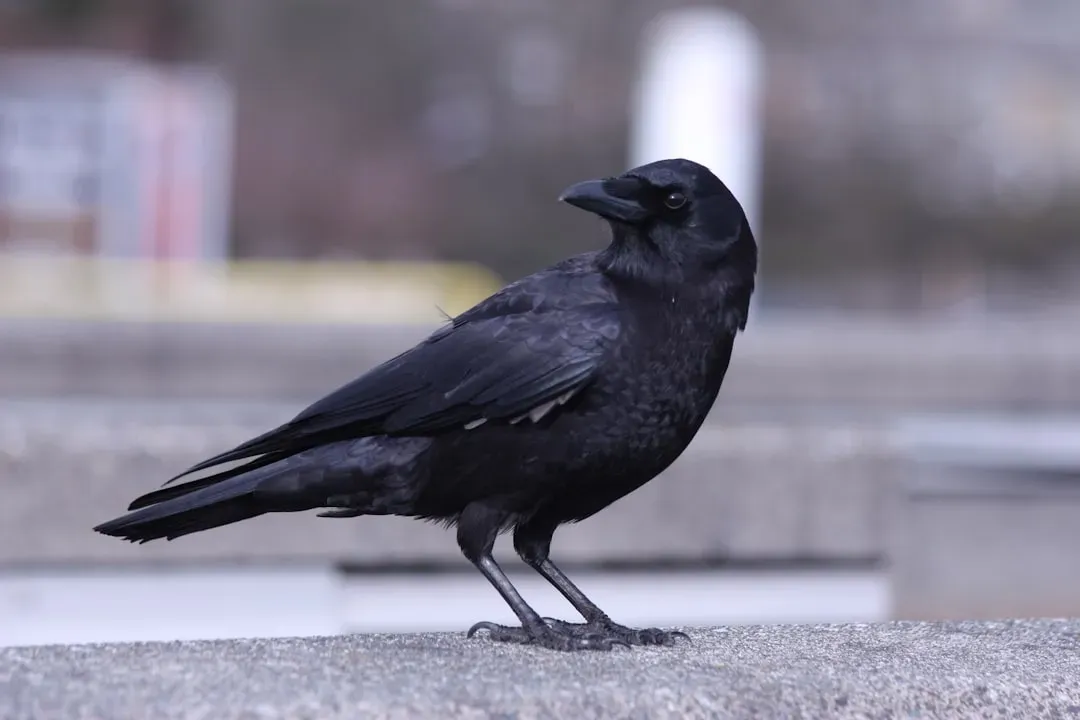
Most people treat crows the way they treat pigeons – background noise, not individuals capable of judging them. That assumption is where the real controversy in this research lives.
The research shows crows use their perceptive abilities to sort people into good and bad, forming opinions that last for years. Every interaction a crow has with a person becomes data it keeps, shares, and acts on. If a crow has a genuinely stressful encounter with someone, it will tell other crows about it – and if that person shows up again, the birds make their displeasure known, loudly and as a group. Some researchers argue this makes crows functionally smarter about humans than most humans are about crows. That’s an uncomfortable, slightly controversial claim – but the data backs it up more than most people would like to admit.
The Bottom Line
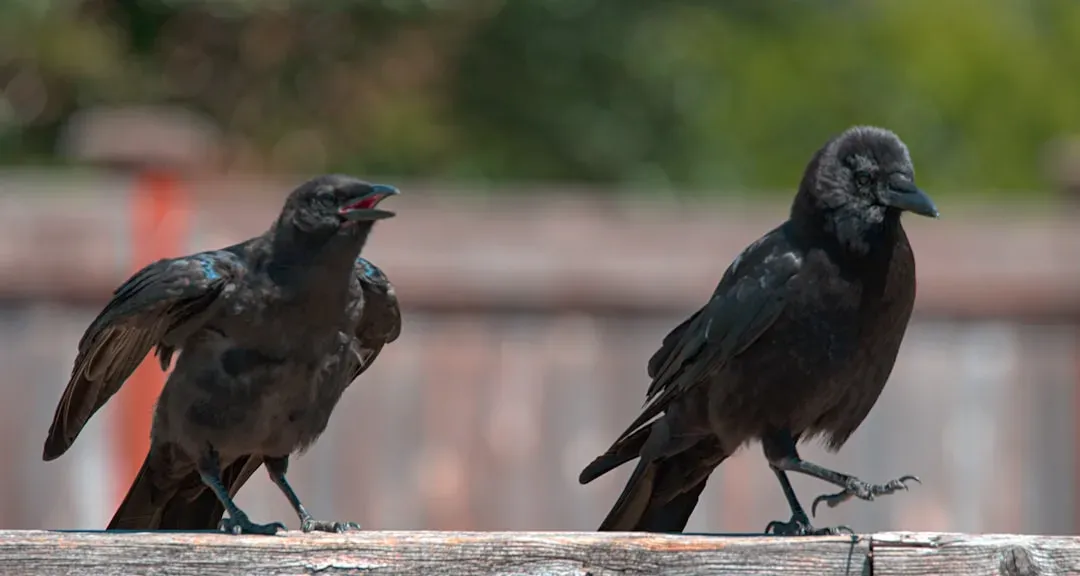
The evidence is consistent across nearly every major study: crows recognize individual human faces, store that recognition alongside genuine emotional weight, hold onto it for years, and pass it down to crows who never met you. Scientists have found the amygdala-like structure responsible and the primate-like wiring behind it.
What they haven’t cracked is the exact mechanism that lets a brain this small do something this sophisticated, this fast, and this durably. That gap is the real story here – not the trivia, but the honest admission that a bird outside your window might be keeping a more complete file on you than you’d ever guess. Treat it well, because it’s taking notes, and so, apparently, are its kids.