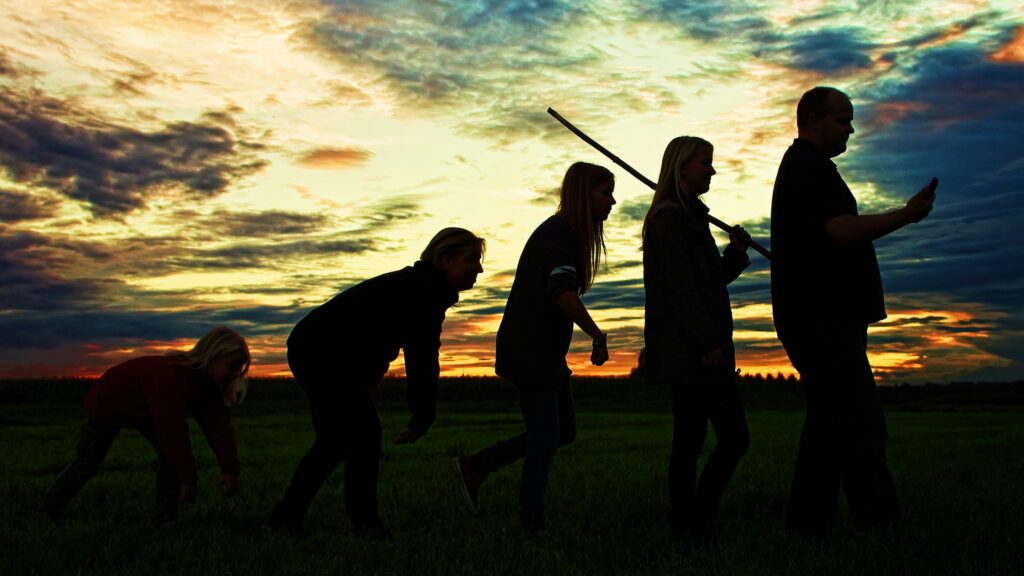

Most of us learned the same chart in school: hunched ape, then caveman, then us, marching forward in one tidy line toward modern intelligence. Scientists who actually dig up the fossils and sequence the DNA say that chart is basically fiction, and they’ve been quietly rewriting the real story for years without much public fanfare.
Some of what changed sounds almost unbelievable. Our ancestors mated with ghost populations nobody has ever found a single bone from. A brain a third the size of ours may have buried its dead. And one of the most famous fossils in the world just got quietly demoted from “your ancestor” to “distant cousin who didn’t make it.” Here’s every rewrite, starting with the one that undoes the oldest assumption in the textbook.
#18 – Walking Upright Started Millions of Years Earlier Than the “Savanna Theory” Claimed
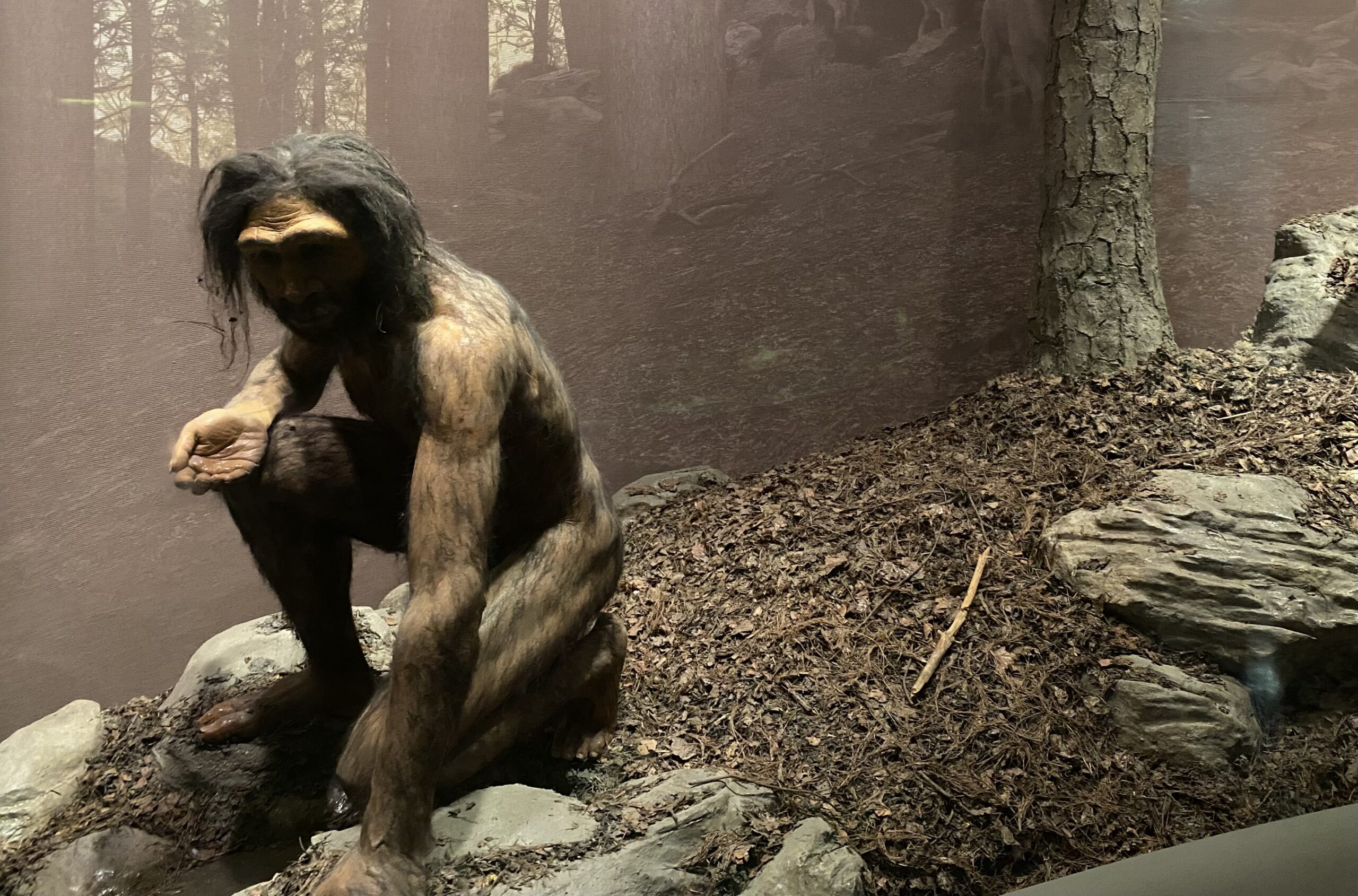
For decades, textbooks taught that our ancestors stood up because grasslands replaced forests, forcing apes to walk between scattered trees. That story required bipedalism to be a relatively late invention, arriving only after Africa dried out.
Fossils like Sahelanthropus and Orrorin, dated to roughly six to seven million years ago, push the origin of upright walking back into a period when parts of Africa were still heavily wooded. Our ancestors were experimenting with bipedalism while still living in forests, not fleeing them. The savanna wasn’t the trigger – it was just where bipedalism eventually paid off. Researchers now argue upright walking may have started as a way to move efficiently between scattered fruit trees, not to escape open plains.
Fast Facts
- Sahelanthropus tchadensis: roughly 7 million years old, discovered in Chad
- Orrorin tugenensis: roughly 6 million years old, found in Kenya
- Ardipithecus ramidus: about 4.4 million years old, found in a wooded Ethiopian habitat
- The “Savanna Theory” assumed upright walking began only after forests gave way to grassland – millions of years later than these fossils suggest
#17 – A Newly Identified Ape Fossil Is Relocating the Birthplace of Great Apes
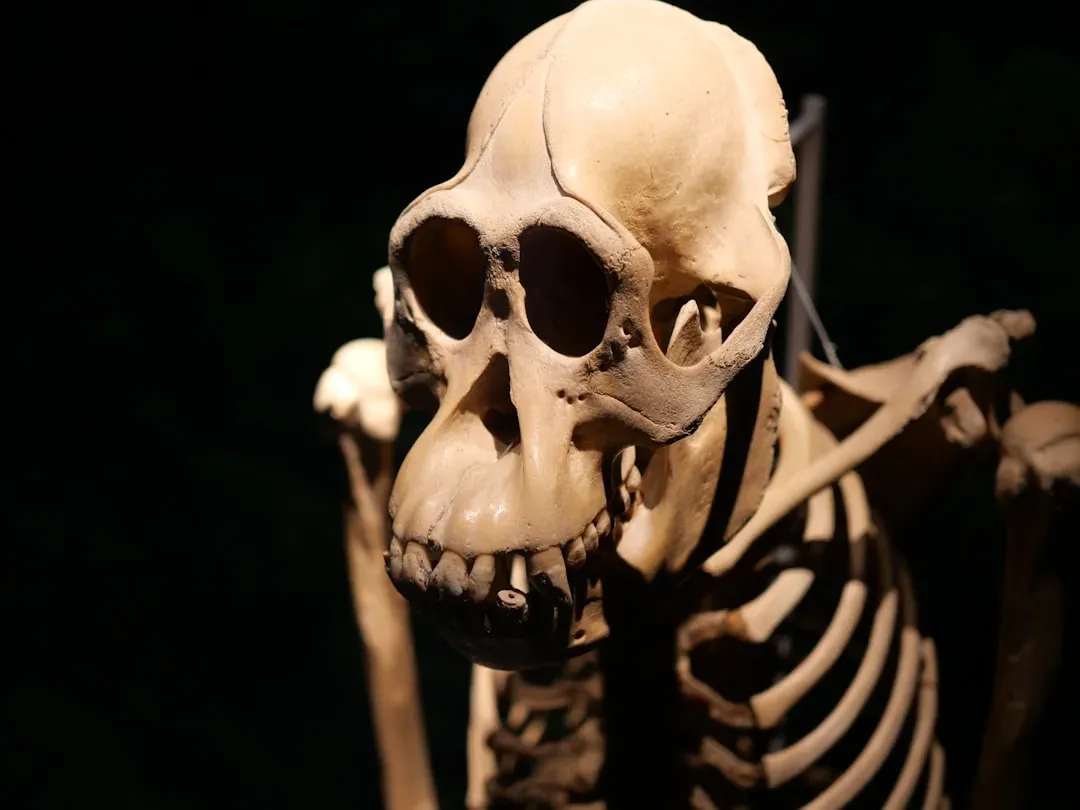
Scientists had long clustered the origins of great apes around East Africa’s famous fossil sites, the ones with all the visitor centers and documentary crews. A single jaw fragment from northern Egypt just complicated that comfortable geography.
The newly identified fossil ape suggests the earliest ancestors of modern apes were spread across a much messier map than the neat East African cradle most people learned about in school. One tooth-bearing jaw fragment is enough to shift an entire continent’s worth of assumptions. Paleoanthropologists now say Egypt deserves far more excavation funding than it’s historically received, and this find is the reason why.
#16 – Humanity Almost Didn’t Go Extinct – But Not for the Reason You Think
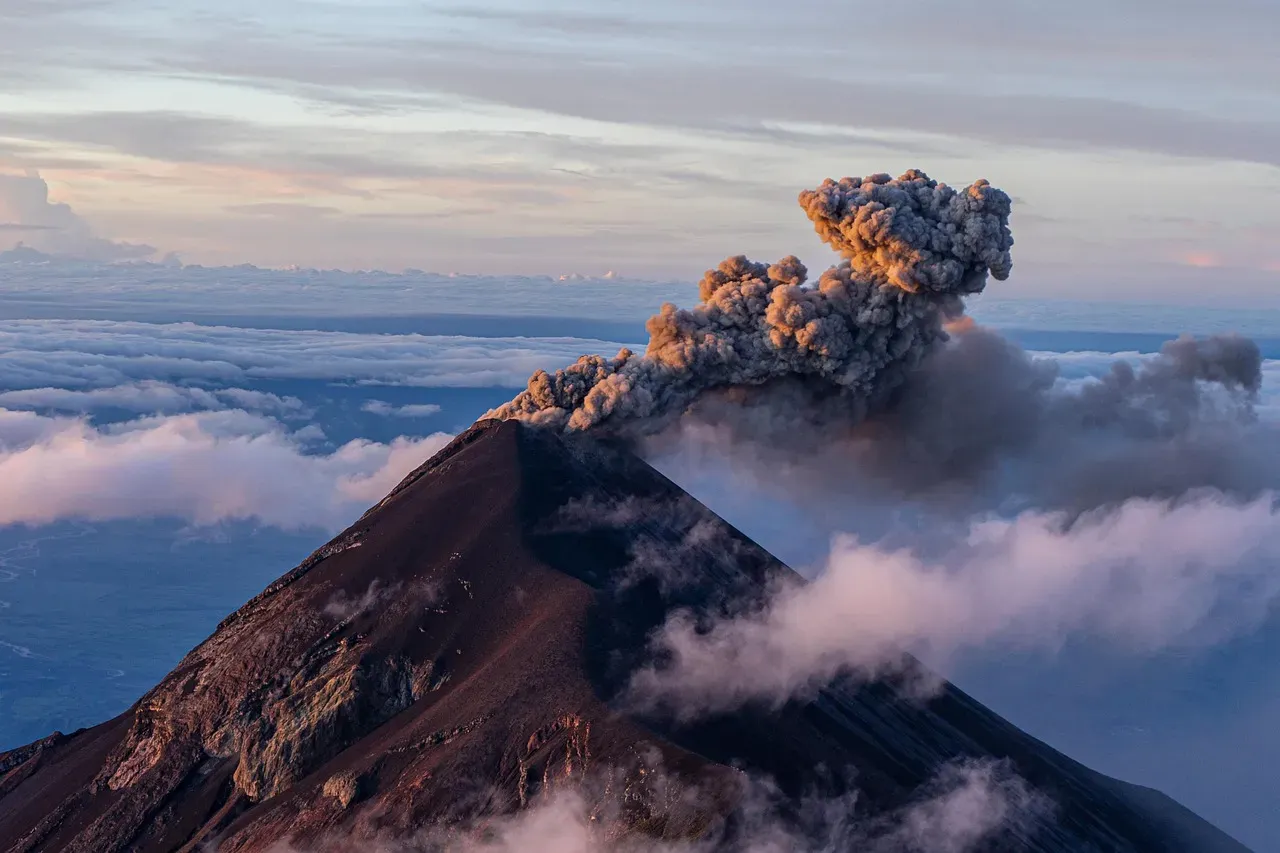
The old story said a massive volcanic eruption at Toba, Indonesia, roughly 74,000 years ago nearly wiped humanity off the map, creating a genetic “bottleneck” still visible in our DNA today. That apocalyptic narrative made for great documentaries.
Working in the Horn of Africa, researchers have uncovered evidence that early modern humans didn’t just survive the eruption – they kept their toolmaking traditions running right through the ashfall. The “humanity almost died” narrative is looking more like marketing than science. Many researchers now argue the bottleneck story survives mainly because it’s dramatic, not because the fossil and genetic record actually demands it.
#15 – A 1.5-Million-Year-Old Face Doesn’t Match the Skull It’s Supposedly Attached To
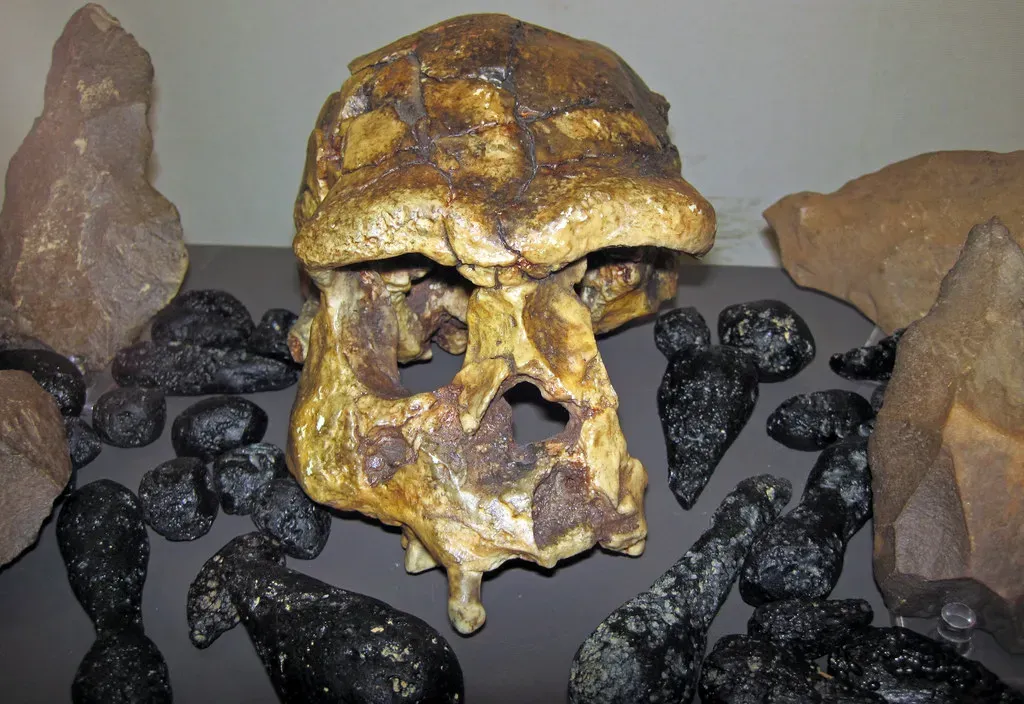
Homo erectus was supposed to be a settled matter – the first hominin with modern body proportions and a face that looked recognizably human. A digitally reconstructed skull just complicated that comfortable story.
Scientists digitally reconstructed the face of a 1.5-million-year-old Homo erectus fossil from Ethiopia and got an unexpectedly primitive result. The braincase looks classically erectus, but the face looks like it belongs to something older and rougher. A single skull is now forcing scientists to reconsider what “erectus” even means as a category. One researcher on the project admitted plainly that “we’re going to need several more fossils dated between one to two million years ago to sort this out.”
#14 – A Three-Foot-Tall Hominin Walked Just as Well as You Do
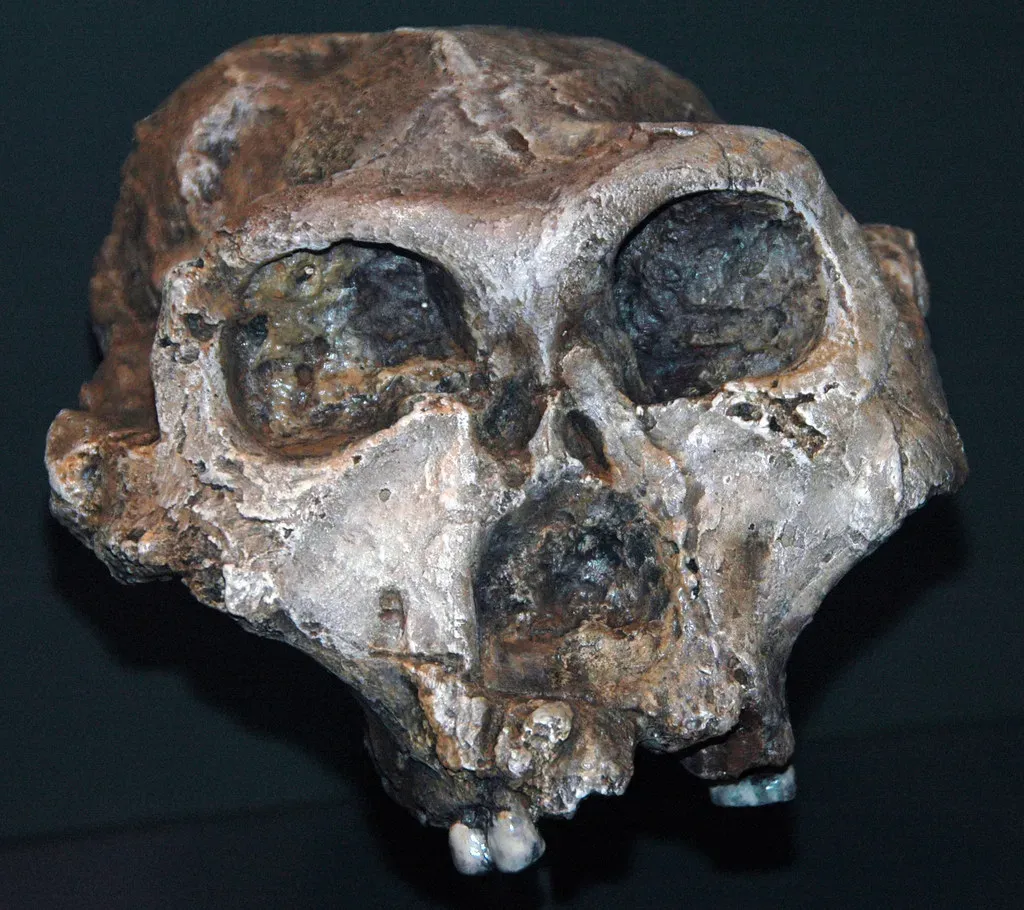
Paranthropus has always been the family’s odd cousin – famous for a skull built like a nutcracker, with giant chewing muscles and almost nothing known about its body below the neck. That changed with a single limb discovery.
A study published in April describes an articulated lower limb from the Swartkrans site in South Africa: a partial pelvis, femur, and tibia from an adult Paranthropus robustus dating back 2.3 to 1.7 million years. The hip, femur, and knee show this individual was fully bipedal – and it stood only about three feet tall, one of the tiniest hominins on record. Height had nothing to do with how efficiently a hominin could walk.
#13 – Our Genus Didn’t Evolve Alone – It Shared the Neighborhood
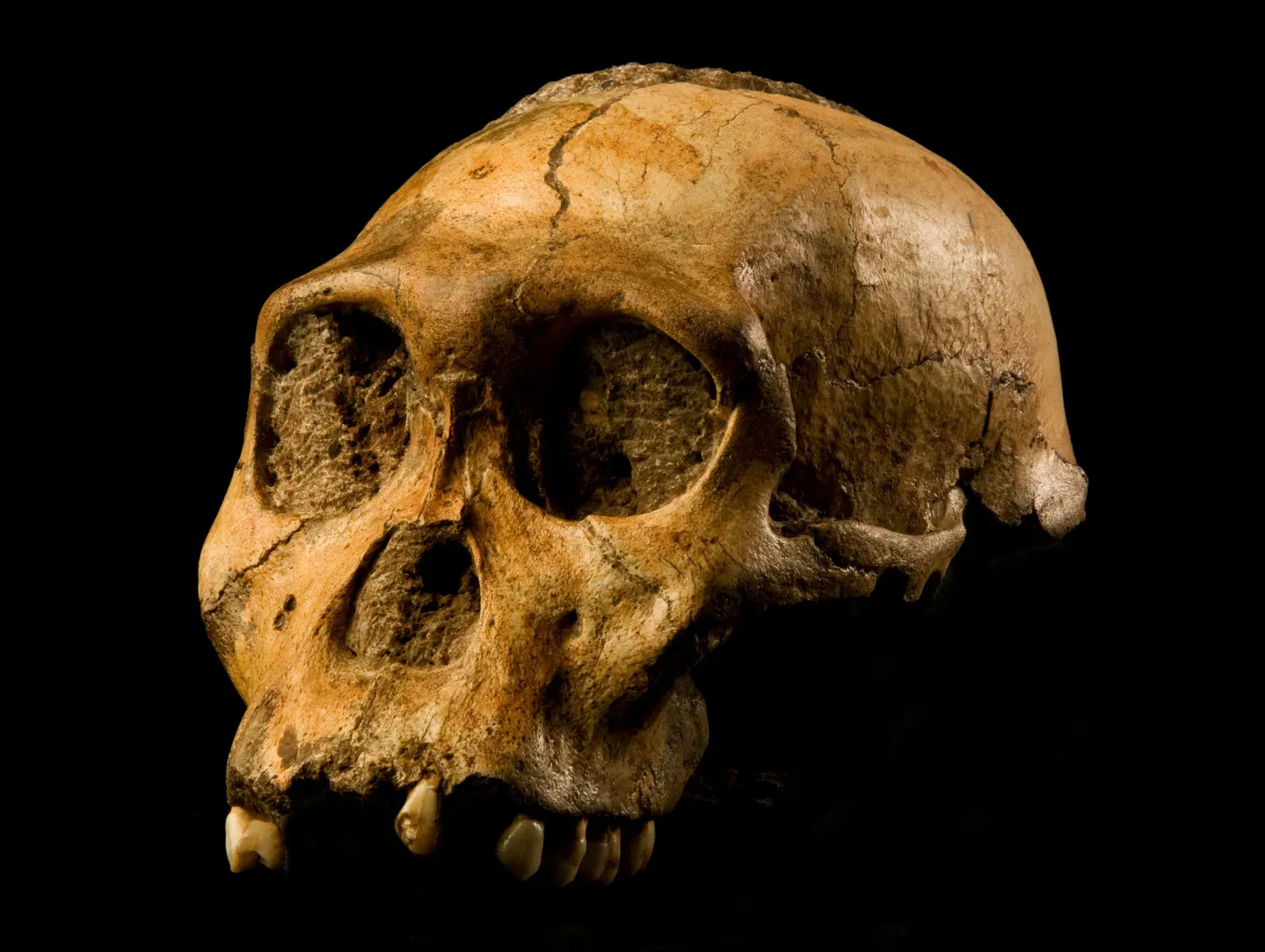
The classic assumption was simple: Australopithecus died out, and Homo took over the vacancy. New Ethiopian fossils just proved that assumption wrong by showing overlap instead of replacement.
In the deserts of Ethiopia, scientists uncovered fossils showing that early members of our genus Homo lived side by side with a newly identified species of Australopithecus nearly three million years ago. An international team confirmed the two groups coexisted at the same place, at the same time, between 2.6 and 2.8 million years ago – and identified a brand-new Australopithecus species never found anywhere else. Two entirely different hominin lineages were sharing the same watering holes for hundreds of thousands of years.
#12 – Lucy Might Not Be Your Great-Great-Grandmother After All
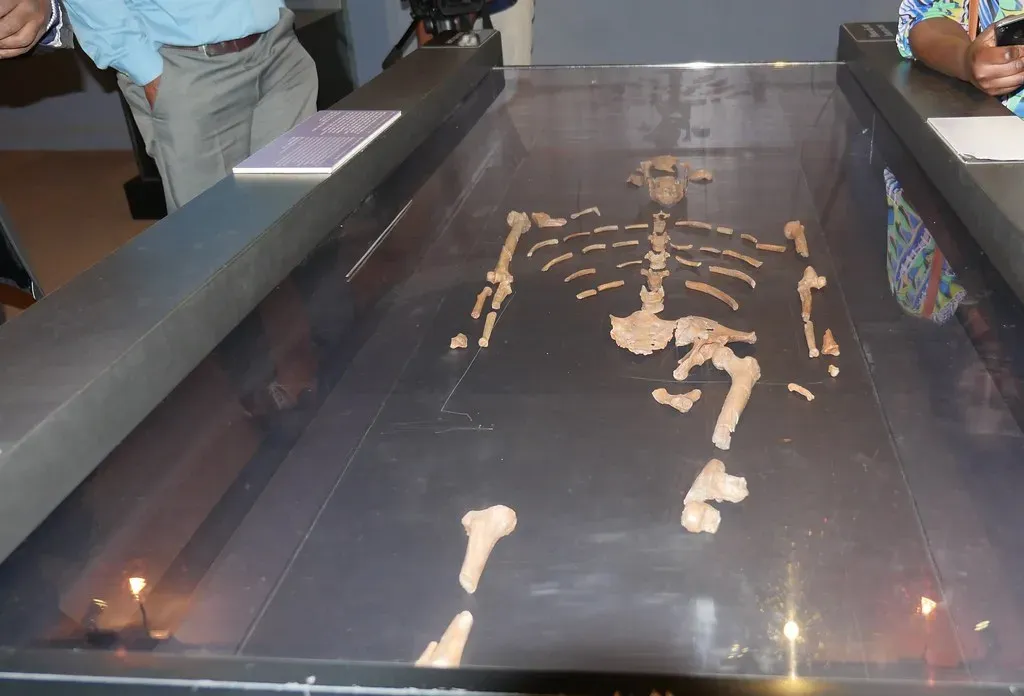
For fifty years, Lucy – the 3.2-million-year-old Australopithecus afarensis skeleton – has been marketed as humanity’s direct ancestor, the missing link every textbook diagram points straight through. New fossil evidence is quietly demolishing that assumption.
Instead of one continuous lineage running from Lucy’s species to us, researchers now describe a “bushy tree” of evolution, where multiple human species coexisted, interbred, and contributed to the genetic tapestry that eventually became us. Lucy may simply be one branch among many that dead-ended rather than led anywhere. Plenty of museum gift shops still haven’t updated their merchandise to reflect it.
#11 – The “Multiregional” Theory Was Rejected, Then Partly Vindicated
For years, two camps fought bitterly. Multiregionalists claimed modern humans evolved simultaneously across Africa, Asia, and Europe from local populations, while “Out of Africa” supporters insisted we’re all descended from one recent African population that replaced everyone else. Genetics seemed to settle it decisively in Africa’s favor.
But the resolution wasn’t a clean win for either side. The field moved from multiregionalism to accepting an African origin, then kept moving – current evidence favors a structured African metapopulation model instead of one single ancestral group. Modern humans didn’t come from one African population – they came from several African populations that mixed and separated for hundreds of thousands of years, all before anyone ever left the continent.
#10 – There Was No Single “Great Migration” Out of Africa
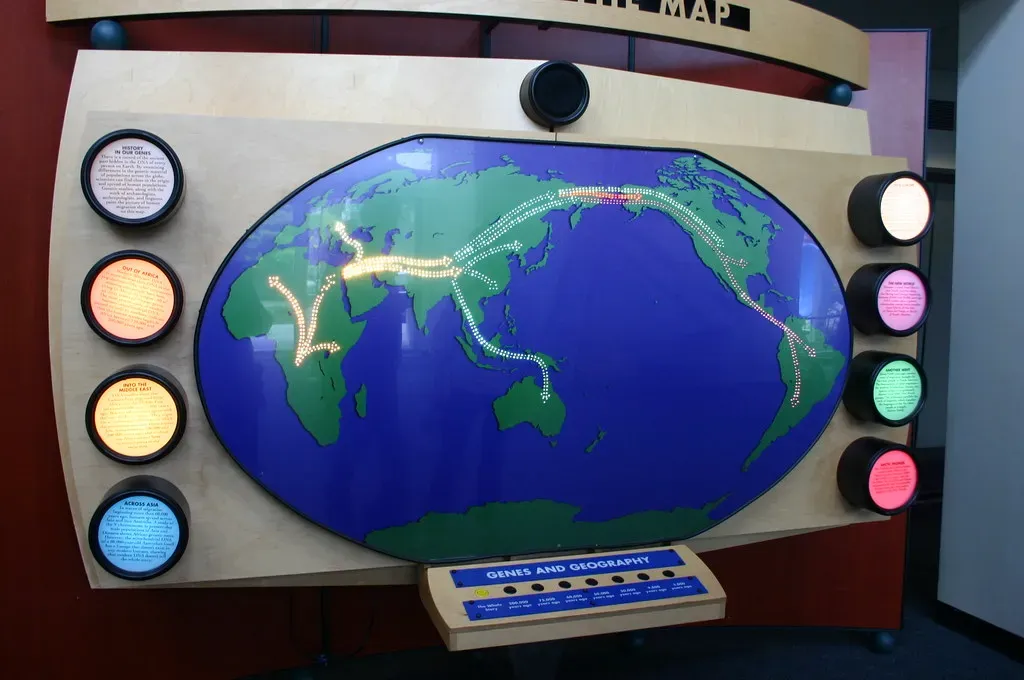
The popular image is one heroic wave of humans crossing out of Africa around 60,000 years ago and spreading across the planet. Genetic modeling now says that’s an oversimplification bordering on myth.
A machine learning analysis found that a model of multiple dispersals is four times more likely than the single-dispersal story, pointing to two major pushes around 74,000 and 46,000 years ago. Groups likely left Africa even earlier than that, more than 100,000 years ago, but those attempts fizzled out and left no lasting non-African populations. Humanity tried to leave Africa multiple times and mostly failed before the migration that actually stuck.
Quick Compare
- Old model: One dramatic exodus out of Africa around 60,000 years ago, end of story
- New model: Multiple dispersals, with major surviving waves around 74,000 and 46,000 years ago
- Failed early attempts: Groups likely left Africa more than 100,000 years ago but left no lasting descendants outside the continent
#9 – Neanderthals Weren’t Dumb Brutes – They Were Culinary Experimenters
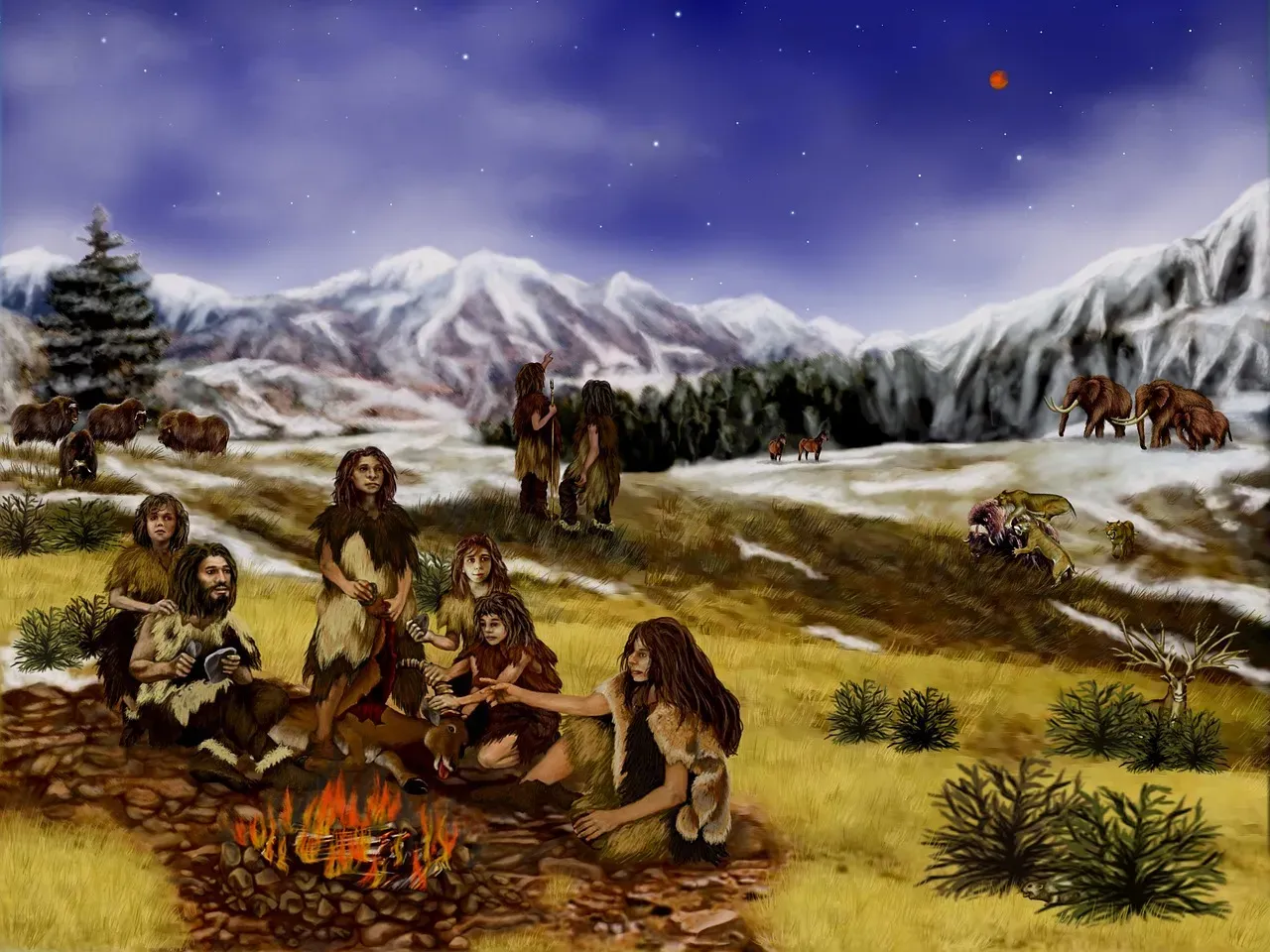
The “caveman” stereotype has been scientifically dead for years, yet it survives in cartoons, memes, and casual conversation. Recent research into Neanderthal diets keeps quietly demolishing what’s left of it.
Researchers studying Neanderthal remains have documented far more dietary sophistication than the club-wielding stereotype suggests, part of a broader pattern of findings that keeps revealing behavioral complexity nobody expected from a species long dismissed as an evolutionary dead end. The “primitive Neanderthal” stereotype survives mostly in cartoons at this point, not in peer-reviewed journals. Modern paleoanthropologists increasingly argue Neanderthals were less a failed side-branch and more a parallel human experiment that simply merged back into our lineage instead of vanishing.
#8 – Neanderthals Carry Human DNA Too – the Gene Flow Went Both Ways
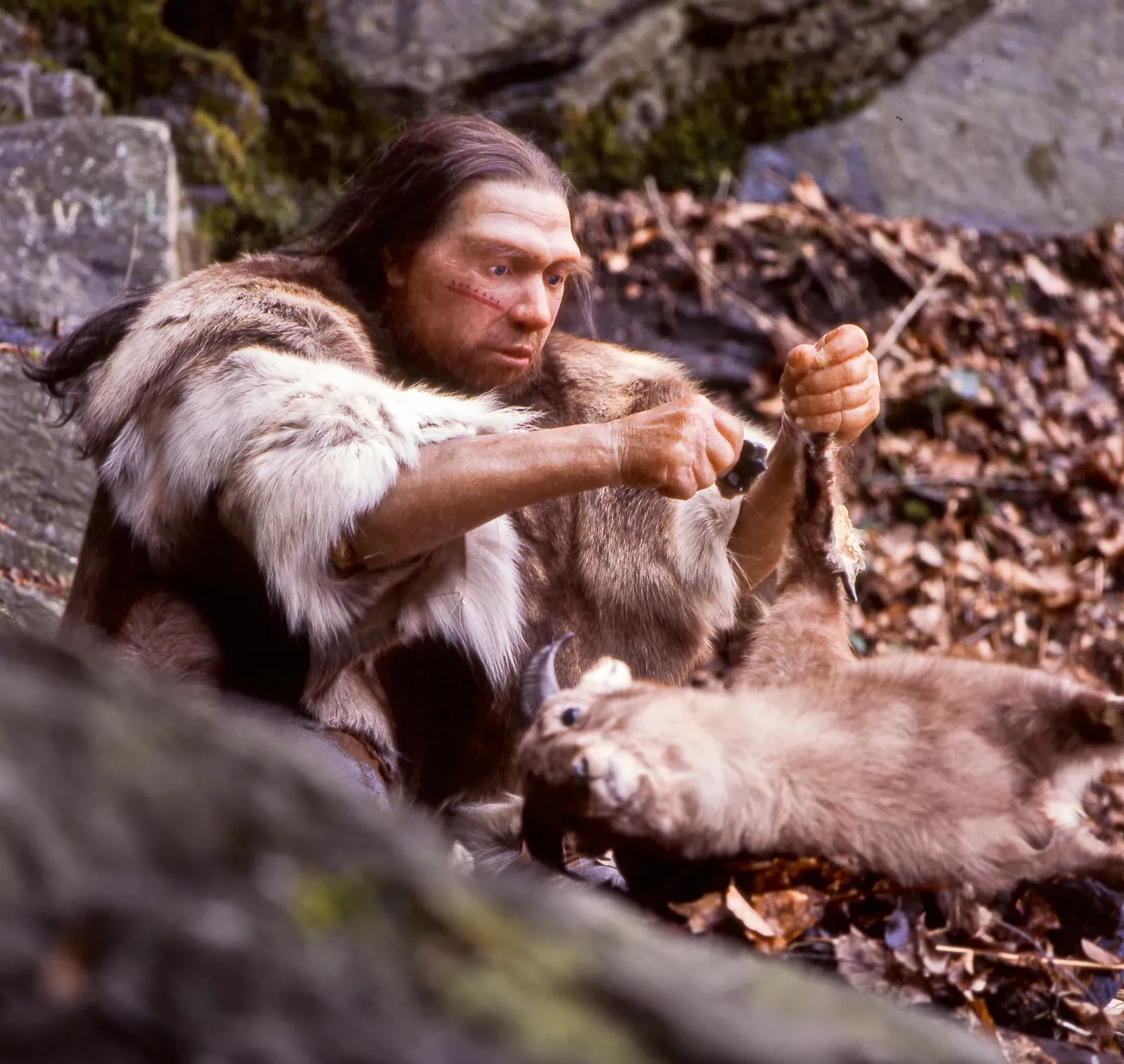
Everyone knows humans carry Neanderthal DNA. Almost nobody realizes the reverse happened just as dramatically, with modern humans leaving their own genetic fingerprint inside Neanderthal genomes.
Researchers estimate Neanderthals carry 2.5 to 3.7% human ancestry. Using human sequences embedded in Neanderthal genomes, scientists also revised Neanderthal population sizes sharply downward and identified two distinct waves of modern human gene flow moving into Neanderthal populations. Neanderthals weren’t just donors to our gene pool – they were recipients too, and their population was smaller and more fragile than previously assumed. That single revision quietly rewrites the population-size assumptions behind dozens of older extinction theories.
#7 – Humans and Neanderthals Didn’t Mate Once – They Kept Doing It for 200,000 Years
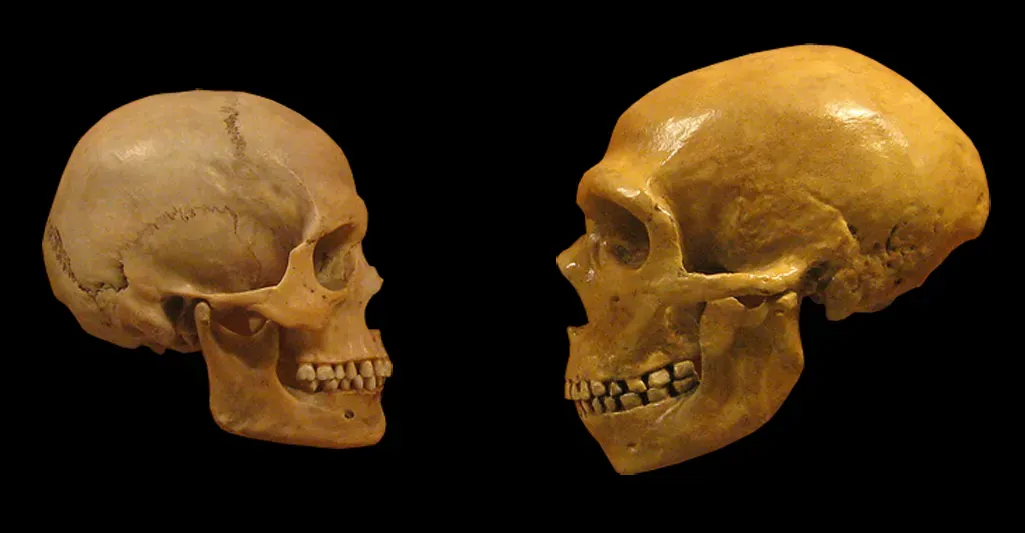
The old narrative treated human-Neanderthal interbreeding as a brief, one-time event around 50,000 years ago, right when modern humans first entered Europe. That timeline has been thrown out entirely.
Genetic studies now describe recurrent gene flow stretching across roughly 200,000 years, meaning humans and Neanderthals crossed paths and mixed repeatedly, not just during one dramatic encounter in an Ice Age cave. It looks like the two groups were in and out of contact across multiple separate eras, sometimes with modern humans venturing into Neanderthal territory long before the “official” out-of-Africa expansion even began.
#6 – Denisovans Interbred With Us at Least Three Separate Times
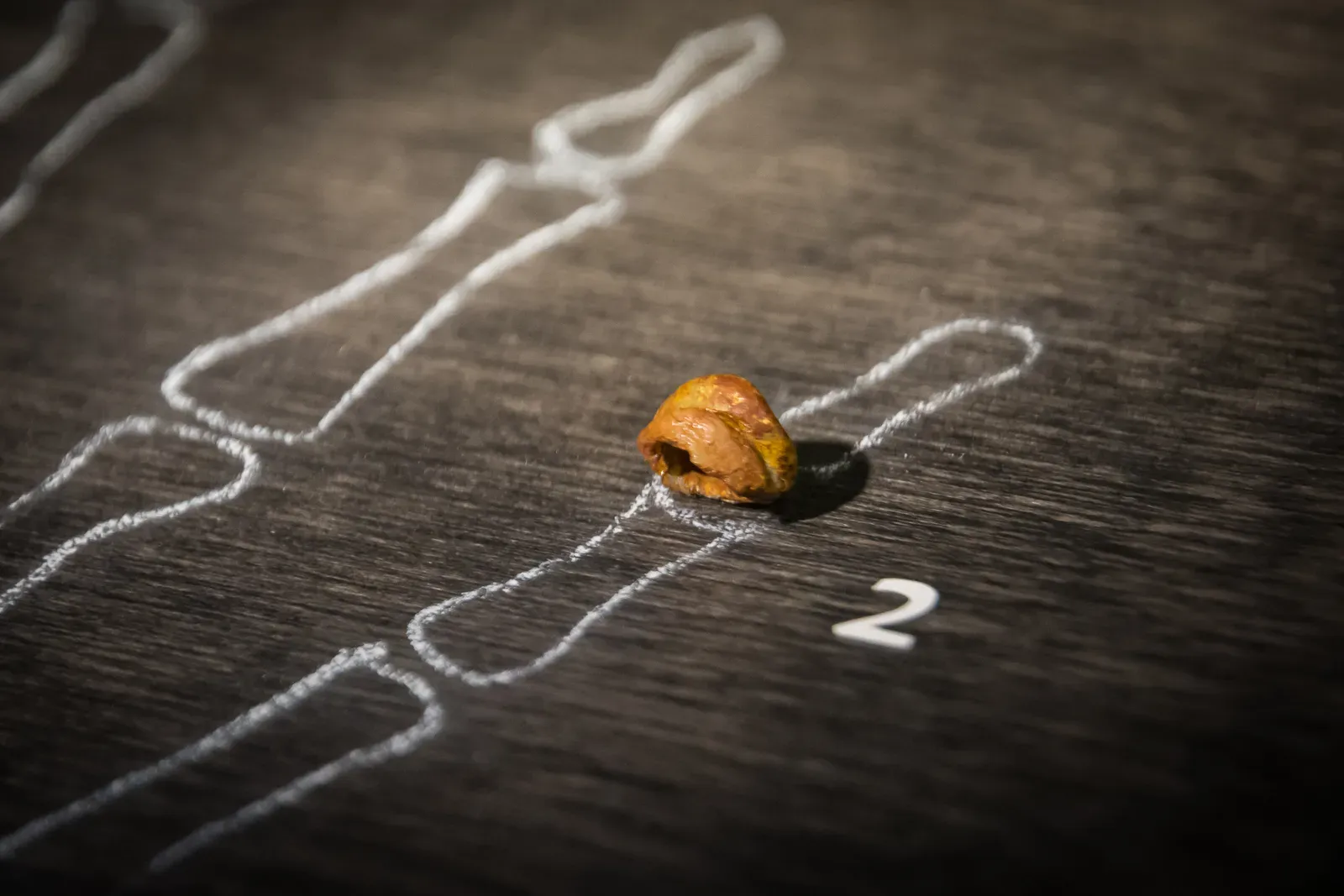
Denisovans are the most mysterious hominin group in the human story – known almost entirely from DNA rather than a full skeleton. Yet the genetic evidence they left behind keeps turning out to be richer than anyone expected.
Scientists have now traced at least three separate Denisovan-human interbreeding episodes, and the payoff wasn’t just genetic diversity – it was survival equipment. Denisovan genes helped later humans adapt to extreme environments, from high-altitude Tibet to the Arctic, granting better oxygen use, stronger immune responses, and cold resistance. A species we’ve never even found a full skeleton of is quietly responsible for how some modern humans breathe at high altitude.
At a Glance
- At least three separate Denisovan-human interbreeding episodes are documented in the genetic record
- Present-day Melanesian and Papua New Guinean populations carry the highest known Denisovan ancestry of any group, roughly estimated between 3% and 6%
- Denisovan-derived variants of the EPAS1 gene help modern Tibetans use oxygen efficiently at extreme altitude
- Other inherited Denisovan variants are linked to immune response and cold-climate survival
#5 – Our Ancestors Interbred With a “Superarchaic” Population Two Million Years Old
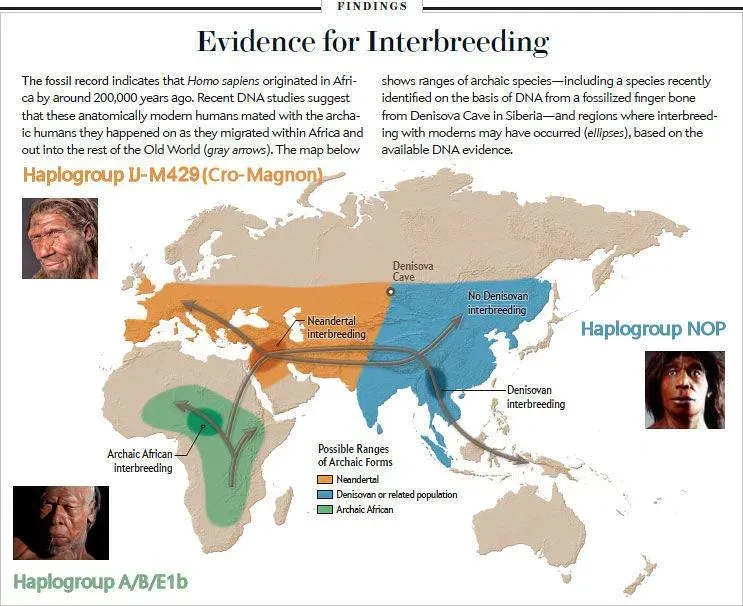
If Neanderthals and Denisovans sound ancient, meet the lineage that makes them look recent. Geneticists have identified an interbreeding event so old it predates almost every other hominin split scientists track.
The ancestors of Neanderthals and Denisovans interbred with their own Eurasian predecessors – a “superarchaic” population that had split off roughly two million years earlier, with an estimated effective size between 20,000 and 50,000 individuals. This mixing happened early in the Middle Pleistocene, shortly after Neandersovans expanded into Eurasia, marking the earliest known admixture event between hominin populations ever documented. Interbreeding across a two-million-year genetic gap was apparently no obstacle at all.
#4 – Scientists Just Found DNA From Two Completely Unknown “Ghost” Ancestors
Just this year, researchers pushed the ghost-lineage story even further, identifying genetic traces from ancestors we’ve never named, let alone found fossils for.
Using genealogical patterns hidden inside modern DNA, researchers uncovered contributions from two extinct human populations that left no sequenced genomes behind at all – no bones, no teeth, nothing but genetic shadows. Scientists can now detect ancestors whose bones have never been discovered, purely by reading the traces they left in living people’s DNA. One researcher called it exciting precisely because “it reveals genetic contributions from a human lineage that lived over a million years ago, despite the absence of any sequenced DNA from that population.”
#3 – A Chimp-Sized Brain May Have Buried Its Dead
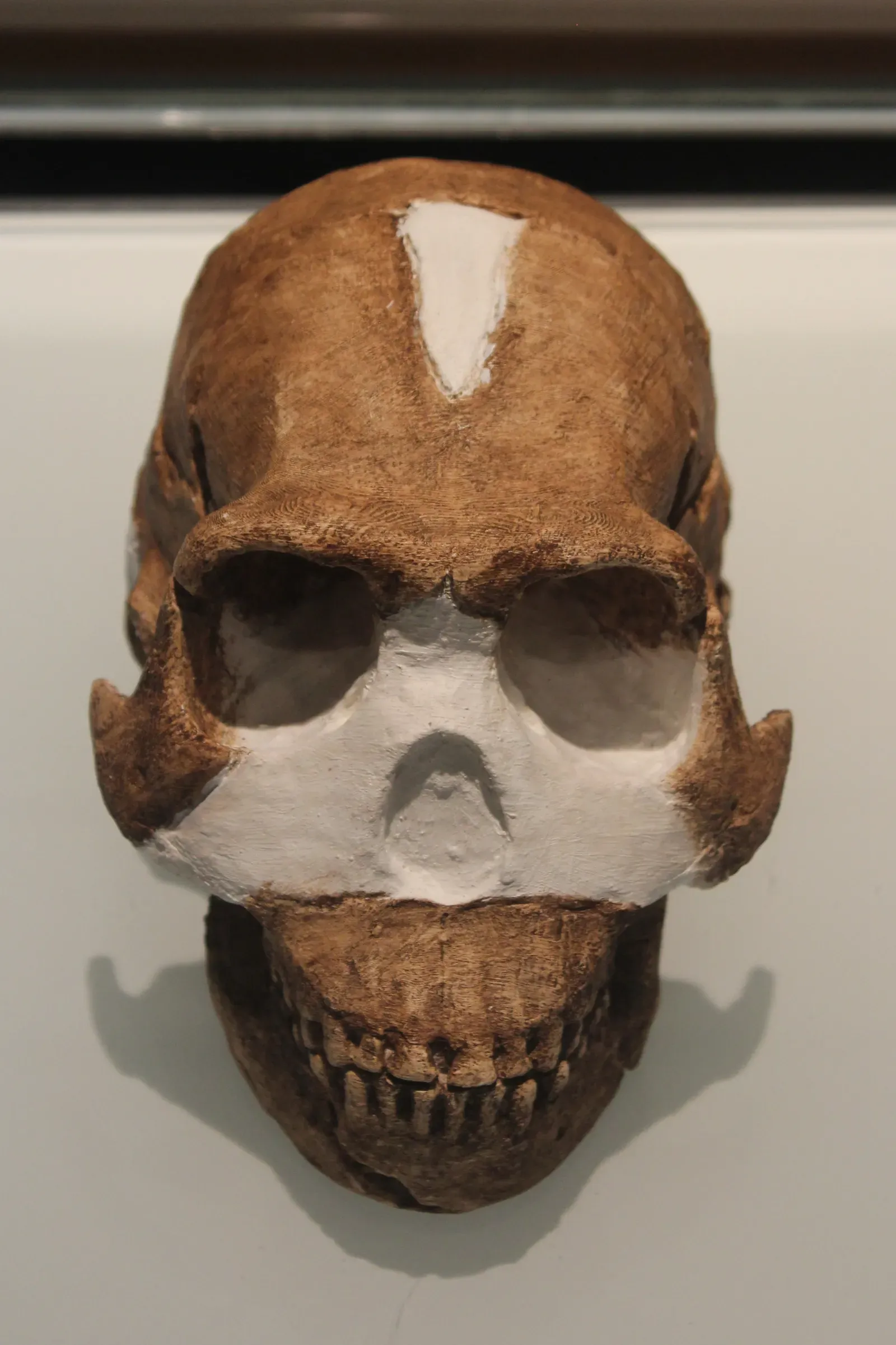
The assumption that big brains equal complex culture has been a bedrock belief in human evolution – right up until a small-brained relative apparently broke the rule entirely.
Controversial evidence suggests Homo naledi, with a brain roughly the size of a chimpanzee’s, was capable of complex behavior far beyond what its skull size predicted. Researchers claim to have found graves dug by this small-brained relative more than 100,000 years before the oldest confirmed human burials, which – if confirmed – would mean intentional burial wasn’t limited to big-brained hominins at all. The evidence remains hotly disputed, with critics pointing to a lack of stone tools at the site, but even skeptics admit the questions it raises aren’t going away.
#2 – Human Evolution Never Stopped – We’re Still Changing Right Now
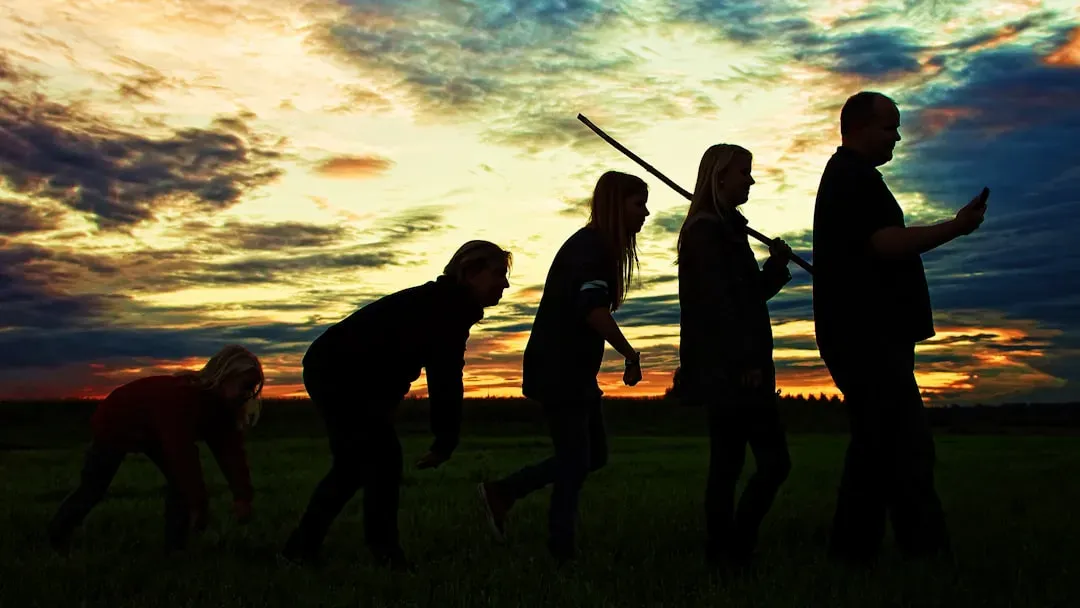
Perhaps the most quietly rewritten idea is the assumption that evolution “finished” once humans became anatomically modern. That belief has been thoroughly abandoned.
Lactase persistence into adulthood, high-altitude oxygen adaptations tied to ancient Denisovan DNA, and immune-system variants inherited from long-vanished archaic populations all show natural selection reshaping our species continuously, right through recorded history. The idea that humans reached some kind of evolutionary finish line decades ago is simply not supported by the genetic record. Every population alive today still carries actively selected variants tied to diet, disease resistance, and climate.
Worth Knowing
- Lactase persistence lets many adults digest milk sugar comfortably, a trait that only spread after dairy farming began
- The Denisovan-derived EPAS1 variant helps Tibetan populations use oxygen more efficiently above 4,000 meters
- Neanderthal-inherited immune gene variants still shape how some modern immune systems respond to pathogens today
- Skin pigmentation genes continue to show measurable selection pressure in populations that migrated to new latitudes
#1 – The Human Family Tree Isn’t a Tree at All
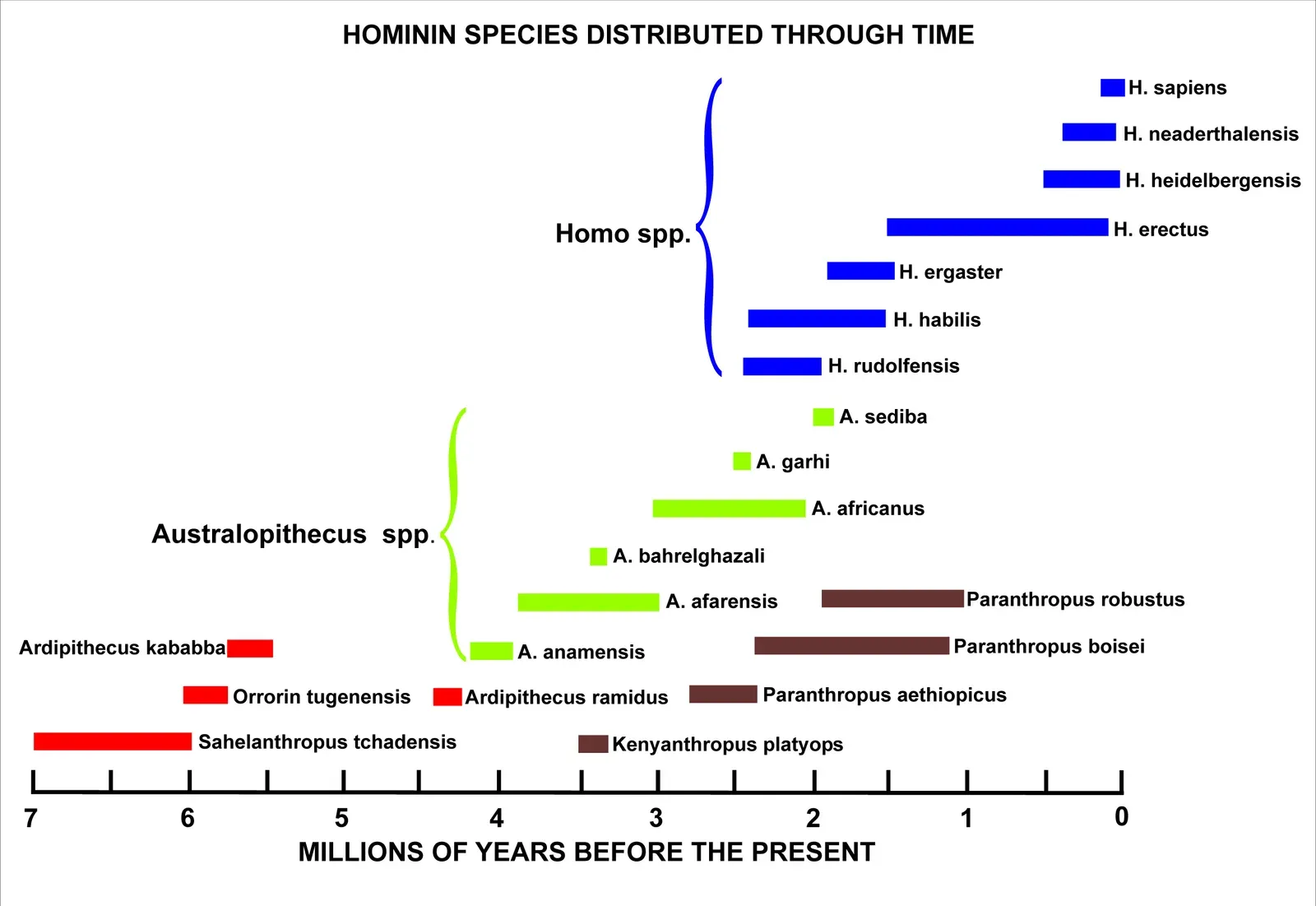
Every rewrite on this list points toward one final, uncomfortable truth: the tidy branching diagram in every textbook is fundamentally the wrong shape for describing our origins.
The real story is a “bushy tree” – or maybe not a tree at all – where multiple human species coexisted, interbred, and contributed to the genetic tapestry that defines us today. As researchers studying the genetic side put it, “it’s a common misconception that humans evolved suddenly and neatly from one common ancestor, but the more we learn the more we realize interbreeding with different hominins occurred and helped to shape the people we are today.” We’re not the surviving tip of a clean evolutionary branch – we’re the genetic sum of a dozen overlapping, interbreeding populations that most of us have never even heard of.
The Bottom Line
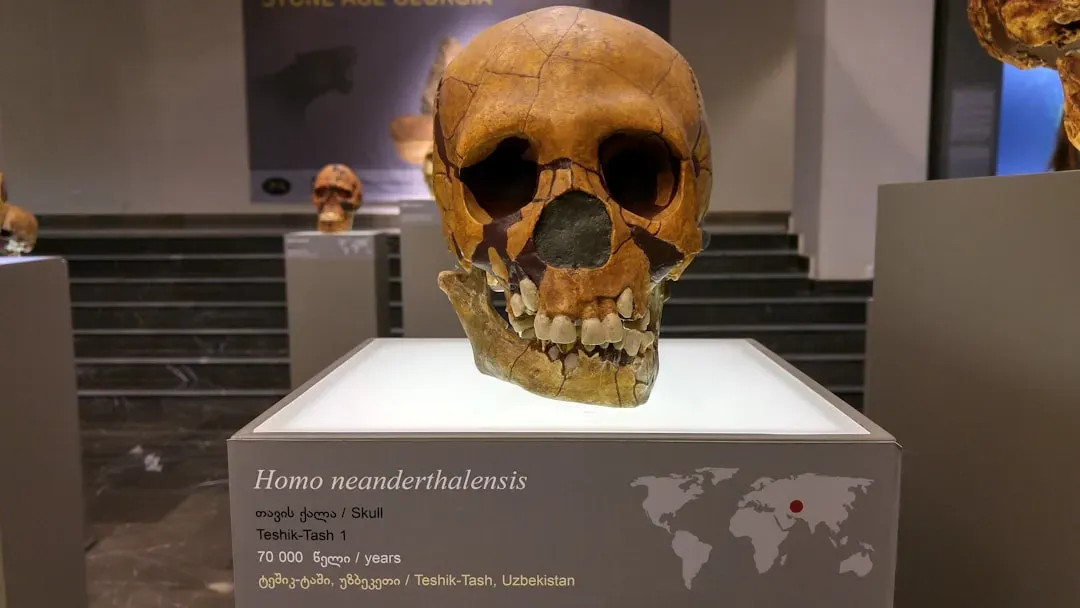
The evidence is now impossible to ignore: our species didn’t march in a straight line from ape to human. We interbred with Neanderthals, Denisovans, a two-million-year-old “superarchaic” population, and at least two more unidentified ghost ancestors, repeatedly, across hundreds of thousands of years.
Lucy probably isn’t our direct grandmother. Small-brained relatives may have buried their dead. Evolution never actually stopped, and it’s still rewriting us right now.
Honestly, the neat little evolutionary tree we all grew up with should have been retired years ago – it was never accurate, it just fit on a poster. The tangled, interbreeding thicket scientists are now describing isn’t just more truthful; it’s a far better story, and it makes our own existence feel a lot less inevitable and a lot more improbable. Which of these rewrites surprised you the most – and which ones do you think scientists still have wrong? Drop your take in the comments.