
Most people assume scientists have settled the animal grief question one way or another. They haven’t. Behind closed doors, in conference hallways and off-the-record interviews, researchers say things about elephants, chimps, and orcas that never make it into peer-reviewed papers – because admitting you believe an animal is mourning can still get you labeled unscientific. For decades, the field trained researchers to strip emotion out of their field notes entirely.
That habit is finally cracking. Here’s what the data – and the scientists who study it – actually say when the recorder is off.
#18 – For Decades, Saying “Grief” Could End Your Career

Scientists didn’t avoid the word grief by accident. It was drilled into them.
For decades, scientists resisted attributing human emotions like grief to animals, dismissing such behaviors as mere responses to change. Tradition dictated that it was soft-hearted and unscientific to project human emotions such as grief onto other animals, and researchers were trained to describe reactions in neutral terms. A generation of biologists learned to write “behavioral disruption” instead of “sadness,” even when the animal in front of them was clearly falling apart.
The irony? Among scientists, there remains a prejudice against the idea that animals feel “real” grief or respond in complex ways to death, even now. That prejudice shaped entire careers. Researchers who slipped and used emotional language in a paper risked being dismissed by peer reviewers as sentimental rather than rigorous. And that fear didn’t fade quietly – it just moved underground, which is exactly the mess waiting in #17.
#17 – There’s Still No Agreed Scientific Definition of “Grief”
Here’s a mistake most people make: they assume scientists agree on what animal grief even means. They don’t.
Whereas “animal response to death” embraces any behavior by an individual following the death of a companion animal, researchers may strongly suspect grief only when certain conditions are met. First, two or more animals choose to spend time together beyond survival-oriented behaviors such as foraging or mating. Second, when one animal dies, the survivor alters his or her normal behavioral routine – reducing time devoted to eating or sleeping, adopting a body posture indicative of depression or agitation, or generally failing to thrive.
Anthropologist Barbara King pushed her own version further, defining grief through a change in essential functions – a departure from the usual pattern of eating, sleeping and socializing – that is triggered by death. That definition alone widened the list of grieving species dramatically. Two experts, two different thresholds – and no consensus committee is coming to settle it. Which is exactly why the disagreement gets louder in #16.
#16 – Skeptics Still Call It “Faith, Not Science”
Not every scientist has softened on this. Some are getting louder in their skepticism.
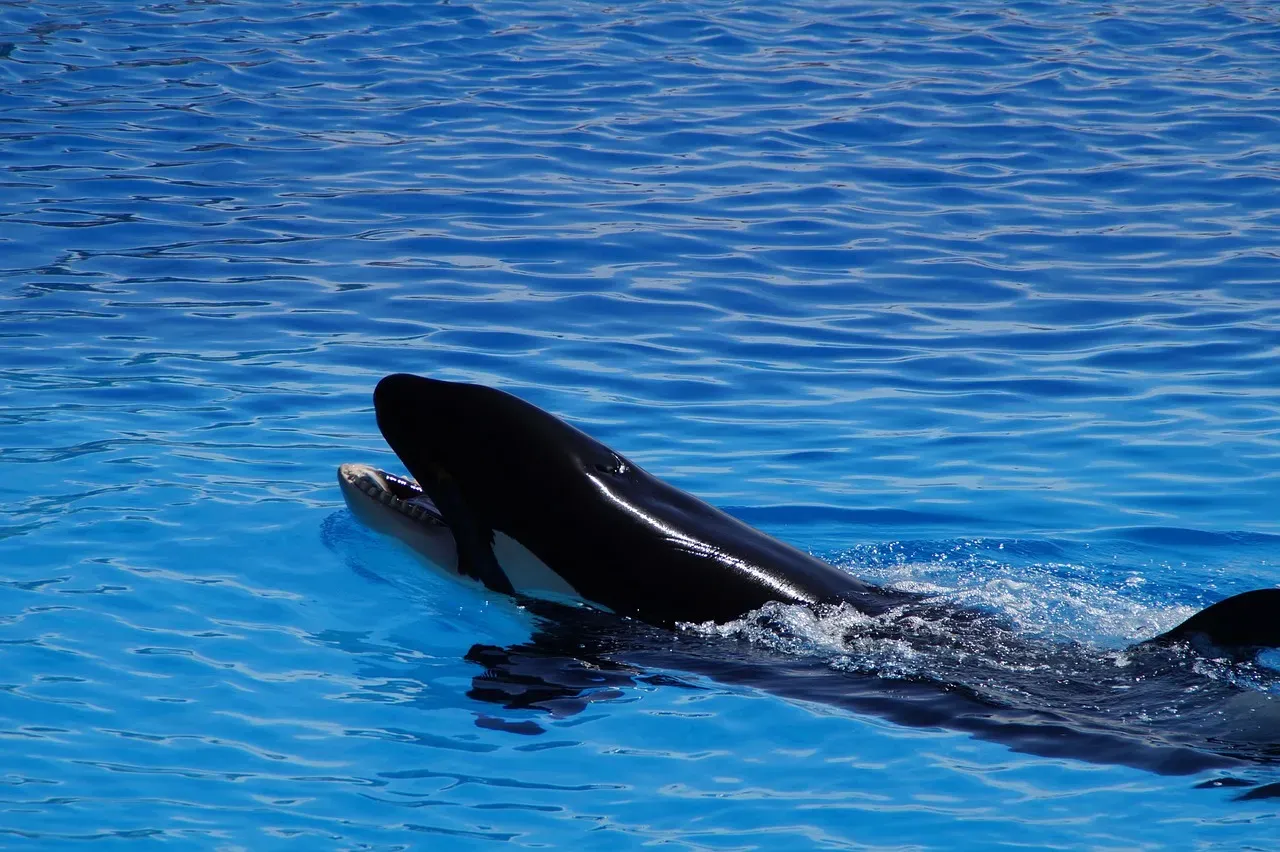
Zoologist Jules Howard argued that anyone who reads mourning into an orca’s behavior “is making a case that rests on faith, not on scientific endeavor.” That’s a direct shot at colleagues who’ve spent careers documenting death-related behavior. It’s also the exact sentence that gets quoted back at grief researchers in academic reviews, forcing them to hedge their language even when their own data says otherwise.
Bioethicists studying the same field have pushed back hard. Animal grief skeptics are correct about one thing: scientists don’t know all that much about death-related behaviors in nonhuman animals, and only a few scholars have explored how animals think and feel about death. The skeptics aren’t wrong that the evidence is thin. They’re just wrong, many argue, about why it’s thin – nobody bothered looking for decades. Which leads to an even more basic problem: the entire field studying this is barely old enough to vote.
#15 – The Field Barely Existed Before 2010
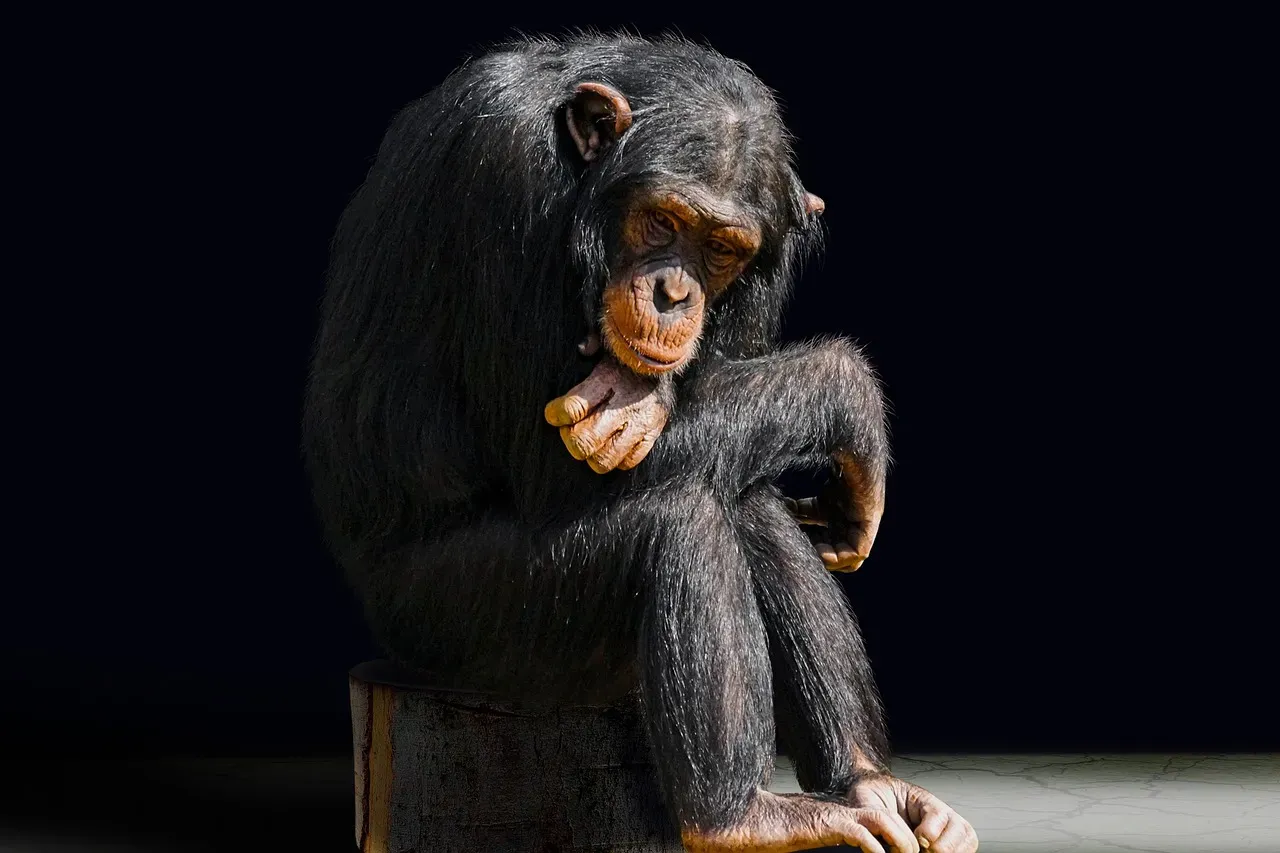
Turns out, the entire scientific study of animal death is younger than the iPhone.
Scientists haven’t yet turned serious attention to the study of what might be called “comparative thanatology” – the study of death and the practices associated with it – perhaps because most humans failed to even entertain the possibility that animals might care about the death of those they love. That single sentence explains why so much of the “evidence” for animal grief still comes from scattered anecdotes rather than controlled studies.
The shift has been fast, though. Comparative thanatology has grown rapidly since 2010, with peer-reviewed studies now documenting death-response behaviors in species as diverse as giraffes, peccaries, and even domestic cats. A field that barely had a name fifteen years ago is now publishing dozens of papers a year. And once researchers finally started looking, elephants gave them the first real shock.
Fast Facts
- The term “comparative thanatology” only gained real scientific traction after 2010
- Early evidence relied almost entirely on scattered anecdotes, not controlled studies
- Newly documented species include giraffes, peccaries, and domestic cats
- The field now produces dozens of peer-reviewed papers every year
#14 – Elephants Investigate Every Dead Elephant, Related or Not
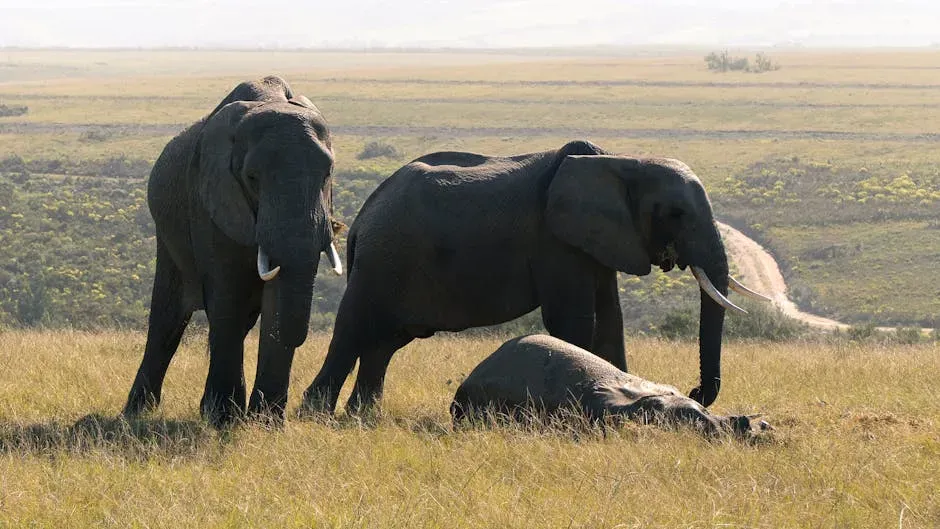
Most people assume elephants only mourn family. Field data says otherwise.
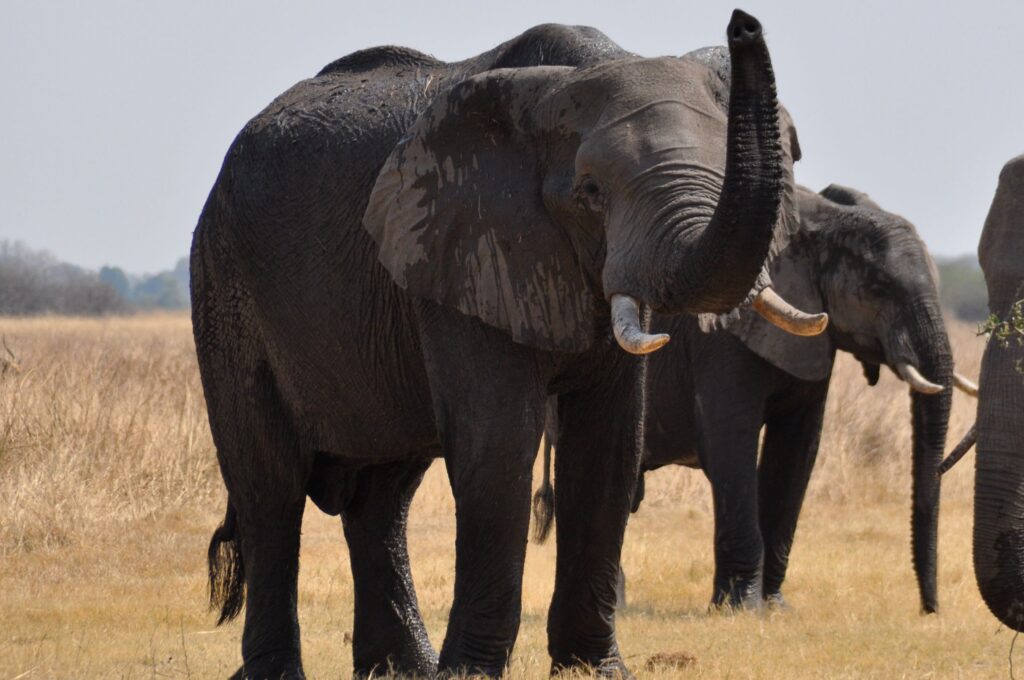
The findings, published in the journal Primates, indicate that elephants exhibit a generalized interest in their dead, even after bodies have long decayed – and even if the elephants studied were not closely bonded to the dead individual. That’s the surprising part – the behavior isn’t reserved for close kin. A herd with zero relationship to the deceased will still stop, investigate, and linger.
Researchers studying 32 separate elephant carcasses across 12 regions of Africa found the same pattern every time. It’s well established that elephants form relationships with other members of the species that last decades, due to their complex social structure, but witnessing their behavior toward elephants they weren’t closely bonded to was still stunning to researchers. If grief required a personal bond, this pattern shouldn’t exist at all – and #13 gets even stranger.
#13 – Elephants Use Smell to “Identify” Their Dead
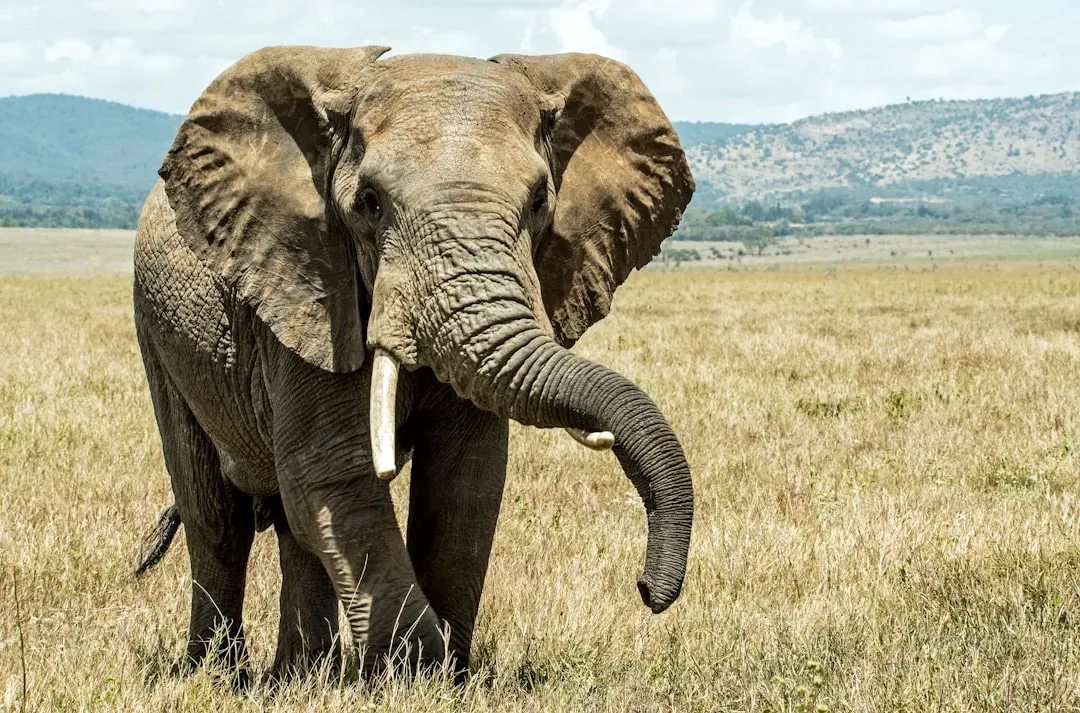
Here’s something most nature documentaries skip: elephants aren’t just looking at a body. They’re smelling it for information.
Elephants appeared to use their advanced sense of smell to identify dead individuals, and they were observed vocalizing and attempting to lift or pull fallen elephants that had just died. That’s not passive curiosity – that’s an animal actively trying to gather data about a companion’s condition, the same way it would investigate a live herd member after a long separation.
One researcher noted the physiological signature of the reaction directly. “The motivations underlying observed behaviors are hard to know, but clearly varied across circumstances and individuals,” said lead researcher Shifra Goldenberg, adding that temporal gland streaming by a young female at her mother’s carcass was “associated with heightened emotion.” Temporal gland streaming is a stress-linked physical response – not something an elephant can fake for the cameras. Chimpanzees, it turns out, take this even further.
#12 – Chimpanzee Mothers Carry Mummified Infants for Months
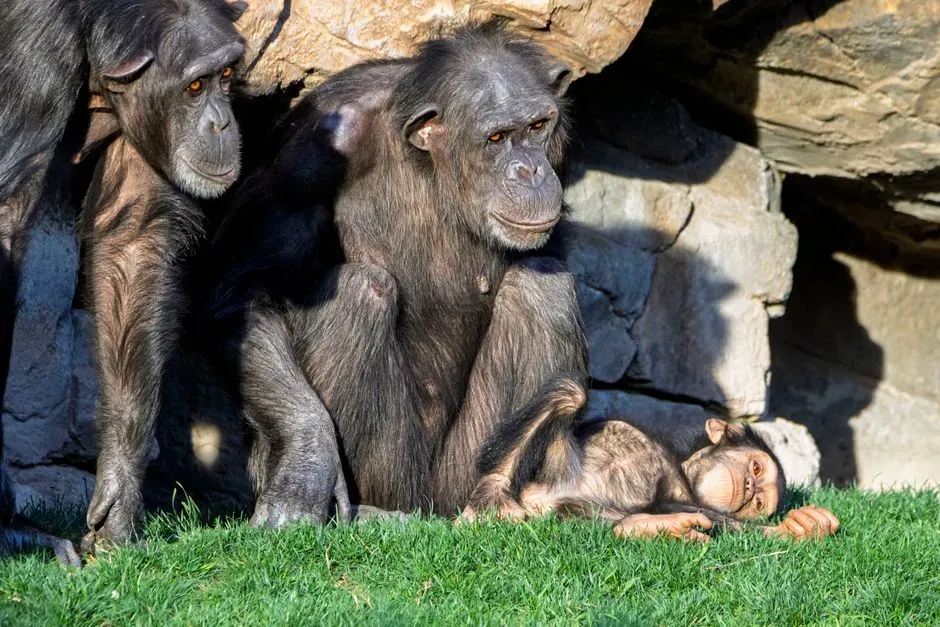
This one unsettles even seasoned researchers. Chimp mothers don’t just mourn briefly – some refuse to let go for months.
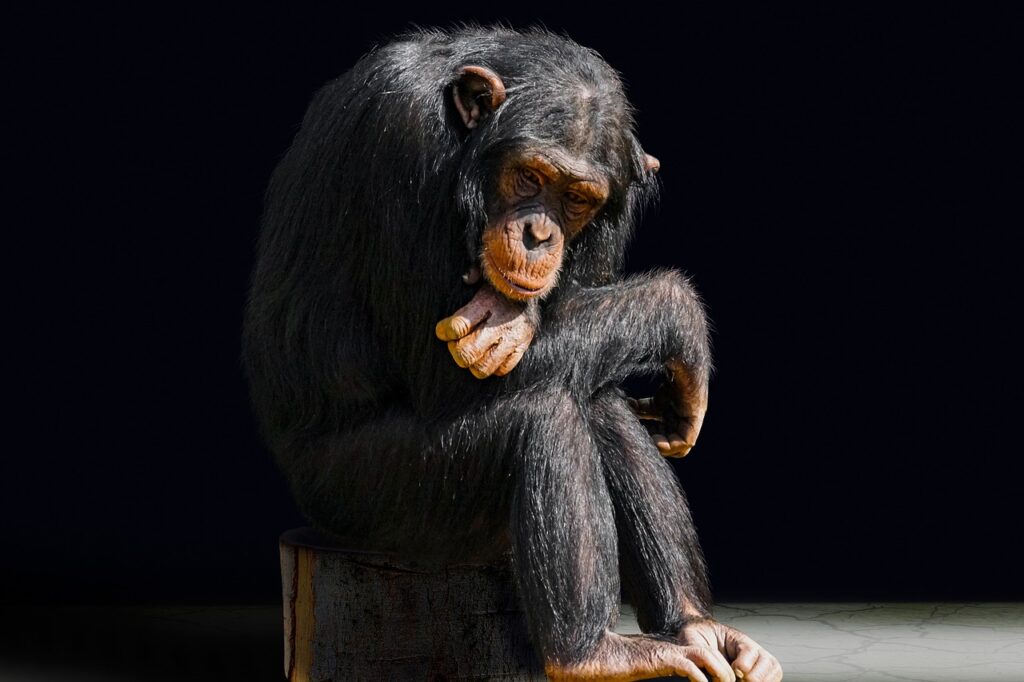
At Bossou, Guinea, a mother chimpanzee named Jire carried her infant’s corpse, mummified in the weeks following death, for at least 27 days, exhibiting extensive care of the body, grooming it regularly, and sharing her nests with it. That wasn’t a one-off. Two mothers, Jire and Vuavua, continued to carry their offspring’s lifeless bodies for 68 and 19 days after death, respectively.
Quick Compare
- Jire (first documented case): carried her infant’s corpse for at least 27 days, grooming it throughout
- Jire and Vuavua (second comparison): carried their infants’ bodies for 68 and 19 days respectively
- Common thread across both mothers: no aversion to decay, continued nest-sharing, and regular grooming
Sixty-eight days. That’s over two months of a mother carrying a decomposing body through daily life, grooming it as if it were still alive. Researchers documented no aversion to the smell of decay, no aggression toward the corpse – just consistent, deliberate care. It’s one of the strongest behavioral parallels to human mourning ever recorded in a wild primate. But not every primate response to loss looks this tender.
#11 – Sometimes “Grief” Looks Like Cannibalism Instead
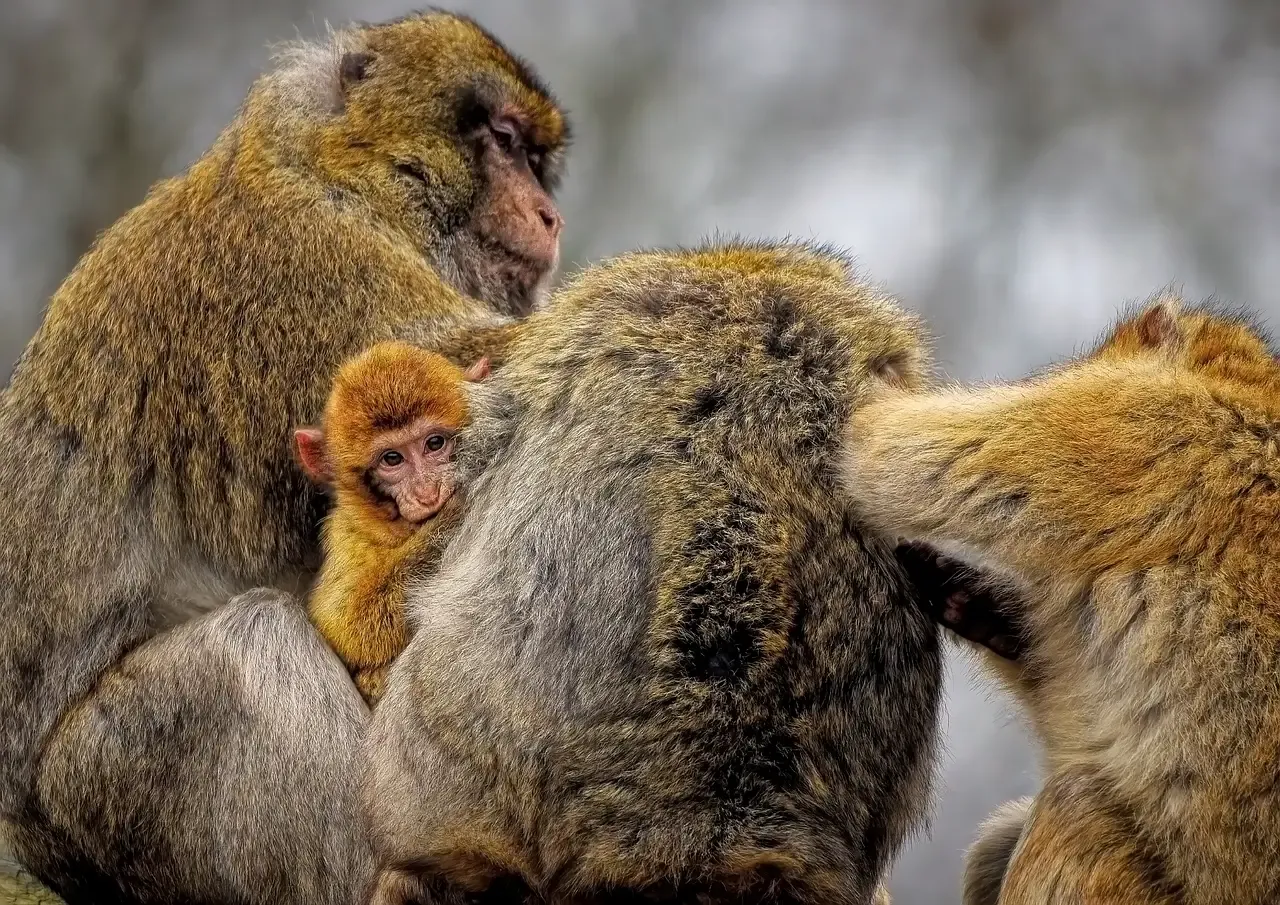
This is the detail that makes the whole debate messier. Not every primate response to death looks like love.
At a Tonkean macaque sanctuary in Italy, a mother named Evalyne “cared” for her deceased infant for weeks, and then consumed its mummified body until nothing but a single bone remained. Primatologist Frans de Waal, who wasn’t involved in the study, called the behavior stunning.
“The new part here is the cannibalism… macaques do not normally eat each other.”
Frans de Waal
Chimps show a darker variant too. Chimpanzees have been reported to treat corpses violently and even cannibalize the bodies of dead infants after snatching them away from grieving mothers. Scientists genuinely don’t know if this reflects a total absence of grief, a corrupted grief response, or simple confusion about whether the infant is truly dead. It’s one of the most uncomfortable open questions in the field – and it’s nothing compared to what one orca did to change public opinion entirely.
#10 – Orcas Carry Dead Calves for Weeks in “Tours of Grief”
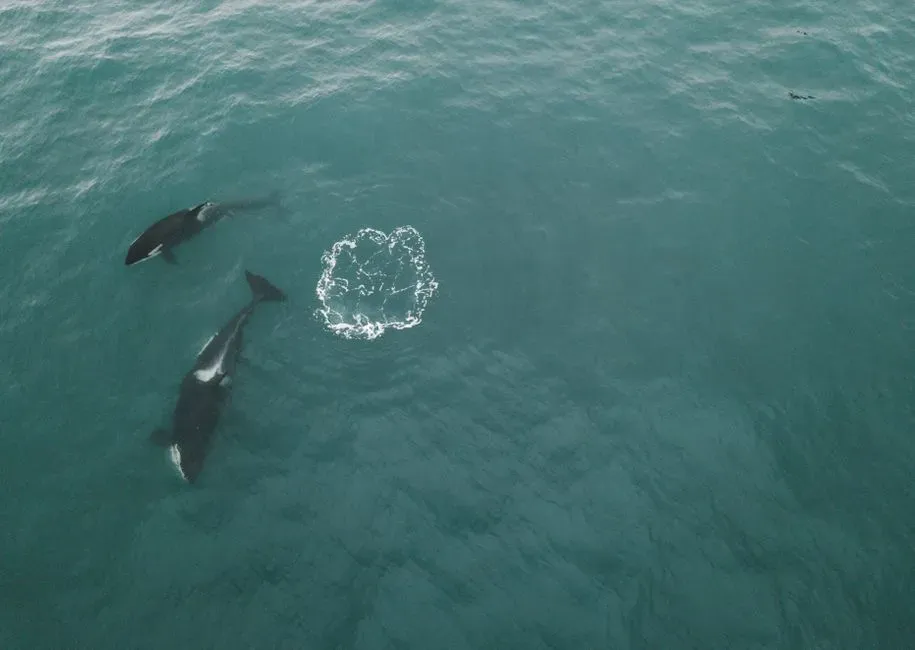
If one animal single-handedly changed public opinion on this topic, it’s an orca named Tahlequah.
In 2018, news of Tahlequah, known to scientists as J35, carrying her dead infant through the icy waters of the Salish Sea captured global attention as she persisted for 17 days before finally dropping the dead calf – one of the most protracted displays of marine mammal grieving ever recorded. A killer whale biologist watching it unfold said flatly: “You cannot interpret it any other way. This is an animal that is grieving for its dead baby.”
She did it again years later. Researchers confirmed Tahlequah was again carrying the body of a newborn calf, pushing it with her snout, after having already lost two of her four documented calves. A wild animal repeating that exact prolonged mourning behavior, years apart, forces a harder question scientists still can’t answer.
#9 – Scientists Admit They Can’t Actually Confirm the Emotion
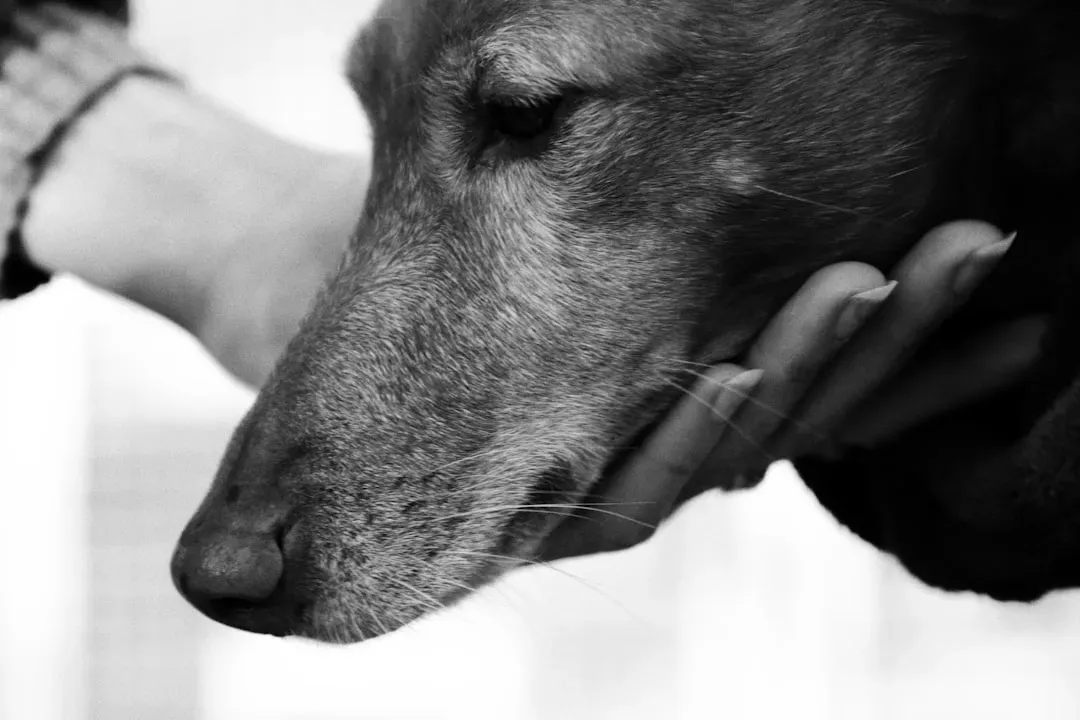
Here’s the sentence that should reframe this entire article: even the researchers who believe in animal grief admit they can’t prove it.
Scientists can document that a mother orca carries her dead calf for 17 days or that an elephant returns to touch a relative’s bones. What they can’t do, at least not yet, is confirm the internal emotional experience driving those actions. That gap between observed behavior and internal experience is the entire reason this debate hasn’t been resolved.
As one researcher put it bluntly regarding elephants: “only an elephant can say that it’s grieving.” No brain scan, no hormone panel, and no behavioral checklist can cross that final gap between “looks like grief” and “is grief.” Scientists are stuck interpreting outward signs – and some of them think those signs might mean something colder than sorrow.
#8 – Grief Might Actually Be a Survival Strategy, Not Pure Emotion
Here’s an opinion that upsets people who want animal grief to be purely emotional: some scientists think it’s mostly functional.
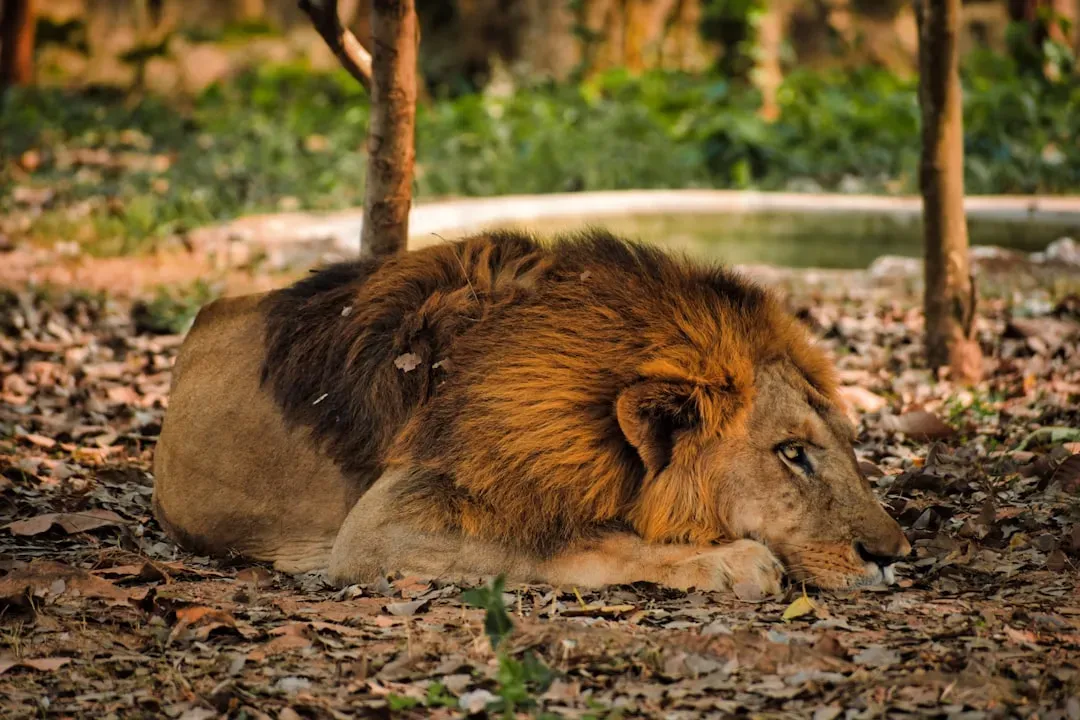
Some researchers support the idea that grief is valuable for survival, pointing to baboons that become listless after a relative’s death and subsequently receive increased rates of grooming by other troop members. In other words, looking depressed might be a signal that recruits social support – not necessarily proof of sorrow.
One researcher explained the mechanism this way: reduced activity after a loss is “probably… a way to save energy, attract the attention of your companions, and at the same time create a new network” to replace the lost relationship. That’s a colder, more evolutionary read on grief than most people want to hear – but it doesn’t rule out real emotional pain. It just means the pain might also be doing a job, and the bloodwork tells its own story.
#7 – Hormone Data Proves the Stress Is Real, Even If the “Emotion” Is Debated
Whatever you call it, the biology doesn’t lie. Losing a companion measurably changes an animal’s body chemistry.
A study by Girard-Buttoz and colleagues reported elevated cortisol levels in infant chimpanzees who lost their mothers, supporting the notion that disruption of the mother-infant bond leads to elevated stress. Cortisol is the same stress hormone doctors measure in grieving humans. That’s not anecdote – that’s bloodwork.
Worth Knowing
- Infant chimpanzees who lost their mothers showed measurably elevated cortisol levels
- Female baboons show high glucocorticoid spikes after losing an ally to predation
- The same hormone spikes occur during periods of infanticidal attacks on baboon troops
- Cortisol is the identical stress hormone doctors track in grieving humans
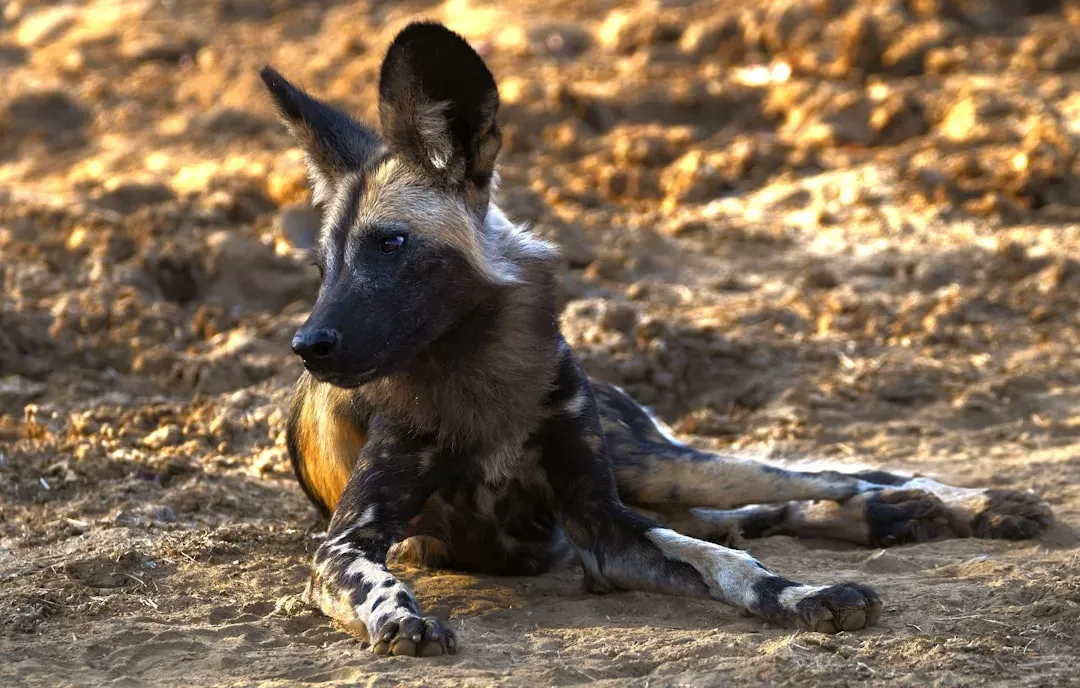
The same pattern shows up in a completely different species. Female baboons experience high levels of glucocorticoids when losing an ally to predation and during periods of infanticidal attacks. You can debate whether an animal “feels sad” in a human sense, but you can’t easily debate a documented hormone spike – and it turns out this pattern shows up in far more animals than anyone expected.
#6 – Dozens of Species Do This, From Ants to Giraffes
Most people think of elephants and stop there. Actually, the list is far longer and stranger.
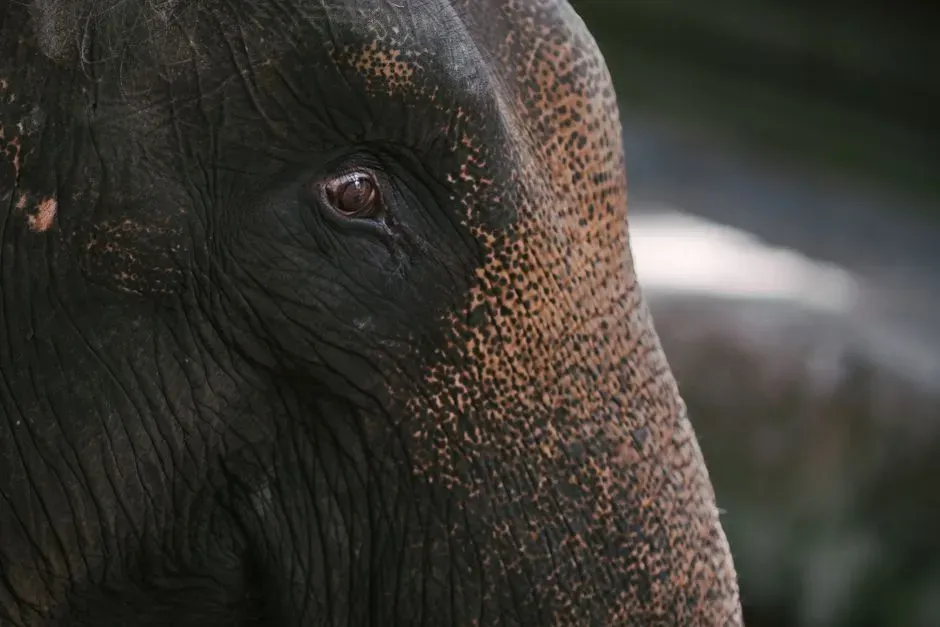
Elephants, chimpanzees, orcas, dolphins, corvids like crows and magpies, gorillas, giraffes, dogs, and cats have all been documented engaging in prolonged, emotionally charged responses to dead companions. Crows take it a step further, forming what researchers call “cacophonous aggregations” – mobbing and squawking in a big group – in response to another dead crow.
At a Glance
- Elephants, chimpanzees, orcas, dolphins, and gorillas: prolonged, emotionally charged responses to dead companions
- Corvids (crows, magpies): form “cacophonous aggregations” around a dead flock member
- Peccaries (wild pigs): filmed repeatedly nuzzling and biting at a dead herd-mate’s body
- Ants: remove their dead from the colony – not called grief, but labeled death recognition
Even wild pigs get in on it. A young boy’s video footage captured peccaries visiting a dead herd-mate’s body repeatedly, nuzzling it and biting at it, as well as sleeping next to it. And at the smallest end of the scale, some ants remove their dead from the colony – a behavior scientists don’t call grief, but do call death recognition. The idea that death awareness is a uniquely mammalian trait is quietly falling apart – and elephants just proved it in the most literal way possible.
#5 – Elephants Have Been Filmed “Burying” Their Dead
This one is recent enough that most people have never heard of it – and it shocked researchers who thought they’d seen everything.
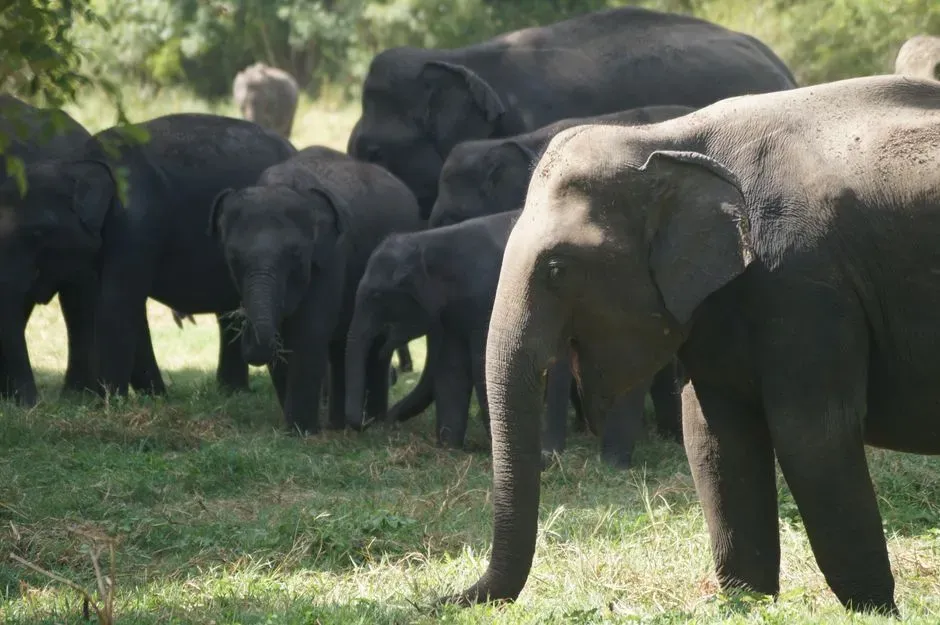
When a family of Asian elephants in northern India gathered around a ditch on a tea plantation and began packing soil over the body of a deceased calf, they were doing something that, until recently, no scientist had formally documented – they were burying their dead. Footage of the behavior was captured in 2022 and 2023.
The reaction inside the scientific community was immediate. The footage, published in the Journal of Threatened Taxa in 2024, stopped the scientific world in its tracks – grief in animals was nothing new, but scientists were surprised to find that it looked startlingly like a funeral. This is the kind of finding that quietly rewrites textbooks. But it’s not the only group of overlooked mourners in this story.
#4 – The People Who Care for Lab and Zoo Animals Grieve Too, and Almost Nobody Studies It
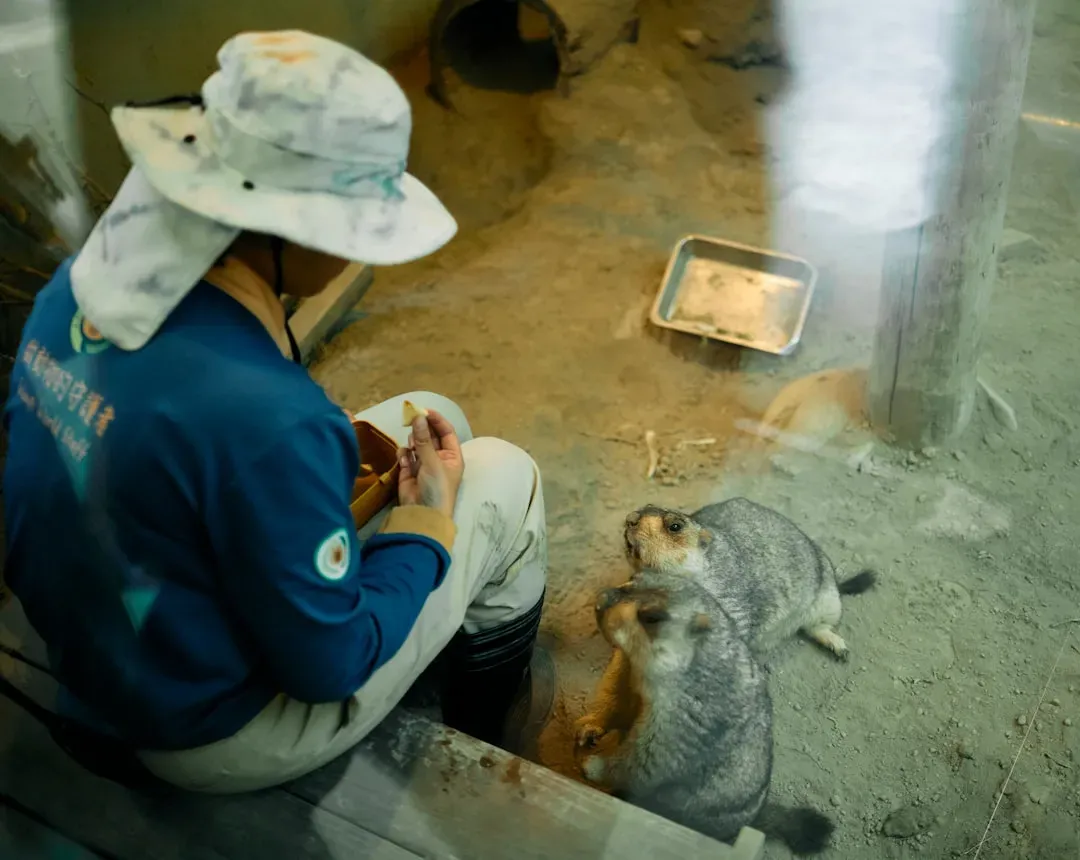
Here’s a blind spot most articles about animal grief completely ignore: the humans standing next to the animals.
Researchers studying animal-related grief have made observations about grief felt by various professionals who work with captive animals, including laboratory workers, researchers, and zoo workers. These aren’t casual observers – it’s evident that many people working in these facilities develop significant emotional connections to the animals, and that there is grief included when the animals suffer, die, or are transferred.
Scholars studying this openly admit the topic has been neglected. Scholars argue that this grief needs more attention, and researchers agree, but because of the complexity of these matters, most of it is left for future research. That’s a startling admission – the emotional toll on the humans closest to these animals is barely studied, even as the animals’ own emotions get increasing scientific attention. And neither, it turns out, is what animals actually understand about death itself.
#3 – Most Scientists Still Believe True “Understanding of Death” Is Rare
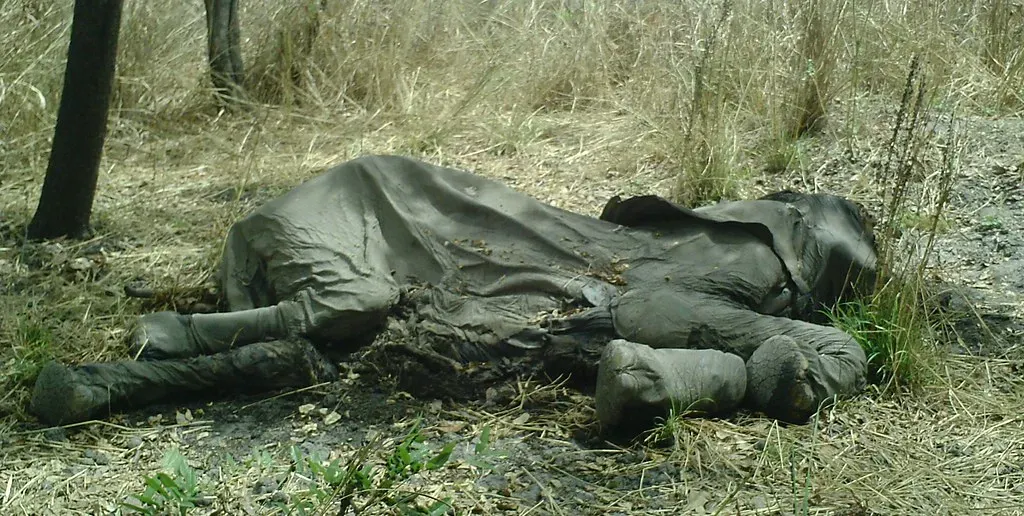
Here’s the opinion that separates cautious researchers from bold ones: even believers in animal grief mostly don’t think animals understand death the way humans do.
Most researchers in the field assume that a true concept of death – understanding that death is irreversible, universal, and involves the cessation of all body functions – is cognitively demanding and likely rare outside of humans. That’s a major caveat buried inside almost every paper on this topic, and it rarely makes headlines.
Even scientists deeply embedded in elephant research draw this line carefully. One researcher who filmed elephants investigating a matriarch’s carcass stopped short of diagnosing grief, noting that to know that is to know what animals are thinking. This is the actual scientific consensus – grief-like behavior, yes; full comprehension of mortality, almost certainly not. Yet the journals publishing this research have changed dramatically.
#2 – Top Journals Now Publish What Used to Get Rejected

Here’s the quiet revolution nobody outside academia noticed: the papers that used to get laughed out of peer review are now landing in prestigious journals.
Something remarkable happened in recent years – research in evolutionary biology, cognitive biology and social neuroscience now supports the view that many diverse animals have rich and deep emotional lives, and scientists now recognize that dismissing animal emotions entirely might be just as problematic as over-interpreting them. That’s a complete reversal from the field’s founding assumptions.
Researchers who spent careers documenting these behaviors have publicly changed their minds. After two years of research for a book on how animals grieve, one longtime skeptic concluded that cetaceans, great apes, elephants, and a host of other species ranging from farm animals to domestic pets may, depending on circumstances, grieve when a relative or close friend dies. Publishing that sentence would have ended a career forty years ago – which brings us to the confession nobody puts in writing.
#1 – Privately, Many Scientists Already Believe. Publicly, They Still Hedge.
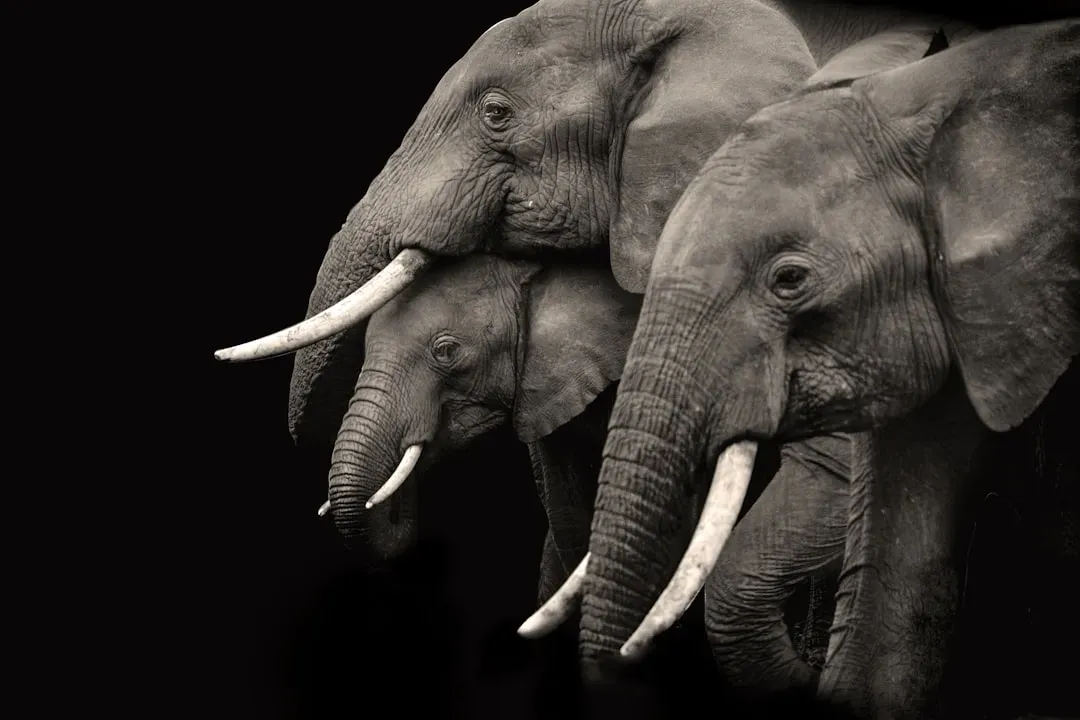
This is the one nobody says out loud in a paper, but almost every field researcher will admit over drinks: they already believe the animals are grieving.
Barbara King, who has spent her career studying this exact question, doesn’t hedge at all.
“I have no doubt that elephants grieve. We know these are smart and emotional creatures. We don’t need to know what they are thinking. With grief, we have to know that the survivor’s behavior is significantly altered from normal baseline.”
Barbara King
Yet even researchers who film these moments firsthand still add a caveat for the record. One elephant researcher watching a family’s reaction to a matriarch’s death described the behavior as “striking behavior – not based on survival or necessity, but based on some sort of emotion” that “speaks to the deeper emotional lives of elephants that we can’t easily study,” while still declining to officially call it grief. That gap between what a scientist believes and what a scientist will publish is the real secret of this entire field.
The Bottom Line
The evidence is louder than the caution around it. Chimp mothers carry mummified infants for 68 days. Orcas repeat 17-day “tours of grief” across separate years. Elephants bury their calves and return to bones for decades. Hormone panels back it up, and top journals now publish what used to get rejected outright.
The only thing still missing is a scientist willing to drop the hedge word “apparent” in front of “grief.” Based on the data alone, that reluctance says more about scientific caution than about what animals actually feel. Do you think researchers are still too afraid to just say it plainly? Tell us which animal story convinced you first.