
Imagine watching a crow tilt its head and feeling, without even thinking, that it looks suspicious or curious. You know, logically, that the bird does not share your inner monologue, but your brain still reacts as if it does. That flash of recognition is not a bug; it is your social brain doing exactly what it evolved to do: detect minds, intentions and emotions, even when it overshoots the mark.
For years, people were told that treating animals “like humans” is a naive mistake, a kind of sentimental error. But modern psychology and neuroscience paint a more nuanced picture. Our tendency to anthropomorphise is tightly wired into the same machinery that lets us raise children, navigate friendships and not get killed by unpredictable others. Turning it off is possible, but it is not free. It demands attention, effort and emotional distance, which is why most of us slip back into saying things like “my cat is mad at me” without even noticing.
The Social Brain Is a Mind-Detector, Not a Cold Calculator
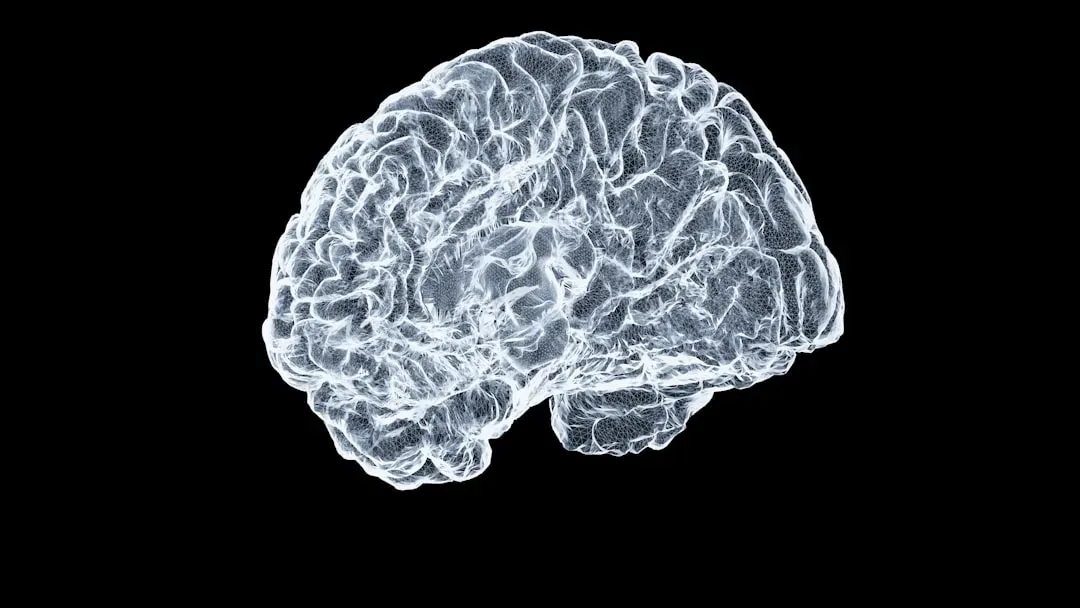
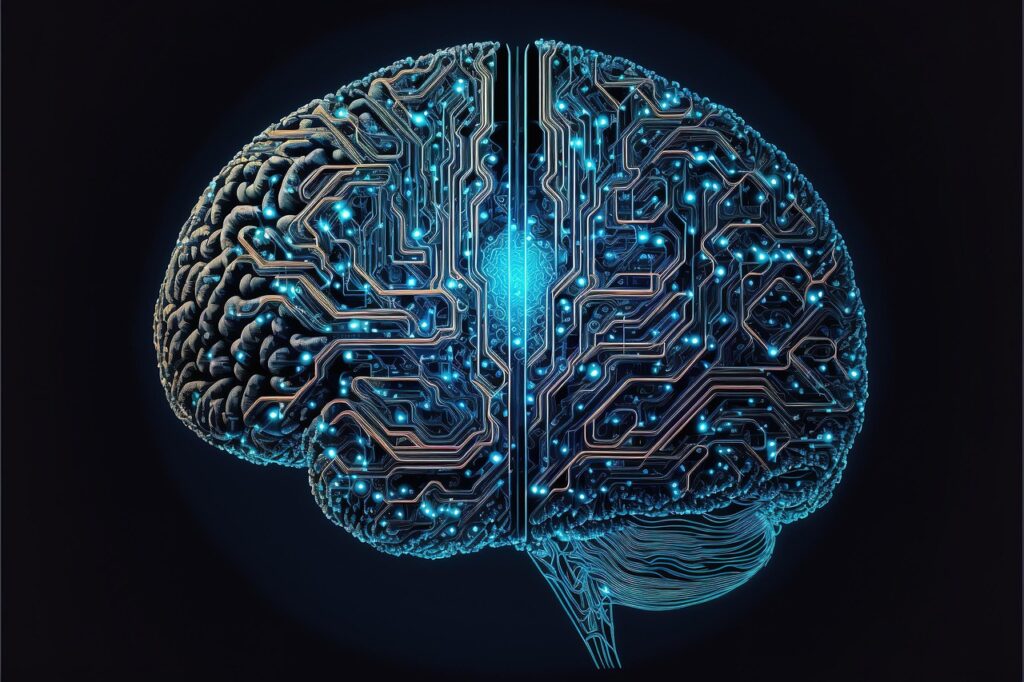
When psychologists talk about the “social brain,” they are referring to a network of regions that help us read faces, guess intentions and track social rules. This system did not evolve to be cautious, reserved or philosophically precise. It evolved to be fast and biased toward seeing agency wherever there might be a mind that can help or hurt us. From an evolutionary point of view, falsely seeing a mind is usually safer than missing a real one.
That same system cannot simply switch off when we look at animals, robots or even cartoon characters. The moment we see eyes, movement that looks goal-directed or expressions that rhyme with human emotions, our mind-detector lights up. It is like a smoke alarm: it is designed to go off quickly, even if that means the occasional false alarm. Anthropomorphism is one of those alarms, and calling it an “error” misses that it is actually the default operating mode of the social brain.
Anthropomorphism Runs on the Same Circuitry as Empathy
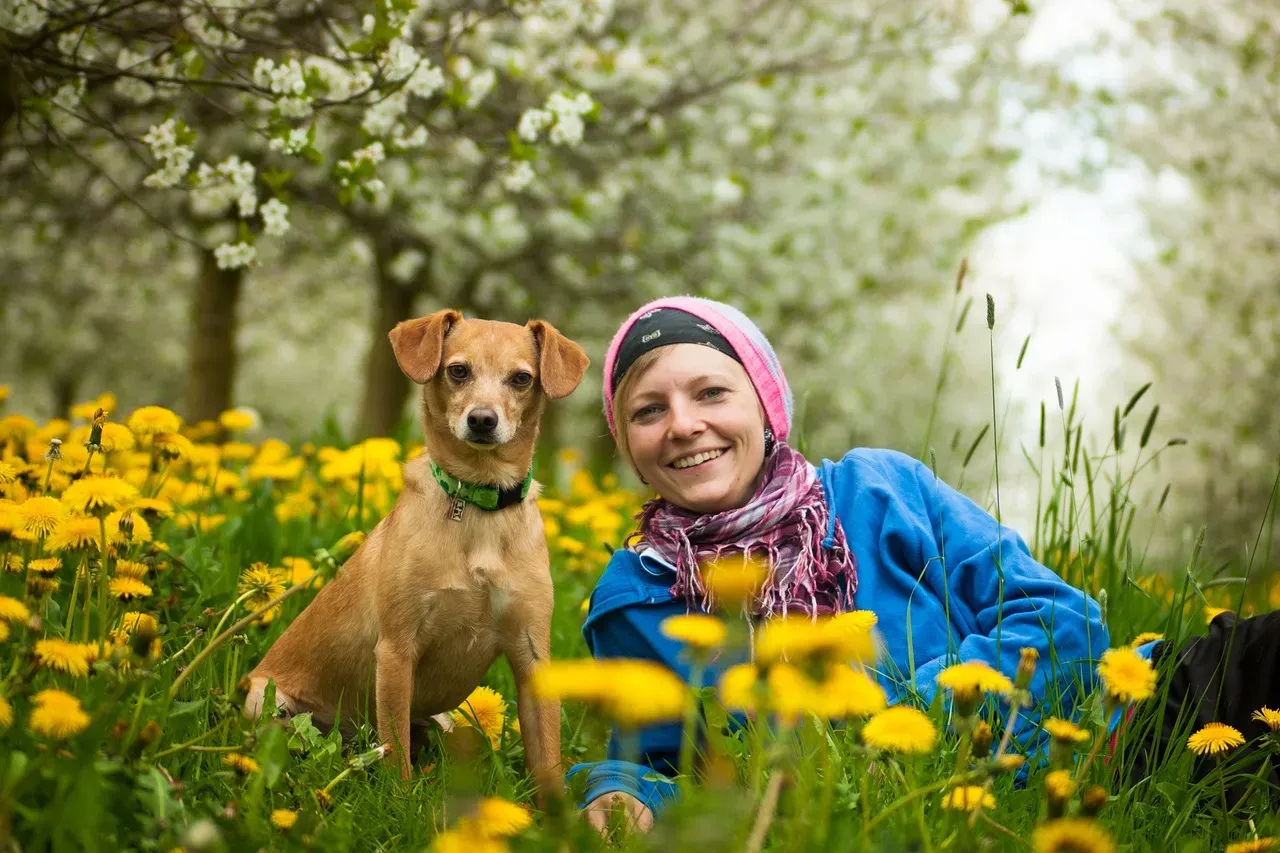
When you feel like a dog looks guilty after chewing a shoe, the brain regions involved in understanding other people’s minds often activate in a similar way. These areas help you empathise with a friend who looks upset, and they help you imagine that your dog “knows” it did something wrong. The system does not stop and ask whether this creature has human-level self-awareness; it just runs its usual playbook.
This overlap is why the line between empathy and anthropomorphism can feel blurry. To care for others, your brain has to simulate what they might feel, and it is much easier to simulate another being if you project parts of your own emotional world onto them. In everyday life, this blurring is often adaptive: it helps people treat animals more gently and notice signs of distress. The trade-off is that we may sometimes overread or misread, but the underlying engine is the same social machinery that makes compassion possible.
Seeing Minds Everywhere Was Once a Survival Advantage
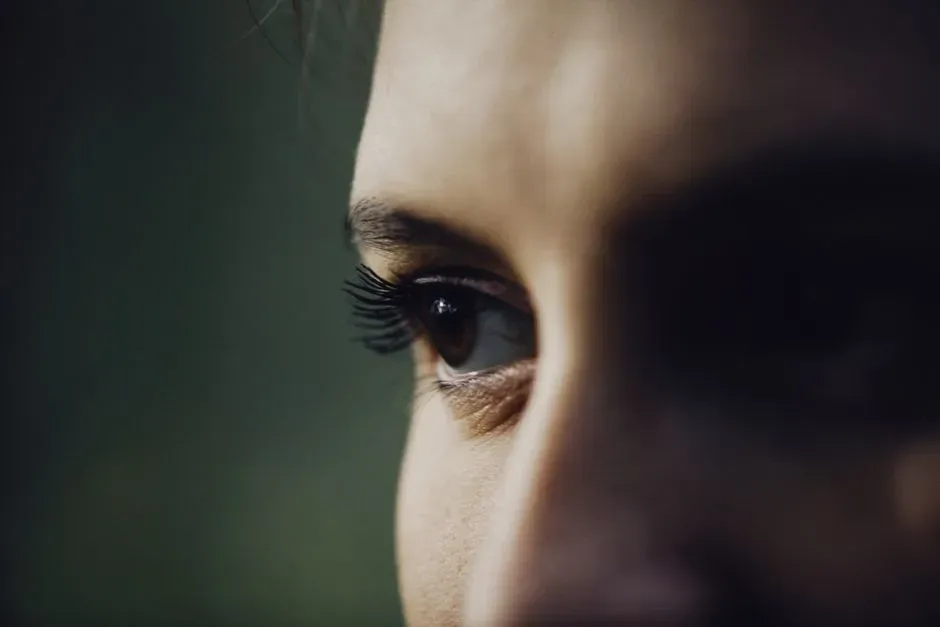
From a survival perspective, your ancestors could not afford to be neutral about ambiguous movement in the bushes or a shadow at dusk. If they assumed agency and were wrong, they wasted a little energy. If they dismissed a real predator or hostile human as “just the wind,” the cost could be fatal. Over many generations, a bias toward seeing intention, purpose and mind in the environment paid off.
That ancient bias did not come with a filter that says “only apply this to humans.” So we still get the reflex to assume that an animal is plotting, sulking or celebrating. In modern life, this can look a bit silly when we talk about a robot vacuum being “lazy” or a goldfish being “bored,” but the deeper pattern is perfectly consistent with how a hyper-social species survives: err on the side of minds, not on the side of empty objects.
Suppressing Anthropomorphism Burns Cognitive Energy

Stopping yourself from anthropomorphising is not as simple as deciding to be more “rational.” You have to override an automatic, emotionally loaded interpretation with a slower, more abstract one. That override costs mental resources: attention, working memory and self-control. Anyone who has tried to speak in dry, mechanical language about a beloved pet for a long time knows how quickly it starts to feel awkward and draining.
In cognitive terms, this is the difference between the brain’s fast, intuitive mode and its slower, effortful mode. The fast mode generates anthropomorphic impressions almost instantly: the dog looks sad, the cat looks offended, the horse “wants” to win. The slower mode can step in and say, “What I am actually seeing is a pattern of behaviour shaped by training and biology,” but keeping that stance active is tiring. Over an ordinary day, most people naturally fall back to the easy, social interpretation because it simply feels more fluent and less exhausting.
Language Locks In the Illusion of Shared Inner Worlds

Even when we know better, the language we use reinforces anthropomorphic thinking. Phrases like “he thinks,” “she wants” and “they are trying to” are built into how we describe any agent, and that includes animals. Talking about a dog as “hoping you will take him out” or a cat as “deciding to ignore you” feels natural because the grammar of intention is baked into everyday speech.
Trying to replace those phrases with more neutral descriptions quickly becomes clumsy. Saying “the dog’s behaviour is shaped by prior reinforcement history” is technically more accurate, but it strips away the interpersonal flavour that our brains lean on to make sense of social life. Over time, this habit of language does more than describe what we see; it feeds back into perception, pulling animals further into the circle of beings who seem to share our inner world.
Attachment, Loneliness and the Need for Relationship Fuel the Effect

People tend to anthropomorphise most when they are emotionally attached or socially hungry. Someone who lives alone may feel that their cat “understands them” or that their dog is their “best friend,” not just in a poetic way but in how they genuinely experience the relationship. The social brain is wired to fill relational gaps, and animals become powerful partners in that emotional economy.
This is not simply wishful thinking; it reflects how humans regulate stress and feel connected. Treating an animal as a kind of person, even if we know intellectually that it is not human, can calm the nervous system, lower feelings of isolation and provide a sense of being seen. That emotional payoff makes it even harder to maintain a cold, purely biological view. Pushing against that tendency can feel like rejecting comfort in favour of sterile accuracy, which is why few people choose it outside of strictly professional contexts.
Science Itself Moves Between Distance and Intimacy
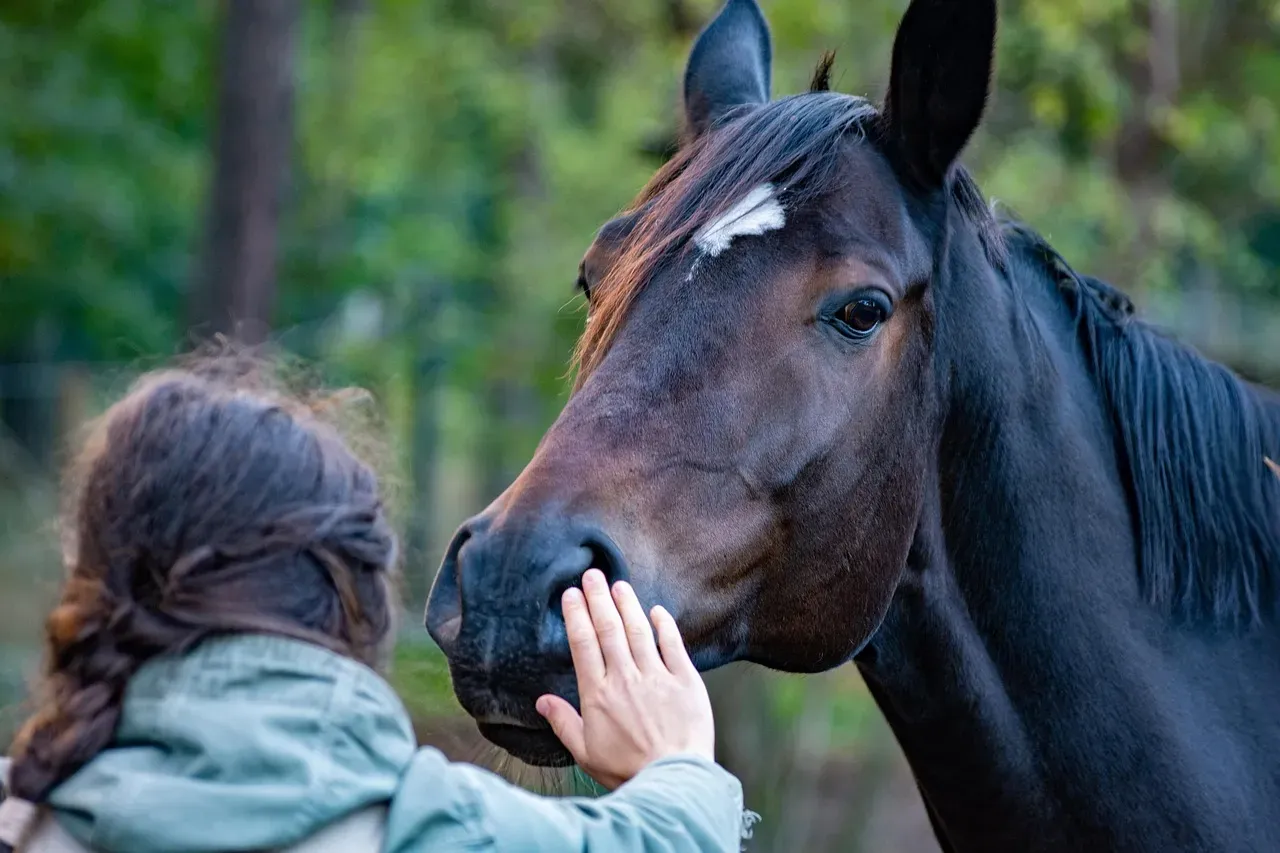
Interestingly, even animal researchers often describe a tug-of-war between their scientific training and their intuitive, relational responses. In the lab or in the field, they may rigorously avoid human-like terms to keep their theories clean and their measurements precise. But outside the formal write-up, many admit that it is almost impossible not to feel that certain animals have distinct personalities or moods, especially after long-term observation.
This back-and-forth shows that anthropomorphism is not simply ignorance that disappears with education. It persists even in people who spend years studying behaviour, cognition and neurobiology. The difference is that they learn to add a second layer: a disciplined awareness that their impressions are shaped by human social templates. They do not necessarily kill their instinct to see minds; they learn to bracket it when the work demands a more cautious interpretation.
Anthropomorphism Can Mislead, But It Also Motivates Care
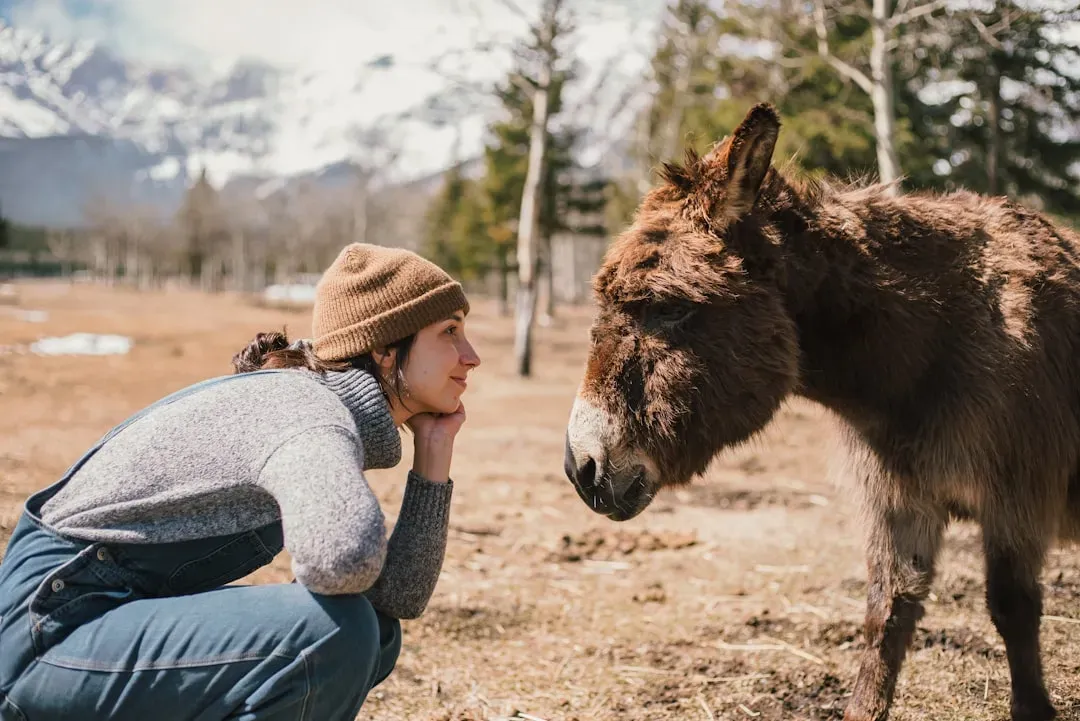
It is important to admit that anthropomorphism sometimes causes real confusion. Assuming a dog feels “guilty” might make an owner misinterpret fear or submission as moral understanding. Treating wild animals like friendly humans can put both the animals and the people in danger. In extreme cases, projecting human motives onto nonhuman behaviour can lead to poor decisions in conservation, training or welfare.
At the same time, seeing animals as quasi-persons often motivates people to protect them. Many individuals are moved to donate, adopt or advocate for better treatment not because they have read technical papers, but because they sense something subjectively “someone-like” in an animal’s eyes or behaviour. The same social brain that blurs the line between human and nonhuman can, in practice, pull more creatures into the circle of moral concern. That moral expansion is not perfect or always accurate, but it is a powerful social force rather than a trivial mistake.
Why We Cannot – and Probably Should Not – Fully Turn It Off
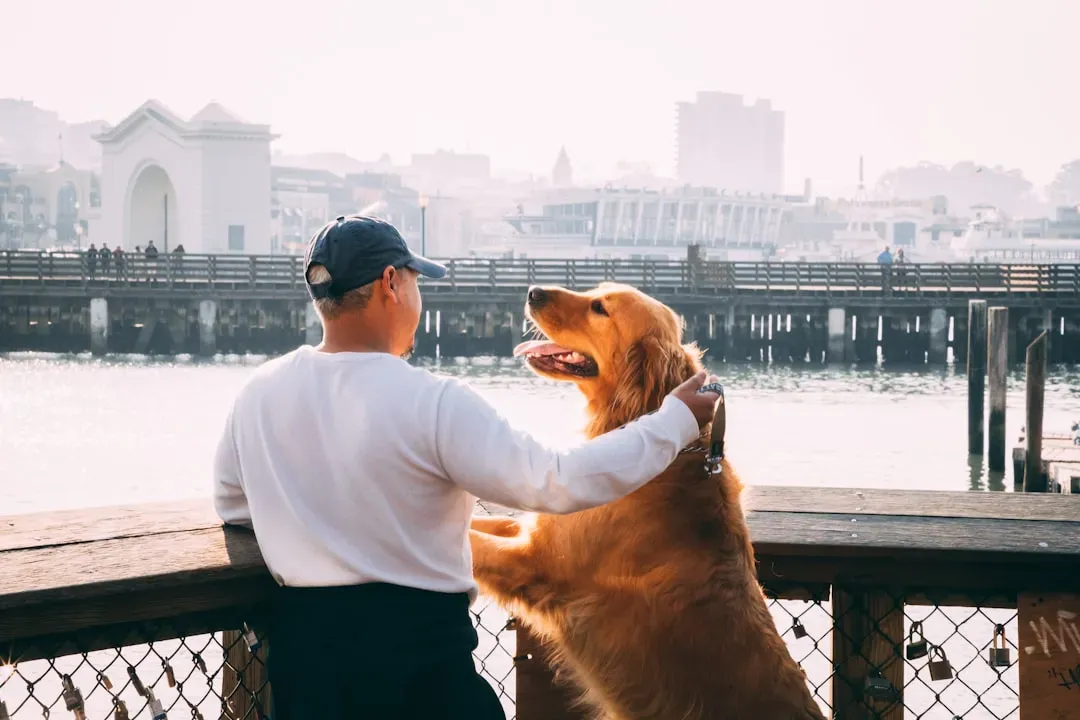
The idea that anthropomorphism is merely a cognitive error implies that we should strive to eliminate it, as if a fully de-anthropomorphised view of animals would be more enlightened. But if this tendency rides on the same circuits that support empathy, attachment and everyday mind-reading, then trying to shut it down entirely risks dulling those capacities too. You cannot easily numb your projections toward animals without, at least to some degree, numbing the fast, intuitive systems that let you feel with other humans.
A more realistic and humane goal is not to crush anthropomorphism, but to hold it with awareness. We can admit that our brains are running a social script that sometimes overreaches, while still allowing ourselves to feel the emotional pull of other creatures. In my view, the real error is not that we see too much mind in animals; it is pretending that our social brain can or should behave like a detached computer. Instead of shaming ourselves for saying “my dog loves me,” we might ask a sharper question: how can we honour both the science and the deep, messy, energy-hungry humanity of the way our brains are built? Did you expect that the most “irrational” part of this story might also be the one that makes us capable of caring at all?