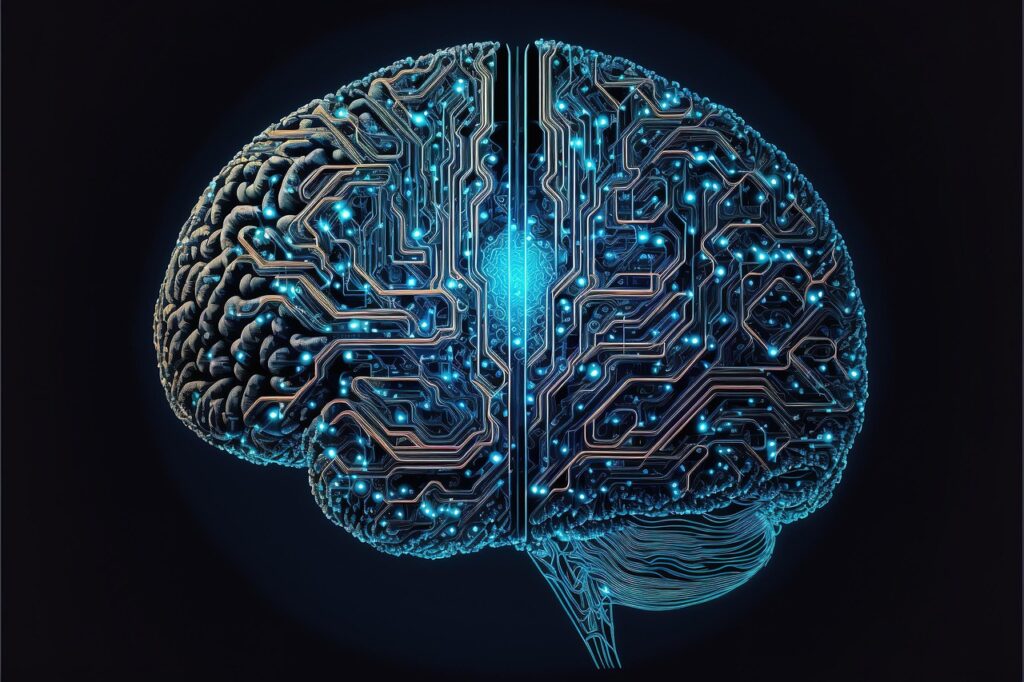

Imagine waking up one morning and realizing that you have never actually seen, heard, or felt the world as it truly is – only your brain’s best guess of it. That sounds like science fiction, but a growing wave of neuroscientists argue this is exactly how your mind works every second of your life. According to predictive processing theory, your brain is less like a camera recording reality and more like a high‑speed game engine, continuously rendering a simulated world and quietly correcting itself when something does not fit.
This idea is both unsettling and liberating. If your experience is a kind of controlled hallucination kept in check by sensory input, then perception becomes an active, creative process rather than a passive one. In the following sections, we will unpack what that means, how it fits with modern neuroscience, why it might explain everything from optical illusions to anxiety, and what it suggests about free will and who you really are.
Your Brain Is Not a Camera, It Is a Prediction Machine
Most of us grow up with a simple story: light hits your eyes, sound hits your ears, signals travel to your brain, and your mind just “plays back” what is out there. Predictive processing turns this on its head. It claims your brain is constantly guessing what is going on in the world and using incoming signals merely to update or correct those guesses when they are wrong enough to matter.
A helpful analogy is your smartphone’s keyboard suggestions. It predicts the next word you will type, and you usually accept it because it is close enough. Your brain does something similar but on a vastly larger scale and at incredible speed, predicting everything from where your hand will be when you reach for a cup to what a friend’s face should look like as they turn toward you. Sensory data is not the star of the show; it is more like the feedback form your brain glances at to see if its internal model still holds up.
The Bayesian Brain: How Your Mind Bets on Reality
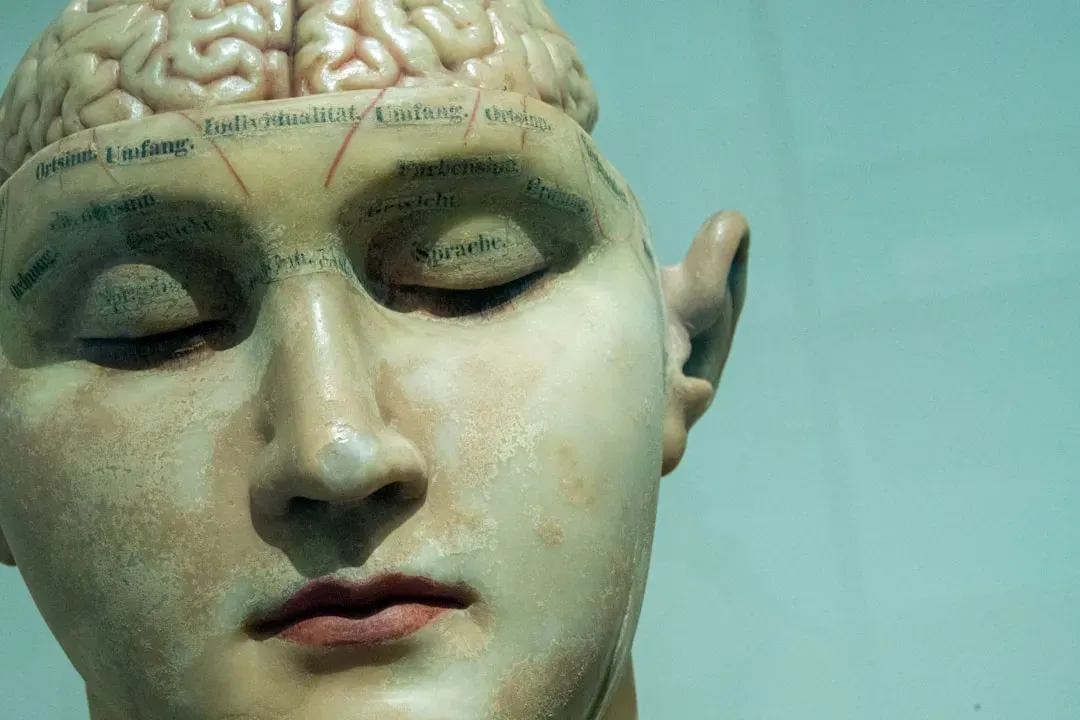
Under the hood, predictive processing lines up with a mathematical idea known as Bayesian inference, where you combine prior beliefs with new evidence to update your best guess. Your brain is thought to behave like a Bayesian engine, starting with expectations built from past experience and then adjusting them in light of incoming sensory information. The result is your felt experience of the world – fast, fluid, and surprisingly stable.
Think about walking into your kitchen in the dark. You “know” where the table is before you see it, and your brain fills in the rest with minimal visual input. Only when your shin hits something that should not be there does your model update with a painful jolt. In that moment, what changed was not just your understanding of the room; your whole prediction about the layout of your home was quietly rewritten so the next time, your steps will better match reality.
Prediction Errors: The Glitches That Force an Update
If the brain is a prediction machine, then prediction errors are the glitches that force it to revise its simulation. A prediction error is the difference between what the brain expected and what the senses report actually happened. Most of the time, these errors are small and get resolved in the background, so you never notice anything strange.
However, when the mismatch is big, the simulation “breaks,” and you feel surprise, confusion, or even awe. That can be as simple as missing a step on the stairs you thought was there or as profound as seeing a magic trick that violates your expectations about how objects should behave. In predictive processing terms, these moments of shock are your brain scrambling to find a new model that can accommodate the unexpected event while still making sense of everything else you have already learned.
Why Illusions and Hallucinations Make More Sense Under This Theory
Many visual illusions suddenly become less mysterious if you stop thinking of perception as a direct window on the world. When you see lines that look crooked but are actually straight, or hear words in random noise once someone suggests a phrase, you are witnessing your brain’s predictions hijacking your experience. The illusion is not a failure of perception; it is a glimpse of the predictive machinery that usually runs invisibly behind the scenes.
Hallucinations can be understood as the brain’s predictions running too hot compared to the incoming data. Instead of letting sensory input correct its internal story, the brain leans heavily on its expectations and effectively overwrites weak or ambiguous signals. This framing does not magically solve mental illness, but it offers a structured way to think about why certain brains might cling more tightly to prior beliefs, even when the world is trying to tell a different story.
From Senses to Self: How Prediction Shapes Who You Think You Are
Predictive processing does not stop at noise and light; it likely extends deep into how you experience your own body and identity. Your sense of having a solid, continuous self can be seen as another high‑level prediction, trying to stitch together a messy stream of thoughts, memories, and bodily sensations into a coherent narrative. The brain predicts what “I” should feel like, and then prunes or reshapes incoming signals so they fit that pattern.
This helps explain why people can have powerful experiences of body ownership that defy common sense, like feeling that a rubber hand is their own when vision and touch are cleverly coordinated. In those experiments, the brain is so committed to its model of “a single body that I control” that it will recruit whatever information is available to preserve that model. Your self is not simply discovered; it is actively maintained as a prediction that has been working well enough for most of your life.
On a more personal note, I have noticed that when I am stressed or exhausted, I cling harder to familiar stories about myself – the competent one, the anxious one, the problem‑solver – even when my actions in that moment clearly contradict them. Seen through the predictive lens, that stubbornness feels less like a moral failing and more like my brain trying to protect a long‑standing model from being torn apart too quickly. It does not mean the model is accurate, only that it has been “good enough” for long enough to resist change.
Emotions as Predictions About What Matters Next

Emotions, too, can be framed as predictions, not just reactions. In this view, feelings are your brain’s way of forecasting what is about to matter for your body and behavior: threat, opportunity, loss, reward. Anxiety might be your brain predicting that something will go wrong and priming your system for danger, while excitement may be the same arousal interpreted under a more optimistic model of what is coming.
Think of emotions as the color filters your brain applies to the simulation to guide action quickly. Instead of carefully analyzing every situation from scratch, your nervous system leans on emotional predictions based on past patterns: this kind of tone of voice has led to conflict before, this kind of silence has signaled rejection, this setting has meant safety. That explains why your gut can be both life‑savingly accurate and wildly off base, depending on how well your past experiences match your current reality.
When Predictions Go Wrong: Anxiety, Depression, and Other Misfires

If perception and emotion are driven by prediction, then mental health problems may often involve predictions that are miscalibrated or too rigid. In chronic anxiety, the brain might over‑estimate the likelihood of threat and treat small uncertainties as major dangers, flooding your system with prediction errors it never really resolves. In depression, the model may lean heavily toward expecting loss or failure, so even positive events get interpreted as flukes that do not deserve an update.
This way of thinking does not reduce suffering to a math problem, but it offers a hopeful angle: if the brain learns its predictive models over time, then those models can, at least in principle, be reshaped. Therapy, medication, mindfulness, and even simple repeated experiences of safety can all be seen as ways of feeding the brain new evidence that gradually weakens old, unhelpful predictions. You are not doomed to live inside the same simulation forever; your brain’s game engine can be patched, even if the update process is slow and sometimes painful.
Free Will, Responsibility, and Living Inside a Controlled Hallucination

Once you accept that you never access “raw reality” and only ever experience your brain’s best bet, it is hard not to wonder what this means for free will and moral responsibility. If everything you perceive and much of what you decide is shaped by predictions learned over a lifetime, how much are you really in charge? One tempting but, in my view, lazy conclusion is to say that nothing matters because it is all just a hallucination anyway.
I think the opposite is true. If our minds are prediction machines, then every conversation, every book, every environment we build is training data for someone’s future perception and behavior – including our own. That makes culture, relationships, and personal choices deeply consequential, because they sculpt the simulations we will all be living inside tomorrow. You might not choose your starting model, but you can still seek out experiences, ideas, and people that nudge your brain toward a kinder, more accurate, and more flexible picture of the world.
Conclusion: You Will Never See the World As It Is – And That Might Be a Good Thing
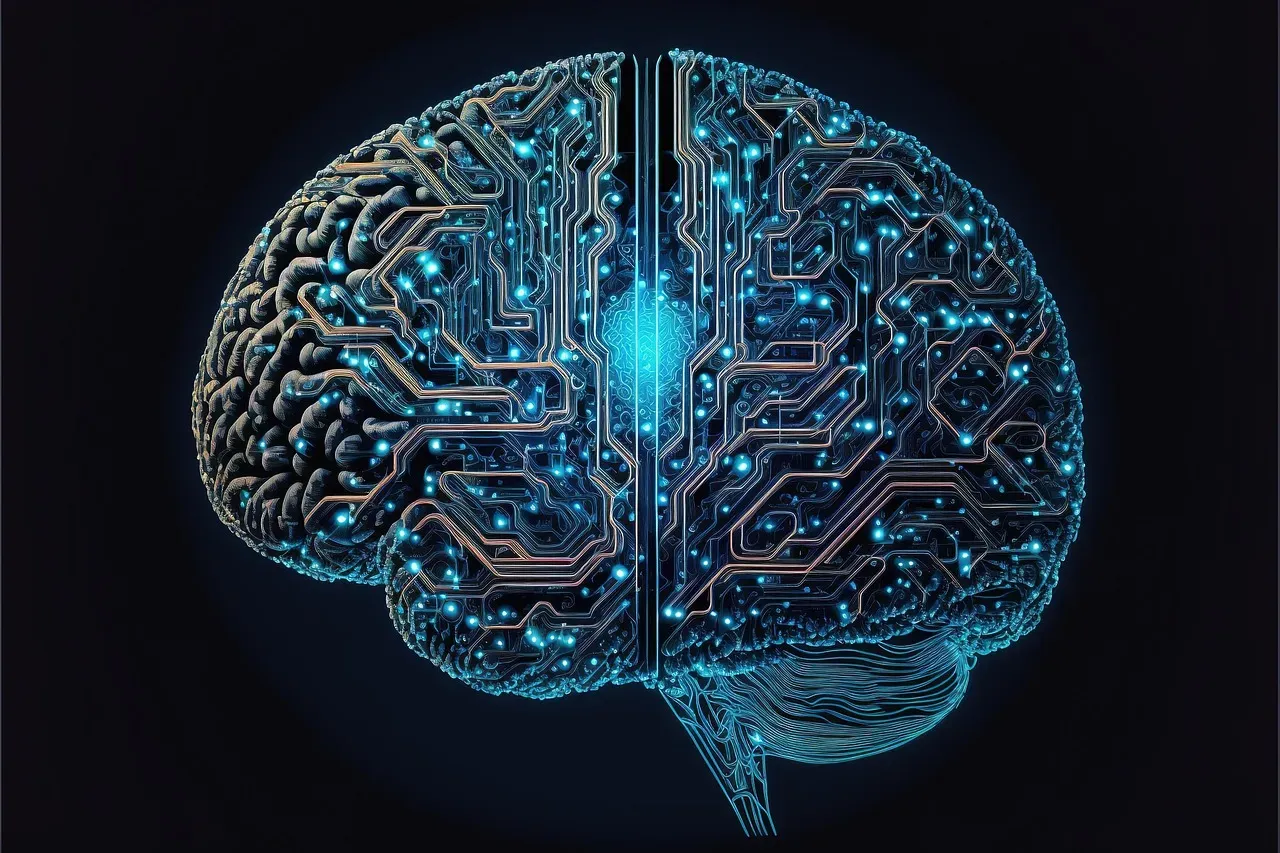
Predictive processing paints a bold, slightly disturbing picture: your brain never directly experiences reality. Instead, it runs a continuous simulation based on prior expectations and only updates when that simulation breaks down. Perception, emotion, and even your sense of self emerge from this ongoing negotiation between what your brain expects and what the world pushes back with. That means your everyday experience is less like watching a live feed and more like streaming a show your mind is writing on the fly.
In my view, this is not a reason to despair; it is an invitation to take your inner world seriously. If your brain is always guessing, then the quality of those guesses – how generous, how curious, how open to being wrong – becomes a moral and practical issue. You may never access reality in a pure form, but you can cultivate a simulation that tracks it more honestly and treats other people’s simulations with respect. Knowing that your certainty is built on predictions, not perfect knowledge, might be the most grounding insight of all; after reading this, are you still as sure about what “real” even means?