

In old Japanese stories, cranes do far more than glide across winter skies. They watch, they remember, and sometimes, they come back to repay debts of the heart. For generations, people in Japan have told tales in which a single act of quiet kindness toward a vulnerable crane changes the course of a life, often in ways that are beautiful, costly, and a little mysterious.
These legends are simple on the surface: help a crane, and someday it will help you. But underneath, they raise tougher questions: What does it really mean to be kind? How much are you willing to sacrifice for someone you love? And can patience, in a frantic world, still bring the kind of miracles that folklore promises? Let’s walk through these stories like a snowy village road, one lantern at a time.
The Crane Wife: A Love Story Built on Kindness and a Dangerous Secret
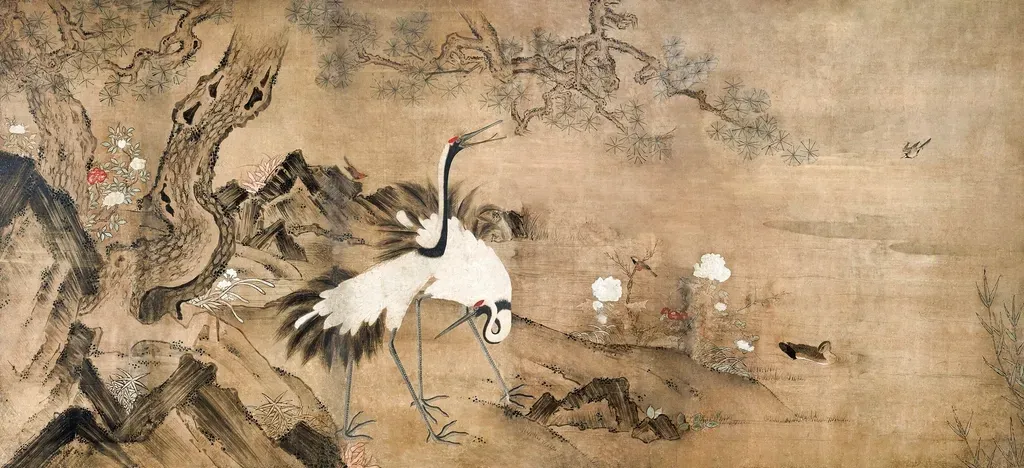
One of the most famous Japanese folktales tells of a poor man who rescues an injured crane caught in a trap on a cold winter day. He frees the bird without any expectation, a small, almost forgettable gesture of compassion in a harsh world. That night, a mysterious woman appears at his door, asking for shelter, and soon they begin a simple but happy life together.
When the man struggles to make ends meet, the woman offers to weave cloth of unbelievable beauty, asking only that he never look into the room while she works. The cloth brings them wealth, but curiosity and greed eventually win. He peeks inside and discovers the truth: his wife is the crane he saved, plucking out her own feathers to weave the shimmering fabric. Exposed and weakened, she flies away, leaving him with the harsh lesson that love built on kindness can be destroyed by impatience and broken trust.
The Crane as a Symbol of Longevity, Luck, and Sacred Grace

In Japanese culture, cranes are not just birds; they are symbols loaded with meaning. Traditionally, people have believed cranes live for a thousand years, a poetic way of saying they embody longevity, resilience, and a kind of almost unearthly calm. You see them in classical paintings, kimono designs, and New Year decorations, always elegant, always slightly above ordinary life.
This symbolic weight helps explain why cranes in folklore reward patience and kindness: they are seen as messengers between the human world and something more sacred. Saving a crane is like performing a quiet act of respect toward life itself, not just toward one animal. When the crane returns as a woman, a benefactor, or a guide, it feels less like magic and more like the universe quietly balancing the scales.
Patience as a Test: The Forbidden Room and the Price of Curiosity
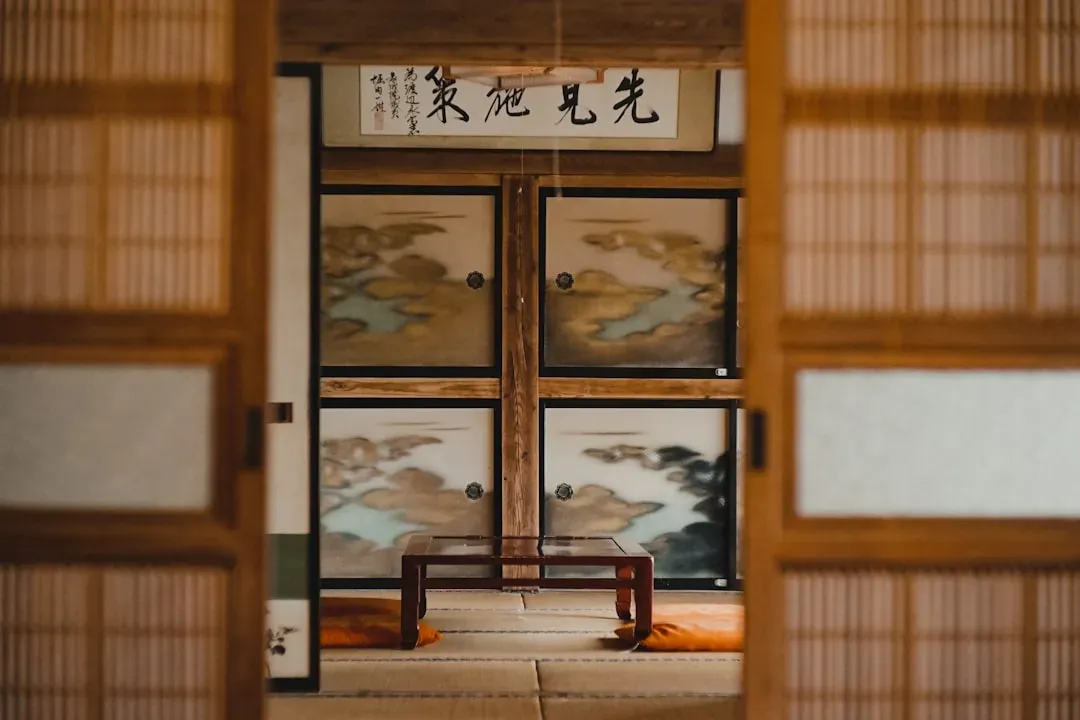
At the center of many crane stories is a single, burning rule: do not look. The hero is told not to open a door, not to peek through a crack, not to try to see how the miracle is happening. It sounds simple, but it turns out to be the hardest part. Patience here is more than just waiting; it is the willingness to live with mystery without demanding proof.
When the hero fails and looks anyway, everything falls apart. The crane wife disappears, the magic weaving ends, and the house returns to bare poverty. The message is not that curiosity is evil, but that some relationships – especially ones built on trust and gratitude – require us to respect boundaries we do not fully understand. In a world obsessed with transparency and instant answers, this old folklore quietly asks whether our need to know everything might sometimes ruin the very things we care about.
Kindness Without Expectation: Helping the Crane Before the Reward Exists

One detail that keeps these stories honest is the timing: the human usually helps the crane before any promise of reward appears. The man pulls the bird from the trap, tends its injuries, and lets it go with no idea that this moment will reshape his future. That small, private act of care is what makes the eventual reward feel meaningful instead of transactional.
Folklore here is pushing a clear moral stance: genuine kindness is kindness that does not calculate. You do the right thing because it is right, not because you are secretly hoping a magical wife will arrive with luxury fabric. When the crane later returns with gifts or devotion, the story is not endorsing good deeds as a strategy; it is showing how a heart shaped by compassion can unexpectedly open doors that cold logic never could.
The Double Edge of Reward: Wealth, Sacrifice, and Emotional Debt

While it sounds lovely that a crane might reward your patience and kindness, the rewards in these stories are rarely simple. The magical cloth sells for high prices and pulls the couple out of poverty, but every bolt is woven from the crane’s own feathers, her own life force. Prosperity here is not clean; it carries a shadow of pain and exhaustion that the grateful husband does not fully see until it is too late.
This is where the folklore gets uncomfortable and honest. Being the recipient of someone’s sacrifice can feel amazing at first, but it also creates a heavy emotional debt. If you are not careful, gratitude can slide into entitlement, and love can turn into exploitation. The crane tales push us to ask whether we are truly honoring the people who sacrifice for us – or closing our eyes to the cost because we like the results.
Cranes in Ritual and Art: From Folktales to Origami Wishes
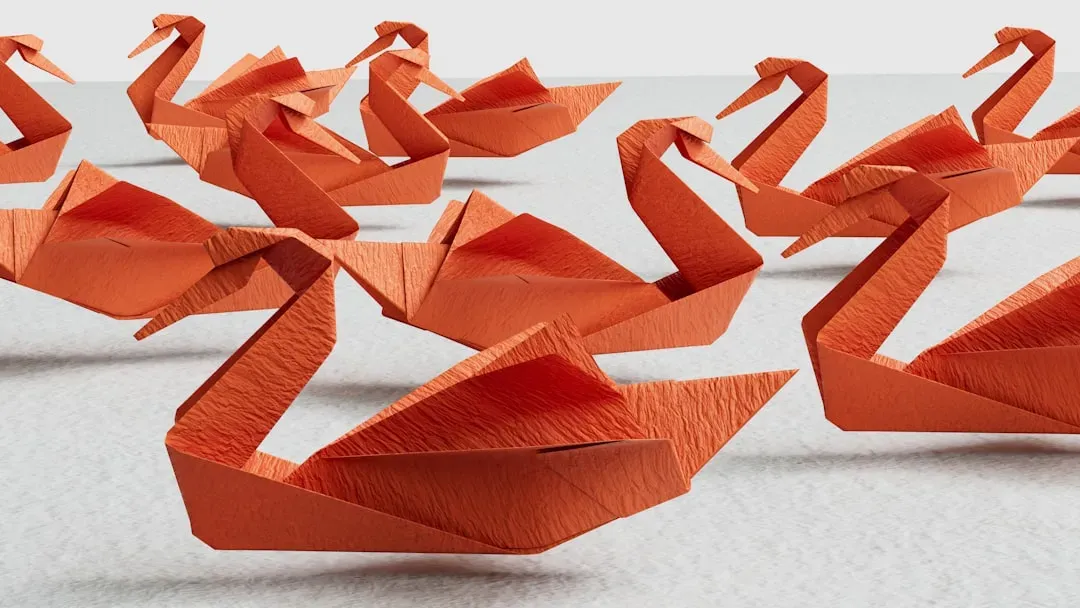
The idea of cranes rewarding patience and kindness does not live only inside old oral stories; it also shows up in rituals and everyday objects. Folding one thousand paper cranes has become a powerful act of hope, often associated with wishes for healing, peace, or long life. The process is slow and repetitive, demanding patience and intention from the person folding each small sheet.
In a way, the reward is built into the act itself. By patiently folding hundreds of cranes, you are training your mind to stay with a goal, to keep your heart focused on something or someone you care deeply about. The finished strings of cranes are beautiful, but the real magic is the quiet time you spent making them, turning your desire for a miracle into a disciplined, almost meditative practice.
Modern Life, Old Lessons: What Crane Folklore Says About Relationships Today
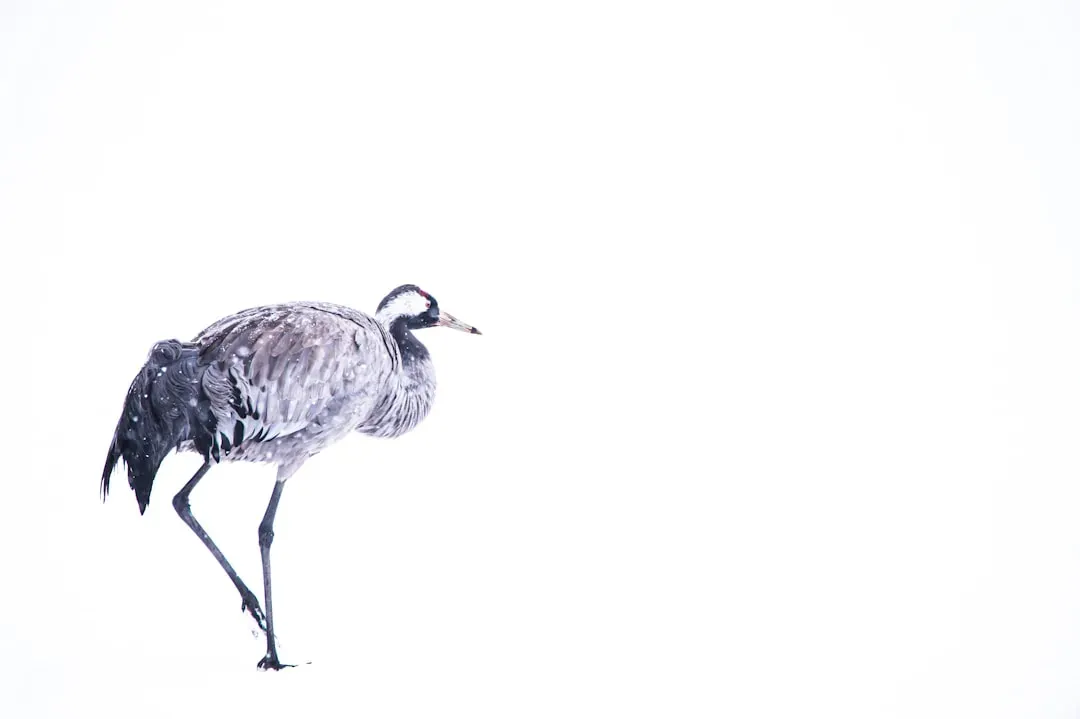
Even if you never see a real crane, the emotional logic of these tales is very much alive in modern relationships. Many people still encounter the pattern of someone giving more than they should, quietly sacrificing sleep, money, or dreams for a partner or a family. At first, the person receiving those sacrifices may feel simply lucky; later, they may realize, like the man in the story, that their comfort came at a cost they did not fully want to face.
The patience in crane stories is also strikingly relevant today. In a time of instant messages and one-click delivery, waiting has become almost a lost art. These old narratives insist that some of the best things – trust, deep understanding, shared meaning – still grow slowly. You cannot force them, and if you try to skip the patient part, you may end up peeking behind the door and breaking what was quietly forming.
Psychological Echoes: Why These Stories Stay With Us

From a psychological angle, it is not surprising that crane folklore endures. It hits core human fears and hopes: the fear of being taken for granted, the hope that our kindness is seen, the anxiety that our curiosity will ruin something fragile. The bird that returns in human form is like a dream of being fully recognized by the universe for one small, good deed.
At the same time, the story exposes our weaknesses: impatience, greed, the urge to control and know everything. It is almost like a mirror we reluctantly step in front of. We want to believe we would be the person who keeps the promise and never opens the forbidden door, but deep down, many of us suspect we might fail the test. That tension is what keeps the tale alive in our minds long after we first hear it.
Opinionated Conclusion: The Quiet Radicalism of Patience and Kindness

Seen from today’s frantic, productivity-obsessed culture, these crane stories feel almost radical. They claim that uncalculated kindness and patient respect for mystery are powerful enough to invite real transformation, even if that transformation does not look like a fairy-tale happy ending. I think the point is not that a bird will literally arrive at your door, but that how you treat the vulnerable – human or animal – shapes the entire emotional climate of your life.
My own bias is that the man in the crane tale is not a villain; he is painfully human. He shows us how easy it is to take love for granted, to pry open what should be respected, to demand certainty where we were asked for trust. The true reward in these stories is not wealth or magic cloth; it is the rare chance to be worthy of someone else’s devotion and sacrifice. The folklore quietly asks: if a crane did come to repay your kindness, would your patience and character be strong enough not to lose it all?