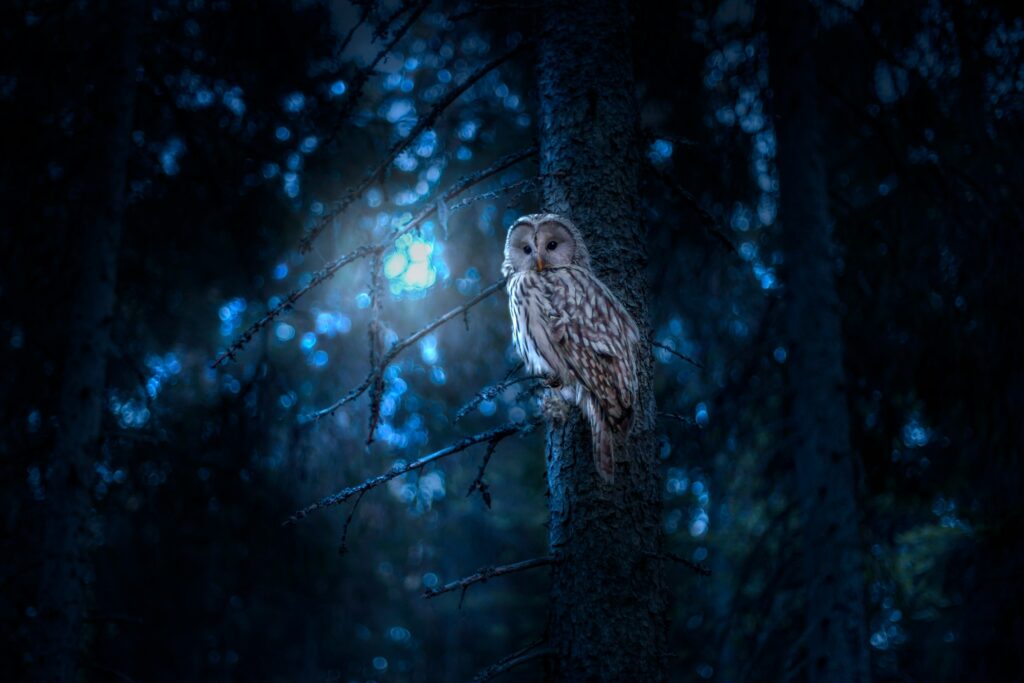

There’s something a little unsettling about locking eyes with an owl in the dark. It feels less like looking at an animal and more like being studied by an old, patient mind that has seen a lot and forgotten nothing. In the Nordic world, this eerie, watchful presence was not just poetic; it was woven into how people thought about wisdom, omens, and the invisible forces moving through the night.
When we say that, , we’re touching on a mix of archaeology, folklore, comparative mythology, and a fair bit of modern romanticizing. The reality is more nuanced – and, in my view, even more interesting. Owls in the far north sat at the crossroads of fear and respect, superstition and practical observation. If you’re expecting a simple fairy-tale answer, you might be surprised by how layered this story really is.
Night in the North: Why Owls Felt Supernatural
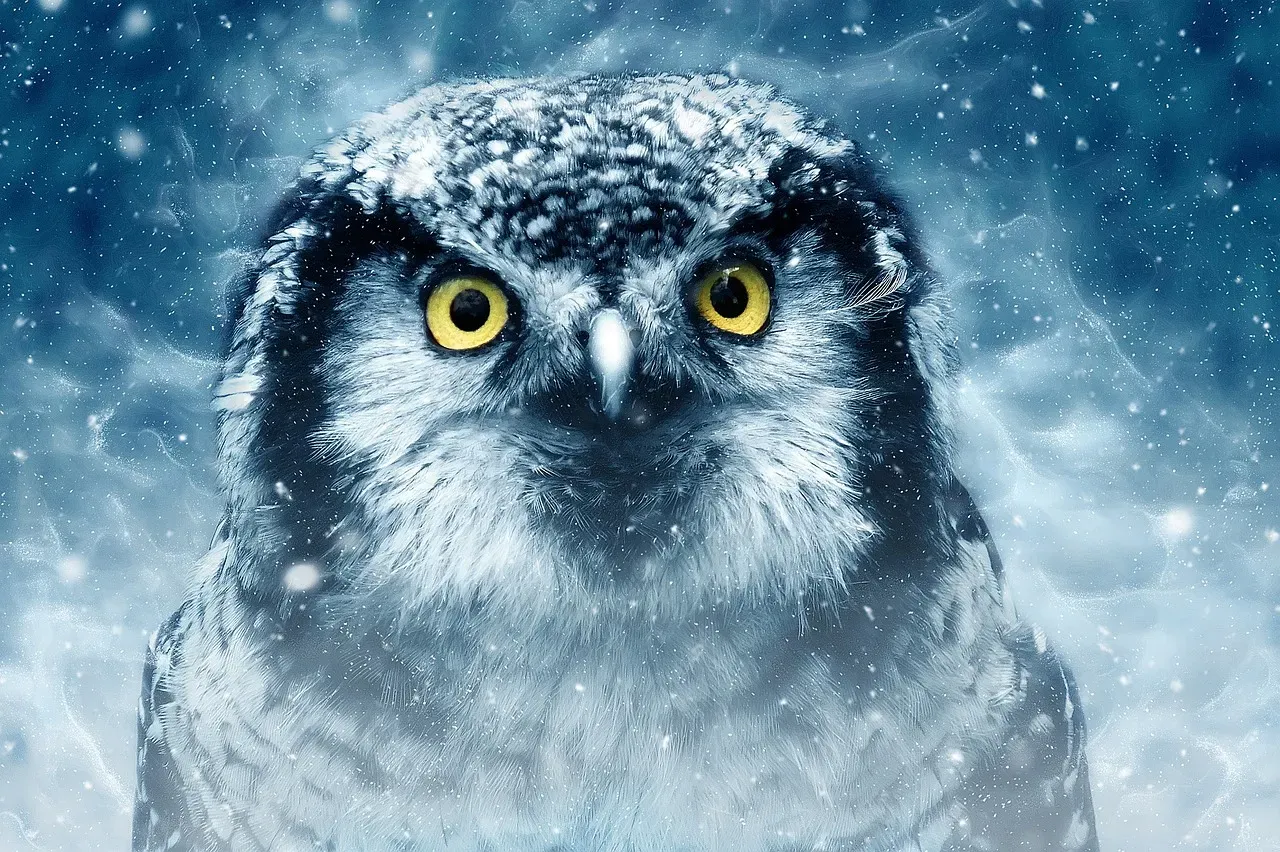
Imagine winter in Iron Age Scandinavia: long stretches of darkness, snow dulling sound, and then the sudden, echoing call of an owl from the treeline. When your world is mostly lit by fire and moonlight, any animal that moves so confidently in the dark feels like it belongs to a different order of reality. Owls were among the few creatures that seemed to own the night instead of merely surviving it, and that alone would have set them apart in the minds of Nordic peoples.
People did not have modern scientific language for nocturnal adaptations, but they were sharp observers. They could see that owls navigated where humans were blind, heard what people could not, and struck prey without a sound. It’s easy to understand why this translated into the idea that owls perceived things hidden from ordinary sight – secrets, dangers, even intentions or coming events. In a culture where the unseen was often interpreted as spiritual or magical, an animal so at home in darkness was a natural candidate for keeper of hidden knowledge.
Owls in Norse Sources: What We Actually Know
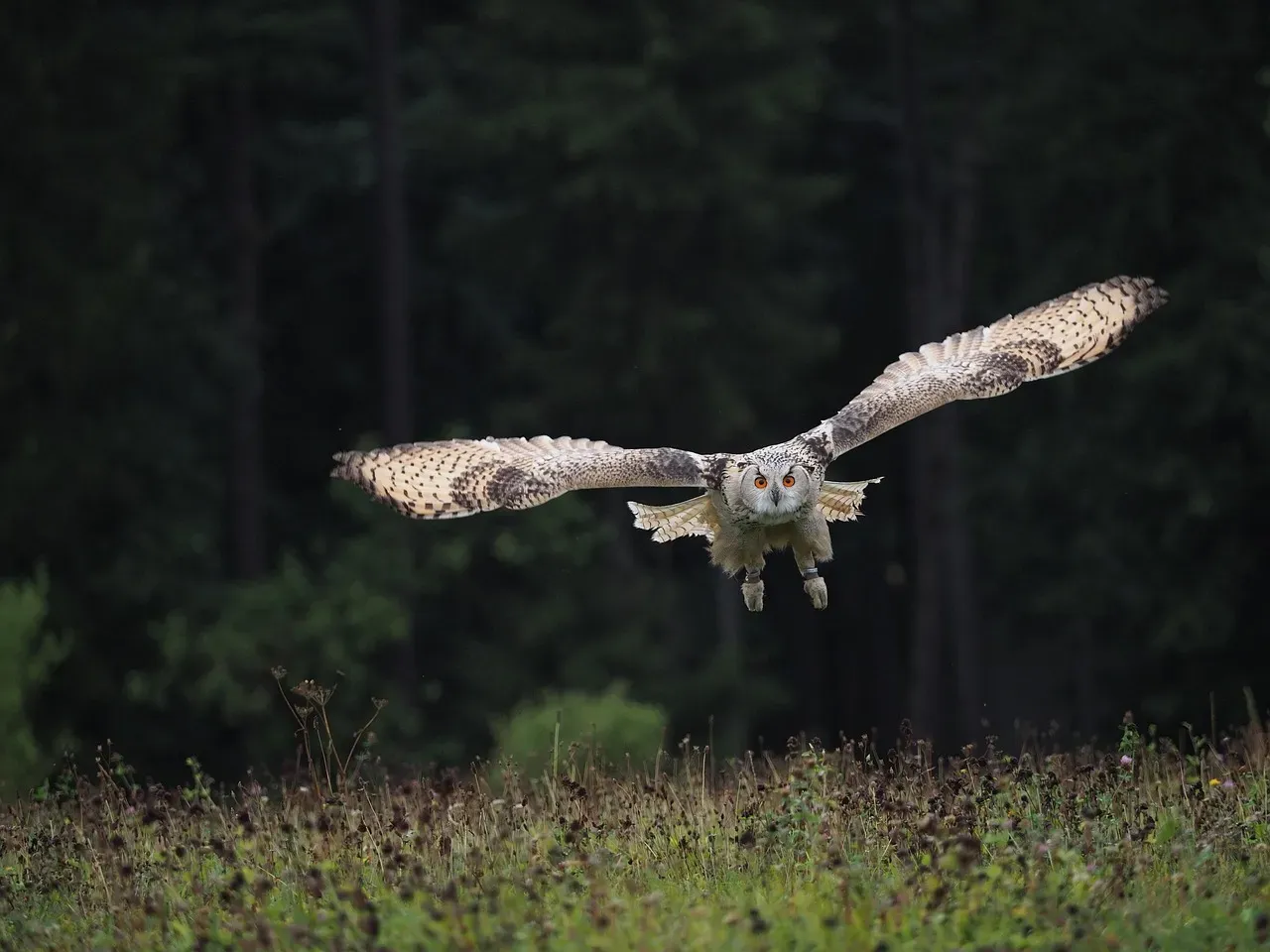
Here’s the tricky part: if you go looking for long, detailed owl stories in the surviving Norse myths and sagas, you won’t find many. The written sources that survive are patchy, biased toward certain themes, and often focus on gods, heroes, and major omens rather than everyday animal lore. Owls do appear in Scandinavian tradition, but they tend to hover around the edges of the record – mentioned in passing, embedded in proverbs, or folded into later folk beliefs rather than starring in famous mythic episodes.
This thin record means we have to be honest about what we can and can’t claim. There is a strong modern tendency to project a universal “owl equals wisdom” motif back onto every ancient culture, including the Norse, just because it feels neat and familiar. In reality, the evidence suggests a more ambiguous view: owls carried associations of secrecy, warning, and the uncanny, with “hidden knowledge” often being dark, dangerous, or unwanted insight rather than gentle philosophical wisdom. That difference matters if we want to treat Nordic beliefs with real respect instead of just copying Greek ideas onto them.
Not Just Owls: Ravens, Eagles, and the Competition for Wisdom
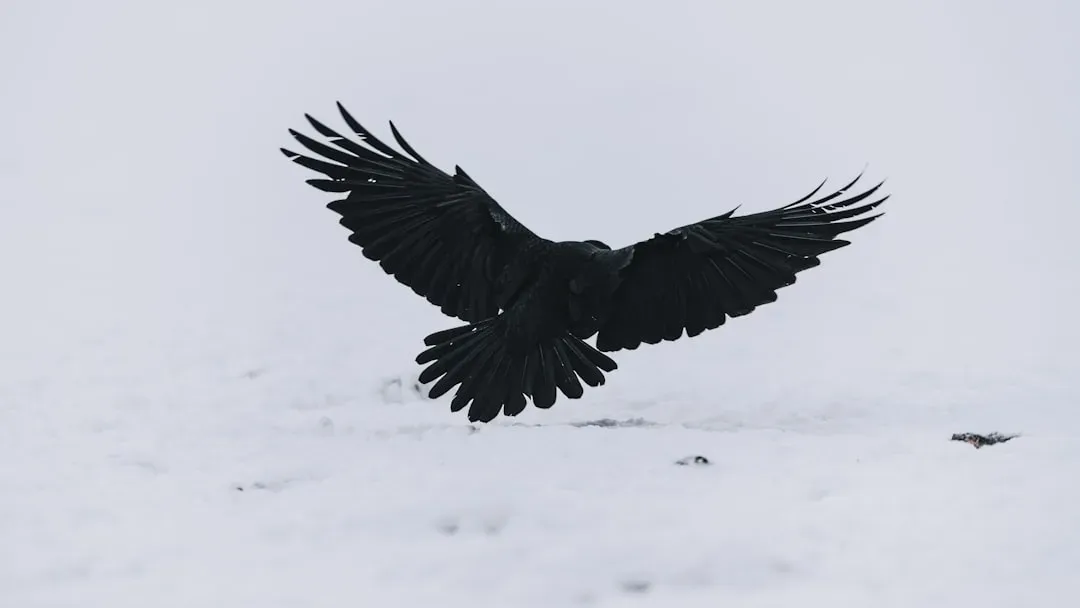
When we talk about wisdom in Norse tradition, owls are not the first birds that show up – the ravens are. Odin’s ravens, who fly out into the world and bring back news, are explicitly tied to thought, memory, and the gathering of information. Eagles and other raptors also occupy powerful symbolic roles in the myths, from perching on the world tree to appearing at critical moments of transformation or conflict. In that crowded symbolic sky, owls are present but not necessarily at the center.
This actually reinforces the idea of them as keepers of hidden knowledge rather than public knowledge. Ravens deliver information loudly and directly, often connected to the business of rulers, war, and fate. Owls, by contrast, work in silence and darkness. Their insights, if people imagined such things, would be of a more private, secretive kind – whispers rather than proclamations. I think of it as the difference between a town crier and someone who quietly overhears conversations in the back room; both deal in knowledge, but in very different ways.
The Language of Omens: Owls as Warnings and Portents
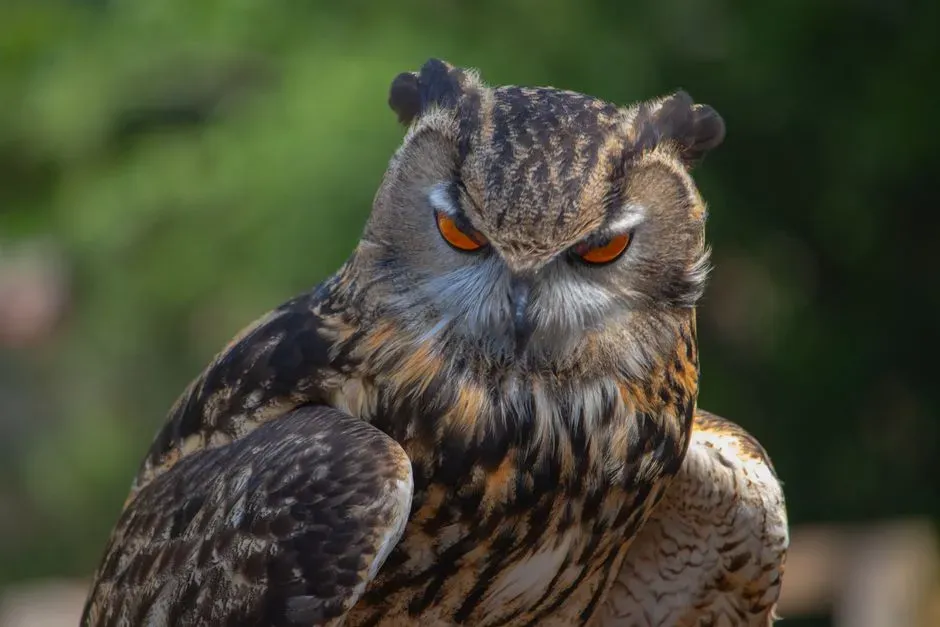
In many European folk traditions, the cry of an owl carried weight as an omen – sometimes of death, sometimes simply of change or looming misfortune. Nordic regions echoed some of these themes, especially in later folklore collected in rural communities. A sudden owl call near a farmhouse on a winter night could be unsettling enough on its own, but once a story was told that it signaled sickness or a coming death, people started listening differently, and that layer of meaning stuck.
When people say owls kept hidden knowledge in this context, they’re often talking about knowledge that humans might rather not receive. The owl “knows” who will die soon, who is in danger, or when the weather is shifting in a way that could threaten crops or travel. Its secret knowledge is fatalistic and uncomfortable, not inspirational. It’s like having a neighbor who always seems to show up just before something bad happens – not because they cause it, but because they’re paying attention to subtle signs you miss.
Eyes That See in the Dark: Science Feeding Myth
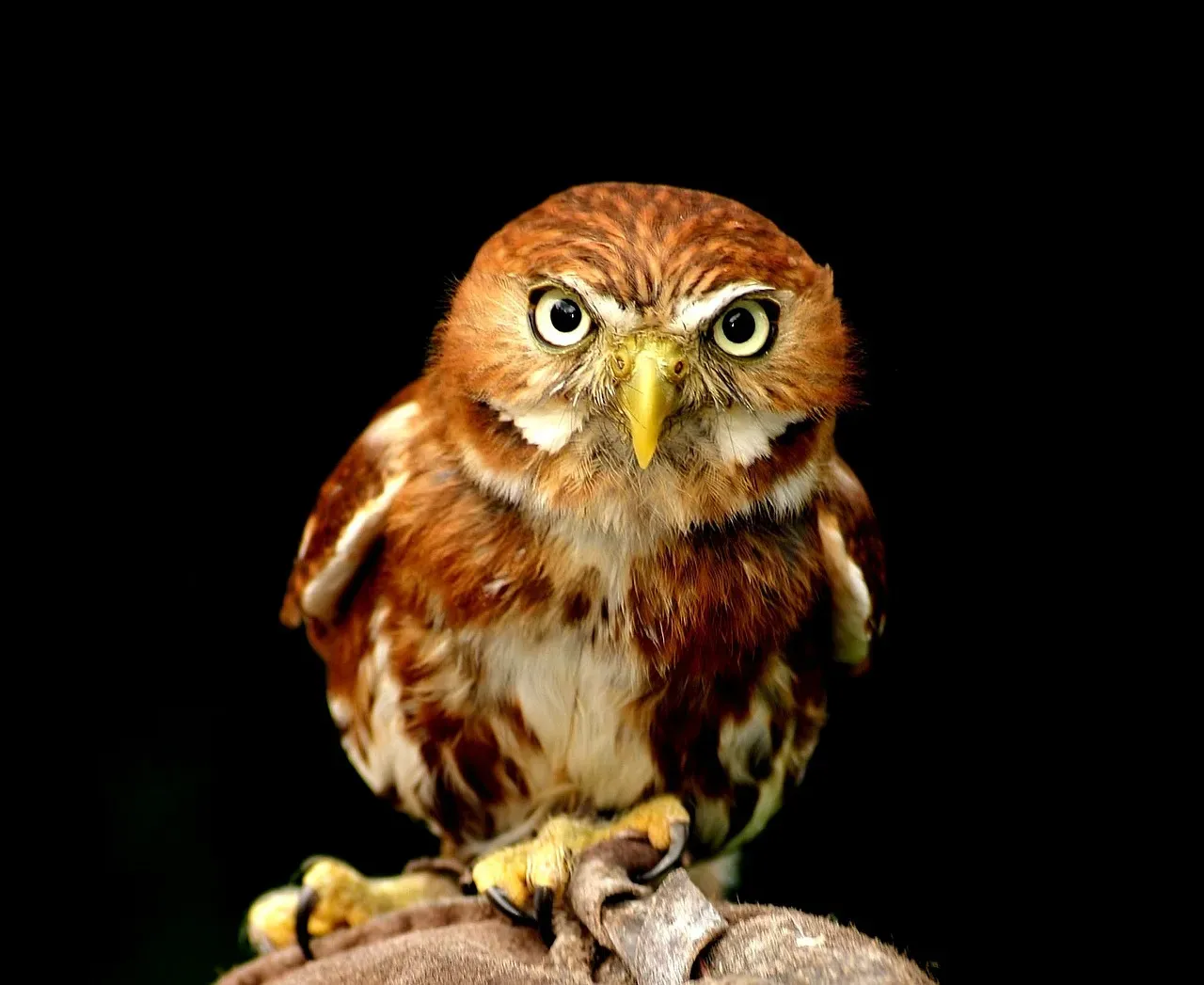
Modern biology explains owl vision in incredible detail: huge, forward-facing eyes, a high density of light-sensitive cells, and a brain wired to process low-light images. To a Nordic farmer or hunter, none of those terms existed, but the raw observation was obvious: owls saw where humans saw nothing. If you watch an owl track a tiny rustle in the snow under starlight alone, you can feel how easily that becomes a story about seeing the unseen, whether that unseen is a mouse or a hidden truth.
Silent flight added another layer. The specialized feather structure that muffles air turbulence means an owl can appear out of nowhere, almost like a thought that suddenly hits you without warning. People in the past constantly mixed practical knowledge with spiritual interpretation; a bird that moved in literal silence felt like a living metaphor for invisible forces, secret intentions, and unspoken thoughts. In that light, calling owls keepers of hidden knowledge is almost a poetic way of talking about the very real, very impressive sensory edge they held over humans.
Between Fear and Respect: The Emotional Reality of Owl Beliefs
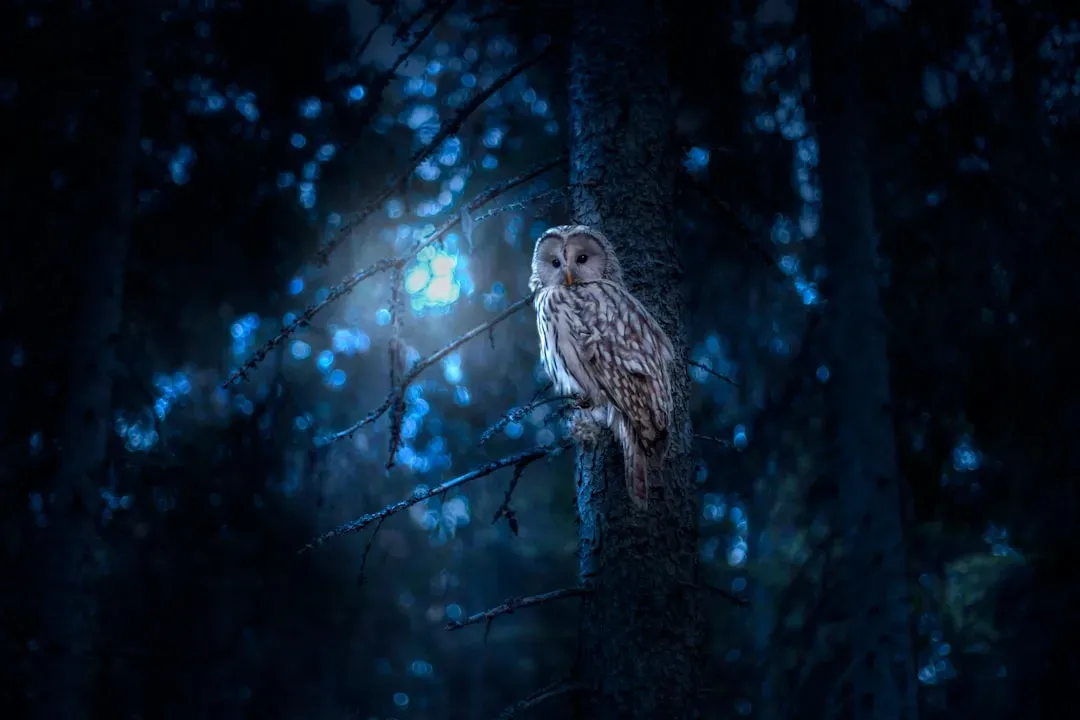
One thing that strikes me when looking at owl folklore is how emotional it is. Owls are rarely treated as neutral background animals; they make people feel things. In Nordic and neighboring traditions, that emotion is often a mix of anxiety, awe, and reluctant fascination. You can almost sense the mood around a fire when someone mentions an owl calling three times near a house that later saw a tragedy – fearful silence first, then intense discussion about what it meant and whether it will happen again.
This emotional weight is part of why they were connected with hidden knowledge in the first place. A simple, harmless animal doesn’t usually earn that kind of charged narrative space. Owls triggered the feeling that there was more going on than met the eye, that the world contained layers of meaning only some beings could sense. Even if the specific interpretations varied – from witchcraft to weather signs to death omens – the underlying idea was consistent: the owl walked a line between worlds, and that made people both uneasy and deeply curious.
Christian Influence and the Shifting Image of Owls
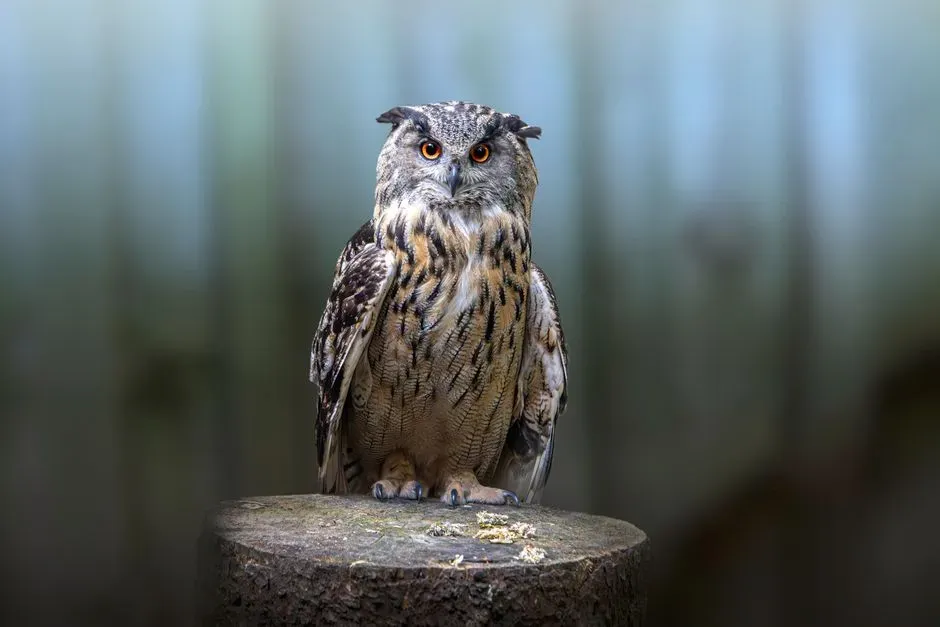
The Nordic world did not freeze in time; it went through Christianization, cultural blending, and centuries of reinterpretation. As Christian ideas spread north, existing associations around night creatures often got recast. Animals active in darkness were sometimes pushed closer to ideas of sin, temptation, or spiritual danger. Owls, already seen as uncanny, could slide more easily into roles linked to witchcraft or ominous signs in a Christian moral framework layered on top of older beliefs.
This does not erase older notions of hidden knowledge, but it colors them differently. The owl’s ability to see in darkness might once have been viewed as morally neutral but impressive; under Christian influence, seeing in the dark could be tied to forbidden realms or suspect powers. In my opinion, this is where we start to see a sharper edge to the idea of hidden knowledge: knowing too much, or knowing the wrong kind of things, could be spiritually dangerous. The owl remained a keeper of secrets, but the nature of those secrets grew more threatening in the stories people told.
Modern Romanticism: How We Reimagined Nordic Owls
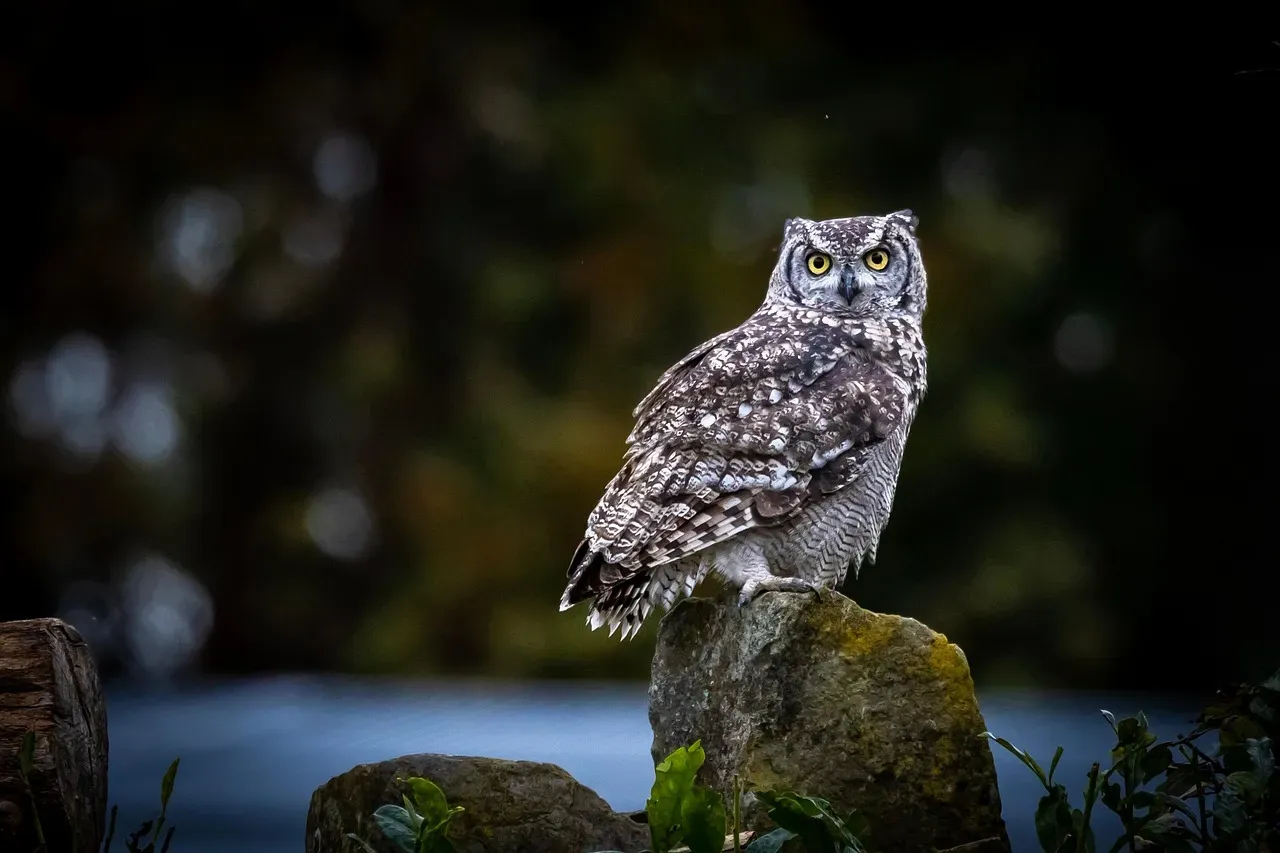
Fast forward to today, and you’ll find owls everywhere: on T‑shirts, tattoos, fantasy novels, and social media art, usually framed as gentle guardians of wisdom. Nordic imagery gets mixed in with runes, moonlight, and forests to create an aesthetic that feels ancient, mystical, and reassuring. The problem is that this modern picture, while beautiful, tends to soften or ignore the harsher, more uneasy parts of the older traditions that inspired it in the first place.
I’m not against this romantic version – I actually like it – but I do think we should recognize it for what it is: a creative reinterpretation rather than a direct mirror of historical belief. When we say, today, that Nordic culture saw owls as keepers of hidden knowledge, we’re often folding together sparse evidence, pan-European folklore, and modern preferences. That doesn’t make the idea worthless; it just means we should approach it with a bit of humility, and maybe leave room for the owl to be a darker, stranger figure than our cozy, wise-grandparent stereotype allows.
Science, Folklore, and the Real “Hidden Knowledge” of Owls
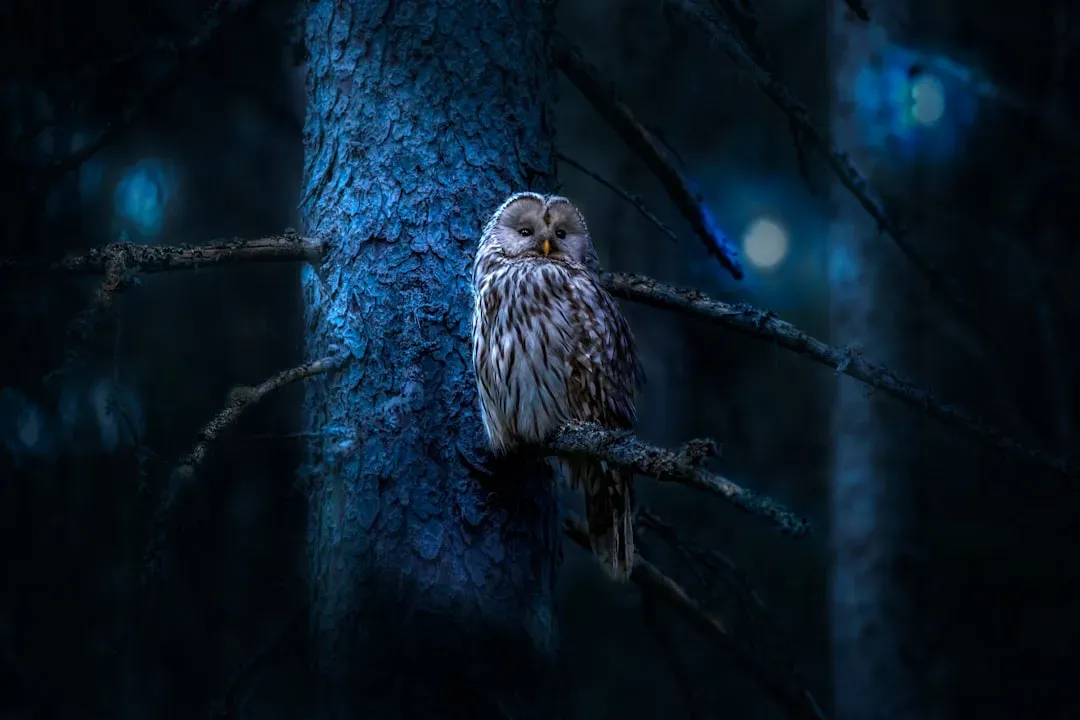
One of the fascinating things about looking at owls through both scientific and folkloric lenses is how much overlap there is without either side realizing it. Traditional Nordic observers knew, from lived experience, that owls appeared when small animals were active, that they hunted with unbelievable accuracy, and that their presence could hint at changes in prey populations or local ecosystems. In a way, the owl’s “hidden knowledge” was very real: it was picking up environmental signals long before humans did.
Modern ecology talks about indicator species and food webs; earlier communities turned the same patterns into stories about omens and secret awareness. I sometimes think the real hidden knowledge kept by owls is not mystical information about fate but subtle data about the world that humans miss when we shut our doors and go to sleep. Their perception is tuned to a bandwidth of reality we rarely notice. Whether you frame that as science or as spirit, the underlying truth is similar: there is more going on in the dark than we fully grasp, and the owl is one of the few creatures who truly knows it.
What We Project Onto Owls: A Mirror More Than a Myth
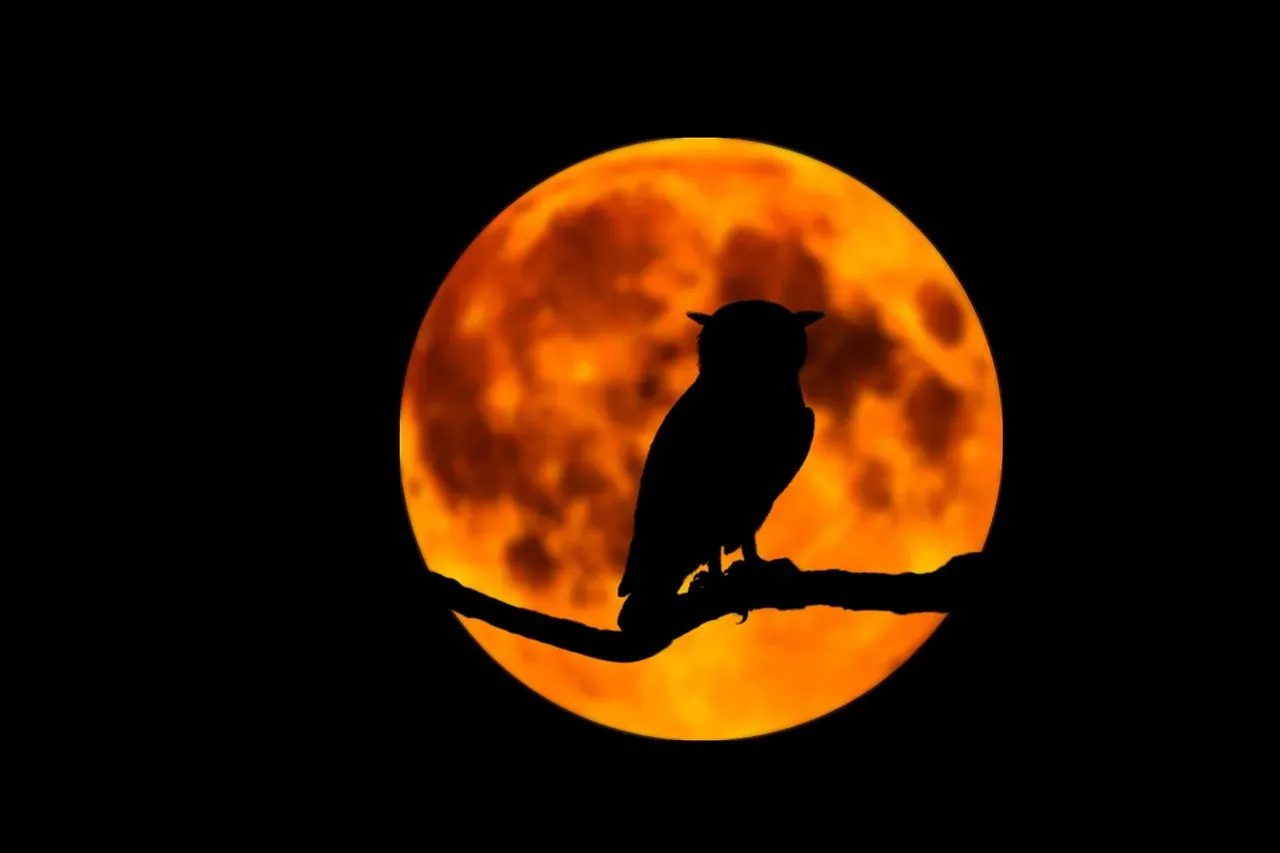
When you step back, the idea of owls as keepers of hidden knowledge in Nordic tradition says as much about humans as it does about owls. We have always been uncomfortable with what we cannot see or control – the night, death, misfortune, secrets. It is almost inevitable that we would attach those anxieties and fascinations to an animal that moves gracefully through all the places we feel most vulnerable. The owl becomes a living symbol of the unknown and the unknowable, perched just outside the circle of firelight.
Personally, I think the most honest way to read the Nordic owl is as a mirror. Where one generation saw a messenger of death, another sees a guardian of wisdom; where older stories emphasized fear, modern ones lean into wonder. The owl has become a canvas for our changing relationship with mystery itself. Maybe the hidden knowledge it keeps is not a list of specific secrets but the simple, stubborn reminder that the world is deeper than our explanations. And really, when you catch that unblinking stare in the dark, doesn’t it feel like it knows that about you, too?
Conclusion: The Owl’s Secret Is That the Dark Will Always Be Bigger Than Us
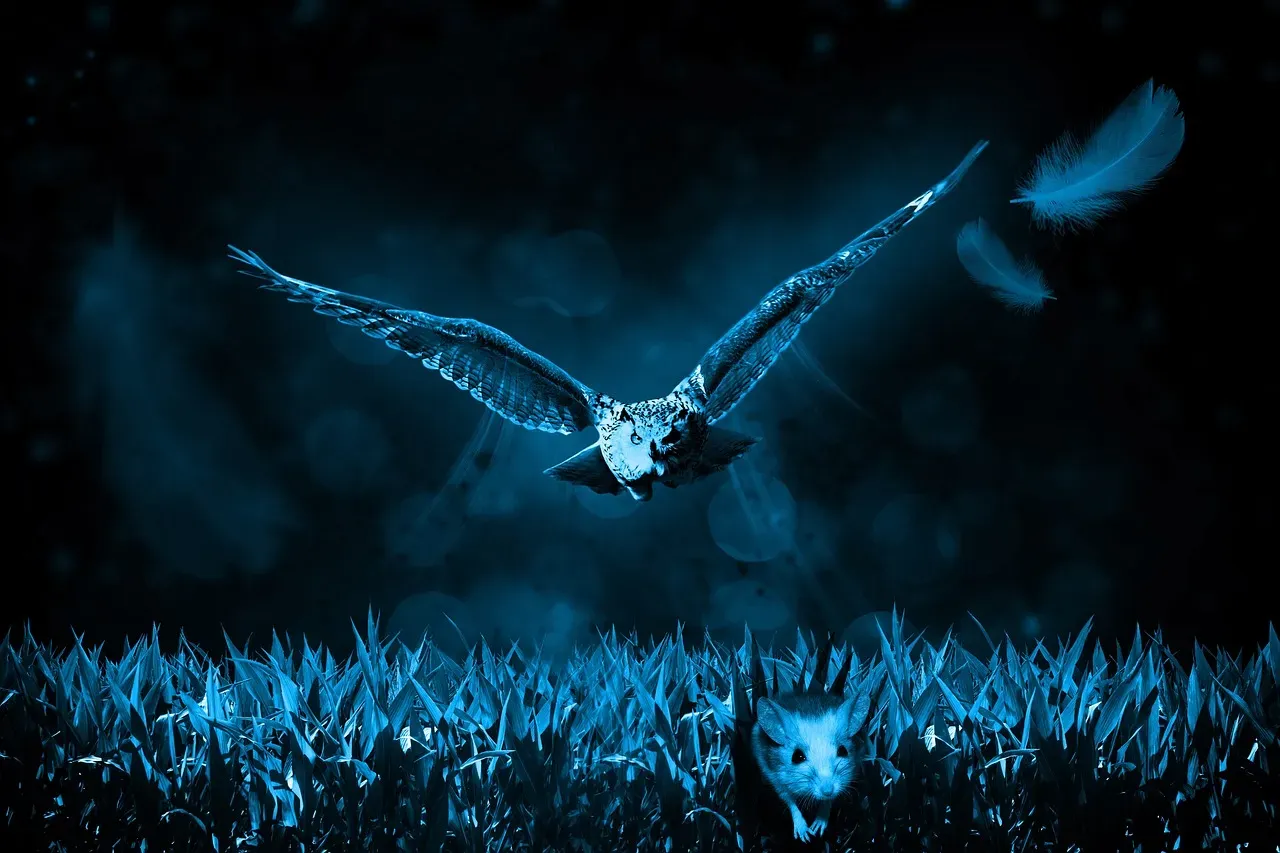
So, were owls truly keepers of hidden knowledge in Nordic tradition? In a limited but meaningful sense, yes – but not in the tidy, comforting way we often imagine. They were tied to omens, unease, and the uncanny edge of human understanding, more like guardians of difficult truths than gentle tutors of wisdom. The evidence we have is fragmentary, yet it consistently points to an animal that made people feel that the night was crowded with meanings beyond their grasp.
If anything, I think we underestimate the power of that older, more unsettling view. Turning owls into harmless academic mascots strips away the raw emotional charge they held for people who truly lived at the mercy of the dark. To me, the most honest homage to Nordic tradition is to let the owl stay a little frightening, a little unknowable – a reminder that hidden knowledge is not always comforting and that some mysteries are meant to stay half-glimpsed. The next time you hear an owl on a cold night, will you treat it as a cute symbol of wisdom, or as a quiet voice from the part of the world you still do not understand?