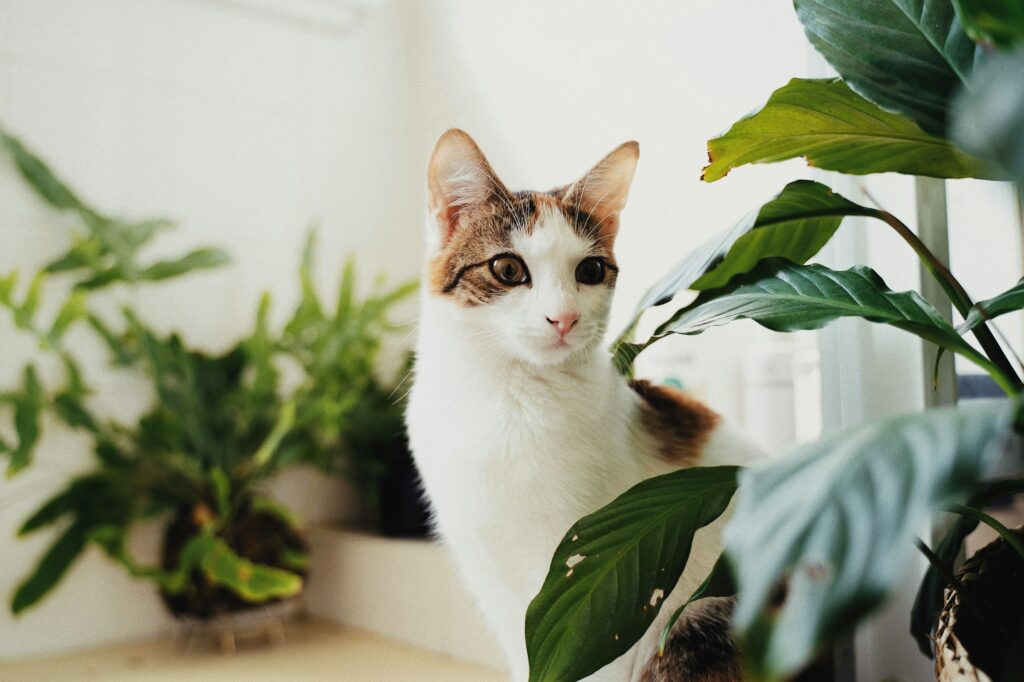

If you share your home with a cat, there’s a decent chance you’re unknowingly keeping a toxic time bomb in your living room. It sits there looking lush and Instagram-worthy, while your cat brushes past it, chews on it, or naps underneath it. You probably water it lovingly every week. And you almost certainly have seen it in a friend’s house, a café, or an office lobby.
I’m talking about the peace lily and a handful of other insanely common indoor plants that are far more dangerous to cats than most people realize. I still remember the shock of discovering that a plant I’d gifted to a friend with pets was, in fact, toxic to her cat. It felt like realizing the cute decorative candle on the table was actually leaking gas. Once you see it, you can’t unsee it.
The “Innocent” Plant That’s Anything But: Why Peace Lilies Are a Problem
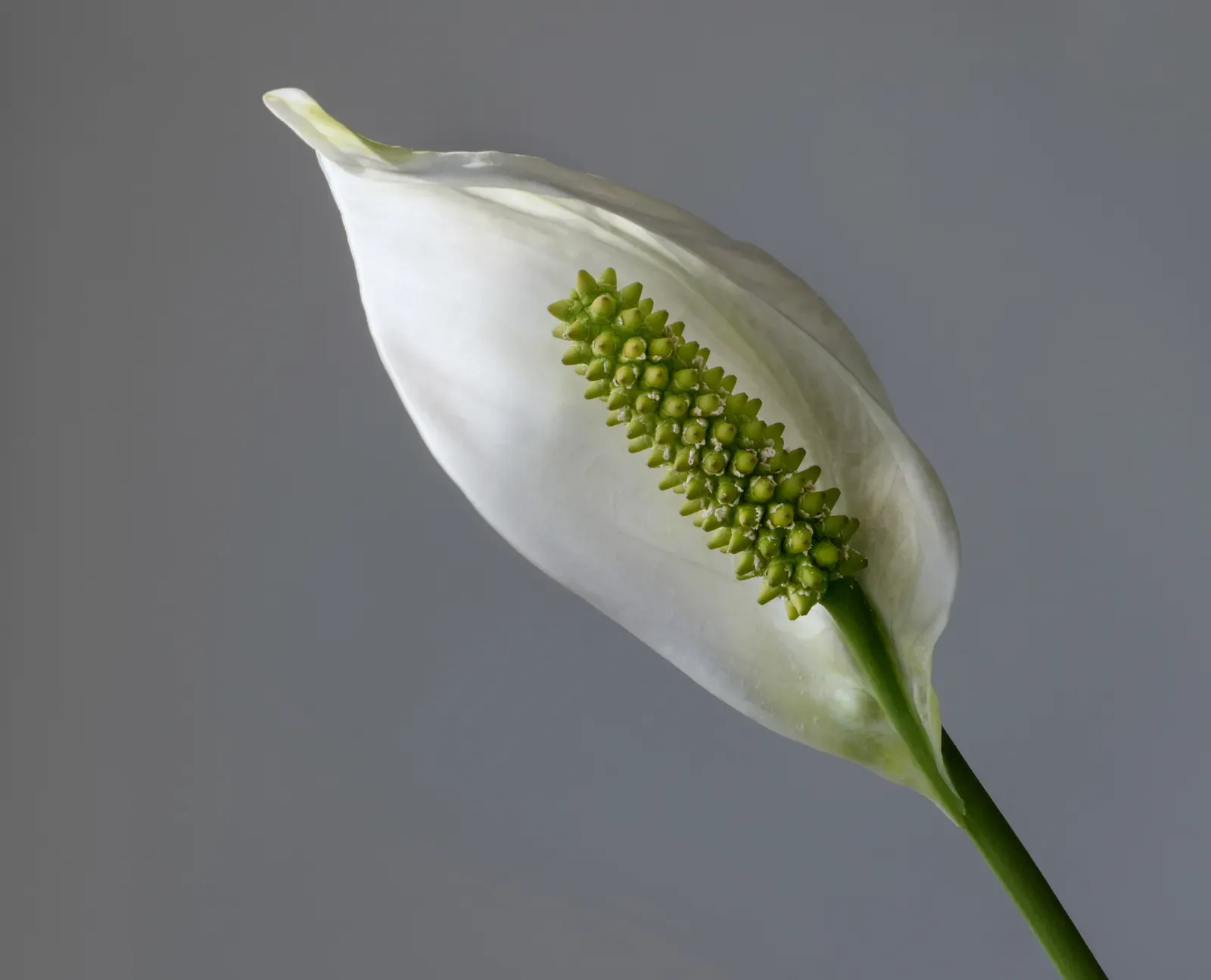
Peace lilies are marketed as this perfect, low-maintenance, air-purifying houseplant that even plant killers can keep alive. They have glossy dark leaves, elegant white flowers, and they forgive you if you forget to water them for a few days. That pretty, forgiving look is exactly why they become a default choice for apartments, offices, and starter homes. They look gentle, and gentle plants surely must be safe around pets, right?
The uncomfortable truth is that peace lilies contain insoluble calcium oxalate crystals, which are extremely irritating to cats when chewed or swallowed. These tiny needle-like crystals can cause intense burning in the mouth, drooling, pawing at the face, vomiting, and a frantic, panicked cat who suddenly refuses food. It’s not the same as the lethal true lily species that can shut down kidneys, but it can still mean a scary emergency vet visit and a very miserable pet – all from a plant most people assume is harmless decor.
How Houseplants End Up in So Many Pet Homes Without Anyone Questioning Them
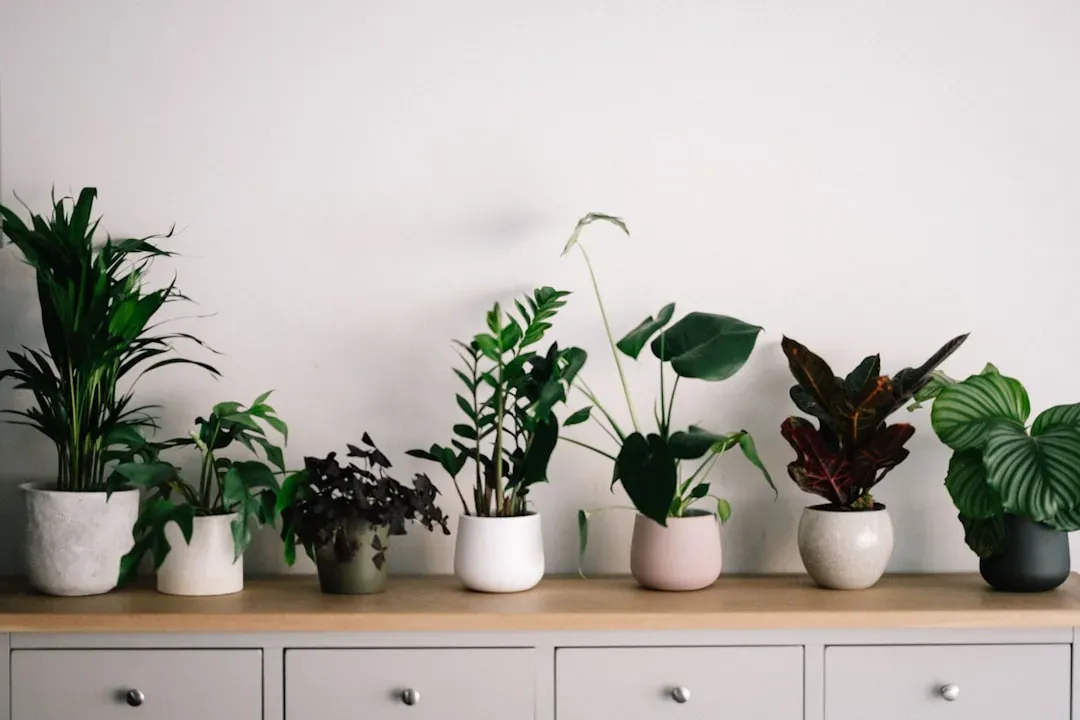
There’s a reason a huge portion of cat owners have at least one toxic plant at home, and it’s not because they don’t care. Most of us grew up seeing peace lilies on windowsills, philodendrons on bookshelves, and pothos dangling from kitchen cabinets. They’re just part of the “background furniture” of normal life, like throw pillows or coffee tables. When something feels that common, we stop asking whether it’s safe.
On top of that, plant shops, big box stores, and even trendy online plant boutiques rarely label toxicity clearly. You’ll see tags boasting about air purification and low light tolerance but nothing about how your curious cat might react after a nibble. New cat owners are often overwhelmed with information on food, litter, vaccines, and toys. Digging into plant chemistry barely makes the list, so dangerous plants often slip in unnoticed and stay for years.
What Actually Happens When a Cat Bites a Peace Lily (Or Similar Toxic Plant)
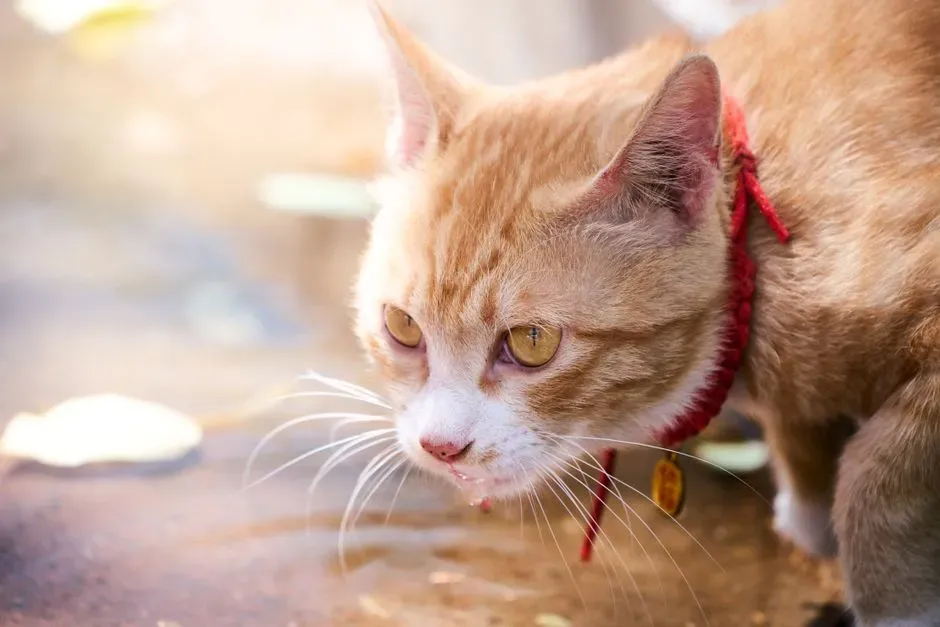
If you’ve ever watched a cat chew on a leaf, you know they don’t exactly savor it. They grab, chomp, shred, and swallow in a matter of seconds. When the plant is something like a peace lily, those calcium oxalate crystals immediately start irritating the sensitive tissues in the mouth and throat. You might suddenly see your cat drooling excessively, shaking their head, or pawing at their face like they’re desperate to get something out.
Soon after, some cats start vomiting, refuse to eat, or act unusually quiet and withdrawn. Others become restless and distressed, trying to escape the discomfort in a way that looks almost like panic. Even when the reaction isn’t life-threatening, it’s clearly painful and frightening for them. The worst part is that it can all unfold from one curious nibble taken while you’re in the next room, assuming your pet is just doing their usual rounds of the house.
Other Everyday Houseplants That Quietly Pose a Risk to Cats
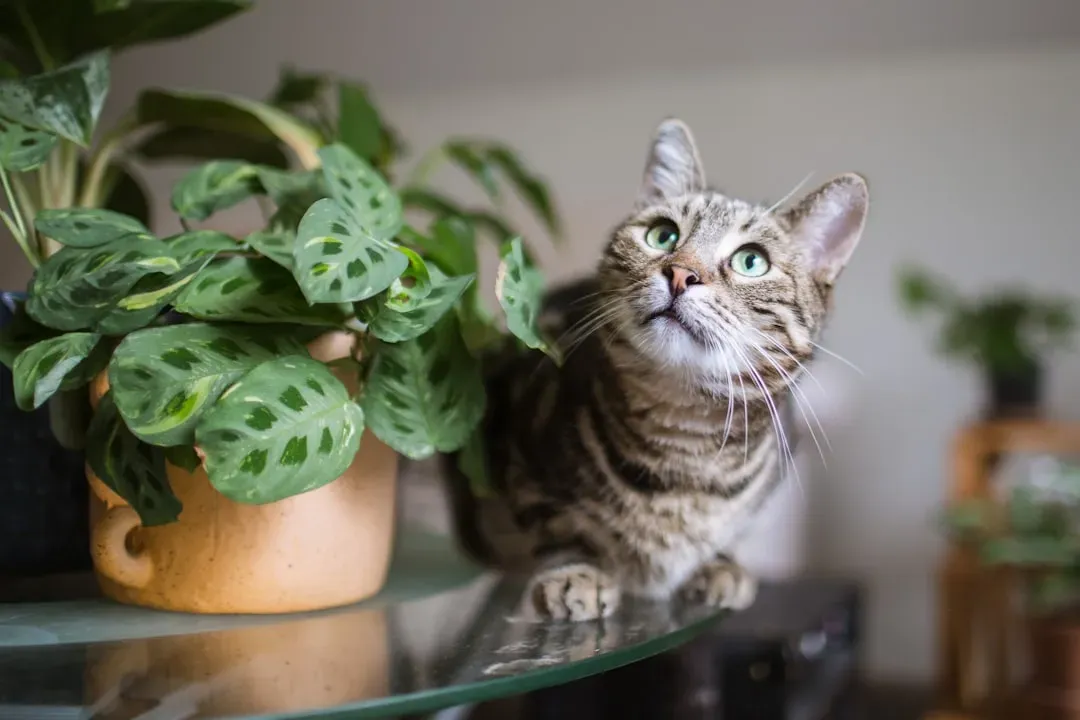
Peace lilies are just the poster child. Once you start digging, you realize a lot of the plants everyone buys without thinking have some level of toxicity to cats. Philodendrons, pothos, and dieffenbachia (often sold as “dumb cane”) also contain irritating oxalate crystals. Then you have sago palms, which are in a completely different, more frightening category because even small amounts can cause severe liver damage in pets.
Even popular flowering plants like certain lilies, amaryllis, or cyclamen can be far more dangerous than their delicate blooms suggest. The tricky thing is that the word “toxic” covers a huge range, from mild mouth irritation to organ failure. So a plant that “only” causes drooling and vomiting may still be sold right next to one that can be fatal, with no clear warning to the exhausted person buying groceries and a plant in the same trip.
Why Cats Are So Drawn to Plants in the First Place
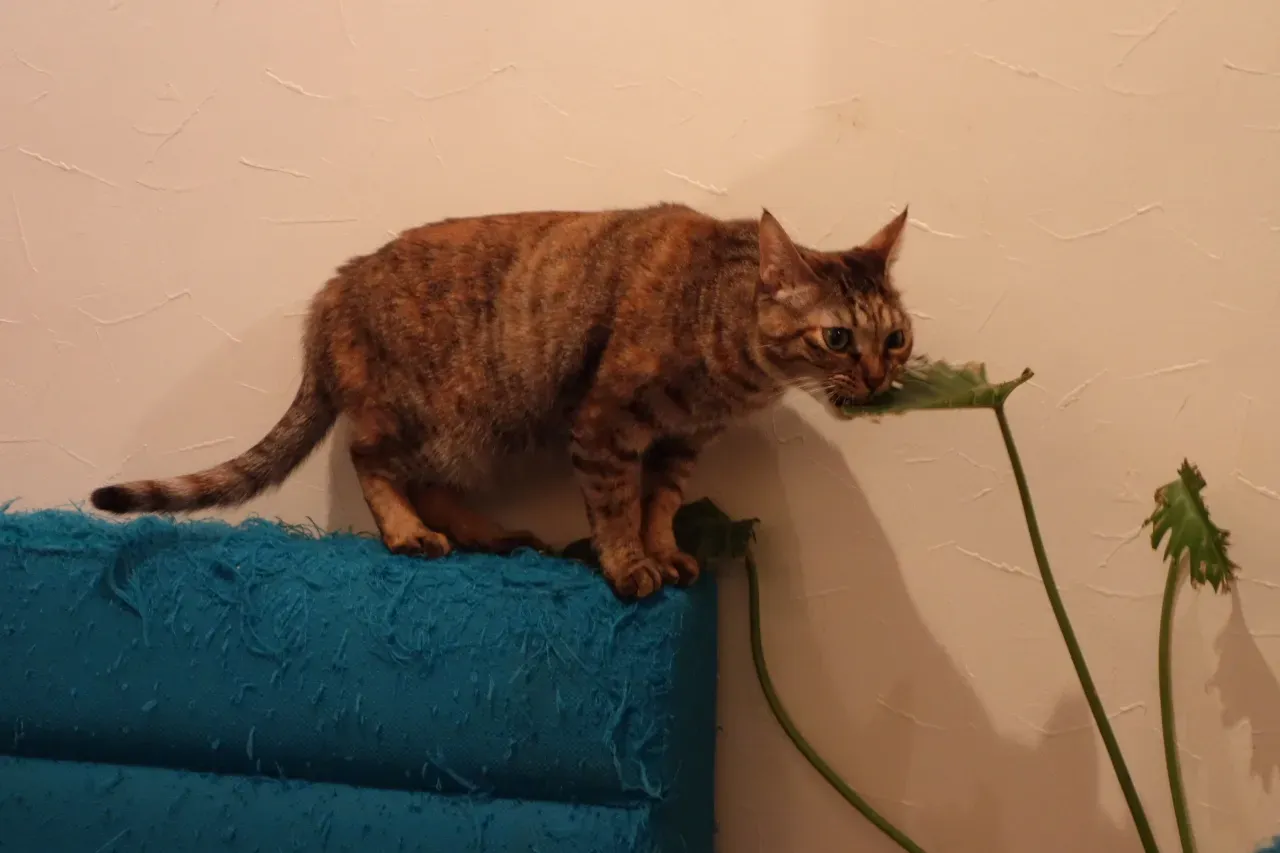
People sometimes get frustrated and say their cat is “being naughty” when they chew plants, but from the cat’s point of view it actually makes sense. In nature, many cats and wild relatives occasionally chew on grass or other plants, possibly to help with digestion, hairballs, or just curiosity about their environment. Bring that same instinct inside an apartment, and suddenly your peace lily or pothos becomes the closest thing to a grassy patch they can find.
Cats are also natural explorers and texture addicts. A trailing vine flicking in the air, a shiny leaf catching the light, or soil that smells earthy and new can be completely irresistible. To them, your plant shelf is not a static decoration; it’s a jungle gym, a snack bar, and a science experiment all in one. Expecting a cat not to ever touch plants that are right at nose level is like expecting a toddler never to look inside an open cupboard.
Spotting the Red Flags: Symptoms You Should Never Ignore
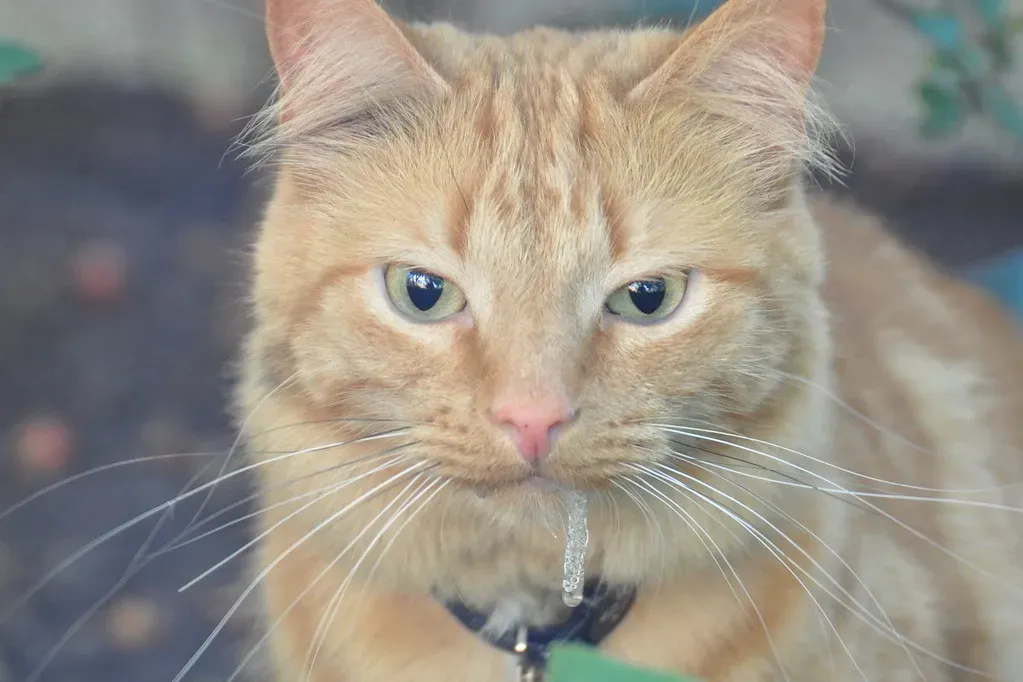
Because cats are so good at hiding pain, by the time you notice something is wrong, it often means they feel really awful. If your cat has been around plants and suddenly starts drooling heavily, gagging, pawing at their face, or vocalizing more than usual, that’s a big red flag. Swelling around the lips or tongue, refusal to eat, and repeated vomiting after hanging around your plant corner should always make you stop and pay attention.
More subtle signs matter too: hiding more than usual, seeming unusually lethargic, or acting restless and uncomfortable without a clear reason. It’s easy to brush these off as “a weird mood,” but in the context of possible plant exposure, they can be important clues. When in doubt, it’s much safer to assume the plants are guilty until proven innocent, rather than chalking things up to a random off day and hoping it passes.
What To Do If You Suspect Your Cat Ate a Toxic Houseplant
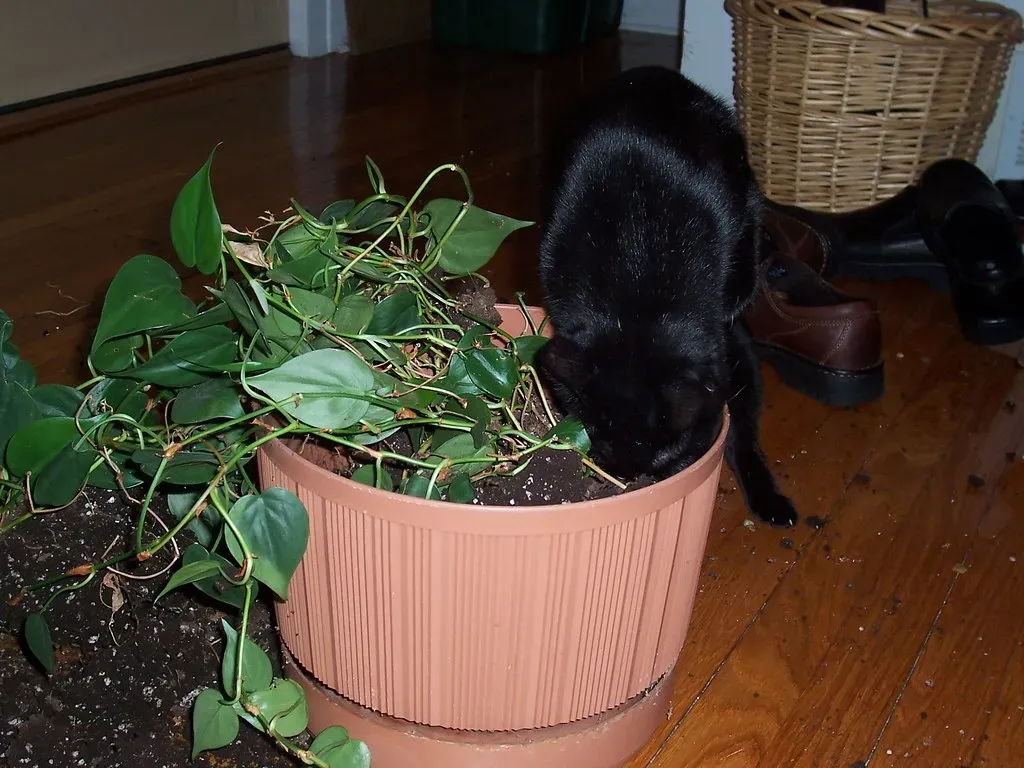
If you catch your cat in the act of chewing a suspect plant, the first step is to gently move them away and remove access to the plant immediately. Take a clear photo of the plant or bring a small cutting with you, because knowing the exact species can change how urgently vets treat the situation. You can try rinsing your cat’s mouth very gently with water if they’ll tolerate it, but the priority is not home remedies – it’s professional guidance.
The next move is to contact a veterinarian or an animal poison hotline and describe what happened, how your cat is acting, and which plant is involved. They can walk you through whether you need to come in right away, monitor at home, or do something specific before heading to the clinic. I know that guilt-ridden feeling of thinking, “I should’ve checked before I bought this plant,” but the most useful thing you can do in that moment is act quickly and give the vet as much information as possible.
Creating a Truly Cat-Safe Jungle: Safer Alternatives and Smart Placement
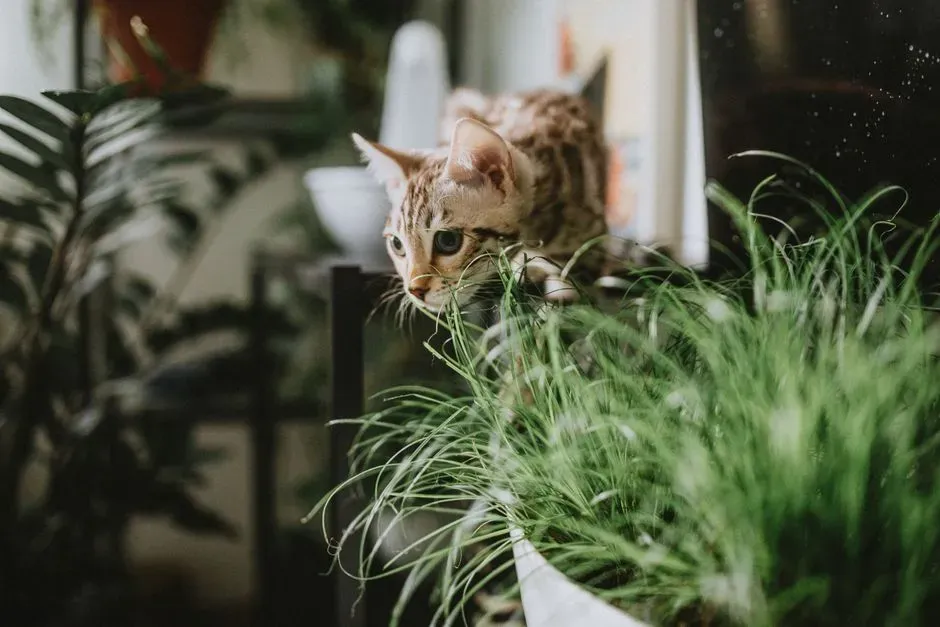
The good news is you don’t have to choose between loving plants and loving your cat. There are plenty of safer options like many varieties of spider plant, certain ferns, and classic cat grass that can still give your home that lush, green vibe. Some cat owners even build little “plant bars” for their pets with edible grasses and herbs, so the cat has its own approved snack zone and is less tempted by the forbidden foliage.
For any plant that’s even slightly questionable, think in terms of layered defense. High shelves, closed rooms, wall-mounted planters, or hanging baskets far from any furniture your cat can launch from can all help. That said, underestimating a determined cat’s athletic ability is a rookie mistake – so if you’d be devastated to lose your cat over a decor choice, it may be time to rehome the riskiest plants altogether. Your home can still look like a jungle; it just doesn’t need to be a minefield.
The Hard Truth: Why We Need to Stop Treating Pet Safety as an Afterthought
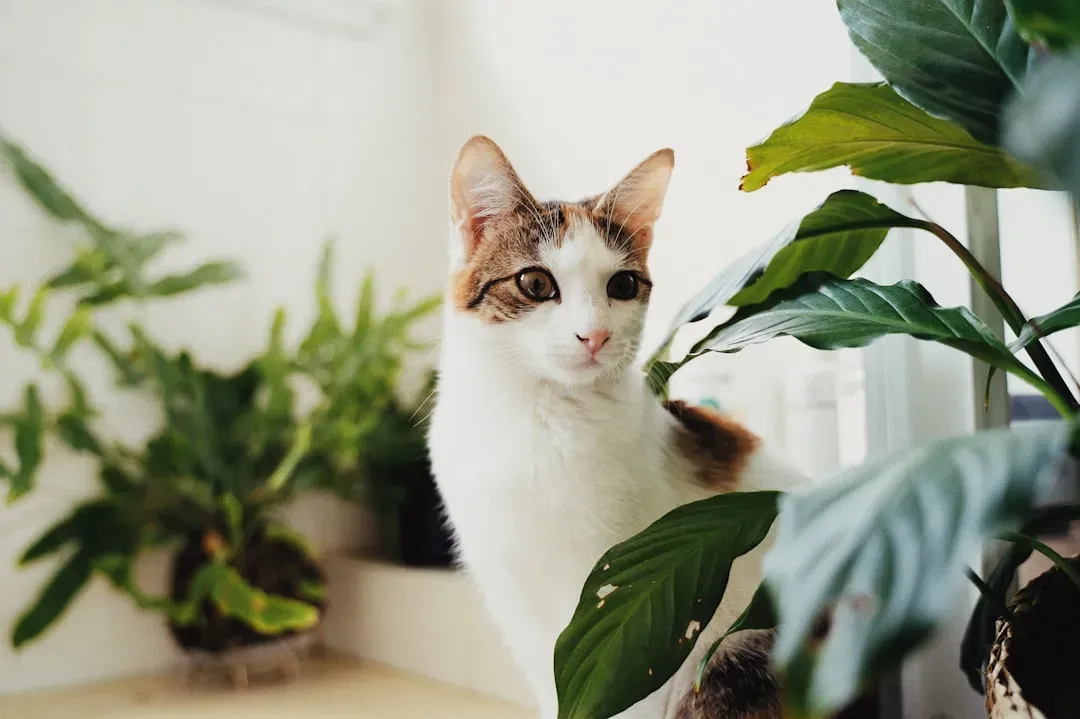
There’s a slightly uncomfortable reality hiding behind that pretty peace lily on the coffee table: we, as a culture, tend to prioritize aesthetics and trends over safety until something goes very wrong. It’s trendy to have a “plant wall” in your living room, but nowhere near as trendy to double-check toxicity lists before you shop. In my view, if we choose to bring animals into our lives, the responsibility to create a safe environment is non-negotiable, not optional.
I genuinely think the pet world needs to get louder and a bit more stubborn about this. Plant shops should label toxicity as clearly as they label light requirements. Influencers who post plant-filled homes with cats in the frame should be upfront about which plants are safe and which are just for the photo. And as individual owners, we have to be willing to ditch or rehome that one “must-have” plant if it means our cat can explore their home without risking a mouthful of pain. Your decor should never be silently poisoning the animal that trusts you most – and once you know that, can you really look at that peace lily the same way again?