

Think about the last dream that really shook you. Maybe you woke up with your heart racing, absolutely certain that what just happened was real. Then, in a split second, your bedroom walls, your alarm clock, and your phone screen snapped you back into what we call waking life. That jarring switch is more than an odd human quirk. Modern psychology and neuroscience are quietly suggesting something far stranger: your dream world and your waking world might be built from the same mental “stuff.”
That does not mean your flying-through-space dream is physically happening somewhere. But it does mean the brain systems that make your morning commute feel real are not all that different from the ones that make a midnight nightmare feel real. In both cases, your mind is actively constructing a world, a you, and a story that holds everything together. When you start to really take that in, the line between “real” and “just a dream” gets a lot blurrier than most people are comfortable with.
Dreams as fully immersive simulations, not random nonsense
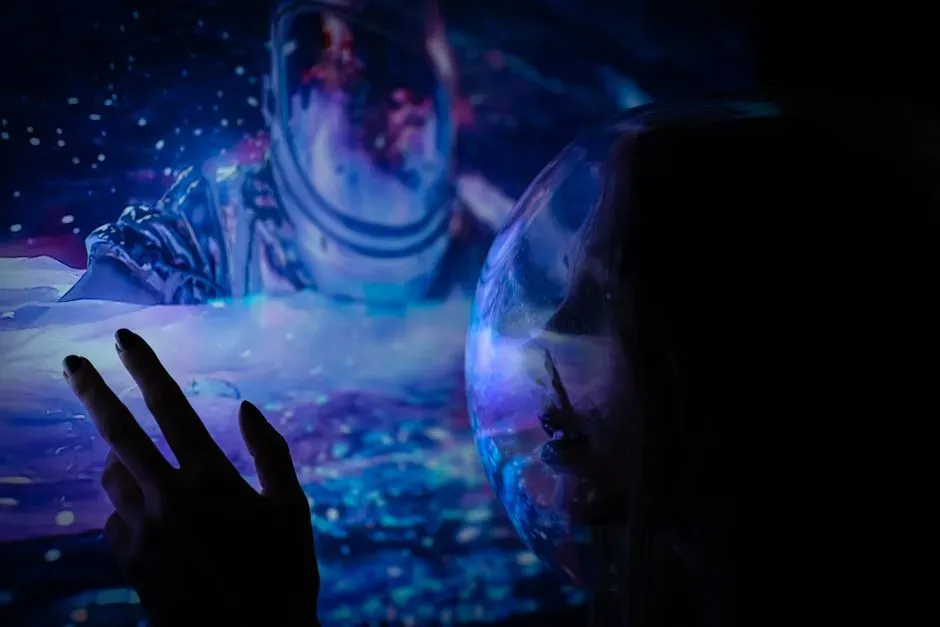
For a long time, dreams were brushed off as random mental noise, like the brain’s leftover junk files being cleaned up overnight. But brain imaging has shown that when you dream, entire networks responsible for vision, movement, emotion, and memory light up in complex patterns. Rather than static images or scattered thoughts, your brain builds a full 3D world that you can walk through, interact with, and emotionally react to as if it were happening right now.
This is why you can feel terror sprinting down a hallway in a nightmare, or deep love while hugging someone you miss, even though your actual body is motionless in bed. Your nervous system is responding to a simulated environment with real feelings, because those feelings are generated inside you, not handed to you by the outside world. In that sense, the experience of a dream is just as “genuine” as a memory or a day at the office, even if its source is internal rather than external.
How the brain builds “reality” in both sleep and wakefulness

Here’s the wild part: your waking life is not raw reality either. Your eyes, ears, and other senses collect signals, but your brain has to guess what those signals mean and build a world-model from them. Vision science has shown again and again that what you see is a constructed picture, filtered and filled in by your expectations, memories, and attention. That already sounds suspiciously like what happens in a dream.
When you compare brain activity in vivid dreaming sleep to intense wakeful perception, you see strong overlap in the regions that process visual scenes, body awareness, and emotional meaning. The main difference is that in waking life, your model is anchored by continuous input from the outside world, while in dreams, the brain turns inward and generates the data itself. In both states, you live inside a story your brain is telling, and you usually only notice the story when something glitches.
The emotional truth of dreams feels as real as waking pain

Even people who dismiss dreams as “not real” rarely deny how powerful they feel. Waking up sweating after a nightmare, or in tears after dreaming of a lost loved one, is not just a cute quirk. Your heart rate, blood pressure, and stress hormones can all spike during intense dreams, mirroring reactions you’d have if the same event happened in waking life. The body naturally responds to perceived threat or connection, no matter where that perception came from.
Researchers who study nightmare disorders and trauma have found that dream experiences can intensify or ease psychological wounds. People can relive frightening events in dreams, experience new endings, or replay painful social interactions with a different outcome. The brain is not doing this for fun. It is treating the dream as an emotionally serious arena, and your nervous system plays along. The pain might not be caused by real-world circumstances in the moment, but the emotional impact is absolutely not fake.
Memory, learning, and the strange work dreams do overnight

Dreams might look bizarre on the surface, but under the hood they appear deeply tied to memory and learning. Studies have repeatedly shown that after practicing a skill or learning new information, your brain replays, reorganizes, and strengthens those traces while you sleep. People often solve problems, find creative connections, or feel clearer on tough decisions after a night of strange, fragmented dreaming. The dream narrative might look wild, but the function behind it is serious.
Think of dreams like late-night editing sessions for your inner life. The brain pulls scenes from your day, old memories, random images, and emotional themes, then mixes them into experimental stories. Some parts get strengthened, others get dropped. You might dream of taking an exam in a stadium or arguing with your boss in your childhood bedroom. That surreal remixing is not random chaos. It is your mind testing out how experiences fit into the larger story of who you are and what matters to you.
Lucid dreaming: when you catch the simulation in the act

If you have ever realized you were dreaming while still inside the dream, you have had a front-row seat to how convincing the internal simulation can be. In lucid dreams, people can sometimes choose to fly, change the scenery, or talk to dream characters with full awareness that none of it is happening in the physical world. Yet the colors, textures, emotions, and motions still feel solid and real from the inside. This shows that a sense of “reality” is something your mind can turn up or down, rather than a property of the outside environment.
Lucid dreaming research also highlights how the boundary between dream and waking is not as rigid as we were taught. With training, some people can deliberately enter a lucid dream from wakefulness, noticing how the feeling of “this is real” smoothly transfers from one constructed world to another. Instead of thinking of waking life as true and dreams as fake, it can make more sense to see both as different settings on the same mental projector, each following its own rules and constraints.
When dreams spill over into daytime reality
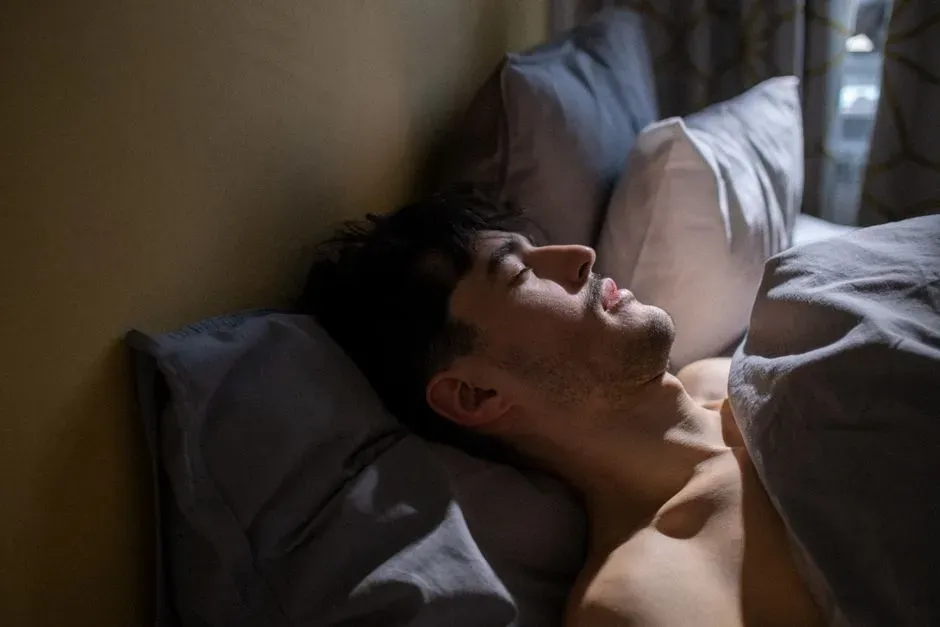
Plenty of people carry their dreams around the next day without realizing it. A vivid nightmare can leave you jumpy around elevators or shadows for hours. A sweet, comforting dream about a friend might change how warmly you treat them later. Your brain does not press a hard reset at sunrise; it integrates emotional residues, images, and narratives from the night into your ongoing sense of reality. In that way, dreaming continues to shape your behavior long after you wake.
In more extreme cases, like sleep paralysis or hypnagogic hallucinations, people briefly experience dreamlike imagery while technically awake. They might see figures in the room, hear voices, or feel a presence on the bed while being unable to move. These episodes are terrifying partly because they collide the two worlds at once. Your waking model and your dreaming model overlap, proving that the same mind can generate both and sometimes fails to keep them separated cleanly.
Dreams, identity, and the story of “you”
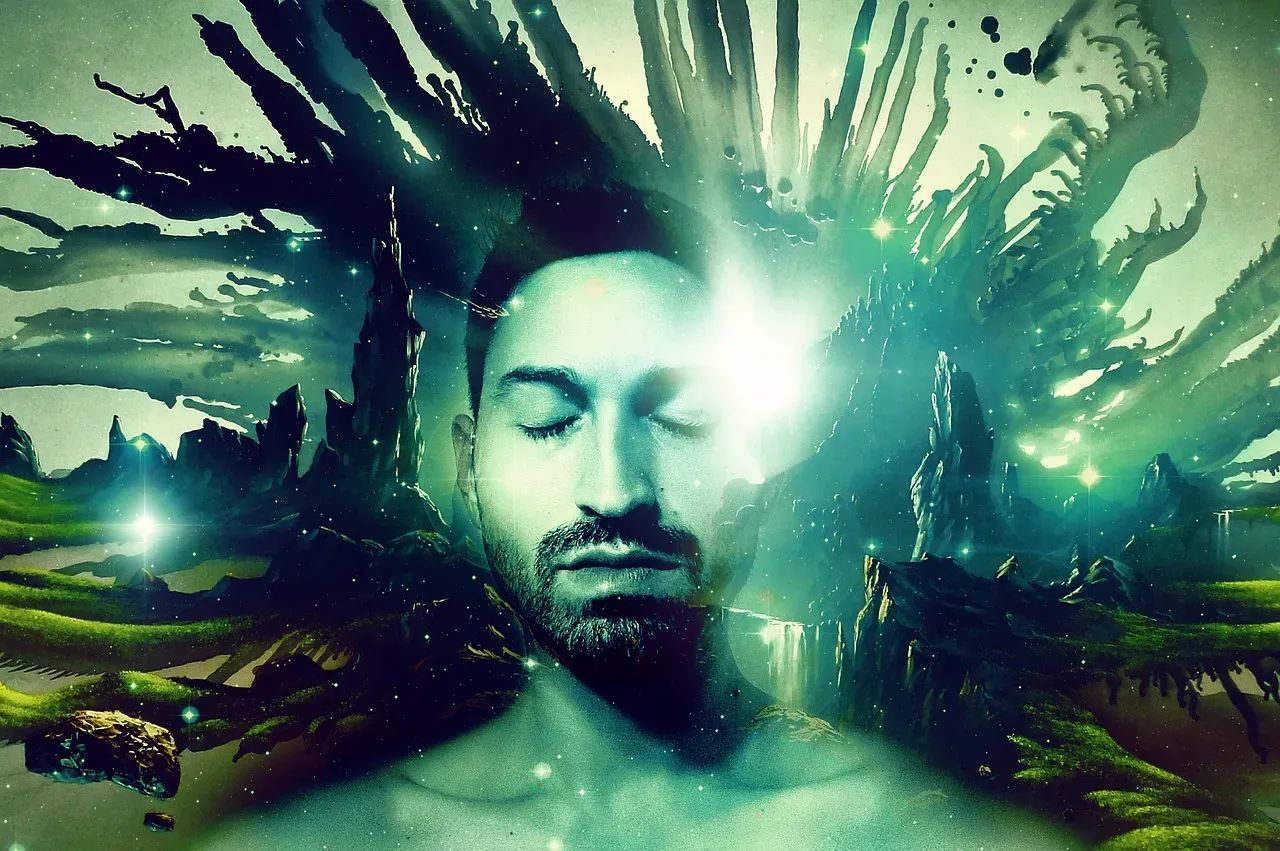
Dreams do not only simulate places and events; they also simulate you. Sometimes you show up in your dreams as your normal self, with your usual age, job, and worries. Other times, you shift into a younger version of yourself, a different gender, or even a point of view outside your body. These flexible identities reveal that your sense of self is not a fixed object, but a role your brain is used to playing. When the context changes, the role can change, and you still feel like “you” within that temporary story.
What fascinates me personally is how dreams can expose beliefs and desires that we keep half-buried while awake. I have had dreams where I made bold choices I was too scared to make in waking life, and the emotional relief felt almost like a rehearsal. In that way, dreams can act like late-night theater for your identity, letting you try on different versions of yourself. Waking reality then becomes the place where you see which parts of that secret rehearsed self you are brave enough to bring into the daylight.
The shared architecture of waking and dreaming consciousness
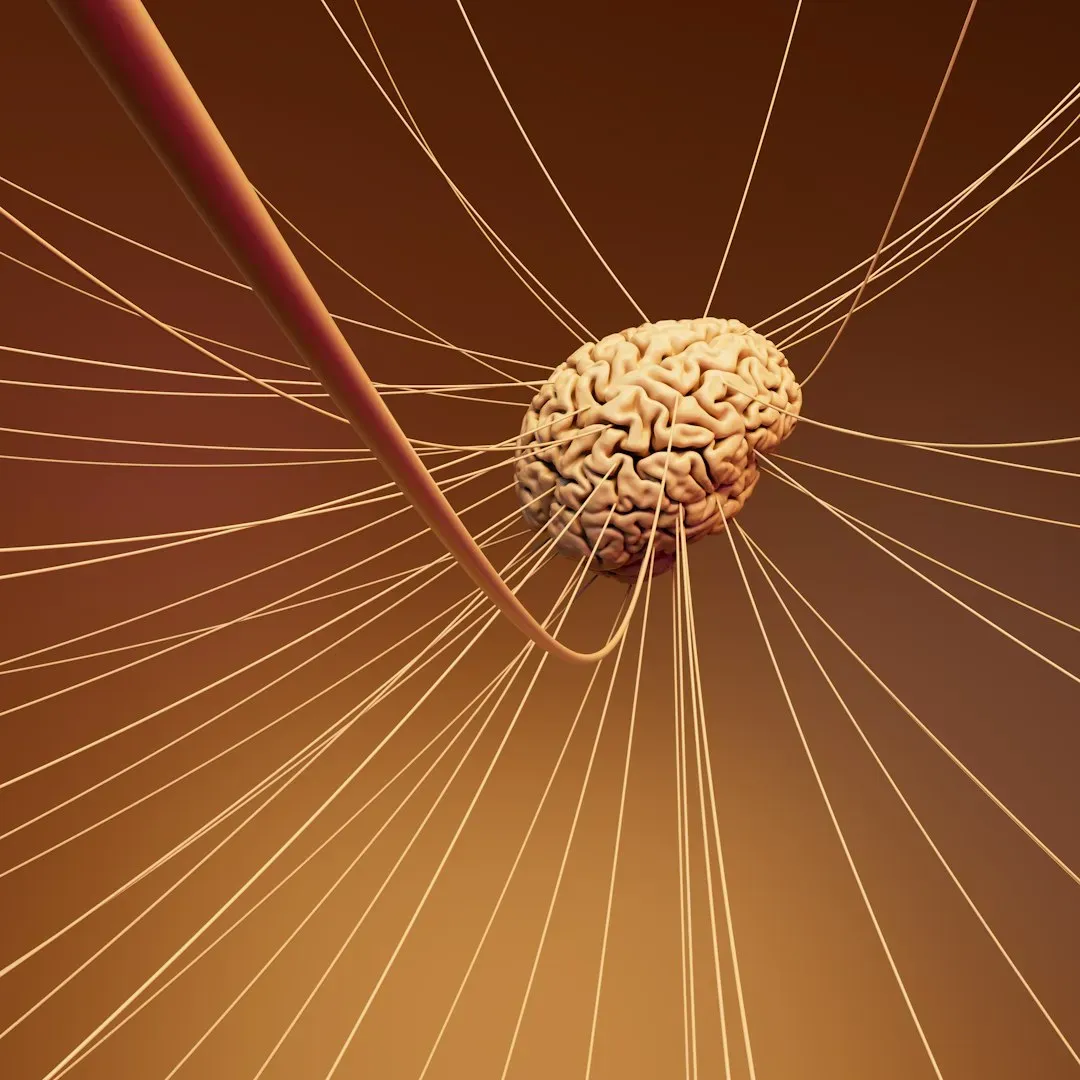
When scientists look closely at brain activity, they keep running into an uncomfortable pattern: the same large-scale networks are involved whenever you are conscious, whether awake or dreaming. Regions that track your sense of body, process faces, or build spatial maps are not only active when you move through a real hallway, but also when you run through a dream hallway. The brain’s “world building” machinery is running in both states, adjusting to whatever input is available.
The biggest consistent difference is that during deep dreaming sleep, the parts of the brain that monitor reality and logical consistency tend to quiet down. That is why bizarre plot twists feel normal at night. But the underlying architecture that lets you experience colors, sounds, emotions, and thoughts is still very much online. To me, this suggests that waking and dreaming are like two operating modes on the same device, rather than different devices entirely. The content changes, but the core engine of consciousness is shared.
If both are constructed, what does “more real” even mean?
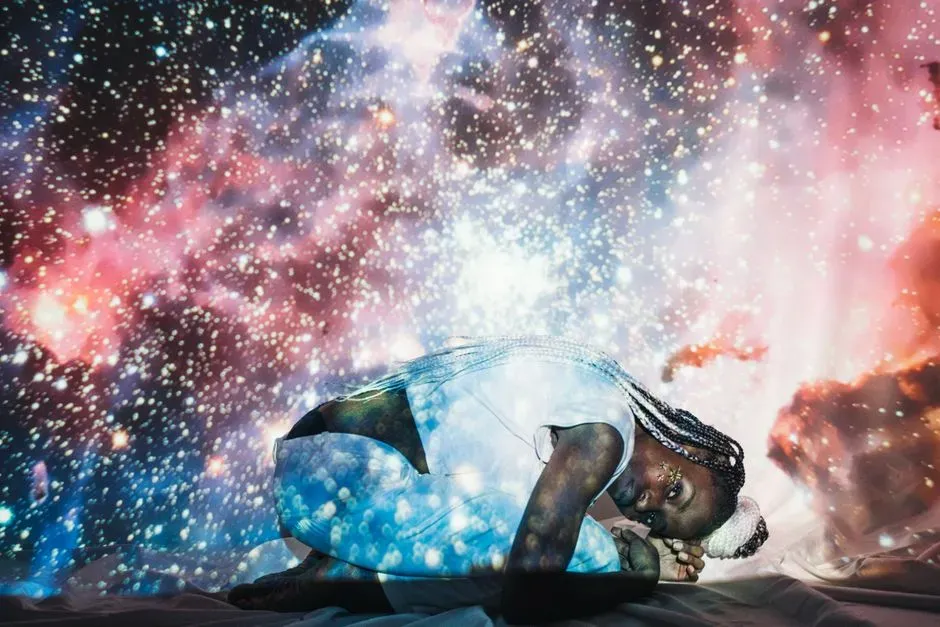
So are dreams more real than anyone thought? Absolutely. They are not random static, and they are not meaningless fluff. Dreams recruit the same emotional engines, sensory systems, and identity-building processes that power your everyday life. Your body reacts to them, your memories are shaped by them, and your sense of self is tested and tuned inside them. From the standpoint of lived experience, dreams are not second-class experiences; they are full members of your psychological reality.
At the same time, waking life remains uniquely accountable to an external world that pushes back. If you step into traffic in a dream, you wake up. If you do it awake, there are consequences that your nervous system cannot simply rewrite overnight. That does not make dreams fake; it just means they are a different version of reality, one where the rules are written by your brain instead of by physics and other people. In my view, the most honest conclusion is this: waking reality and dreams are two intertwined drafts of the same ongoing story, and your mind lives in both. The real question is, which version of that story are you choosing to take seriously when you open your eyes each morning?