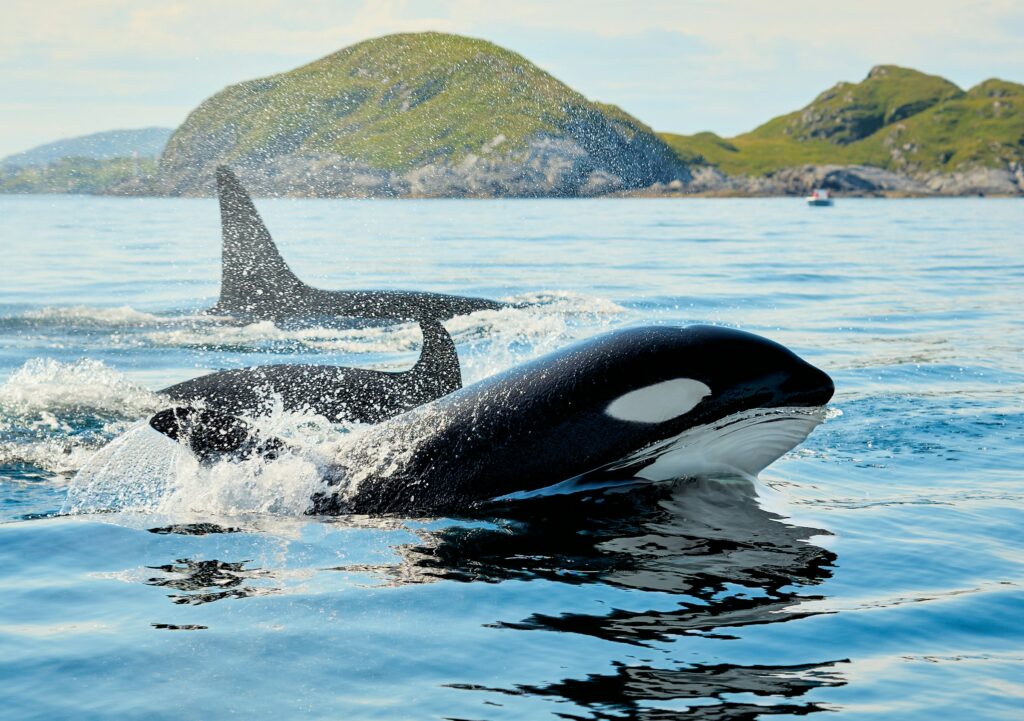

You probably grew up thinking of orcas as one single kind of “killer whale,” doing the same terrifying things in every ocean. Once you start looking at what marine biologists are actually recording, that idea falls apart fast. You are not looking at one uniform super‑predator, you are looking at a patchwork of ocean cultures, each with its own rules, tastes, and tricks for catching dinner. If you followed a pod of orcas from Norway to Patagonia to Antarctica, you’d watch the same species behave so differently that you might swear you were looking at three different animals. That is the point scientists keep coming back to: orcas are not just born hunters, they are taught hunters. And what they learn depends entirely on the traditions of the pod you happen to be watching.
You Are Not Dealing With One Kind Of Orca, But Many Cultures
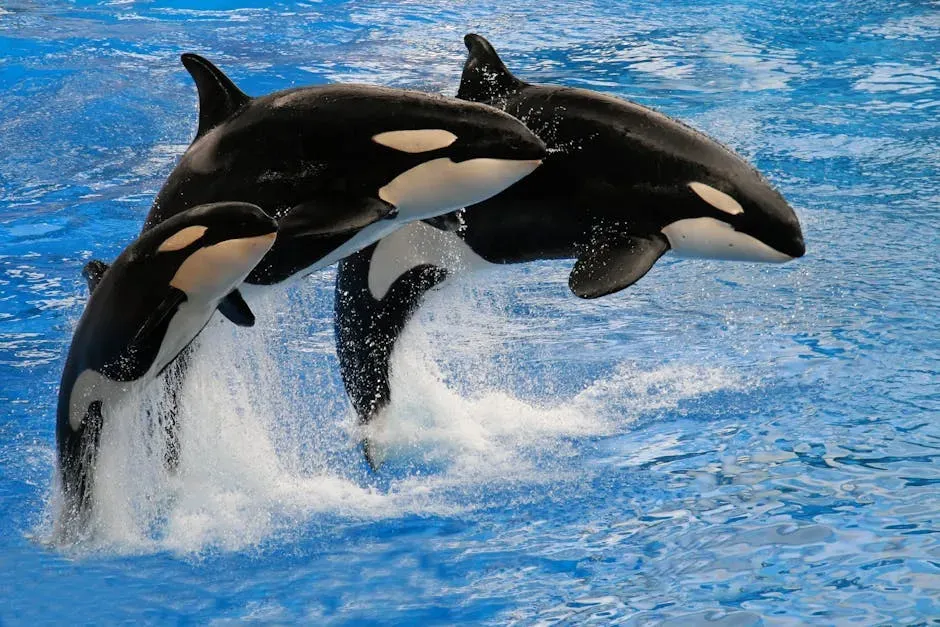
When you hear marine biologists talk about orcas, you’ll notice they rarely just say “killer whale.” Instead, they talk about “ecotypes” or “populations,” because you are dealing with groups that differ in diet, behavior, even body shape and markings. Some are fish specialists, others go after seals and big whales, and they can share the same waters without mixing, like parallel societies that ignore each other. ([oceana.org](https://oceana.org/blog/orca-species-spotlight-orcas-the-matriarchs-of-the-ocean/?utm_source=openai)) You can think of it the way you’d think about human cultures that share a city but don’t share language or cuisine. Northern Pacific “resident” orcas, for example, stick to fish, especially salmon, while nearby “transient” or “Bigg’s” orcas focus on marine mammals and use totally different hunting tactics. They do not just prefer different food; the prey, the communication style, and the group size are all part of a learned tradition that defines who they are. ([cms.int](https://www.cms.int/species/orcinus-orca?utm_source=openai))
Hunting Styles Are Not Just Instinct – They’re Taught Traditions
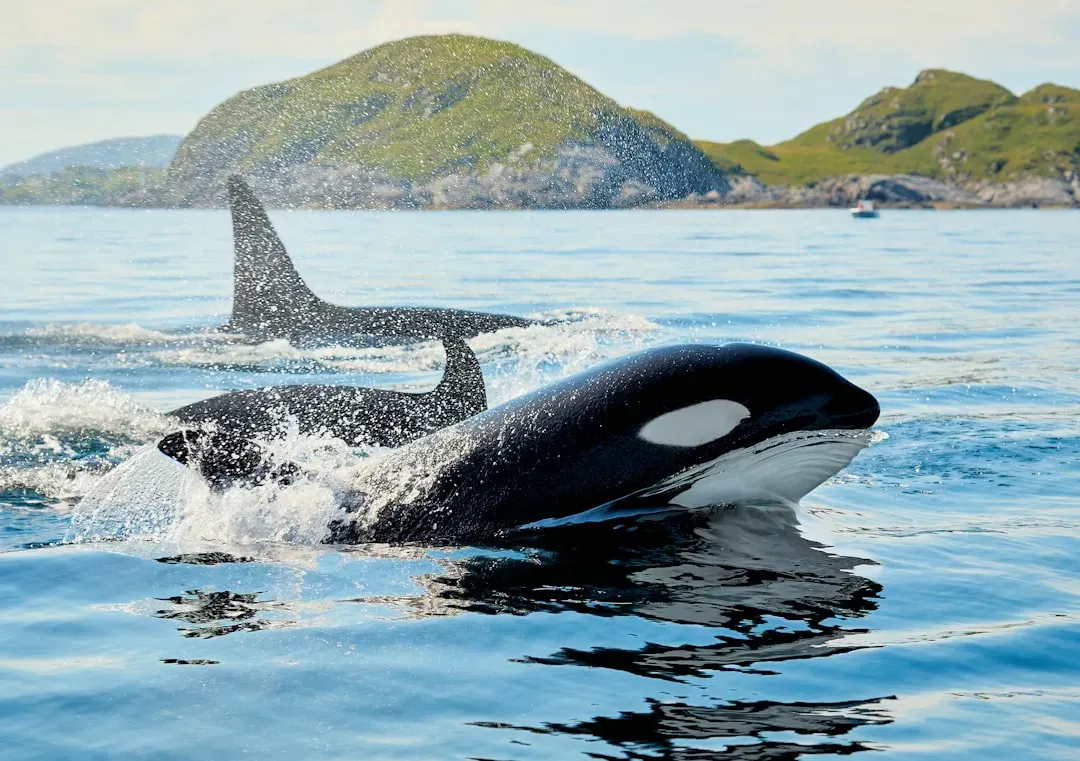
If you picture orcas as little hunting machines born with a built‑in manual, you’re missing what makes them so interesting. Researchers see young orcas tagging along during hunts, watching, practicing, and sometimes clumsily failing while adults clearly give them more chances. In Antarctica, adults have even been seen knocking seals off ice, then letting the youngsters try again, like a parent tossing a ball back to a child so they can practice the catch. ([mappingignorance.org](https://mappingignorance.org/2013/02/25/cultural-traditions-in-orcas/?utm_source=openai)) This is where the word “culture” comes in. In biology, culture means behaviors you learn from others, not from your genes. In orcas, that includes hunting strategies, what counts as food, and how to use sound. Those behaviors can be passed from mothers to calves, from older whales to younger ones, and between peers, just like you pick up recipes, slang, or driving habits from your family and friends. Over time, each population ends up with its own hunting “curriculum.” ([onlinelibrary.wiley.com](https://onlinelibrary.wiley.com/doi/full/10.1111/j.1095-8312.2012.01872.x?utm_source=openai))
Fish-Hunting Orcas Use Noise And Precision; Mammal-Hunters Use Stealth
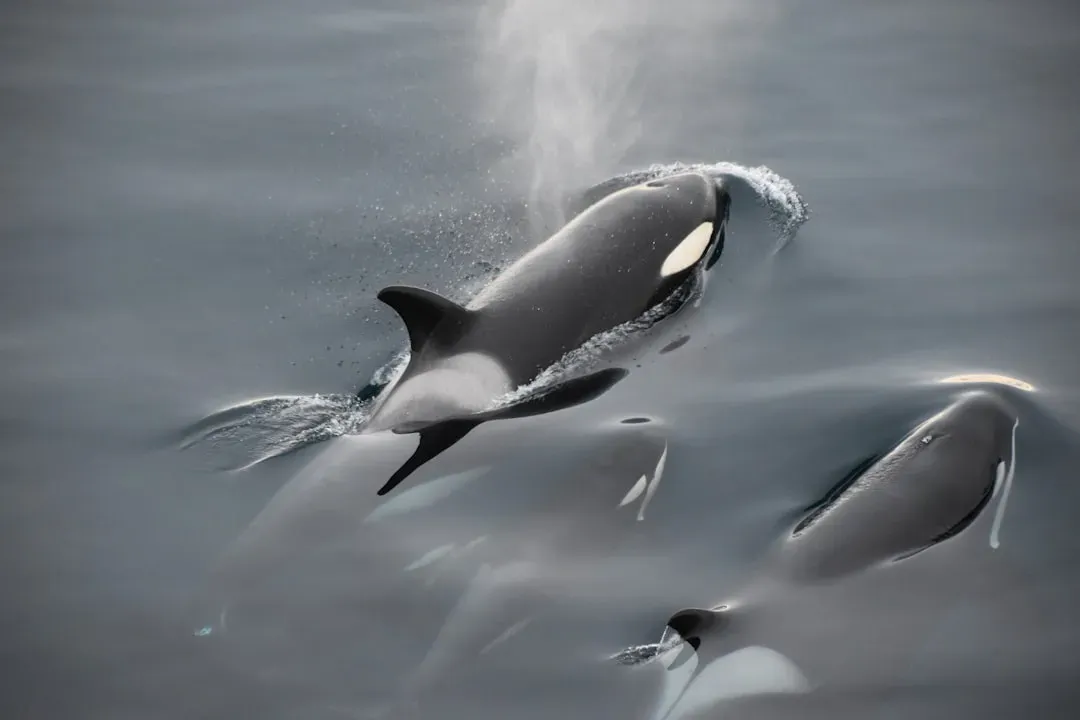
If you were a salmon‑eating resident orca, you’d hunt like a loud, coordinated search team. You’d use echolocation clicks a lot, pinging the water like underwater radar to find individual fish, and your pod might be fairly large and tightly knit because your prey does not scare as easily. That lifestyle shapes everything from how often you call to how you share food within the group. ([nps.gov](https://www.nps.gov/kefj/learn/nature/orca.htm?utm_source=openai)) If you were a marine‑mammal‑eating transient orca in the same general waters, you’d do almost the opposite. You’d keep quiet while you stalk seals, porpoises, or even big whales, since your prey hears well and will bolt if it picks up your calls. You’d hunt in smaller, flexible groups, coordinating with subtle movements and only breaking the silence when the kill is made. That contrast – noisy fish hunters vs. whisper‑quiet mammal hunters – comes straight out of population‑specific tradition, not some single universal orca rulebook. ([cms.int](https://www.cms.int/species/orcinus-orca?utm_source=openai))
Some Orcas “Carousel” Fish, Others Surf The Beach Or Smash Sharks
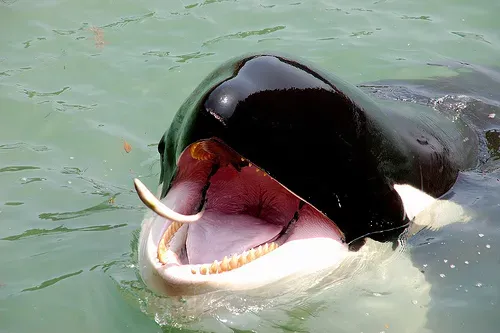
Once you zoom in on specific regions, the hunting creativity gets wild. If you were a Norwegian orca chasing herring, you might use a method marine biologists call “carousel feeding.” You and your pod would herd a school of fish into a tight ball, then take turns stunning them with sharp tail slaps before calmly picking off the dazed herring. It looks almost choreographed, and it only shows up in certain herring‑eating populations, not all orcas worldwide. ([nationalgeographic.com](https://www.nationalgeographic.com/magazine/article/orcas-feeding-cooperative-hunting-killer-whales?utm_source=openai)) Move to Patagonia and the rules change. There, a small population of orcas has learned to intentionally strand themselves on the beach to grab sea lions and elephant seals, then twist and slide back into deeper water. It is an absurdly risky technique that other nearby populations do not use, and it seems to be taught to young whales over time. Off South Africa and California, other groups have developed their own specialties, including coordinated attacks on sharks and open‑ocean mammals. You are watching regional hunting traditions as distinct as local sports or dance styles. ([orca.org.uk](https://orca.org.uk/news-blog/orcas-regal-rulers-of-the-marine-realm?utm_source=openai))
Matriarchs Are Your Living Libraries Of Orca Knowledge
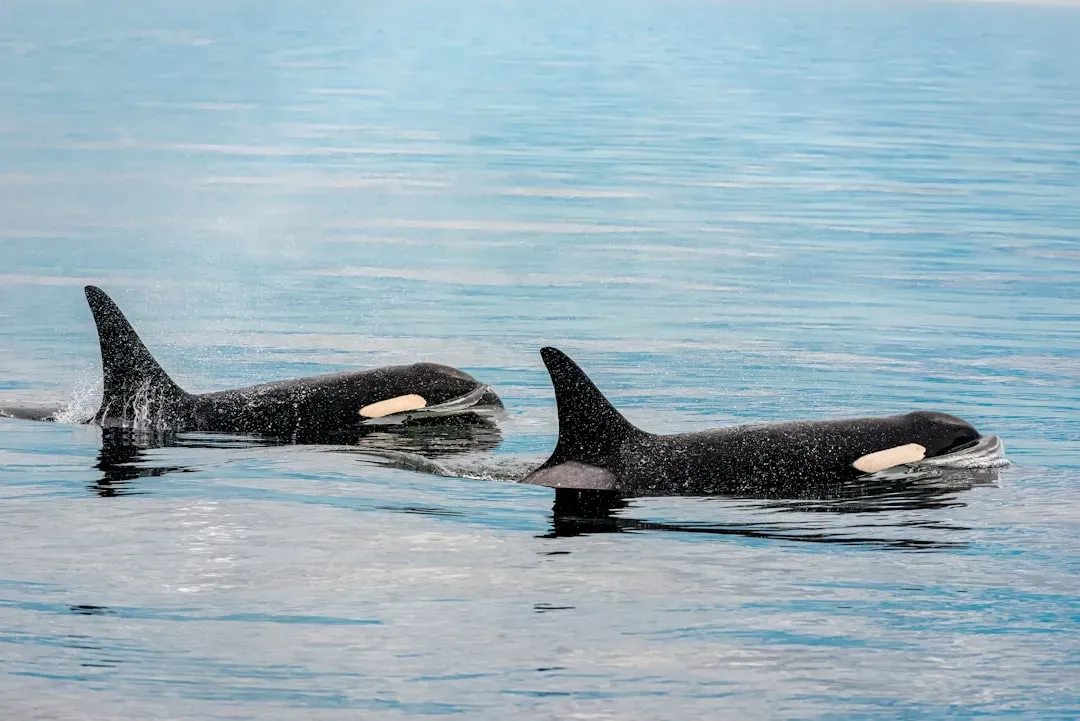
If you were born into an orca pod, the most important teacher in your life would likely be your mother and your grandmother. Orcas live in matriarchal family units, with offspring often staying with their mothers for life in some populations. Older females, including post‑reproductive grandmothers, act as leaders and decision‑makers, using decades of experience to guide the group toward food and away from danger. ([orca.org.uk](https://orca.org.uk/news-blog/marine-matriarchs-lessons-from-the-deep?utm_source=openai)) For you as a young orca, that means every successful hunt is also a lesson. Those older females pass down where to find prey, how to approach it, when to risk certain tactics, and even which species are “on the menu” at all. Studies suggest that when those matriarchs disappear, younger pod members can struggle, not because they lost brute strength, but because they lost cultural memory. The traditions are literally stored in living, breathing grandmothers. ([orca.org.uk](https://orca.org.uk/news-blog/marine-matriarchs-lessons-from-the-deep?utm_source=openai))
Dialects, Social Rules, And Hunting Go Hand In Hand
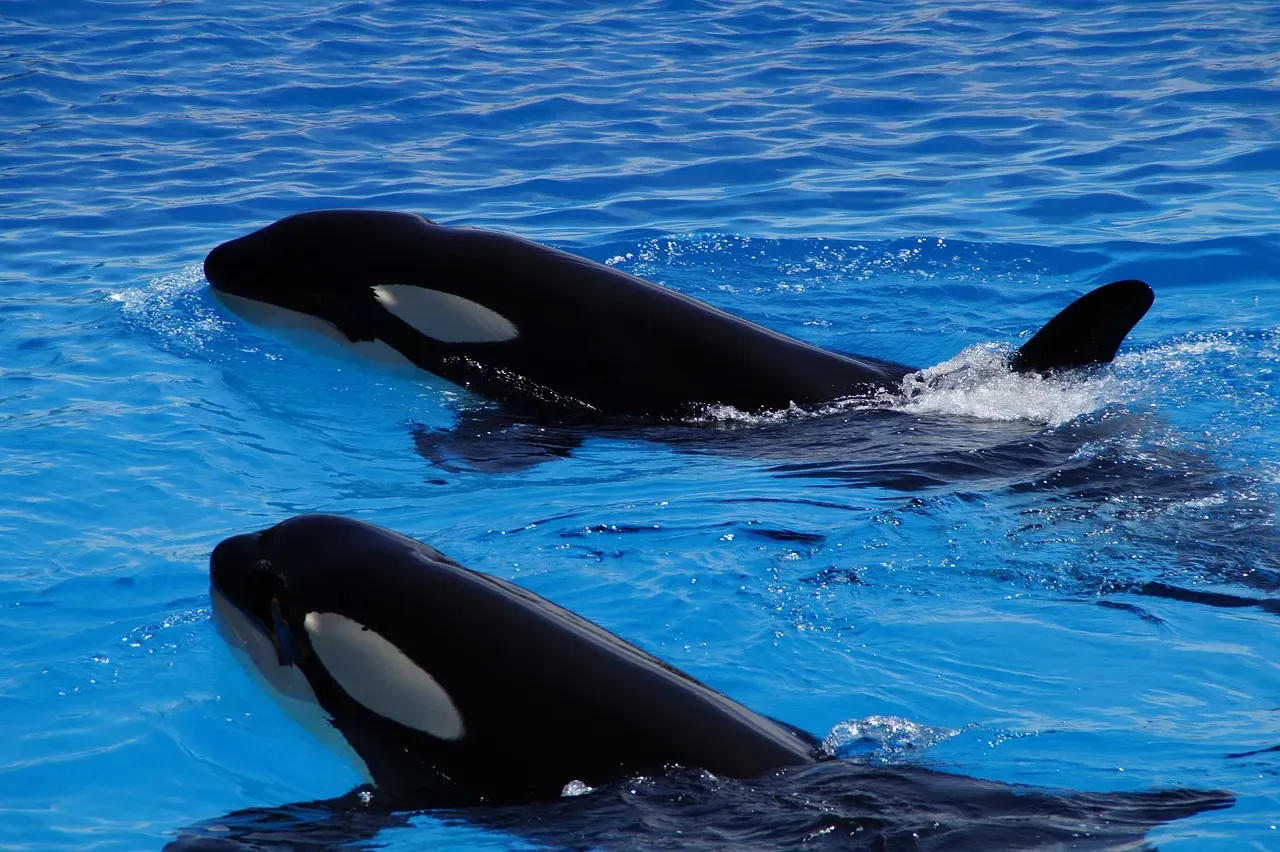
When you listen to recordings of different orca populations, you do not just hear generic whale sounds; you hear distinct dialects. Each pod or clan has its own set of calls, and calves learn that vocal “accent” from their group. Those dialects line up closely with social boundaries and hunting styles. Fish‑eating residents may call frequently during feeding, while mammal‑hunters are quiet during the hunt and more vocal before or after. Your “language” is part of your hunting toolkit. ([nhm.org](https://nhm.org/stories/orcas-culture-beneath-surface?utm_source=openai)) That tight link between who you talk to, how you talk, and what you hunt means traditions help keep populations separate, even when they share the same ocean. Different call types, different prey, different tactics – all of that reduces mixing between groups and can even push them along separate evolutionary paths. In plain terms, your cultural hunting rules can be strong enough to help shape your genes over many generations. ([onlinelibrary.wiley.com](https://onlinelibrary.wiley.com/doi/full/10.1111/j.1095-8312.2012.01872.x?utm_source=openai))
Conservation Has To Protect Cultures, Not Just Bodies
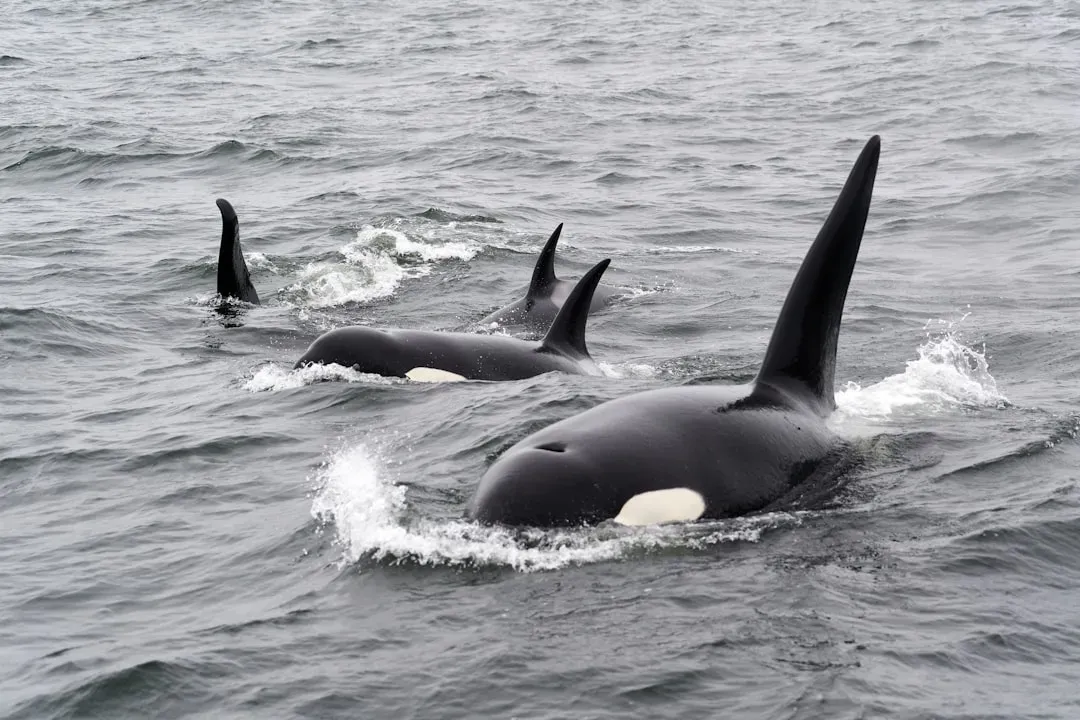
If you think of orcas as interchangeable individuals, you might assume that saving the species is just about keeping enough animals alive. But once you accept that a pod’s hunting techniques and diet are cultural, you see a risk you might have missed: you can lose entire traditions even if the species survives somewhere else. A fish‑specialist population that loses its salmon, for example, cannot easily flip overnight to mammal hunting; its culture is tuned to a specific prey and place. ([oceana.org](https://oceana.org/blog/orca-species-spotlight-orcas-the-matriarchs-of-the-ocean/?utm_source=openai)) That is why some orca populations are listed as threatened or depleted while others of the same species are doing relatively well. When you wipe out a local prey base, pollute a coastline, or break up a social network with noise and disturbance, you are not just stressing individual whales; you are tearing holes in a cultural fabric that took generations to weave. Effective conservation of orcas means protecting the conditions that let each population’s traditions continue: enough prey, quiet enough waters for communication, and space for matriarchs to keep teaching. ([nps.gov](https://www.nps.gov/kefj/learn/nature/orca.htm?utm_source=openai))
What These Hunters Teach You About Intelligence And Tradition
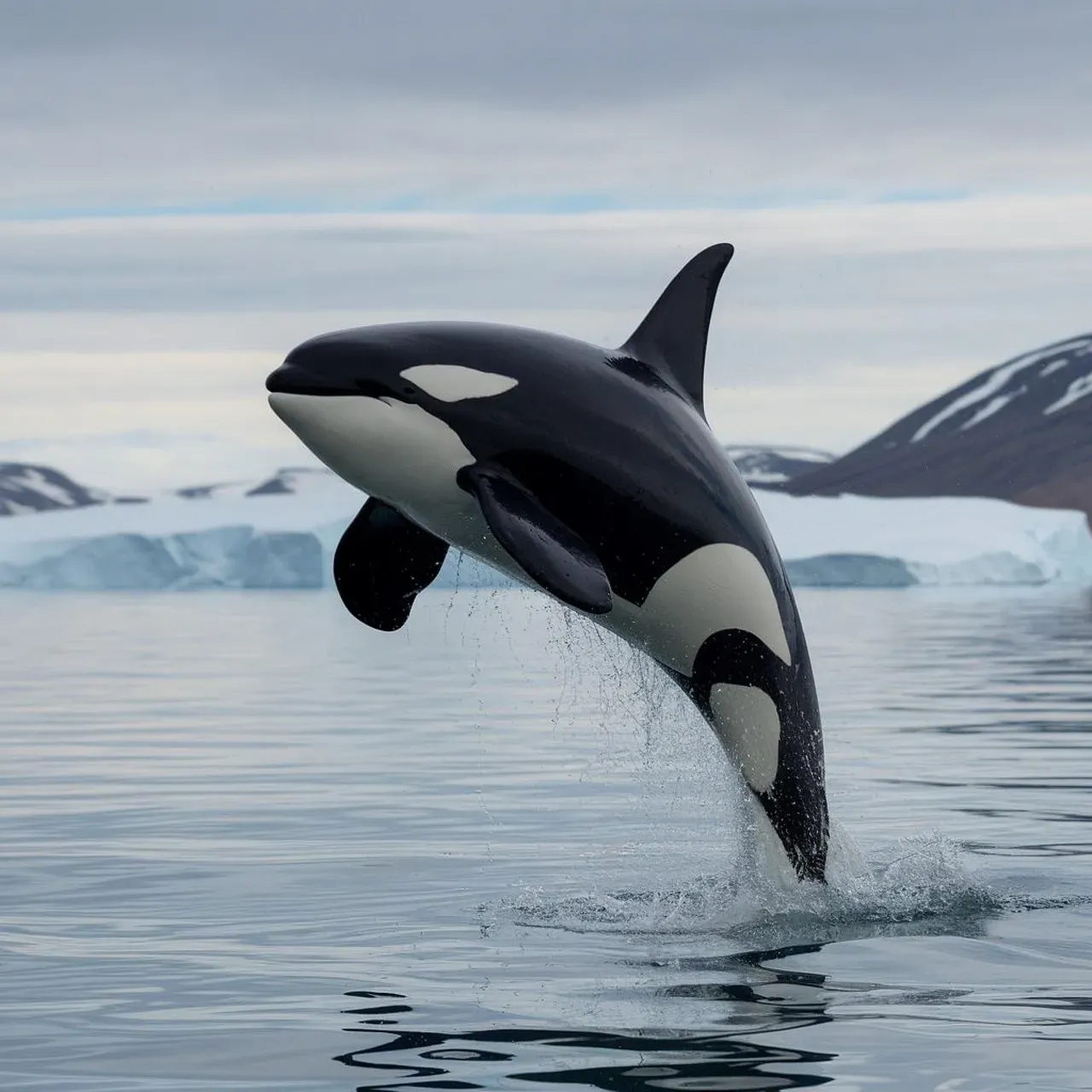
When you step back from all these details – the carousel feeding, the beach‑stranding, the stealthy mammal hunts – you are really looking at a non‑human species built around shared knowledge. You see orcas using big, complex brains not just to solve one‑off problems, but to maintain stable ways of living that differ from place to place. In that sense, you are staring at something very familiar: culture, just in cold saltwater instead of on land. ([scienceinsights.org](https://scienceinsights.org/the-life-cycle-and-social-structure-of-orcas/?utm_source=openai)) It also means you can no longer honestly describe orcas as simple, interchangeable “killers.” You are dealing with communities that inherit traditions, stick to them stubbornly, and only change them when they have to. That should make you think twice about how you talk about them, how you manage their habitats, and what you assume about animal minds in general. If whales can carry fishing techniques the way your family carries recipes, what else might the ocean be remembering that you have not learned to notice yet?