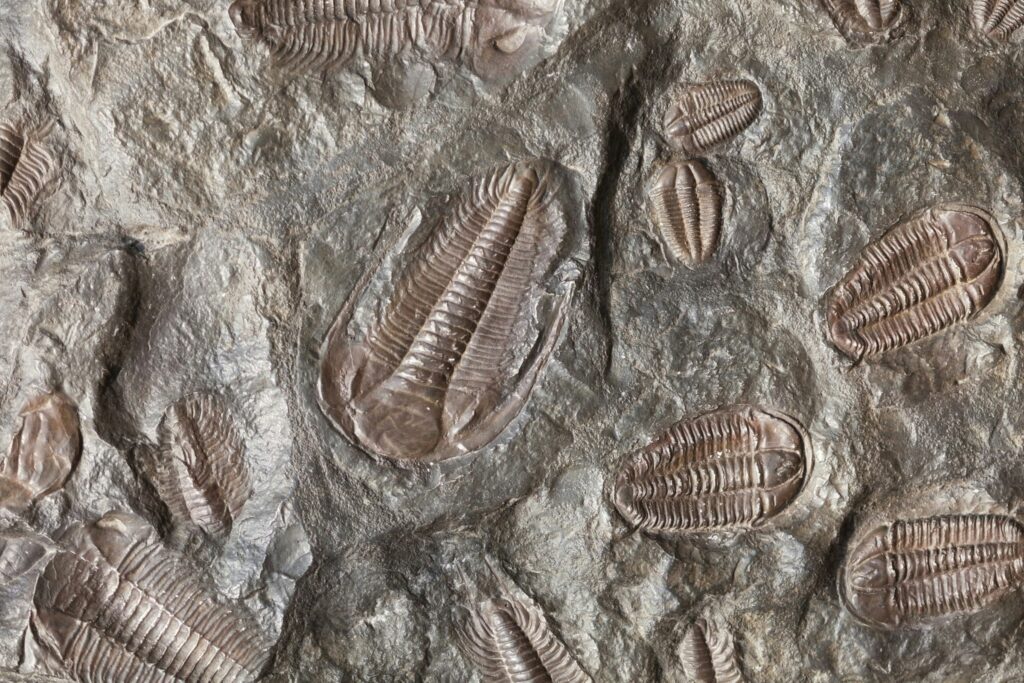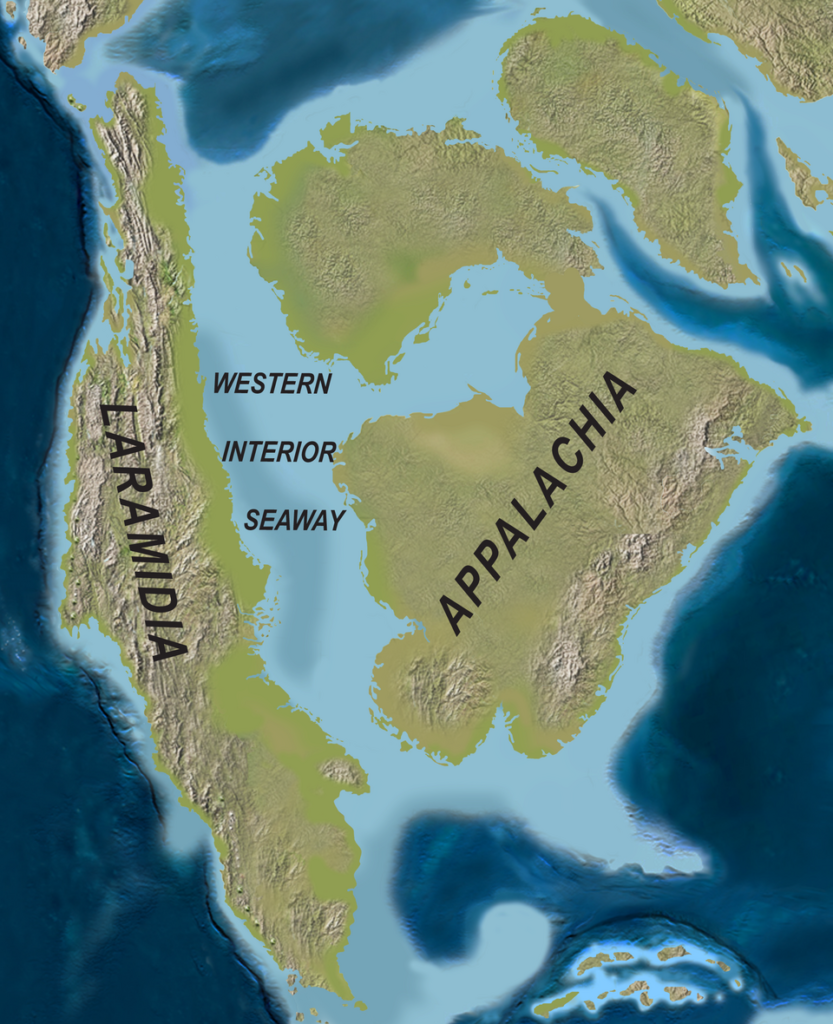

You probably picture the American Midwest as endless cornfields, big skies, and long highways, not as a place where sharks cruised over your head and coral reefs flourished where your driveway sits now. Yet for tens of millions of years, large parts of the region you know today were covered by warm, shallow tropical seas. If you could step into a time machine and go back a few hundred million years, you wouldn’t see farms and cities – you’d be snorkeling. This isn’t just a fun story geologists tell each other. You can still touch the proof with your own hands in road cuts, quarries, creek beds, and even decorative stones on buildings. Once you start noticing it, the idea that you live in the shadow of an ancient ocean becomes strangely personal, almost like finding out there’s a forgotten chapter in your family history that no one told you about until now.
You’re Standing on the Remains of an Ancient Tropical Seafloor
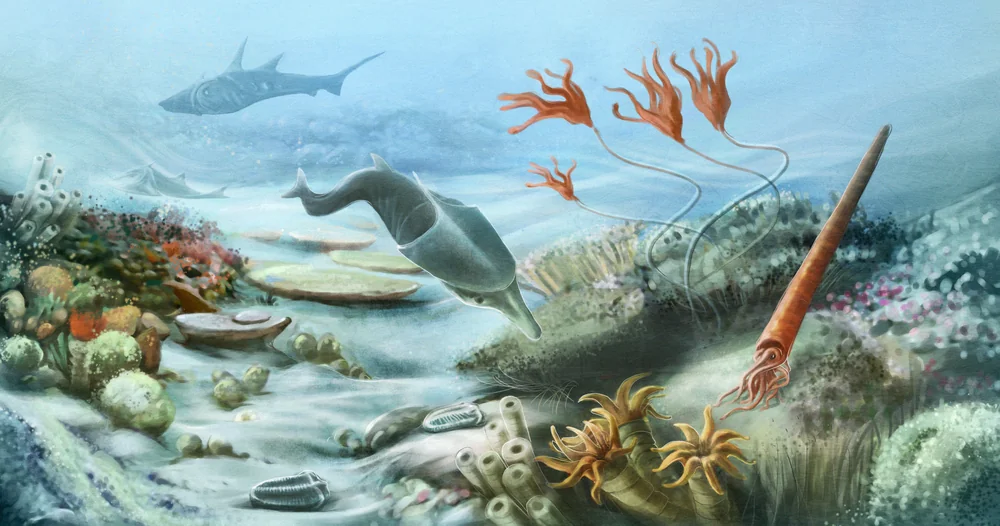
If you live anywhere from Iowa to Indiana, Kansas to Wisconsin, there’s a good chance your house is literally sitting on top of old seafloor mud and reef rubble that turned into rock. During long stretches of the Paleozoic Era, especially the Ordovician, Silurian, Devonian, and Mississippian periods, warm, shallow seas spread across what is now the interior of North America. These seas were something like today’s Caribbean: clear water, plenty of sunlight, and a thick carpet of marine life on the bottom. Over millions of years, shells, corals, algae, and tiny sea creatures piled up on that seafloor as they died, layer after layer. The weight of new sediments and the slow chemistry of burial turned that mushy lime-rich mud into solid limestone and dolostone. When you see thick layers of pale, almost white rock in Midwestern bluffs or quarries, you’re often looking at the hardened remains of that long-gone tropical seabed.
How Geologists Figured Out the Midwest’s Tropical Ocean Past
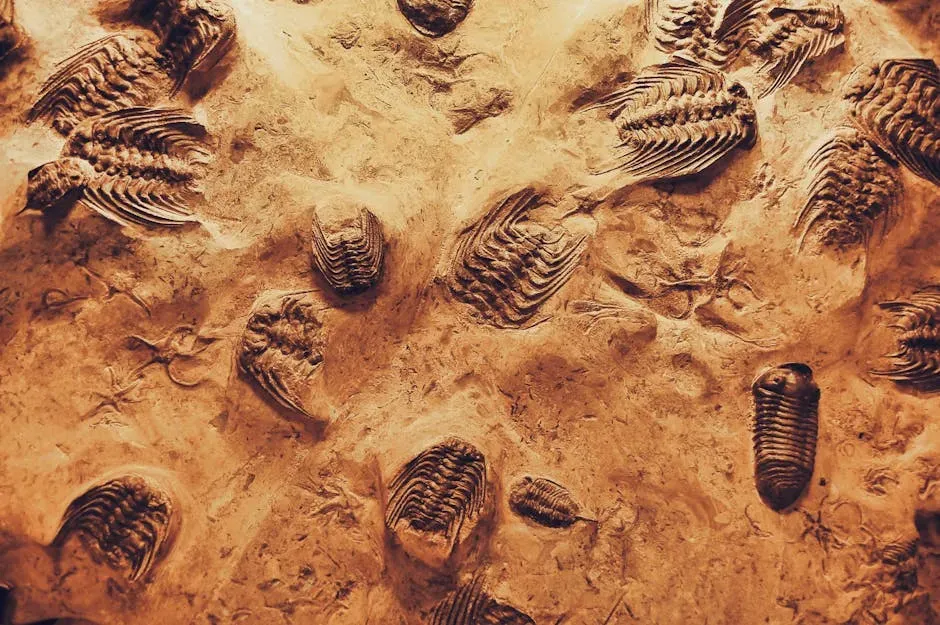
You might wonder how anyone can say with a straight face that Nebraska or Indiana used to feel like the Bahamas. The answer is that the rocks record the story in ridiculous detail, once you know how to read them. Fossils of marine organisms are the clearest signal: trilobites, brachiopods, crinoids, corals, and ancient shellfish cluster in specific layers, telling you exactly what sort of habitat they lived in. But it’s not just the fossils that matter; it’s the rocks themselves. Certain kinds of limestone, with features like ripple marks, mud cracks, and cross-bedding, form only in shallow water environments. The chemistry of the rock – rich in calcium carbonate from shells and skeletons – also points straight to marine conditions. When these clues line up over hundreds of kilometers, you’re not looking at a wild guess; you’re looking at a consistent, continental-scale story backed by a massive pile of physical evidence.
Why a Tropical Sea Existed in the Middle of a Continent
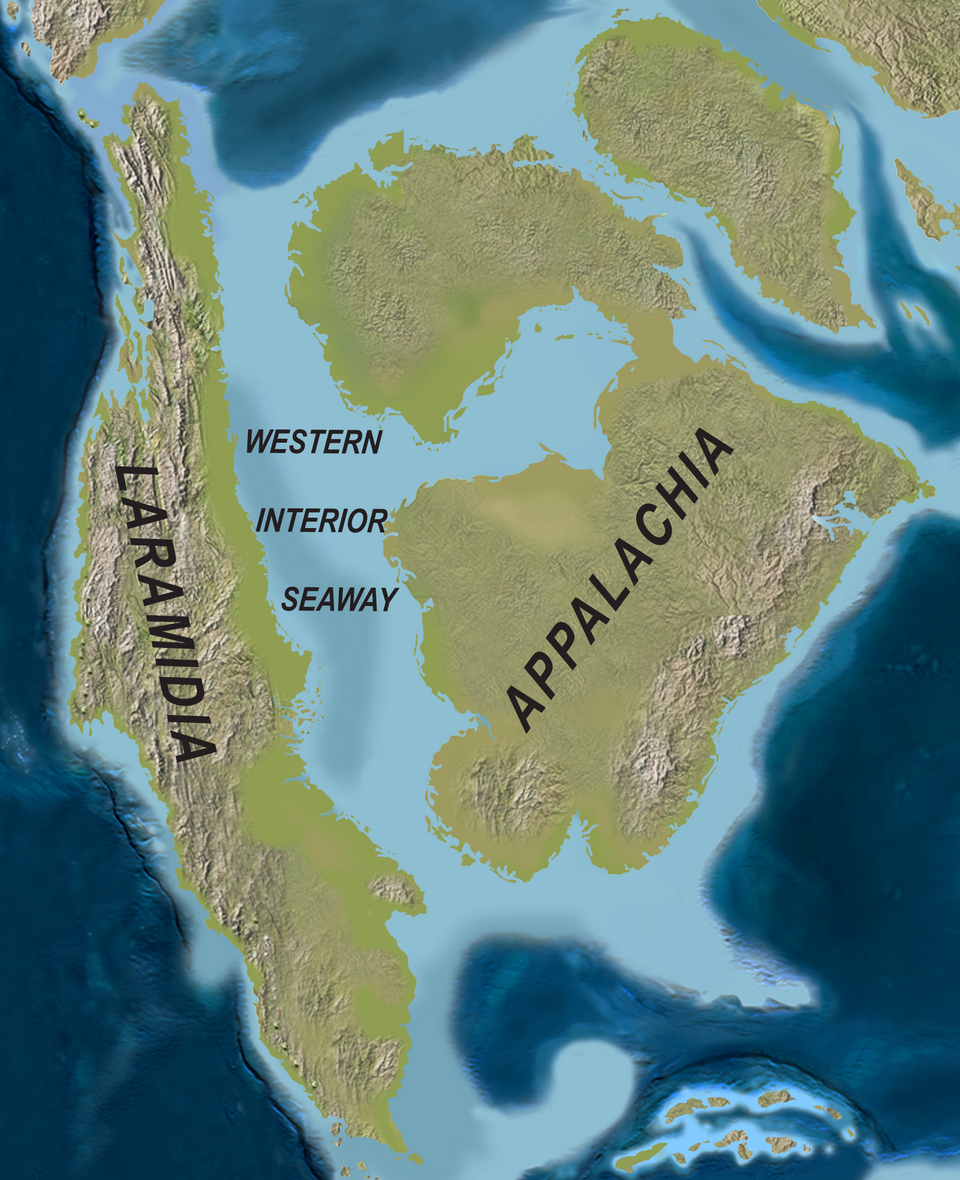
It feels strange to imagine an ocean smack in the middle of a continent, but that’s mainly because you’re used to looking at today’s map. Over hundreds of millions of years, plate tectonics shuffled continents around like puzzle pieces, and what’s now the Midwest used to sit much closer to the equator. When North America drifted through the tropics, shallow seas repeatedly flooded the interior lowlands. Part of the story comes down to global sea level, which has not been constant through Earth’s history. During warmer times, little to no ice was locked up in polar caps, so ocean levels were higher and could spill onto low-lying parts of continents. The central United States is built on a broad, gentle basin known as the interior craton; think of it as a huge, slightly sagging plate. When sea level rose, that sag filled with warm water, turning your future farmland into a wide, shallow marine shelf.
Fossils You Can Actually Find in the Midwest
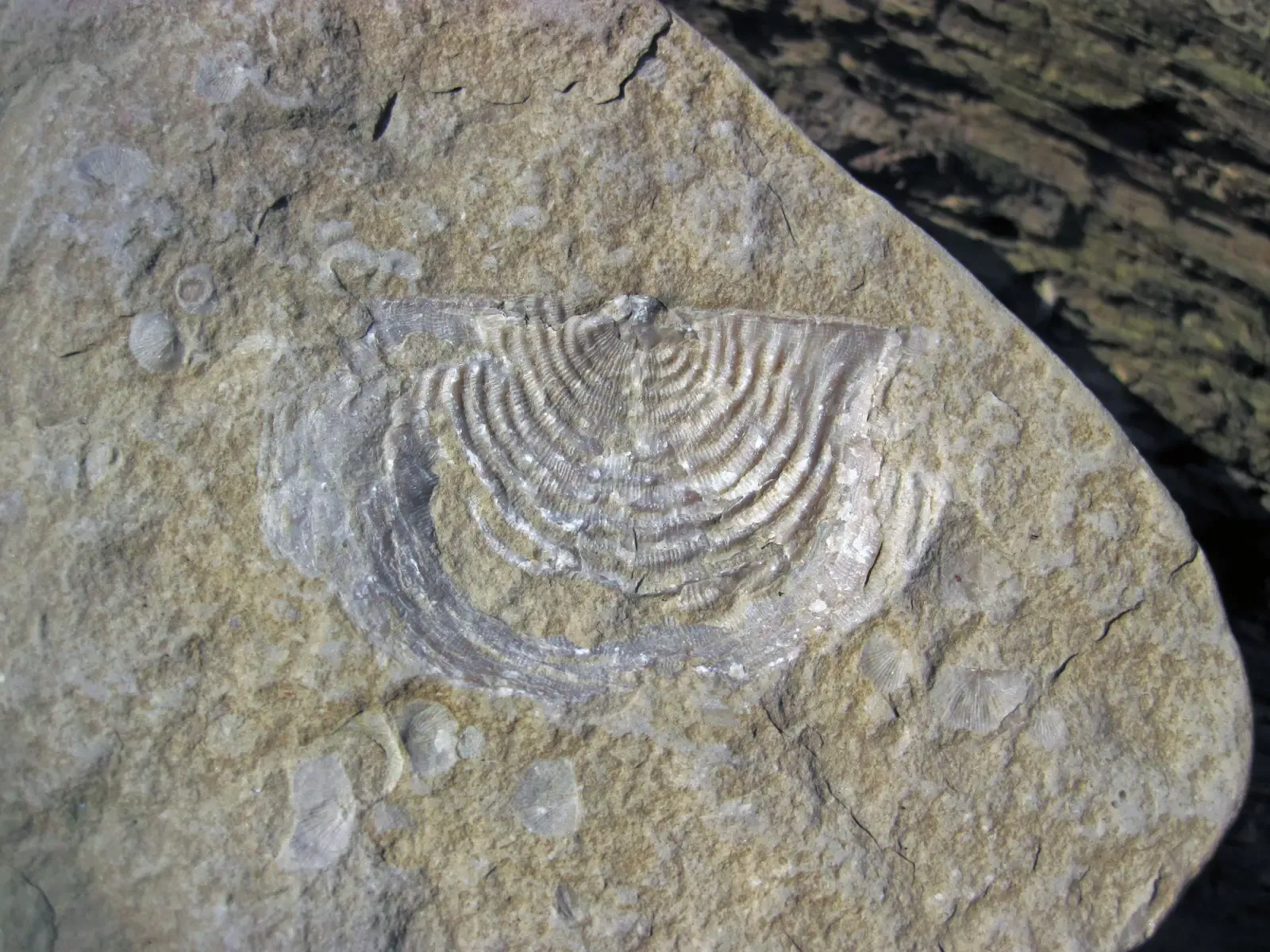
If you’ve ever picked up a rock in the Midwest and noticed shapes that look like little fans, screws, honeycombs, or coiled shells, you’ve probably already met the residents of that ancient sea. Common fossils include brachiopods that look like clams but are not, crinoid stems that resemble tiny stone washers or stacks of beads, and corals that appear as patterned circles or tubes in cross-section. You may even find whole chunks of fossil-rich rock where the entire surface is just a mosaic of old sea life. You do not have to be a professional geologist to spot these. Road cuts along highways, creek banks after heavy rain, or rock piles near quarries often expose fossil-bearing layers. Over time, you start to recognize certain rocks as almost guaranteed fossil hosts. Once you know that these little stone shapes are the bodies of animals that lived in a warm sea on the very spot you’re standing, an ordinary walk along a gravel bar suddenly feels like time travel.
How Those Ancient Seas Still Shape the Midwest Today
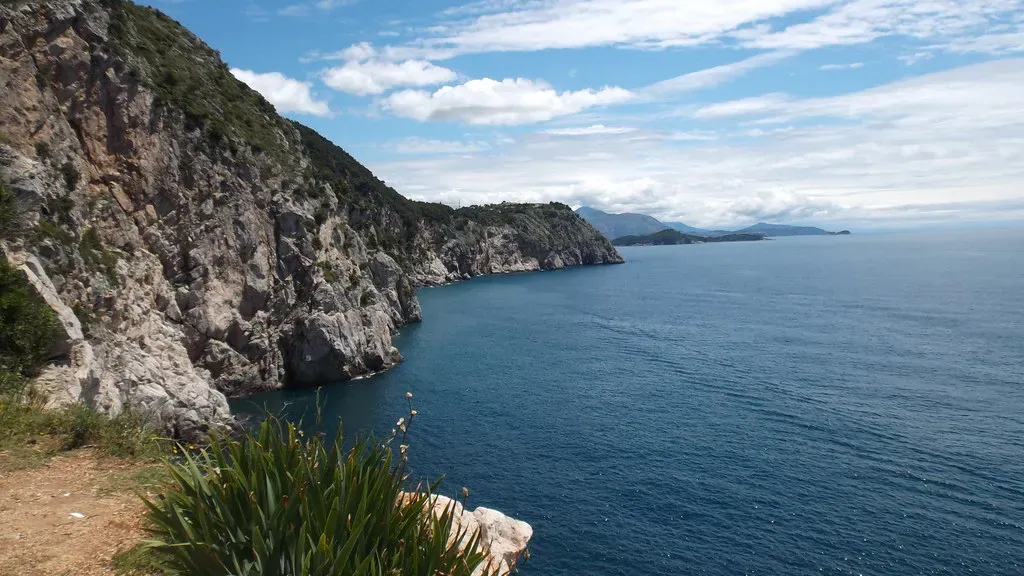
The tropical seas may be gone, but they still control a surprising amount of your daily life. Many Midwestern landscapes – from the flat, fertile plains to the gently rolling hills – are carved from soft sedimentary rocks laid down on that seafloor. Limestones and shales weather differently, creating cliffs, valleys, and river routes that guide where roads, towns, and farms ended up. Even the way groundwater moves and where springs form is tied to how those ancient rocks are layered and fractured. You also lean on those old seas in ways you rarely think about. Limestone from ancient marine deposits is quarried for cement, road base, building stone, and even to neutralize acidic soils. Some regions sit above layers that trapped oil and gas in ancient reefs or porous sands, formed in environments linked to those shallow seas. In places with thick carbonate rocks, you get spectacular caves, sinkholes, and disappearing streams – all modern features created by water slowly dissolving an ocean floor that hardened hundreds of millions of years ago.
What This Deep Past Tells You About Climate and Change
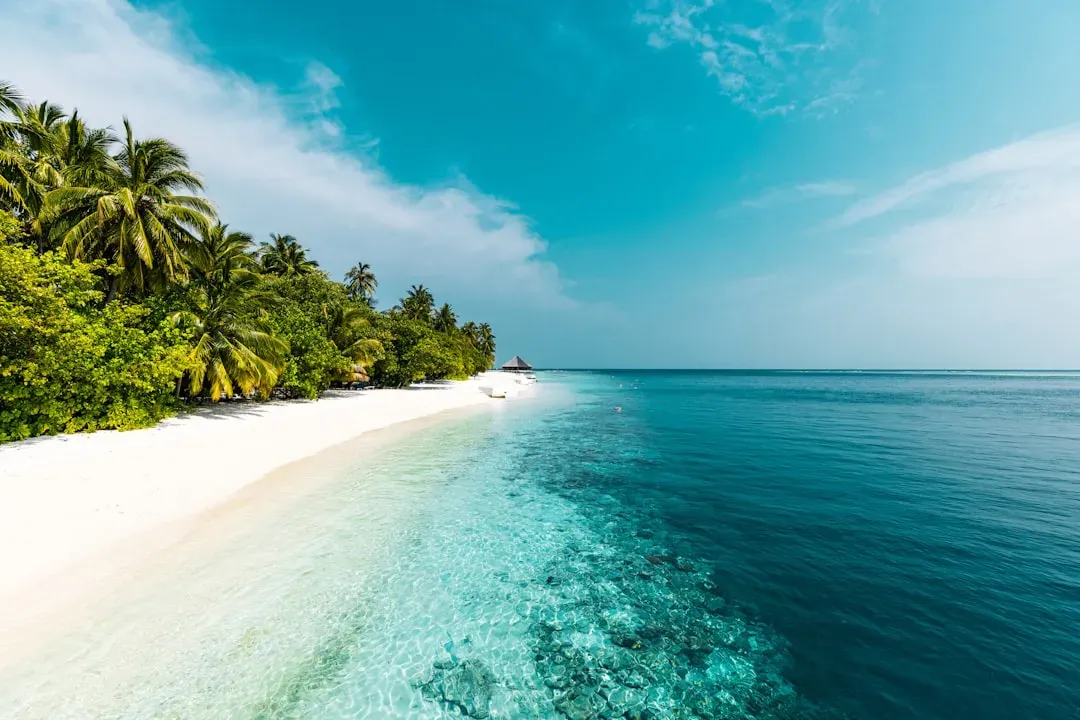
When you learn that the Midwest was once a sunlit tropical sea, it forces you to widen your sense of time. The climate and geography you take for granted are just a snapshot in an incredibly long movie. The fact that tropical marine conditions existed where you now get blizzards shows that Earth’s surface is not fixed; continents drift, mountains rise and erode, and climates swing from warm to cold and back again. You are living in one temporary configuration of land, sea, and sky, not the final version. At the same time, there’s an important distinction between slow, natural changes over tens of millions of years and the rapid shifts you see now over decades and centuries. The ancient seas remind you that the planet is capable of being very different, but they also underline how unusual your current rate of change is. Knowing that corals once thrived where your street now runs can make conversations about future coastlines and climate feel less abstract and more like another chapter in a very real, ongoing story.
Seeing Your Home With New Eyes
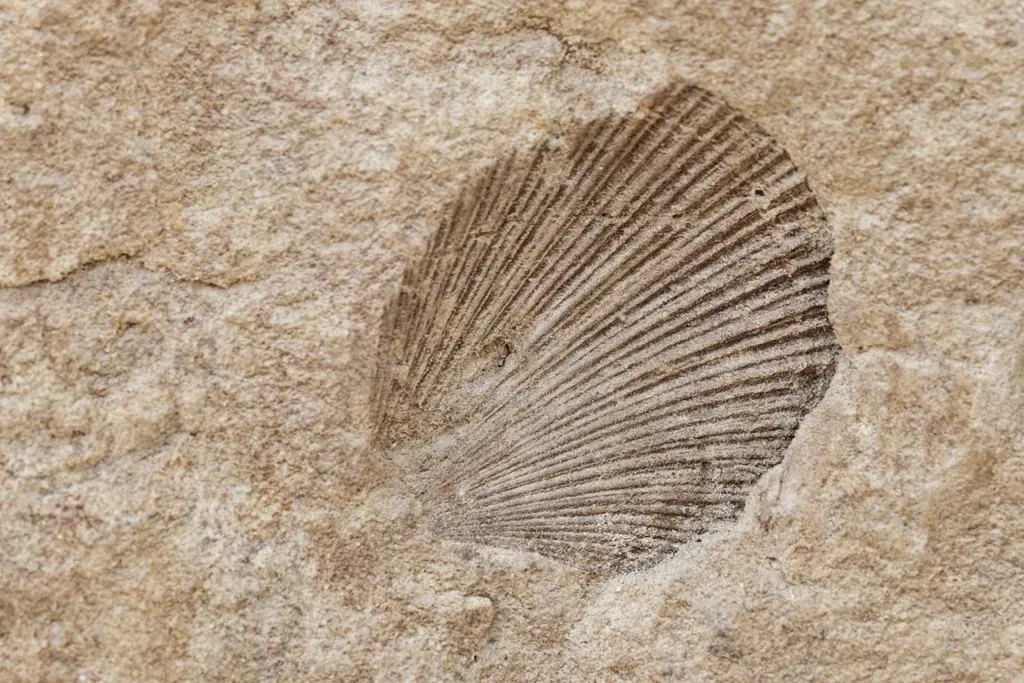
Once you know this history, you start to look at the Midwest differently. A limestone church wall becomes a reef slice; a gravel driveway turns into a jumble of broken seafloor pieces; the gentle hill outside town hints at buried layers that once lay under saltwater. You may never think of a cornfield the same way again, knowing it stands above the ghosts of coral gardens and shoals where ancient fish hunted. Everyday places become more layered, literally and emotionally. I still remember the first time I held a crinoid stem from a Midwestern creek bed and really let it sink in that this little stone ring was once part of a living sea creature, right here. That simple object quietly rewired how I thought about home; it stopped being just “flat land” and became a slow, epic story written in rock. The next time you find a fossil or see pale rock in a road cut, maybe you’ll pause and ask yourself: if this place once held a tropical sea, what other hidden worlds are buried beneath your feet that you just haven’t noticed yet?