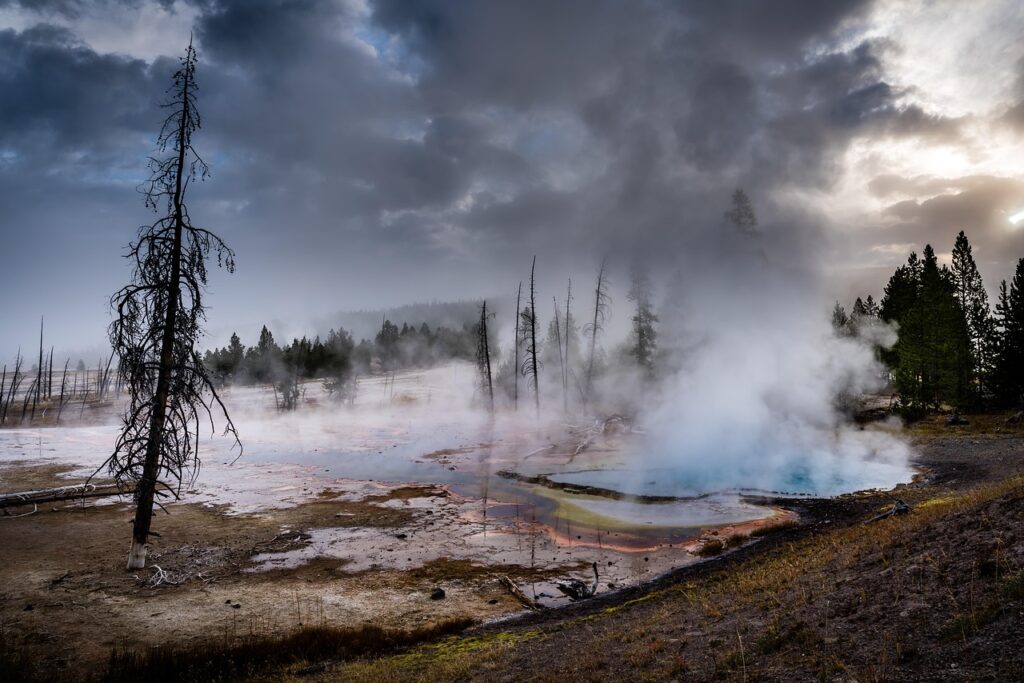

If you have ever stood near a steaming pool in Yellowstone and felt that wave of hot, mineral‑laden air hit your face, you know the place feels almost alive. The bursts of water, the constant hissing and bubbling, the strange colors around the pools – it all comes from a hidden engine beneath your feet that is far more intense than most people realize.
Once you start to understand what is going on underground, the park suddenly makes a lot more sense. You can connect the dots between deep magma, boiling groundwater, and that moment when Old Faithful suddenly roars to life. By the end of this, you will be able to look at any vent, pool, or geyser in Yellowstone and think, “I know exactly why you are doing that.”
You Are Standing on One of Earth’s Largest Active Supervolcanoes
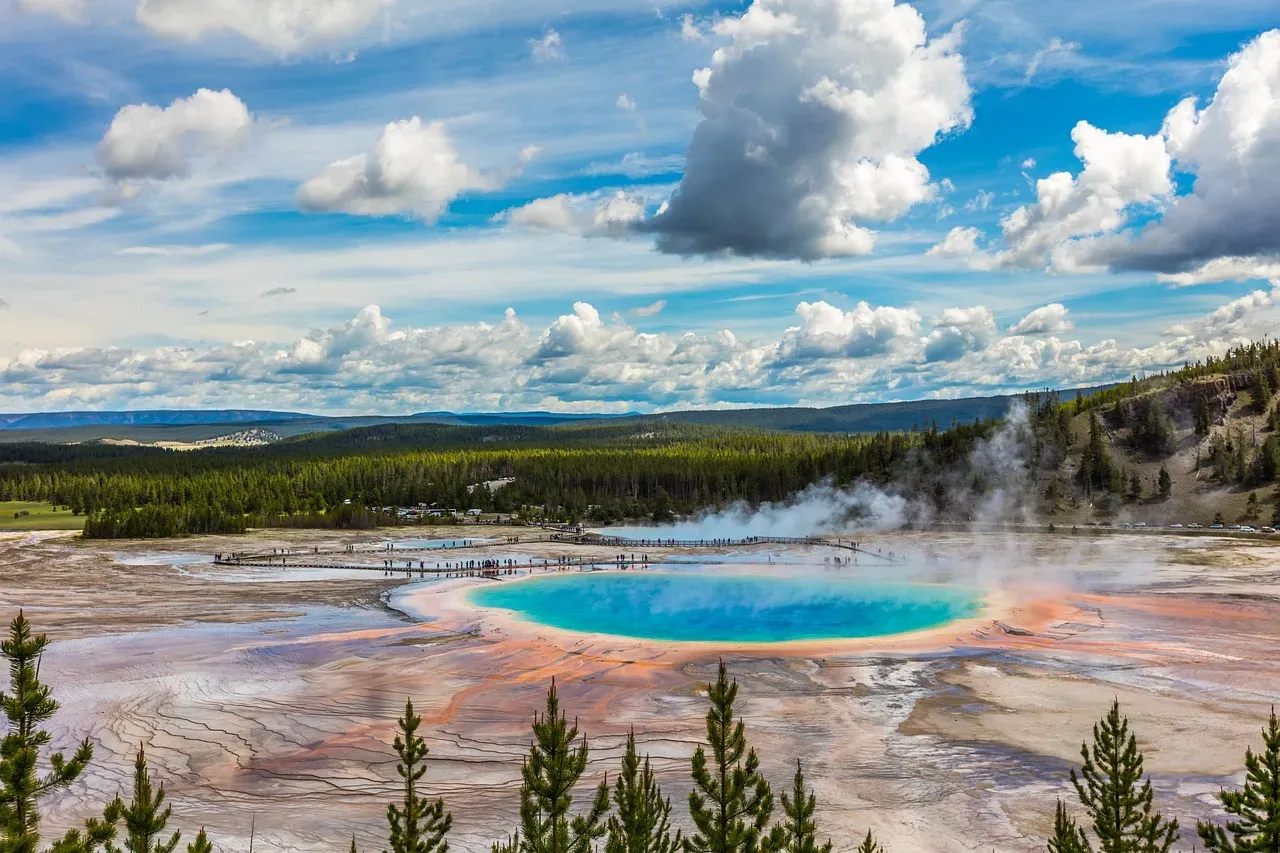
When you walk around Yellowstone, it might feel like a forested mountain plateau, but geologically you are standing inside the scar of a massive volcanic system. Below the forests and rivers sits an enormous volcanic caldera, the remnant of huge past eruptions, with a still‑active heat source that keeps the entire region simmering instead of cooling down.
That “supervolcano” label is not about fearmongering; it is about the sheer scale of the magma system that feeds Yellowstone’s heat. This deep reservoir leaks heat upward continuously, and you experience it as steaming vents, roaring geysers, and hot springs that would not exist without that underlying volcanic furnace.
A Giant, Partly Molten Magma Body Works Like a Hidden Stove
Beneath Yellowstone, you are dealing with a complex body of hot, partly molten rock, not a simple round pool of lava like in a movie. Think of it as a layered, spongy region of rock soaked with melt and superheated fluids, spreading out over a huge area and sitting only a few miles to a few tens of miles beneath the surface.
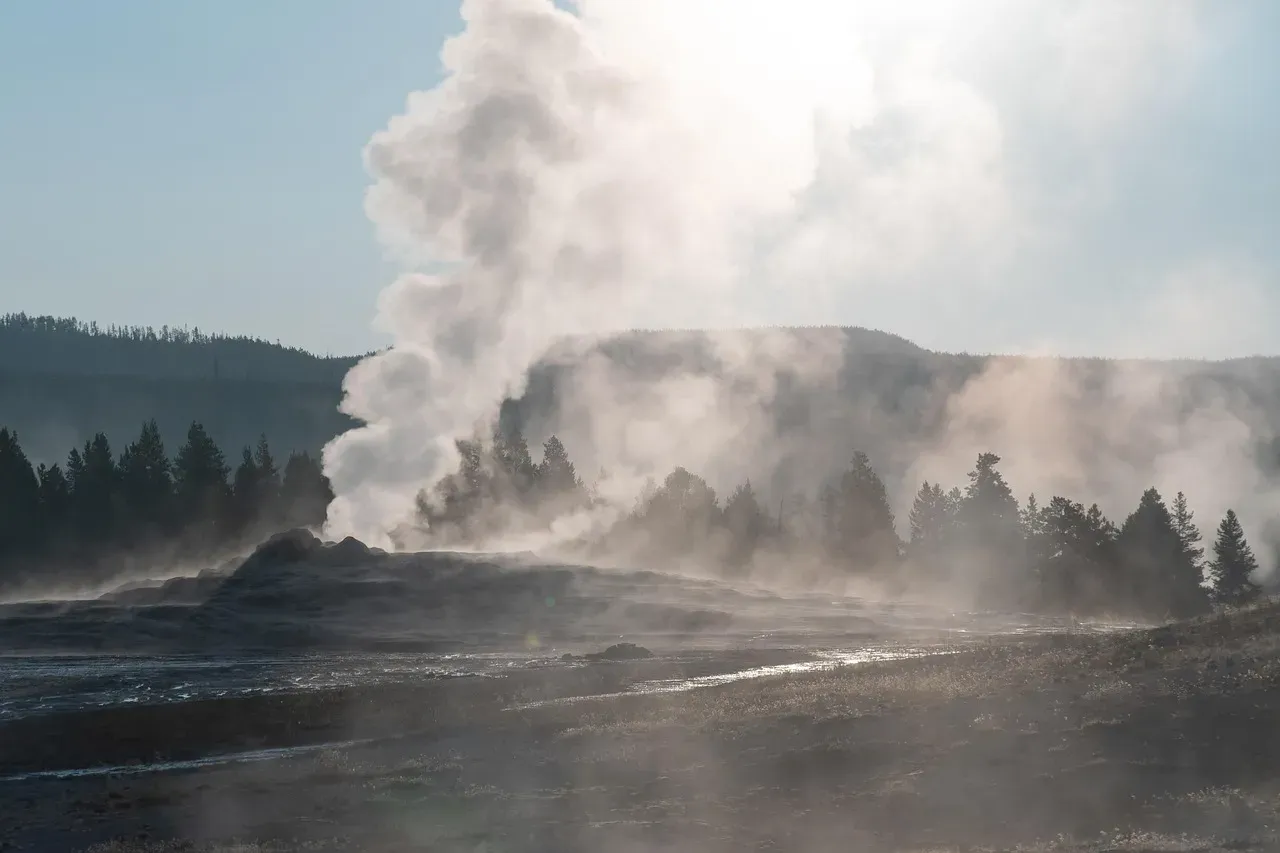
This magma body acts like a giant stove set on low but never turned off, steadily sending heat upward through the crust. Because that heat supply is persistent, it keeps groundwater circulating, boiling, and flashing to steam, which is exactly the kind of energy you need if you want powerful geysers that erupt again and again.
Heat Travels Upward Through Cracks, Faults, and Fractures
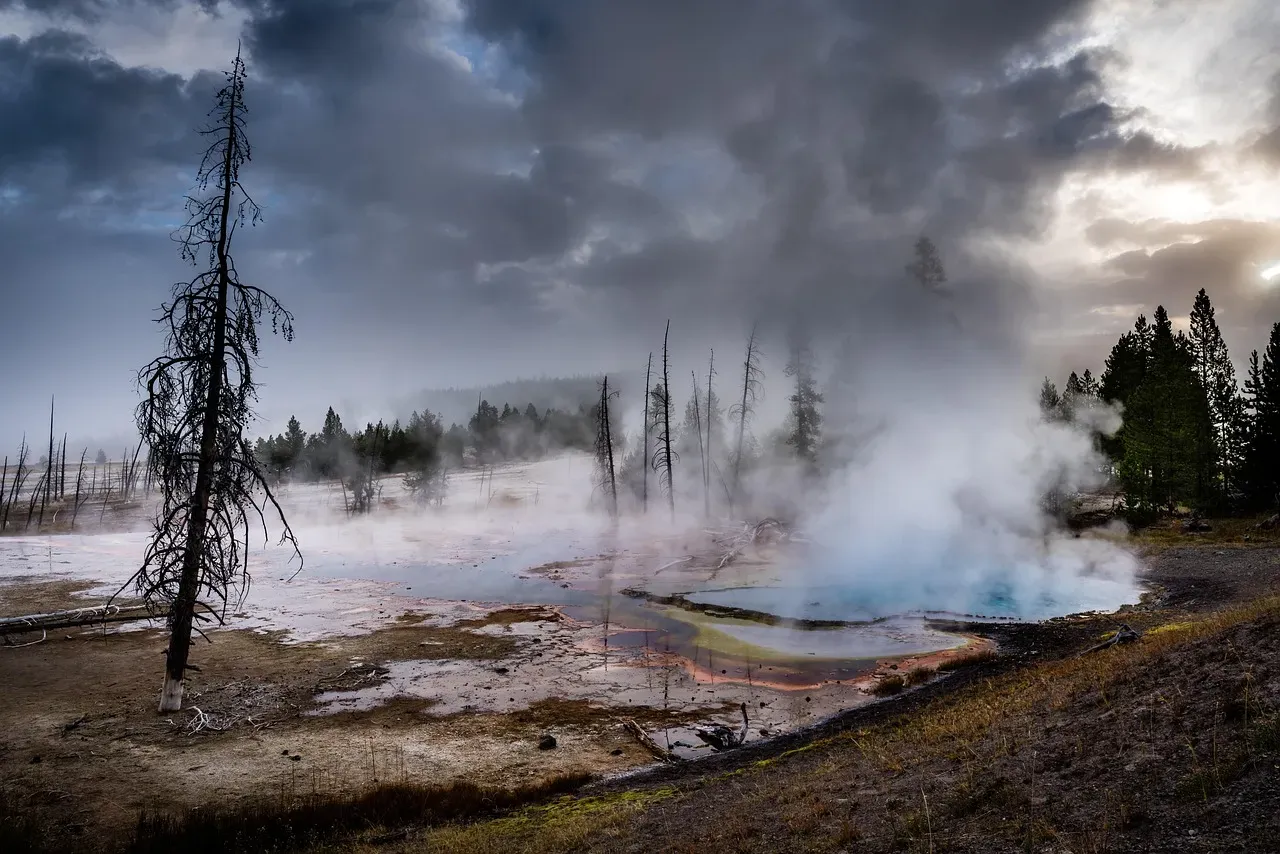
The heat under Yellowstone does not rise in a smooth, even way; it follows weaknesses in the rock. When you look at a geyser basin, you are essentially looking at the surface expression of a fractured, faulted landscape where hot fluids have found easy pathways to travel upward toward the surface.
As those cracks and fractures guide hot water and steam, they focus heat into certain areas, creating clusters of vents, springs, and geysers instead of a uniform blanket of steam everywhere. That is why you see whole fields of activity – like Norris or Upper Geyser Basin – while other parts of the park stay quiet and cool by comparison.
Superheated Groundwater Is the Real Muscle Behind Every Eruption
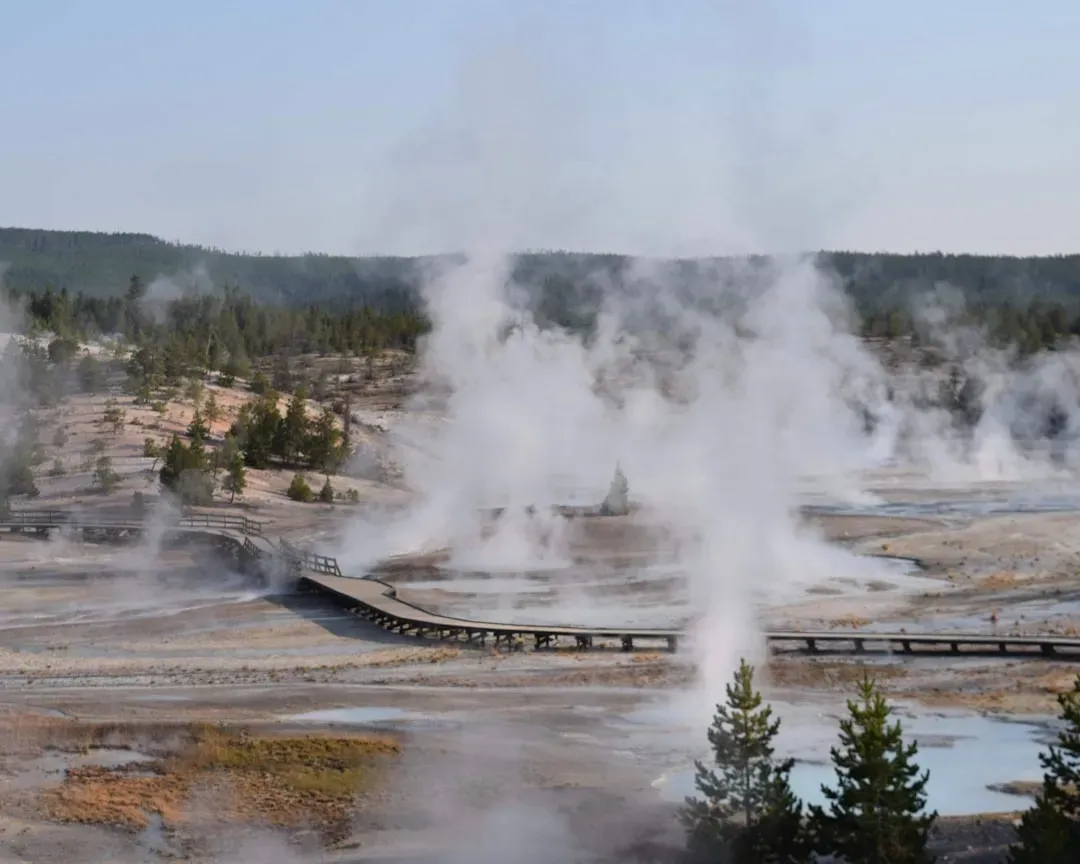
Even though magma gets all the attention, it is actually groundwater that delivers the show you see above ground. Rain, snow, and river water seep deep into the crust, where that hidden heat source drives the water far past normal boiling temperatures while it is still trapped under pressure in cracks and underground cavities.
As this water becomes superheated, it behaves in a strange, unstable way, always on the edge of flashing violently into steam. When pressure conditions change – because of bubbles, tiny shifts in rock, or water levels dropping – this over‑energized water rapidly turns to steam and forces its way out, and that is the explosive moment you recognize as a geyser eruption.
Geysers Need Underground “Plumbing” as Twisted as a Riddle
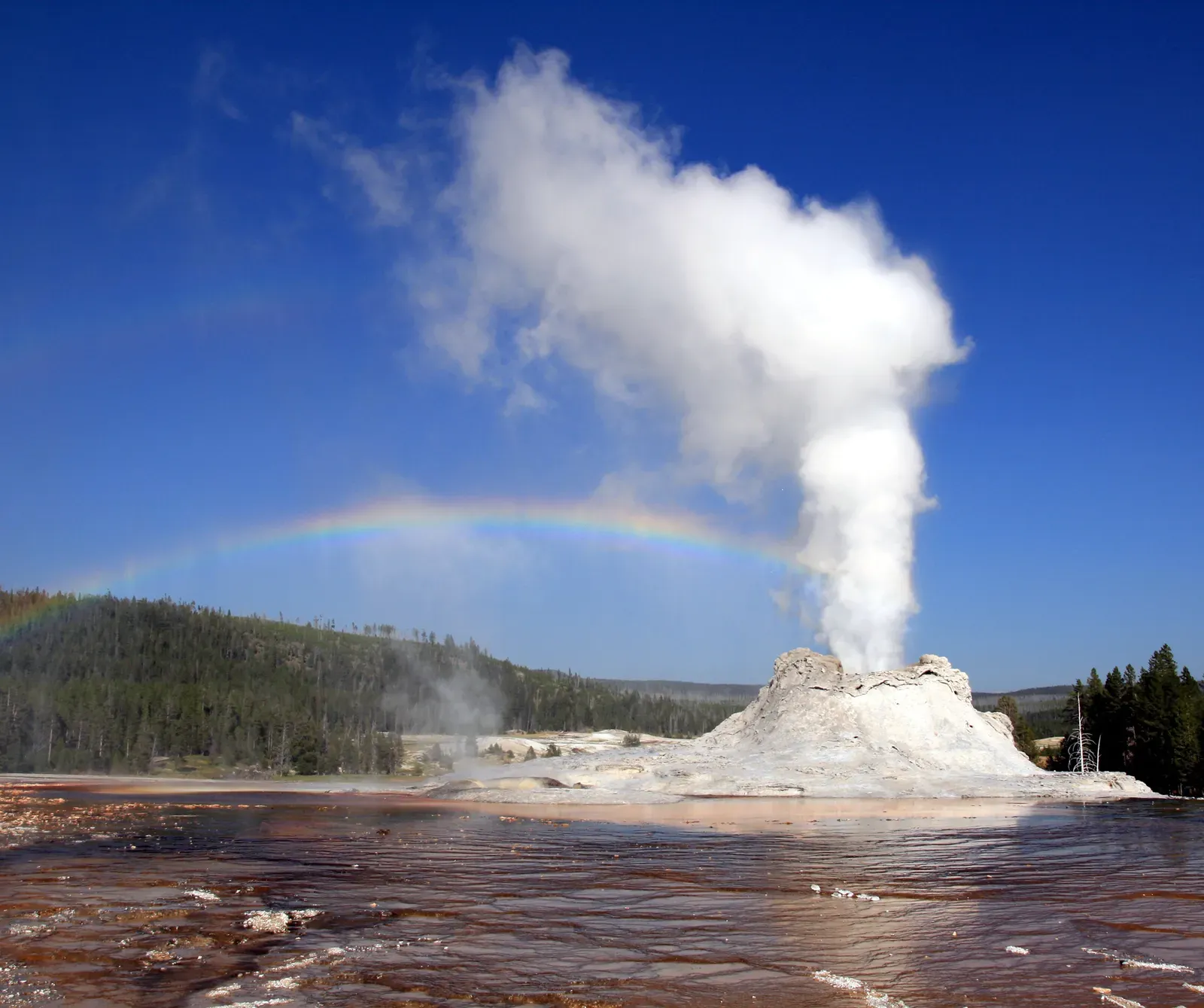
If you could peel back the ground under a geyser, you would not see a simple straight pipe; you would see an intricate, crooked network of channels, constrictions, and cavities filled with hot water. This plumbing is crucial, because it lets water build pressure, trap steam, and then release it in sudden bursts instead of in a gentle, constant flow.
Yellowstone’s underground plumbing systems are all slightly different, which is why each geyser has its own personality: some erupt on a fairly steady schedule, others surprise you after long quiet pauses, and some only spurt weakly. The variety you see above ground is really just a reflection of how complicated and unique those hidden channels of heat and water are beneath each feature.
Silica From the Hot Water Builds Natural Valves and Seals
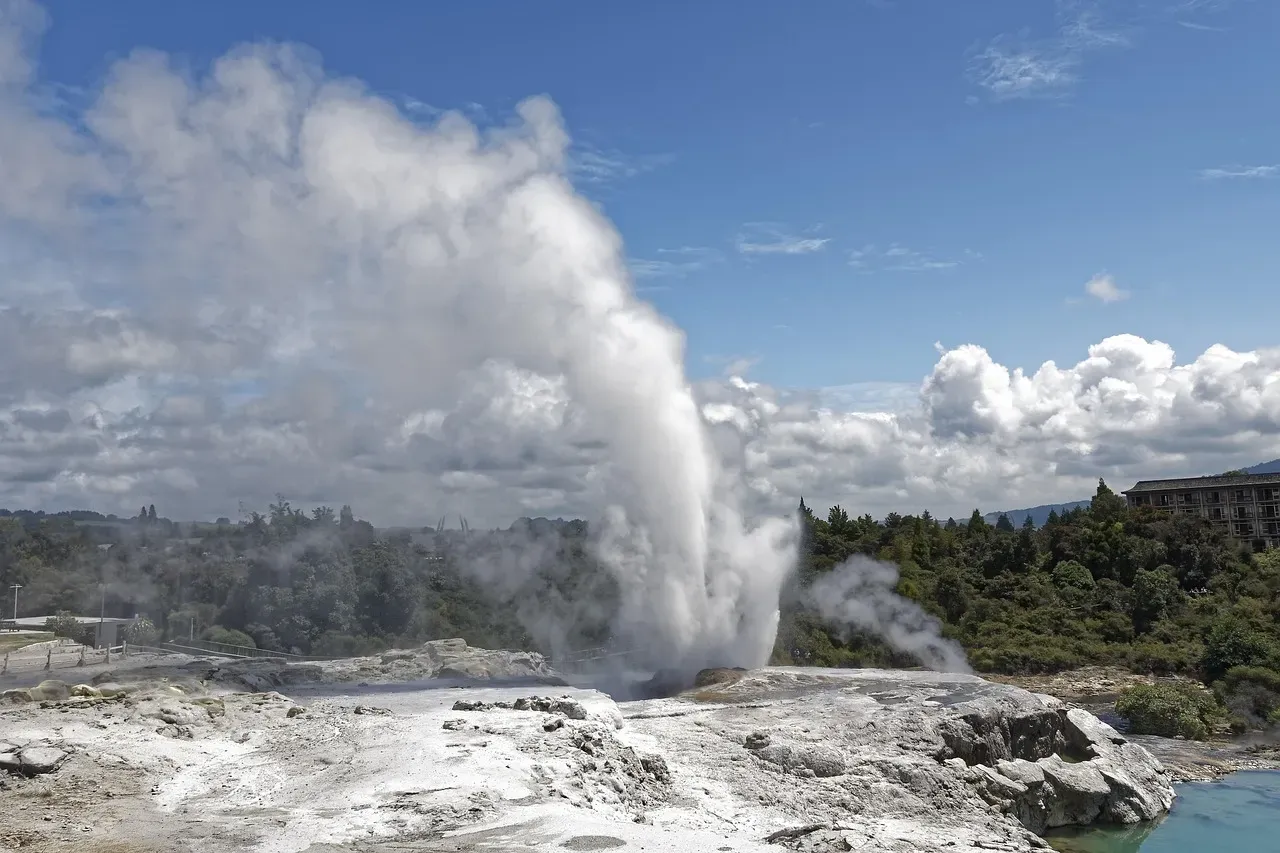
The hot water that rises through Yellowstone’s crust is loaded with dissolved minerals, especially silica from volcanic rocks. As this water cools near the surface, it starts to drop that silica out, slowly building up hard, white sinter deposits around vents, in channels, and along the sides of pools.
Over time, these silica deposits become part of the geyser’s plumbing, narrowing passages and creating natural choke points that help trap pressure. You might just see a pretty white terrace or a crusty rim, but you are really looking at the mechanical parts that help decide how strong, how high, and how predictable a geyser’s eruptions will be.
Small Changes in Heat Flow Can Transform Entire Geyser Basins
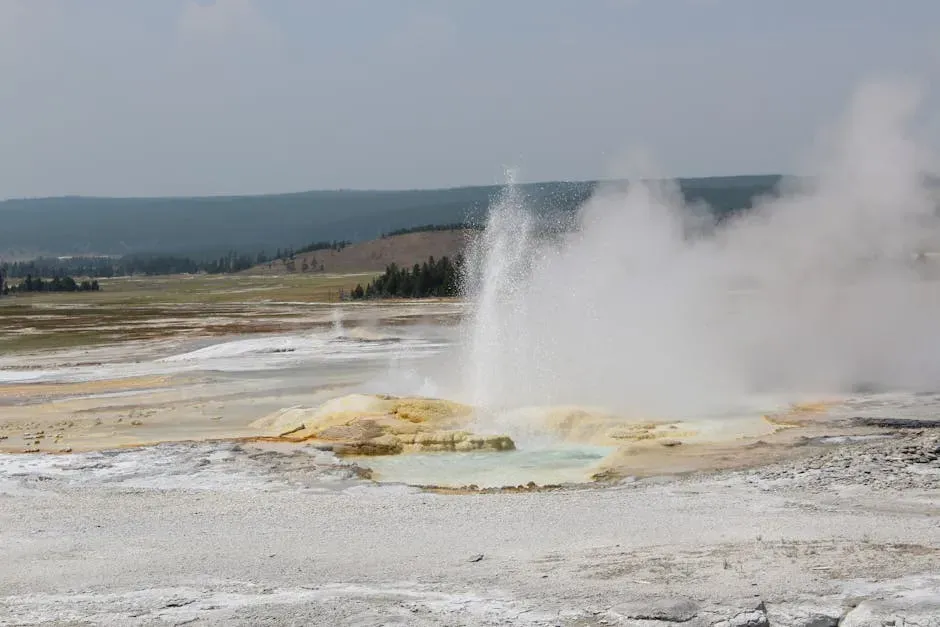
Yellowstone’s heat is not perfectly steady; it ebbs and shifts as subsurface conditions evolve. Sometimes you see a hot spring become more active while a nearby geyser fades, or a new steaming vent appears where there was bare ground before, and often that is tied to subtle changes in how heat and fluids are moving underground.
A small adjustment in temperature, rock permeability, or water supply can rewire the underground plumbing, turning a quiet pool into a churning cauldron or putting a long‑active geyser to sleep. When you walk through a basin year after year, you are basically watching the park’s underground heating system constantly rearrange itself, like a living organism adjusting its circulation.
Yellowstone’s Heat Powers More Than Geysers – It Shapes the Whole Ecosystem
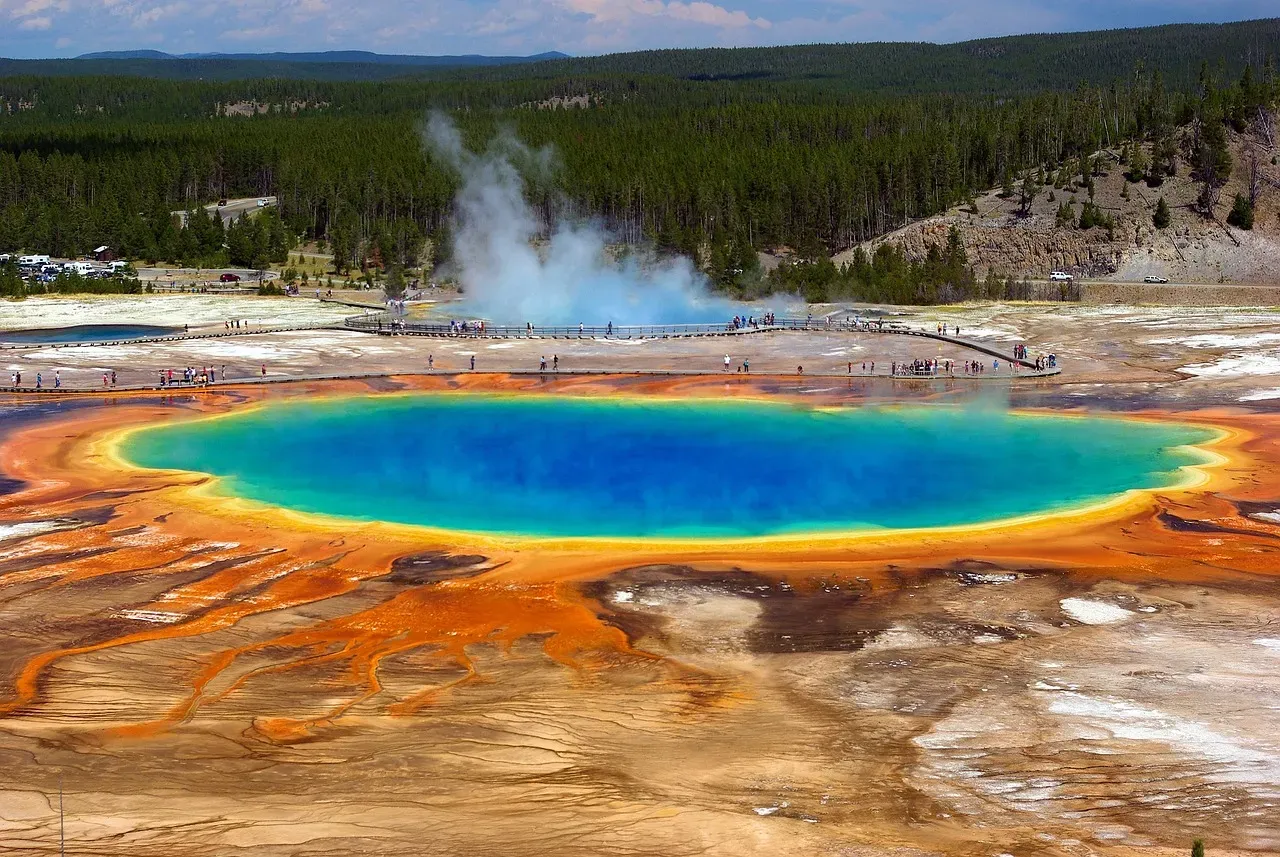
That deep volcanic heat does not just explain dramatic eruptions; it also shapes the entire environment you move through in the park. Snow melts quicker near hot ground, plants and microbes find strange little niches in warm soils and steamy runoff, and animals sometimes gravitate to these microclimates in harsh seasons.
When you notice colorful mats of microbes in hot channels or trees avoiding the hottest soils, you are seeing life respond directly to the way heat is leaking from underground. The geysers may grab your attention, but they are only one expression of an underground engine that quietly influences where water flows, where life thrives, and how the landscape looks through the seasons.
By Reading the Heat, You Learn to “Read” the Geysers
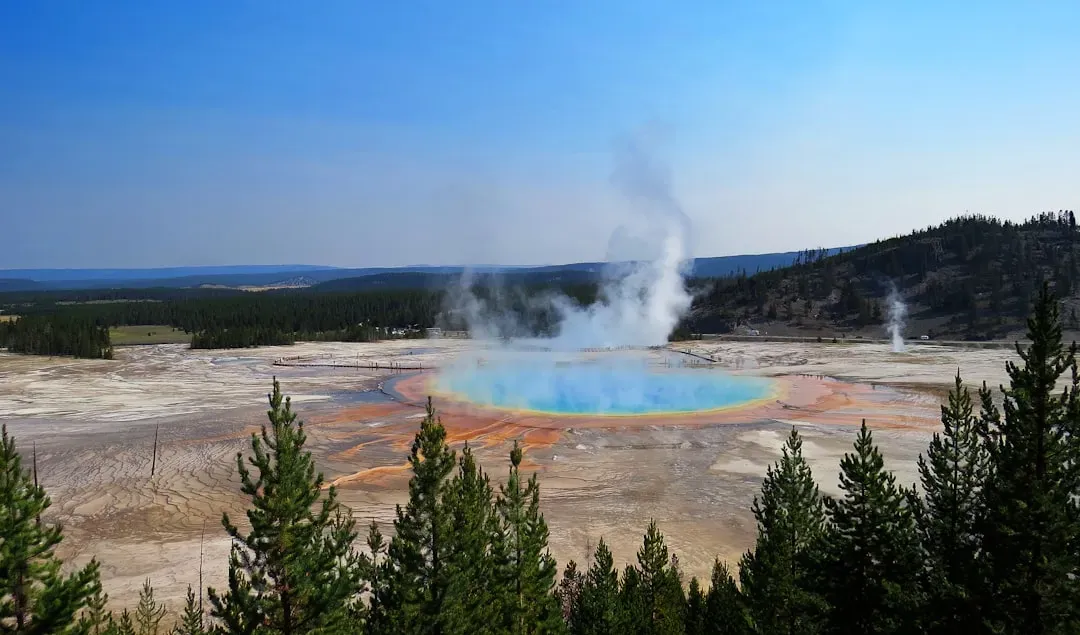
Once you understand that everything in Yellowstone’s geyser country is powered by a deep, persistent heat source, the chaos starts to feel a lot more orderly. You can walk through a basin and recognize that a roaring vent marks a particularly strong heat path, that a quiet, cool pool sits on the fringes of the system, and that each new puff of steam hints at heat finding a fresh route upward.
Instead of seeing random eruptions, you start to notice patterns: how plumbing, pressure, minerals, and shifting heat flow all add up to the moment a geyser erupts into the sky. The next time you stand behind a safety rail waiting for that blast of water, you will know you are really watching the heartbeat of Yellowstone’s underground heat system breaking through to the surface.
Conclusion: Seeing Beyond the Steam
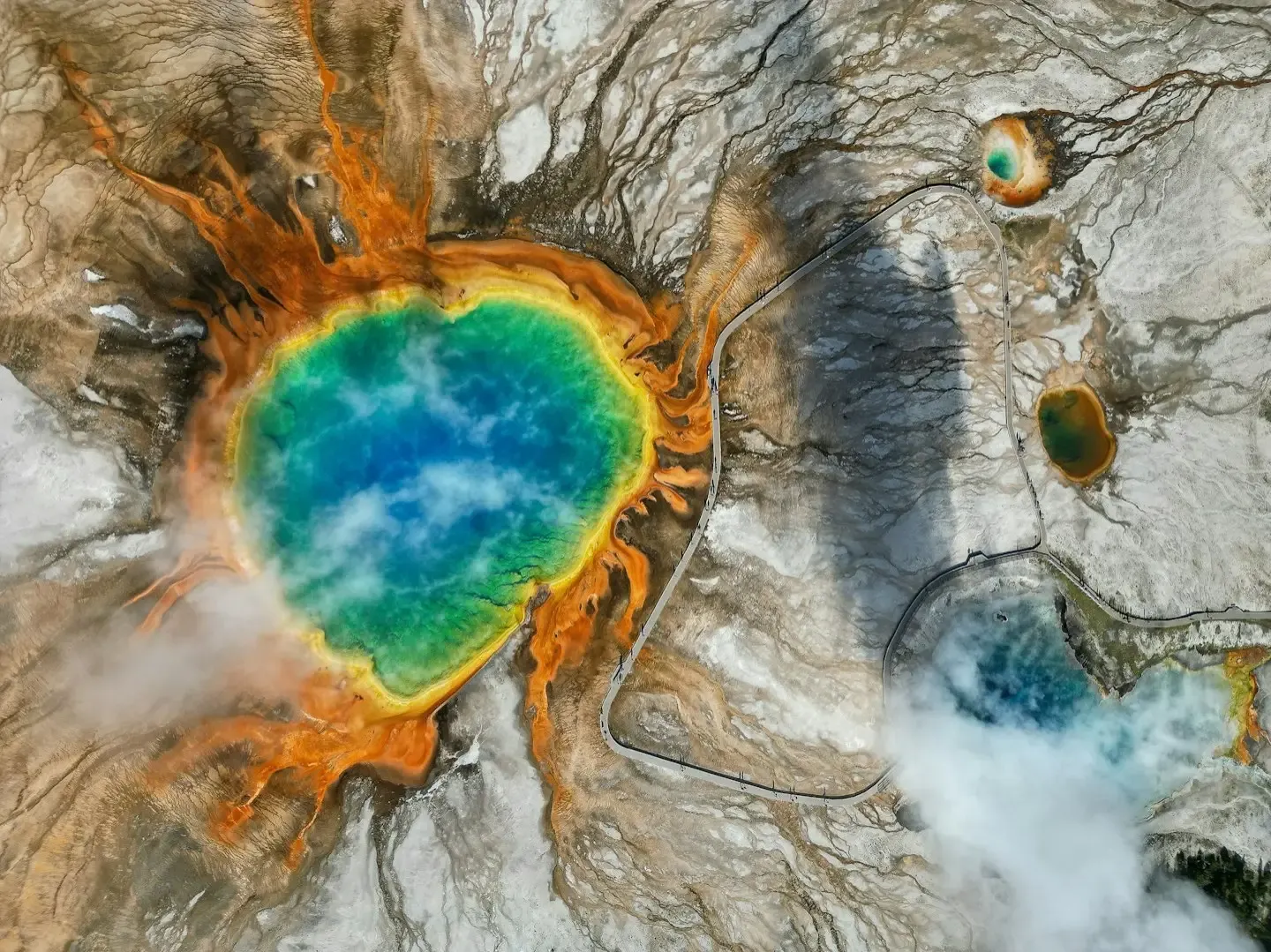
Yellowstone’s geysers are not just tourist spectacles; they are windows into a deep, complex heat engine running under your feet. When you picture magma heating groundwater, minerals slowly reshaping hidden pipes, and tiny changes in pressure flipping the switch from calm to explosive, the park turns from a collection of pretty spots into a living, breathing system you can almost feel.
If you ever get the chance to stand in that icy morning air and watch a column of boiling water erupt into the sky, you will know the real story: a supervolcano’s heat, traveling through rock and water, has just announced itself again. Now that you understand the engine behind the steam, what will you look for first the next time you walk into a geyser basin?