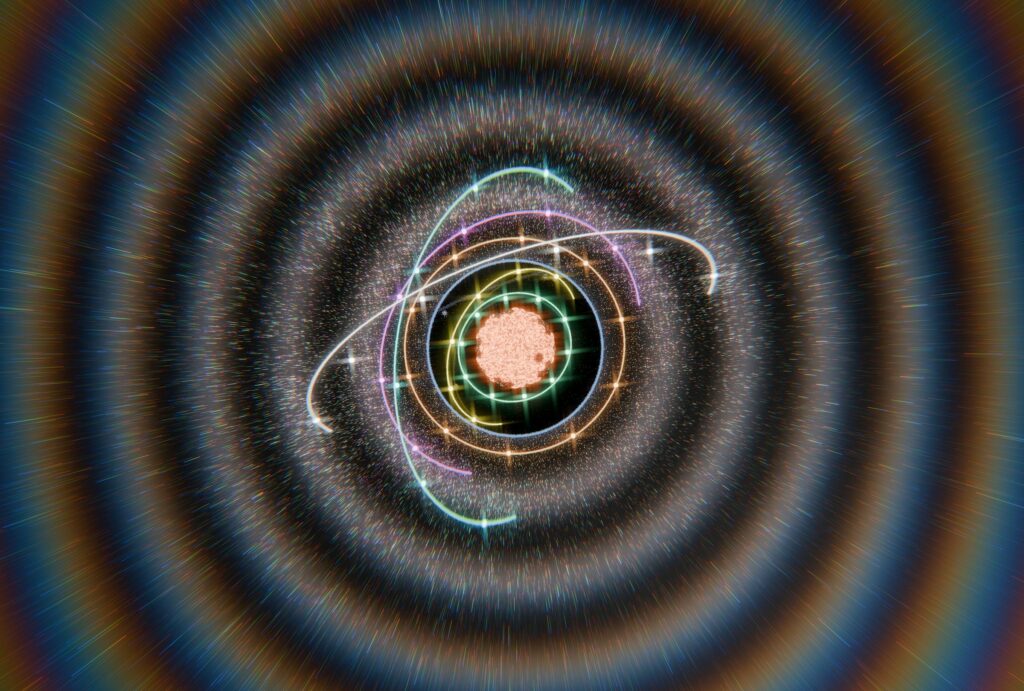

Every so often, the universe taps the glass of our little cosmic fishbowl and reminds us how little we really understand. A strange signal appears in the data, something that does not quite fit the models, and suddenly the calm confidence of physics gives way to a familiar mix of excitement and unease. That is exactly what is happening right now as astronomers wrestle with puzzling, borderline-bizarre signals that seem to challenge what we think we know about space, time, and even the nature of reality itself.
These are not the cartoonish UFO stories of decades past. They are precision measurements from radio telescopes, gravitational wave detectors, and ultra-stable atomic clocks that are supposed to behave in clean, predictable ways. Instead, they are whispering that our picture of the cosmos might be incomplete. The honest truth is that nobody fully knows what is going on yet, and that uncertainty is both terrifying and thrilling if you care about how the universe really works.
A Universe Full of Strange Signals, Not Just One
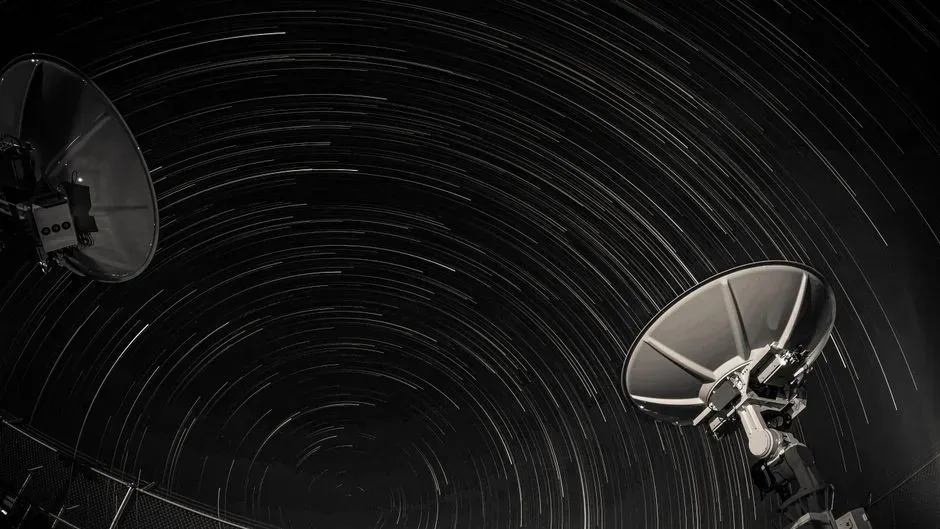
When people hear about a mysterious cosmic signal, they often imagine a single, dramatic blip in the data, like a phone ringing from the deep. Reality is a lot messier and, in a way, more interesting: astronomers are actually drowning in strange signals. Fast radio bursts that last for milliseconds, odd gravitational wave events that do not quite match textbook black hole mergers, unexplained anomalies in cosmic background maps – taken one by one, each could be a fluke, but together they paint a picture of a universe that is not as tidy as our theories pretend.
The current wave of excitement is not about one clean, cinematic moment, but about accumulating patterns that do not sit comfortably inside our existing models. Scientists are especially sensitive to signals that repeat, occur in unexpected energy ranges, or show subtle correlations with other phenomena, because those are hard to brush off as noise. As that pile of “Huh, that is weird” results grows, it becomes harder to believe that the standard story of the universe has all the main characters already on stage.
Fast Radio Bursts: Millisecond Mysteries From Across the Cosmos
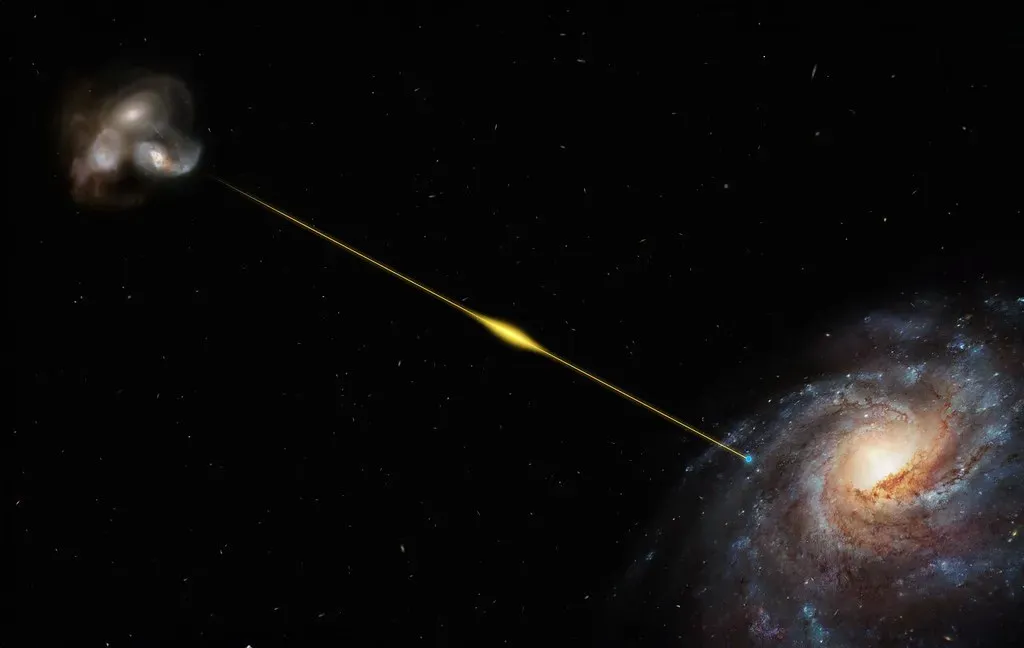
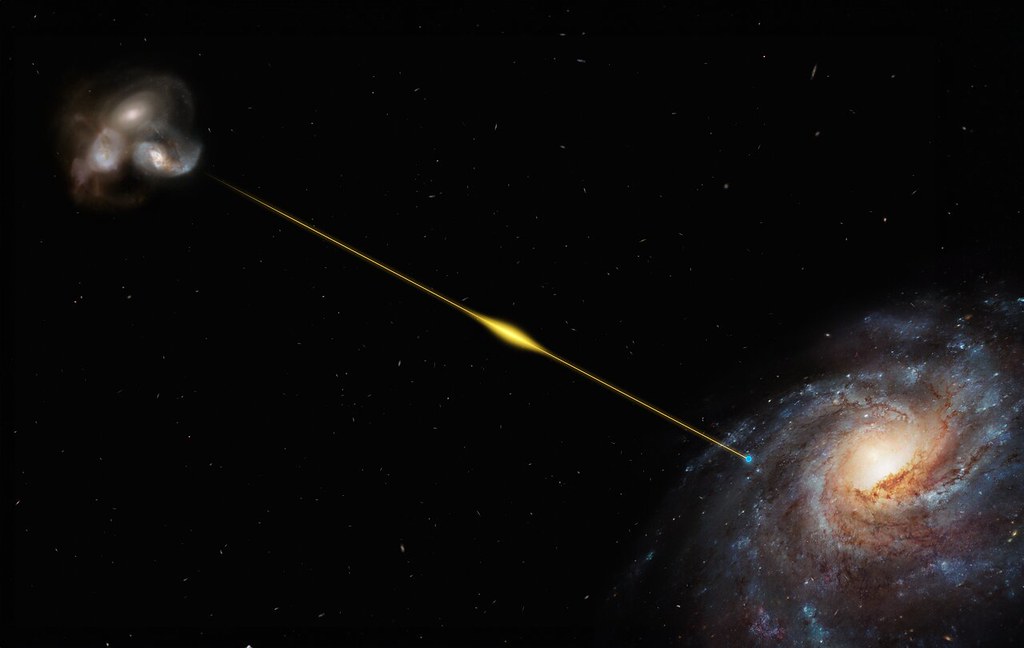
Among the strangest cosmic signals we know are fast radio bursts, or FRBs, short flashes of radio light that can release as much energy in a blink as the Sun does in days. Many FRBs come from billions of light-years away, meaning the signal crossing your phone’s Wi‑Fi band today might have been born when the first complex life on Earth did not even exist. For years they were treated as one-off curiosities; then telescopes started catching more of them, and a few even repeated, forcing astronomers to admit something genuinely weird was going on.
The leading theories tie FRBs to extreme objects like magnetars (neutron stars with wildly powerful magnetic fields), but the details are still messy, and some bursts refuse to fit the neat categories. Their dispersion through intergalactic space lets scientists probe invisible matter between galaxies, yet the diversity of FRB behaviors suggests we might be seeing multiple kinds of engines at once. Every time a new catalog comes out, the story gets more tangled: the more FRBs we find, the more the universe seems to be saying, “You do not actually know me as well as you think you do.”
Gravitational Waves That Do Not Quite Add Up
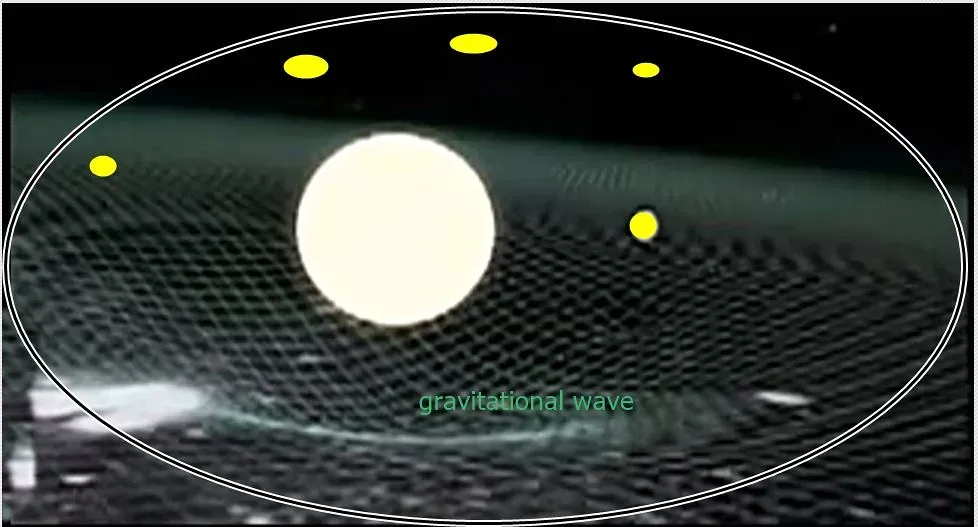
When gravitational waves were first detected, they confirmed Einstein’s predictions in a beautifully dramatic way: ripples in spacetime from colliding black holes sweeping across Earth, measured by changes smaller than a proton’s width. For a while, the events looked reassuringly textbook: pairs of heavy black holes spiraling together, or neutron stars colliding in bursts of light and gravity. Then hints of stranger mergers began to appear, involving objects in the awkward mass range between typical neutron stars and black holes, raising questions about how such systems even form.
On top of that, there are ongoing efforts to detect a soft roar of long-wavelength gravitational waves spread across the galaxy, possibly from supermassive black hole pairs or even more exotic physics. Some of the timing signals in pulsar observations have started to look suggestive, like a pattern emerging from static, but not clearly enough to close the case. If those signals turn out to be real and not just noise, they might force us to rethink how galaxies grow, how dark matter behaves, or whether there are new fields or particles nudging spacetime in ways general relativity did not anticipate.
Cosmic Background Anomalies: Fingerprints of a Deeper Reality?
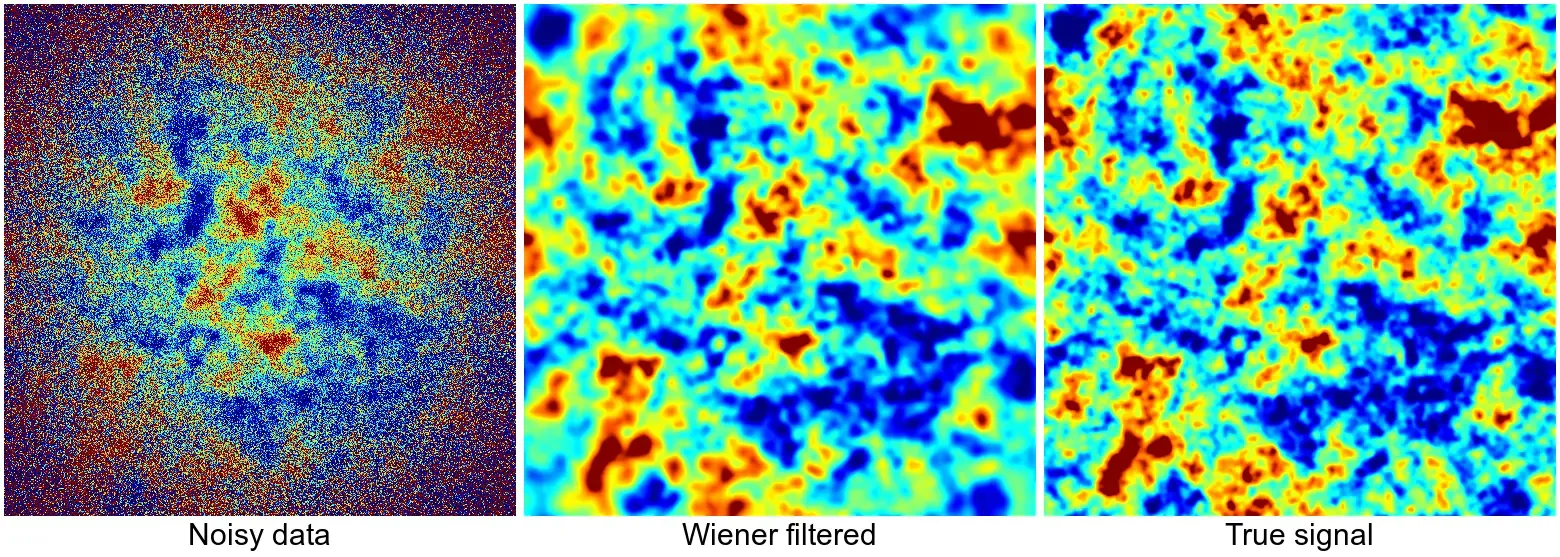
The cosmic microwave background – the faint afterglow of the Big Bang – is supposed to be the most boring light in the universe, almost perfectly smooth with tiny random ripples. Instead, careful maps of this ancient radiation have revealed a few statistically odd features: large-scale asymmetries, “cold spots,” and patterns that some researchers argue are too unusual to dismiss as pure chance. None of these anomalies alone is enough to overthrow the standard model of cosmology, but together they act like that one crooked picture frame you can never unsee.
Various explanations have been offered, from measurement artifacts to cosmic voids to more radical ideas like imprints from another universe or non-standard inflation in the early cosmos. Most cosmologists remain appropriately skeptical, because it is easy to over-interpret patterns in noisy data when you want to find something profound. Still, the stubbornness of these features means they continue to haunt theoretical work, quietly suggesting that the early universe might have been stranger than our neat textbooks suggest.
Are We Seeing New Physics or Just Human Pattern-Hunting?

This is where the philosophical anxiety kicks in: how do you tell the difference between a true crack in reality and a smudge on your lens? Scientists know that humans are experts at finding faces in clouds, constellations in random stars, and conspiracies in ordinary coincidences. Every instrument has systematics, every dataset has quirks, and history is full of “revolutionary” anomalies that vanished after someone fixed a calibration error or found a more boring explanation.
That is why the bar for declaring new physics is so high. Researchers demand independent confirmations, different instruments, and alternative analysis pipelines that still see the same effect. Personally, I love the tension here: you have people who desperately want to discover something universe-shattering but are also trained to be ruthless skeptics of their own excitement. The most honest stance right now is that these cosmic signals are intriguing hints, not smoking guns, and that humility is as important as imagination when you are poking at the edges of reality.
Why These Signals Make Us Question What “Reality” Even Means
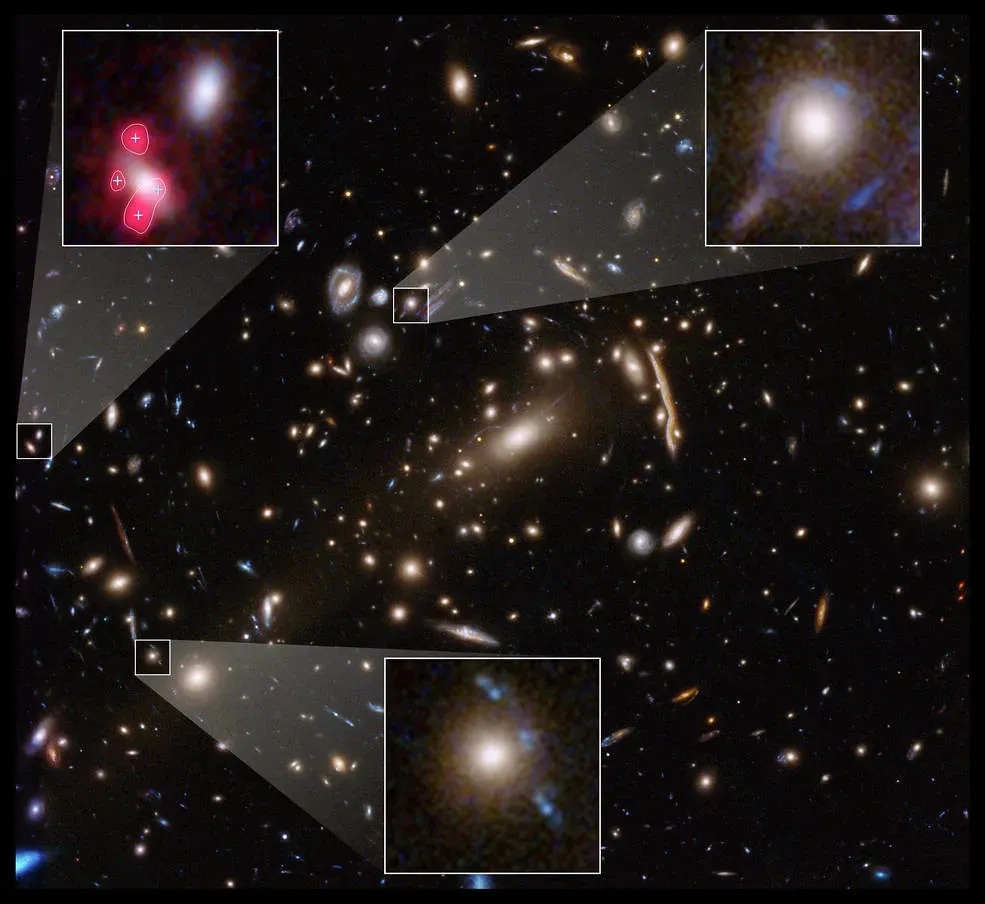
When scientists say a signal makes them question reality, they are not usually imagining a sci‑fi twist where we wake up in a simulation tomorrow. It is more about realizing that concepts we treat as solid – space, time, matter, even causality – might only be approximations that break down under extreme conditions. A strange cosmic signal can hint that our equations are missing terms, that our “laws” are really local guidelines, or that there are hidden layers of structure we have not yet resolved, like going from Newton’s mechanics to quantum physics.
At the same time, it is hard not to feel the more personal, existential jolt. Standing under a dark sky, knowing that millisecond flashes and spacetime ripples and ghostly background glows are washing over you, it becomes obvious how provisional our understanding really is. For me, that does not make reality feel less real; it makes it feel deeper, like a book where you suddenly realize the first few chapters were only a prologue. The unsettling part is that we do not know what kind of story we are in yet, and the signals we are picking up are like cryptic hints from later pages.
How the Next Decade Could Rewrite the Story
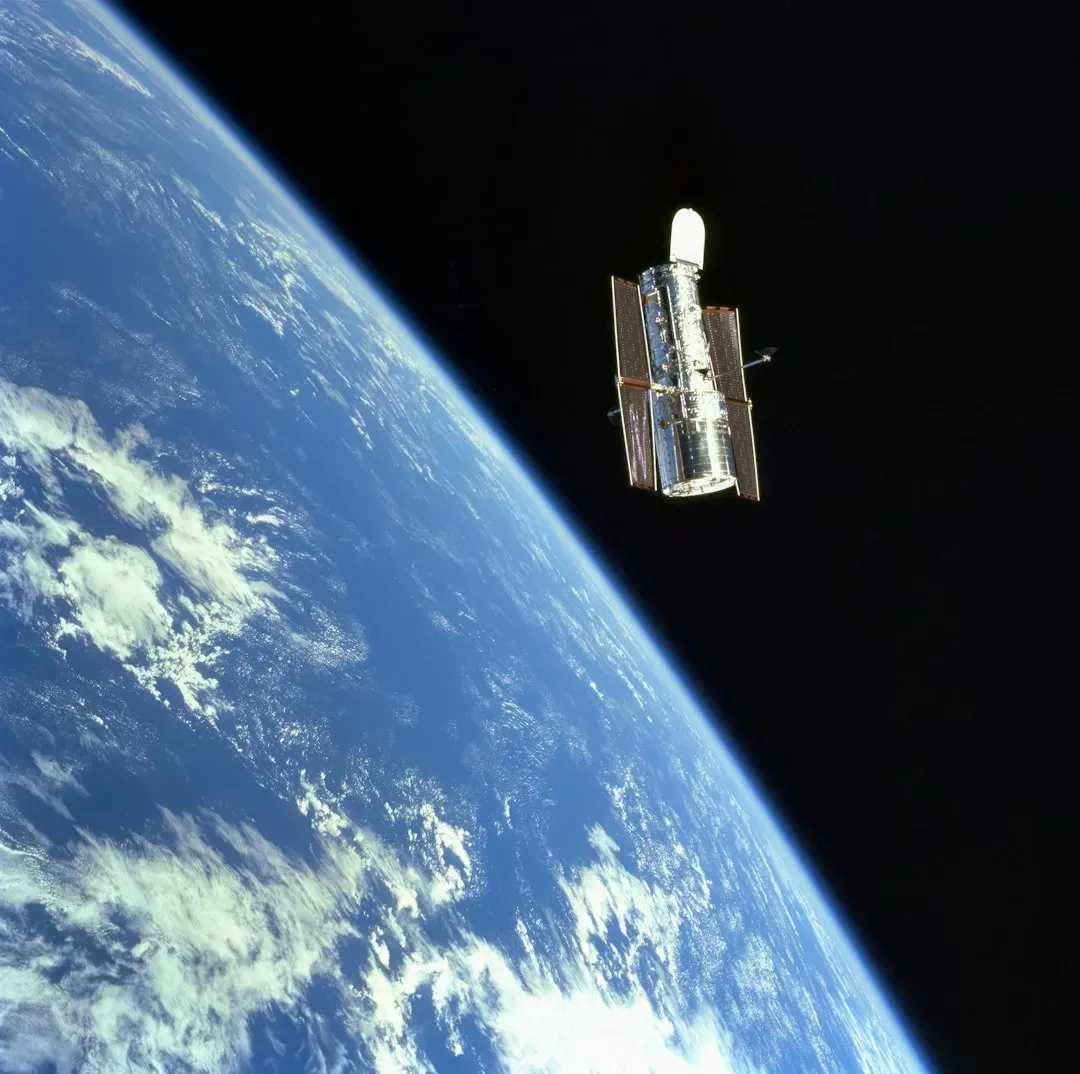
The most exciting part of all of this is that we are not stuck guessing forever. New observatories and experiments coming online – bigger radio arrays, more sensitive gravitational wave detectors, upgraded cosmic background missions, and precise timing networks of pulsars – are built specifically to test whether these odd signals are real or just artifacts. A repeating radio burst can be studied across more frequencies, a suspicious gravitational wave event can be compared against improved models, and background anomalies can be mapped with sharper resolution and better control of noise.
If history is any guide, some of the current mysteries will evaporate under the harsh light of better data, while a few will look even weirder and more undeniable. That is how science grows: by throwing brighter and brighter flashlights into the dark and seeing which shadows turn out to be mere tricks of the eye. I would bet that within a decade, at least one of today’s “cosmic oddities” will have matured into a robust discovery that forces a serious revision of our cosmic story – not just a small footnote, but a new chapter header.
Conclusion: The Universe Owes Us No Simplicity
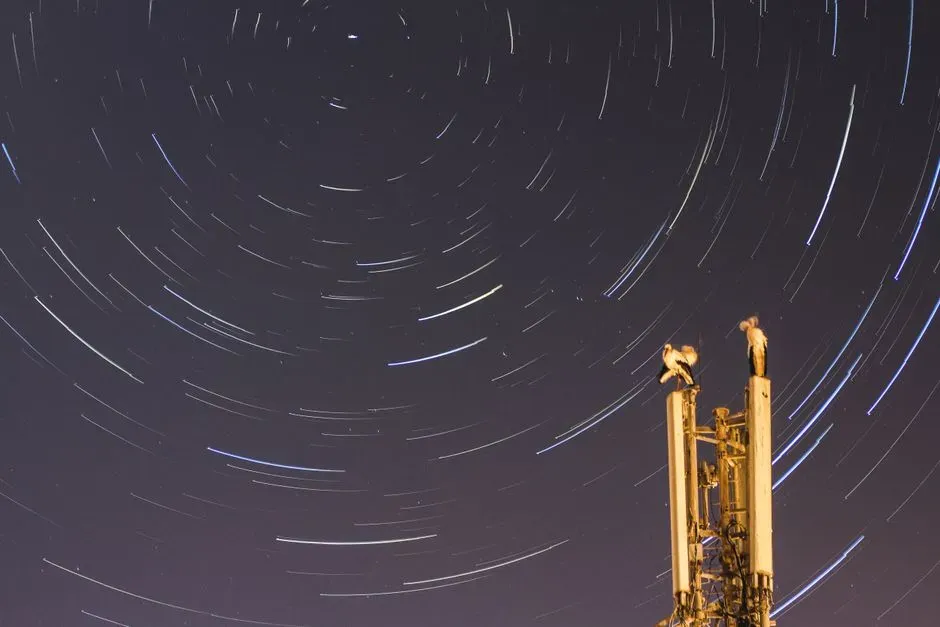
My honest opinion is that we have been a little spoiled by how well our current theories work, and these strange cosmic signals are a welcome reminder that the universe does not owe us simplicity. It is tempting to treat the standard models of physics and cosmology as nearly finished masterpieces, but the data keeps hinting at unfinished corners and hidden rooms. Some of the anomalies will almost certainly turn out to be mundane, yet it would be naïve to assume all of them are illusions; history is full of small, annoying discrepancies that cracked open entirely new realms of physics once someone refused to look away.
So when you hear that a , do not imagine chaos or loss of meaning – imagine the thrill of realizing the map in your hands might be missing entire continents. To me, that uncertainty is not a flaw in our picture of the world, it is the engine that keeps curiosity alive. The universe is under no obligation to fit inside our heads, but we are absolutely free to keep stretching our minds toward it. And who knows – when the next puzzling signal arrives, what if the real surprise is not that reality is stranger than we thought, but that it is inviting us to think stranger, too?