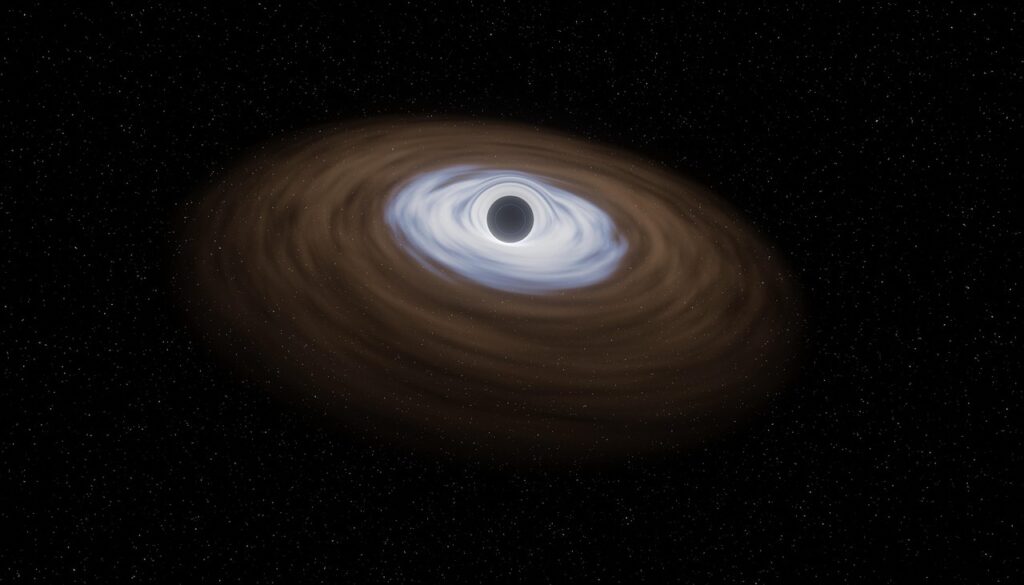

There is something strangely comforting about black holes. On the surface, they sound terrifying: regions of space where gravity is so extreme that not even light can escape. But the more we learn about them, the more they start to look less like cosmic monsters and more like hidden gateways, storing information, reshaping spacetime, and maybe, just maybe, giving birth to new universes. It is one of those ideas that sounds like science fiction at first, then refuses to leave your head once you realize serious physicists are actually debating it.
What makes this topic so addictive is the mix of hard science and radical possibility. We are dealing with real equations, real observations, and deep unsolved problems at the heart of physics. Yet we are also nudging up against questions that feel almost philosophical: Could our universe itself have been born from a black hole? Are we living in a kind of cosmic family tree where each universe gives rise to others? Nothing here is settled, but that is exactly what makes it worth exploring.
The Strange Reality of What a Black Hole Actually Is
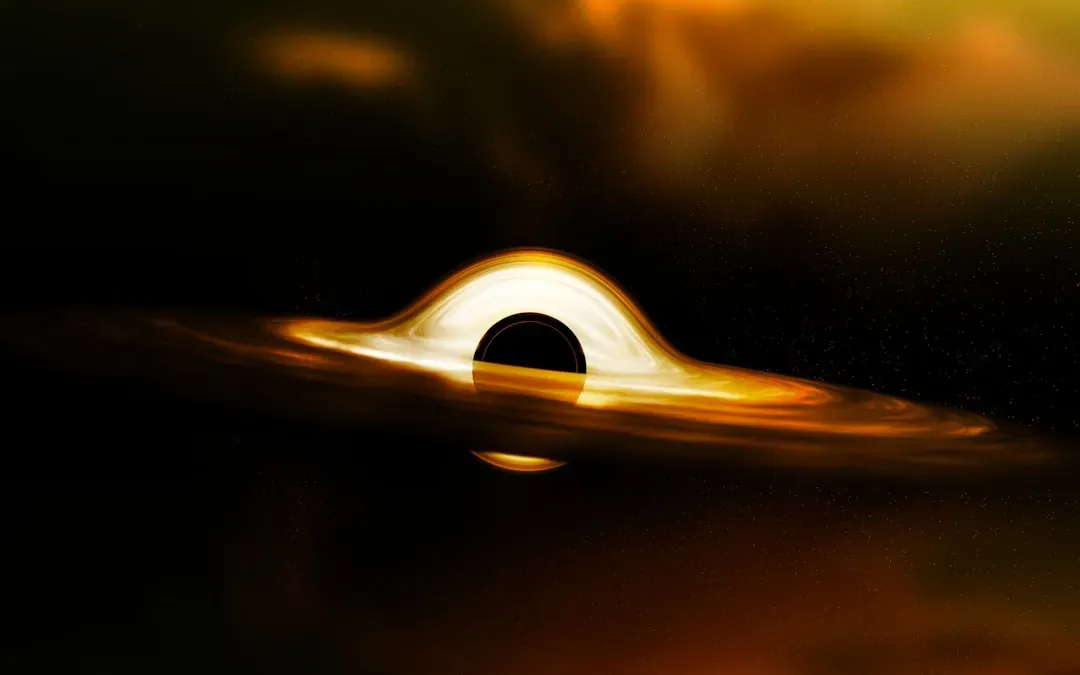
It helps to start by stripping away the sci‑fi drama and looking at what a black hole really is. At its core, a black hole is just a solution to Einstein’s equations of general relativity, describing what happens when you cram enough mass or energy into a small enough region that spacetime curves in on itself. Cross a certain boundary, the event horizon, and every possible path you can take into the future eventually leads inward, never back out to the rest of the universe.
Inside that horizon, the equations say things go completely off the rails. The density of matter and the curvature of spacetime appear to blow up to infinity at a point called the singularity. Most physicists do not believe that literal infinities exist in nature; instead, they see those infinities as a neon sign flashing that our current theories have hit their limit. The singularity is not just a place, it is a hint that there might be a deeper layer of reality we do not fully see yet – and that deeper layer is exactly where ideas about new universes sneak in.
From Cosmic Trash Compactors to Possible Gateways
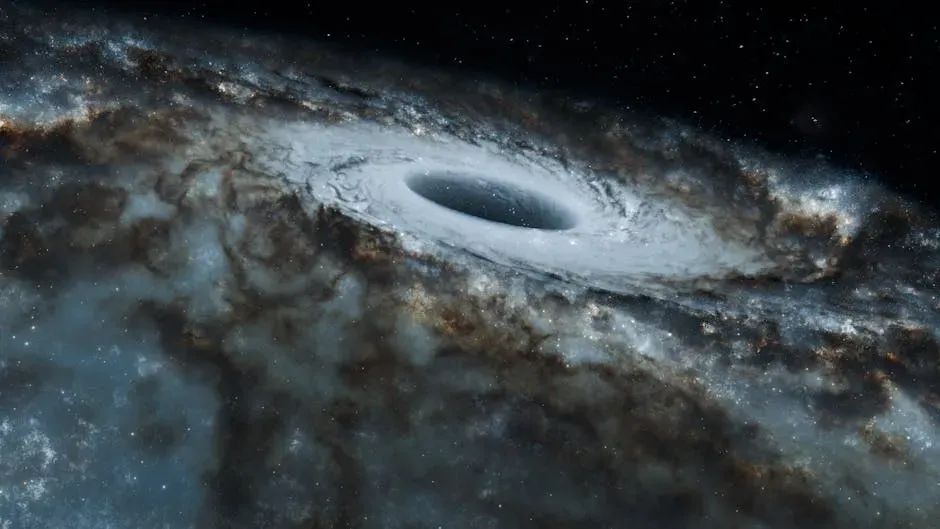
For a long time, the popular picture of black holes was brutally simple: they were cosmic trash compactors that swallowed matter and never gave anything back. Fall in and you are done – no signals, no escape, just oblivion. That view made black holes feel like dead ends in the story of the cosmos, places where information and structure went to die forever.
But modern physics has slowly eroded that picture. As we have studied thermodynamics, quantum theory, and spacetime geometry together, black holes have shifted from being pure annihilators to something more like processors. They seem to store information, radiate energy, and potentially transform what falls in rather than just erasing it. If black holes are not final endpoints, but instead stages in a longer chain of events, it becomes much easier to imagine them as part of a cycle that includes new universes on the other side.
Baby Universes and the Cosmic Bounce Idea
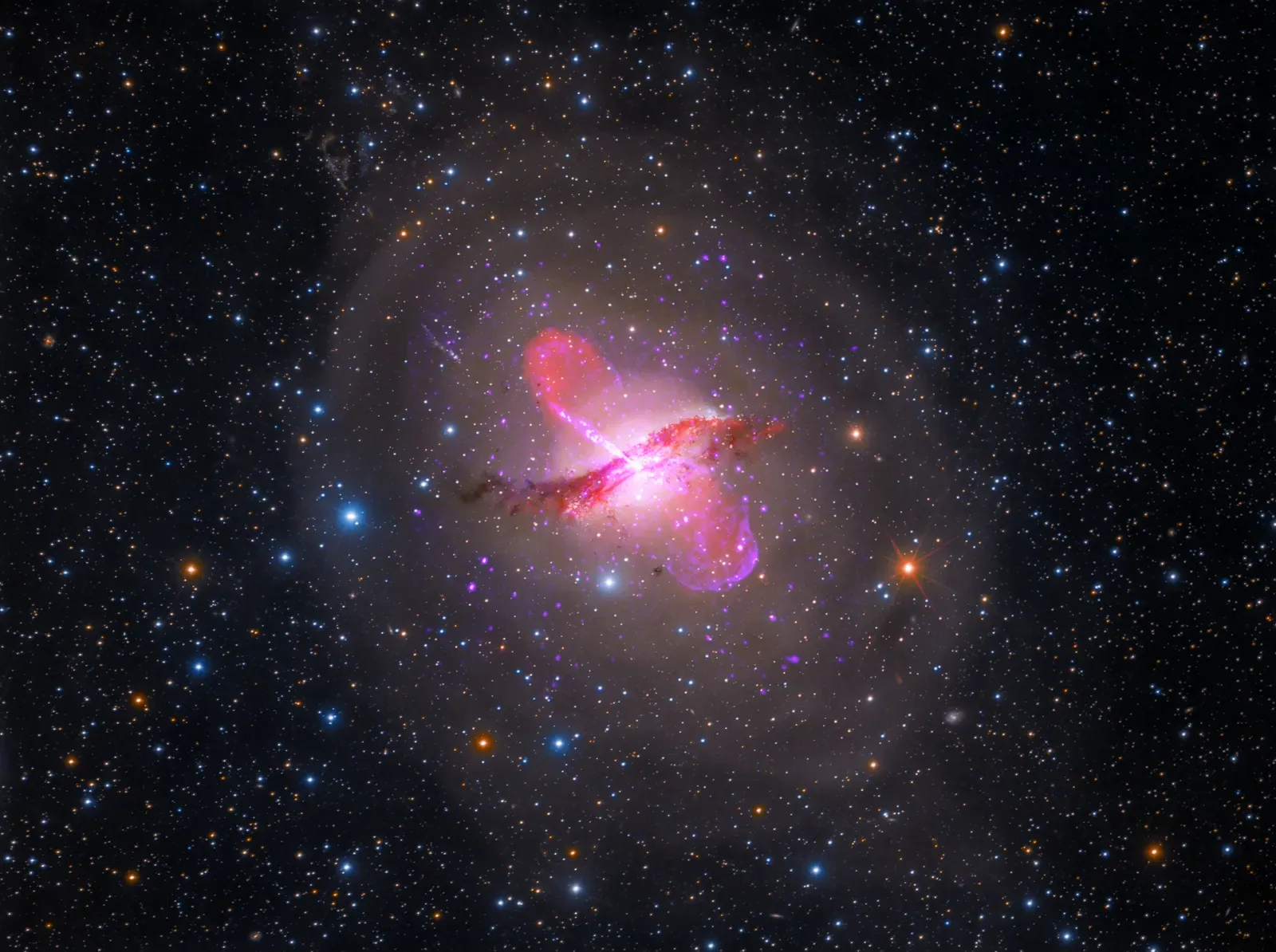
One of the most mind-bending proposals is that black holes might give birth to “baby universes” inside them. In some versions of this idea, the singularity at the center of a black hole is replaced by a kind of bounce: instead of spacetime tearing itself apart into an infinite point, quantum effects stop the collapse and cause spacetime to re‑expand into a new, separate region. From the inside, that re‑expansion might look like a Big Bang giving rise to a fresh universe with its own space, time, and physical history.
In this picture, the event horizon becomes a sort of one-way bridge. From our perspective outside, the black hole just grows as it swallows matter and energy. From the perspective of the new universe on the other side, that same “stuff” becomes the raw material that shapes its initial conditions. It is a wild idea, and there is no direct evidence for it yet, but it is not pure fantasy either – it naturally emerges from some attempts to merge quantum physics and gravity in a way that avoids true singularities.
Smolin’s Cosmic Natural Selection: Survival of the Fittest Universes
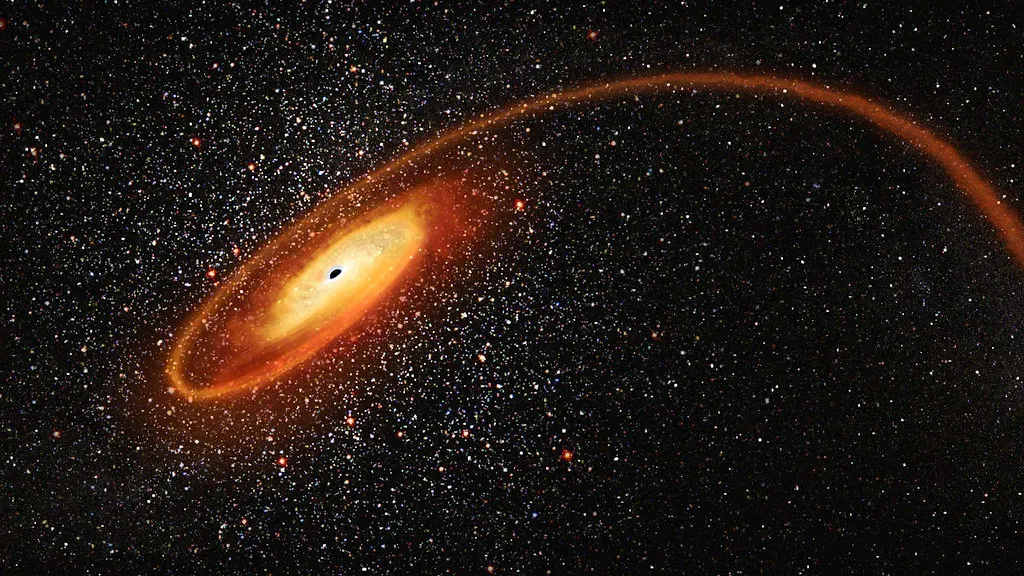
There is a particularly bold version of the baby-universe idea that turns the whole cosmos into something like an evolutionary playground. Physicist Lee Smolin proposed that each black hole might spawn a new universe with slightly different fundamental constants – numbers like the strength of gravity or the mass of the electron. In this scenario, universes that happen to have laws of physics that produce lots of stars and black holes end up having more “offspring,” and therefore become more common in the multiverse.
That framework is sometimes called cosmic natural selection, and it flips a lot of our usual thinking on its head. Instead of asking why our universe happens to be so finely tuned for complex structures and long-lived stars, you ask why such a universe might be favored in a selection process. I find this idea incredibly attractive on a gut level; it makes the universe feel less like a lucky accident and more like a slowly refining process, even if we are nowhere close to being able to test it in a clean, decisive way.
White Holes, Wormholes, and Other Exotic Possibilities
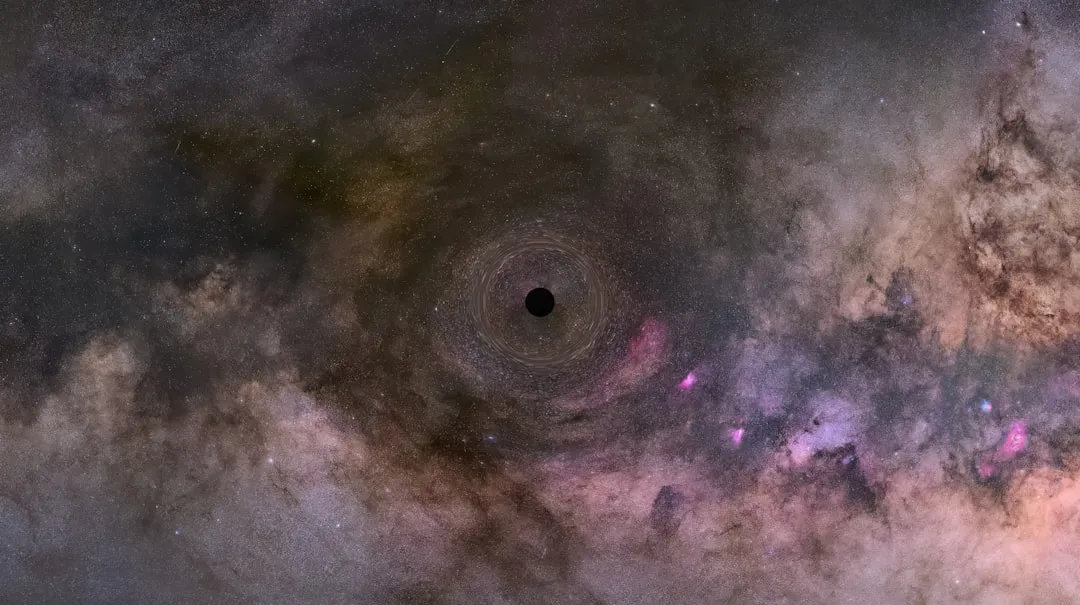
If black holes might lead somewhere, the obvious follow-up question is: where? That is where concepts like white holes and wormholes enter the conversation. A white hole is a mathematically allowed solution in general relativity that is basically the time reverse of a black hole: instead of only letting things in, it only lets things out. Some speculative models imagine the inside of a black hole connecting to a white hole in another region of spacetime, forming a tunnel called a wormhole.
On paper, wormholes and black-hole–white-hole pairs offer a neat way to connect distant parts of a universe or even link separate universes entirely. In practice, almost everything about them is uncertain: they might require types of matter we have never seen, they might be unstable, and quantum effects could shut them down instantly. Still, their existence as self-consistent solutions in our best gravitational theory keeps them on the table as serious, if highly speculative, possibilities.
Quantum Gravity: Where Our Current Theories Break and New Ones Begin
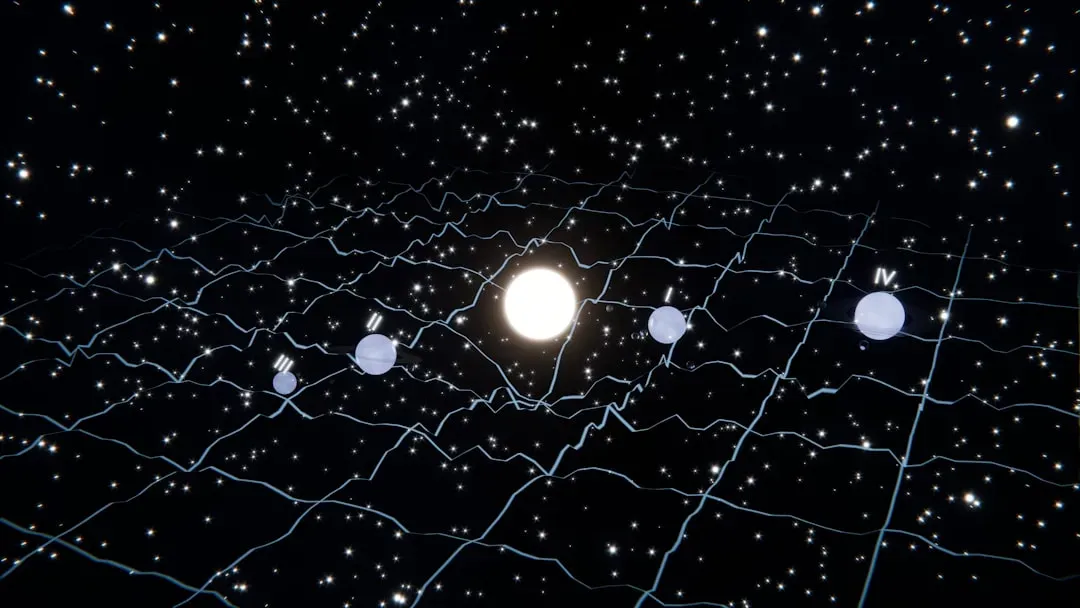
The honest truth is that almost every bold claim about new universes and black holes hits a wall at the same place: we do not yet have a complete, experimentally verified theory of quantum gravity. General relativity works astonishingly well on large scales and high masses, while quantum mechanics rules the tiny and the energetic. Put them together inside a black hole or at the Big Bang, and their equations clash in ways we still do not fully know how to resolve.
Attempts to bridge that gap – like loop quantum gravity, string theory, and other approaches – often end up smoothing out singularities and opening the door to bounces or new spacetime regions. That is where many of these universe‑spawning scenarios come from, and that is why they should be taken seriously but not swallowed whole. Until we have real data that distinguishes one version of quantum gravity from another, we are essentially feeling our way forward in the dark, guided by mathematical beauty and consistency more than by direct observation.
What We Can Actually Observe: Clues from Real Black Holes
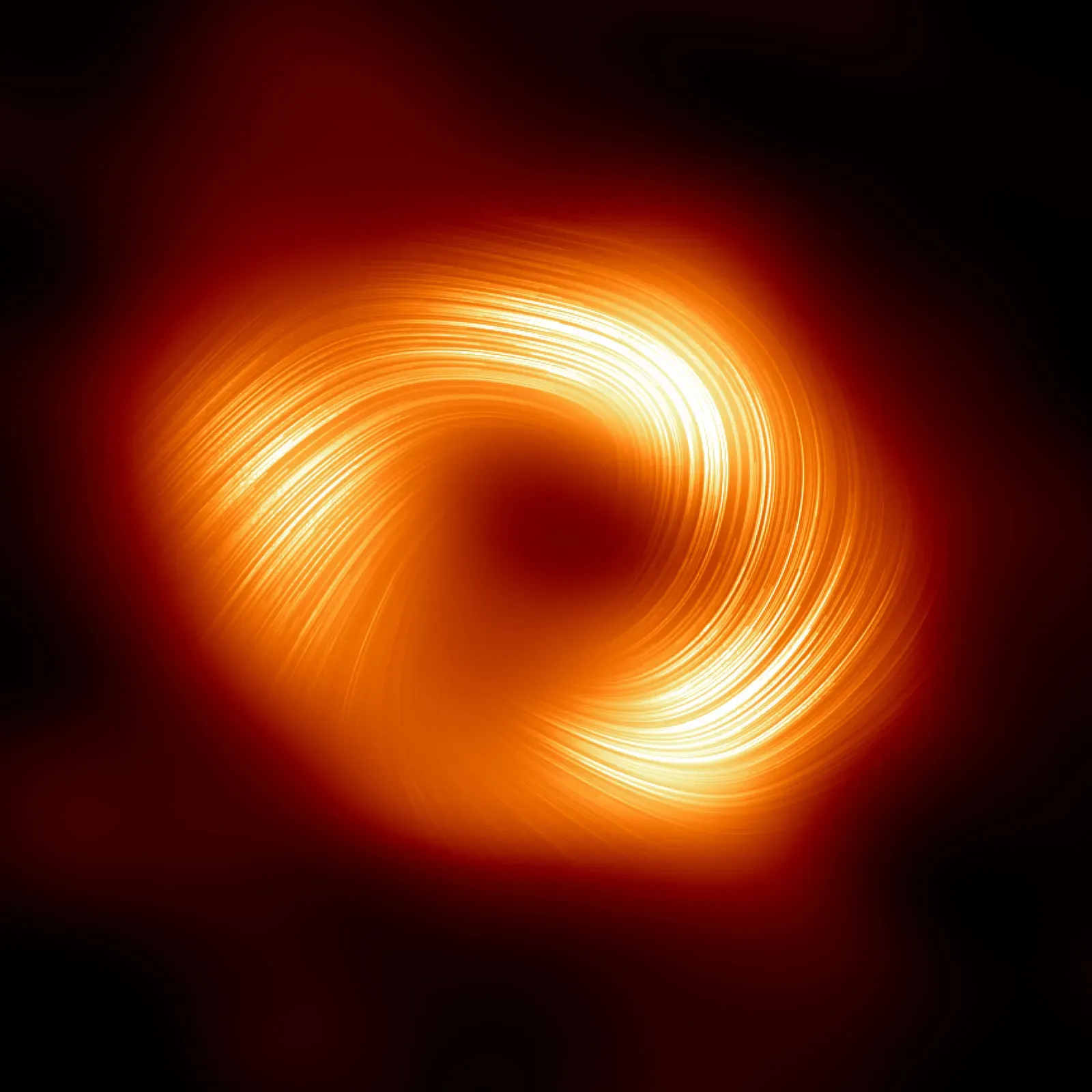
Given how speculative some of this sounds, it is fair to ask what we can really know from our own universe. Over the past few decades, we have gone from thinking of black holes as purely theoretical to actually seeing evidence for them all over the cosmos. We have tracked stars whipping around an invisible object at the center of our galaxy, imaged the shadow of a supermassive black hole, and even recorded the ripples in spacetime from black holes colliding far away.
These observations tell us that general relativity describes the regions outside black holes with stunning accuracy, at least up to a point. They also reveal that black holes behave like physical objects with mass, spin, and temperature, not just abstract singularities on paper. What they do not show us – yet – is anything about the interior, the bounce, or the possible birth of new universes. That invisible interior is exactly why black holes are the perfect stage for big, risky ideas: we can push theory to its limits without contradicting what the telescopes actually see.
Why This Matters for the Big Picture of Reality
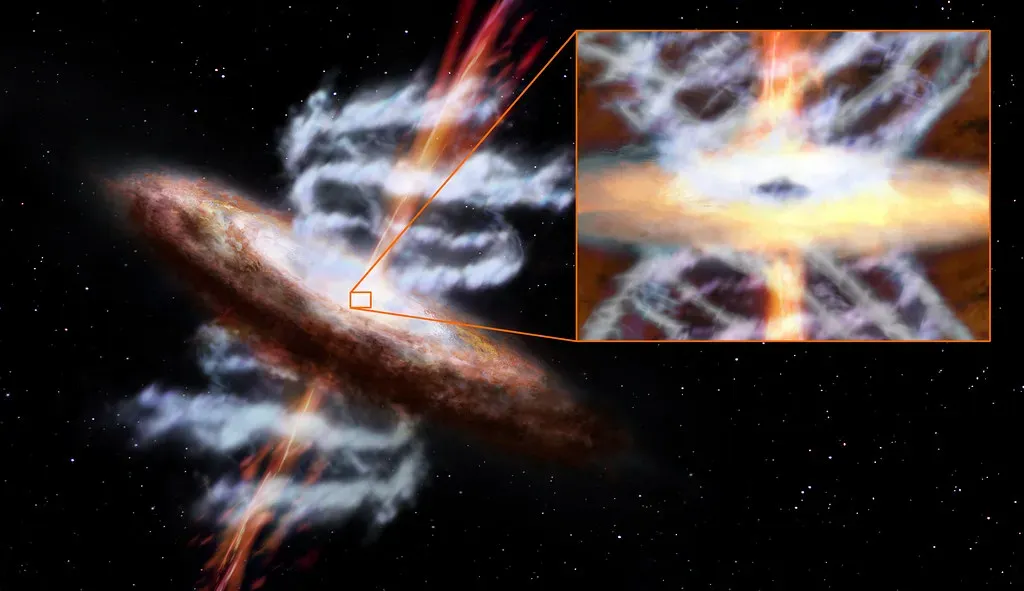
Speculating about universes inside black holes is fun, but it also taps into a serious scientific motivation: we are trying to solve real puzzles about why our universe is the way it is. Why did the Big Bang happen at all? Why do the laws of physics seem so precisely balanced to allow stars, galaxies, and eventually life? Why do some aspects of the universe look almost suspiciously hospitable to complexity instead of being randomly hostile or chaotic?
Models where black holes seed new universes offer at least a conceptual path toward answering those questions. They turn the one‑off miracle of a single Big Bang into part of an ongoing process, a chain where universes produce black holes and black holes potentially produce new universes in turn. I like that shift because it makes the cosmos feel less like a single roll of the dice and more like an evolving ecosystem, even if we are still stuck in the position of observing only one branch of the possible cosmic family tree.
The Realistic Verdict: Powerful Idea, Not Proven Truth
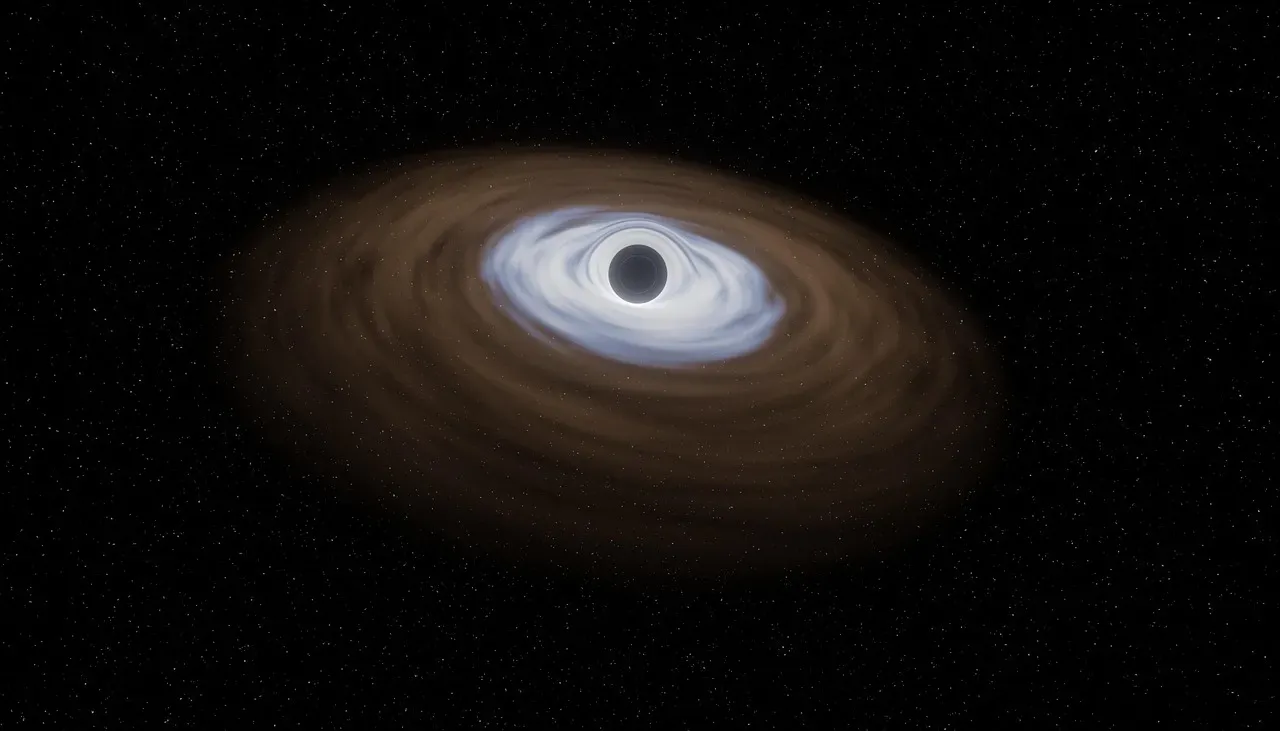
So, are black holes actually ? My personal take is that they are at least the most natural place to look for such a key. Black holes are where our current theories are clearly incomplete, where quantum effects and gravity are forced to talk to each other, and where mathematical models easily spit out scenarios that include bounces, baby universes, and branching realities. Ignoring that would be like ignoring a locked door in a house you are trying to explore just because you are not sure what is behind it.
At the same time, we have to be blunt: this is not settled science, and it might never be fully testable in the way we usually demand in physics. For now, the idea that black holes birth new universes lives in a gray zone between solid theory and informed imagination. I think we should lean into it as a guiding story, a way to shape our search for a true theory of quantum gravity, while staying honest that it might turn out to be wrong, incomplete, or only partly true. If the universe is using black holes as seeds for new realities, then every dark dot in the sky is not an ending but a beginning – how could you not want that to be true, even if you know it is still just a possibility?