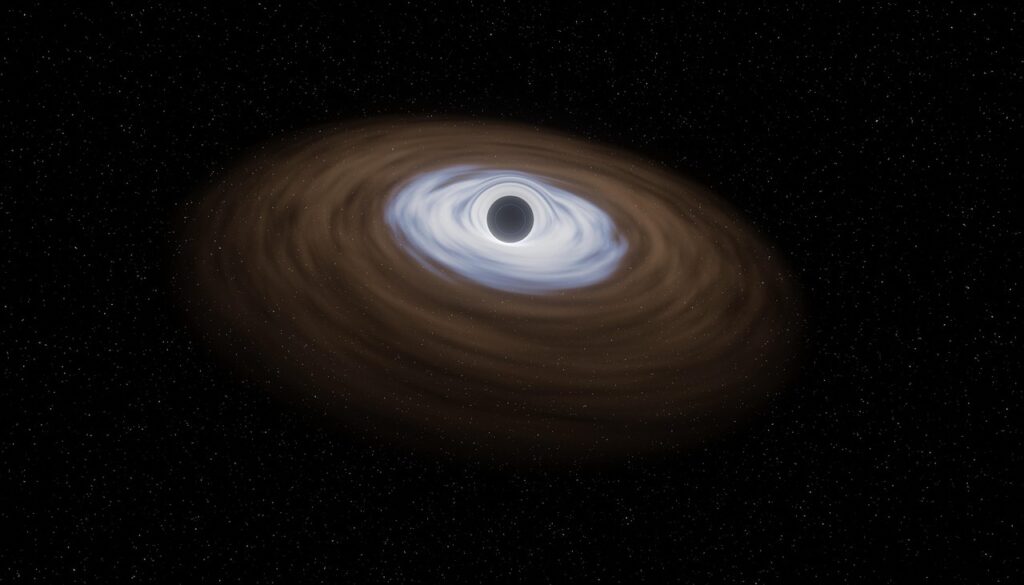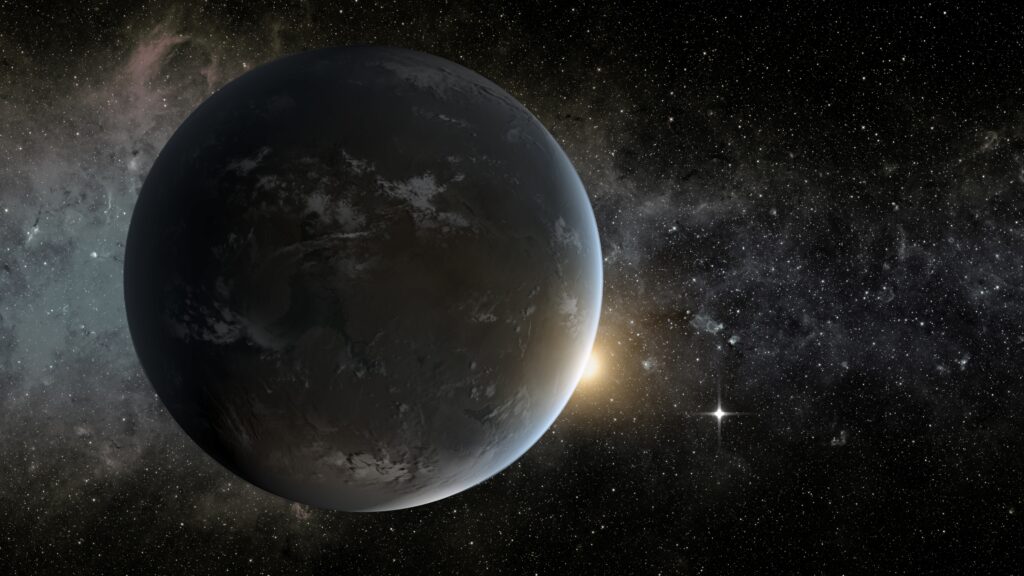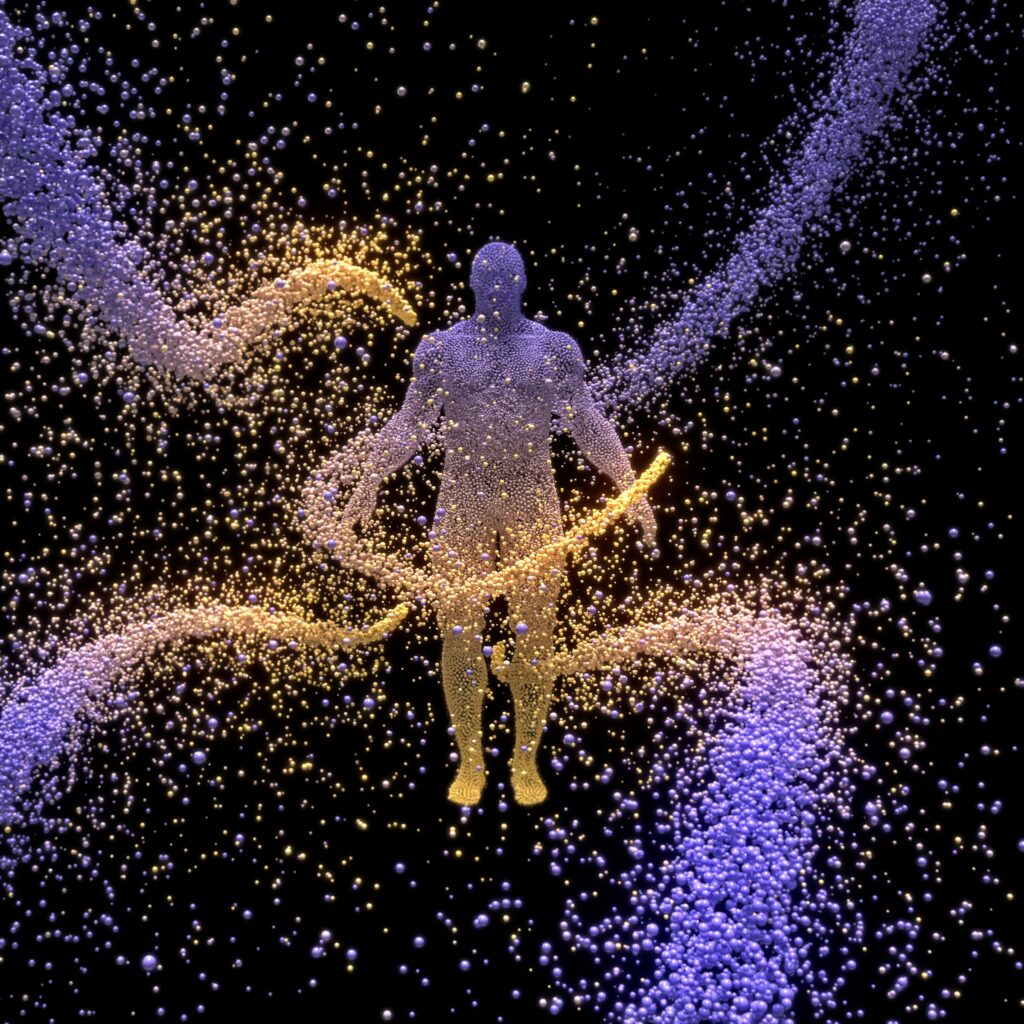

Imagine waking up tomorrow to find out that everything you thought was “out there” – stars, galaxies, your coffee cup – only really exists because someone is here to experience it. It sounds like the plot of a trippy sci‑fi movie, but this is close to what biocentrism suggests: that life and consciousness are not latecomers in a dead universe, but the very things that make a universe possible in the first place. It flips the usual story on its head, and for a lot of people, that is both thrilling and deeply unsettling.
What makes it more than just a late‑night dorm room thought experiment is that some of the strangest results of quantum physics seem to lean in the same direction. When particles behave differently depending on whether they are observed, when reality appears fuzzy and undefined until something “measures” it, the comfortable idea of a mind‑independent world starts to wobble. Biocentrism leans into that wobble and asks: what if consciousness is not a side effect of matter, but the stage on which matter even gets to show up?
The Strange Claim at the Heart of Biocentrism
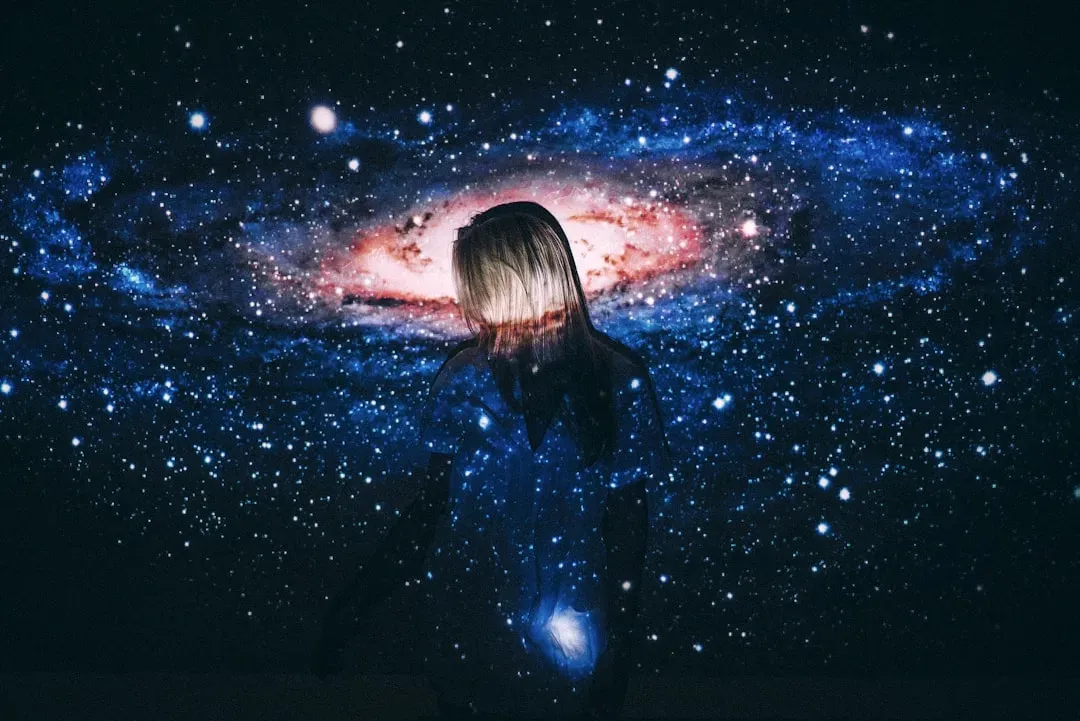
Biocentrism starts from a bold, almost outrageous claim: the universe does not exist in any meaningful way without observers to experience it. Instead of seeing life as a tiny accident in a vast, indifferent cosmos, it says that space, time, and the physical world are shaped – maybe even generated – by conscious awareness. In this view, asking what the universe was “doing” before observers evolved is like asking what a video game world looked like before anyone turned the console on.
This is a radical reversal of the traditional scientific story, where physics sits at the bottom, chemistry builds on physics, biology emerges from chemistry, and consciousness is the fragile foam on top. Biocentrism flips that pyramid: consciousness comes first, and the physical laws are downstream from it. You do not have to agree with that to see why it gets under people’s skin. It challenges the comforting idea that reality is just “out there,” running on its own, no matter what you think, feel, or notice.
Quantum Experiments That Seem to Care If You Look
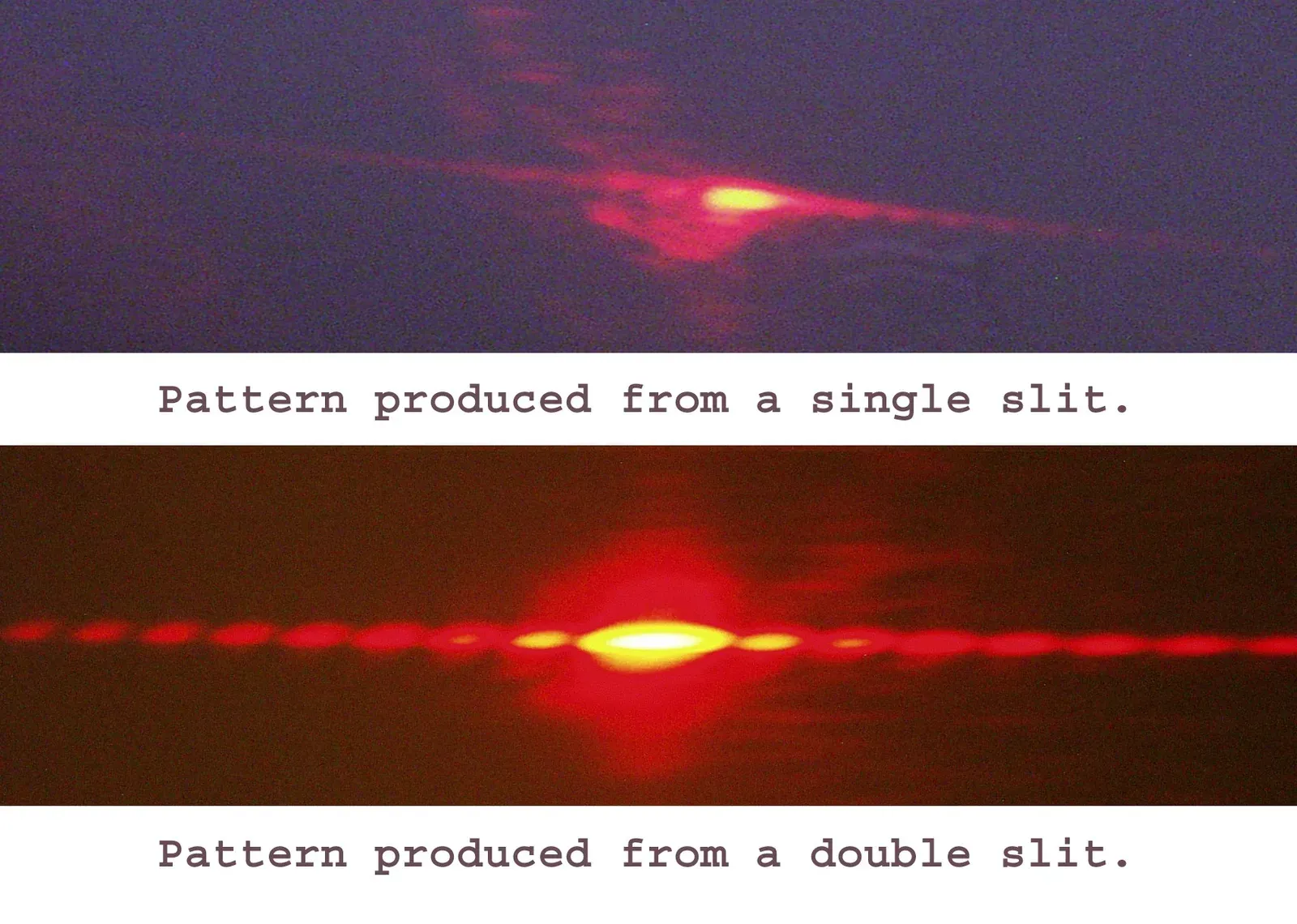
The biggest reason biocentrism does not get laughed out of the room instantly is that quantum physics already smashed our classical picture of a solid, observer‑independent world. In the classic double‑slit experiment, tiny particles like electrons or photons behave like smeared waves when no one checks which path they take, but suddenly act like neat little bullets when a measurement device is placed to “watch” them. The outcome seems to depend on whether the path information is knowable at all, not on any mechanical disturbance from the measuring device.
Even stranger variations, like delayed‑choice experiments, suggest that choices made in the present can influence how a particle behaved in the past, at least in terms of how we are forced to describe the setup. The math of quantum theory handles this cleanly, but our everyday intuition does not. Biocentrism seizes on this weirdness and says: maybe the reason reality looks unsettled until observation is not just a quirk of the equations – maybe the act of observation is woven into how the world comes into definite form.
Does Quantum Physics Really Require Consciousness?
Here is where things get contentious. Many physicists argue that you do not need human‑style awareness to make quantum events “real”; any interaction that leaves a trace – a detector clicking, an atom absorbing a photon, a dust grain being nudged – counts as a measurement. This view, often packaged inside ideas like decoherence, says the world becomes classical‑looking because everything is constantly interacting with everything else, not because minds are peeking at it. In that story, consciousness is just another physical process riding on top of these interactions.
Biocentrism pushes back and says this is not fully satisfying. It argues that we only ever know about detectors, dust grains, or atoms as experiences inside consciousness. From that angle, saying a lifeless universe “measures itself” sounds like sneaking awareness in through the back door without admitting it. Personally, I think this is where the debate starts to reveal what we really mean by words like “real,” “exist,” and “observe” – and how much of that is physics, and how much is philosophy we forgot was there.
Space and Time as Tools of the Mind
One of biocentrism’s more intriguing claims is that space and time are not fundamental containers the universe lives in, but mental frameworks our brains use to order experience. Modern physics already hints that space and time are not as rigid as we once believed: relativity ties them together into spacetime, which bends with mass and energy, and quantum gravity research even suggests that spacetime might emerge from something deeper and more abstract. Biocentrism takes a further leap and says these structures exist only as part of the way observers structure reality.
Think of how a computer screen shows a smooth world made of pixels, even though under the hood it is just raw code and electrical states. In a similar way, biocentrism suggests that what we experience as a three‑dimensional world unfolding in time could be the “user interface” consciousness lays over a more mysterious underlying reality. Whether that underlying layer is physical, informational, or something we do not even have language for yet is exactly where this idea blurs into metaphysics, but it does latch onto a real tension in modern science: we still do not know what space, time, or even laws of nature ultimately are.
The Fine‑Tuned Universe and the Role of Life
Another place where biocentrism finds traction is in the so‑called fine‑tuning problem. The basic constants of nature – the strength of gravity, the charge of the electron, the masses of fundamental particles – seem balanced in a surprisingly narrow range that allows stable stars, complex chemistry, and, eventually, living beings. Change some of these values even slightly, and you do not just get a different kind of universe; you likely get no complex structures at all. It is hard not to notice that the universe appears eerily friendly to life, or at least to the kind of life we understand.
Standard explanations lean on ideas like the multiverse, where countless universes exist with different settings, and naturally we find ourselves in one where life is possible. Biocentrism offers a different angle: maybe the reason the universe looks suited for observers is that it is, in some deep way, conditioned by observers. In other words, life is not a lucky afterthought of physics; physics is what it is because life and observation are built into the game from the start. That is a huge jump, and the evidence for it is more suggestive than decisive, but it taps into a real puzzle that mainstream cosmology still wrestles with.
Where Biocentrism Overreaches the Science
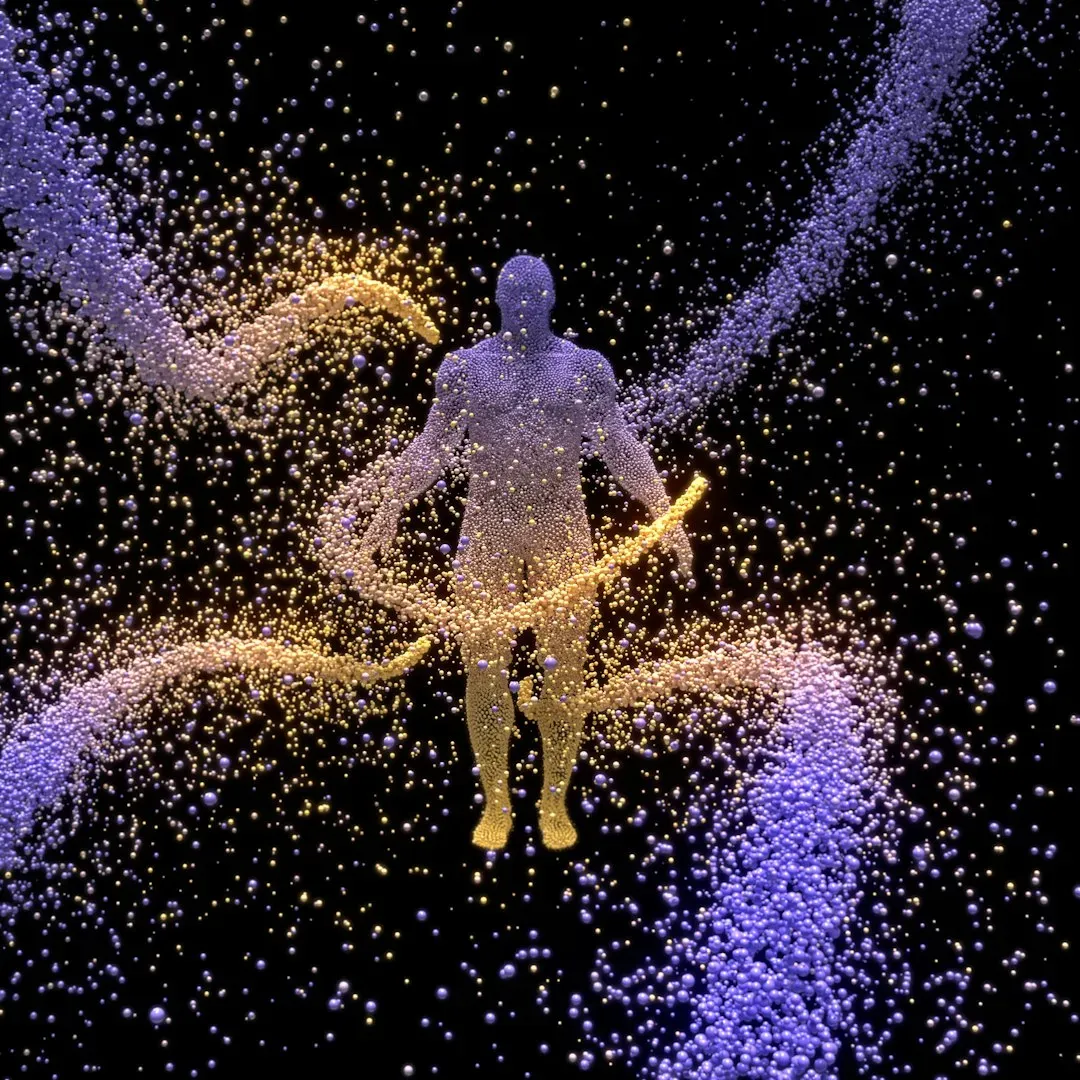
For all its provocative charm, biocentrism does stretch beyond what the data can support, and it is important to be honest about that. Quantum experiments undeniably show that measurement and information matter, but they do not explicitly say that human consciousness creates the moon, the galaxies, or the cosmic microwave background. The equations work just fine if we treat measurements as interactions between physical systems, long before any brains show up to build telescopes, and a universe older than life on Earth is baked into several independent lines of evidence.
This is why many scientists treat biocentrism as an interesting philosophical framework rather than a testable scientific theory. It often blurs the line between what we can say about the world and what we can say about our knowledge of the world. That does not make it worthless; it just means we should be careful not to confuse interpretive flavor with hard results. When biocentrism starts making strong claims about the afterlife, or saying that death is an illusion because consciousness supposedly hops universes, that is where even sympathetic readers tend to tap the brakes.
Why the Idea Still Refuses to Go Away
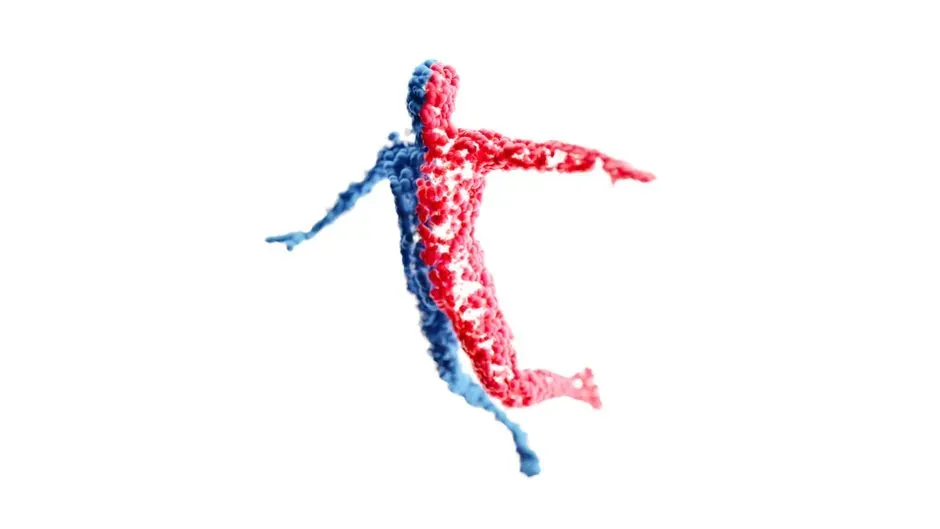
So why does biocentrism keep coming back in books, podcasts, and endless online debates? Partly because it speaks directly to something most of us feel but rarely see acknowledged in physics papers: that lived experience is the one thing we can never step outside of. No matter how far our telescopes see or how deep our colliders smash particles, we always end up with a human or an instrument reading a result inside consciousness. Biocentrism takes that stubborn fact and says we should promote it to center stage instead of treating it like an embarrassing footnote.
There is also a cultural hunger here. In a world where many people feel crushed between cold materialism on one side and uncritical mysticism on the other, biocentrism offers a third path: a universe that is genuinely scientific but not indifferent to life and mind. It can be misused as a blanket justification for every wild spiritual claim, which I think is a real risk. But at its best, it nudges us to take our own awareness seriously as a clue, not a nuisance, in understanding what kind of reality we live in.
A Personal Take: Powerful Metaphor, Not Proven Law
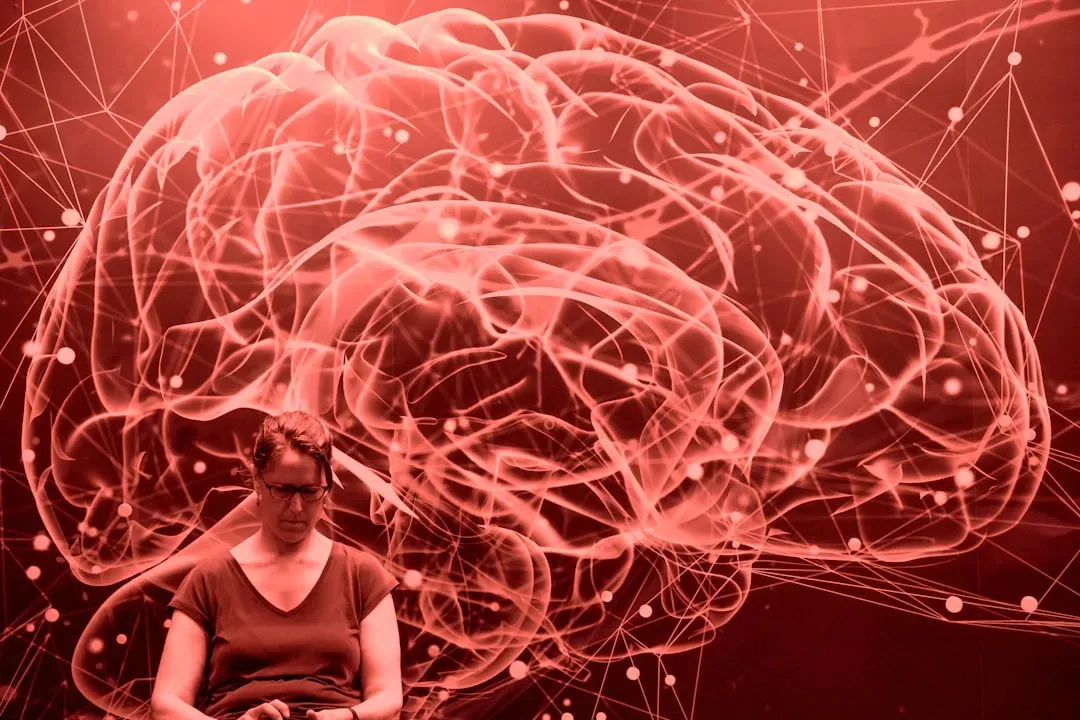
If I am being blunt, I do not think the current evidence forces us to accept that the universe literally cannot exist without observers, in the strict biocentric sense. The data from cosmology, astrophysics, and particle physics hang together remarkably well under the assumption that there was a real, evolving universe long before brains arrived to reflect on it. From that vantage point, biocentrism feels more like a powerful metaphor and a provocative interpretation than a settled description of how things actually are at the deepest level.
And yet, I find it surprisingly valuable as a lens. It reminds us that consciousness is not just a glitch of neurons but the only arena where any theory, equation, or experiment ever shows up as meaningful. It forces physics, philosophy, and even everyday life to collide in a way that is messy but honest, and it keeps us from getting too smug about thinking we have “nailed” reality once and for all. Maybe the final story will not be fully biocentric, but I would bet it will include some version of this uncomfortable insight: the observers and the observed are more entangled than our old stories ever dared to admit. If that is even partly true, how could the universe ever feel completely separate from the fact that you are here, reading about it right now?