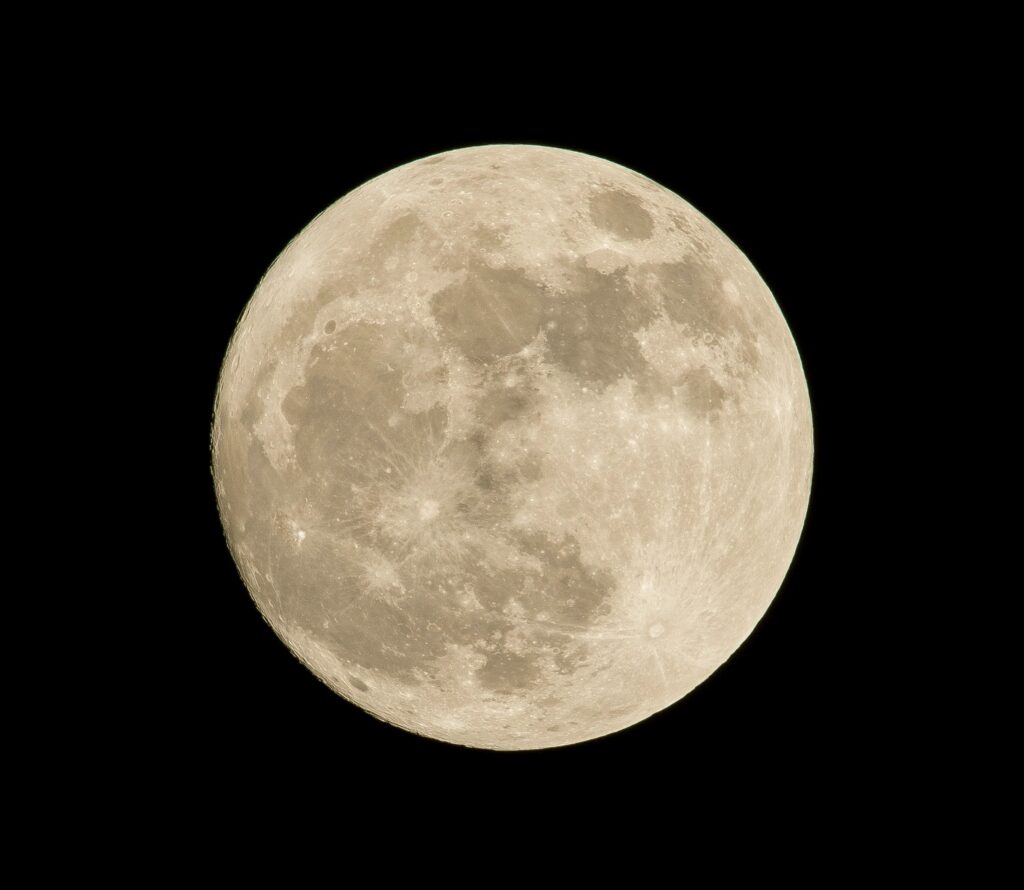

Look up at the Moon tonight and you might feel like you’re staring at a fossil: dusty, dead, and frozen in time. For decades, that was pretty much the official story – a world that did its thing billions of years ago and has been quietly drifting ever since. But in the last few years, a different picture has started to emerge, and it is far stranger and more exciting than the old textbook version.
New data from lunar orbiters and re‑analyses of Apollo-era measurements suggest the Moon might not be as geologically dead as we once thought. It may actually creak, crack, shrink, and maybe even harbor pockets of underground heat. Not volcanic fireworks like on Earth or Io – but a quieter, slower kind of restlessness. If that’s true, it changes how we see our own natural satellite, and even how we think rocky worlds age and evolve across the universe.
The Old Textbook Moon: A Dead World, Or So We Thought
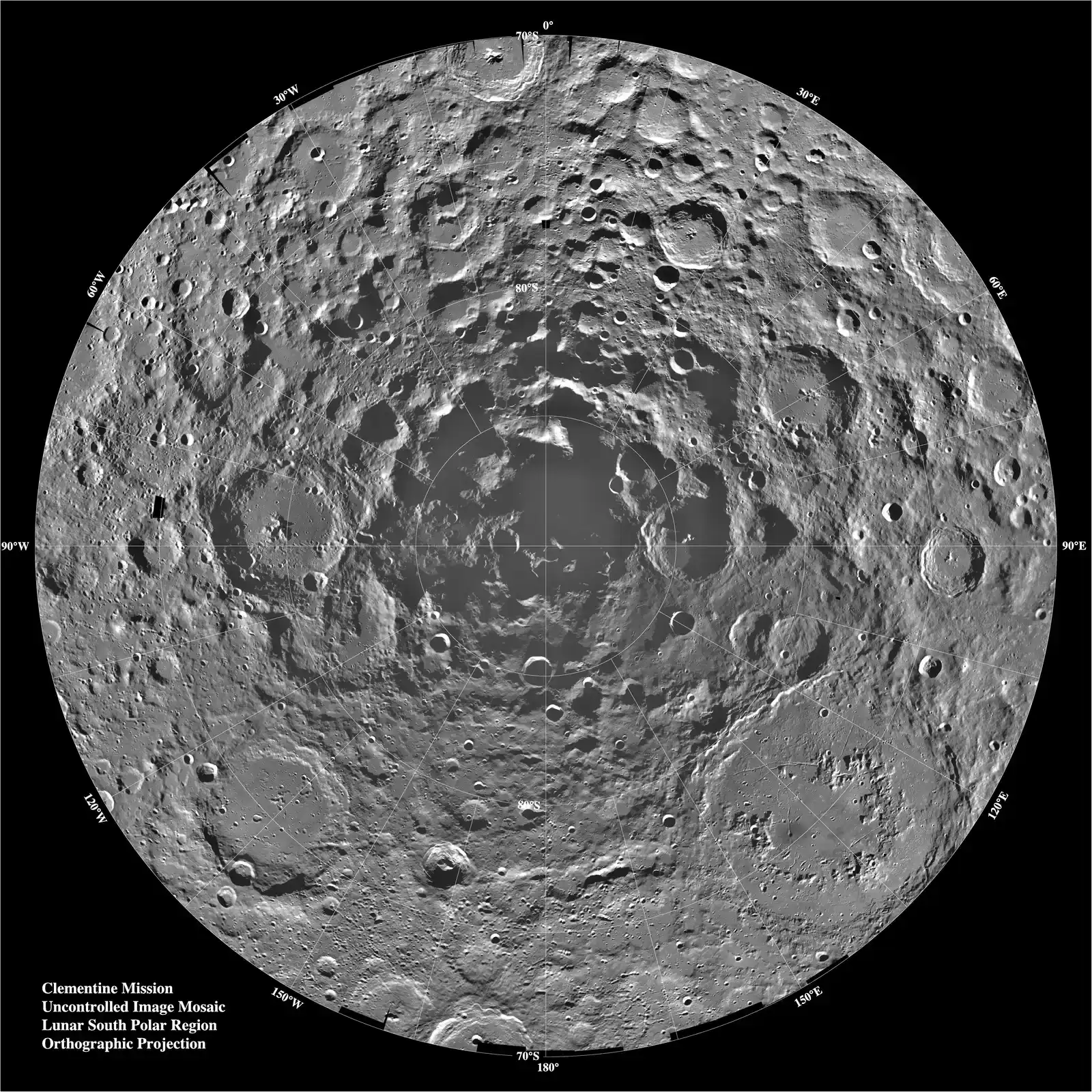
For a long time, students were taught that the Moon’s geology essentially shut down billions of years ago. The classic story went like this: it formed hot, quickly cooled, ran out of energy, and then became nothing more than a cold, cratered rock. Those dark lava plains you see – the maria – were supposed to be the last major act, ending roughly three billion years in the past, followed only by the slow drizzle of impact craters.
This view made intuitive sense: the Moon is small, and small bodies lose heat quickly. Compared to Earth’s roiling mantle and shifting plates, the Moon looked frozen. No plate tectonics, no active volcanoes, no big magnetic field. This “dead Moon” idea was so neat and tidy that it took a long time for scientists to seriously question it, even when little clues started to pop up that didn’t quite fit.
Moonquakes: The First Hint That Something Is Still Moving
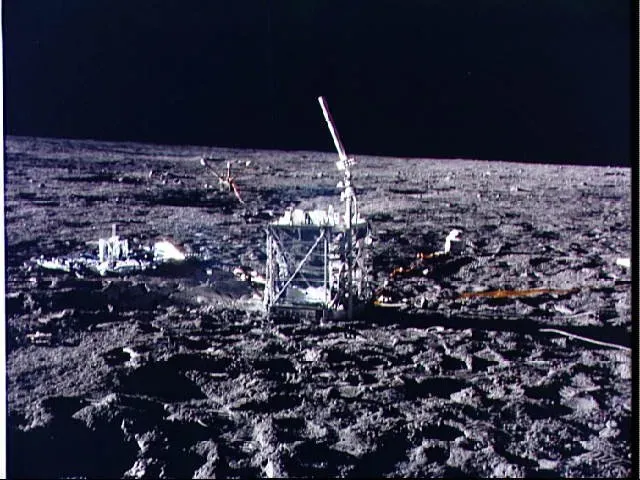
One of the most surprising discoveries from the Apollo missions was that the Moon actually quakes. Astronauts left seismometers on the lunar surface, and those instruments recorded several types of “moonquakes” over years of listening. Some were tiny vibrations from meteorite hits or from the Sun’s intense heating and cooling of the surface. But a subset – deep and shallow moonquakes – were much harder to wave away.
Shallow moonquakes, in particular, looked a lot like quakes caused by tectonic stress on Earth. Some of them were surprisingly strong, the kind of event that could rattle a future lunar base. They suggested that the Moon’s crust is still under stress, still releasing energy. We’re not talking Hollywood-style tectonic plates grinding past each other, but it is movement all the same, and it was one of the first big hints that the Moon’s interior might not be as quiet as everyone assumed.
Wrinkled Surface: Lobate Scarps And A Shrinking Moon
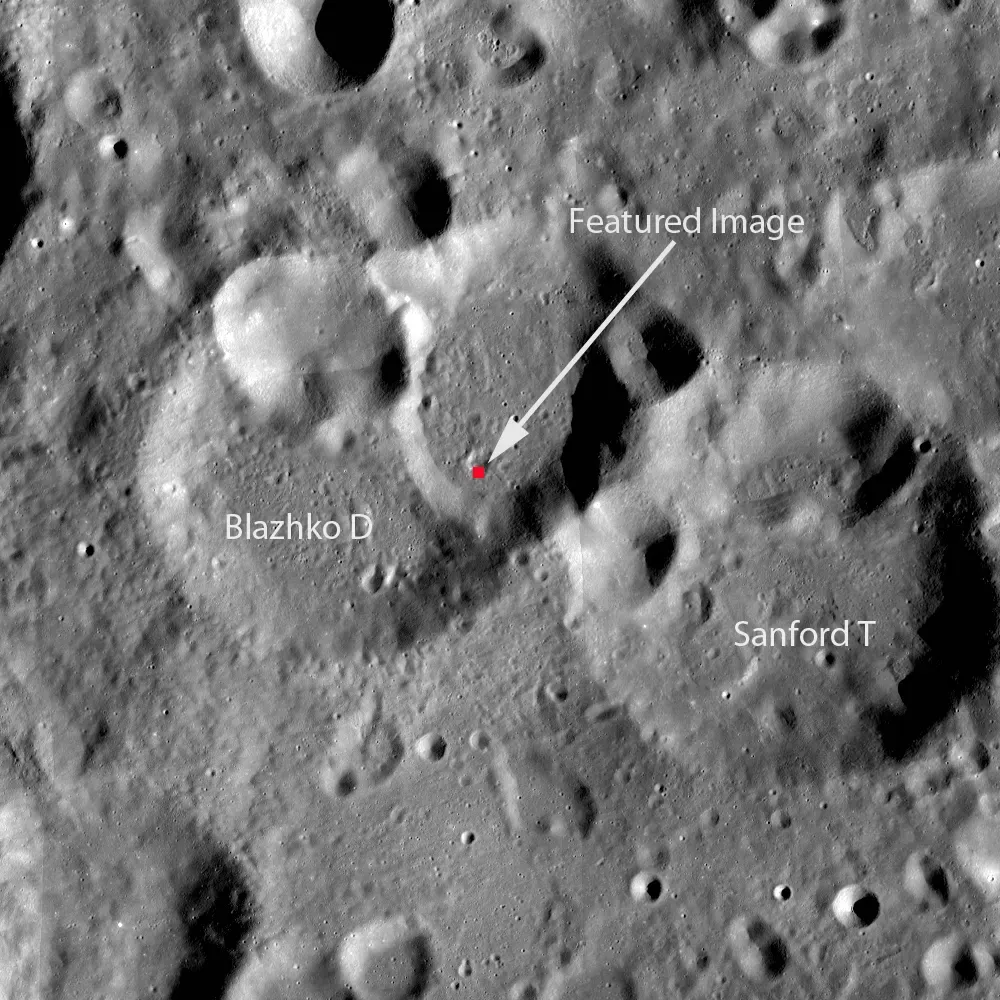
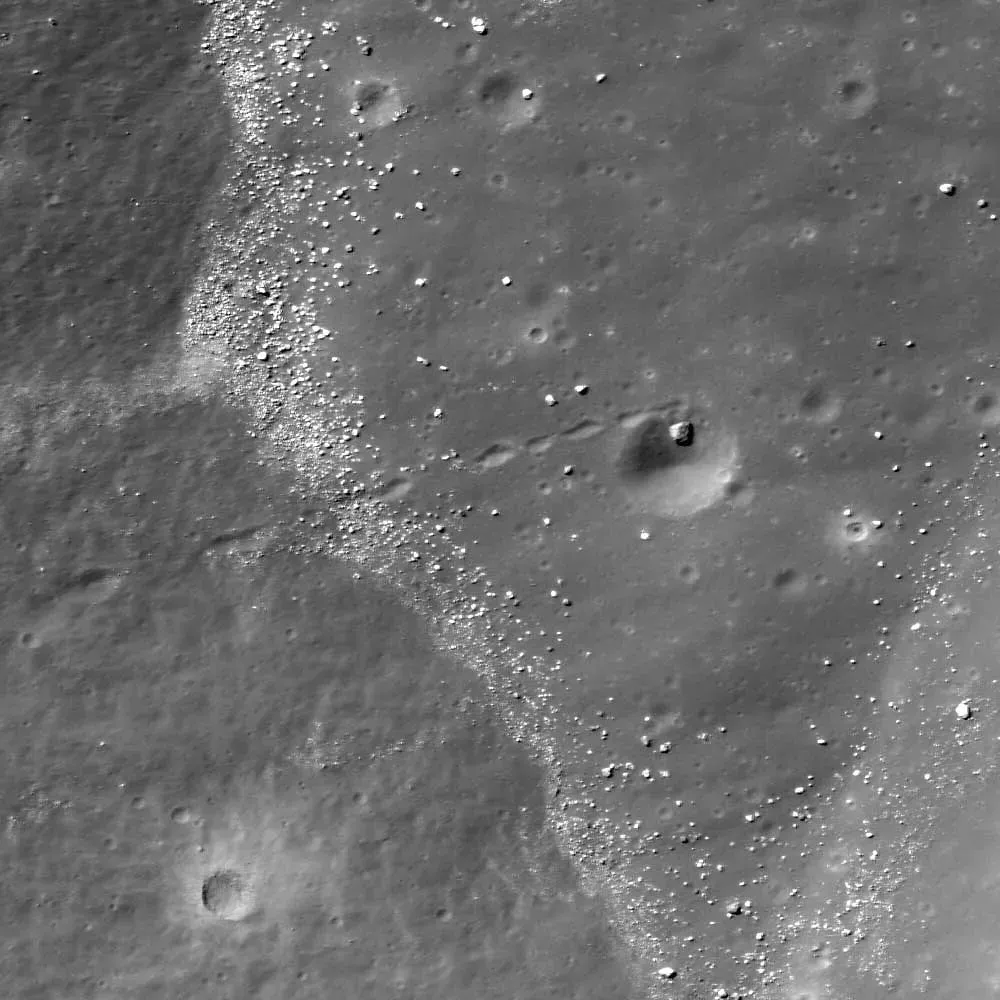
Fast forward to modern lunar missions, and spacecraft have spotted something visually striking: cliff-like features called lobate scarps. These look like small, jagged wrinkles in the crust, sometimes stretching for kilometers across the surface. They form when the Moon’s interior cools and contracts, causing the outer crust to buckle and thrust upward, like a raisin’s skin wrinkling as it dries.
The real kicker is that many of these scarps look geologically young, with fresh, crisp edges and few impact craters scarring them. Some estimates suggest they may be less than a few hundred million years old, and there are hints that some could be even younger. That might sound ancient to us, but in the four‑and‑a‑half‑billion‑year life of the Moon, it is practically yesterday. A shrinking, wrinkling Moon is, by definition, still evolving – slowly, but actively in geological terms.
Heat Beneath The Crust: Is The Lunar Interior Still Warm?
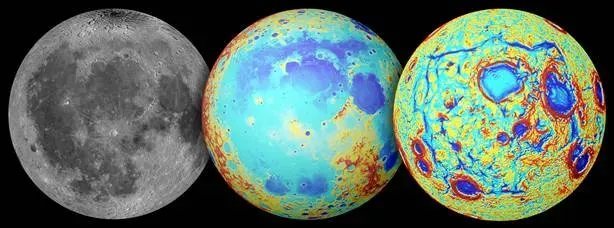
So what’s driving all this? Even after billions of years, the Moon still contains residual heat from its formation and from the decay of radioactive elements in its interior. It is far cooler than Earth, but “cooler” doesn’t mean fully frozen. Think of it less like a block of ice and more like a stone that was taken out of a campfire a long time ago – no longer glowing, but still warm inside if you probe deep enough.
Models of the lunar interior suggest there may still be pockets of partially molten rock or at least zones that are softer and more ductile than the overlying crust. That lingering warmth is enough to generate stresses as the Moon continues to cool and contract. We are not talking about the kind of raging magma oceans that once flooded the maria, but a lingering internal engine that, while weak, may still nudge the crust over long spans of time.
Could There Still Be Volcanism – Even A Little?
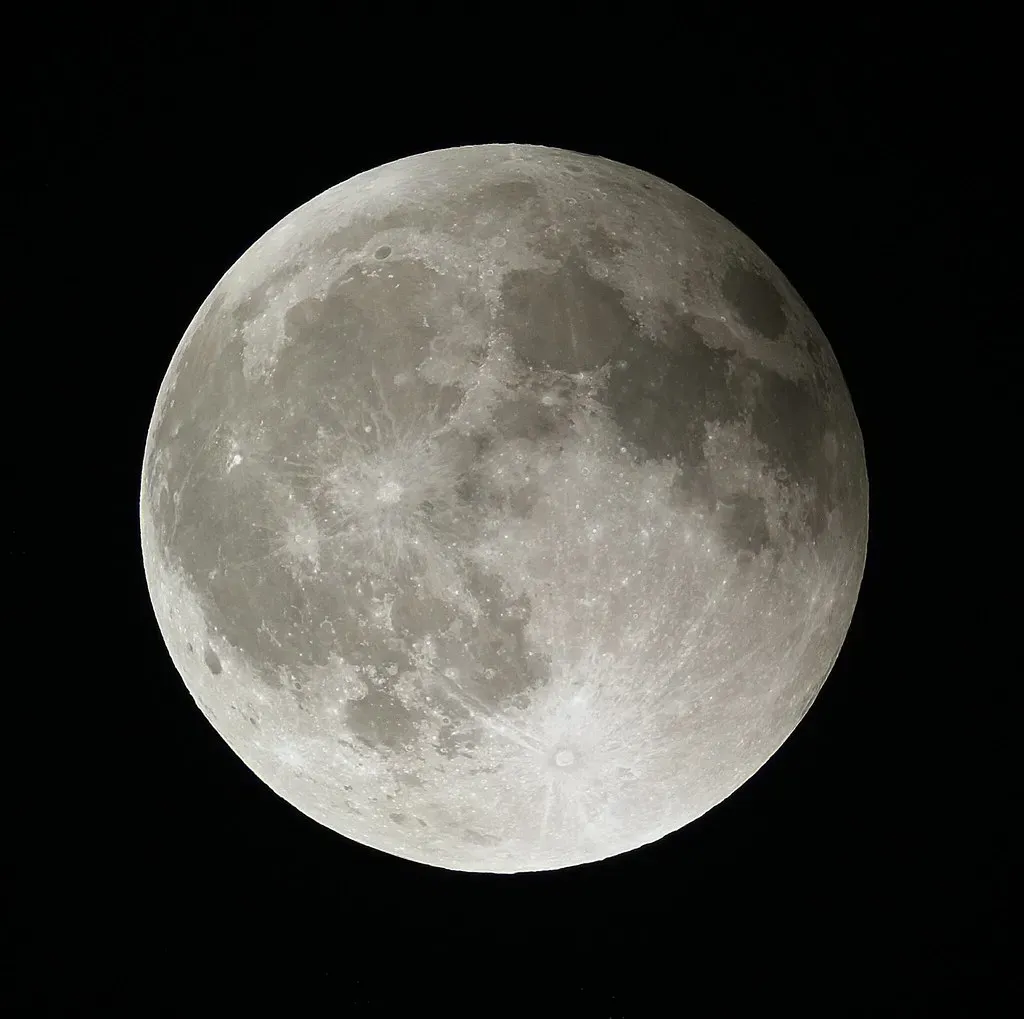
The big, dramatic volcanic episodes on the Moon wrapped up a very long time ago, and there is no credible sign of current lava flows or erupting vents. However, high‑resolution imagery has turned up some surfaces that look younger than expected, including smooth, small volcanic features that may be only tens of millions of years old. In geologic time, that is like finding ash in a fireplace that is still faintly warm instead of completely cold.
Right now, most scientists think truly active volcanism today is unlikely, at least at the surface. Still, the possibility of residual magmatic activity at depth is not completely off the table. There could be zones where magma is slowly cooling, solidifying, and releasing gases, without ever making it to the surface as a lava flow. If we ever drill deep into the lunar crust or place long‑lived instruments there, we may get a much clearer picture of whether any embers remain in the Moon’s volcanic past.
Tidal Tugs From Earth: A Subtle Source Of Stress
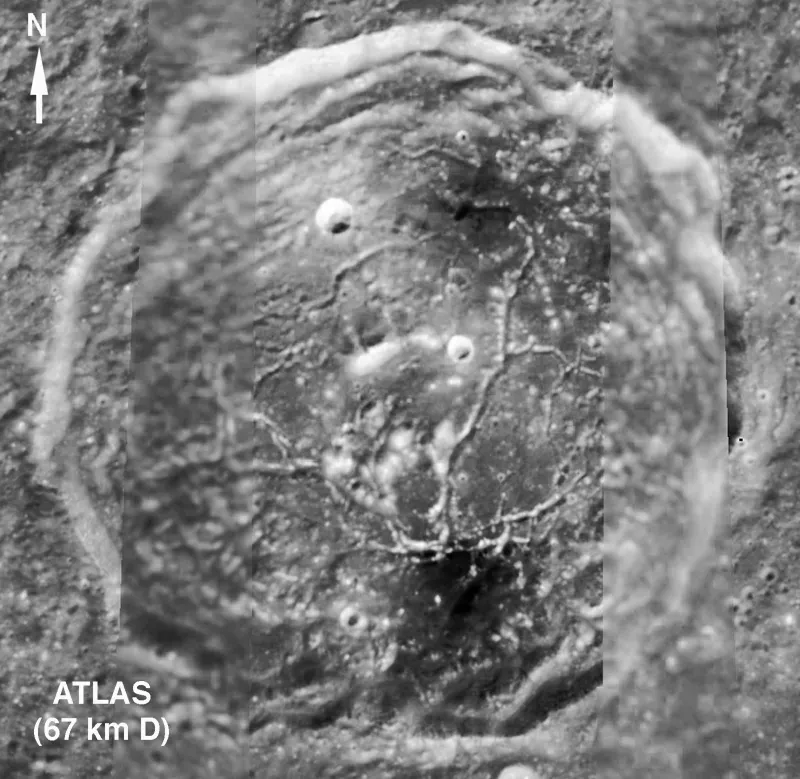
The Moon does not just orbit Earth; it also feels Earth’s gravity stretching and squeezing it ever so slightly. These tidal forces are gentle compared to what a moon like Jupiter’s Io experiences, but they are not zero. Over time, that rhythmic tugging can flex the interior just enough to contribute to stresses in the crust and mantle, especially combined with cooling and contraction.
Some researchers have looked at whether certain moonquakes line up with particular positions in the Moon’s orbit, where tidal stress would be strongest. There are hints of a pattern, though the data set is limited since the Apollo seismometers were only in a few locations and ran for a limited number of years. Even if tides are only a small part of the story, they reinforce the idea that the Moon is not a perfectly rigid, unchanging body. It responds, however slightly, to the ongoing gravitational dance with Earth.
What “Geologically Alive” Really Means For The Moon
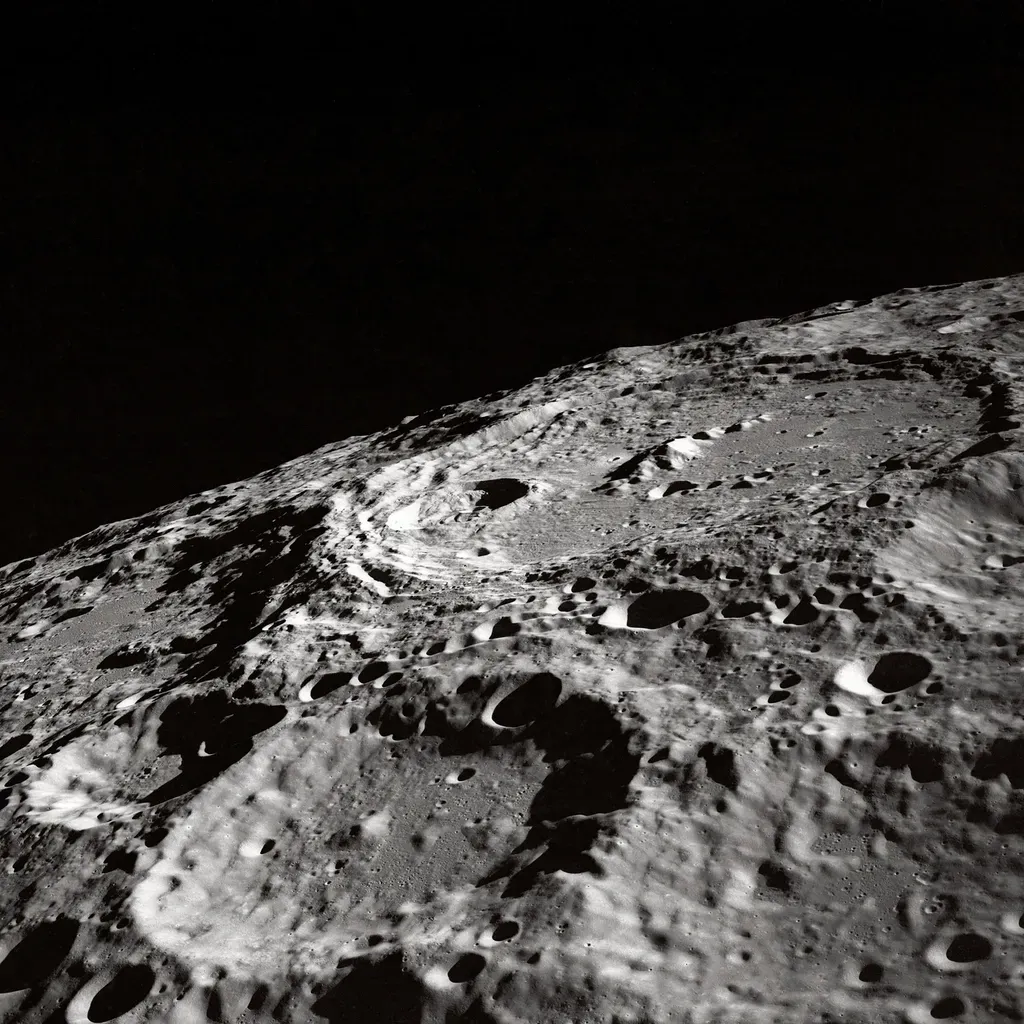
When people hear “geologically alive,” they often picture glowing lava, erupting volcanoes, and dramatic mountain-building – basically Earth 2.0. By that standard, the Moon absolutely does not qualify, and we need to be honest about that. Its surface is mostly shaped by impacts and slow space weathering, not by active volcanism or shifting plates on a human timescale.
But geology also operates on scales that make our lifetimes look like a blink. If a world is still changing structurally, still releasing internal stress, still cooling and shrinking, you can argue that it remains alive in a quieter, low‑power mode. By that broader definition, the Moon is not a corpse so much as a very old, very tired body that still twitches and sighs. Personally, I find that picture more interesting than either extreme of “fully dead” or wildly active.
Why A Restless Moon Matters For Future Exploration
All of this is more than an abstract science puzzle. If we are serious about building bases on the Moon, mining resources, or setting up long‑term observatories, we need to understand how stable the ground truly is. Even relatively rare shallow moonquakes could pose risks to habitats, power systems, and delicate instruments. Engineers will have to factor in the possibility of crustal movement, however infrequent, when choosing landing sites and designing infrastructure.
On the flip side, a Moon that still has some internal heat and geological activity might be more resource‑rich than a totally frozen rock. Past volcanism already helped concentrate certain elements and minerals in specific regions. If there are still warm zones or lingering magmatic bodies at depth, they could influence where we search for water ice, useful metals, or other materials. In a very practical way, the Moon’s subtle “aliveness” shapes the opportunities and challenges for the next century of exploration.
So, Is The Moon My Take
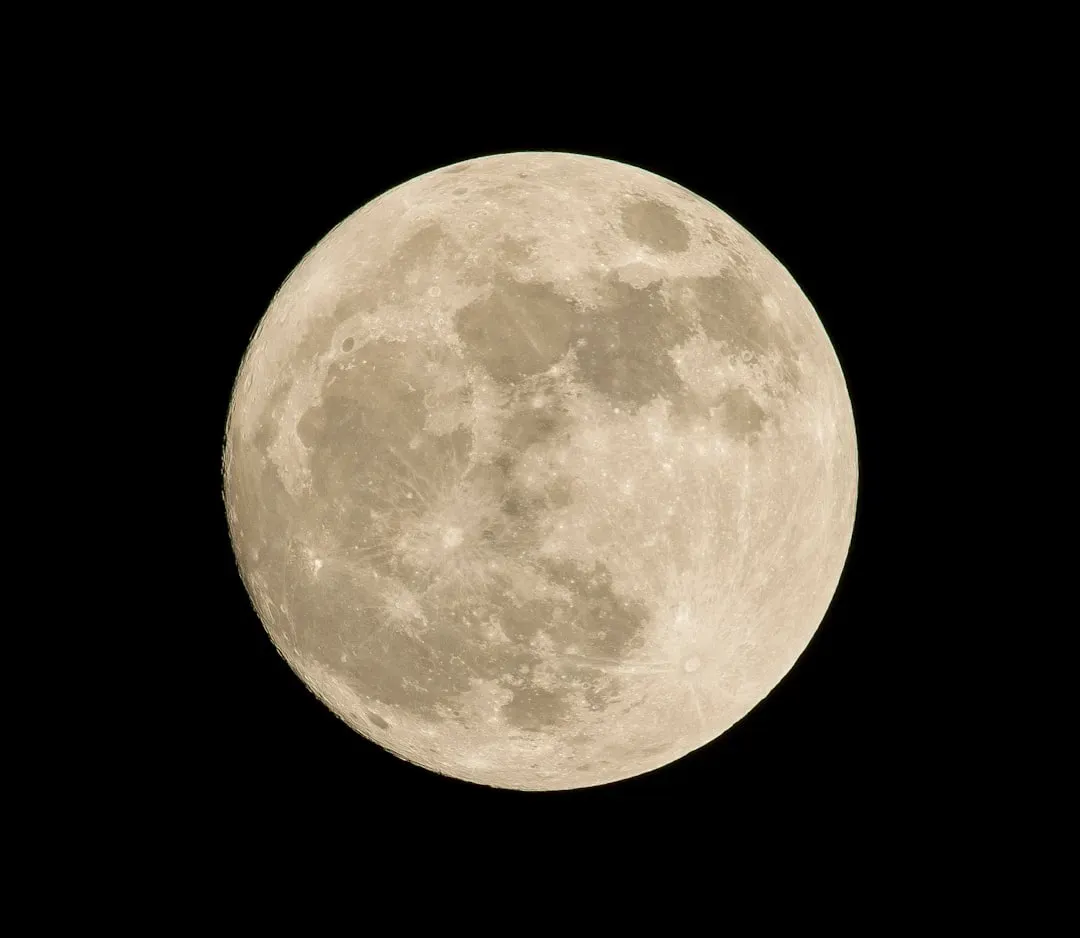
If you are hoping for a simple yes or no, the honest answer is: it depends on what you mean by alive. There is no evidence today of active lava lakes, dramatic eruptions, or anything close to Earth’s level of tectonic hustle. In that sense, the Moon is calm – almost eerily so. But the growing pile of clues from moonquakes, shrinking scarps, and thermal models tells me this world is still slowly evolving, not frozen in absolute geological death.
My opinion? The Moon is not a dead rock; it is a retired planet that still occasionally gets out of its chair. It creaks, it shrinks, it releases pent‑up stress, and it quietly responds to Earth’s gravitational pull. That muted kind of activity might not make headlines like a volcano on Io or an ice geyser on Enceladus, but it is a powerful reminder that even the places we think we know best can surprise us. Next time you see the Moon hanging in the sky, will you picture a fossil – or an old, restless neighbor still shifting ever so slightly in the dark?