
Stop for a second and look around you. The colors on your screen, the feeling of the chair under you, the faint hum of the room – it all seems so obvious, so solid, so shared. But what if the reality you think you’re seeing is just your brain’s private version of the world, stitched together by hidden processes you’ll never directly access? Some neuroscientists now argue that your conscious experience may be shaped by something like a black hole in your mind: a region of processing that pulls everything in, shapes it, and never fully reveals itself.
This idea isn’t about science fiction or mystical portals. It comes from hard questions in neuroscience and philosophy about why each of us lives inside a deeply personal reality, even when we’re standing in the same room looking at the same thing. The more researchers learn about perception, prediction, and the brain’s internal models, the stranger the everyday world begins to look. Reality, it turns out, might be far less fixed, and far more individually warped, than we like to believe.
The Brain as a Reality-Generating Machine
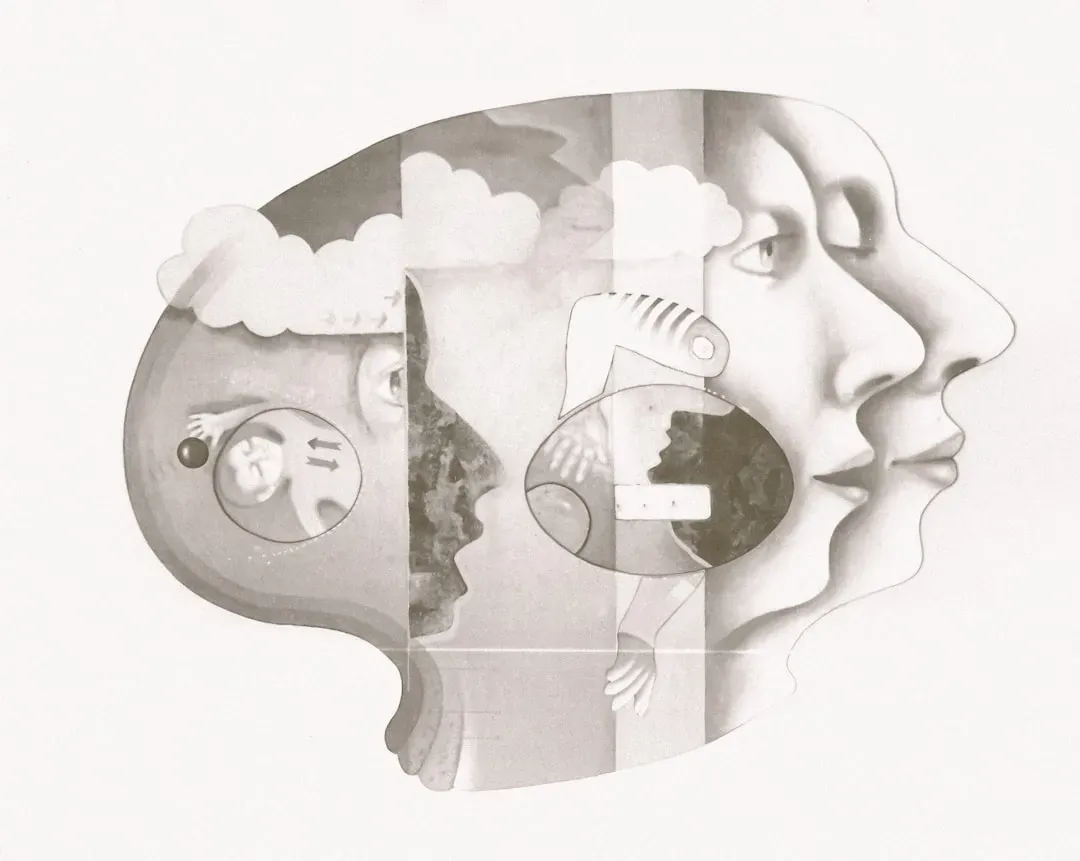
Here’s the unsettling part: your brain doesn’t passively receive reality, it aggressively constructs it. The light that hits your eyes and the sound waves that reach your ears are just raw data; your brain has to interpret, fill in gaps, and decide what it all “means.” In practical terms, that means what you see, hear, and feel is already edited, compressed, and color-graded by neural circuits before you’re ever aware of it. You are not seeing the world as it is; you’re seeing the world as your brain predicts it should be.
Modern neuroscience increasingly frames perception as a kind of controlled hallucination, where the brain constantly guesses what’s out there and then updates those guesses using sensory input. That process is usually so successful that it feels like direct access to reality, but it isn’t. Your brain throws out a massive amount of information, prioritizes what it thinks matters, and basically improvises a smooth story. That private story is your version of reality, and nobody else sees exactly the same one.
The “Black Hole” Metaphor: Hidden Processing at the Core
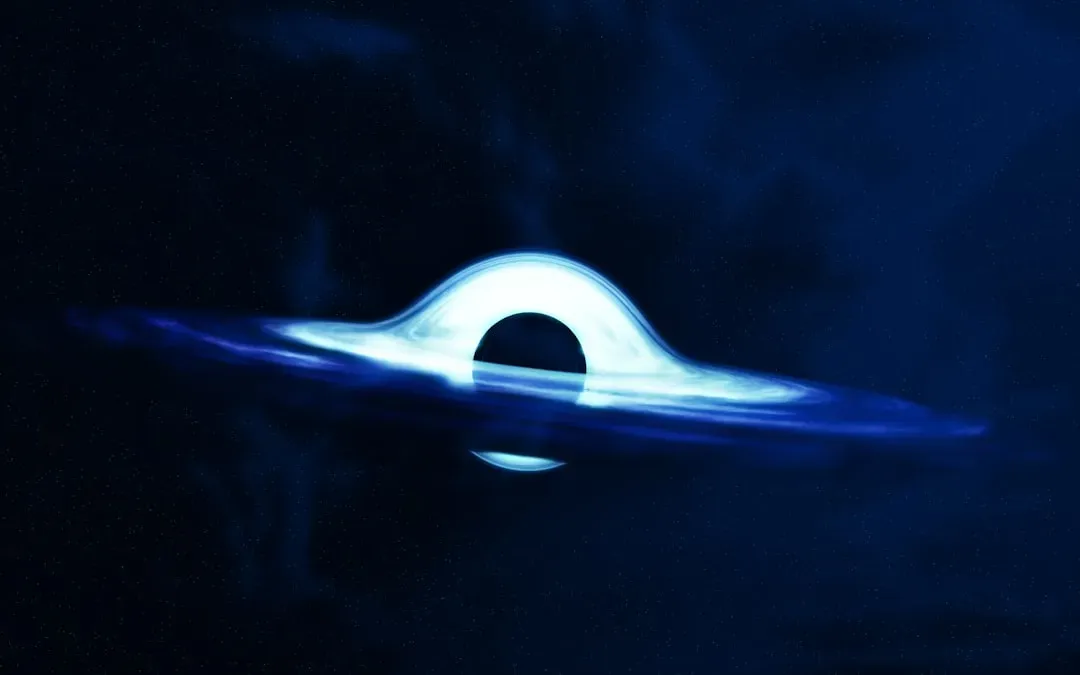
So where does the “black hole” metaphor come in? Think of a black hole in space: you can’t see what’s inside it, only how it warps light and matter around it. In a similar way, a huge amount of what shapes your conscious experience is hidden from you. You don’t experience the neural circuitry grinding away in the background; you only experience the final, polished image, sound, or feeling that emerges. Your awareness orbits this inner core of unconscious processing but never crosses its boundary.
There’s no single literal spot in the brain that works like an astrophysical black hole, of course. Instead, the metaphor points to a deep gap between what the brain is doing and what you can introspect about. The architecture of your neurons, the strength of certain connections, the chemistry of your synapses – all these invisible details bend and twist your experience without ever stepping into the spotlight. You see the curved path of your thoughts, but you never see the gravity doing the bending.
Predictive Brains and Why Your Reality Feels So Real
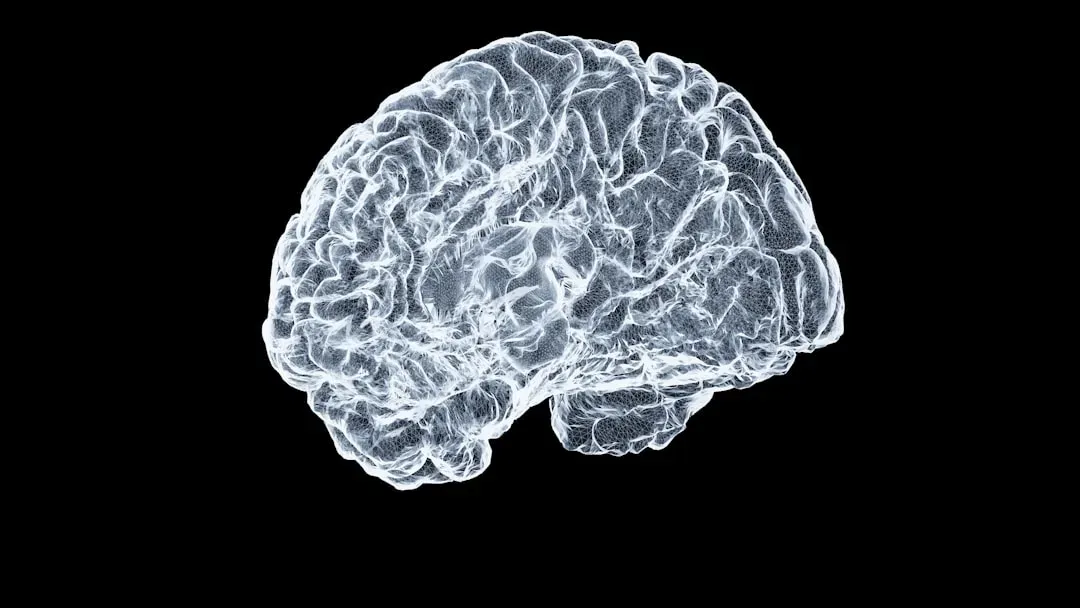
One of the leading ideas in neuroscience today is that the brain is fundamentally a prediction engine. It builds models of the world – and of you in that world – and then constantly compares its predictions against incoming sensory signals. If things match up, you feel like reality is stable and obvious. If things don’t match, you might feel surprised, confused, or even anxious. But notice what’s missing: you never see the predictions themselves as predictions. You just feel like you’re seeing “what’s there.”
That’s exactly why this black hole notion matters. Your conscious reality is what happens when prediction and sensory evidence reach a workable truce, and that truce can look different from one person to another. Two people can watch the same situation unfold, but because their brains predict different things based on past experience, beliefs, and emotional states, they literally experience it differently. Each prediction engine is tuned by a unique life, and that tuning quietly sculpts the world you live in.
Why No Two People Live in the Same Reality
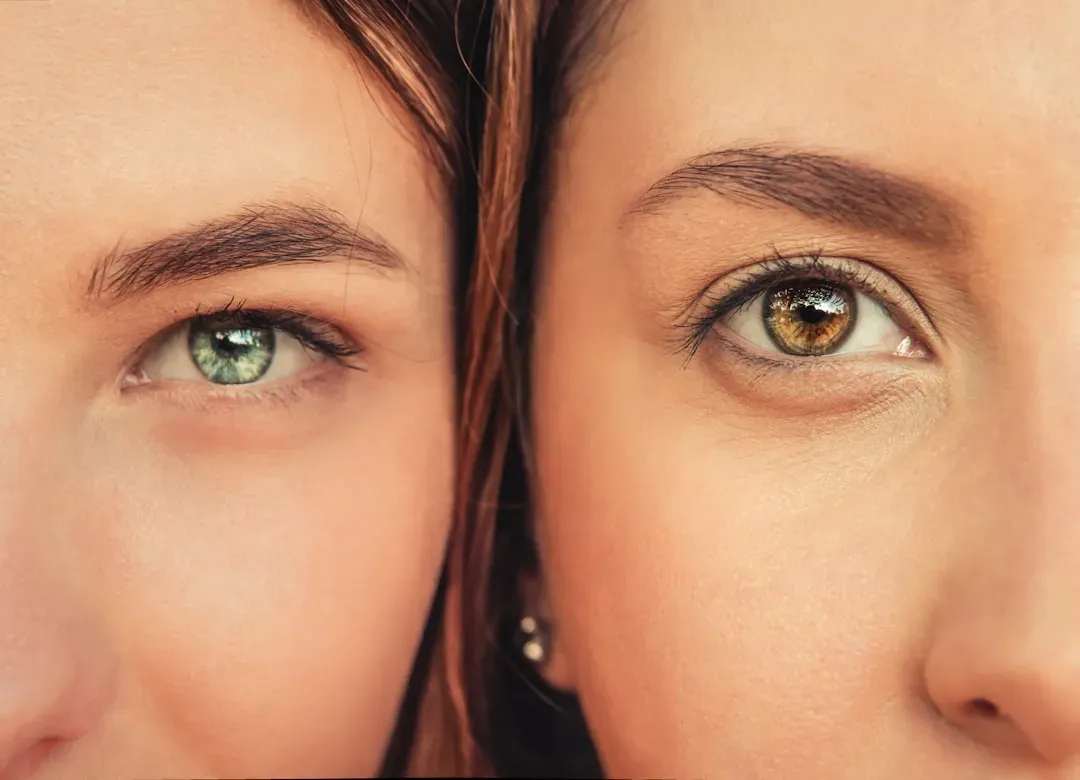
On the surface, we all pretend there’s one single shared reality. We agree that a table is a table, a car is a car, and the sky is blue. But underneath that agreement, the details fracture. Colors don’t look exactly the same to everyone. Pain levels, emotional tones, and even the sense of time passing can vary wildly and still be considered “normal.” Your particular brain – with its memories, traumas, joys, wiring quirks, and cultural background – calibrates your reality in a deeply personal way.
This is why arguments about “what really happened” can feel so maddening. Each person is not just recalling different facts; they may have actually experienced a different version of the same event. The brain isn’t a camera that recorded a clean video; it’s more like a documentary filmmaker who had an agenda, made cuts, added a soundtrack, and then accidentally lost the raw footage. What you remember and what you swear you saw are already products of that individualized inner editing room.
Attention, Emotion, and the Gravitational Pull of Meaning
If your hidden mental black hole warps reality, attention and emotion are like the gravity wells within it that pull certain things into focus. What you pay attention to becomes vivid and “real,” while everything else fades into the background or disappears completely. Walk down a street with someone who’s anxious and someone who’s relaxed, and they will literally notice different things: the anxious person spots every potential threat, while the relaxed person might focus on the architecture or the weather.
Emotions act like filters that change the color of your world. When you’re heartbroken, your brain highlights cues of rejection and loneliness; when you’re in love, the same environment feels warm and full of possibility. It’s not that the outer world flips like a switch – it’s that your internal weighting of what matters shifts dramatically. In that sense, meaning and emotion bend the trajectory of your thoughts and perceptions just like gravity shapes the paths of stars around a black hole.
Illusions, Hallucinations, and When Reality Glitches
Visual illusions give us a rare peek behind the curtain. When you stare at a picture that can be seen in two ways and your perception flips back and forth, you’re watching your brain struggle to stabilize its prediction about what’s there. The image on your retina hasn’t changed at all, but your reality definitely has. That flip reveals how much interpretation – not raw data – is involved in even the simplest perception.
In more extreme cases, like hallucinations or certain psychiatric conditions, the brain’s predictions can overpower the incoming data, and the person experiences things that others do not. From the inside, these experiences can feel absolutely convincing. From the outside, we call them “not real.” That gap shows just how fragile our sense of a common reality really is. Under enough stress, illness, or chemical disruption, the balance between prediction and world can break – and the hidden black hole of consciousness starts dragging perception into its own private orbit.
Are You Really in Control of Your Thoughts and Beliefs?

Here’s the slightly uncomfortable question: if so much of your perception and thinking is shaped by inaccessible unconscious processes, how much of “you” is really in charge? You probably feel like you freely choose your opinions, your reactions, and even your tastes. But a lot of those choices are pre-structured by deeper layers of the brain that you did not design and cannot see. Your culture, early relationships, genetic tendencies, and random life events all carve channels in that hidden landscape.
That doesn’t mean you’re just a puppet. It does mean that conscious will is more like a captain steering a ship that someone else built, on an ocean you barely understand. You can change course, but you’re always working with and against forces that started long before any deliberate decision. Once you really feel that, it becomes easier to see why other people’s realities can clash so intensely with your own: they’re captains on completely different ships, in waters you’ve never sailed.
Living with the Idea That Your Reality Is Not the Reality

So what do we do with all this? In my view, the healthiest stance is a mix of humility and responsibility. Humility, because your version of reality is not the final word – it’s a best guess built on limited, biased information. Responsibility, because even if your perspective is partial and warped, you still have to act in the world, make choices, and treat other people as if their inner worlds are just as complex as yours. Shrugging and saying “nothing is real” is the lazy way out; the hard work is to keep adjusting your perspective while still showing up fully.
I actually find this black hole metaphor strangely comforting. It means that feeling misunderstood, out of sync, or “weird” is not a personal flaw; it’s an inevitable side effect of being a conscious creature with a one-off brain. You will never see the world exactly as anyone else does, and that’s both the problem and the gift. The more we accept that our minds are bending reality, the more curious we can be about how other people’s realities are bent too. In the end, maybe the most honest way to live is to treat your experience as real but not absolute – a beautifully biased window onto a world that no single mind can ever fully see. What kind of reality do you think your brain has been quietly inventing all along?