

Imagine spending years wrestling with an idea, convinced you’re on the brink of something no human has ever done before… only to find out that, almost at the exact same time, someone thousands of miles away just did the same thing. No phone calls, no emails, no social media – just parallel sparks lighting up in the dark. Stories like these feel almost supernatural, but they keep showing up in the history of science and technology.
When I first dug into these “twin inventions,” it honestly shifted how I think about creativity. Maybe world‑changing ideas aren’t just strokes of isolated genius, but the result of humanity quietly reaching the same tipping point from different directions. In this article, we’ll walk through 12 striking cases where inventions bloomed in distant places within months of each other, long before global communication made that easy. Some of them you’ve heard of; others might surprise you – and a few will probably make you question what originality even means.
1. Calculus: Newton in England and Leibniz in Germany
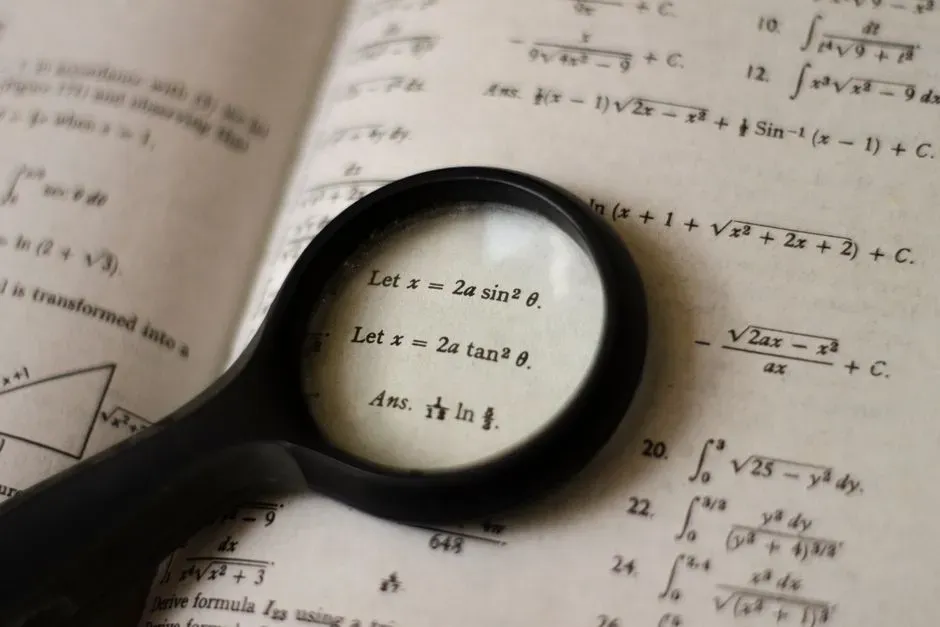
The battle over who really invented calculus is one of the most famous academic rivalries in history, but buried under all that drama is something even more incredible: two people, working independently in different countries, built almost the same powerful mathematical language within a remarkably short span of time. Isaac Newton developed his method of fluxions in England in the late 1660s, while Gottfried Wilhelm Leibniz devised his differential and integral calculus in the 1670s, publishing earlier and with a more elegant notation. The priority dispute that exploded later sometimes hides the deeper point – both men were wrestling with similar scientific problems and reached strikingly similar solutions.
At the time, Europe did not have anything close to instant scientific communication, and mathematical ideas spread slowly through letters, hand‑copied manuscripts, and occasional publications. The two systems grew out of different traditions but converged on the same core concept: describing continuous change with infinitesimally small steps. To me, that’s the real story here – the intellectual climate was so charged with questions about motion, gravity, and planetary orbits that calculus almost had to appear. Whether you favor Newton’s physical intuition or Leibniz’s symbolic clarity, the uncanny simultaneity suggests that once the world is ready for a tool, multiple minds will start building it at once.
2. The Telephone: Bell in the United States and Gray Also in the United States

Sometimes “opposite sides of the world” can feel metaphorical, and the telephone is a good example of that – the distance here wasn’t geographical so much as institutional and legal. In 1876, Alexander Graham Bell and Elisha Gray independently developed designs for transmitting speech electrically and rushed to file with the U.S. Patent Office. Their submissions landed on the same day, leading to one of the most intense patent showdowns in history. Bell ultimately secured the crucial patent and the fame, but the technical details of Gray’s work show that he was breathing down the same conceptual neck of the problem.
What makes this episode so wild is how narrow the time window was. Precise timing differences, measured in hours, separated whose paperwork landed first, not whose idea came first. Telegraph networks were expanding, electrical theory was maturing, and a lot of smart people were asking the same question: if we can send pulses, why not voices? In a world without modern media, two inventors pushing almost identical concepts to the patent office on the same day is more than a coincidence – it’s a sign that the entire infrastructure of knowledge was hitting a critical threshold.
3. The Telegraph: Cooke and Wheatstone in Britain, Morse in the United States
Before voices flew over wires, simple pulses opened the way. In the 1830s, William Cooke and Charles Wheatstone in Britain and Samuel Morse in the United States each developed practical electric telegraph systems within a few years, with phases of their work overlapping so closely that the story reads like a split‑screen montage. Cooke and Wheatstone used multiple wires and needle indicators, while Morse pushed a simpler single‑wire system with a dot‑dash code. Both groups were trying to solve the same urgent problem: moving information faster than a horse or a ship.
Transatlantic communication in that era was slow, limited to ships carrying letters, so these teams weren’t simply copying each other in real time. Instead, they were responding to similar pressures from expanding railways, growing commerce, and the political need for rapid long‑distance coordination. When you step back, it looks less like a single Eureka moment and more like a planet‑wide shift where the idea of “instant” communication was emerging from multiple points at once. What I find fascinating is that the underlying technology was roughly similar, but the interface – needles versus Morse code – reflects different design philosophies born from different local contexts.
4. The Light Bulb: Edison in the United States and Swan in Britain

Ask most people who invented the light bulb and they’ll say Thomas Edison, but the reality is way more crowded and much more interesting. In the late 1870s, Edison in the United States and Joseph Swan in Britain both developed practical incandescent lamps with carbon filaments in evacuated glass bulbs, reaching commercially viable designs within months of each other. Plenty of earlier experimenters had tried to make electric light work, but their versions burned out too quickly or were too fragile for everyday use. Edison and Swan cracked the combination of filament material, vacuum quality, and electrical control that finally made it practical.
Transatlantic news existed, of course, but it did not travel at anything like internet speed, and both men were already deep into their own research programs when they learned of each other’s achievements. The near‑simultaneous success says a lot about the period: electric generators were improving, gas lighting had obvious downsides, and cities were hungry for safer, cleaner illumination. The story even has a satisfying resolution – after some legal wrangling, Edison and Swan ended up forming a joint company in Britain. To me, that outcome quietly admits what the history already suggests: this was not the work of a lone genius, but a shared technological wave that broke on two shores at almost the same moment.
5. The Steamboat: Fulton in the United States and de Rivaz / Others in Europe

Steamboats are often linked with Robert Fulton, who launched a commercially successful steam‑powered vessel on the Hudson River in the early 1800s. But at nearly the same time, European inventors were experimenting with strikingly similar ideas, including work in France and Switzerland that produced operational steam‑powered boats. The efforts of Claude de Jouffroy in France predated Fulton, and by the time Fulton was refining his designs, the concept of using steam to move vessels against currents and tides was surfacing on both sides of the Atlantic within a relatively tight time frame.
Information did cross the ocean, yet the step from knowing about steam engines to actually building viable boats was not trivial. Local river conditions, shipbuilding traditions, and available engines all shaped different approaches, but the core problem was shared: how to break free from the limits of wind and muscle power on water. The fact that multiple regions converged on similar solutions in close succession tells me that this was another “inevitable” invention once the steam engine matured. Even if Fulton had never been born, someone else would almost certainly have pushed a steam‑powered boat into regular service – world trade and industrial growth were practically begging for it.
6. The Jet Engine: Whittle in Britain and von Ohain in Germany

By the 1930s, aircraft had reached the limits of what propellers could comfortably do, and two engineers in rival nations ended up answering the same challenge in near parallel. In Britain, Frank Whittle patented designs for a turbojet engine and later saw his concept tested and flown, while in Germany, Hans von Ohain independently developed a working jet engine and powered an aircraft with it around the same period. These were not simple tinkering projects; they required advanced metallurgy, high‑speed aerodynamics, and a deep understanding of thermodynamics, all coming together under intense time pressure.
What makes this episode particularly striking is that the two programs were not coordinated and were even shrouded in wartime secrecy. Despite that, they converged on the same basic idea: compress air, mix in fuel, ignite it, and let the hot exhaust produce thrust. The specifics differed, but the core architecture is recognizably similar, which suggests that the physics itself was pointing inventors down a narrow corridor of viable options. In my opinion, the jet engine might be one of the clearest proofs that when technology, politics, and science line up, certain inventions almost have to appear, even in nations that barely share information.
7. The Electric Battery: Volta in Italy and Contemporary Experiments Elsewhere
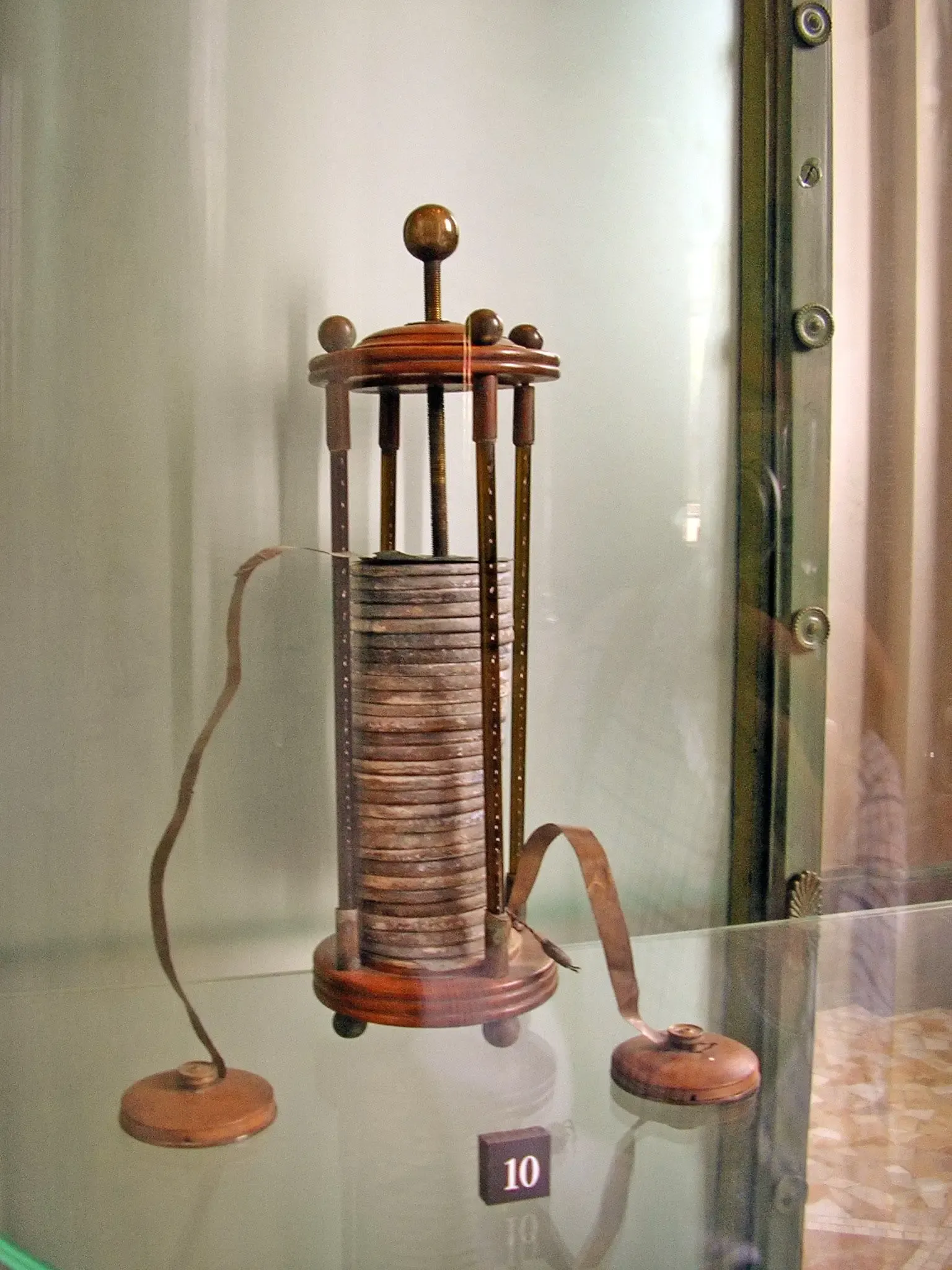
Alessandro Volta’s “voltaic pile” is usually credited as the first true battery, demonstrated around 1800 in Italy. However, around that same time, natural philosophers and experimenters in other parts of Europe were independently exploring ways to generate continuous electrical currents using layered metals and electrolytes. The details of some of these parallel experiments are less well preserved, but letters and early publications show that multiple researchers were closing in on the idea that different metals in contact with moist conductors could produce a sustained electric effect, rather than just a brief spark.
Before this period, electricity was more of a parlor trick than a tool – think static machines and Leyden jars providing sudden jolts. Once people realized they could produce steady currents, a new technological universe opened up. Communication between regions relied on slow correspondence, and translations of scientific work often took years to circulate, so the clustering of these ideas in time is telling. It means that shared observations about metals, chemistry, and electricity were ripening into a common question: how do we harness this phenomenon in a reliable, repeatable way? Volta’s design emerged as the iconic answer, but it sat on a crowded frontier of minds circling the same conceptual target.
8. The Laws of Planetary Motion: Kepler in Central Europe and Early Work by Others
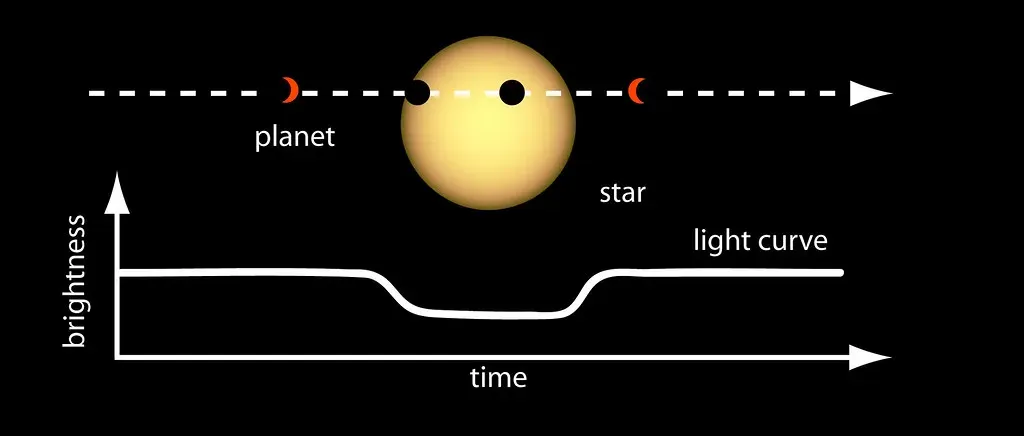
Johannes Kepler’s three laws of planetary motion are rightly legendary, but less well known is that other astronomers in Europe were edging toward similar conclusions in the same broad window of time. Tycho Brahe’s meticulous observations, which Kepler used, were being studied by other mathematicians, and there were early attempts to describe planetary paths that deviated from perfect circles. With the same piles of observational data becoming available, different thinkers started probing the orbits of Mars and other planets and noticing patterns that clashed with traditional models.
To be fair, no one outside Kepler framed the laws in exactly the same clean way – equal areas in equal times, elliptical orbits, and the precise mathematical link between orbital periods and distances. But the intellectual motion was converging: a shift from idealized celestial spheres to empirically grounded paths. Communication across Europe was patchy and slow, often limited by language and politics, so the fact that multiple figures were simultaneously questioning circular orbits shows the power of shared data hitting a critical mass. To me, this is a softer kind of parallel invention: not identical words on the page, but different minds tracking the same invisible curve in the sky.
9. The Theory of Natural Selection: Darwin in Britain and Wallace in Southeast Asia
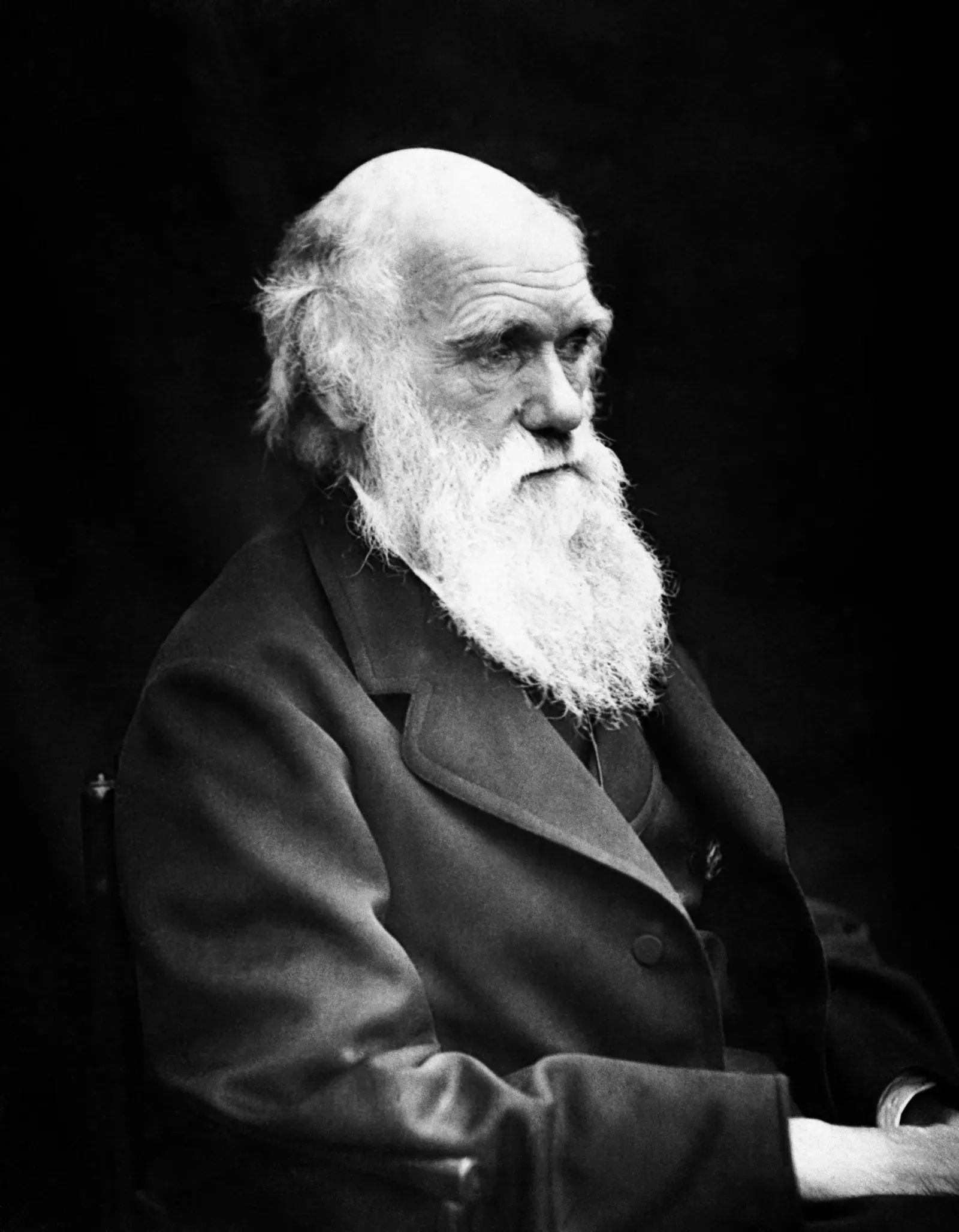
The story of Charles Darwin and Alfred Russel Wallace is one of the clearest and most dramatic instances of parallel discovery. Darwin had been quietly developing his theory of evolution by natural selection for years in Britain, supported by massive data from voyages, breeding experiments, and correspondence. Meanwhile, Wallace, working largely in isolation in Southeast Asia, was making his own observations about species variation on islands, climate zones, and ecological pressures. In the late 1850s, Wallace sent Darwin a manuscript outlining a theory of how species change over time that mirrored Darwin’s ideas with astonishing precision.
At that time, global communication meant months‑long journeys by ship and inconsistent mail routes. Wallace was not simply repeating something he had read; he was arriving at a similar conclusion from a different vantage point – tropical field work rather than Victorian drawing rooms and long libraries. The joint presentation of their ideas that followed was a pragmatic compromise, but the deeper implication is hard to ignore: given enough evidence of how species vary and compete, sharp observers will eventually see the same pattern. Personally, I think this episode breaks the myth of the solitary genius and replaces it with something more humbling: the idea that nature itself is whispering the same answer to anyone who listens closely enough.
10. The Binary Concept in Computing: Leibniz in Europe and Ancient Systems in Asia

Long before modern computers, binary thinking – representing things with two states – surfaced independently in different parts of the world. In the late seventeenth century, Leibniz in Europe developed a formal binary number system and argued that complex numbers could be represented just by zeros and ones, anticipating the logic that underlies digital computing. At the same time, or even earlier, systems in Asia, such as certain interpretations of classical hexagram structures, were exploring patterns based on paired opposites that effectively behaved like binary code, with lines that could be broken or unbroken standing in for two‑state symbols.
Direct influence between these traditions was limited by geography, language, and the slow pace of scholarly exchange, especially before the nineteenth century. Yet you still see the same fundamental idea: complex structures emerging from simple two‑choice building blocks. I see this as a deeper form of technological parallelism – not about gadgets, but about the mental infrastructure required for them. Once cultures start playing seriously with patterns, logic, and representation, binary seems to pop up naturally, like a kind of intellectual gravity. Modern computing just happened to crystallize this old shared insight into silicon.
Even if we stretch the headline’s “months” idea a bit for this one, the conceptual simultaneity is striking. As more comparative work gets done on early mathematics and symbolic systems, the picture that emerges isn’t of a single line of progress, but of different civilizations walking parallel paths through the same conceptual forest, occasionally brushing past the same trees without ever meeting.
11. The Concept of Oxygen: Lavoisier in France, Priestley in Britain, and Scheele in Sweden
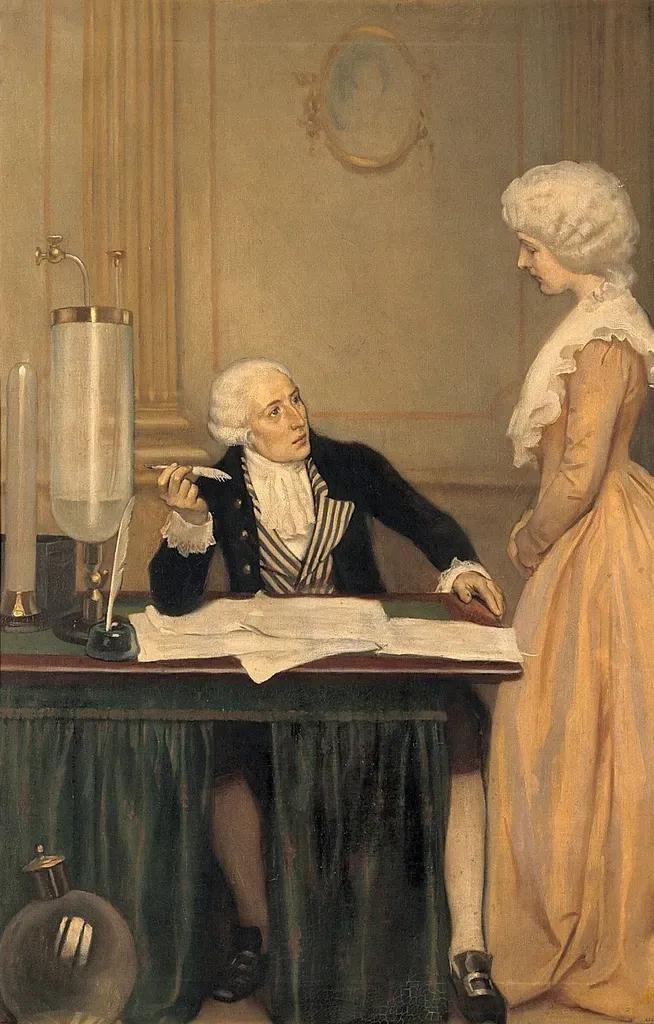
The isolation and understanding of oxygen in the late eighteenth century are often told as a French story centered on Antoine Lavoisier, but the reality is a three‑way parallel discovery. Joseph Priestley in Britain and Carl Wilhelm Scheele in Sweden each independently produced and studied a gas that we now know as oxygen, within a relatively short period of each other. Their descriptions and experimental setups show how close they were to recognizing its true role in combustion and respiration, even though they initially interpreted it through older theories.
Scientific communication between France, Britain, and Sweden existed, but it was slow, mediated by letters, travel, and the occasional publication that took years to circulate widely. Each chemist was reacting to similar puzzles: why do metals gain weight when they rust, how does air participate in burning, and what exactly are we breathing? Lavoisier’s conceptual leap in naming oxygen and tying it to a new theory of chemistry built on, and in some ways corrected, these parallel experimental findings. To me, this triad is a textbook case of how discovery often works: multiple people crowd around the same unseen object, each touching a different part until someone finally describes the whole shape.
12. Non‑Euclidean Geometry: Bolyai in Hungary and Lobachevsky in Russia
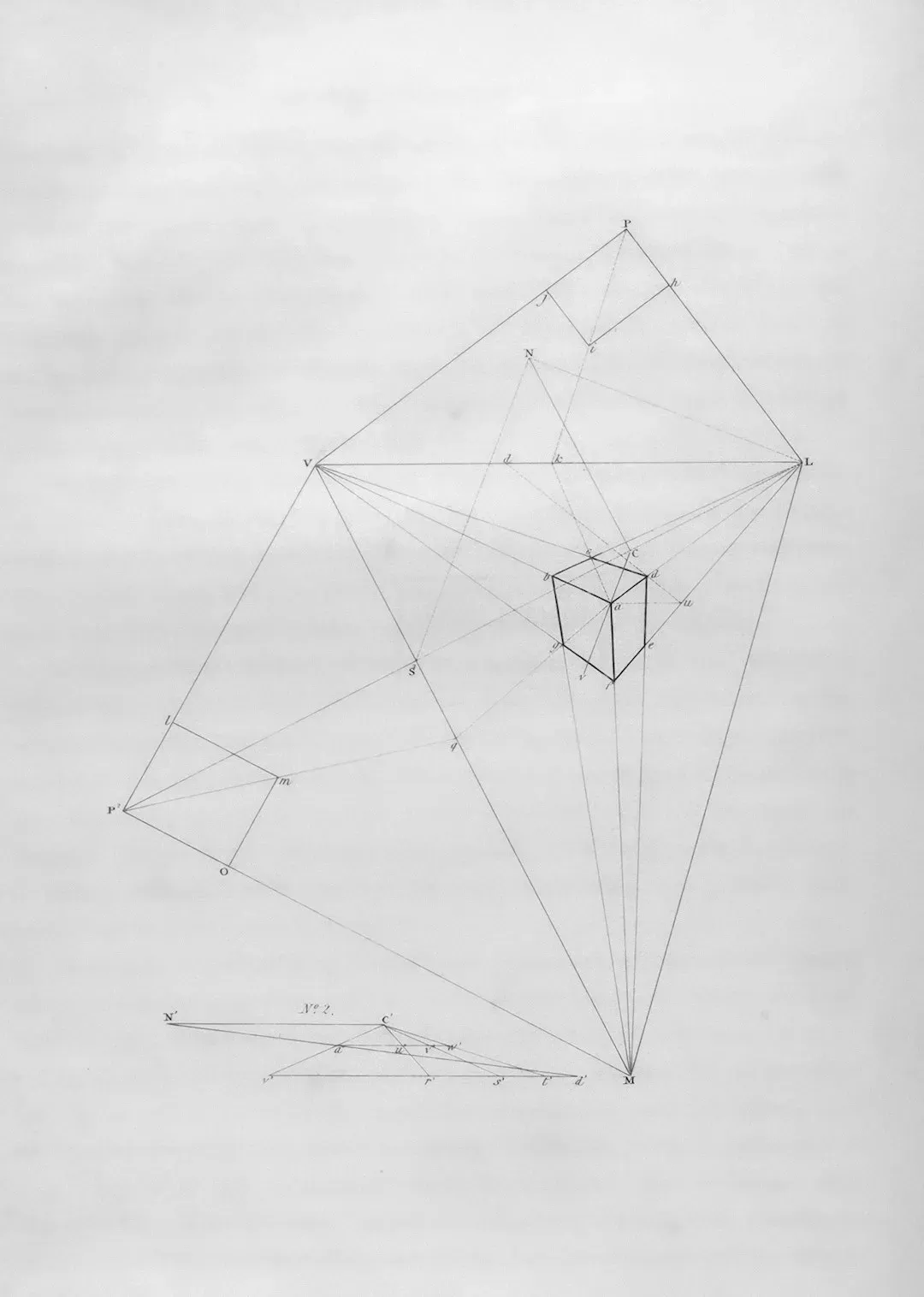
For centuries, mathematicians had an uneasy relationship with one specific assumption in Euclid’s geometry: the parallel postulate. In the early nineteenth century, two mathematicians working in relative isolation – János Bolyai in Hungary and Nikolai Lobachevsky in Russia – independently developed consistent geometries that broke this ancient rule. They published within a few years of each other, describing worlds where there can be many lines parallel to a given line through a point, and angles add up in surprising ways. The shock was not just that these systems were logically sound, but that they suggested our intuitive notion of space might not be absolute.
There was no global mathematical chat room where they could compare notes in real time. Their work grew from local traditions and personal obsessions with the same stubborn question: what happens if we stop trying to prove the parallel postulate and simply deny it? The fact that two minds, separated by language, politics, and distance, walked the same radical path almost simultaneously hints at a deeper inevitability. Once mathematical rigor matured and foundational questions sharpened, non‑Euclidean geometry stopped being a wild speculation and became a necessary next step. In my view, this is one of those “the universe was going to force us to see this eventually” moments in intellectual history.
Conclusion: When the World Is Ready, Ideas Stop Belonging to One Person

Looking across these stories, a pattern jumps out: once the conditions are right – enough data, enough tools, enough pressure from real‑world problems – certain ideas seem to burst into existence in more than one place at almost the same time. That does not make individual inventors irrelevant; it just means they are surfing a wave that was already rising under them. Whether it is calculus reshaping physics, telegraphs and telephones shrinking distance, or non‑Euclidean geometry bending our idea of space, these paired inventions show that the line between “genius” and “inevitable next step” is thinner than we like to admit.
I’ll be honest: I find that comforting and a little unsettling at the same time. Comforting, because it means world‑changing ideas are not fragile miracles that depend on a single brilliant person; unsettling, because it undercuts the heroic myth we so often cling to. If anything, these parallel breakthroughs suggest that progress is more about the overall state of human knowledge than any one name etched in a textbook. The next time someone claims total ownership of a big idea, it might be worth asking: if they had never existed, are we really so sure the world would not have gotten there anyway?