

You probably have a quiet, private assumption about your mind: it lives in your brain, and when your brain shuts down, that’s the end of the story. Then you hear accounts of near death experiences, and suddenly that simple picture does not feel so solid. You start wondering why so many people, across cultures and decades, tell eerily similar stories of floating above their bodies, moving through tunnels, or meeting deceased relatives when they were medically close to death. You do not need to accept every dramatic story at face value to feel that something genuinely strange may be happening. When you look closer, you find serious scientists, cautious doctors, and thoughtful philosophers asking the same question you are probably asking: during a near death experience, is your consciousness just glitching inside a starving brain, or is it somehow traveling beyond it?
The Strange Consistency Of Near Death Stories
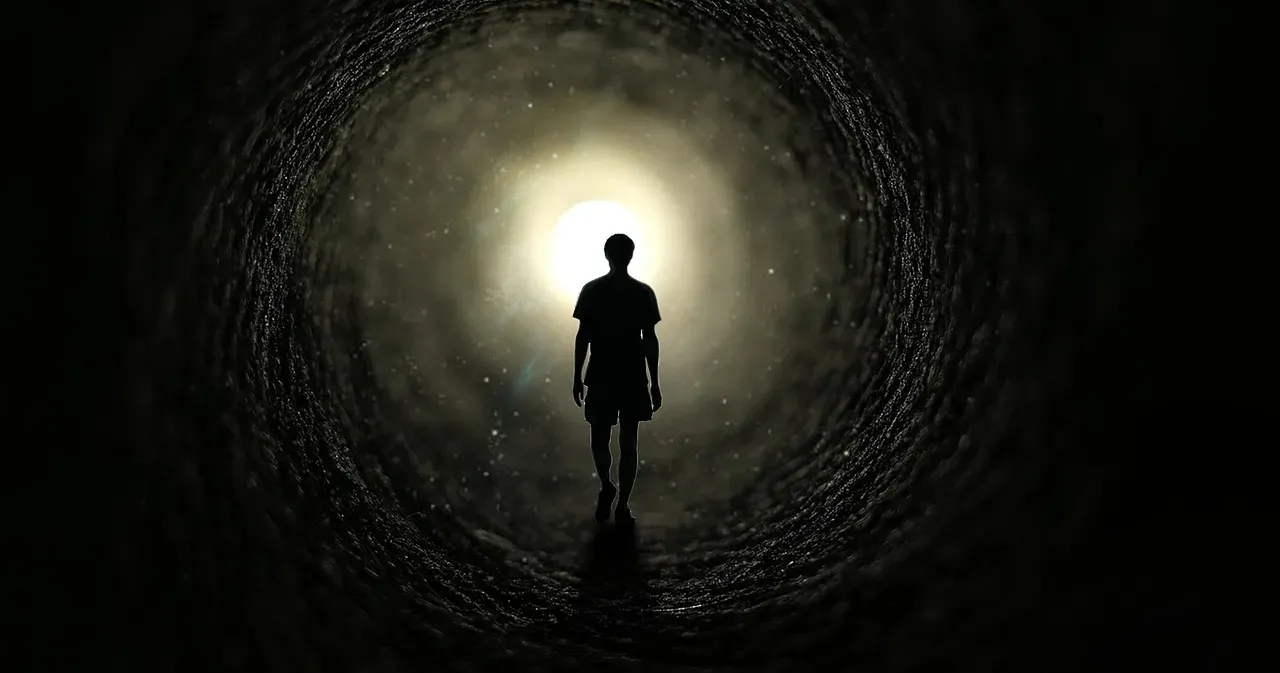
If you listen to enough near death experience accounts, you start to notice a pattern that is hard to ignore. People from very different backgrounds describe leaving their bodies, watching medical teams work on them, moving through a tunnel or darkness, encountering a bright presence or heightened sense of peace, then being pulled back abruptly when they revive. You might expect random chaos, but you keep hearing similar themes, even from people who never believed in anything spiritual. You also see this in places where religious ideas differ or where people say they had no prior exposure to near death narratives. The details often reflect culture, but the structure of the experience repeats: separation from the body, panoramic memory, intense clarity, and a sense that physical time does not quite apply. You can explain some of this as suggestion or memory reconstruction, but when so many independent stories echo each other, it nudges you to at least consider that there may be something deeper going on.
What The Brain Science Can And Cannot Explain
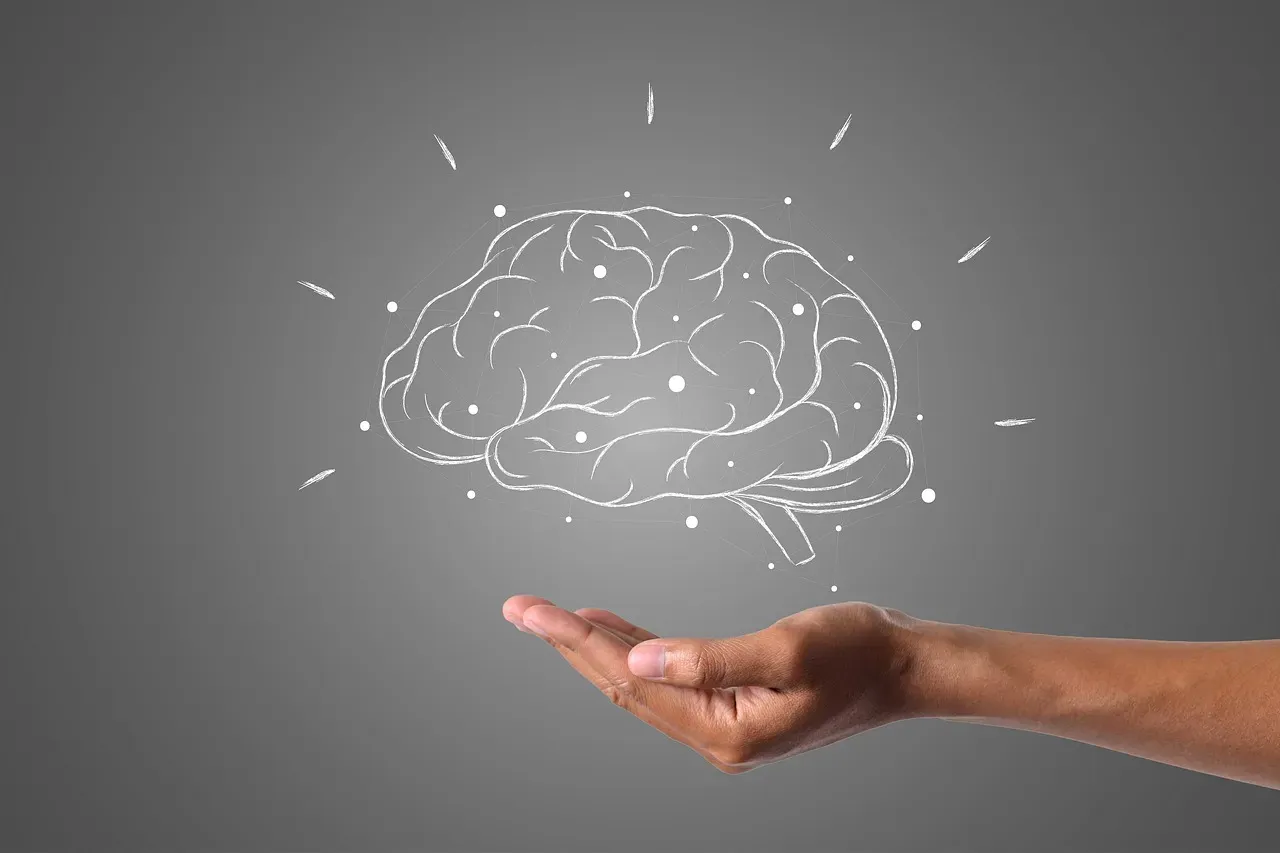
From a strict neuroscience perspective, you’re told that a near death experience should be nothing more than the last fireworks of a failing brain. Lack of oxygen, surges of certain neurotransmitters, or a protective psychological response could, in theory, generate vivid hallucinations. You do see research showing that brains under extreme stress can produce altered states, strange visions, and distorted sense of time, which does explain part of the picture. But when you dig into the details, you realize the brain story is not complete. Some people report clear, verifiable details about what happened around their body while their brain activity was severely impaired or apparently flat-lined on monitors. Others report organized, structured experiences instead of fragmented chaos, even though their brains were in crisis. You might still keep a healthy skepticism, but you also notice that the neat “it is all just brain chemistry” explanation starts to feel a bit too neat.
The Out-Of-Body Viewpoint: Illusion Or Real Observation?

One of the most unsettling parts of near death accounts is the out-of-body perspective. You often hear descriptions of floating near the ceiling, watching doctors and nurses, hearing conversations, even noticing specific objects in the room. Later, some of these details are reported as accurate in surprising ways, despite the person being unconscious or clinically dead at the time. That is exactly the kind of claim that makes you pause. Skeptical researchers argue that you could be piecing together fragments of sounds and prior knowledge into a convincing memory after the fact. That absolutely happens in other situations, so you cannot just assume every out-of-body detail is proof of mind travel. At the same time, when controlled studies plant hidden targets or visual cues that are only visible from above, you are basically watching science ask the same daring question: can your awareness ever step outside the boundaries of your skull?
Quantum And Nonlocal Mind Theories

Some theorists take you into even stranger territory by suggesting that consciousness may not be fully produced by the brain at all. Instead, they describe the brain as more like a receiver or filter for a larger field of consciousness, a bit like a radio tuning into a signal that already exists. In this view, during a near death experience, the “receiver” breaks down, and your awareness temporarily slips into a wider, nonlocal state that is not confined to your body. You also find people trying to connect this to quantum physics, hinting at phenomena where particles seem linked across distance or where observer effects blur the line between mind and matter. So far, these ideas are highly speculative and not backed by solid experimental proof that directly ties quantum effects to your everyday consciousness. Still, if you have ever had the feeling that your mind is more than just firing neurons, these theories give you a language to explore that intuition without immediately jumping to fantasy.
Cultural Filters On Your Near Death Journey

When you compare near death stories from different countries and religions, it becomes obvious that you do not experience this state in a cultural vacuum. People often interpret whatever they encounter through the lens they already carry: a Christian might perceive a divine figure, while someone else might describe a loving presence with no specific religious identity. The underlying feelings of love, clarity, or boundary loss look strikingly similar, but the images and labels shift. For you, that means two things at once. On one hand, the cultural coloring suggests your brain is actively constructing meaning from something ambiguous. On the other hand, the common emotional core hints that there might be a shared underlying reality that different cultures dress up in different costumes. You are left considering both possibilities: maybe you are just projecting familiar symbols, or maybe you are glimpsing something real and then translating it into a language your mind understands.
How Researchers Try To Test The “Traveling Mind” Idea

If you are the type who wants hard data, you might be relieved to know that some hospitals and research groups have tried structured experiments instead of just collecting stories. They place hidden images or visual targets in resuscitation rooms that can only be seen from an elevated vantage point. The idea is straightforward: if someone truly leaves their body and floats near the ceiling, they should be able to describe those targets later. So far, results have been intriguing but not decisive. You hear of a few suggestive cases, and many null results where no one reported the targets at all. Large-scale studies struggle with tiny sample sizes because genuine near death events that also include detailed recollection are rare. When you look at this honestly, you see that science has not confirmed that your consciousness can travel, but it also has not cleanly ruled it out. You are living in that uncomfortable, honest middle ground.
Psychological Meaning Versus Literal Travel
Even if you decide that your consciousness does not literally leave your body, you still cannot dismiss what near death experiences do to people psychologically. Many who go through them report lasting shifts: less fear of death, more appreciation for life, more compassion, and a feeling that everyday problems are smaller than they once seemed. In a way, the experience acts like an emotional earthquake that rearranges your priorities. From a psychological lens, you can view the near death state as an extreme, symbolic confrontation with your own mortality. Your mind might create powerful imagery to help you process the possibility of ceasing to exist. Whether you believe your awareness actually traveled somewhere or not, you can recognize that the experience can become a turning point, nudging you to live more deliberately, fix broken relationships, or finally act on long-ignored values.
What This Means For How You Live Now

You may never have a near death experience, and honestly, you probably hope you never do. But just knowing these stories exist can quietly shift how you see your everyday life. If even a small chance exists that your awareness is more than a temporary brain pattern, you might feel invited to treat your thoughts, actions, and connections with a different kind of seriousness and care. At the same time, the uncertainty can be strangely liberating. You do not have to pick a rigid belief and defend it at all costs. You can hold a curious, open stance: you respect science, acknowledge the limits of current evidence, and still allow room for mystery. In practice, that often looks like living as if your moments matter deeply, even if you are not yet sure what happens to your consciousness when those moments end.
Staying Curious Without Being Misled
When you explore near death theories, you will quickly run into people claiming absolute certainty on both sides. Some will insist that these experiences prove everything a particular religion teaches; others will mock them as nothing but brain malfunction. If you want to stay grounded, you have to resist both extremes and get comfortable saying that you simply do not know for sure yet. You can protect yourself by asking simple questions: Is this claim based on careful research or just a dramatic story? Is someone trying to sell you a comforting answer? Are you dismissing something only because it does not fit your current worldview? If you keep that gentle skepticism alive while staying emotionally open, you give yourself the best chance of learning something real instead of being pulled around by fear or wishful thinking.
Conclusion: A Mystery That Touches Your Everyday Life

In the end, you are left with a mystery that refuses to shrink to a simple slogan. Some theories do suggest that your consciousness can travel during a near death experience, stepping beyond the limits of your physical brain for a brief, bewildering moment. Other explanations keep everything safely inside the skull, pointing to chemistry, culture, and the strange creativity of a mind under threat. Right now, the honest answer is that the evidence is mixed, fascinating, and far from settled. But even without final proof, this question reaches into how you live, love, and face your own mortality. You can let it deepen your curiosity, soften your fear of death just a little, and remind you that your daily choices might matter in ways you do not fully understand yet. As you think about all this, you might quietly ask yourself: if your awareness really did go on traveling after your last heartbeat, would you be living in a way that you would be proud to carry with you?