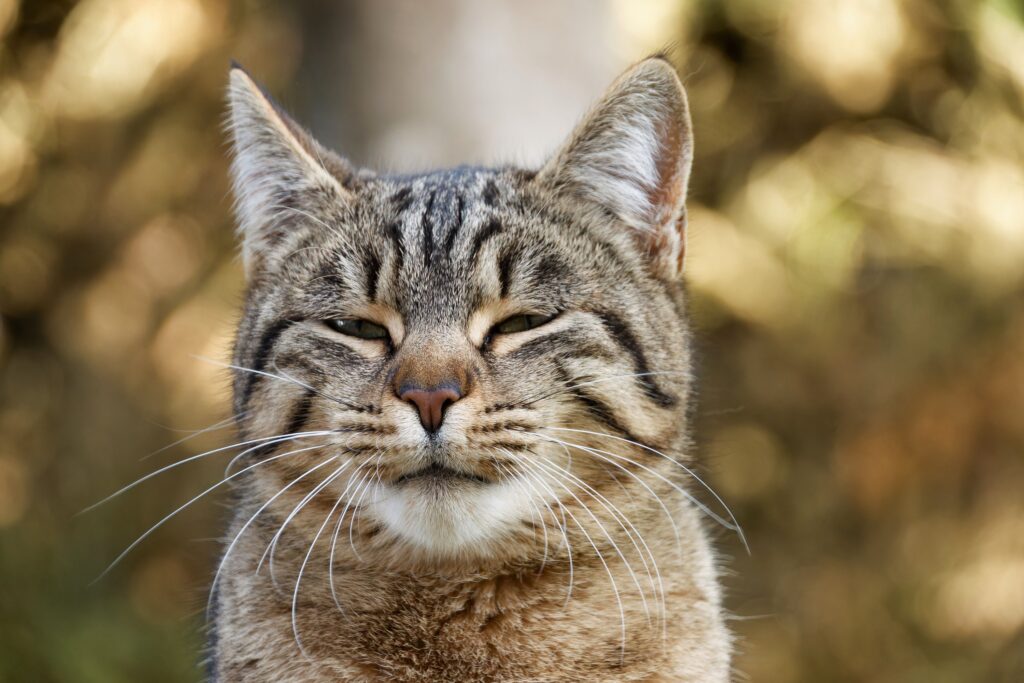

You have probably wondered, just for a second, whether your cat is quietly judging you from across the room or simply zoning out. Then it happens: those slow, lingering blinks in your direction. It feels oddly intimate, almost like a secret handshake. You might dismiss it as nothing, or worry that your cat is sleepy, bored, or even annoyed, but modern animal behavior science suggests something much more interesting is going on behind those half-closed eyes. When your cat blinks slowly at you, you are not just witnessing a cute quirk; you are looking at a slice of emotional biology in real time. That tiny eye movement is linked to stress hormones, threat assessment, and the way your cat manages its inner chemical balance. Understanding what this means can change how you see every small interaction with your cat, and it might even change how safe and connected you feel in your own living room.
Why a Slow Blink Is the Opposite of a Stare-Down
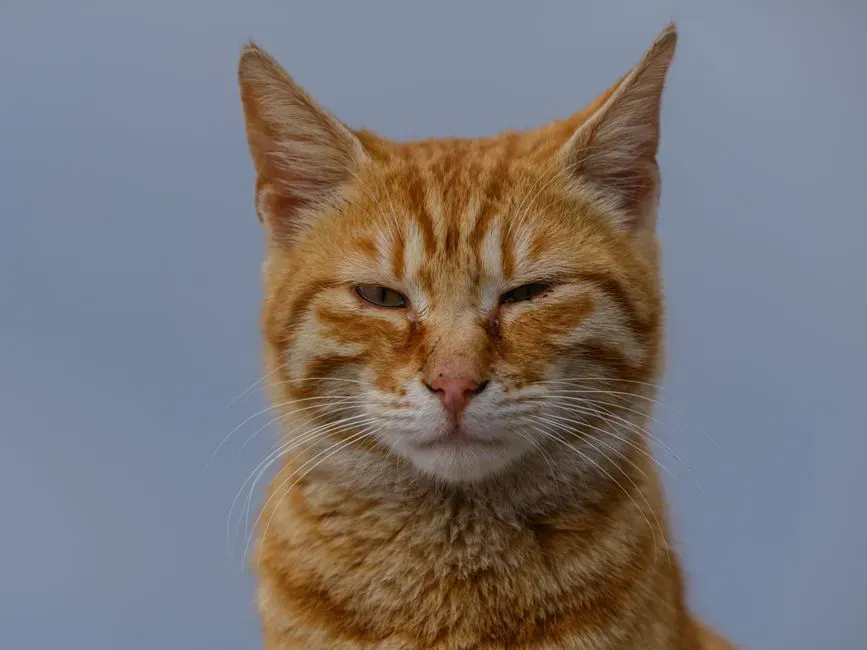
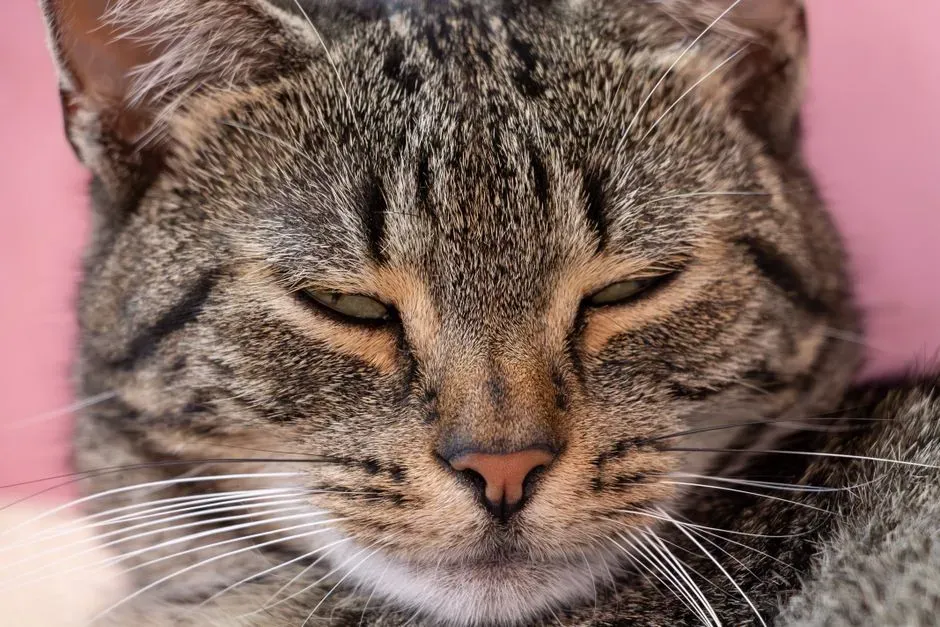
If you have ever felt uncomfortable when someone stares at you without blinking, you already understand why your cat’s slow blink matters. In the animal world, a hard, unbroken stare is often a challenge, a way of saying, “I am ready if you are.” When your cat deliberately softens its eyes and lets the lids drift down, it is doing the opposite of gearing up for a fight. It is actively stepping away from confrontation. You can think of the slow blink as a visual whisper that says, “I am not a threat, and I do not think you are either.” By dropping that intense eye contact, your cat is telling you that it feels safe enough to relax around you. That little pause between blinks is like your cat taking a tiny emotional exhale, letting its guard down instead of ramping up.
How Stress Hormones and Cortisol Tie Into Feline Eye Language
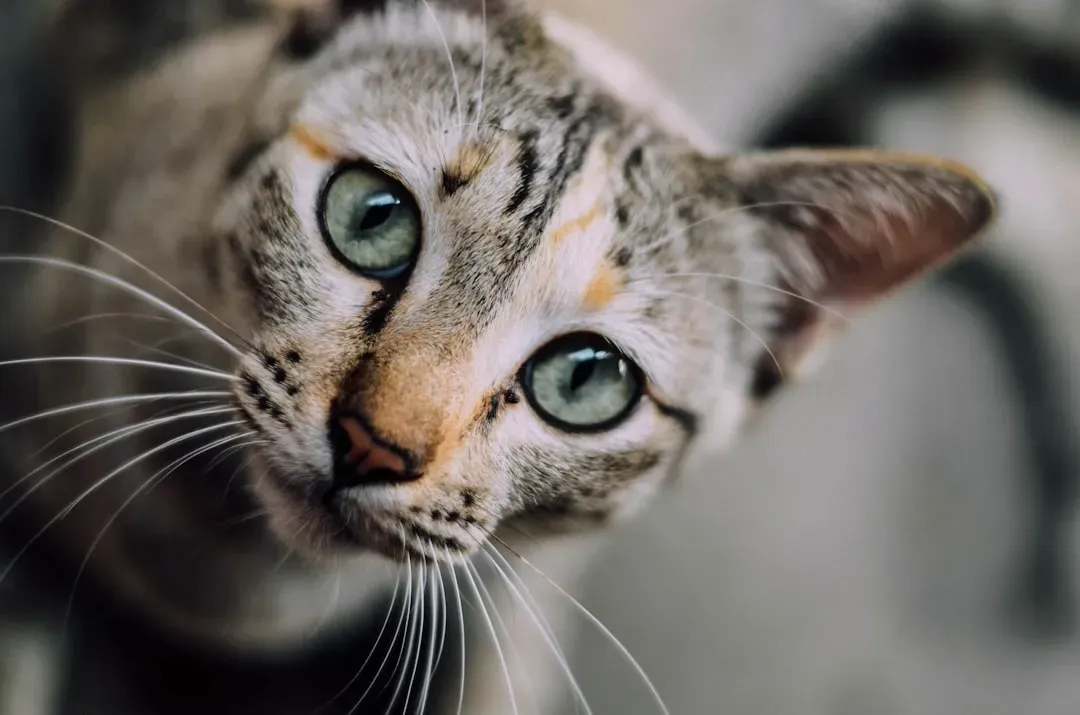
Inside your cat’s body, stress is not just a feeling; it is chemistry, especially the release of hormones like cortisol. When your cat is on edge, its body prepares for action: muscles get ready to spring, senses sharpen, and eye contact can lock onto anything that looks suspicious. In that state, you are more likely to see wide, alert eyes and quick, darting looks rather than lazy, half-closed lids. A slow blink, in contrast, tends to show up when your cat’s stress system is not screaming for attention. It aligns with a calmer state, when cortisol is not driving every reaction. You are basically seeing a behavior that fits with a body that is not on high alert. The eyes soften because, internally, your cat’s chemical balance has shifted away from emergency mode toward rest-and-digest mode.
Why Your Cat’s Slow Blink Is a Sign of Safety, Not Boredom
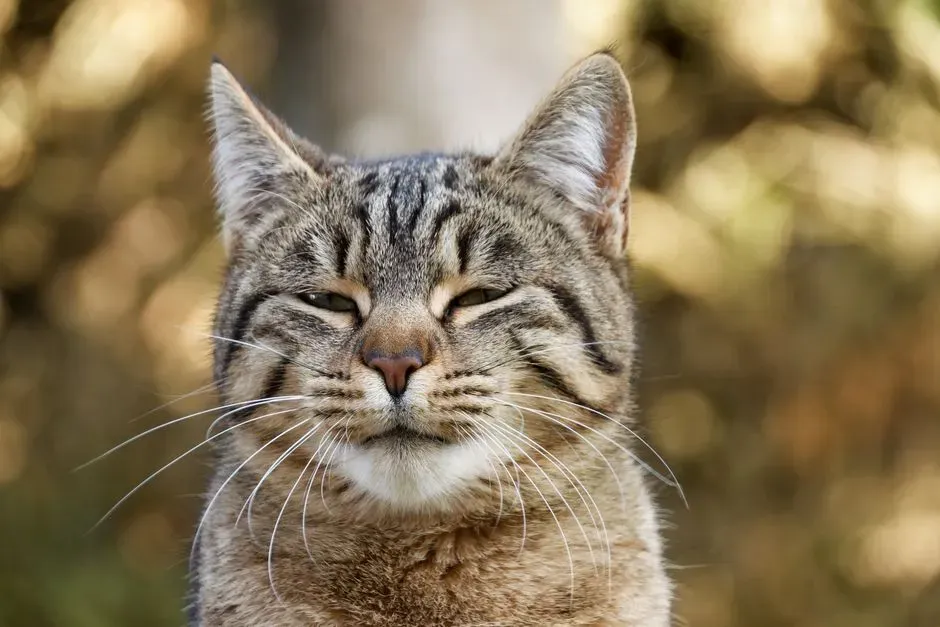
You might be tempted to read your cat’s slow blink as boredom, like it has simply given up paying attention to you. In reality, if your cat thought you were boring but potentially dangerous, it would keep a close eye on you. Indifference in the animal world does not usually come with relaxed eyelids; it comes with distance, avoidance, or a quick glance and then a move to a safer spot. When your cat looks at you and slowly closes its eyes, it is choosing to be vulnerable for a moment. A predator or a frightened animal does not casually shut its eyes in front of something it considers risky. That peaceful blink tells you your presence is not raising alarm bells. You are part of the safe background of its world, not a problem it needs to solve.
The Slow Blink as a Natural Self-Soothing Habit
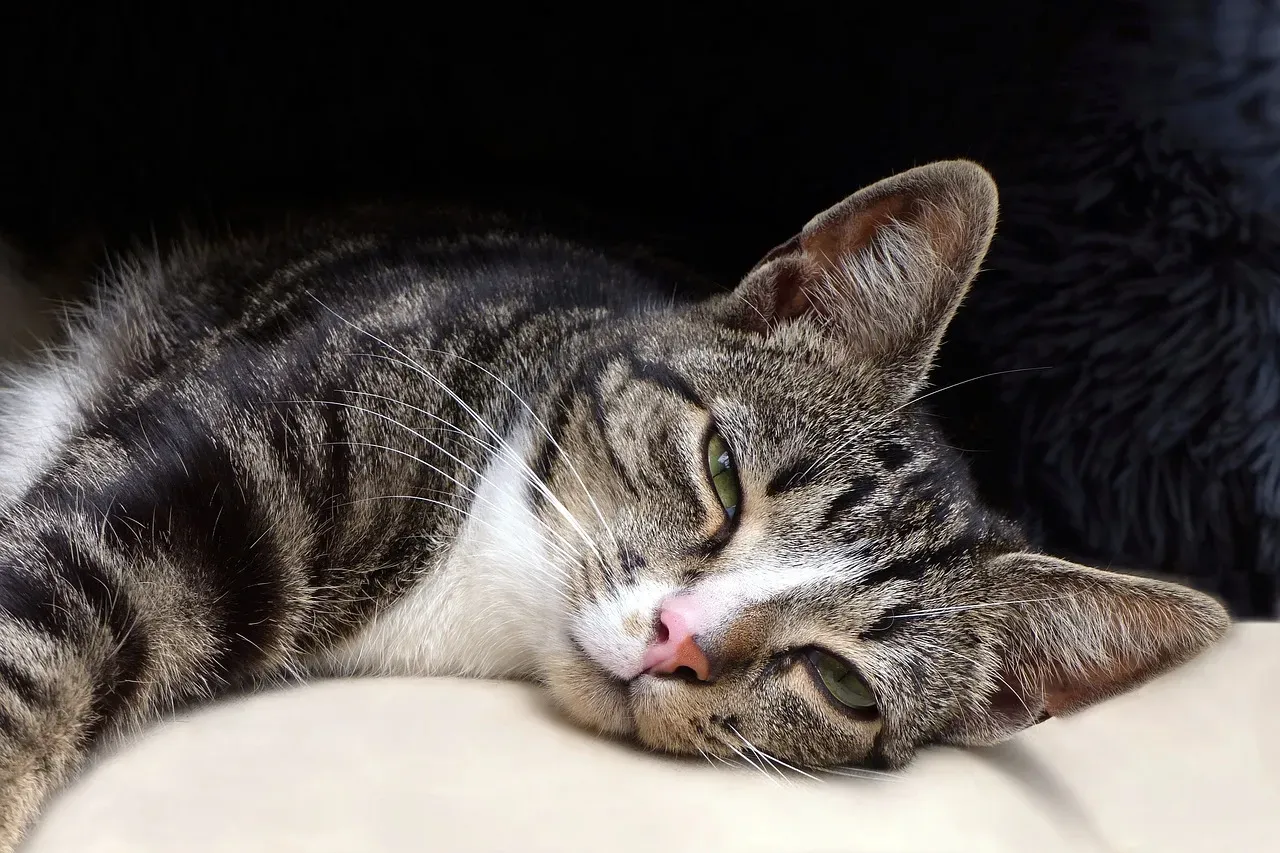
You can think of the slow blink as one of your cat’s built-in tools for regulating its own state, a bit like when you take a deep breath to steady yourself. By softening the eyes and breaking any intense stare, your cat may be helping its brain stay anchored in calm rather than slipping into unnecessary tension. The body and brain constantly trade signals, and relaxed facial muscles are part of that loop. This is why the slow blink can pop up not only when your cat is curled calmly in a sunbeam, but also when it is sizing up a situation and deciding there is no reason to escalate. It is a small behavioral nudge pushing the body toward lower arousal. In that way, the blink is both a signal you can see and a habit that helps your cat contain stress before it spirals.
How You Can “Talk Back” With a Slow Blink
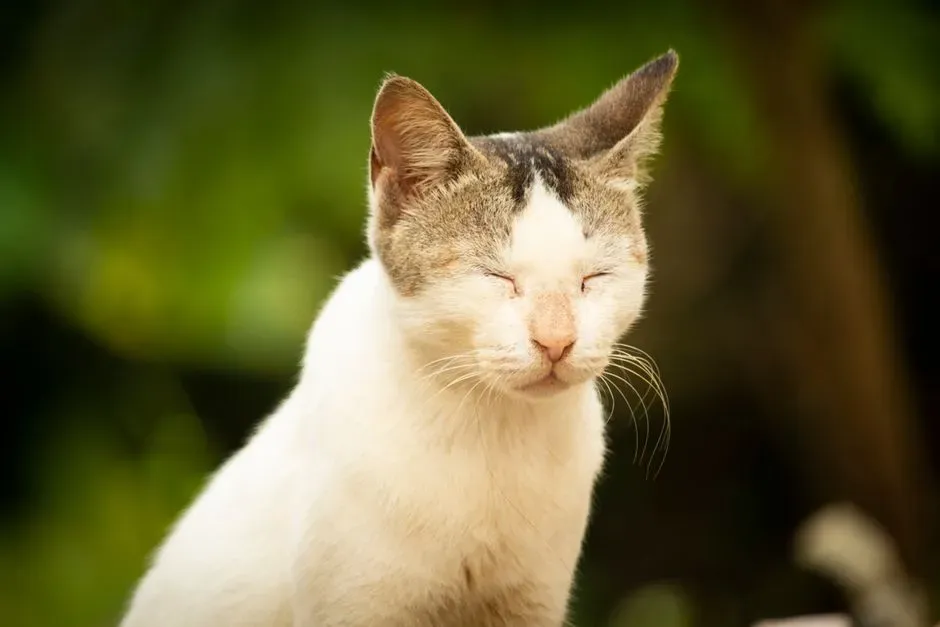
Here is where it gets surprisingly personal: you can actually answer your cat in the same visual language. When your cat looks at you from across the room, try softening your own gaze, then slowly closing your eyes and reopening them, pausing for a heartbeat with your eyelids at half-mast. You are basically saying, “I see you, and I am safe,” in a way your cat is wired to recognize. You may notice that, over time, your cat becomes more likely to hold your gaze without tensing up, or even returns the slow blink. This two-way exchange can make your home feel more like a shared space instead of a territory you just happen to occupy together. It feels a little silly at first, but once you see your cat relax in response, you realize you are building a tiny ritual of trust.
When Eyes Say Something Else: Reading the Whole Cat, Not Just the Blink
![When Eyes Say Something Else: Reading the Whole Cat, Not Just the Blink ([ まこと ], Flickr, CC BY 2.0)](https://nvmwebsites-budwg5g9avh3epea.z03.azurefd.net/dws/5e3357f147059b4f2c70b0bdbd82e5bd.webp)
Of course, you cannot pull a single behavior out of context and treat it like a magic code book. If your cat’s ears are pinned back, its tail is whipping, or its body is stiff, a fluttering eyelid may not mean relaxation at all; it might just be a side effect of tension, irritation, or even a medical issue. You have to read the rest of the body like subtitles under the eyes. A genuine slow blink of safety usually shows up with other signs of ease: loose muscles, a gently swishing or still tail, normal breathing, maybe a soft stretch. When you put these pieces together, you are no longer guessing wildly about your cat’s mood. You are using behavioral patterns to make a grounded, reasonable interpretation of what your cat is experiencing in that moment.
Strengthening Your Bond by Noticing Small, Silent Moments
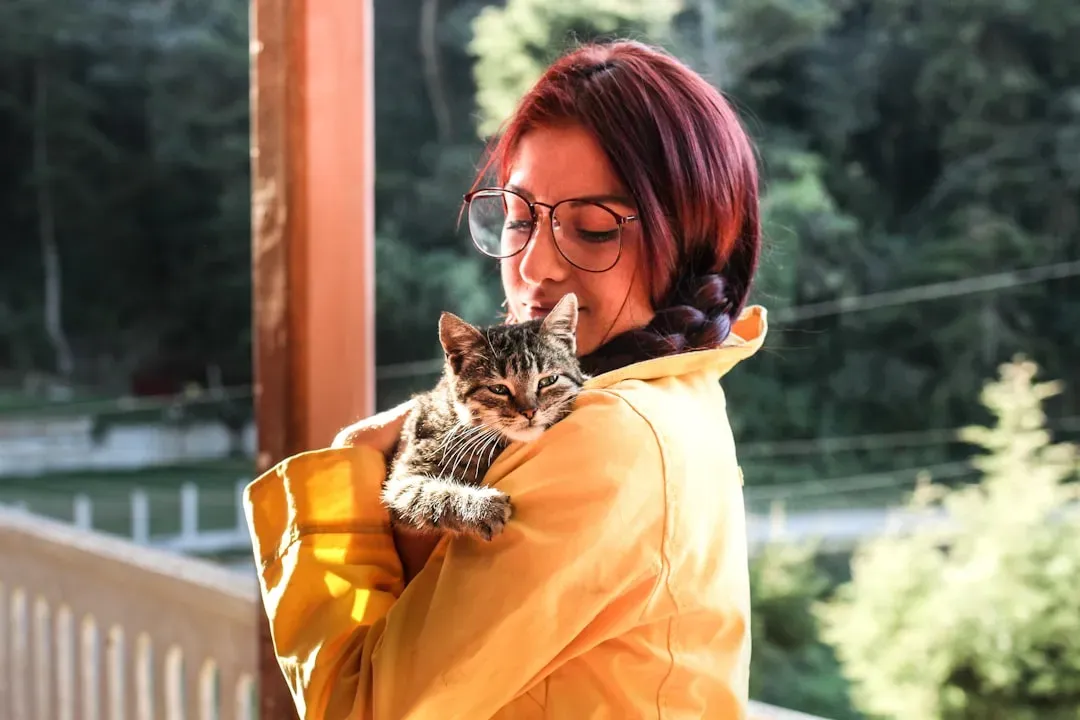
If you are like most people, you tend to focus on the obvious cat behaviors: meowing at the food bowl, scratching the couch, sprinting at three in the morning. The slow blink is easy to miss because it is quiet and subtle, but that is exactly why it matters so much. When you learn to notice it, you start tuning into the softer layers of your relationship. Each time you respond to a slow blink with calm attention instead of ignoring it or misreading it as indifference, you reinforce a sense of mutual safety. You are telling your cat, through consistent behavior, that it is right to feel relaxed around you. Over months and years, these tiny signals can add up to a bond that feels less like ownership and more like genuine companionship.
What This Tiny Gesture Teaches You About Trust and Threat
The most striking thing about the slow blink is how much it reveals about the way living beings manage threat. Your cat is not consciously thinking about cortisol or hormone levels, but its body is constantly balancing them, and behaviors like the slow blink help keep that balance tilted toward calm when danger is not present. You are seeing a visible echo of invisible chemistry. When you really absorb that, you might start to recognize similar patterns in yourself: the way your shoulders drop when you are with someone you trust, or how your voice softens when you feel safe. Your cat’s slow blink becomes a reminder that safety is not just the absence of danger; it is an active state your body and brain work to maintain. And every time your cat blinks at you like that, you get a quiet little confirmation: in this shared space, right now, there is nothing to fear.
In the end, that sleepy-looking blink across the room is not boredom, disrespect, or your cat ignoring you. It is a tiny, graceful behavior that fits with low stress, low threat, and an emotional green light. When you recognize it for what it is and even blink back, you are not just indulging in a cute moment; you are participating in your cat’s natural way of staying calm and connected in a sometimes overwhelming world. The next time your cat narrows its eyes at you and lets them fall shut for a heartbeat, will you see it differently?