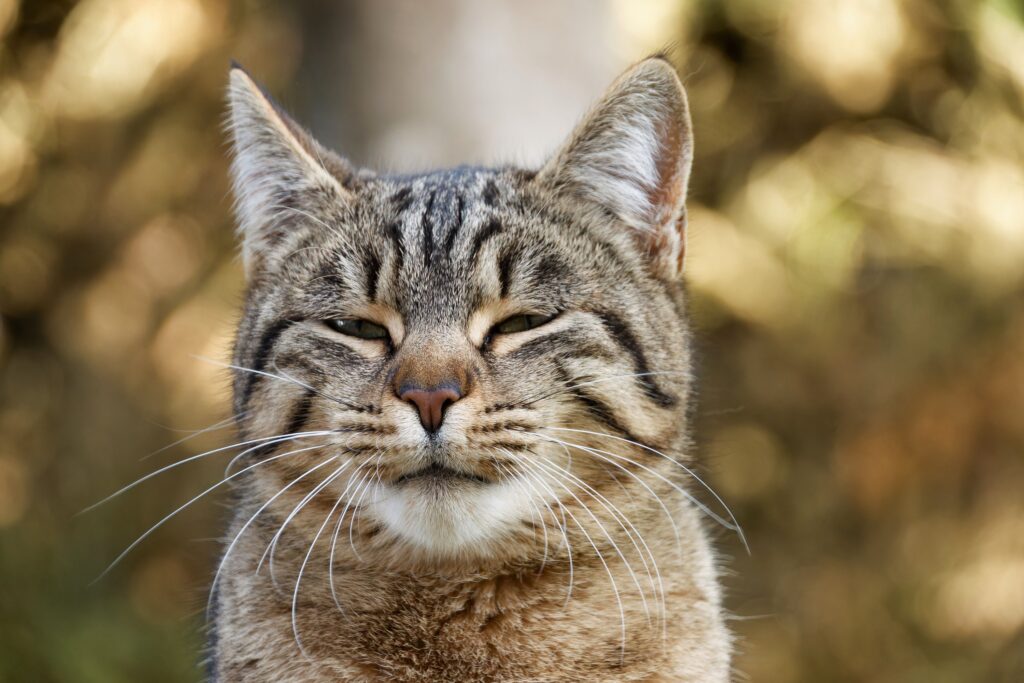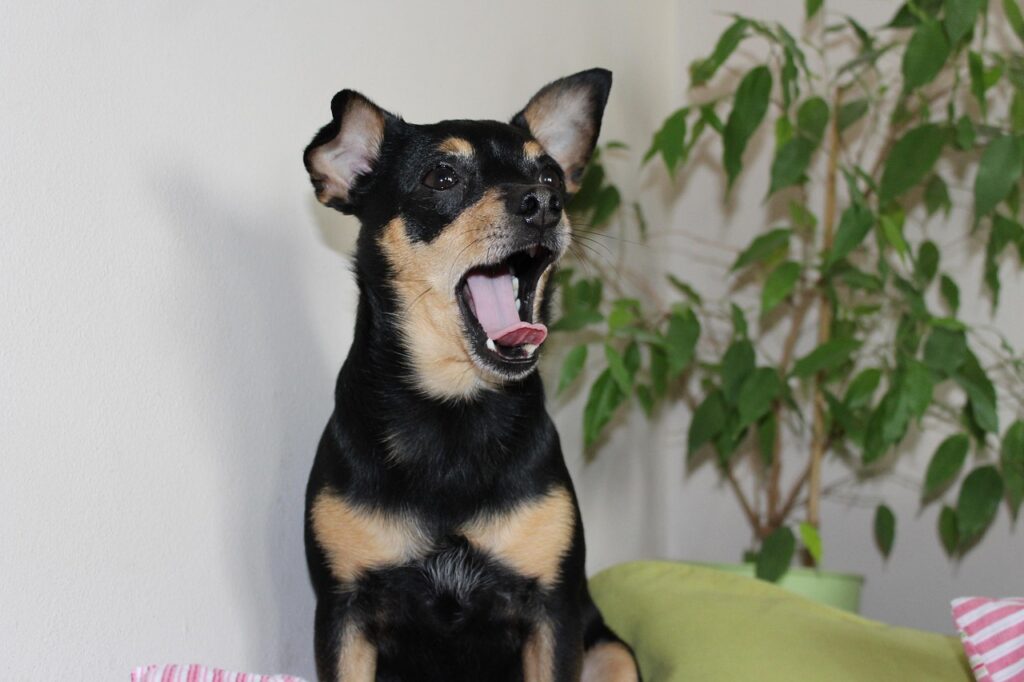

You know that moment when you yawn, and your dog instantly yawns right back at you? It is easy to shrug it off as boredom or a random coincidence, but animal behavior science suggests something far more intimate is happening. That sleepy-looking stretch of the jaw may actually be a tiny window into how deeply your dog is tuned into you.
When you start to look at that shared yawn as a signal of connection rather than laziness, your entire view of your dog shifts. Instead of thinking your dog is checked out, you start to see just how closely they are paying attention, reading your body, and responding to your emotional state in ways that are surprisingly similar to how humans respond to one another.
Your Dog’s “Copycat” Yawn Is Linked To Empathy, Not Boredom
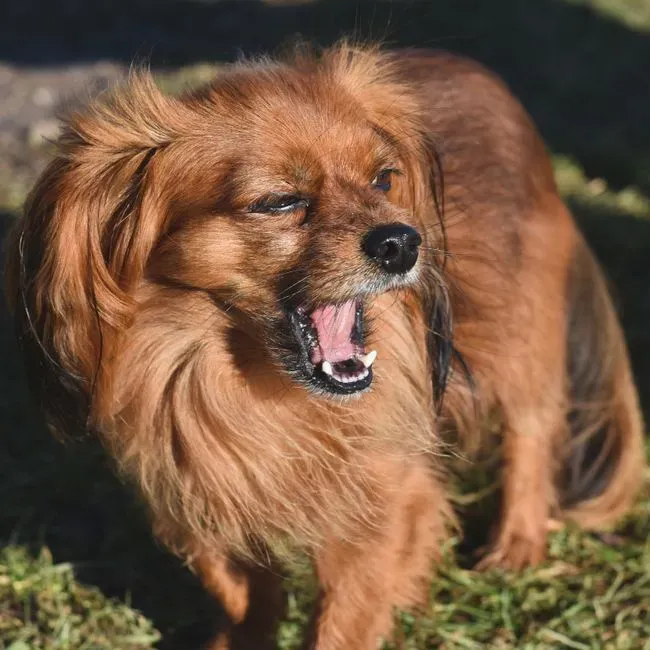
When you see your dog yawn right after you do, you are not just watching a random reflex; you are likely seeing a form of contagious yawning that science links to empathy and social bonding. In humans, you are more likely to “catch” a yawn from someone you feel close to, and researchers have found similar patterns between people and their dogs. That means when your dog mirrors your yawn, it may be because you matter to them on a deep emotional level.
Instead of assuming your dog is tired of you or uninterested, you can think of that mirrored yawn as a subtle emotional echo. Your dog’s brain is picking up on your state and responding in kind, a bit like a friend who unconsciously mirrors your posture when you are talking. It is a quiet, body-level way of saying, “I am with you, I feel you, and I am paying attention.”
Contagious Yawning Is Tied To Social Bonds Across Species
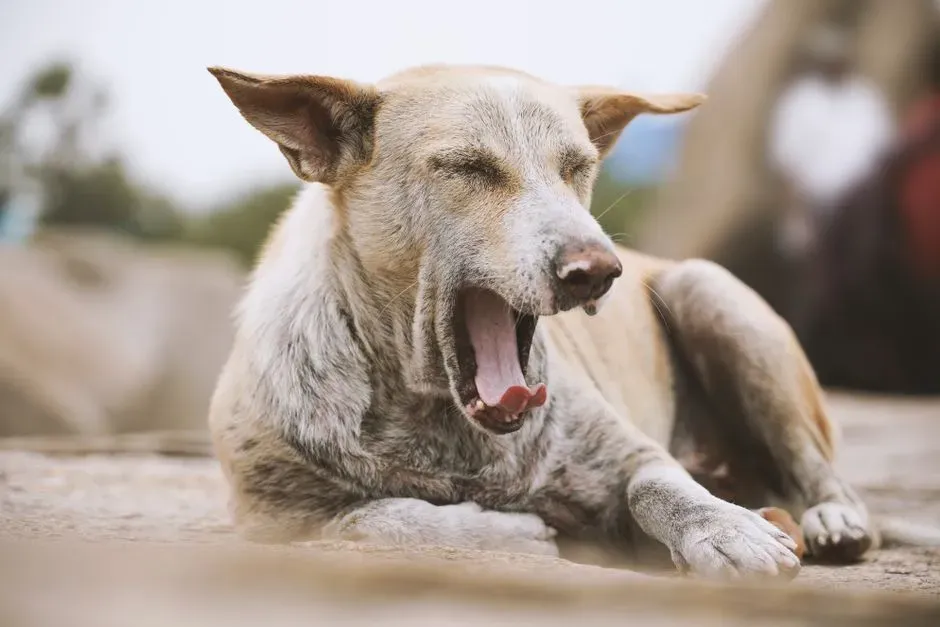
You might be surprised to learn that contagious yawning is not unique to humans and dogs. You see versions of it in other highly social animals, like primates, where individuals are more likely to copy yawns from family or close group members. The pattern is remarkably consistent: the stronger the social bond, the more likely the yawn “spreads.” When you put dogs into that picture, their behavior starts to look much less random and much more relational.
Your relationship with your dog is not just about food, walks, and commands; it is a genuine social bond that shows up in tiny signals like shared yawns. When your dog yawns after you, it fits into this bigger story of how social animals sync up with each other’s states. So instead of brushing it off, you can see it as one more sign that your dog has mentally and emotionally folded you into their inner circle.
Motor Empathy: How Your Dog’s Brain “Echoes” Your Movements
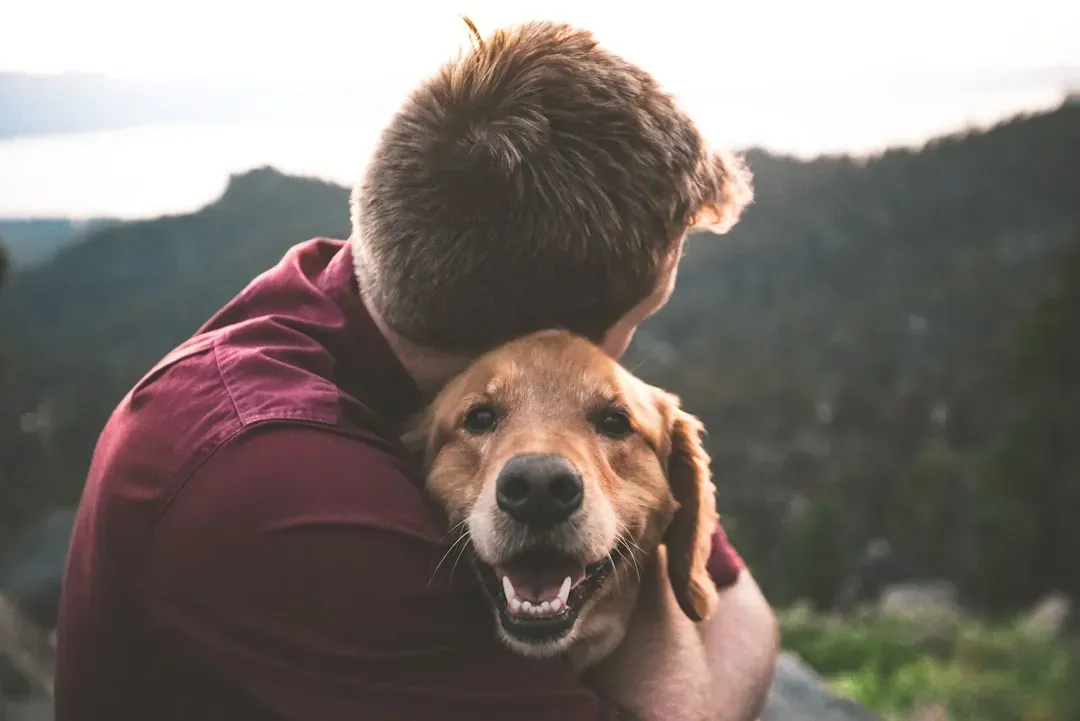
In neuroscience, there is a concept often called motor empathy, where observing someone else’s action activates related patterns in your own brain. You experience a softer version of this when you flinch watching someone stub their toe or find yourself tensing up as a movie character walks a tightrope. Your dog appears to show something similar when they see you yawn and then yawns themselves, as if their nervous system is lightly “echoing” what you just did.
You are not just living alongside your dog; you are constantly broadcasting signals with your body, your tone, and your facial expressions. Motor empathy means your dog’s body is not purely reactive in a mechanical way, but responsive in a socially tuned way, especially to you. The shared yawn may be a tiny, everyday example of your dog’s brain aligning with yours, like two instruments briefly playing the same note in harmony.
Your Dog Reads Your Face More Than You Might Think
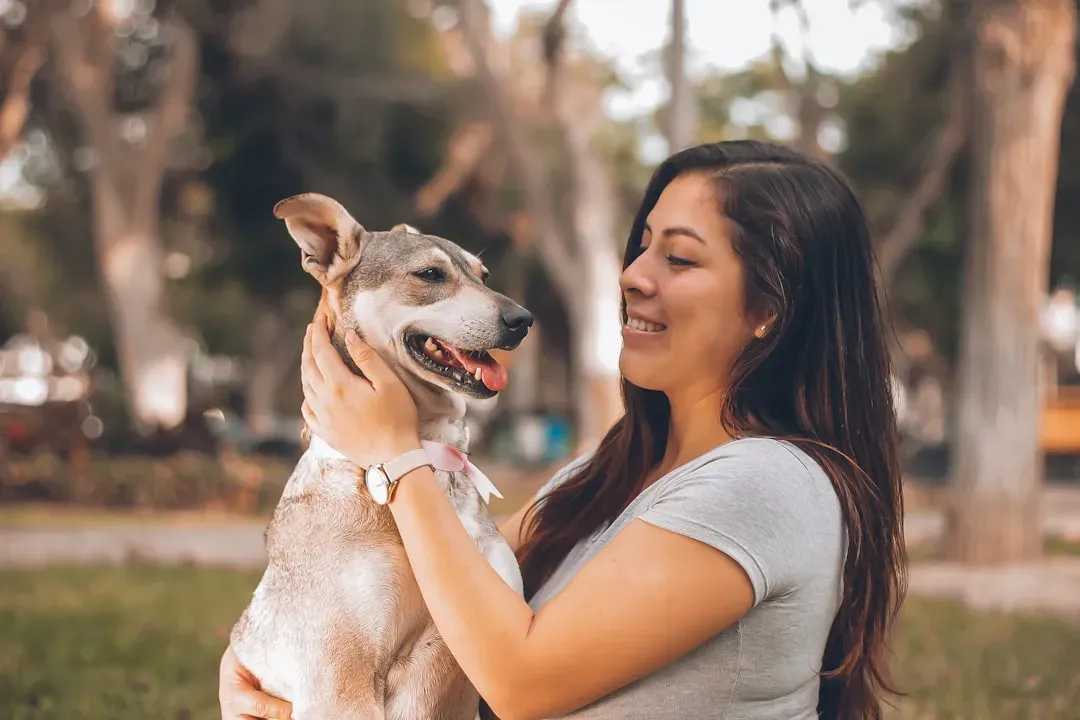
If you feel like your dog can read your face, you are not imagining it. Studies suggest that dogs can distinguish between different human facial expressions and may react differently to happy, angry, or neutral faces. When you yawn, your whole face shifts: your eyes narrow, your mouth stretches, your muscles relax. Your dog has had a front-row seat to your face for years, and they are constantly learning what different looks might mean.
So when you yawn and your dog responds with their own, it may be part of how they track and mirror your emotional and physical state. You are not just a source of food or routine; you are a walking, talking bundle of signals they care about decoding. That quick yawn may be your dog’s way of syncing up with the “you” they see right now, especially if they have learned that your tired, relaxed face usually means things are calm and safe.
Yawning Can Be Your Dog’s Way Of Managing Social Tension
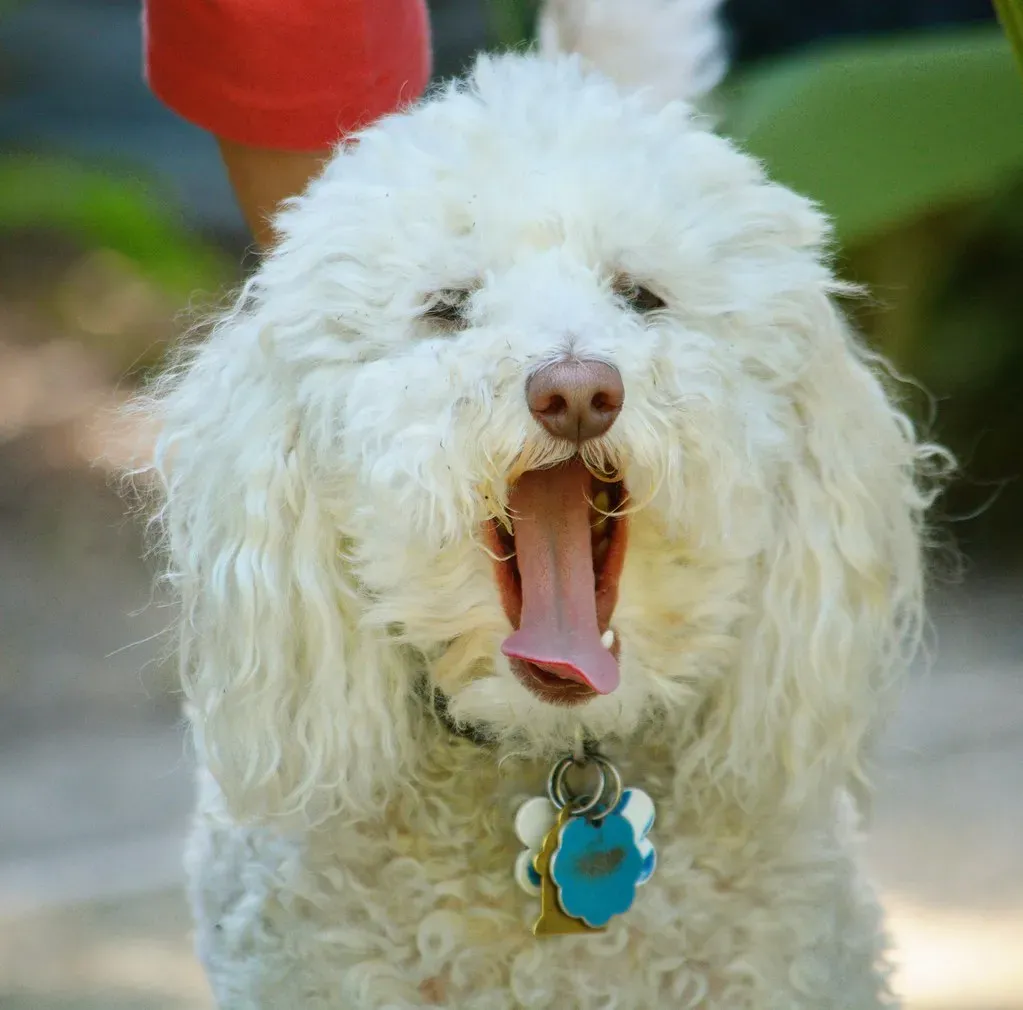
You have probably seen your dog yawn in situations that do not look sleepy at all – like at the vet’s office, during a training session, or when meeting a new dog or person. In dog body language, yawning can sometimes be what trainers call a calming signal, a way for your dog to cope with mild stress, defuse tension, or show that they are not a threat. When your dog yawns after you, it might partly be their way of maintaining social ease and keeping the interaction soft and friendly.
From your dog’s perspective, responding with a yawn can act like a pressure release valve in the interaction. If your yawn is linked with a big stretch, a sigh, or a shift in energy, your dog might use their own yawn to mirror and smooth that moment out. You can think of it like a social lubricant: a small gesture that helps keep the emotional space between you relaxed and predictable, especially if your dog is sensitive to changes in your mood or energy.
Your Bond Changes How Often Your Dog “Catches” Your Yawn
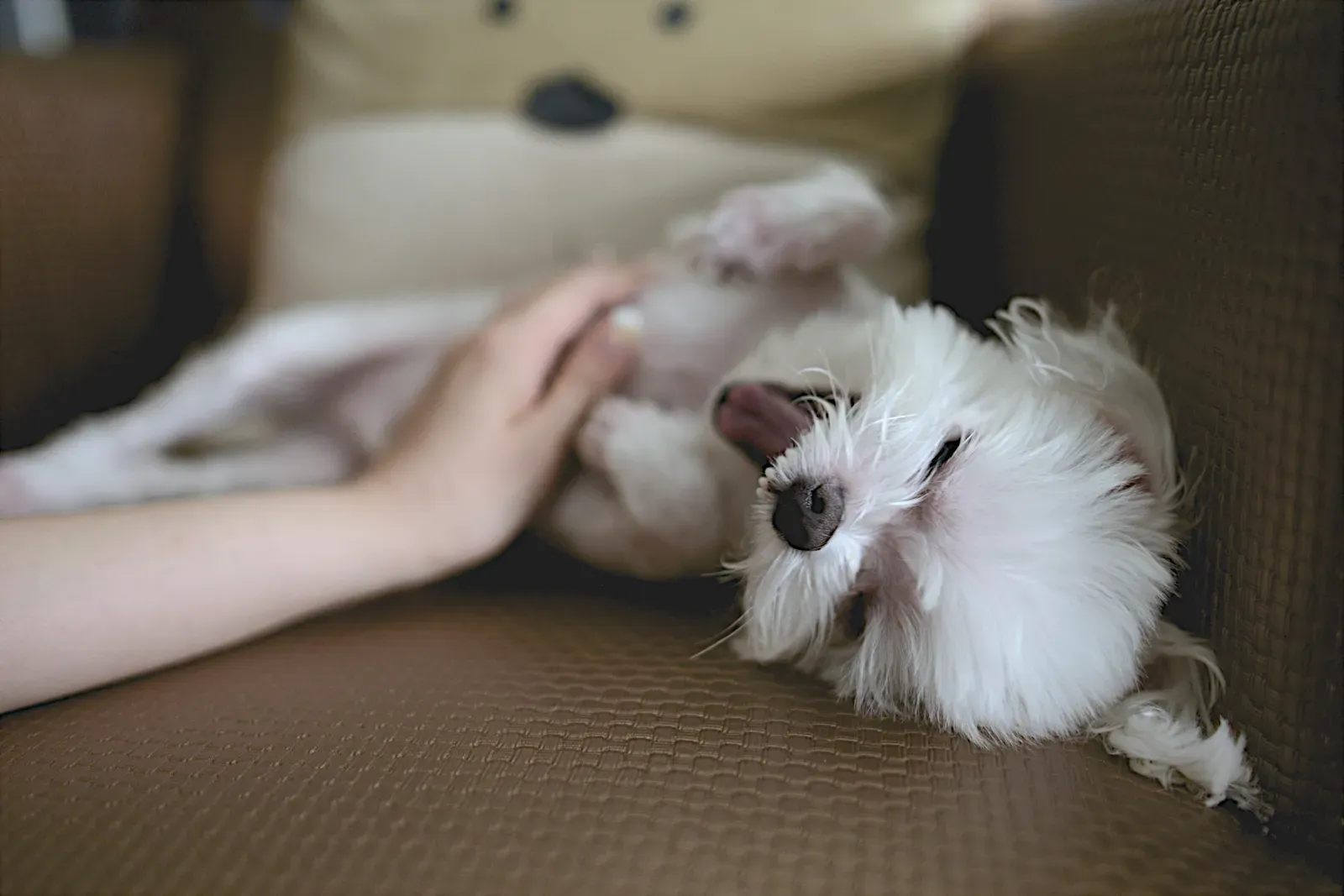
Your dog does not respond to everyone the way they respond to you, and that includes yawning. Research has suggested that dogs are more likely to copy yawns from familiar humans than from strangers, which lines up with how yawning spreads more readily among close friends and family in people. In other words, your dog is not just reacting to any random yawn in the room; they are especially tuned to yours.
If you think about everything you and your dog have been through together – moves, illnesses, lazy Sundays, chaotic mornings – it makes sense that their responses to you are different. The more time you spend together, the more your dog learns your rhythms and emotional patterns. That means a yawn from you does not land in a vacuum; it lands in a history of shared experiences, which may make your dog far more likely to mirror you without even “trying.”
How You Can Respond When Your Dog Mirrors Your Yawn
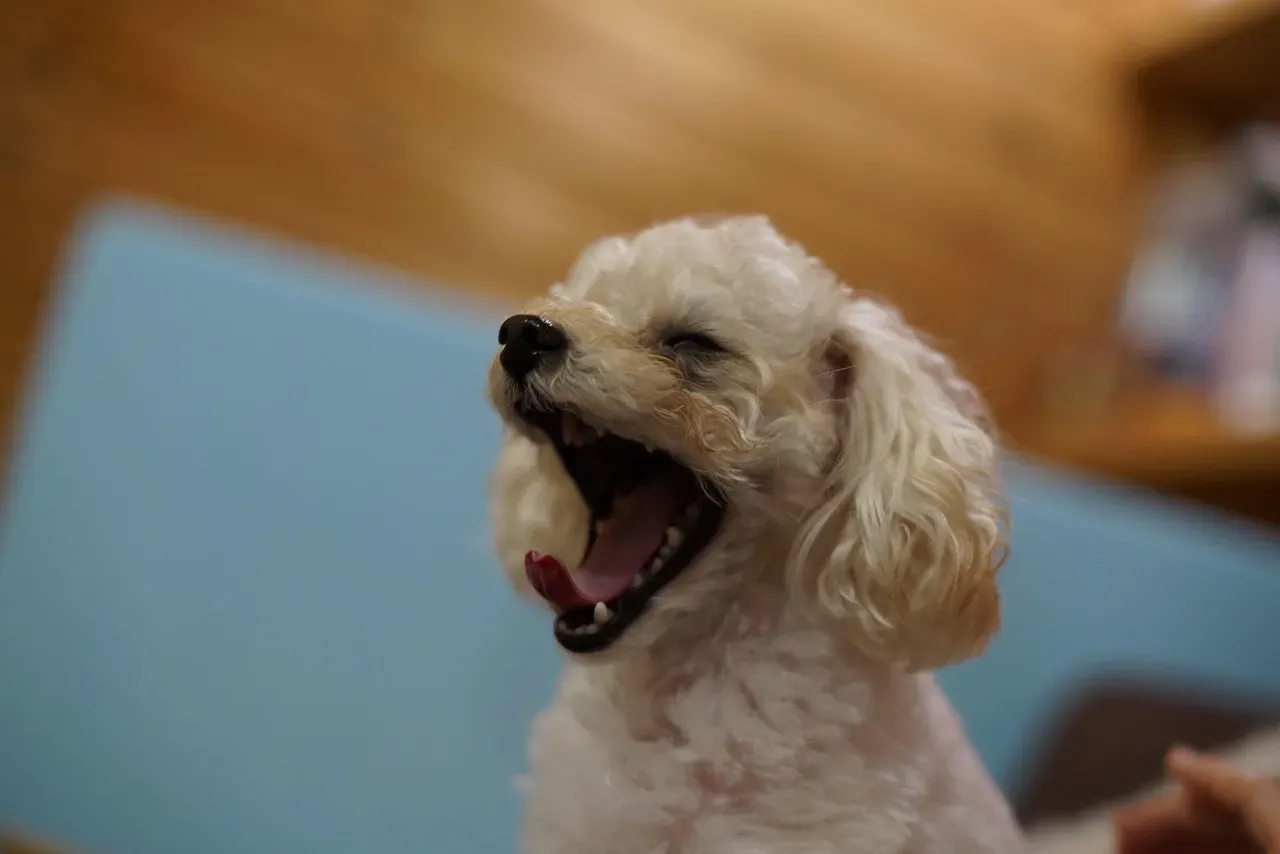
Next time you catch your dog yawning right after you, you can treat it like a tiny invitation rather than background noise. Instead of ignoring it, you might pause, soften your voice, offer a gentle scratch, or simply acknowledge them with eye contact and a relaxed smile. You are essentially telling your dog, “I see you seeing me,” and reinforcing that quiet loop of social connection.
You can also pay attention to the context: are you both winding down at night, just back from a walk, or in a mildly stressful situation like a waiting room or car ride? Noticing when these mirrored yawns pop up helps you better understand how your dog experiences you and the moment you are sharing. Over time, you start to feel less like you are guessing what your dog feels and more like you are having an ongoing, body-level conversation.
What Your Dog’s Yawn Says About The Future Of Human–Animal Relationships
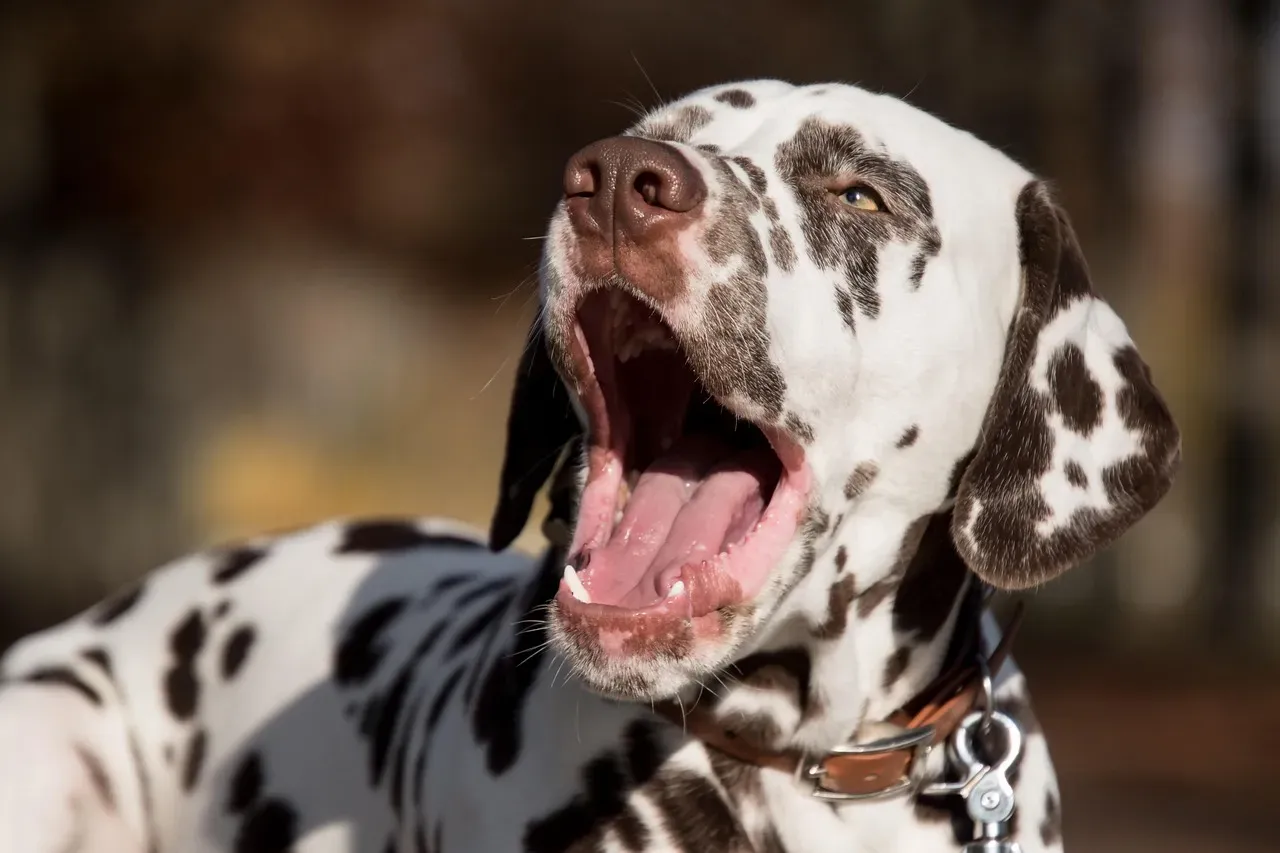
When you realize that something as simple as a yawn can reflect interspecies empathy, you start to see your relationship with your dog as part of a much bigger story. It is not just about tricks, obedience, or cute moments for social media; it is about two different species learning to emotionally “tune in” to each other over thousands of years. Your dog’s yawning response to you is a tiny, everyday sign of that long, shared history of cooperation and companionship.
As scientists keep exploring how dogs and humans read and respond to each other, your daily life with your dog becomes a kind of living experiment in connection. Each mirrored yawn, soft gaze, or subtle body shift is proof that you are not just coexisting, you are co-adapting. When you think about it that way, that sleepy little yawn starts to feel less like a throwaway moment and more like a quiet reminder of just how intertwined your lives really are.
Conclusion: A Yawn As A Tiny Proof Of Something Big
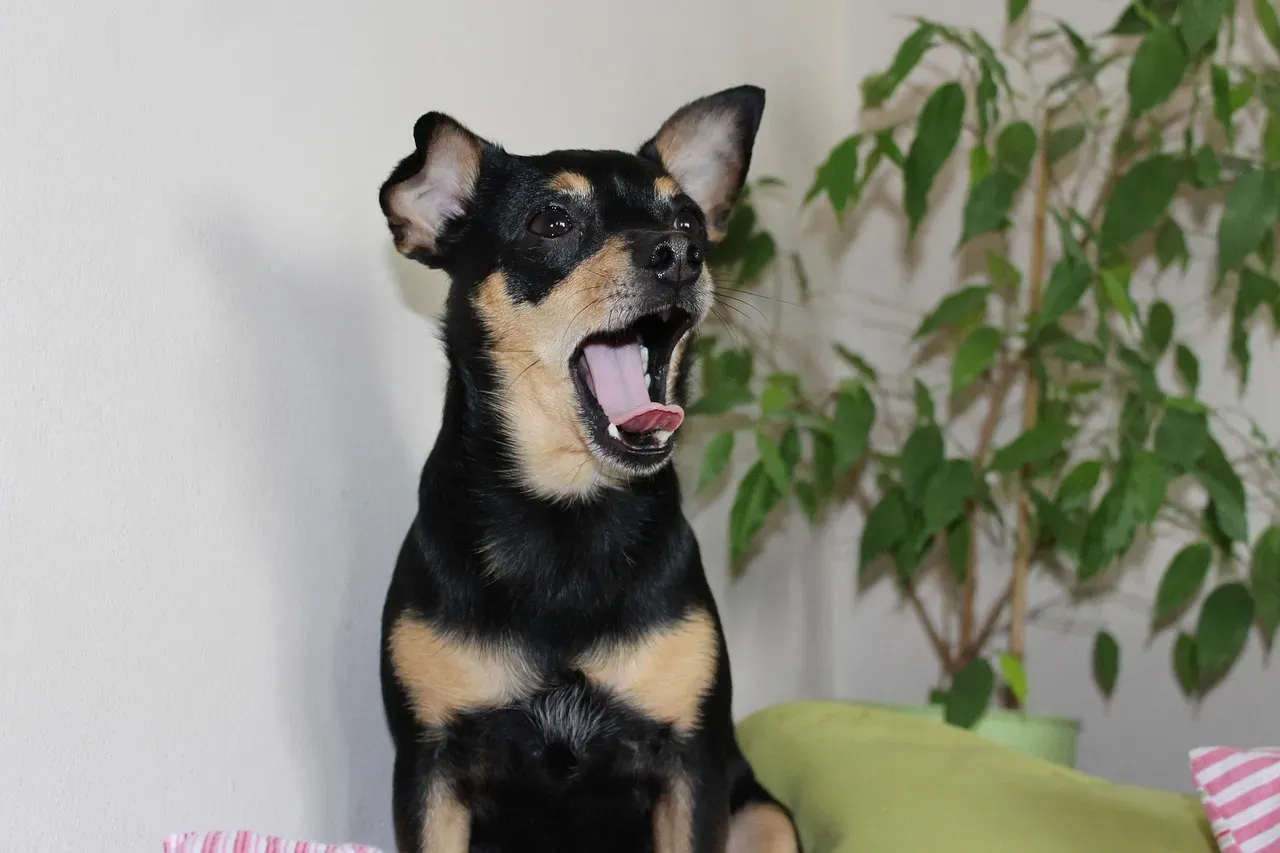
The next time you yawn and your dog follows suit, you can see it as more than a shared moment of tiredness. You are witnessing a small but powerful example of motor empathy, social bonding, and emotional attunement that has been shaped by centuries of living side by side. Your dog is not bored with you; they are, in their own subtle way, showing that they are wired to notice and respond to you.
Once you start viewing that yawn as a sign of connection rather than dismissal, you may find yourself feeling strangely grateful for it. It is a reminder that your dog is not just an animal in your house, but a social partner who feels you, tracks you, and sometimes literally breathes in sync with you. So the next time you catch that familiar, wide-mouthed stretch right after your own, you might pause for a second and ask yourself: did you ever think a simple yawn could say so much about how close you really are?