

You know that sick, tight feeling in your chest when you think about a big task you keep putting off? You scroll, you clean, you check email again, and then you silently attack yourself for having no discipline. But what if that delay is not you being lazy or broken at all, but your brain doing exactly what it was wired to do: protect you from feeling overwhelmed, threatened, or ashamed?
When you look at procrastination through a psychological and neurochemical lens, it stops being a moral failure and starts looking more like a clever – if unhelpful – survival strategy. You are not just “bad at time management”; you are dealing with a brain that is trying to dodge pain in the most immediate way it knows how. Once you understand that, you can stop fighting yourself and start working with your biology instead of against it.
Why Your Brain Treats Certain Tasks Like Threats

Think about the last task you avoided: maybe it was sending a difficult email, starting a high‑stakes project, or sitting down to study for an exam. On the surface, these are just items on a to‑do list, but your brain does not experience them as neutral; it scans for potential danger, such as possible failure, judgment, rejection, or embarrassment. If a task feels like it could expose you, disappoint someone, or confirm a fear that you are not good enough, your emotional brain tags it as a threat.
This is where your limbic system, especially your amygdala, comes in. It is constantly asking one core question: “Is this safe right now?” When the answer feels like “no,” your body shifts into a stress response. Your heart rate may rise, your stomach tightens, and your thoughts start spinning. In that moment, procrastinating is not you being irrational; it is your brain trying to steer you away from what it interprets as danger, even if that danger is just the possibility of an uncomfortable emotion.
Procrastination as an Emotional Regulation Strategy, Not a Time Problem
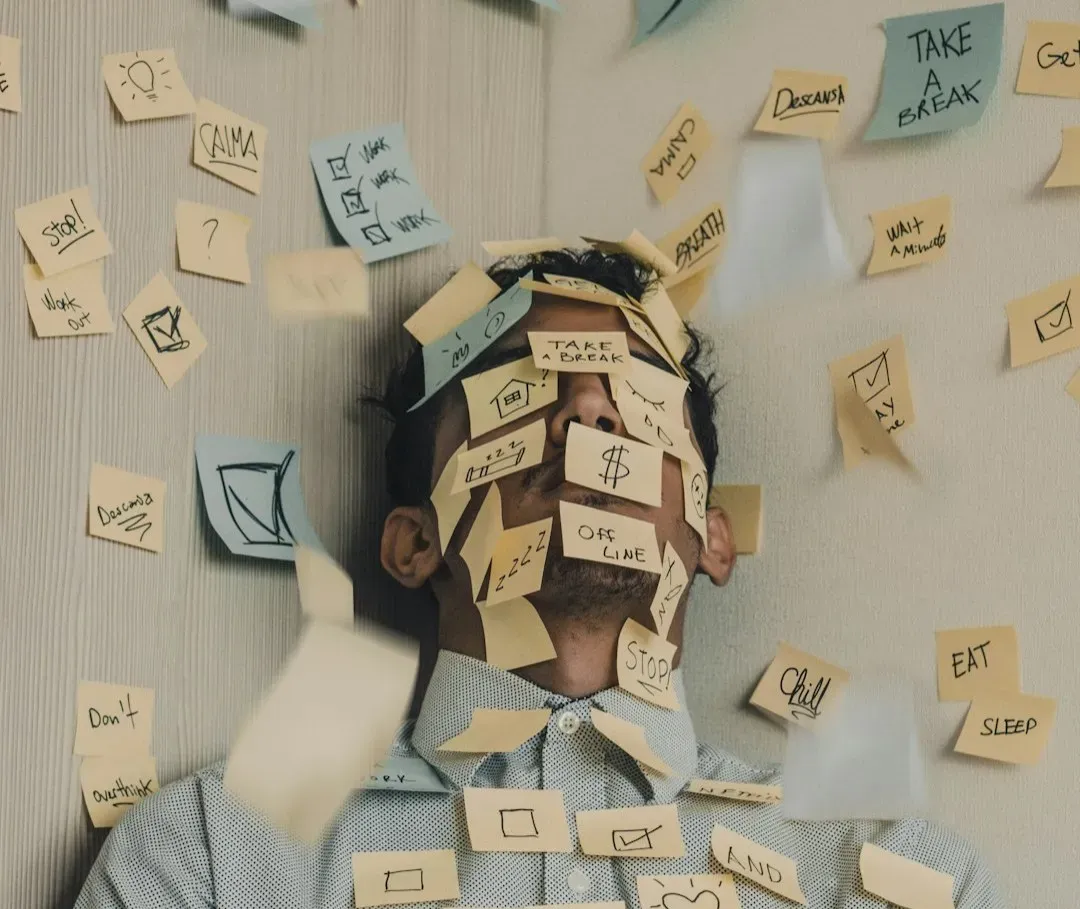
If procrastination were about schedules and calendars, a new planner would have fixed your life by now. But you have probably noticed that no matter how many productivity apps you download, the same patterns keep showing up. That is because procrastination is less about managing minutes and hours and far more about managing feelings like fear, shame, boredom, or uncertainty.
When you delay a task, you get instant relief from those feelings, and your brain loves that. In behavioral terms, the avoidance gets rewarded: task equals anxiety, distraction equals relief. Over time, your brain learns that putting things off is an effective way to numb discomfort in the short term, so the habit sticks. You are not avoiding the work itself as much as you are avoiding the emotional experience you have attached to it.
The Neurochemistry Behind Your Urge to Avoid
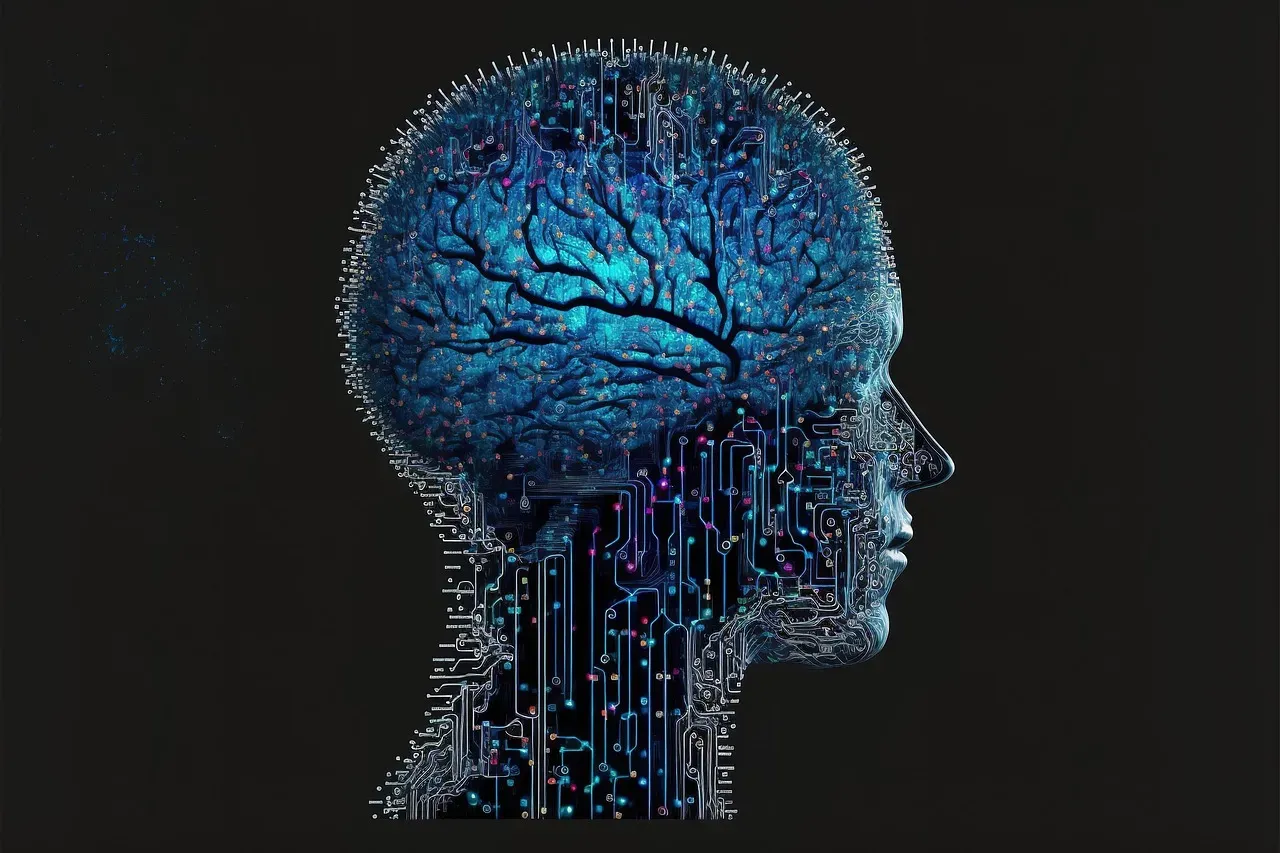
Under the hood, procrastination is closely tied to your brain’s reward and threat systems. When you imagine doing something stressful, your stress hormones can spike, and your brain predicts discomfort. At the same time, quick distractions like scrolling, snacking, or watching videos offer tiny hits of dopamine, the neurotransmitter that makes rewards feel good and worth pursuing.
So you end up in an invisible tug‑of‑war: the task is linked with anxiety, maybe a tense stomach and self‑critical thoughts, while the distraction is linked with soothing and small rewards. In that split second when you choose to avoid, your brain is not thinking about the end of the week or the deadline; it is optimizing for relief in the next few seconds. Procrastination, in that sense, becomes a rapid‑fire neurochemical defense mechanism: lower anxiety now, figure out the consequences later.
How Self‑Criticism Makes Procrastination Worse

Ironically, the harsher you are on yourself for procrastinating, the more likely you are to keep doing it. When you tell yourself that you are lazy, hopeless, or fundamentally flawed, you add another layer of pain on top of the original anxiety about the task. Now the task is not just hard; it is proof, in your mind, that something is wrong with you.
Your brain notices that extra emotional weight and reacts the way it always does to perceived threats: it tries to escape. That might mean more scrolling, more busywork, more “I will start tomorrow” promises. Over time, the task becomes fused with shame, so even thinking about it can trigger a spike of discomfort. From your brain’s perspective, avoiding that feeling by putting it off again is sadly quite logical, even though it sabotages you in the long run.
Reframing Procrastination: From Character Flaw to Signal

When you reframe procrastination as a signal instead of a defect, everything changes. Instead of asking, “What is wrong with me?”, you start asking, “What is this task bringing up in me that feels so threatening?” That shift moves you out of attack mode and into curiosity, which is a much more helpful state for your nervous system and your problem‑solving abilities.
You might notice, for example, that you only procrastinate on tasks where you feel out of your depth, or on anything tied to other people’s approval. You might realize that perfectionism is quietly driving your anxiety, because anything less than flawless feels like failure. When you see procrastination as your brain waving a red flag that says, “I am scared of how this will make me feel,” you can respond with support instead of punishment, and that alone reduces the emotional sting of getting started.
Practical Ways to Work With Your Brain, Not Against It
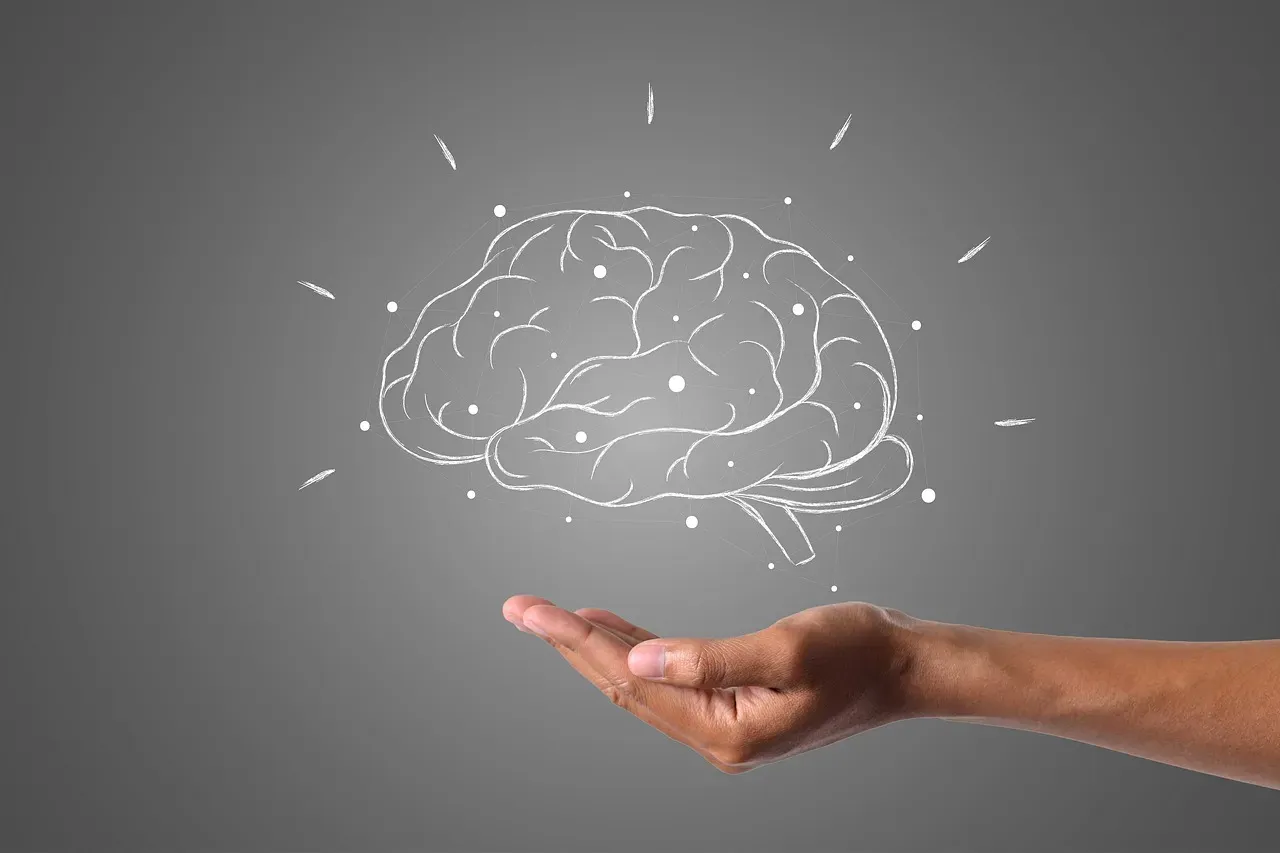
Once you understand that procrastination is a neurochemical defense, your goal stops being “force yourself to just do it” and becomes “make the task feel safer and more rewarding for your brain.” One powerful way to do this is to make the first step absurdly small, so your threat system does not flare up. Instead of “write the report,” you tell yourself, “open the document and write one messy sentence.” Your brain can tolerate that, and once you start, the anxiety often dips.
You can also deliberately pair the task with small sources of comfort or pleasure: a favorite drink, background music, or working in a space that feels cozy instead of punishing. Breaking the task into tiny, visual chunks and checking them off gives your brain those little pulses of dopamine it usually chases through distraction. You are essentially rewiring the association from “this task equals pain” to “this task comes in small, manageable pieces with frequent, gentle rewards.”
Soothing Task‑Related Anxiety at the Source

Because procrastination is so tied to anxiety, learning to soothe your nervous system gives you a huge advantage. Simple practices like slow breathing, stepping away for a short walk, or writing down your fears about the task can calm your body enough to make starting feel possible. You are teaching your brain that “thinking about this project” does not automatically mean “I am under attack.”
It also helps to challenge the stories that fuel your anxiety. If you catch yourself thinking, “If this is not perfect, everything will fall apart,” you can gently counter that with something more grounded, such as, “It is okay for a first draft to be rough; I can improve it later.” You are not lying to yourself; you are replacing catastrophic predictions with more realistic ones, which lowers your emotional intensity. As the anxiety drops, the neurochemical pressure to escape through procrastination drops with it.
Building a Healthier Relationship With Effort and Discomfort

At the heart of this is your relationship with effort, discomfort, and imperfection. If every bit of struggle feels like evidence that you are not good enough, of course your brain will try to protect you from it. But if you start seeing effort as a normal cost of doing anything meaningful, and discomfort as a passing state rather than a verdict on your worth, your nervous system slowly relaxes around hard tasks.
You can support this shift by celebrating progress instead of only outcomes. When you notice and mentally reward yourself for simply showing up for ten minutes, even if the result is not impressive yet, you give your brain a new kind of payoff. Over time, your inner landscape changes: challenging tasks still trigger some anxiety, but they no longer feel like emotional landmines that must be avoided at all costs. Instead, they become things you can approach with a mix of respect, caution, and growing confidence.
Conclusion: You Are Not Broken, You Are Protected
When you zoom out, procrastination stops looking like stubborn sabotage and starts looking like a clumsy form of self‑protection. Your brain is trying to shield you from anxiety, shame, and fear in the fastest way it knows how, even if that protection backfires later. You are not a failure at time management; you are a human being with a nervous system that was built to avoid pain first and think about deadlines second.
The more you treat procrastination as a message about how you feel rather than a verdict on who you are, the easier it becomes to respond wisely. You can make tasks safer, break them smaller, soothe your body, and offer yourself the kind of understanding you have probably reserved for other people. Over time, that compassion, not punishment, is what frees you to do the work that matters to you. Knowing this, how will you treat yourself the next time you feel the urge to put something off?