
You probably think of the ocean as dark, cold, and quiet once you get far from shore. Then you hear stories of waves that glow like spilled stars, of fish that light up like neon signs, and of mysterious flashes deep below where sunlight never reaches. Suddenly, the sea feels less like a place you know and more like an alien world you are only just being introduced to.
Out there in the open ocean, light becomes a kind of secret language. Creatures use it to find food, avoid being eaten, attract mates, or maybe do things you and scientists still do not fully understand. You are about to walk through six of the strangest, most mesmerizing glowing phenomena that science has only partly figured out – things that make you realize how much of the ocean is still guesswork and wonder.
1. The Vast “Milky Seas” That Turn the Ocean into a Ghostly Glow
Imagine standing on the deck of a ship at night and seeing the sea around you turn into a pale, milky glow stretching beyond the horizon. You are not looking at moonlight on the waves, but at the water itself softly shining, as if you are sailing across a cloud of liquid light. Sailors have described this for centuries, and only recently have satellites started catching these events from space.
The best current idea is that you are seeing huge blooms of luminous bacteria, likely living on or around organic particles in the water, all glowing together. But you still do not really know why they light up on such massive scales, how the bloom suddenly becomes that bright, or why certain regions and nights trigger the phenomenon. You are looking at something that covers hundreds of kilometers, lasts for hours or even days, and yet remains one of the least understood “weather patterns” of the sea.
2. Flashing Lanternfish Clouds on the Deep Scattering Layer
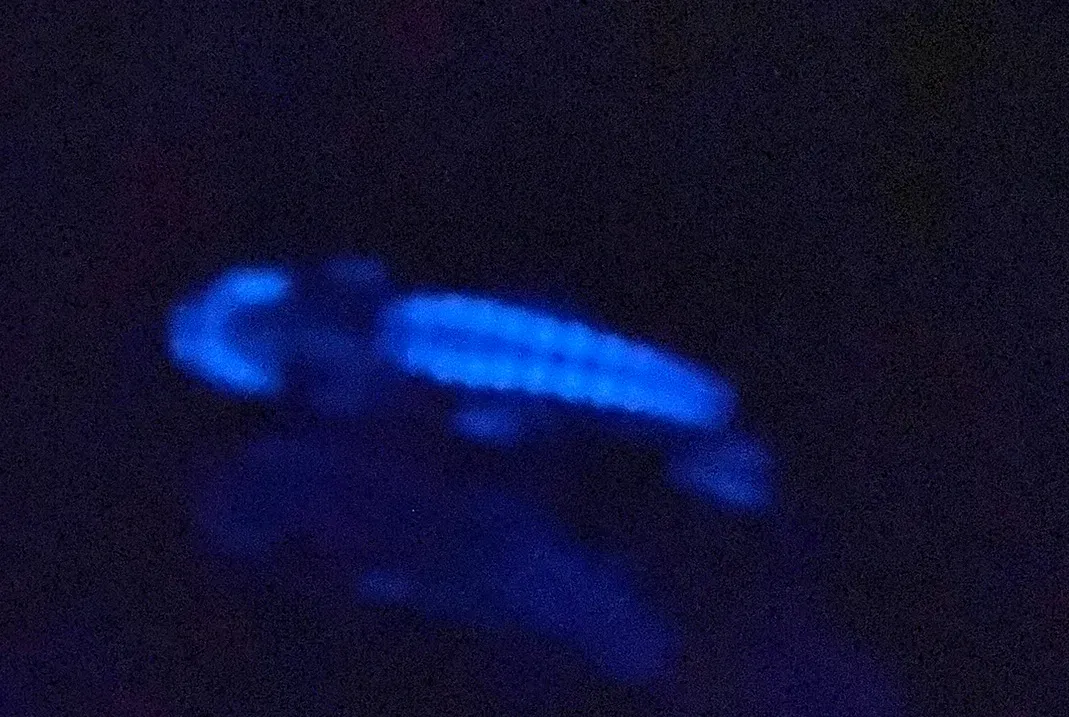
If you could turn off your submarine lights and hover in the deep open ocean, you would find yourself floating inside what looks like a faint, twinkling galaxy. You are actually in the middle of the so‑called deep scattering layer, a band of tiny fish, squid, and zooplankton that migrate up and down every day, staying hidden in the dark for safety. In that layer, lanternfish are some of the main light-makers, dotting their bodies with rows of photophores – little biological lamps.
You do know they likely use those lights to match the faint glow from above so predators below cannot see their silhouette, a trick called counterillumination. But when entire schools flash, adjust, or subtly flicker in patterns, you do not fully know how much of that is communication, camouflage, confusion of predators, or something you have not even guessed yet. When you watch an entire cloud of lanternfish pulsing gently in the black, you realize you are seeing both survival strategy and an un-deciphered code written in light.
3. Sudden Blue “Bombs” from Deep-Sea Dragonfish and Other Predators
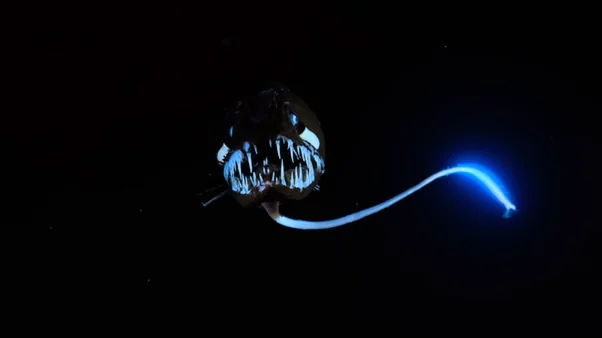
Picture a predator fish in the deep ocean suddenly releasing a burst of blue light into the water, like dropping a flare in a midnight room. If you were another animal nearby, that would be both terrifying and confusing. Many deep-sea predators, including some dragonfish and related species, seem to use sudden light flashes or glowing “bombs” that float away from their bodies, and you are still piecing together what exactly those explosions of light are doing.
One idea you would probably lean toward is that the light scares or distracts attackers, the way a smoke bomb helps you escape down a dark alley. Another possibility is that a flash reveals other prey nearby, basically using light as a spotlight or a trap. But because you rarely see these events in the wild and often rely on submersibles that change animal behavior, you are still guessing about when and why these fish decide to fire off their luminous weapons. You know the bombs work – but you do not yet fully know the rules of the game.
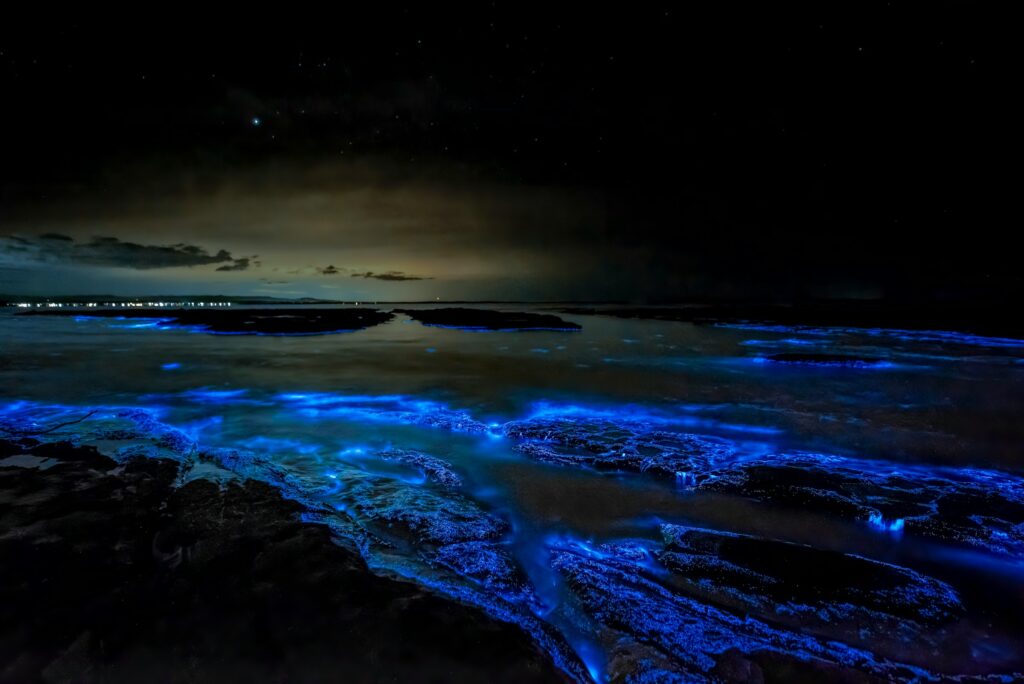
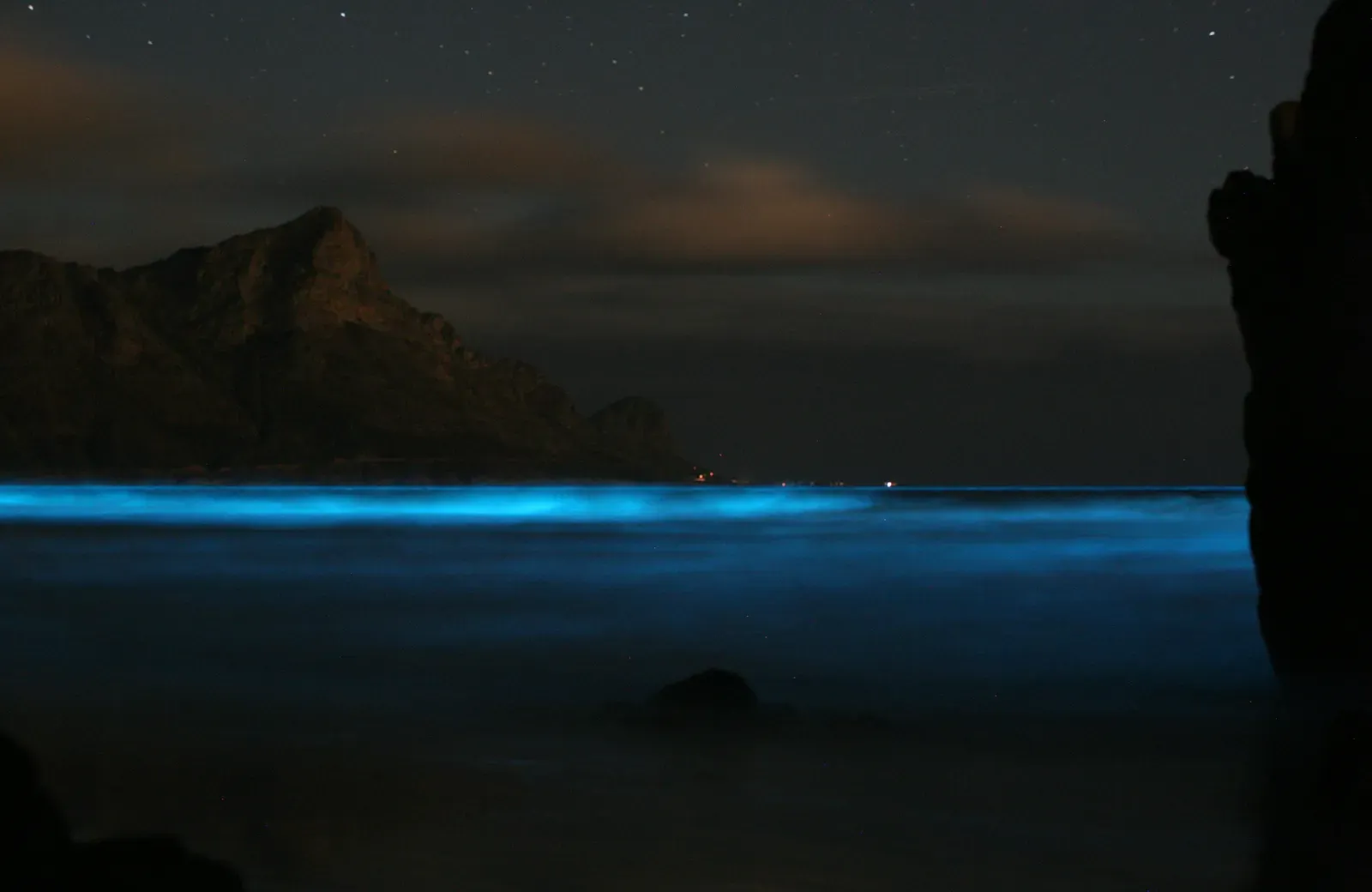
4. The Rolling Surf That Glows Under Your Feet at Night
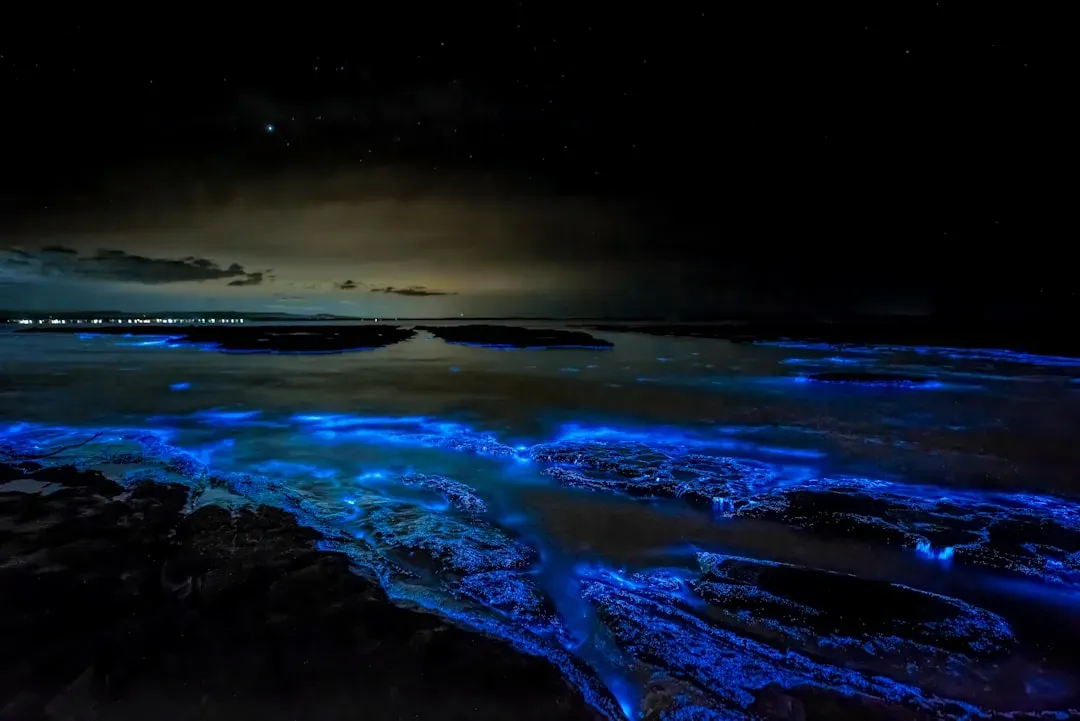
If you have ever walked a dark beach and watched each breaking wave glow electric blue for a moment, you know how unreal it feels. You kick the water and it bursts into sparks; you draw your fingers through it and the disturbance leaves a trail of light. You are playing with microscopic plankton, usually dinoflagellates, that flash when they are mechanically disturbed – by waves, fish, or your footsteps.
You can say this is probably a defense response, a way for the plankton to light up and attract bigger predators that might eat whatever is attacking them. But you still cannot fully explain why different species glow with different intensities, why certain coastal and open-ocean regions flare up spectacularly while others stay dim, or why some blooms seem to wink on and off with subtle changes in temperature, nutrients, or currents. As you stand there watching the surf write glowing lines on the sand, you are seeing chemistry, ecology, and sheer mystery roll in with every wave.
5. The Flickering “Light Nets” of Siphonophores and Other Colonial Drifters
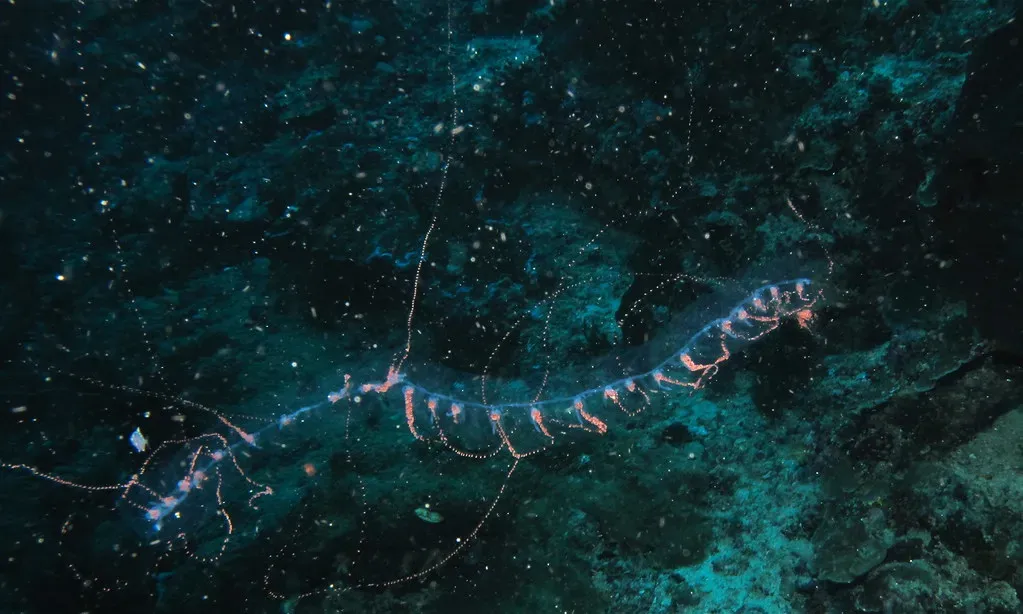
Now imagine drifting in the midwater and suddenly seeing what looks like a delicate curtain of glowing beads hanging in front of you. You are probably looking at a siphonophore, a colonial organism made of many repeating units that behave almost like one giant animal. Each part can produce light, and together they can create pulsing patterns that run along long, gelatinous chains trailing in the dark.
You know some of this lighting is likely used to lure prey, confuse predators, or communicate along the colony, but you do not yet have a full map of what each pattern means. Sometimes you see whole sections fire in sequence, sometimes they shimmer gently, other times they erupt in chaotic flickers when disturbed by a submersible. When you watch one of these light nets unfurl, you are seeing a body plan and a signaling system that challenge your usual idea of what a single animal even is.
6. The Mysterious Deep-Ocean Flashes with No Clear Source
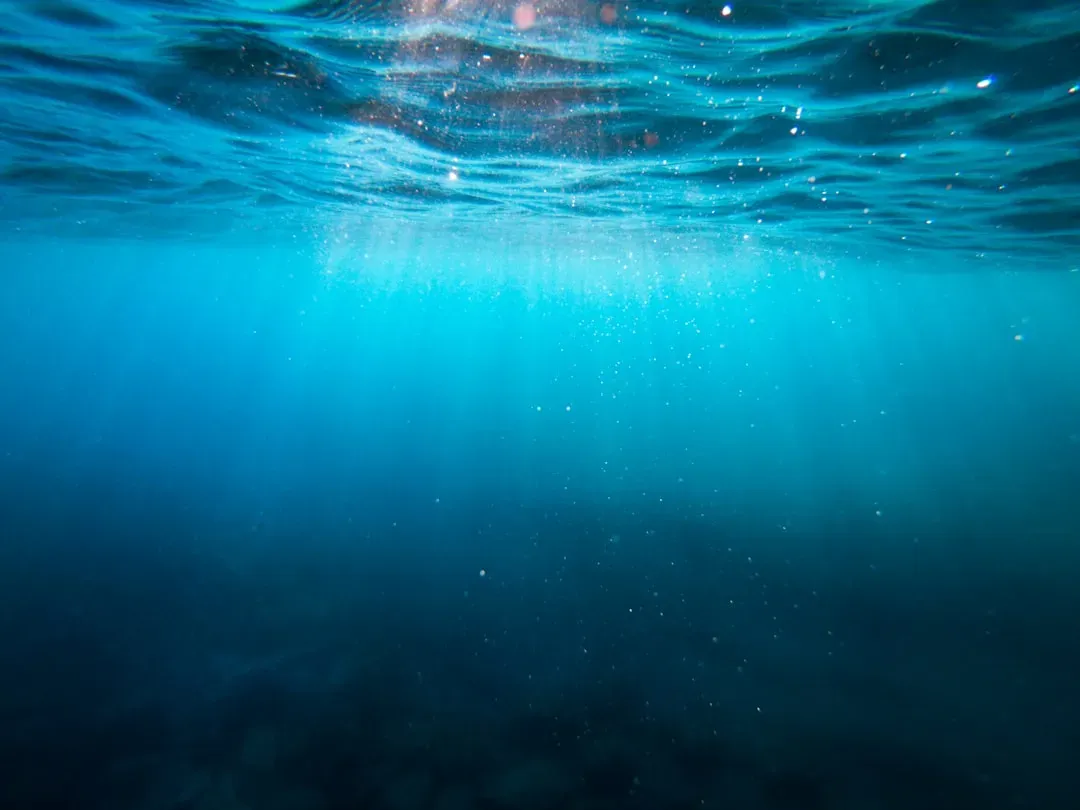
Every so often, instrumented deep-sea landers and remotely operated vehicles record sudden, bright flashes of light in the open ocean that do not match any known animal nearby. You might see a quick burst, a slow-building glow, or a repeated flicker in the corner of a camera frame, and when you look for the source, nothing obvious appears. You are left replaying the footage and wondering if you just witnessed an unknown species, a strange behavior, or some kind of chemical reaction in the water itself.
Researchers have tried to link these flashes to known groups – jellyfish, crustaceans, fish, or bacteria – but many events remain unexplained, especially when the flash is too distant or brief to match with a visible body. You are reminded that your eyes and cameras still only sample tiny volumes of a vast three-dimensional space, like trying to understand a city by peeking through a mail slot. Every unexplained flash is basically the ocean telling you that you have not met all of its citizens yet, and that your map of this glowing world is still full of blank areas.
Conclusion: The Ocean’s Light Still Hides More Than It Reveals
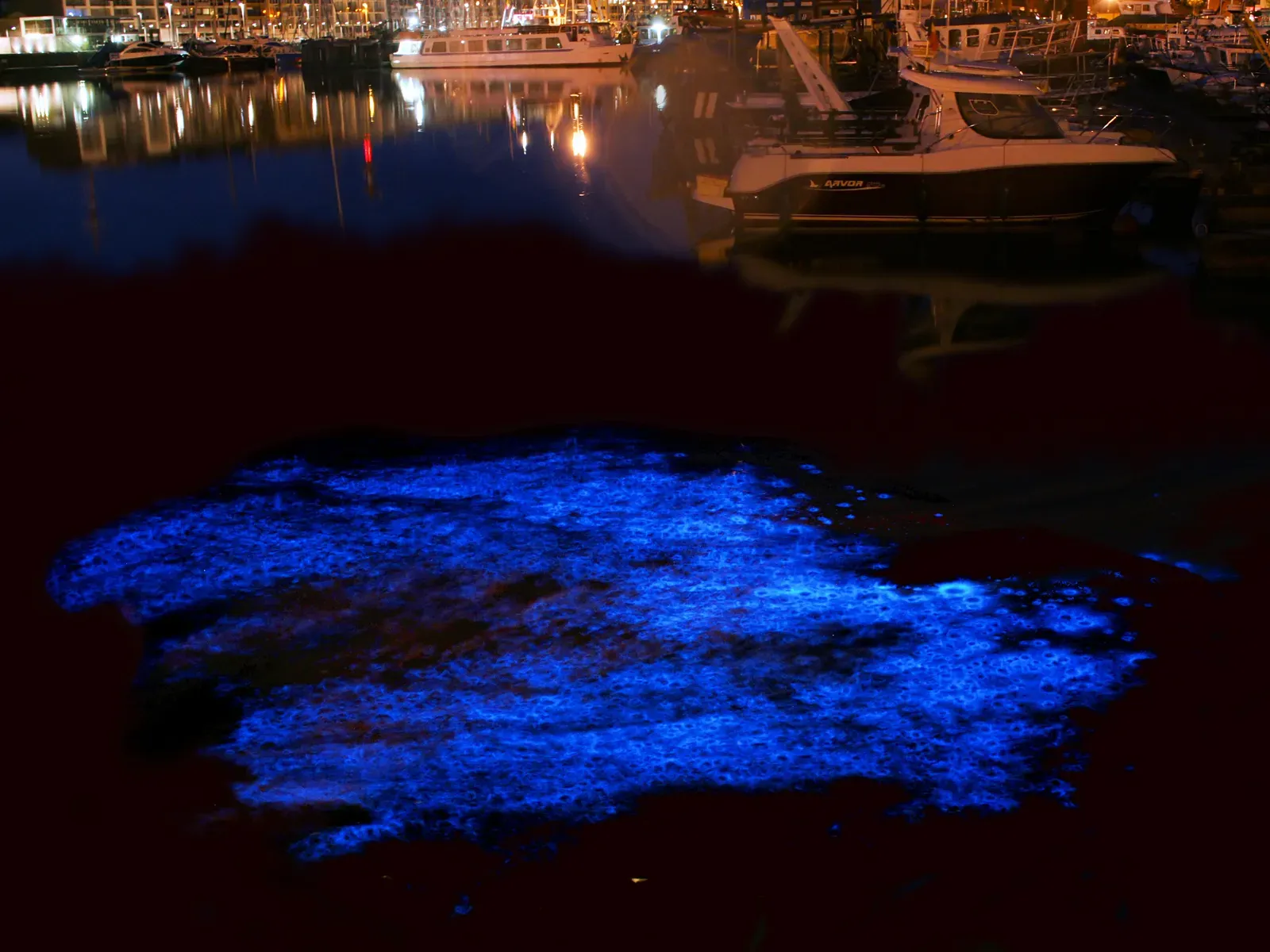
When you put all these phenomena together – milky seas, glowing surf, bomb-like flashes, shimmering light nets, lanternfish galaxies, and mysterious deep flares – you start to see bioluminescence not as a fun side note, but as a core part of how the open ocean works. You are looking at a living lighting system wrapped around the planet, one that hides, hunts, warns, and signals in ways you only partly grasp. For every pattern you think you understand, another appears that does not fit neatly into your explanations.
If you ever get the chance to see even a small slice of this with your own eyes – a glowing wave at night, a jar of sparkling plankton, or footage from the deep – you will feel how quickly your certainty melts into awe. You are not just watching animals; you are watching evolution experiment with light itself, in places you may never reach. And that leaves you with a simple, lingering question: if this much wonder is visible in the dark, how much more is still out there, shining where no one has yet looked?