
You live in a time when one of North America’s rarest big cats is trying to claw its way back from the edge of extinction right in Florida’s backyard. The Florida panther’s story is dramatic, messy, and far from finished, and you’re actually part of the generation that decides whether it ends in survival or silence. As you look closer, you discover that this recovery is not a neat success story, but a delicate balancing act where every new highway, every neighborhood, every conservation decision really matters. If you think an endangered cat in a far-off swamp has nothing to do with your daily life, you might be surprised just how tangled your world is with theirs. The roads you drive, the homes you live in, and the food you eat all brush up against panther country in ways you may never have realized. Once you see how fragile this recovery is, it becomes much harder to pretend that the outcome is somebody else’s problem.
1. You Are Looking At One Of The Rarest Mammals In North America
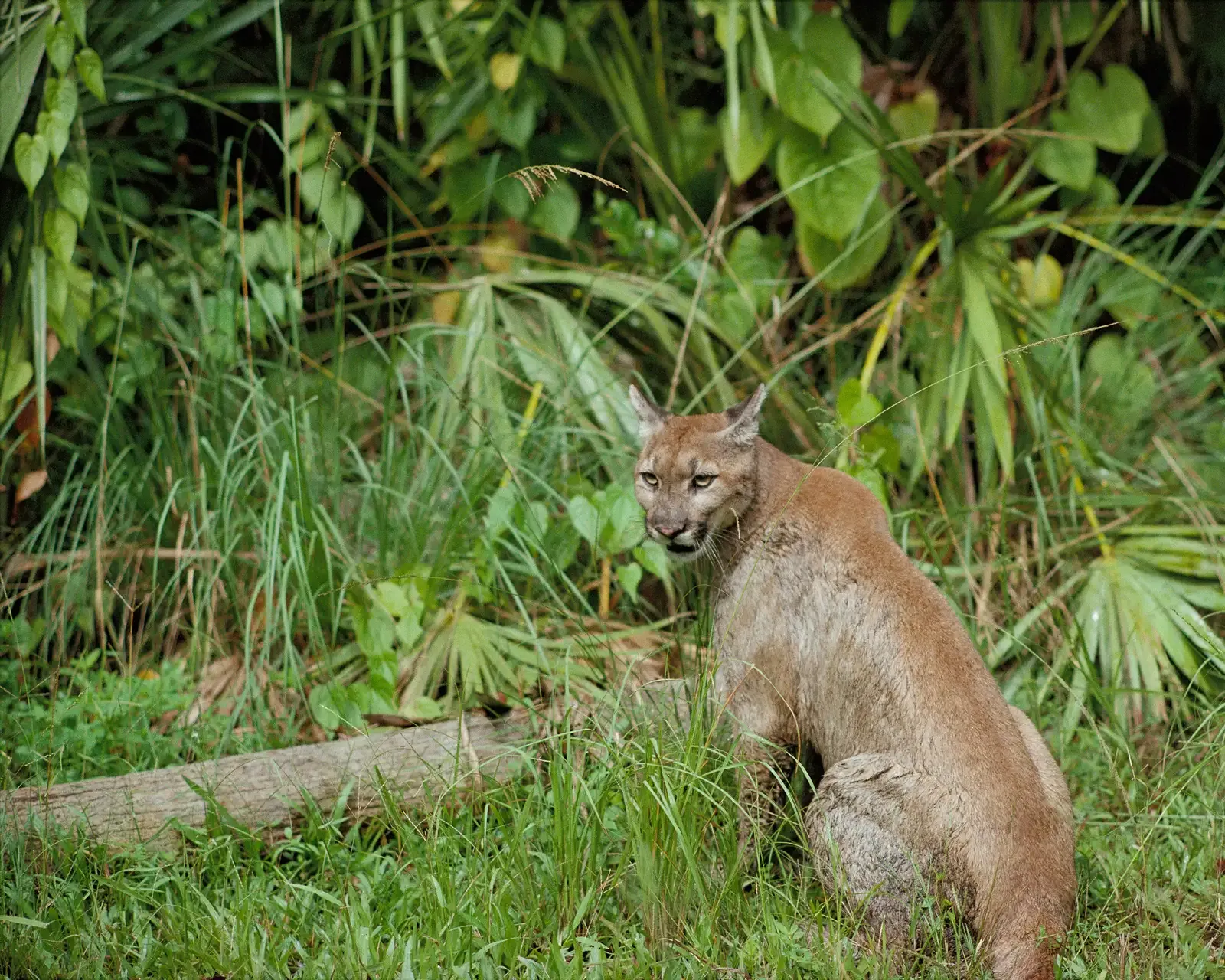
When you hear “big cats,” you probably picture lions or tigers, but the Florida panther is far rarer than either of those in the continental United States. You are talking about a wild population that likely numbers only in the low hundreds of adults and subadults, confined to a slice of southern Florida and nowhere else on Earth. This is it; if this population fails, there isn’t a backup group waiting somewhere over the next ridge. Historically, panthers ranged across much of the southeastern United States, from Louisiana to the Carolinas, but by the mid‑1900s people had trapped, shot, and poisoned them until just a tiny remnant remained. By the early 1990s, biologists could only find about two dozen animals clinging to survival in south Florida swamps. When you stand in that landscape today, you’re standing in the last refuge of a native apex predator that once owned an entire region.
2. The Recovery Started From A Shockingly Tiny, Inbred Remnant
![2. The Recovery Started From A Shockingly Tiny, Inbred Remnant (USFWS National Digital Library[1], Public domain)](https://nvmwebsites-budwg5g9avh3epea.z03.azurefd.net/dws/9be839d30b378f819e3415176653afe2.webp)
If you want to understand how fragile this recovery is, you have to start with how bad things were in the early 1990s. You had maybe twenty to thirty Florida panthers left in the wild, all closely related, isolated by highways and development, and showing the kinds of health problems that come with inbreeding. It was the biological equivalent of a family tree that had folded in on itself too many times. You would have seen panthers with kinked tails at sharp right angles, odd cowlicks along their backs, and serious internal issues. Males often had undescended testicles and low-quality sperm; many cats carried heart defects and heavy parasite loads. If nothing had changed, experts expected the population to blink out within a few decades, simply because the remaining animals were too genetically damaged to sustain themselves.
3. A Bold Genetic Rescue Gave The Panthers A Second Chance
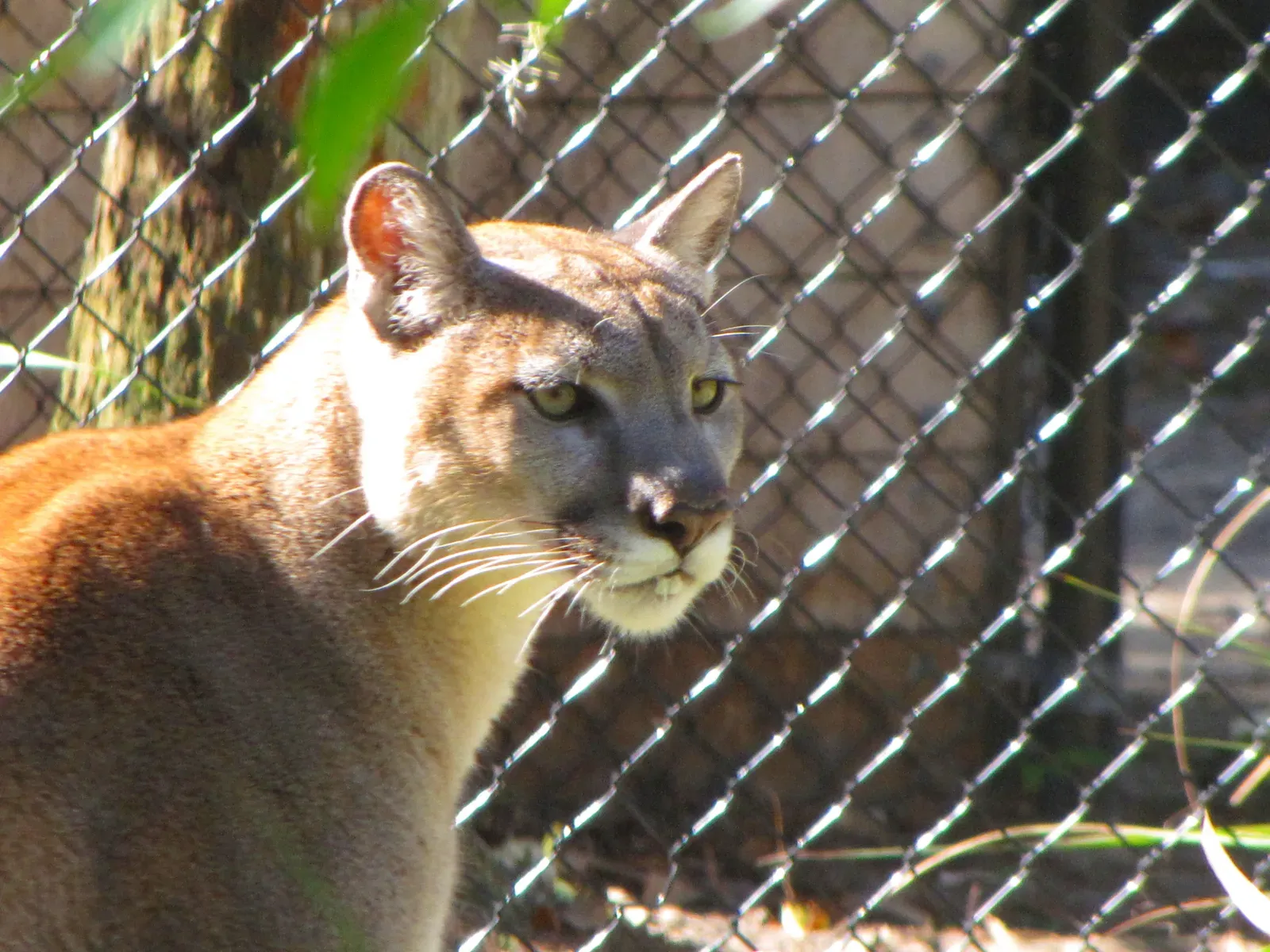
The turning point in the story you’re watching now came in the mid‑1990s, when managers finally took a controversial step. In 1995, they released eight female pumas from Texas into south Florida panther habitat, essentially bringing in cousins from another population to strengthen the gene pool. You might think of it as an emergency blood transfusion for an entire subspecies. If that sounds risky to you, you’re not alone – at the time, the idea drew criticism and serious debate. But genetically, those Texas cats were historically connected to Florida’s panthers, because the original southeastern population once mixed with western pumas before people cut off that natural flow. Within a decade, you could already see the effects in the field: more kittens surviving, fewer kinked tails and heart defects in young animals, and a wild population that had at least tripled from its desperate low.
4. The Population Has Grown, But It’s Still On A Knife’s Edge
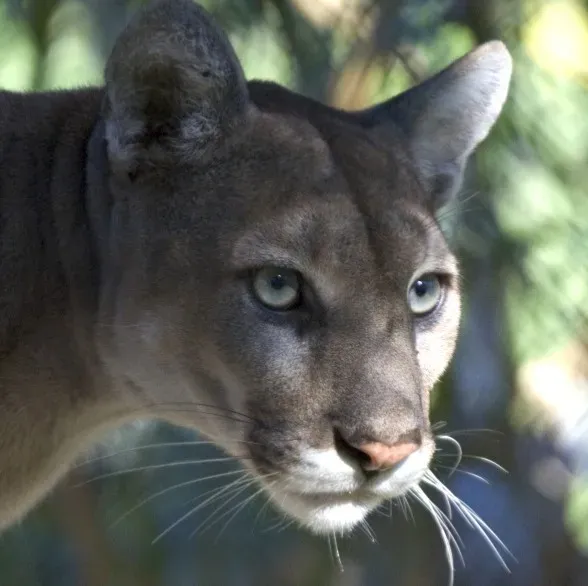
Today, if you look at the numbers, you see what looks like a success story at first glance. Instead of a couple dozen animals, you now have on the order of a couple hundred Florida panthers roaming south Florida. That’s a huge improvement, and it shows you that conservation actions can absolutely work when people commit to them. You’re no longer talking about a species that is visibly collapsing year by year. But here’s the uncomfortable side of that story: even a few hundred big cats spread across fragmented habitat is still a very small, very vulnerable population. One bad disease outbreak, one major hurricane season, or a sudden spike in road deaths could erase years of slow progress. When you look at long‑term recovery plans, they talk about establishing additional populations in other parts of the historic range because everyone recognizes that one isolated group, hemmed in by cities and highways, cannot be truly secure.
5. Every Highway You Drive Is A Deadly Barrier For Panthers
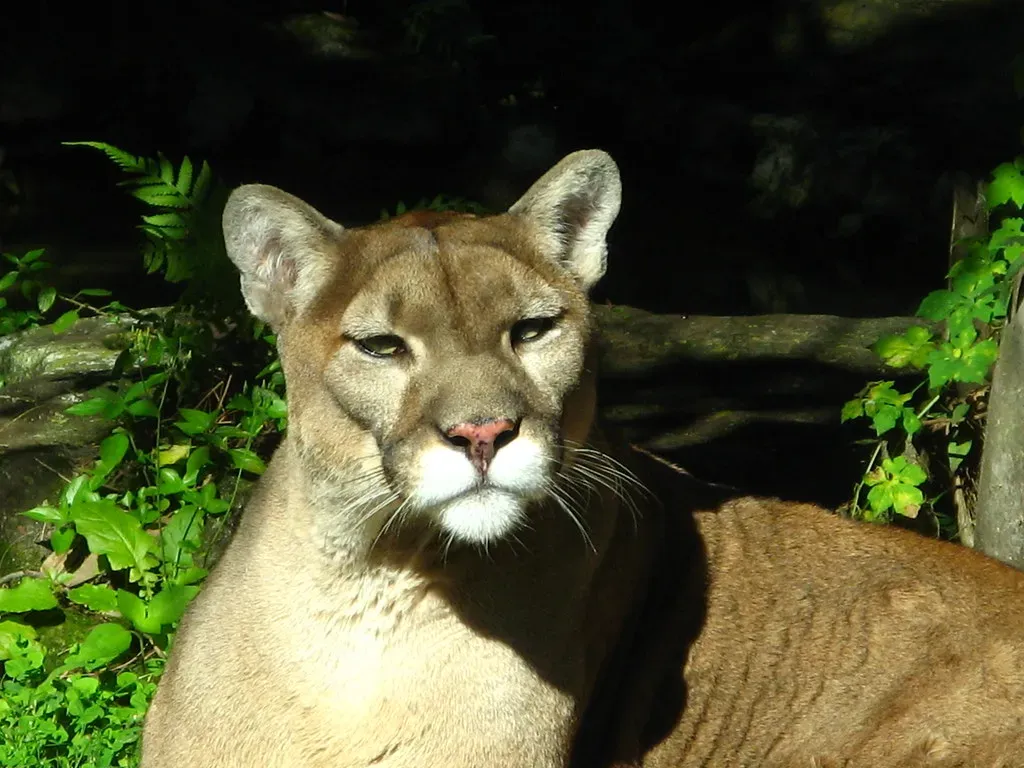
If you live in or visit Florida, the very roads you rely on are some of the biggest killers of panthers. Vehicle collisions are one of the leading causes of known deaths, and almost every year, you can find a grim list of cats struck and killed on highways that slice through their habitat. When a young panther disperses to find territory, it often has no choice but to cross multi-lane roads teeming with fast-moving traffic. Wildlife underpasses and fencing along some major routes have helped, and when you drive through these areas you might not realize those concrete tunnels and high fences are there for cats like the Florida panther. But the road network keeps expanding as more people move into southwest Florida, and not every dangerous crossing is fixed. Each new subdivision and bypass can trap panthers into smaller pockets or force them across deadly asphalt, and that is a constant, growing pressure you cannot ignore if you care about their future.
6. Habitat Loss Is The Slow, Relentless Threat You Rarely See
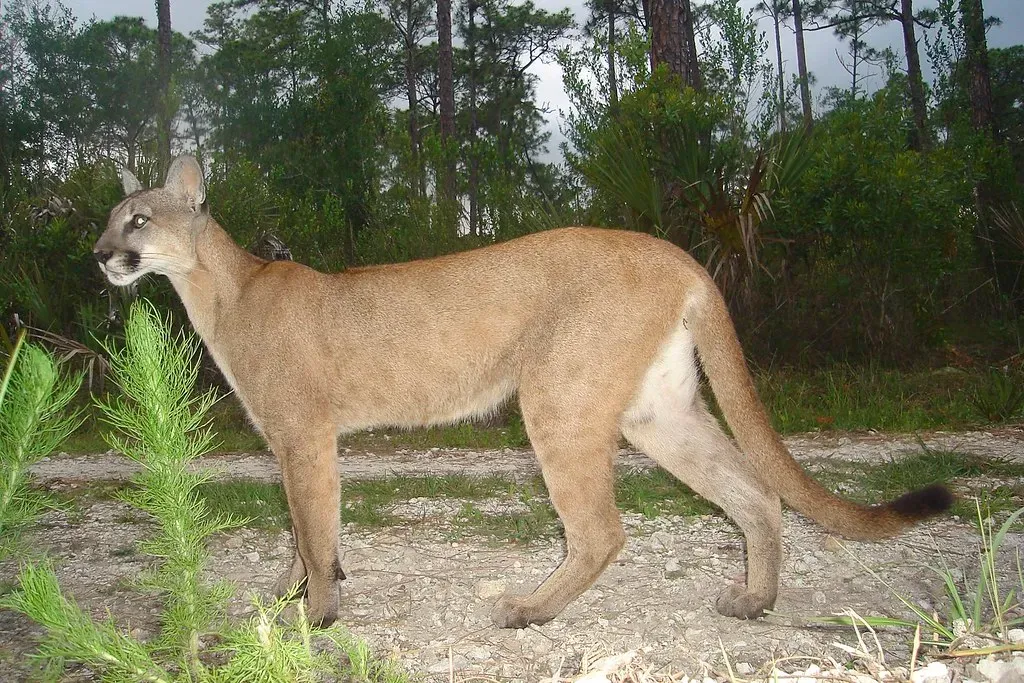
You might hear about a single panther hit by a car and feel an immediate jolt of sadness, because it is sudden and visible. Habitat loss, on the other hand, often creeps right past you in silence: a swamp drained here, a ranch cleared there, a new gated community replacing pine flatwoods. For panthers, which need large territories and quiet corridors to move, every chunk of converted land is another slice taken out of their world. In south and southwest Florida, human population growth has been rapid, with thousands of new residents arriving each month and demanding housing, roads, and services. You may celebrate the convenience of a new shopping center without realizing it once sat on land that linked panther habitats between protected areas. Over decades, the result is a jigsaw of isolated natural fragments, where a wide‑ranging predator struggles to find space, prey, and mates without bumping into people at every turn.
7. Even After Rescue, Genetic Health Needs Constant Attention
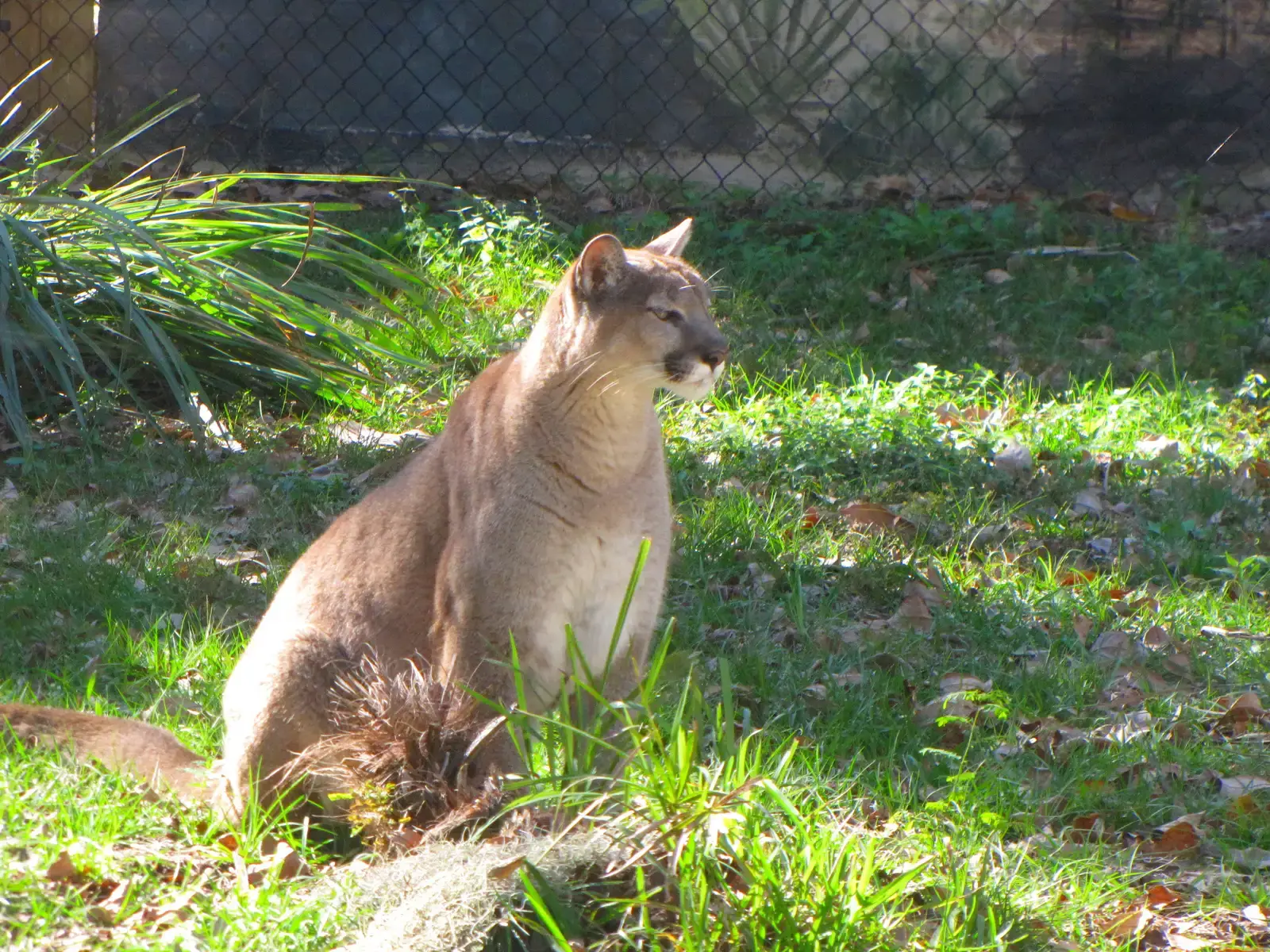
You might assume that once those Texas females did their job, the genetic problem was “fixed,” but evolution does not work on a set‑and‑forget setting. The Florida panther is still a single, isolated population, so unless you maintain gene flow in some way, the same forces that caused inbreeding before can start creeping back in. That means you need ongoing monitoring of genetic diversity, health indicators, and physical defects. Researchers track things like tail shape, heart function, reproductive success, and overall survival to see whether the gene pool is holding up or sliding backward. As you look to the future, conservation planners are already thinking about the possibility of another round of genetic rescue or managed gene exchange if warning signs appear again. In practical terms, that means you’re not just trying to save individual cats; you are trying to manage a living, evolving lineage that can adapt and stay healthy over generations.
8. Panthers Shape The Ecosystem You Depend On
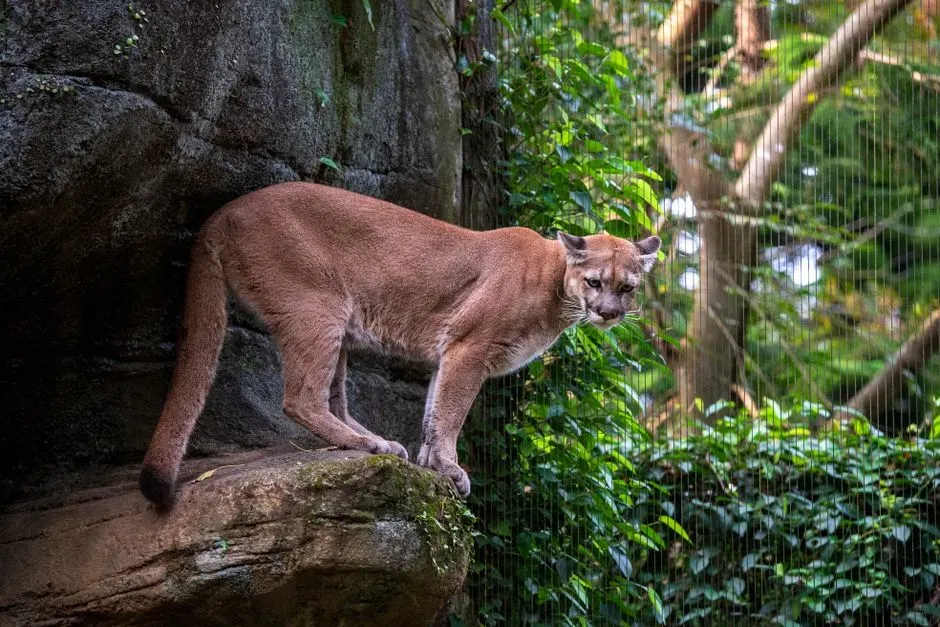
It’s easy to see panther conservation as a niche cause, something separate from your everyday concerns, but these cats are part of the same system that purifies your water and buffers your coastlines. As top predators, panthers help keep deer and wild hog populations in check, which can influence vegetation, wetlands, and even how other species use the landscape. If you remove or weaken that top predator, the effects can ripple through the food web in ways that eventually land back in your lap. Protected panther habitat in places like the Everglades and Big Cypress also protects wetlands that store floodwater, filter pollutants, and support fisheries. When you think about hurricane storm surges, clean drinking water, or even outdoor recreation, you are indirectly benefiting from intact ecosystems that panthers share. In a sense, when you help secure room for them to roam, you’re also voting for your own long‑term safety and quality of life.
9. Your Choices And Your Voice Really Do Matter
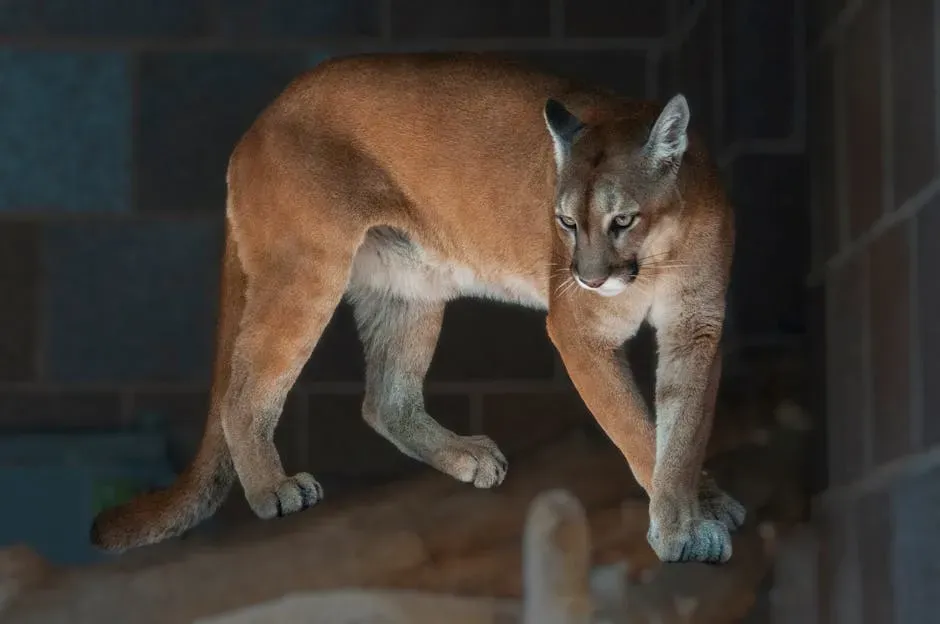
You might feel small compared to a sprawling conservation challenge like this, but you actually hold more power than you think. The neighborhoods you support, the candidates you vote for, the local road projects you speak up about, and the organizations you donate to all shape Florida panther country. When enough people push for wildlife crossings, smarter development, and strong protections for remaining habitat, decision‑makers notice. You can also change the culture around you by how you talk about panthers. If you live in or visit rural parts of Florida, sharing accurate information about these animals – how rarely they pose a threat to people, how vital they are to the ecosystem, and how fragile their recovery still is – helps lower fear and resentment. Instead of seeing the panther as an unwanted obstacle, you can help others see it as a shared responsibility and a point of pride that this animal still survives in your state.
10. Recovery Is Real, But The Finish Line Is Still Far Away
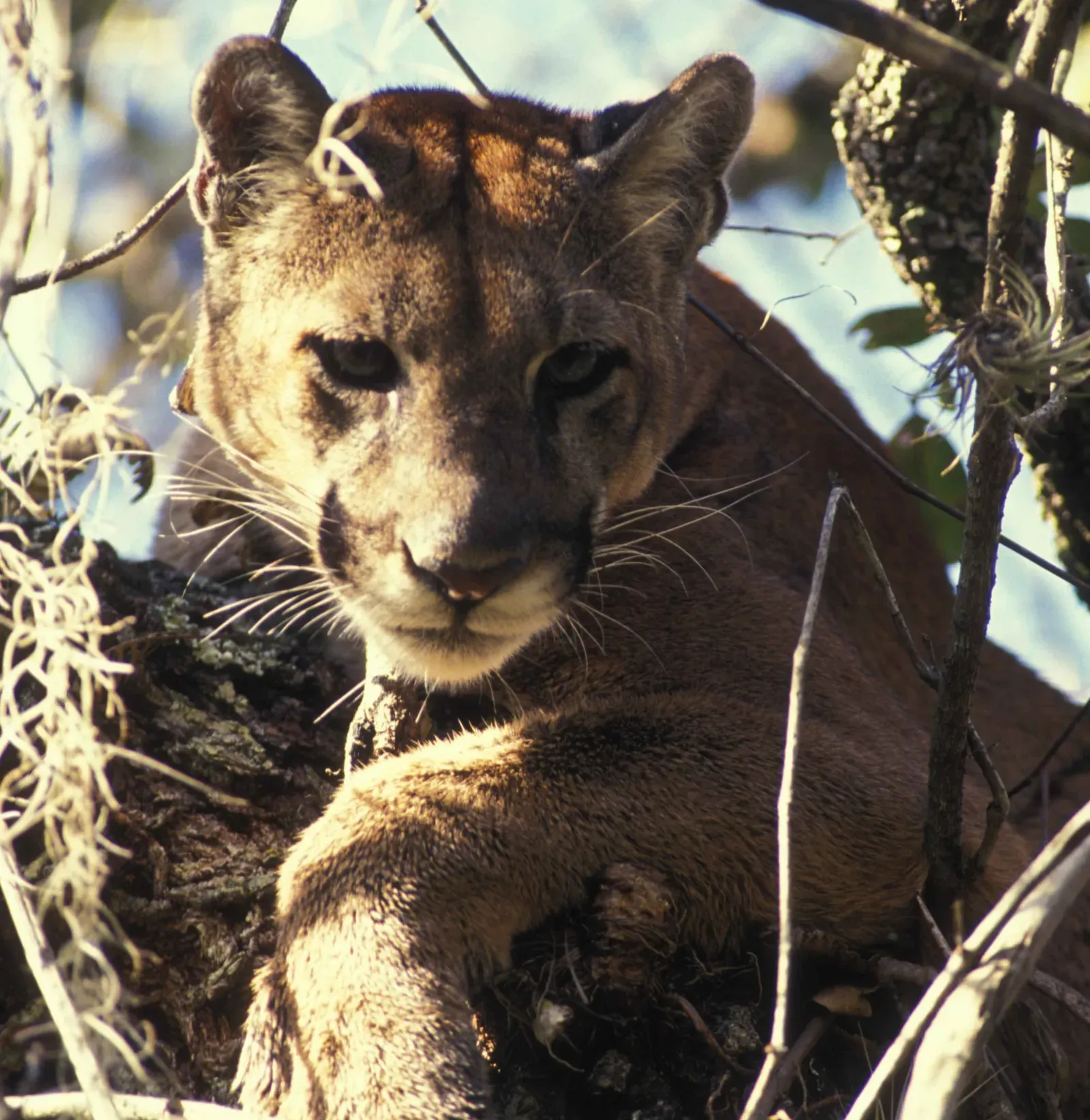
It is tempting to look at the growth from a few dozen to a few hundred panthers and declare victory, but if you do that, you risk losing the very ground that has been gained. The cats are still officially endangered, still limited to a fraction of their historic range, and still squeezed by expanding development and deadly roads. At this point, you are not celebrating a completed recovery; you are guarding a fragile, hard‑won foothold. For true security, panthers will likely need additional populations established elsewhere in their former range, stronger habitat connections, and long‑term commitments to coexistence from the people who live there. That kind of future is absolutely possible, but it is not guaranteed, and it depends on decisions being made right now, not in some vague future. You are living in the chapter where the outcome is still being written, which makes your attention and your choices far more important than you might have imagined.
In the end, the Florida panther’s fragile recovery is really a mirror held up to you. It reflects how willing you are to share space, to slow down on a dark road, to speak up for wild places when it is inconvenient. If a handful of injured, inbred cats could rebound with a little help, imagine what they – and you – could achieve with sustained, thoughtful support. When you picture the swamps and pine forests of Florida a few decades from now, do you hear the silence of what was lost, or can you still see the shadow of a tawny cat slipping between the trees – and which future do you want to claim as yours?