
Most people picture archaeology as a slow, dusty hobby – brushing dirt off old pots, quietly confirming what historians already suspected. That’s the myth. The reality is that every few years, a shovel hits something that forces entire textbooks to be rewritten overnight: a lost king turns up under a parking lot, a human family tree grows branches nobody predicted, a “primitive” society turns out to have built a computer.
These aren’t cute footnotes. They’re the moments when historians had to publicly admit they’d gotten the story wrong – sometimes by centuries, sometimes by an entire timeline of human civilization. Here are 23 discoveries that did exactly that, starting with a corroded lump of bronze that embarrassed an entire field of engineering history.
#23 – The Antikythera Mechanism Proved Ancient Greeks Built Computers
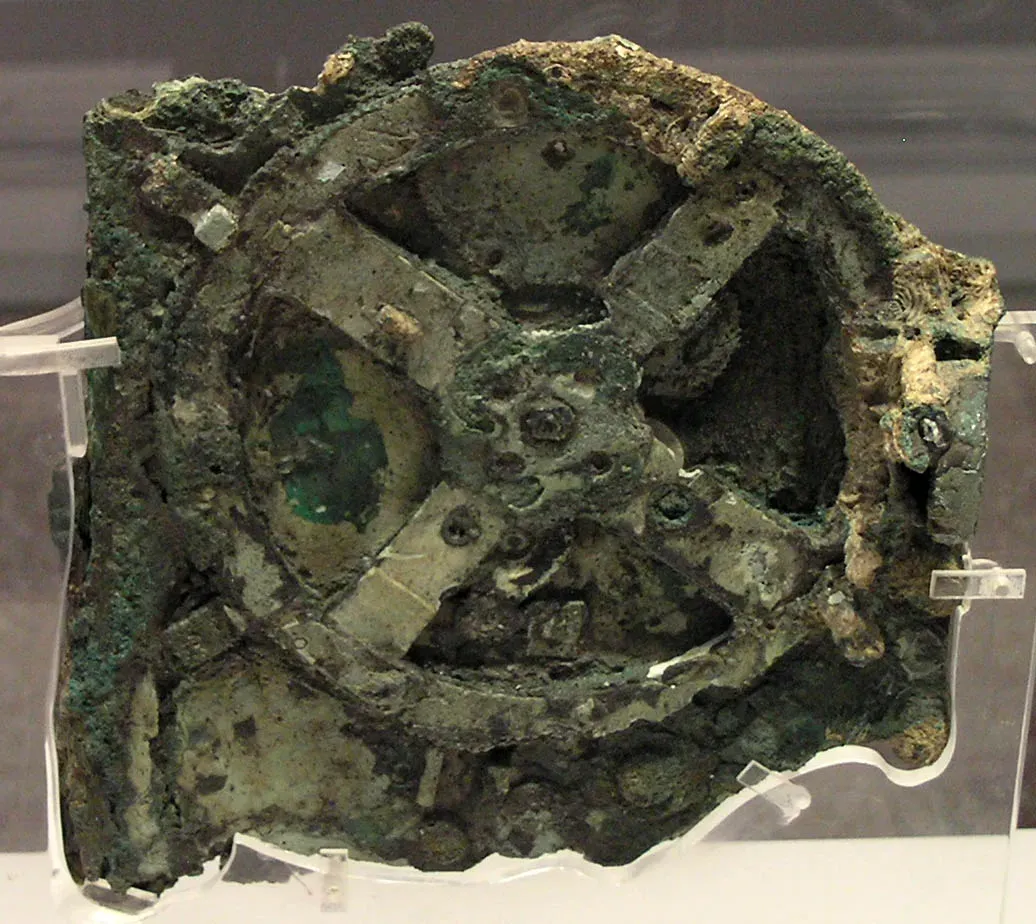
Picture ancient Greece and you probably think togas, philosophy, maybe the Parthenon – not circuit-board-level engineering. Sponge divers fished a corroded lump of bronze out of a shipwreck near a Greek island in 1901, and museum staff filed it away as unremarkable debris for decades.
Then X-rays revealed the truth hiding inside the corrosion: a hand-cranked analog computer with over 30 interlocking gears, built roughly 2,000 years ago to predict eclipses and track planetary positions. Nothing of comparable complexity shows up again in the historical record for over a thousand years. Historians had to quietly admit that “ancient” technology was centuries ahead of every sundial diagram in the textbook.
Fast Facts
- Discovered in 1901 in a shipwreck near the Greek island of Antikythera
- Built around 150-100 BCE, roughly 2,000 years ago
- Contains more than 30 hand-cut bronze gears
- Used to predict eclipses and track planetary positions
- No device of comparable complexity appears again for over 1,000 years
#22 – The Terracotta Army Redefined Ancient Chinese Power
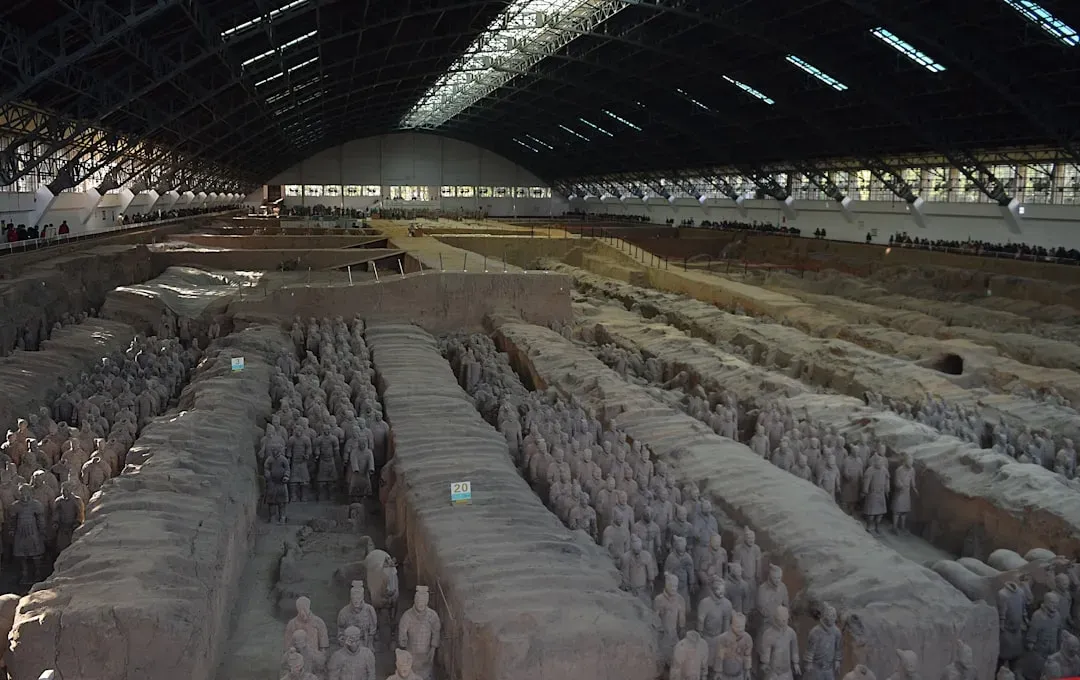
In 1974, a handful of farmers digging a well in China hit something odd a few feet down. It wasn’t rock. It was a clay face.
What they’d stumbled into was one of the most jaw-dropping finds in archaeological history: over 8,000 life-sized clay soldiers, each with individually sculpted facial features, standing guard over the tomb of China’s first emperor, Qin Shi Huang. Textbooks had treated early Chinese dynasties as regionally isolated and modestly resourced – this discovery proved the opposite, revealing an empire that could mobilize hundreds of thousands of laborers for a single funerary project. Excavations are still ongoing, and the emperor’s actual tomb chamber, rumored to hold rivers of liquid mercury, remains deliberately unopened to this day.
#21 – Sutton Hoo Rewrote the “Dark Ages” in Britain
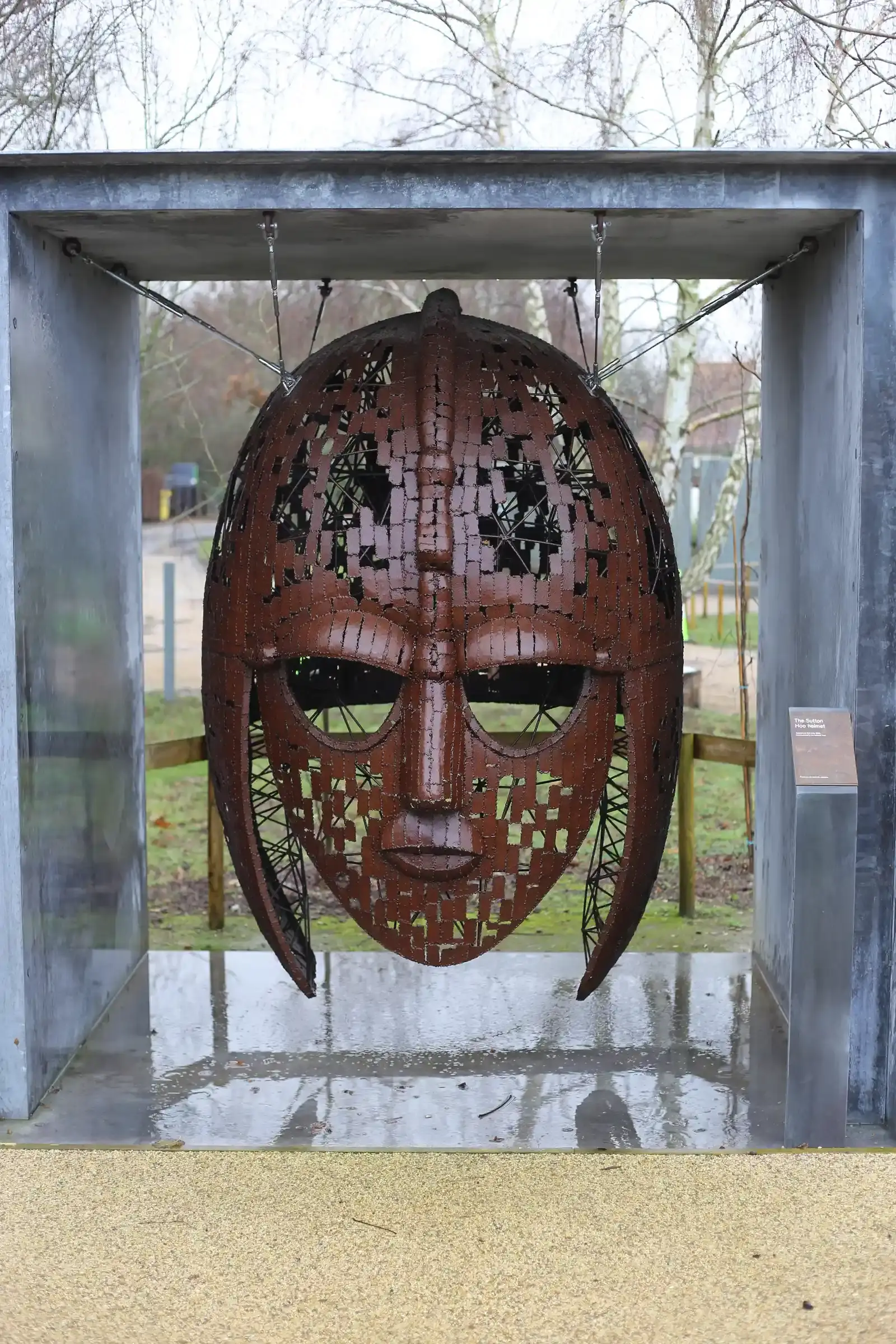
Historians used to call early medieval England the “Dark Ages” for a reason – written records were scarce, so the working theory was that culture itself had collapsed after the Romans left. Then, in 1939, an excavation in Suffolk found an entire ship burial packed with gold jewelry, a ceremonial helmet, and Byzantine silverware.
The craftsmanship rivaled anything being produced in continental Europe at the time, buried alongside an Anglo-Saxon king. Suddenly the “dark” in Dark Ages looked less like cultural collapse and more like an absence of surviving paperwork. Sutton Hoo forced historians to admit early medieval Britain was wealthier, more connected, and more artistically ambitious than anyone had been teaching.
#20 – The Dead Sea Scrolls Challenged Biblical Text History
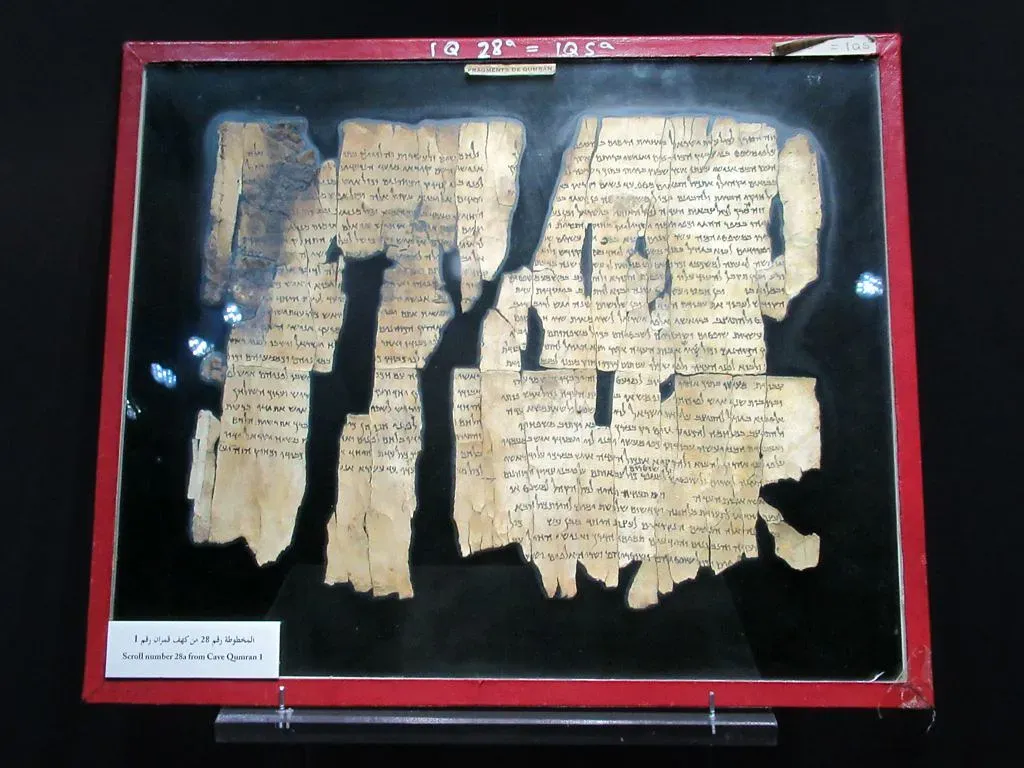
For centuries, scholars worked off biblical manuscripts that were, at best, a thousand years removed from the events they described. Then, starting in 1947, shepherds and archaeologists began pulling scrolls out of caves near the Dead Sea that were over 2,000 years old – centuries older than any biblical text previously known.
The scrolls revealed something uncomfortable: ancient scribes were working from multiple, sometimes conflicting versions of scripture circulating at the same time. That undermined the tidy idea of a single, unchanged sacred text passed down in a straight line. Religious historians had to rebuild entire theories about how these texts evolved, and the scrolls remain one of the most argued-over discoveries in the field.
#19 – Nazca Lines Proved Ancient Engineering Without Modern Tools
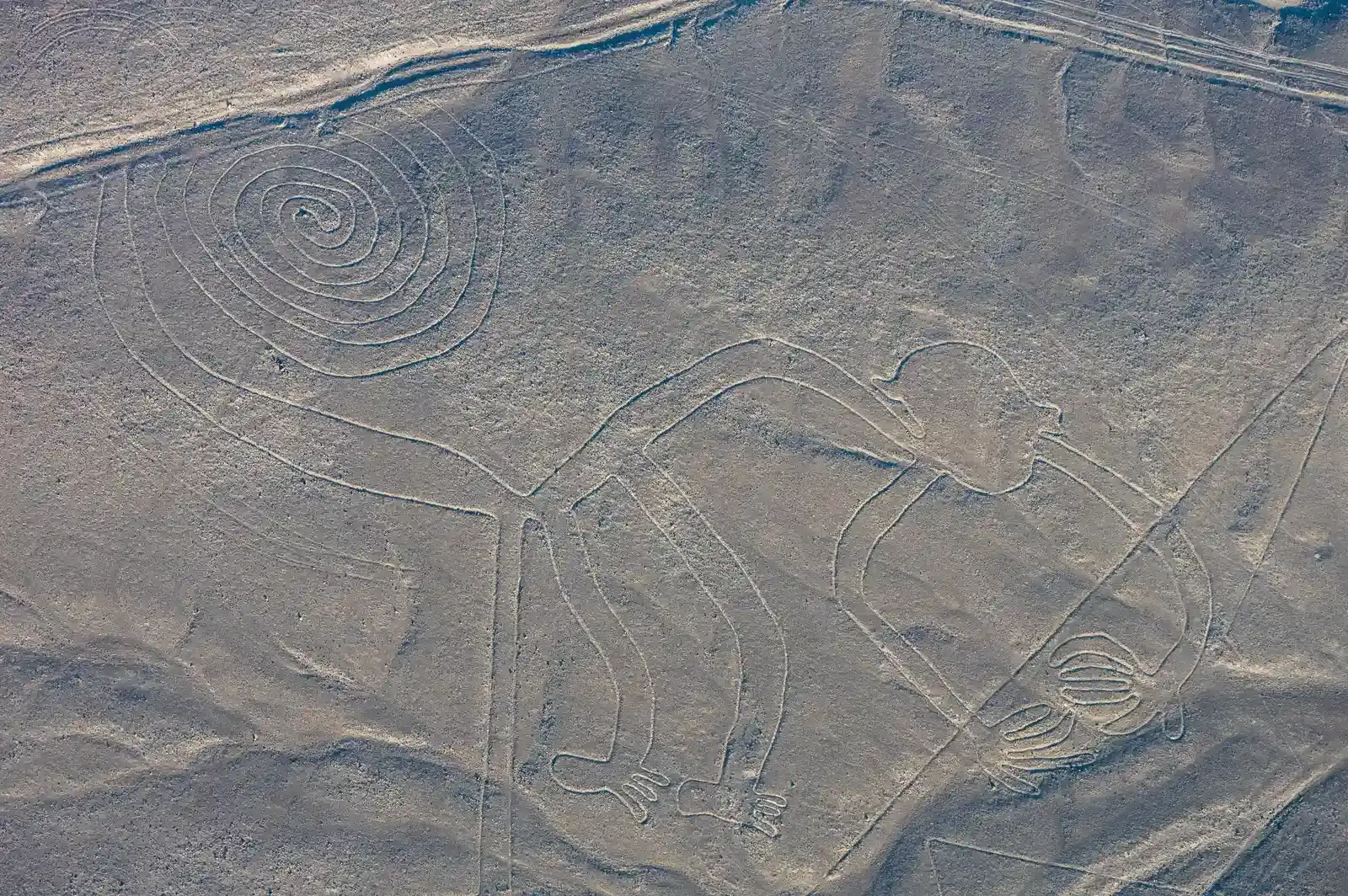
Best known today for conspiracy theories, the real story behind these giant desert etchings in Peru is arguably stranger than the alien rumors. Created between roughly 500 BCE and 500 CE, the lines depict animals, plants, and geometric shapes stretching hundreds of feet across the ground – fully visible only from the air.
The people who made them had no aircraft, no drones, and no elevated vantage point, yet the proportions are remarkably precise. Archaeologists now believe simple surveying stakes and rope grids were used to scale up smaller sketches into massive line drawings. The lines forced textbooks to stop underestimating the mathematical sophistication of pre-Columbian societies.
#18 – The Rosetta Stone Unlocked an Entire Lost Language
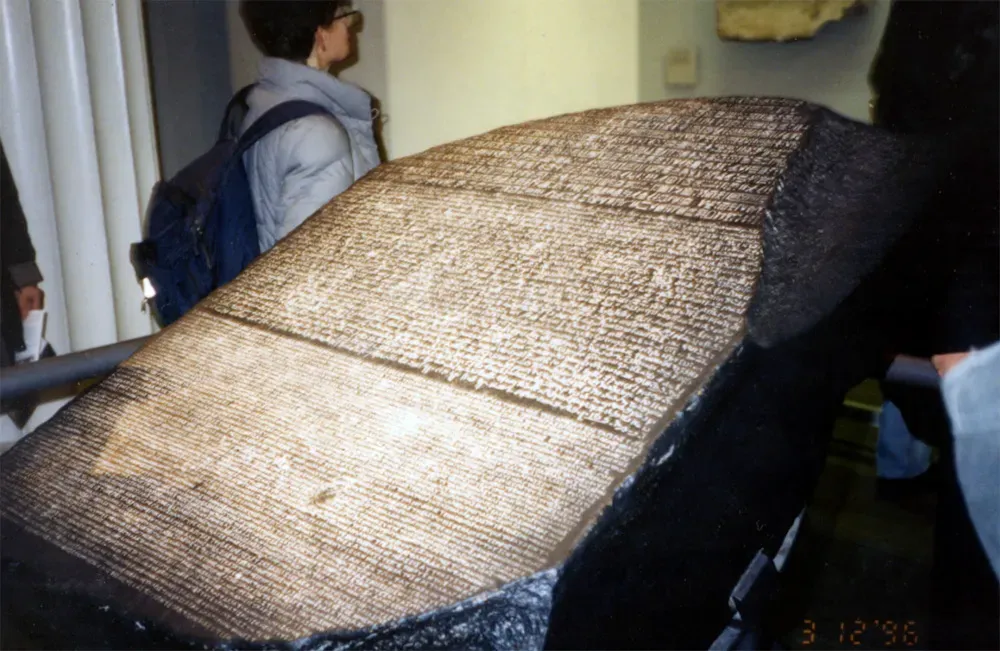
Before 1799, Egyptian hieroglyphics were an unsolvable puzzle – thousands of years of history sitting unreadable on temple walls. Then a French soldier near the town of Rosetta found a slab of stone carrying the same decree written in three scripts, one of them Ancient Greek.
Scholars finally had a translation key. Within decades, Jean-Francois Champollion cracked the code, opening the door to reading pharaohs’ own words for the first time in centuries. Entire fields of Egyptology exist because of this one slab – without it, most of what we “know” about ancient Egypt would still be educated guesswork.
#17 – Sanxingdui’s Bronzes Rewrote Ancient Chinese Civilization
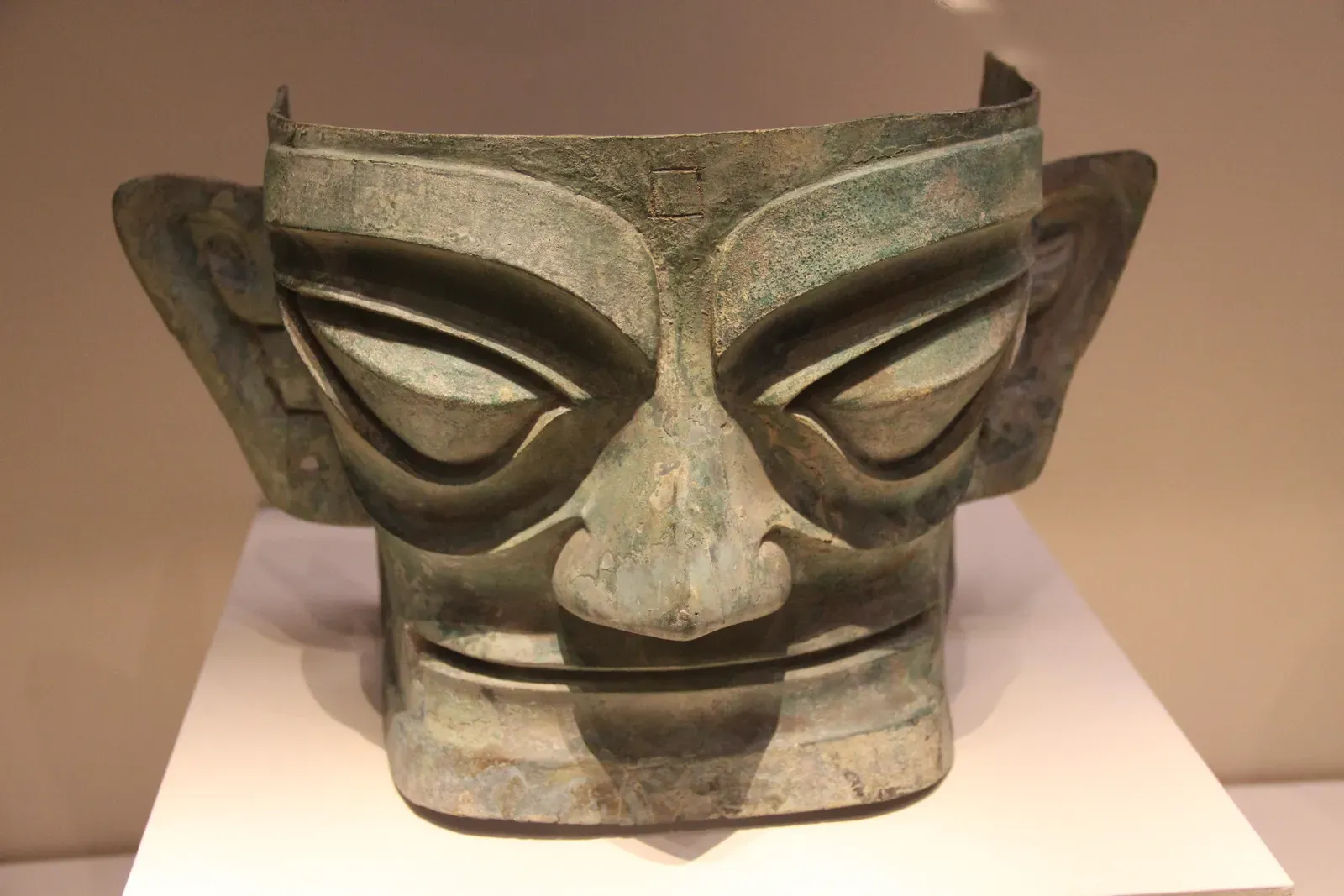
For decades, textbooks taught that Chinese civilization developed along a single cultural lineage centered on the Yellow River. Then farmers in Sichuan province stumbled onto a site full of bizarre bronze masks with exaggerated, alien-like features and protruding eyes, dated to roughly 1200 BCE.
That’s centuries before anyone expected such sophisticated metalwork in that region, and the artifacts didn’t match any known Chinese artistic tradition of the time. That suggests a previously unrecognized, independently advanced culture existed alongside the dynasties historians already knew about. Ongoing excavations keep turning up new pits of bronze, gold, and ivory – proof that ancient China was never one tidy timeline.
#16 – Carbonized Herculaneum Scrolls Are Being Read Without Opening Them
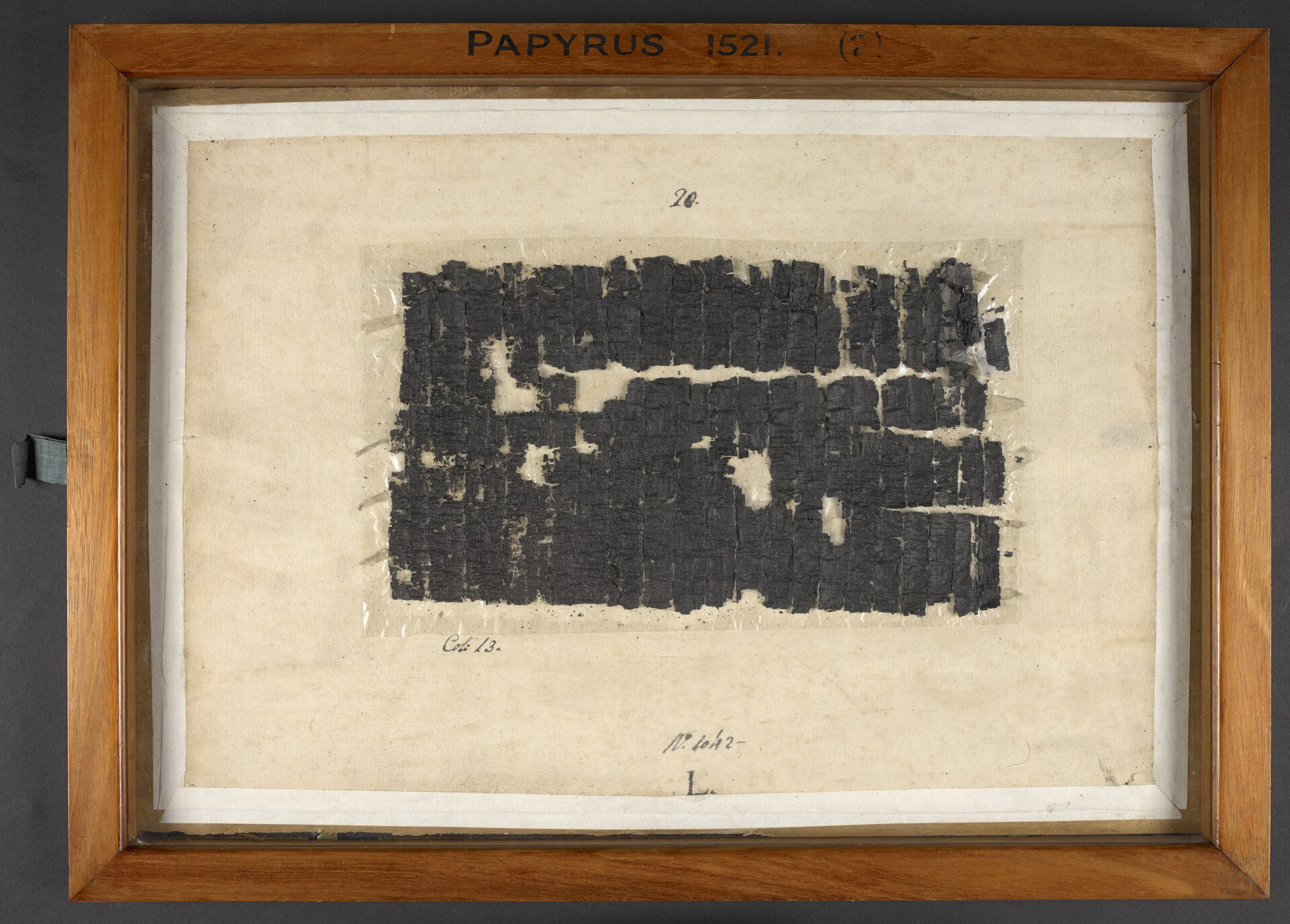
When Mount Vesuvius buried the town of Herculaneum in 79 CE, it also carbonized an entire library of papyrus scrolls, turning them into fragile, unreadable logs of charcoal. For centuries, scholars assumed whatever texts survived inside were lost forever, too brittle to unroll without crumbling to dust.
Recently, researchers have used CT scanning and machine learning to virtually “unroll” the scrolls without ever touching them, reading ink patterns hidden inside the carbon. Ancient philosophical texts once presumed permanently destroyed are now being recovered letter by letter. It’s forcing classicists to reconsider how much of the ancient literary world was actually lost, versus simply unreadable until now.
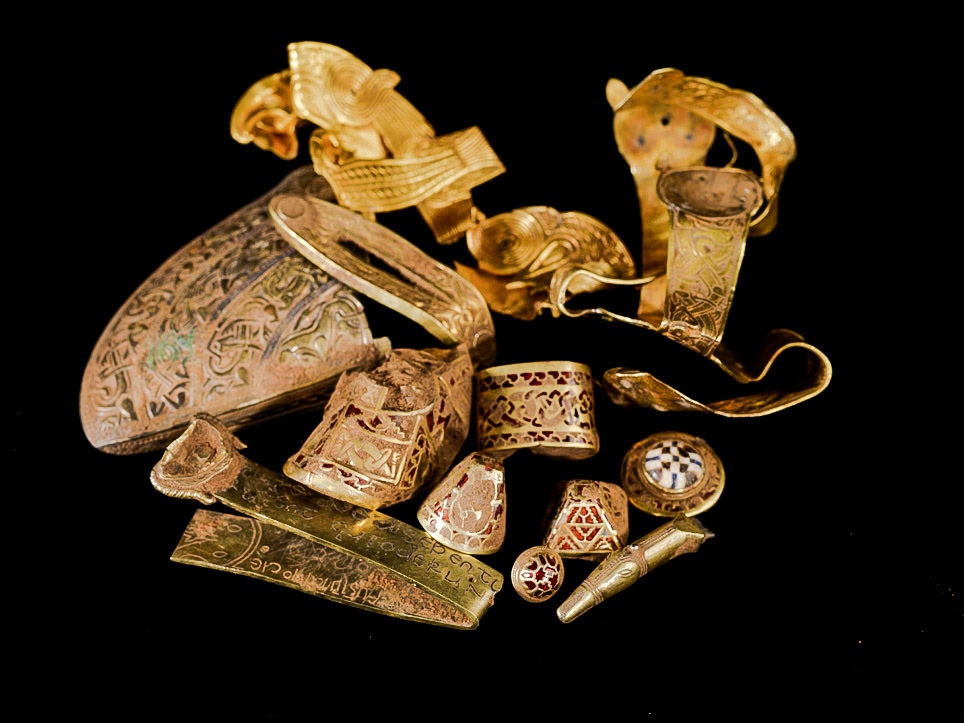
#15 – The Staffordshire Hoard Rewrote Anglo-Saxon Wealth Estimates
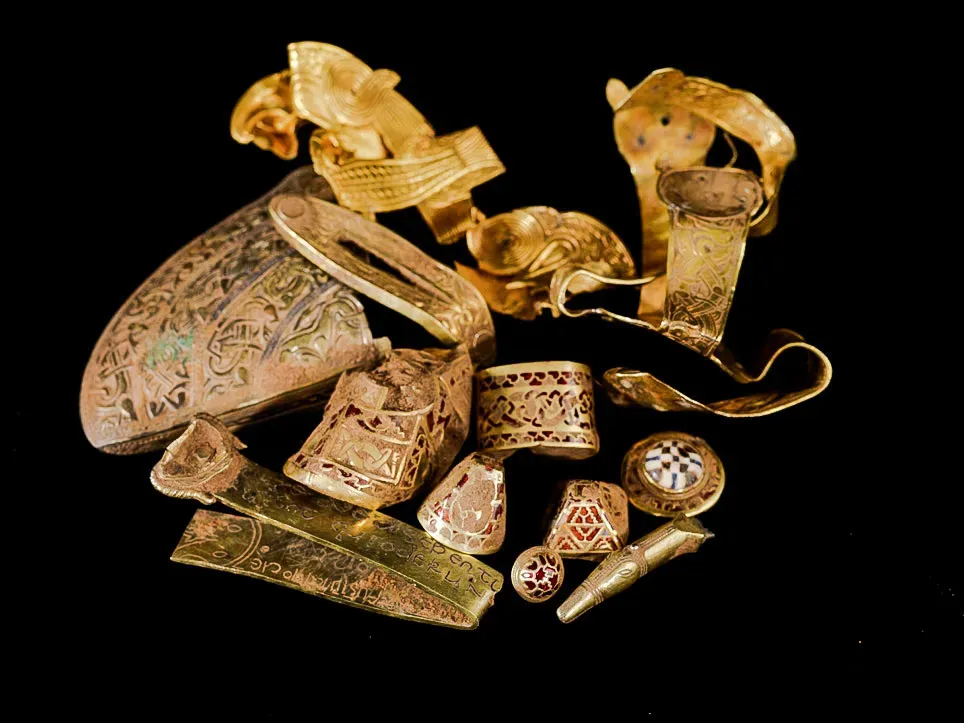
In 2009, a metal detectorist in an English field stumbled onto the largest hoard of Anglo-Saxon gold ever found. Over 4,000 pieces of intricately worked gold and silver war gear came out of the soil – almost entirely military, with no domestic items like jewelry or tableware.
Historians had drastically underestimated how much precious metal circulated in early medieval warrior culture. The craftsmanship also pointed to far more organized, skilled metalworking guilds than textbooks had ever credited to this supposedly “primitive” era. Nobody is even sure why so much valuable war gear was buried and never reclaimed.
#14 – Kennewick Man Forced a Rethink on Ancient Migration
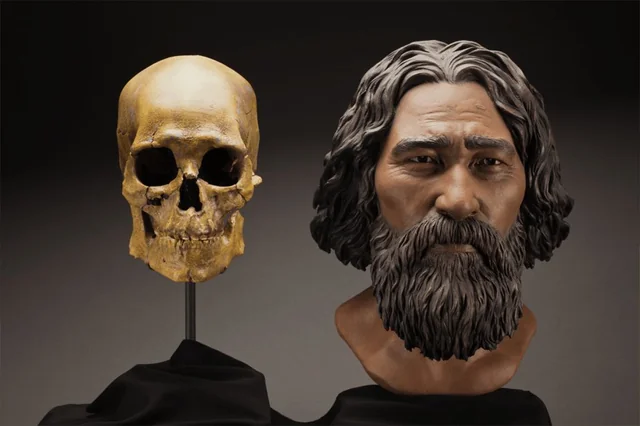
When skeletal remains washed up along the Columbia River in 1996, nobody expected them to trigger a decades-long scientific and legal battle. Early researchers took one look at the skull measurements and suggested the remains, nicknamed Kennewick Man, showed traits atypical of Native American populations – which sparked wild theories about early European contact with the Americas.
Later DNA analysis proved that theory dead wrong: the man was closely related to modern Native American tribes. The case forced anthropologists to publicly reckon with how badly outdated skull-measurement techniques had misled early conclusions about ancient American populations, and it reshaped the protocols for handling Indigenous remains entirely.
#13 – Jamestown’s Buried Evidence Confirmed Colonial Cannibalism
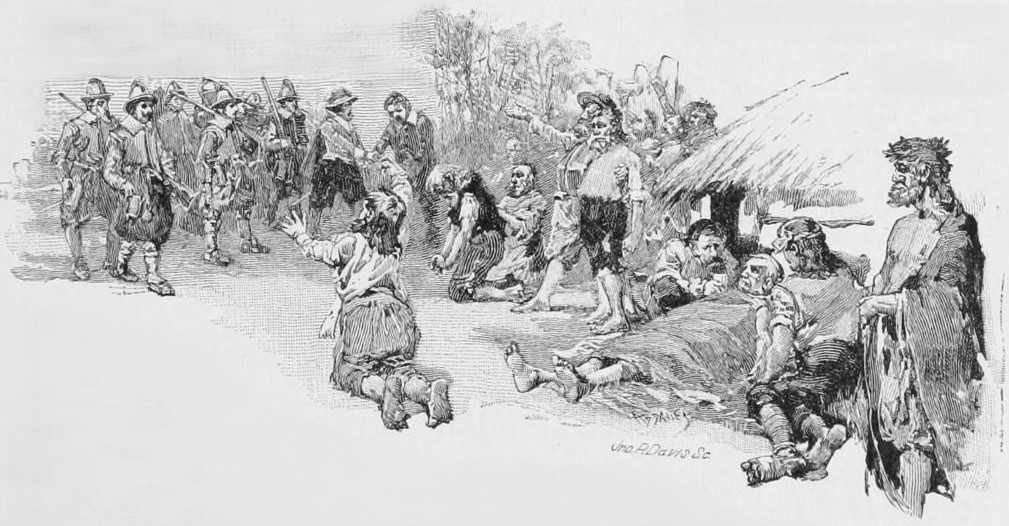
Textbooks used to treat starvation stories from early American colonies as exaggerated folklore, the kind of grim rumor that got softened for schoolbooks. Then archaeologists excavating the Jamestown colony site uncovered the skeletal remains of a teenage girl from the brutal winter of 1609-1610, with clear knife marks consistent with butchery.
Forensic analysis confirmed what colonial diaries had only hinted at: starving settlers had resorted to cannibalism to survive. It was a grim but undeniable correction to a sanitized version of colonial history that generations of students had been handed instead of the truth.
#12 – Schliemann’s Dig Proved Troy Wasn’t Just a Myth
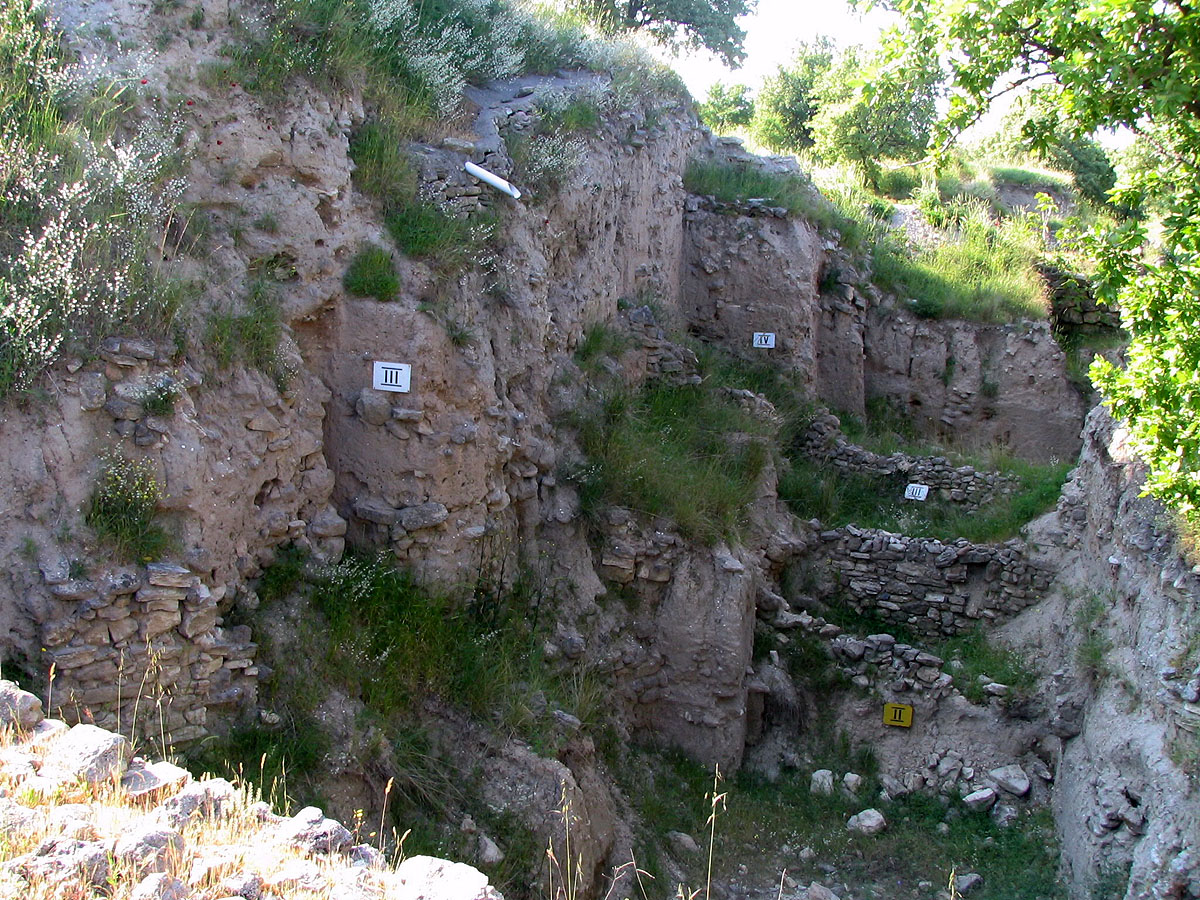
For most of the 19th century, the Trojan War was treated purely as literary fiction – a dramatic backdrop for Homer’s poetry, not real history. Then amateur archaeologist Heinrich Schliemann began digging in the 1870s at a mound in northwestern Turkey called Hisarlik.
What he found was layered city ruins showing repeated destruction and rebuilding, consistent with a city that could plausibly match ancient descriptions of Troy. Schliemann’s methods were reckless – he may have destroyed valuable layers in his rush to find “Priam’s Treasure” – but the dig fundamentally shifted the conversation anyway. Historians could no longer dismiss Homeric geography as pure invention.
#11 – The Royal Tombs of Ur Revealed Shocking Ancient Rituals
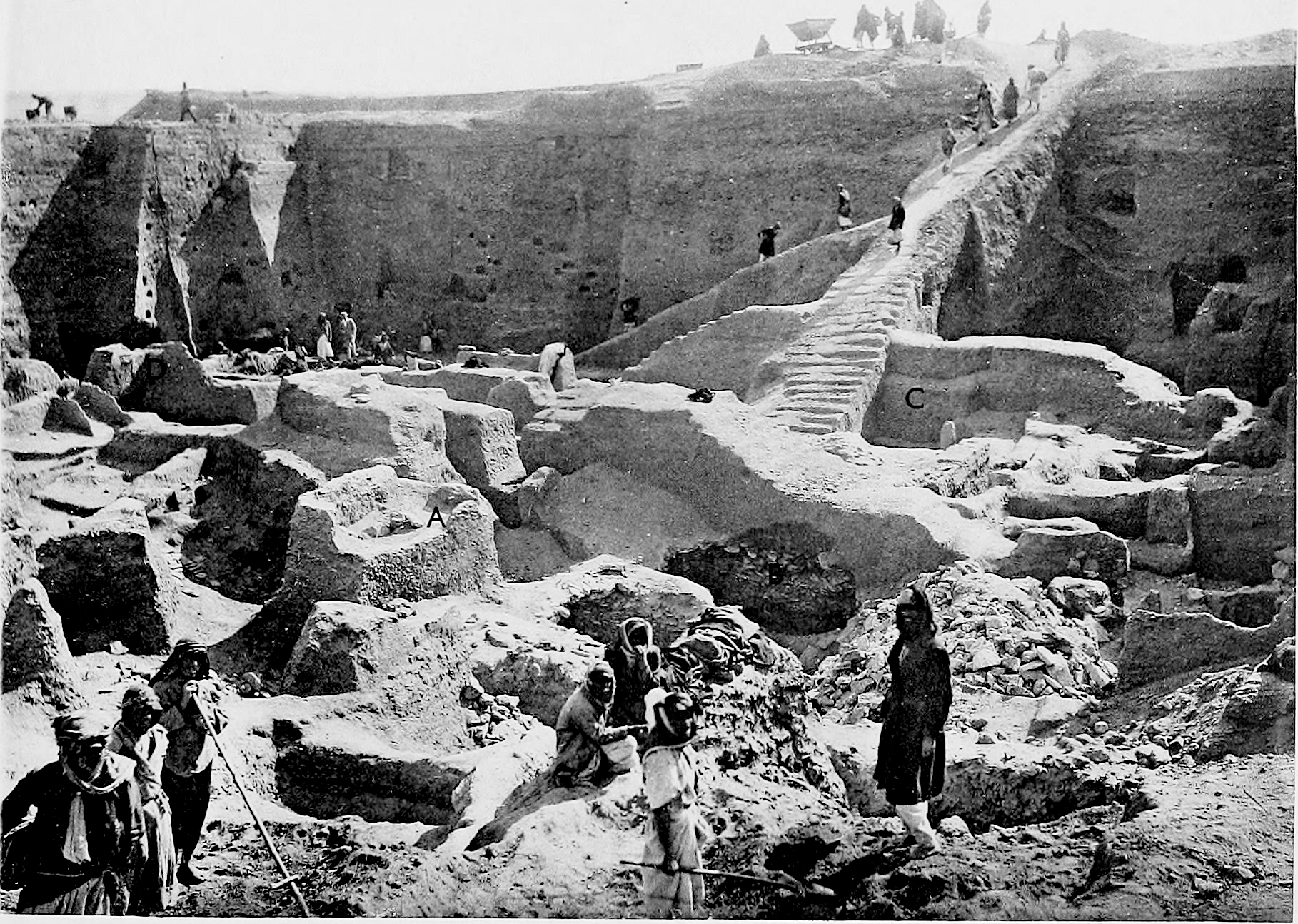
Excavated in the 1920s, the royal tombs of the Sumerian city of Ur revealed a civilization far more organized – and far more brutal – than textbooks had assumed. Alongside dazzling gold headdresses and lyres, archaeologists found dozens of attendants buried alongside their rulers, seemingly as part of an organized mass sacrifice.
This level of ritual human sacrifice was far more extensive than anyone expected from an early Bronze Age society. It forced historians to reconsider just how rigid and ritualized early Mesopotamian social hierarchies really were, and it reshaped how the earliest cities get taught in world history courses today.
#10 – The “Hobbit” Fossil Redrew the Human Family Tree
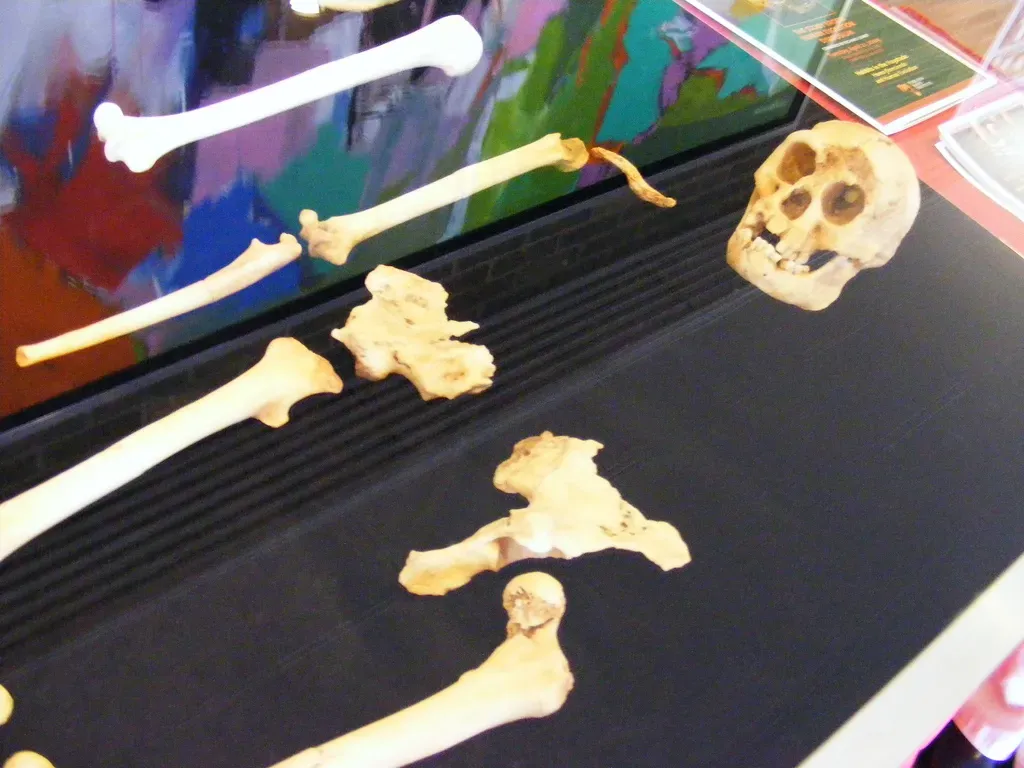
In 2003, researchers digging in a cave on the Indonesian island of Flores found a tiny skeleton that looked, at first glance, like a child. It wasn’t.
It belonged to an adult of a previously unknown human species, standing roughly three feet tall, now known as Homo floresiensis and nicknamed “the Hobbit.” This species appears to have survived until surprisingly recently, overlapping with early modern humans in the region far more than any textbook had allowed for other human species. It shattered the assumption that Homo sapiens had the evolutionary stage entirely to itself by that point, and the debate over its exact classification still hasn’t fully settled.
At a Glance
- Discovered in 2003 at Liang Bua cave on Flores Island, Indonesia
- Stood about 3.5 feet (roughly 1 meter) tall
- Brain size of only 400-425 cubic centimeters, comparable to a chimpanzee
- Fossils and tools date between roughly 100,000 and 50,000 years ago
- More than 100 fossil fragments recovered so far, all from the same cave
#9 – Australopithecus Sediba Blurred the Line to Homo
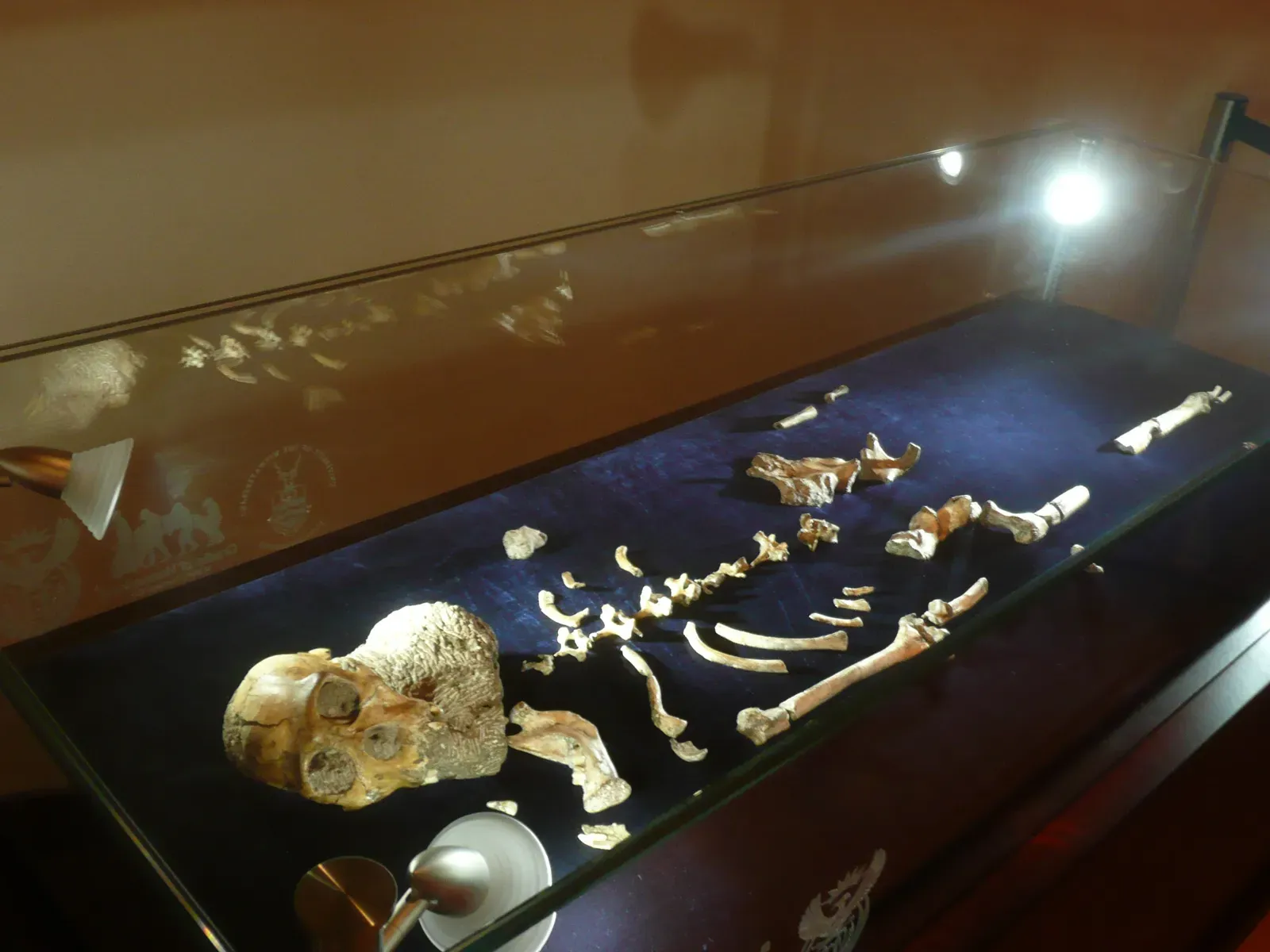
In 2008, a nine-year-old boy exploring a South African cave system with his paleoanthropologist father tripped over a fossil that would upend assumptions about our entire genus. The find, later named Australopithecus sediba, displayed a bizarre mixture of primitive, ape-like traits alongside surprisingly advanced, human-like hand and pelvis structures.
That mosaic of old and new features made it a leading candidate for a transitional species bridging Australopithecus and early Homo. Textbooks had long presented human evolution as a fairly linear staircase; sediba was one of several finds that made clear the real picture looks more like a tangled, branching bush.
#8 – Lucy Proved Upright Walking Came Before Big Brains
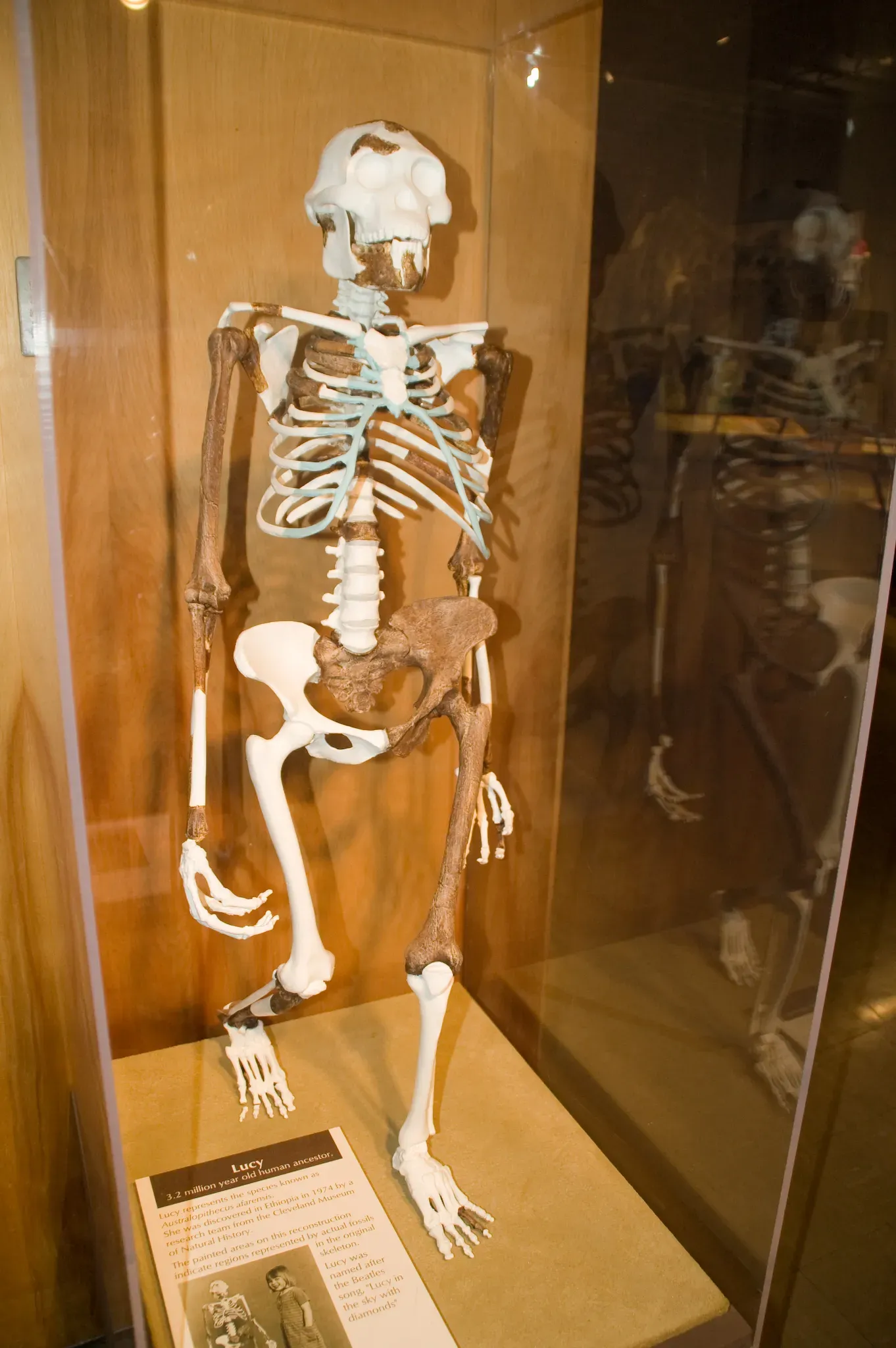
Before 1974, many scientists assumed our ancestors developed large brains first, and upright walking followed as a secondary adaptation. Then a partial skeleton nicknamed “Lucy” turned up in Ethiopia – a 3.2-million-year-old Australopithecus afarensis with a small, ape-sized brain but clear evidence of habitual upright walking.
That completely reversed the assumed order of human evolution. Bipedalism, it turned out, came long before the brain size expansion associated with later Homo species. Lucy remains one of the most cited fossils in every introductory anthropology textbook precisely because she forced that sequence to be rewritten from scratch.
#7 – The Indus Valley Civilization Exposed a Forgotten Superpower
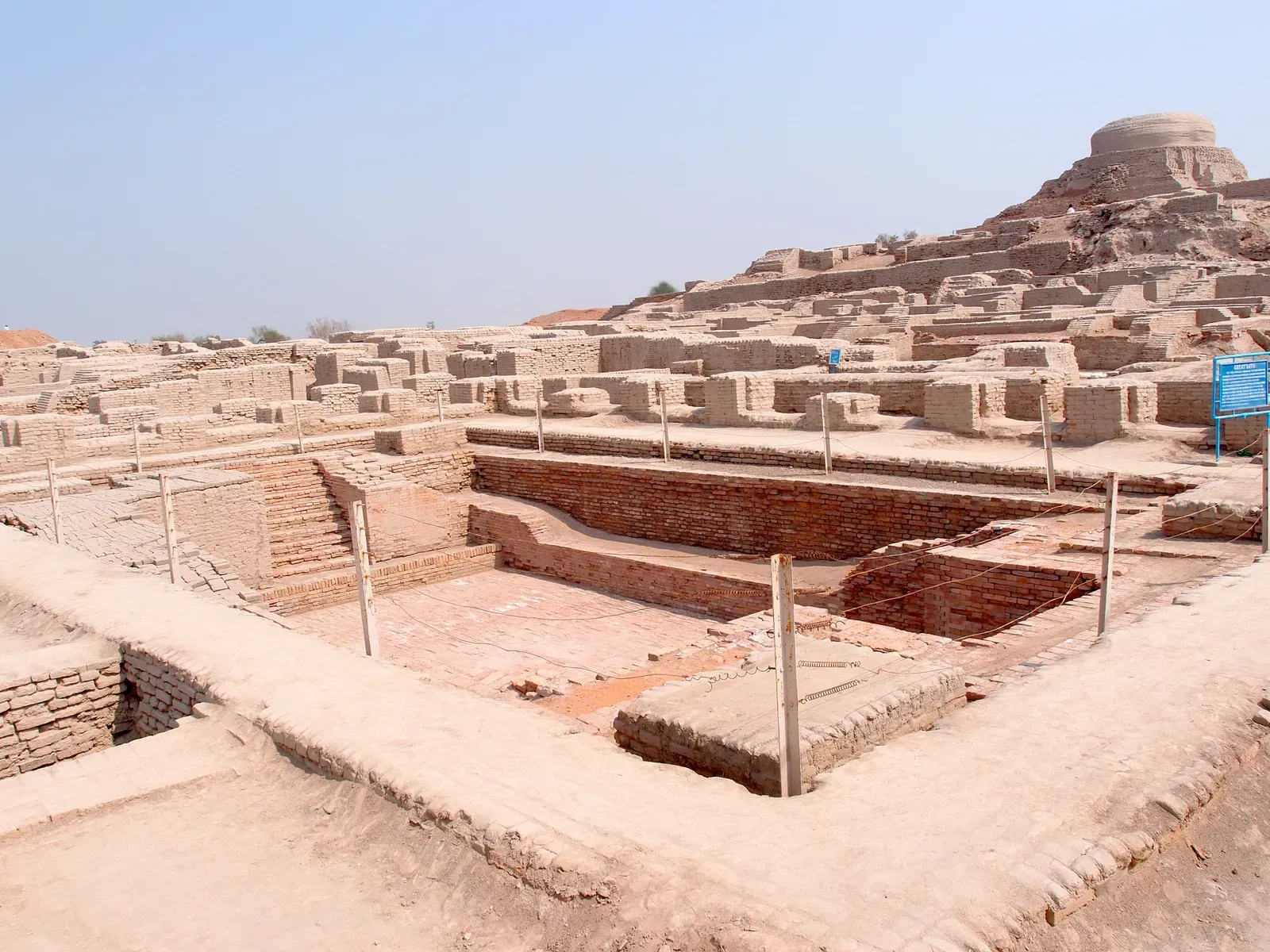
For much of the 19th century, historians treated ancient India as a cultural latecomer compared to Egypt and Mesopotamia. Excavations at Harappa and Mohenjo-daro in the 1920s blew that assumption apart, revealing a sprawling Bronze Age civilization with standardized brick sizes, sophisticated drainage systems, and organized city grids.
In some respects, the sanitation was more advanced than what many European cities had thousands of years later. Yet its writing system remains undeciphered to this day, meaning we still don’t fully understand how this civilization governed itself or what its people even called their own cities. It was a humbling reminder that “advanced ancient civilization” was never a club reserved for the usual few names.
#6 – Jericho’s Walls Pushed Back the Start of Cities
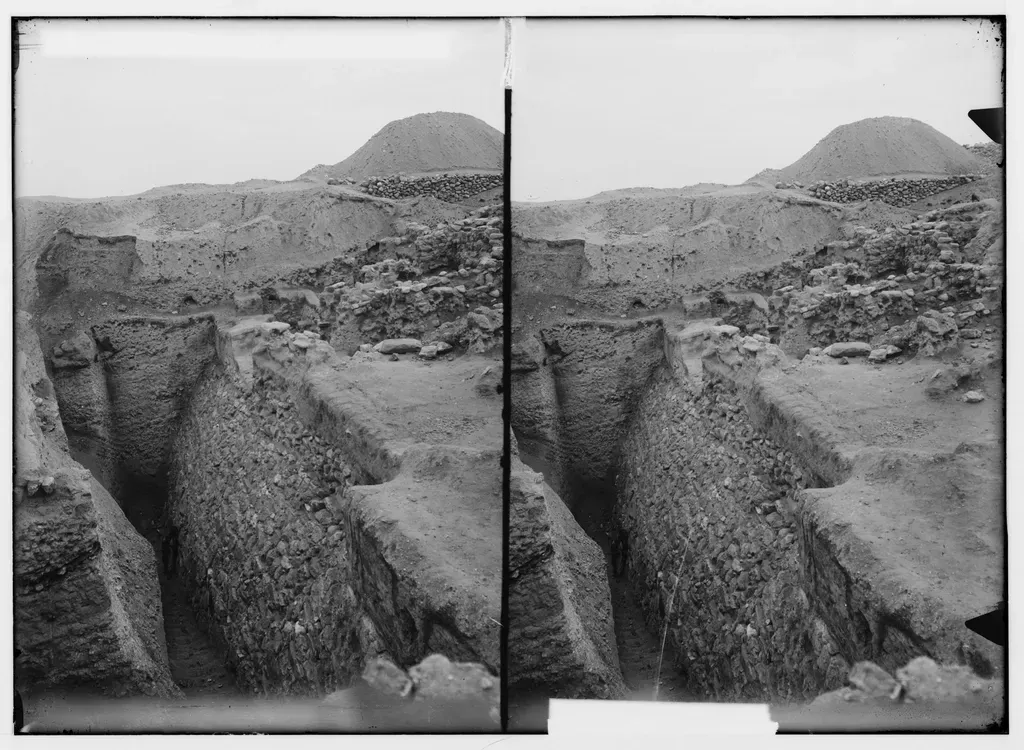
Jericho shows up often in religious texts, but its archaeological reality is arguably stranger than the story most people know. Excavations revealed stone fortification walls and a tower dating back roughly 10,000 years, making it one of the oldest known walled settlements on Earth.
That predates the widely assumed starting point for organized city life by thousands of years. This discovery, alongside sites like Gobekli Tepe, contributed to a broader rethink about when humans actually transitioned from small bands to defended, permanent settlements. It’s still a controversial pick among some archaeologists, who argue the “walls” may have served flood-control purposes rather than defense – an argument nobody has fully settled.
#5 – A Parking Lot Skeleton Turned Out to Be a Lost King
![#5 - A Parking Lot Skeleton Turned Out to Be a Lost King (‘The king in the car park’: new light on the death and burial of Richard III in the Grey Friars church, Leicester, in 1485, taken from [1], CC BY 4.0)](https://nvmwebsites-budwg5g9avh3epea.z03.azurefd.net/dws/c44785634cf78ae9c3712a95a9c8bed5.webp)
Historians had assumed the remains of England’s King Richard III were long destroyed, possibly thrown into a river centuries ago after his defeat at the Battle of Bosworth in 1485. Then, in 2012, researchers began digging under a Leicester council car park based on painstaking historical detective work – and on the very first day, they hit a human skeleton.
The man had been in his thirties, showed signs of severe injury and scoliosis, and had probably been killed by a blow from a large blade that penetrated his skull. The age at death matched Richard’s when he fell at 32. DNA testing against distant descendants confirmed it with what researchers later called 99.999% accuracy, and history books had to quietly correct the last resting place of an actual king.
#4 – A Chilean Campsite Blew Up the “Clovis First” Theory
For decades, American textbooks taught a simple, tidy story: the first humans entered the Americas via an ice-free corridor around 13,000 years ago, identifiable by their distinctive “Clovis” stone spear points. Then a site in southern Chile called Monte Verde entered the picture, yielding stone tools, preserved wood, animal bones and skin, a human footprint, edible plant remains, hearths, and natural rope – all radiocarbon dated to about 14,500 years ago.
A site at the southern tip of South America was older than the supposed “first” arrival point in North America, which overturned the consensus that Clovis toolmakers were the first Americans. Monte Verde entered the textbooks as a clear pre-Clovis site in the late 1990s, after archaeologists who had been skeptical of the early dates visited in person and concluded there was no reason to question them. Some researchers still argue over the exact dating today – proof that even “settled” textbook facts can stay contested for decades.
Worth Knowing
- Located in southern Chile, thousands of miles from the assumed entry point into the Americas
- Radiocarbon dated to roughly 14,500 years ago
- Yielded stone tools, hearths, preserved wood, a human footprint, and edible plant remains
- Accepted into the mainstream archaeological record in the late 1990s
- Overturned the “Clovis First” migration model that had been taught for decades
#3 – A Tiny Bone Fragment Proved Two Extinct Humans Had a Child Together
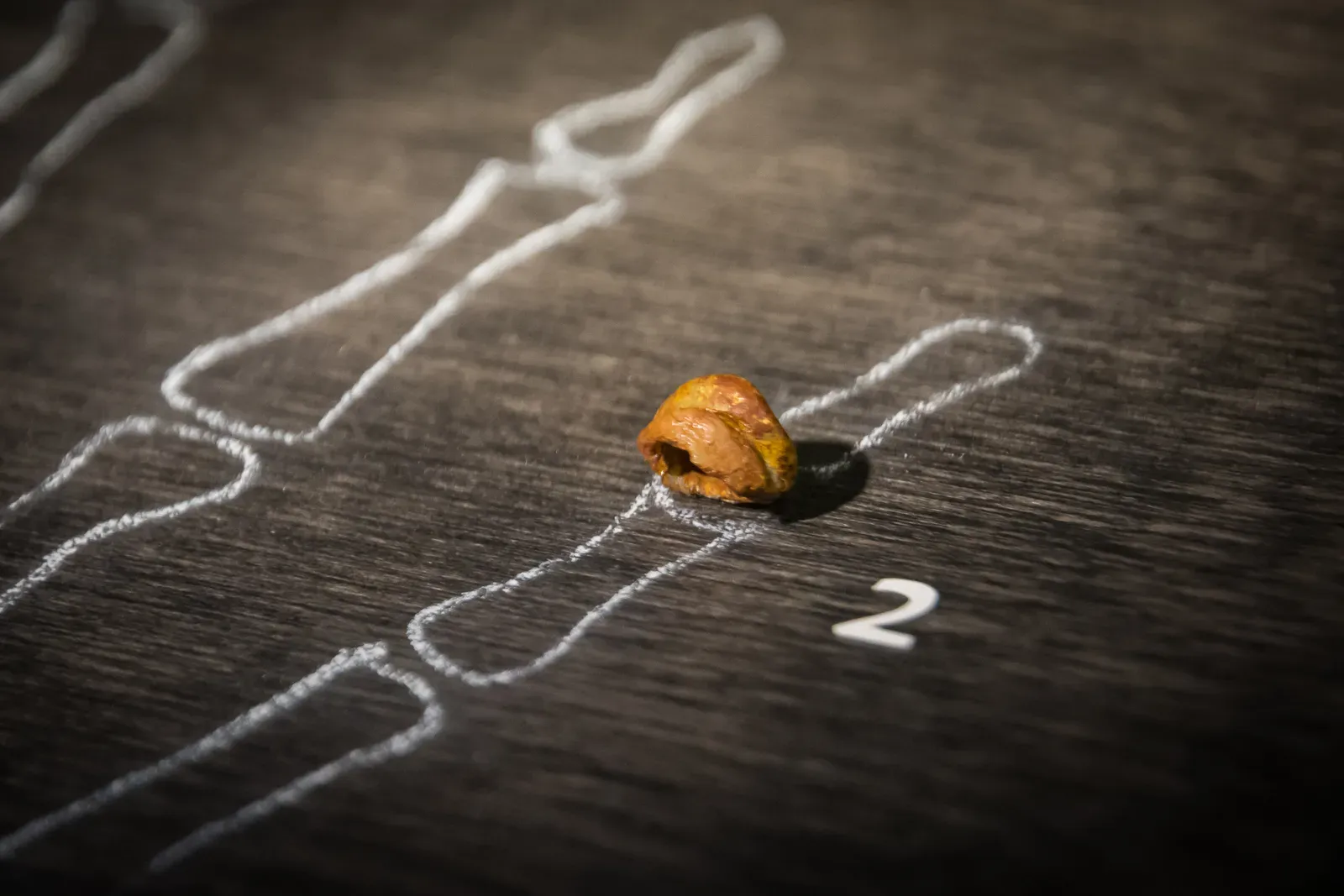
Nobody expected a single sliver of bone to prove that two entirely different species of ancient humans were intimate enough to have children. Denisova 11 is a long bone fragment found in Denisova Cave in 2012, stored in a box of unidentified fragments until protein analysis in 2016 revealed it was human – from a girl, nicknamed Denny, who was at least 13 years old when she died some 90,000 years ago.
Further DNA analysis revealed something researchers had never confirmed before: Denny was the daughter of a Neanderthal and a Denisovan, the first direct evidence of interbreeding between two archaic hominin groups. A single bone chip rewrote the entire narrative of how separate our ancient relatives actually were. Aboriginal Australians today carry up to 5% Denisovan DNA – proof this ancient mixing left a permanent genetic fingerprint on people alive right now.
#2 – Bones in a Cave Suggest Small-Brained Humans Buried Their Dead
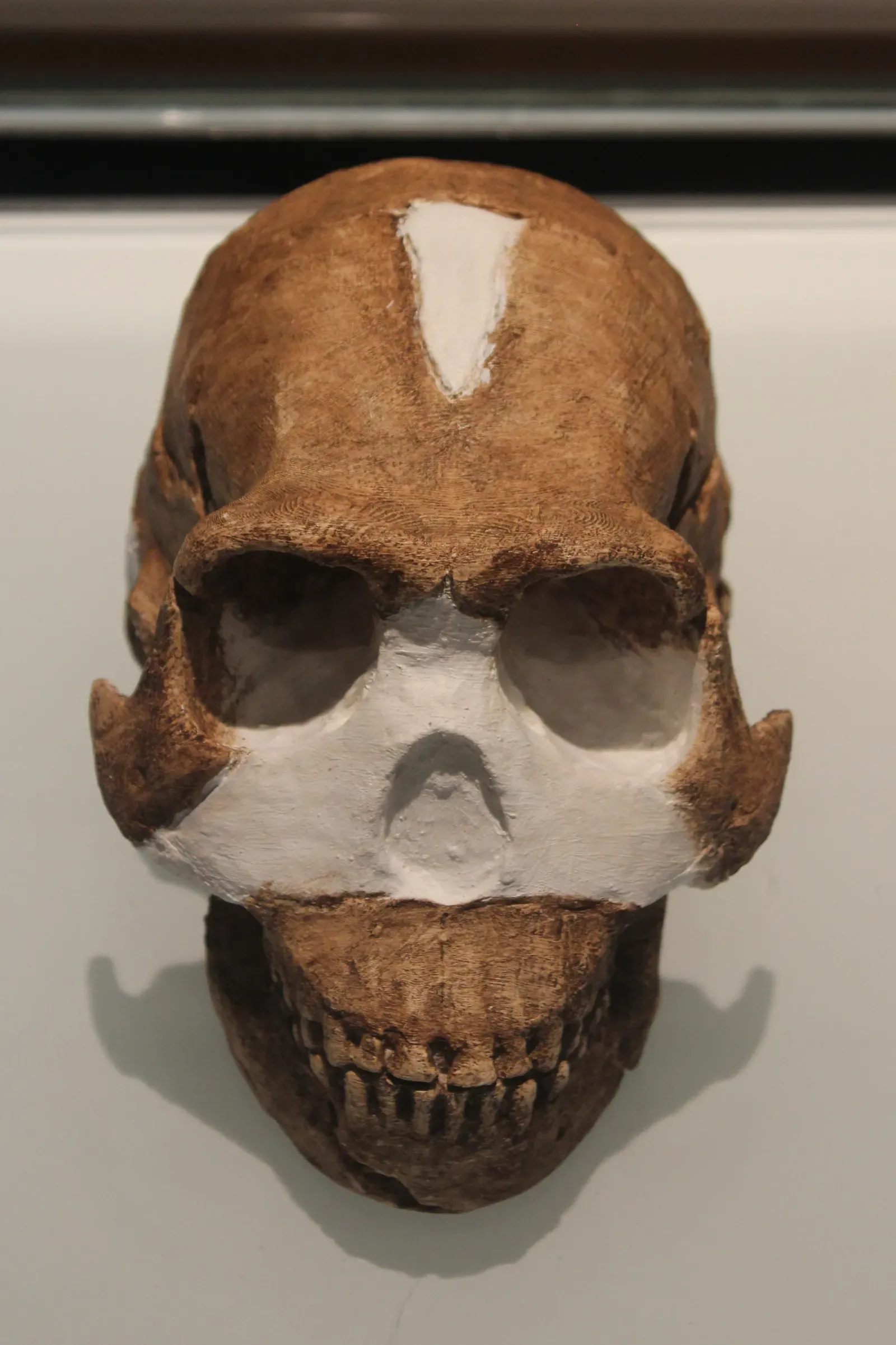
Textbooks have long treated intentional burial and symbolic behavior as a hallmark of “advanced” humans with large brains – something only Homo sapiens or Neanderthals were assumed capable of. In September 2013, two South African cavers squeezed into a remote, unmapped chamber and found the first fossil bones of what’s now called Homo naledi, quickly bringing in paleoanthropologist Lee Berger to organize an excavation of the brutally difficult-to-access Dinaledi Chamber.
Over 1,550 specimens from at least 15 Homo naledi individuals eventually came out of that chamber – the largest collection of a single hominin species ever found in Africa. The twist is that this species had a brain roughly one-third the size of ours, yet researchers now argue it deliberately placed its dead deep inside a nearly inaccessible cave system, alongside early hints of symbolic behavior. Not every scientist agrees, and the debate over whether a small-brained species could produce ritual behavior is still raging.
#1 – Gobekli Tepe Broke the Timeline of Civilization Itself
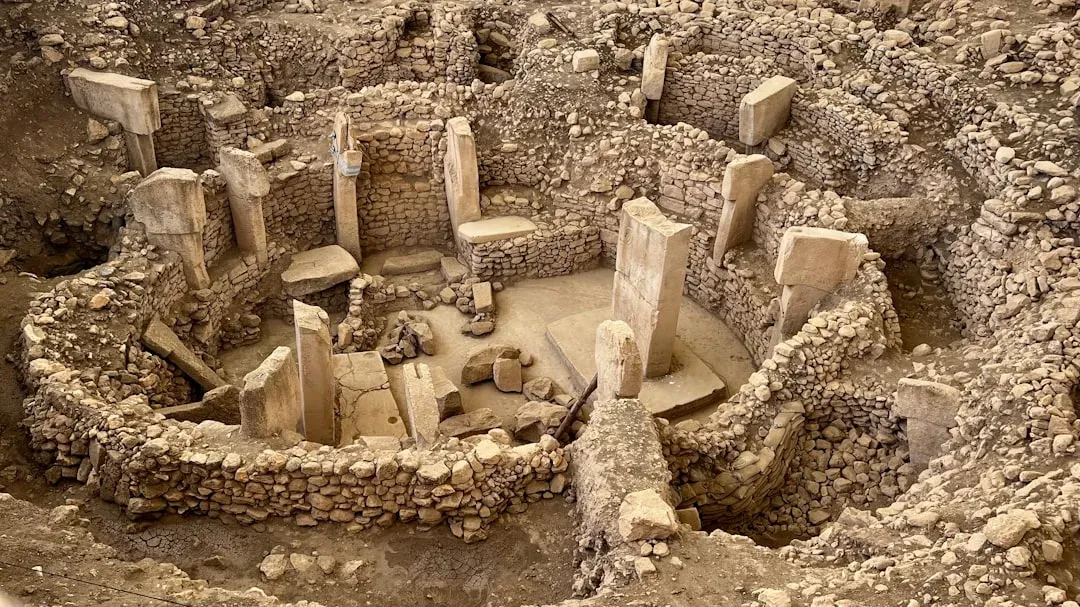
For most of the 20th century, the story of human progress followed one strict order: farming came first, and only after societies had food surpluses did they build monuments, temples, or organized religion. Gobekli Tepe blew that order apart, proving that monumental architecture existed thousands of years before agriculture ever showed up.
Dating back to roughly 9600-8000 BCE, this site is considered one of the world’s oldest known temples, predating Stonehenge by over 6,000 years and the advent of agriculture by several millennia. Hunter-gatherers – people textbooks assumed were too busy surviving to build anything permanent – raised massive carved stone pillars centuries before anyone planted a deliberate crop. Some researchers now think communal religious gatherings here may have driven the shift to farming rather than the other way around, since feeding the crowds who came to build and worship may have pushed people toward domesticating plants and animals in the first place. The site’s importance wasn’t even recognized until German archaeologist Klaus Schmidt began excavating in 1995, decades after it had been dismissed as an unremarkable medieval cemetery.
First came the temple, then the city.
Klaus Schmidt
The Bottom Line
Every discovery on this list shares one uncomfortable theme: the “settled” version of history was never as settled as textbooks pretended. A parking lot hid a king. A bone chip rewrote human relationships. A hillside in Turkey flipped the entire timeline of civilization on its head.
Here’s the opinion part: archaeology doesn’t just dig up objects – it digs up our arrogance about what we thought we already knew, and honestly, that’s the best thing about it. Every “final” textbook chapter is really just a placeholder until someone with a shovel and enough patience proves it wrong. If history feels like a closed book to you, it’s only because nobody’s found the next chapter yet – it’s probably still sitting a few feet underground.