
You’ve probably had that moment when your dog looks at you and you think, there is no way this is “just” an animal. The tilted head when you cry, the excited spin when you come home, the quiet sigh when you leave the room – it all feels deeply personal. Modern research in dog cognition and neuroscience backs up a big part of what you already sense: many dogs are wired to bond with you on a surprisingly emotional level. Scientists have found that dogs process some aspects of voice tone and emotional faces in ways that overlap with how humans do, and that some breeds have been shaped for centuries to tune in to your feelings. Of course, any individual dog can be incredibly sensitive, no matter the pedigree. But if you are especially fascinated by dogs who seem to “get” you, these 12 breeds come up again and again in studies, surveys, and behavioral research as standouts for emotional depth and empathy.
1. Labrador Retriever: The Emotional Mind-Reader

If you live with a Labrador, you already know how tuned-in they can be. Labs are famous for their ability to read your body language, your tone of voice, and even subtle shifts in your mood, often reacting before you say a word. Because they’ve been bred for generations to work closely with humans as retrievers, guide dogs, and service dogs, they tend to latch onto your emotional state and adjust their behavior to keep you engaged and comfortable. You’ll often notice that your Lab hovers near you when you’re upset, becomes wildly animated when you’re joyful, and relaxes when you seem calm. In therapy and assistance roles, they frequently show what looks like genuine concern, seeking physical contact, leaning into you, or placing their head on your lap at just the right moment. That mix of high sociability, people-pleasing temperament, and emotional awareness makes them feel less like a pet and more like a furry therapist with a wagging tail.
2. Golden Retriever: The Gentle Emotional Barometer

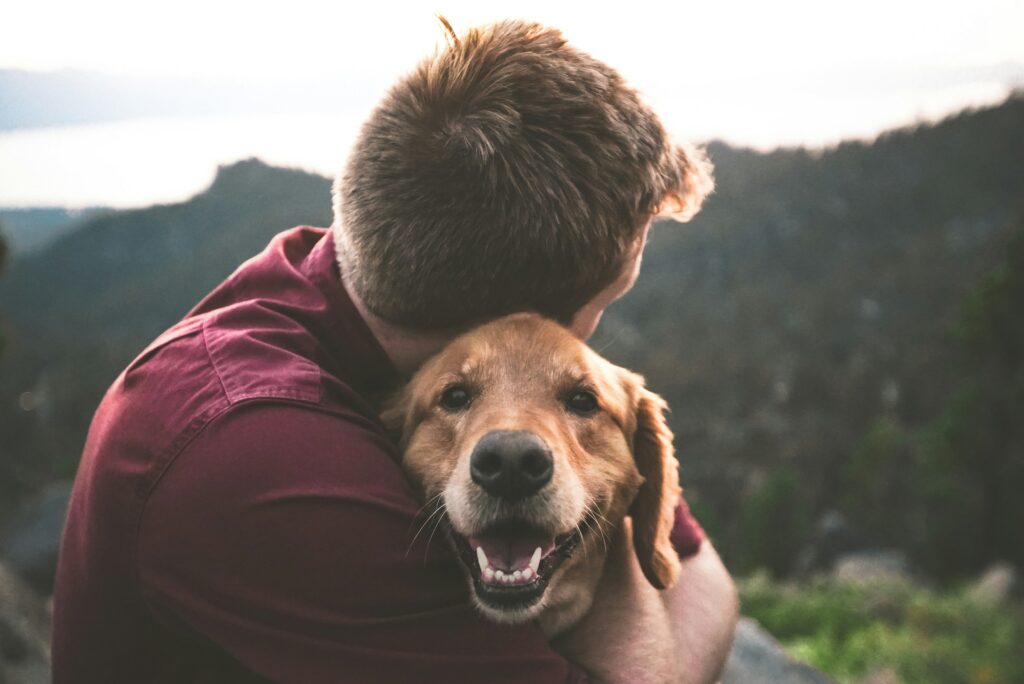
Golden Retrievers are often described as “soft-hearted,” and that’s not just sentimental talk. They’ve been used in countless studies and programs as therapy and support dogs because they’re especially sensitive to human cues and tend to respond gently and consistently. When your mood dips, a Golden often dials down their own energy, staying close without being demanding, almost like they’re matching your emotional “temperature.” You may notice your Golden watching your face a lot; this intense eye contact is one way they draw information about how you’re feeling. Many owners say that their Golden seems to feel hurt if they’re scolded harshly, or looks genuinely thrilled when praised. That emotional responsiveness, combined with their eagerness to cooperate, gives you the sense that your dog not only recognizes your feelings but actually shares them on some level.
3. Border Collie: The Hyper-Aware Emotional Analyst
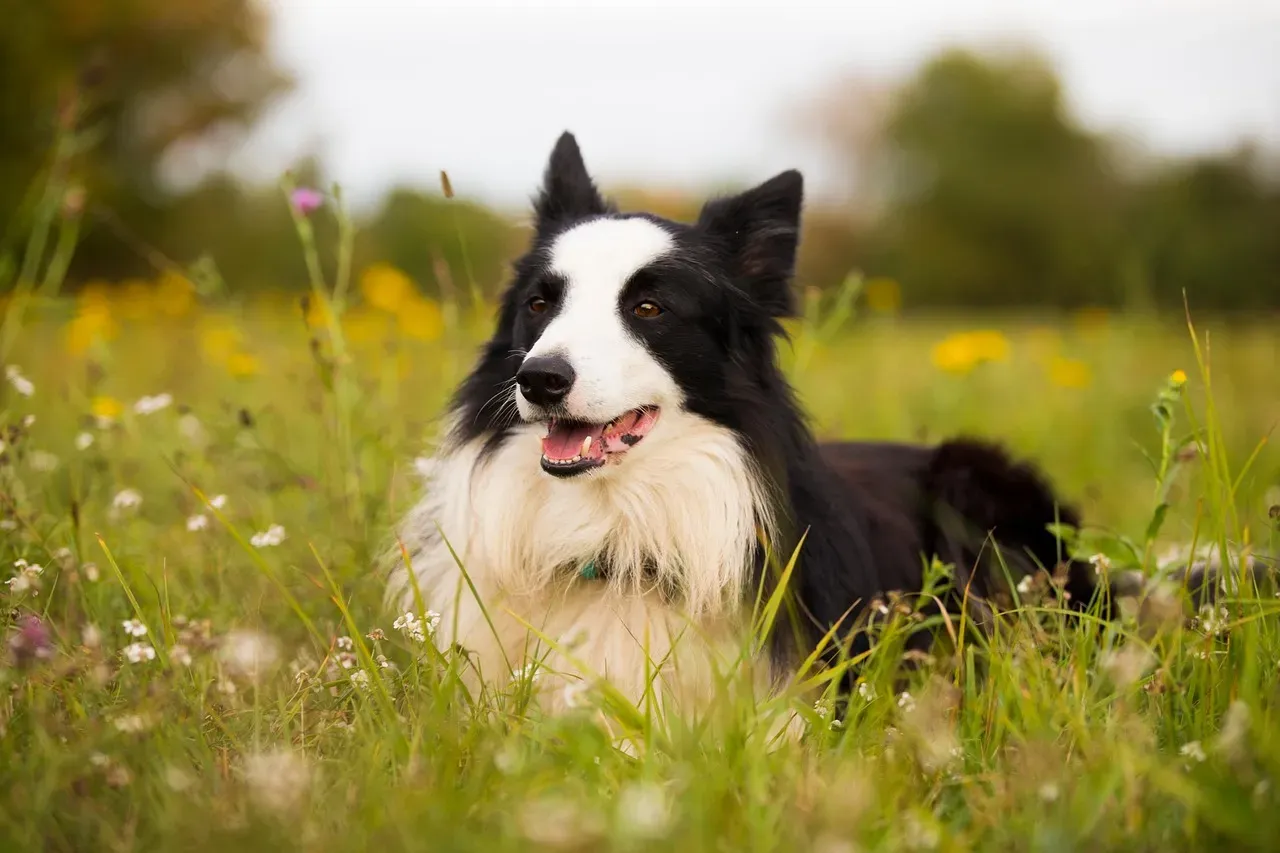
Living with a Border Collie can feel like living with a very intense, slightly obsessive roommate who tracks everything you do. These dogs are widely considered one of the most intelligent breeds, and that intelligence often extends into the emotional realm. They’re incredibly attentive to patterns in your behavior – how you walk when you’re stressed, how your voice changes when you’re worried, how your routines shift when life gets chaotic. Because they crave mental engagement, Border Collies are quick to connect your emotional states with what happens next. If you often take them for a drive when you’re restless or play fetch when you’re happy, they start predicting and reacting ahead of time. That can make them feel eerily prescient, almost like they can read your mind. The flip side is that they can be emotionally sensitive themselves, sometimes becoming anxious or unsettled if your home environment is tense for long periods.
4. German Shepherd: The Loyal Emotional Guardian
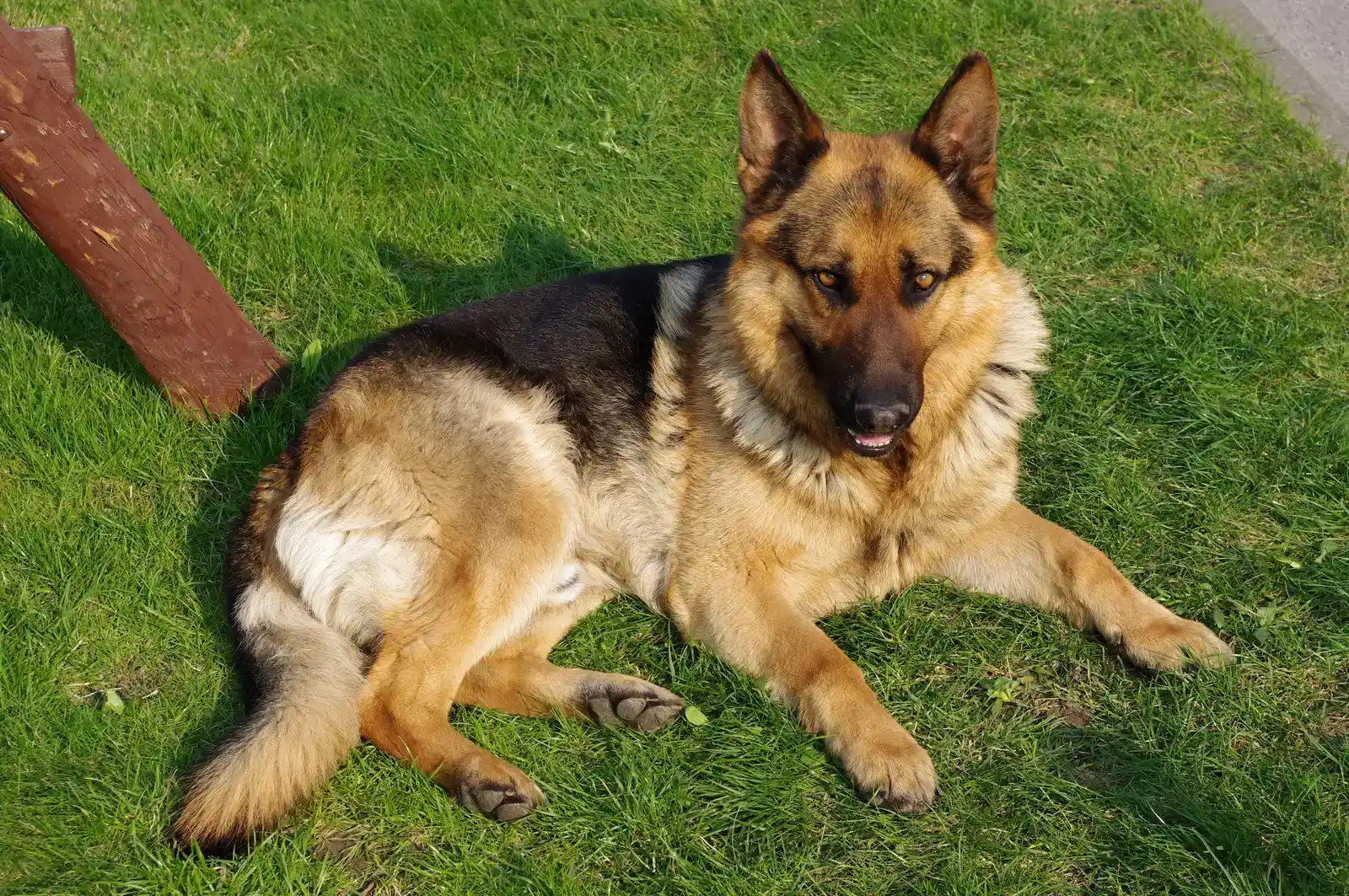
A German Shepherd often seems to view your emotional life as part of their job description. This breed has been developed for complex working roles – from herding to police work – and that history built in a strong drive to protect and monitor the people they trust. When you’re upset, a Shepherd may position themselves physically between you and whatever they perceive as the threat, even if that “threat” is just a heated conversation or a raised voice. You might feel like your Shepherd shadows you more closely on days when you’re struggling, alert and watchful in a way that feels almost human. They can be reserved with strangers, but deeply connected to “their” person, which often translates into visible concern when you’re sad, sick, or frightened. When you relax or laugh, you’ll often see their body soften, ears relax, and tail sway, as if they’re finally satisfied that their emotional world – meaning you – is safe again.
5. Poodle (Standard, Miniature, and Toy): The Sensitive Social Expert

Poodles are sometimes underestimated because of their elegant looks, but behind the curls is a remarkably sharp, socially aware brain. Studies on canine cognition often use Poodles because they’re quick learners and very tuned into human gestures and routines. You may find that your Poodle notices tiny cues, like the way you pick up your keys when you’re anxious or the change in your walk when you’re tired. This breed can be emotionally sensitive themselves, reacting strongly to household tension or harsh training methods. When you’re calm and consistent, they usually blossom into confident, affectionate companions who clearly enjoy being in sync with you. Their tendency to seek eye contact, stay physically close, and check in with you frequently means they often function like emotional mirrors, reflecting your internal state back to you in a surprisingly accurate way.
6. Cavalier King Charles Spaniel: The Little Empath on Your Lap

If you want a dog that seems born to sit in your lap and soak up your feelings, the Cavalier King Charles Spaniel fits that role perfectly. Originally bred as companion dogs for nobility, they’ve spent generations specializing in one main job: being close to you. That history has left them with a strong instinct to stay near, lean on you, and follow you from room to room, often with soft eye contact that feels deeply understanding. Many owners say their Cavalier rushes to comfort them the moment they start crying or even when they’re just unusually quiet. These dogs often adjust their energy to your mood – playful and bouncy when you want to laugh, gentle and still when you’re grieving or exhausted. Because they’re so emotionally oriented, they can struggle with being left alone for long stretches, which tells you just how intertwined their emotional world is with yours.
7. Australian Shepherd: The Intuitive Emotional Partner
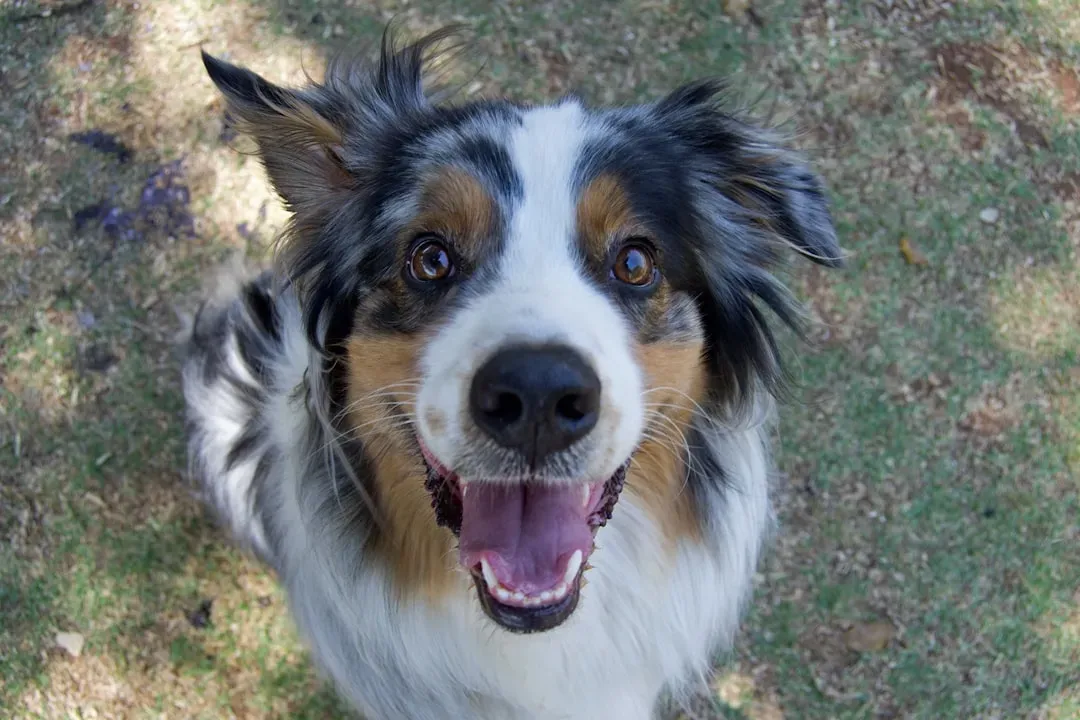
Australian Shepherds are high-energy, highly intelligent dogs that seem to catalog every detail about the people they love. Bred to manage livestock and react quickly to subtle changes in movement, they carry that same hyper-awareness into their relationships with you. You might notice your Aussie circling you when you’re stressed, nudging you to move, or gently herding family members together when the house feels unsettled. Because they are so in tune with small shifts, these dogs often react quickly to emotional changes. They may become extra clingy when you’re unwell or unexpectedly quiet when you’re upset, as if they’re trying not to add to your burden. At the same time, when you’re cheerful and engaged, they often explode into joyful movement, almost like they’re celebrating with you instead of just beside you. Living with an Aussie can feel like having a partner who is constantly reading the room and adjusting in real time.
8. Collie (Rough and Smooth): The Classic Family Empath
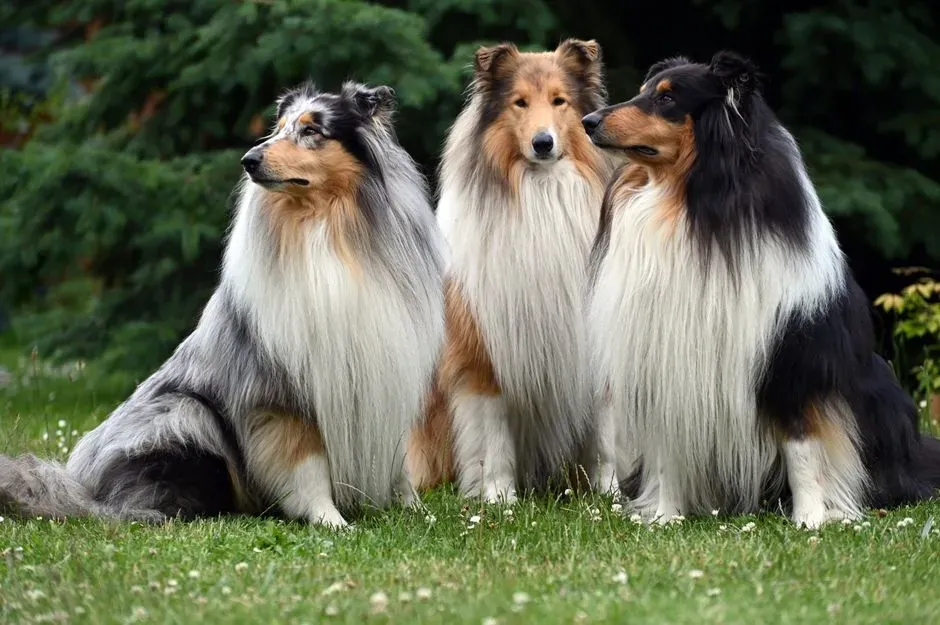
Collies have a long reputation as devoted, almost intuitive family dogs, and modern research into dog behavior aligns with much of that image. These dogs are naturally inclined to watch over their “flock,” whether that’s sheep or your children, and that watchfulness often includes emotional supervision. When you’re distressed, a Collie may quietly position themselves nearby, watching your face, your posture, and your movements for signs of what might happen next. They tend to form strong bonds with their families and can be surprisingly sensitive to raised voices or conflict. You may see your Collie pacing, whining softly, or trying to insert themselves between arguing people, almost as if they’re trying to restore harmony. On the flip side, they often beam with relaxed, happy energy when the household is peaceful, lying in the center of the room like a living anchor for everyone’s emotions.
9. Boxer: The Goofy Dog With Serious Feelings

At first glance, Boxers seem like pure clown energy – all bouncing, wiggling, and over-the-top enthusiasm. But beneath that silliness is a dog that often feels your emotions deeply and personally. Boxers are known for forming very strong attachments to their people, and they can be surprisingly affected by your mood, becoming subdued when you’re down and happily chaotic when you’re excited. If you share your home with a Boxer, you might notice that they physically insert themselves into your emotional moments. They may press their whole body against you when you’re upset or stare into your face with a strangely serious expression when you’re crying or sick. Their goofy personality makes the contrast even more striking, as if your pain or stress flips a switch from playful clown to earnest caregiver in a matter of seconds.
10. Shetland Sheepdog: The Sensitive Observer
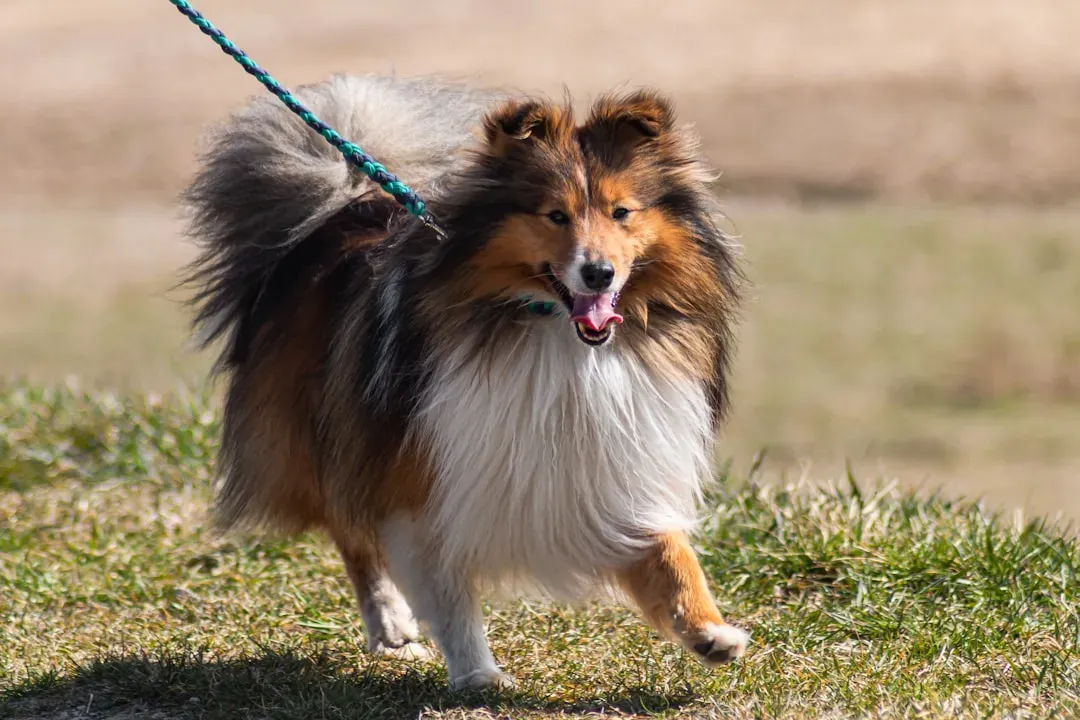
Shetland Sheepdogs, or Shelties, are often described as being extremely attuned to their environment and their people. They tend to watch you closely, noticing small changes in your routine and behavior, in part because they were bred to make quick decisions while managing livestock in challenging conditions. That constant observation can translate into a dog that picks up on your emotional shifts before you consciously notice them yourself. You may find that your Sheltie becomes restless when you’re anxious, whimpers when you’re upset, or follows you more closely when you’ve had a rough day. Some can be a little shy or sensitive to loud noise and tension, which means they often thrive in homes where emotions are acknowledged and handled calmly. In return, they often give you a steady, devoted presence, acting like a quiet emotional barometer with a plume of fur and a constantly watchful gaze.
11. Pit Bull–Type Dogs: The Misunderstood Emotional Glue
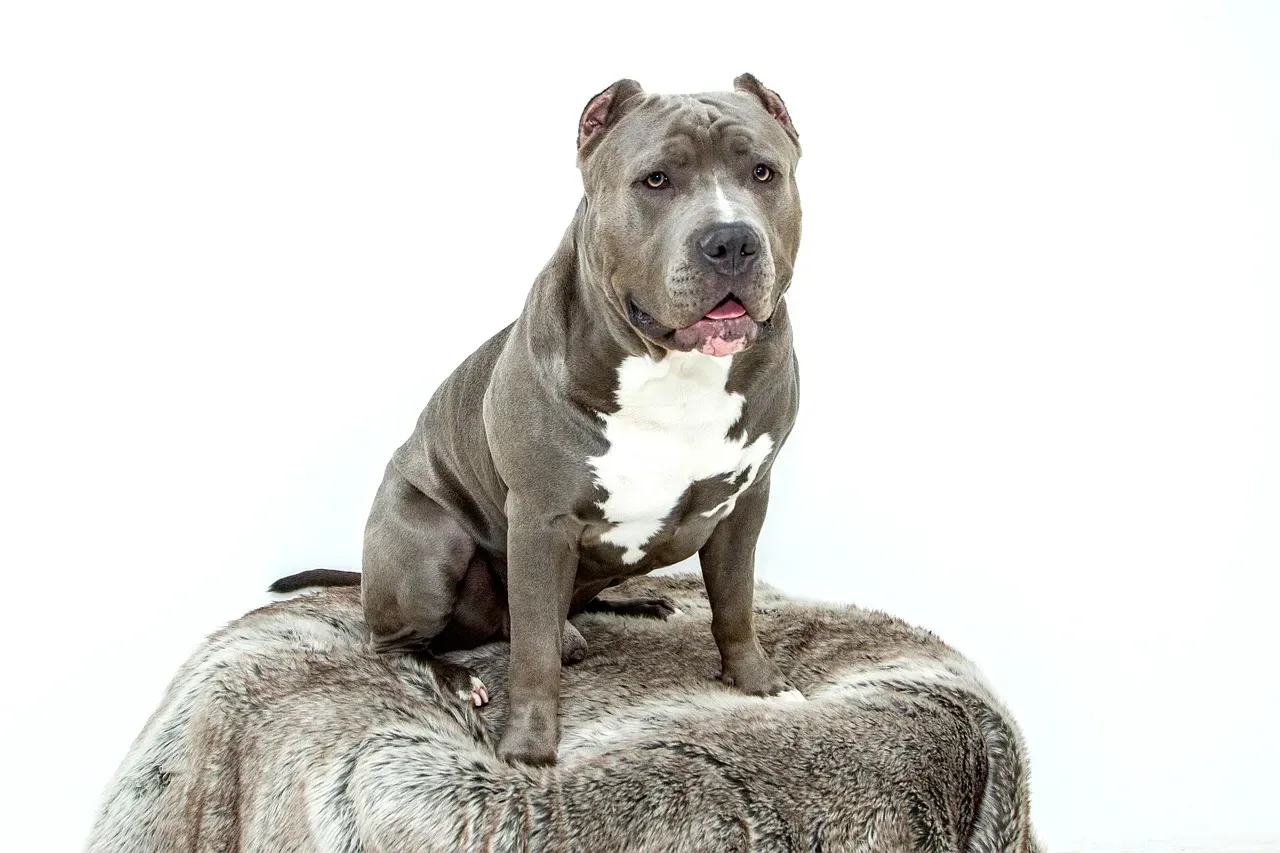
Pit bull–type dogs are often portrayed in the media as tough or dangerous, but if you live with one, you probably see a very different side. Many of these dogs are described by their guardians as incredibly affectionate, people-oriented, and emotionally intense. Historically, they were often bred to be stable and deeply bonded to humans, and that history shows in the way they seek physical closeness, eye contact, and reassurance from you. You’ll often find a pit bull–type dog pressed against your legs, curled into your lap, or sleeping with their head on your chest, almost like they’re trying to fuse their emotional world with yours. When you’re sad or scared, many of them become unusually gentle and still, watching you carefully and responding to your tone. This strong desire to connect can make them powerful emotional allies when they’re raised and managed with kindness and structure, turning them into the glue that holds a household’s feelings together.
12. Mixed-Breed Rescue Dogs: Emotional Depth Forged by Experience

Science tends to focus on recognizable breeds, but if you’ve ever brought home a mixed-breed rescue dog, you know that emotional complexity is not limited to purebreds. Many rescue dogs show a remarkable ability to attach deeply to one person or family, sometimes displaying what looks like strong empathy and gratitude. Their backgrounds may include hardship or instability, which can make them especially vigilant about your mood and routines once they finally feel safe. You might notice your rescue dog watching you more intensely than other dogs you’ve had, or reacting strongly when you leave or when voices rise. Over time, as trust builds, many of these dogs become incredibly responsive to your emotional ups and downs, almost as if they are determined not to lose you. While science is still unraveling exactly how past experiences shape a dog’s emotional life, you often feel with rescues that you’re not just giving love; you’re sharing a deeply personal, two-way emotional story.
Conclusion: Your Dog Is Feeling More Than You Think
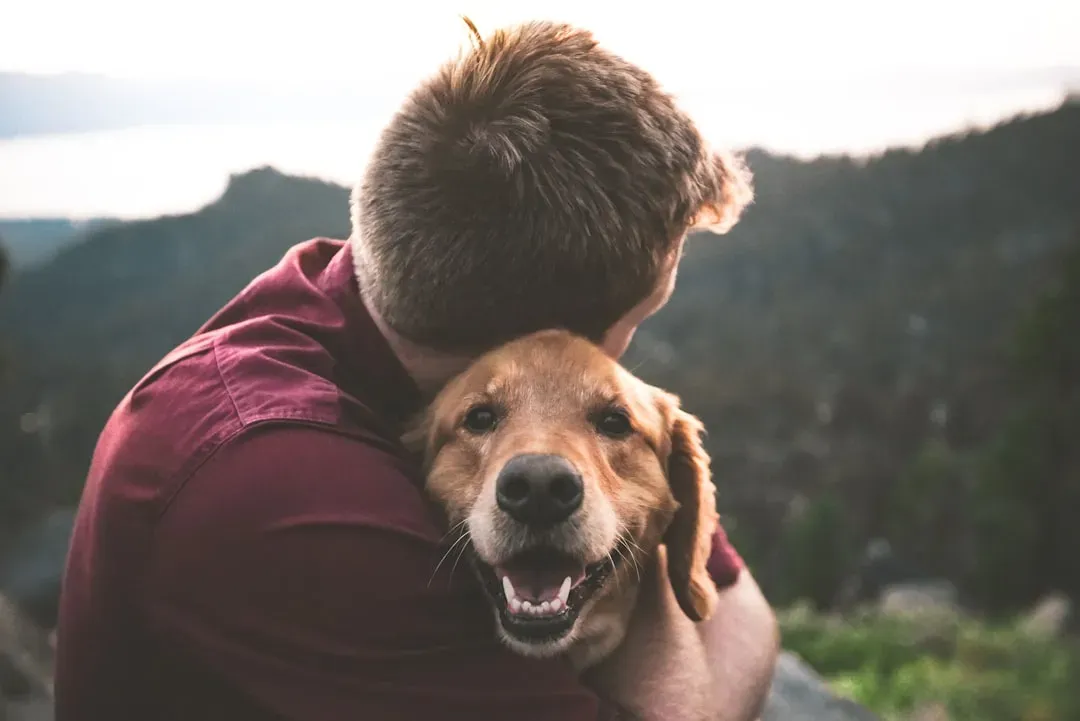
When you look across these breeds – and beyond them to all kinds of dogs – a clear pattern emerges: your dog is not merely reacting to treats and commands, but actively tracking who you are and how you feel. Their brains show activity patterns that line up with emotional processing, their behavior shifts with your mood, and their bonds with you often look a lot like a close human relationship. While science is careful not to claim that dogs feel emotions in exactly the same way you do, the evidence strongly suggests that many of them experience rich, layered feelings and share them with you every single day. In the end, the most important “study” is probably the one happening in your living room: the way your dog responds when you cry, celebrate, get sick, or simply sit in silence after a hard day. When you pay attention to those moments, you start to realize that the emotional connection you feel is not in your imagination. It is real, powerful, and worth honoring every time you reach down to scratch their ears or whisper their name. So when your dog curls up next to you tonight, how will you treat this complex little heart that has chosen you as its favorite human?