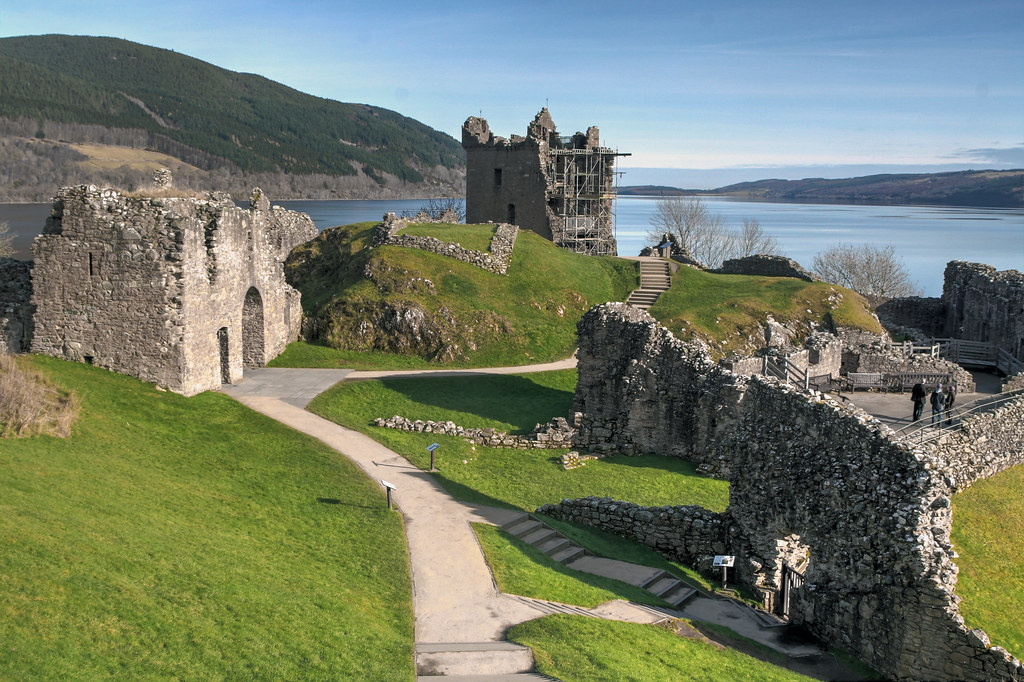

Ask someone to name an ancient empire and you’ll get the same three answers every time: Rome, Egypt, maybe the Mongols if they’re feeling ambitious. It’s a strange kind of amnesia, because historians estimate thousands of organized states, kingdoms, and empires have risen and fallen since civilization began – and almost none of them survive in the popular imagination.
Some of these empires controlled trade routes stretching across three continents. Others built cities that rivaled Constantinople in wealth, or outlasted Rome by centuries. So why did they vanish from the story we tell about the past? Here’s what archaeologists and historians actually say about the empires that got quietly written out of history.
#15 – The Kingdom of Elam: Persia’s Uncredited Blueprint
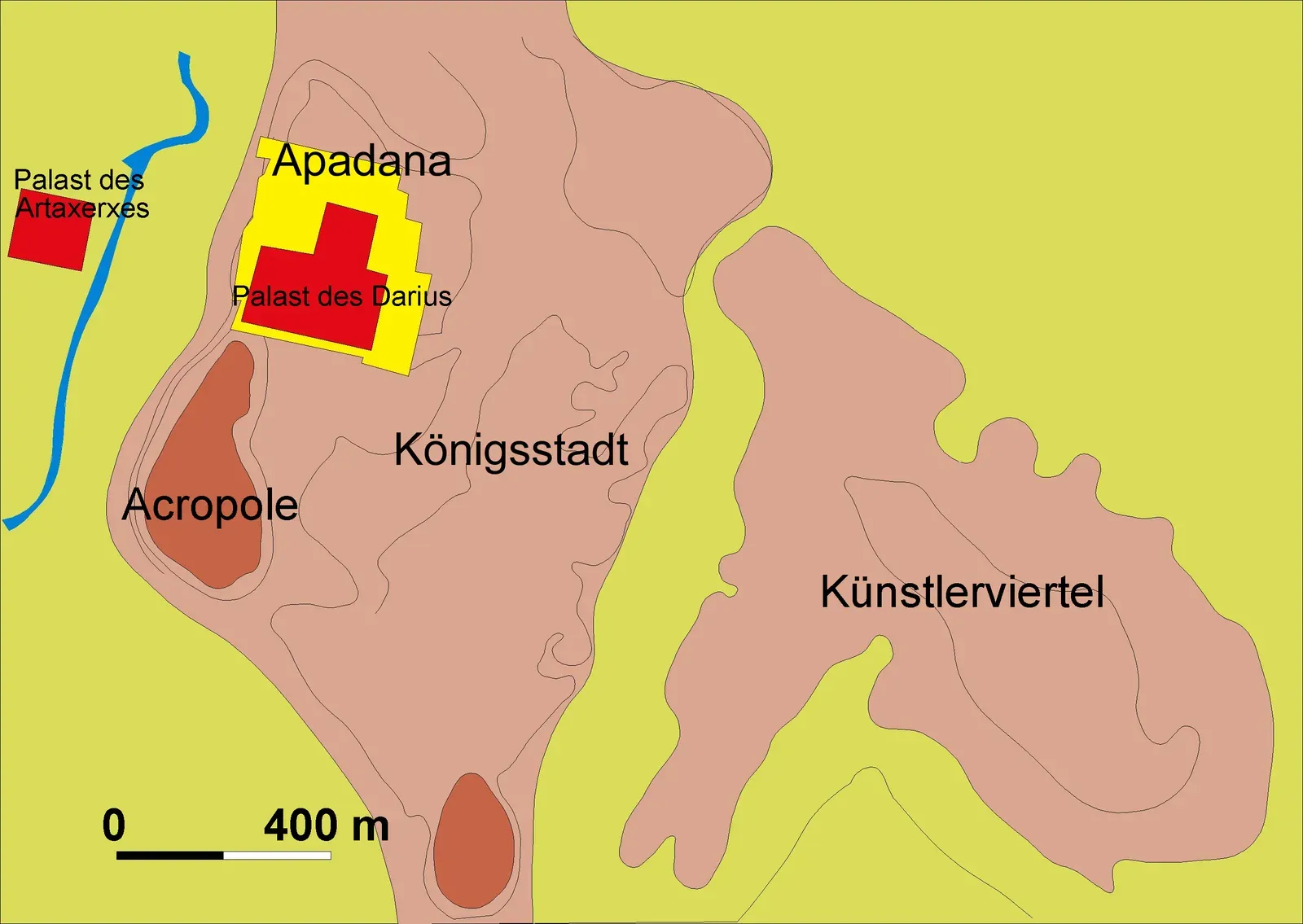
Long before Persia existed as an idea, there was Elam – a civilization in what’s now southwestern Iran that predates most of the empires we consider “ancient.” Elam wasn’t a footnote to Mesopotamia. It was a genuine rival to Sumer, Akkad, and Babylon for nearly two thousand years, with its own language, its own writing system, and its own religious pantheon centered on the city of Susa.
What makes Elam’s disappearance so strange is how influential it actually was. Its administrative systems heavily shaped the later Achaemenid Persian Empire, meaning the “glorious” Persia everyone learns about in school owes a structural debt to a civilization almost nobody can name. Elam fought Assyria, sacked Babylon more than once, and survived two millennia – yet most world history courses skip straight from Sumer to Persia as if nothing happened in between.
Fast Facts
- Centered on Susa, in what’s now southwestern Iran
- Rivaled Sumer, Akkad, and Babylon for nearly 2,000 years
- Had its own language, script, and pantheon of gods
- Administrative systems later shaped the Achaemenid Persian Empire
#14 – Numidia: The Kingdom That Decided Hannibal’s Fate
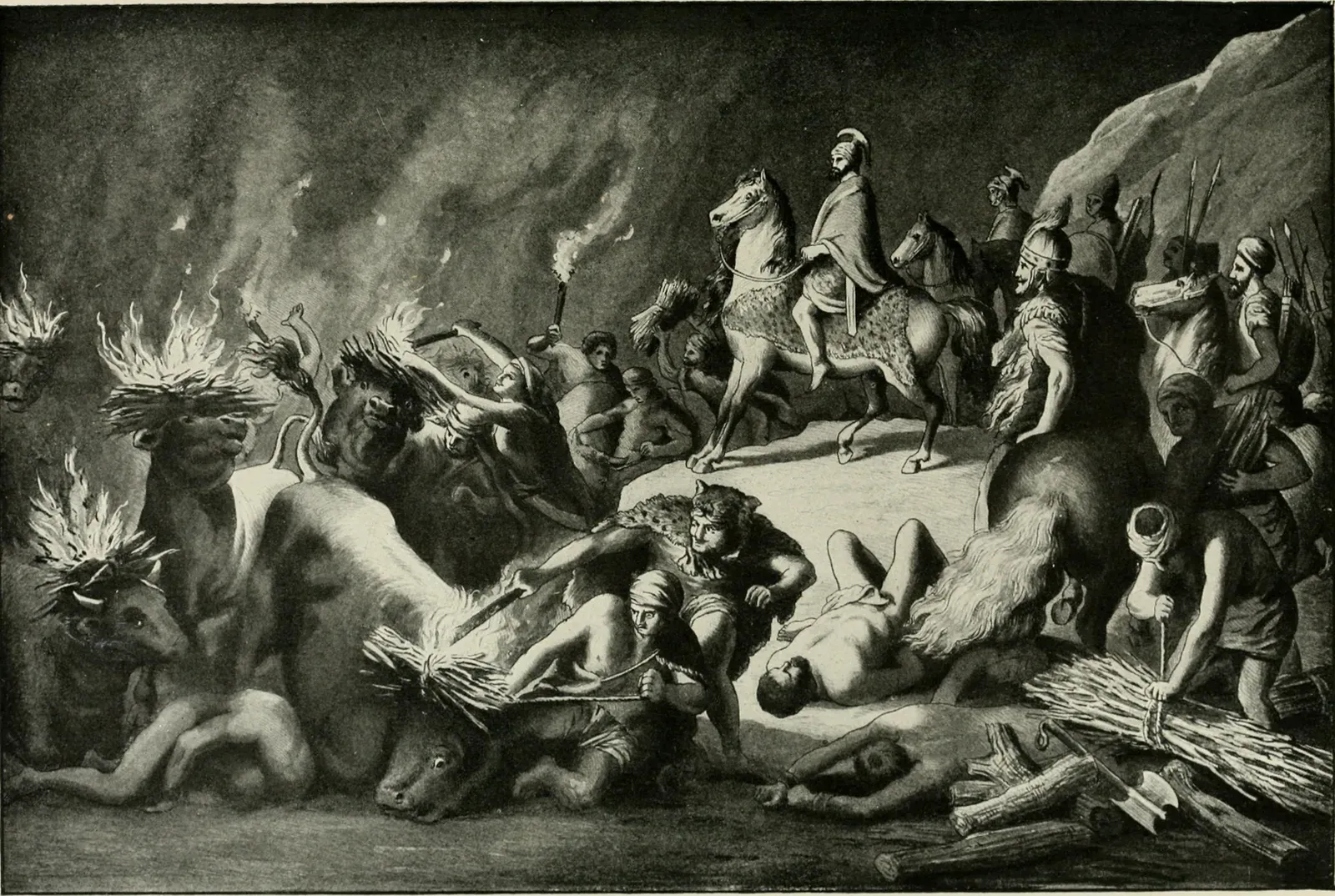
Numidia doesn’t ring a bell for most people, but it was a powerful North African kingdom that existed alongside Rome and Carthage during the Punic Wars – and it played kingmaker in one of history’s most famous conflicts. Located in what’s now Algeria and Tunisia, Numidia was home to cavalry so skilled that both Rome and Carthage desperately wanted them as allies.
Its most famous ruler, Jugurtha, fought a war against Rome that exposed just how corrupt the Roman Senate had become, arguably setting the stage for the political collapse that eventually toppled the Republic. Numidian horsemen were considered some of the finest light cavalry in the Mediterranean, and their switch of sides during the Second Punic War is often cited as a decisive factor in Hannibal’s eventual defeat. Despite all that, Numidia rarely gets more than a single paragraph in most history books.
#13 – Sogdiana: The Silk Road’s Invisible Middlemen
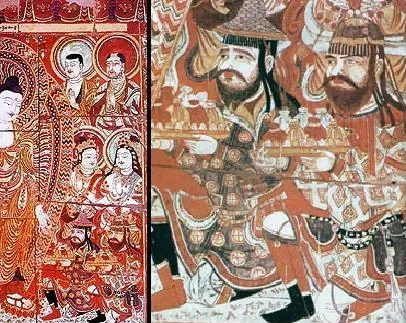
If you’ve heard of the Silk Road, you’ve unknowingly heard of Sogdiana’s legacy without knowing its name. Centered around Samarkand and Bukhara in modern Uzbekistan, Sogdiana wasn’t a unified empire in the traditional sense – it was more often a network of city-states. But its merchants effectively ran the economic engine of the entire Silk Road for centuries.
Sogdian traders built diaspora communities stretching from Byzantium to Tang Dynasty China, acting as the actual middlemen who moved goods, religions, and ideas across Eurasia. Their language became the lingua franca of Central Asian trade, and Sogdian merchants are believed to have played a major role in spreading Buddhism, Manichaeism, and Zoroastrianism eastward. Despite functioning as the connective tissue of the ancient world’s biggest trade network, Sogdiana usually gets reduced to a vague reference: “Silk Road traders.”
#12 – Volga Bulgaria: The Northernmost Islamic Kingdom Nobody Studies
![#12 - Volga Bulgaria: The Northernmost Islamic Kingdom Nobody Studies (Downloaded from [1], Public domain)](https://nvmwebsites-budwg5g9avh3epea.z03.azurefd.net/dws/65373cd5b31ae8cb280255cfe8dfd3fa.webp)
Not to be confused with the Bulgaria of the Balkans, Volga Bulgaria was a medieval state along the Volga and Kama rivers in what’s now Russia. It became a genuinely wealthy trading hub connecting Scandinavia, the Islamic world, and the Eurasian steppe. Its capital, Bolghar, was a bustling multicultural city centuries before Moscow ever rose to prominence.
Volga Bulgaria’s ruling elite converted to Islam in the early 10th century, making it one of the northernmost Islamic states in history and a genuine cultural bridge between the Muslim world and the pagan and Christian peoples around it. The kingdom fell to the Mongols in the 13th century, but its trading networks shaped the region for generations afterward. Most Western curriculums focus entirely on Kievan Rus’ and skip the wealthy Islamic trading kingdom sitting right next door.
#11 – The Rouran Khaganate: The Empire That May Have Set Off the Huns
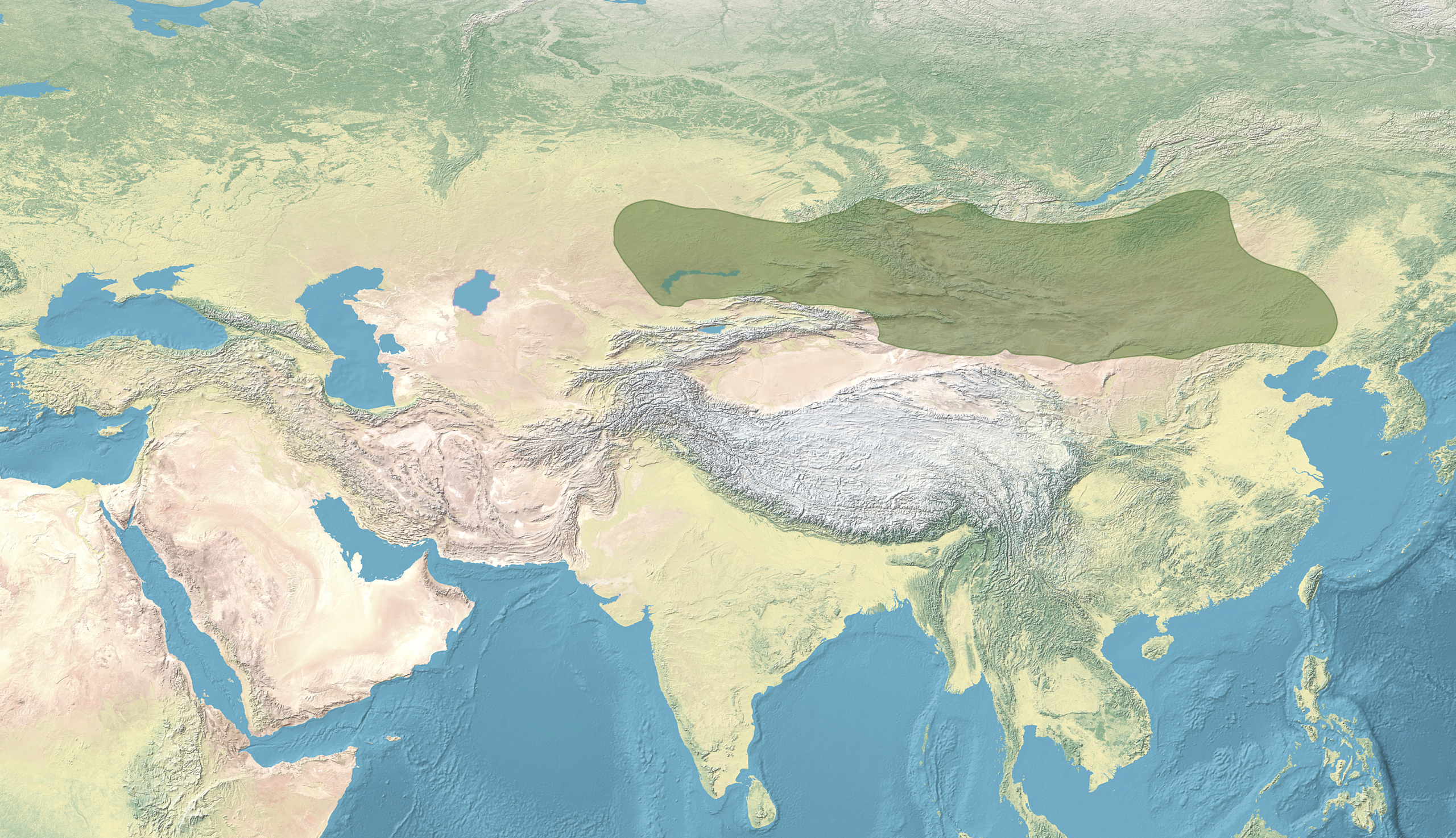
Centuries before Genghis Khan united the Mongolian steppe, the Rouran Khaganate did something remarkably similar – and historians increasingly believe this nomadic empire may have set off a chain reaction that eventually pushed other steppe groups westward into Europe. The Rouran controlled vast stretches of Mongolia and Central Asia from the late 4th to mid-6th century CE.
They’re notable for being one of the first steppe groups to use the title “khagan,” a designation later adopted by the Mongols and Turkic empires that followed them. Some historians have even proposed a controversial link between the Rouran’s collapse and the sudden westward migration of groups associated with the Huns, though the theory remains debated. Regardless, the Rouran ran a genuine imperial power for nearly two centuries – yet they’re almost never mentioned outside specialized Central Asian history courses.
#10 – The Hephthalite Empire: The “White Huns” Who Broke an Empire
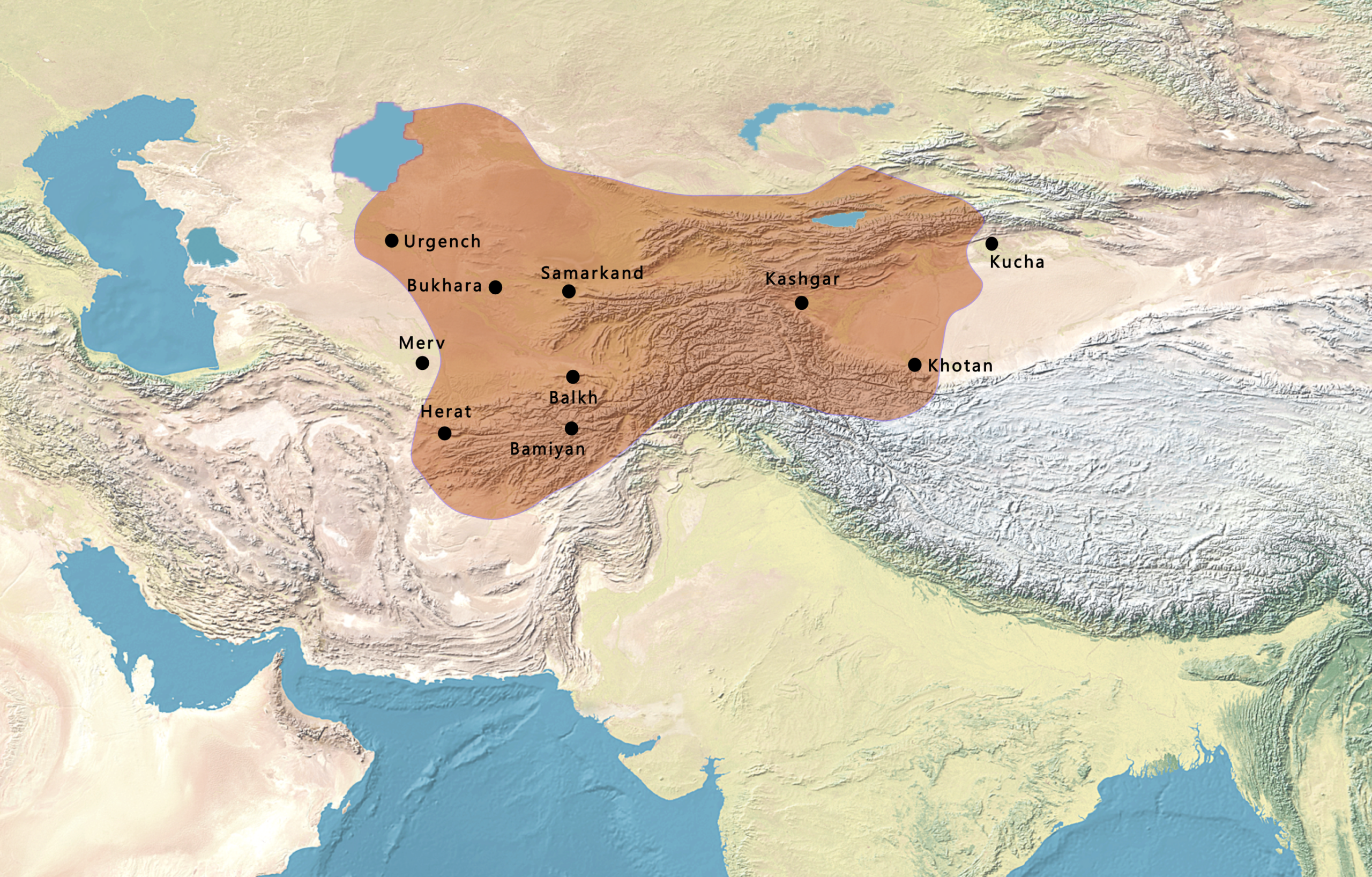
Often nicknamed the “White Huns” despite likely having no direct connection to Attila’s Huns, the Hephthalite Empire dominated Central Asia and parts of northern India from roughly the 5th to 6th centuries CE. They weren’t a minor nuisance on history’s fringes – they were powerful enough to defeat the mighty Sasanian Persian Empire in battle and even killed a Sasanian king.
The Hephthalites also clashed repeatedly with the Gupta Empire in India, and many historians credit their invasions as a major factor in the Gupta Empire’s eventual decline – a civilization most students actually do learn about. In other words, the empire that helped topple one of India’s “golden ages” barely gets a mention itself, despite once stretching from Persia to the edges of China.
Quick Compare
- Hephthalites: defeated the Sasanian Persian army and killed a Sasanian king
- Gupta Empire: weakened by repeated Hephthalite invasions, contributing to its decline
- Classroom time: the Gupta “golden age” is widely taught; the empire that helped end it almost never is
#9 – The Nabataean Kingdom: The Empire Hiding Behind Petra’s Postcards
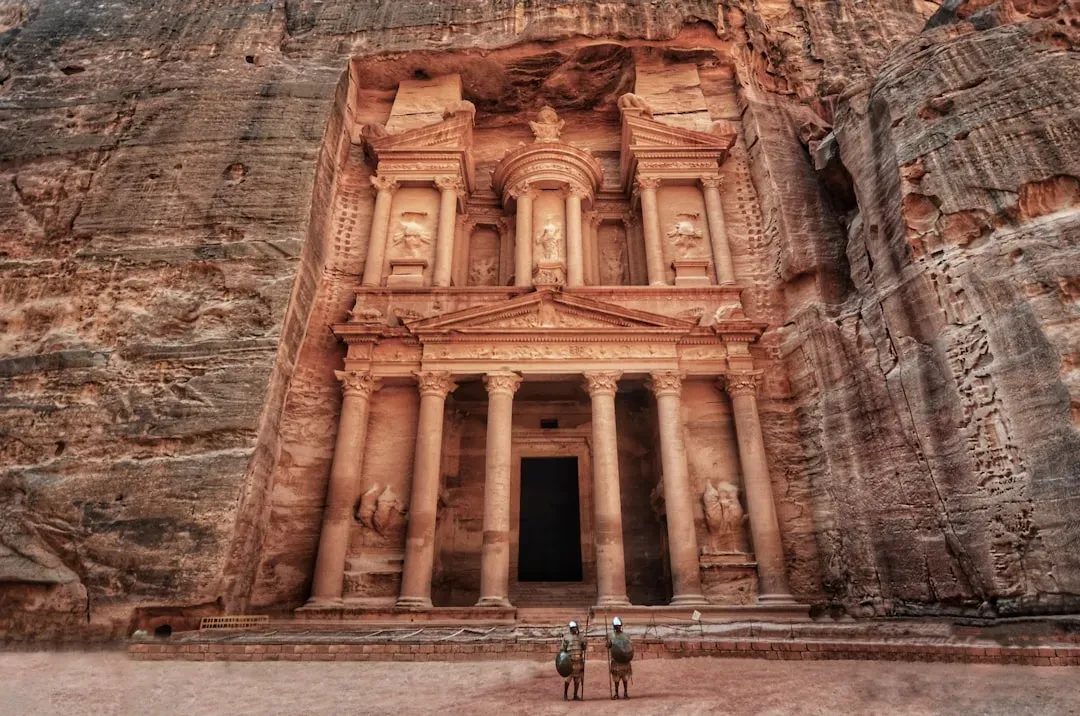
Most people have actually seen the Nabataean Kingdom without realizing it – it’s the civilization responsible for carving Petra, the famous “lost city” in Jordan, directly into rose-colored sandstone cliffs. But Petra was just the capital of a much larger trading empire that controlled caravan routes across the Arabian Peninsula for centuries.
The Nabataeans grew wealthy controlling the incense and spice trade linking Arabia to the Mediterranean, and they developed remarkably advanced water systems that let a thriving city exist in the middle of a desert. Their kingdom stayed independent for centuries, skillfully balancing rival powers, before Rome finally annexed it in 106 CE. Most tourists who visit Petra today know it only as a movie backdrop, with almost no idea it was once the capital of a sophisticated desert empire.
#8 – The Wari Empire: The Blueprint the Inca Never Credited
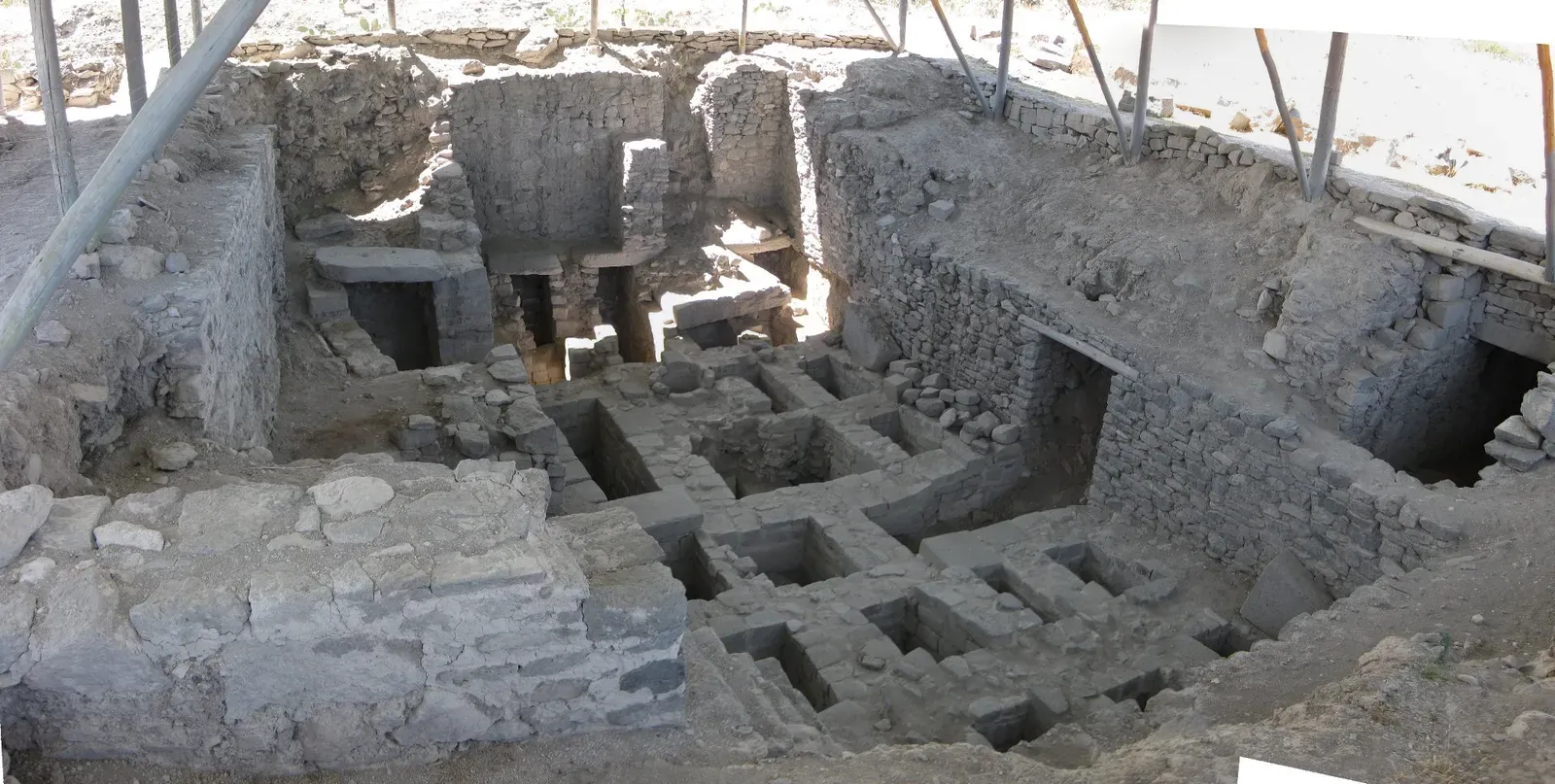
Before the Inca ever existed, the Wari Empire was already running a sophisticated administrative state across the mountains and coastline of Peru. Flourishing from roughly 600 to 1000 CE, the Wari built extensive roads, agricultural terracing, and administrative centers that historians believe directly influenced Inca engineering centuries later.
What’s striking is how much of what gets credited to the Inca – terrace farming, road infrastructure, centralized administration – likely has roots in Wari innovations that came five centuries earlier. The Wari also developed intricate textile and pottery traditions that spread their cultural influence far beyond their borders. Because the Inca get so much attention in popular history, the civilization that arguably wrote the blueprint gets almost none.
#7 – The Srivijaya Empire: The Sea Kingdom That Taxed the World
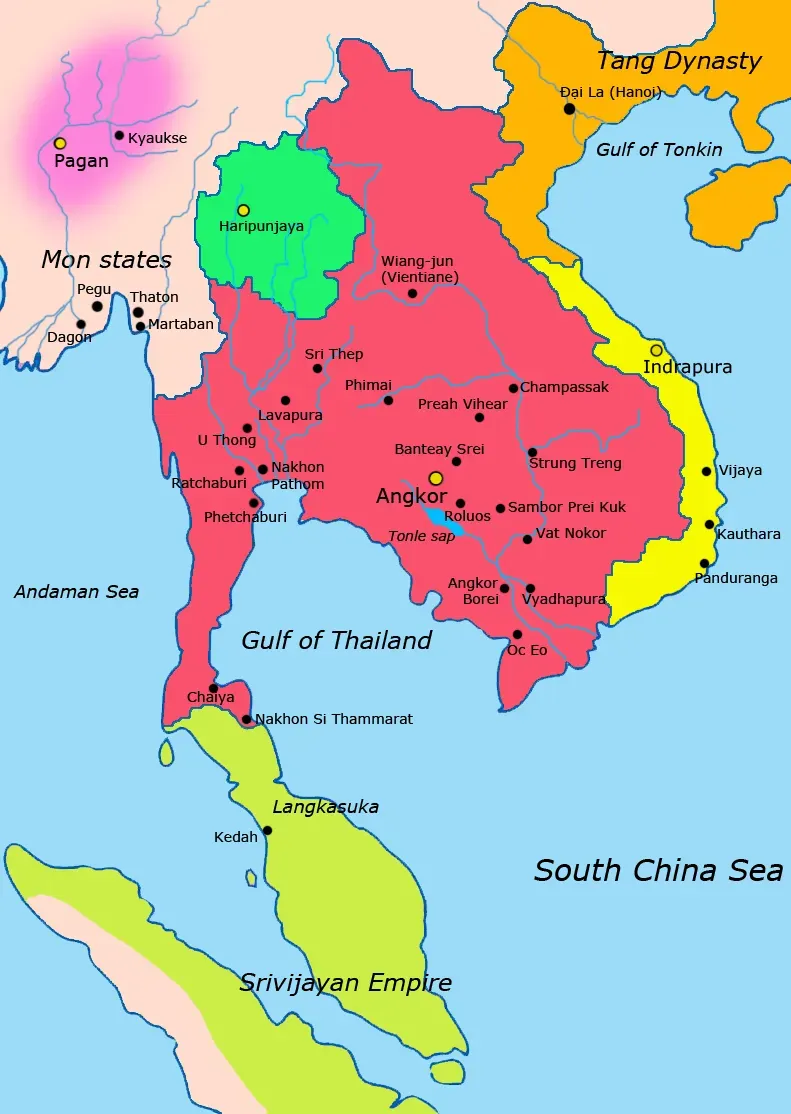
For nearly 600 years, a maritime empire based on the island of Sumatra controlled the most important shipping lanes in Southeast Asia, taxing and protecting merchant ships moving between India and China. The Srivijaya Empire grew so wealthy from this trade monopoly that it became a major center of Buddhist learning, drawing scholars and pilgrims from across Asia.
Chinese pilgrims traveling to India for Buddhist study frequently stopped in Srivijaya territory first, suggesting its intellectual reputation rivaled its commercial one. Its grip on the Strait of Malacca – still one of the world’s busiest shipping channels today – gave it leverage few empires of its era could match. Despite controlling a chokepoint of global trade for six centuries, Srivijaya is barely mentioned outside specialized Southeast Asian history courses.
#6 – The Kanem-Bornu Empire: A Thousand Years Nobody Talks About
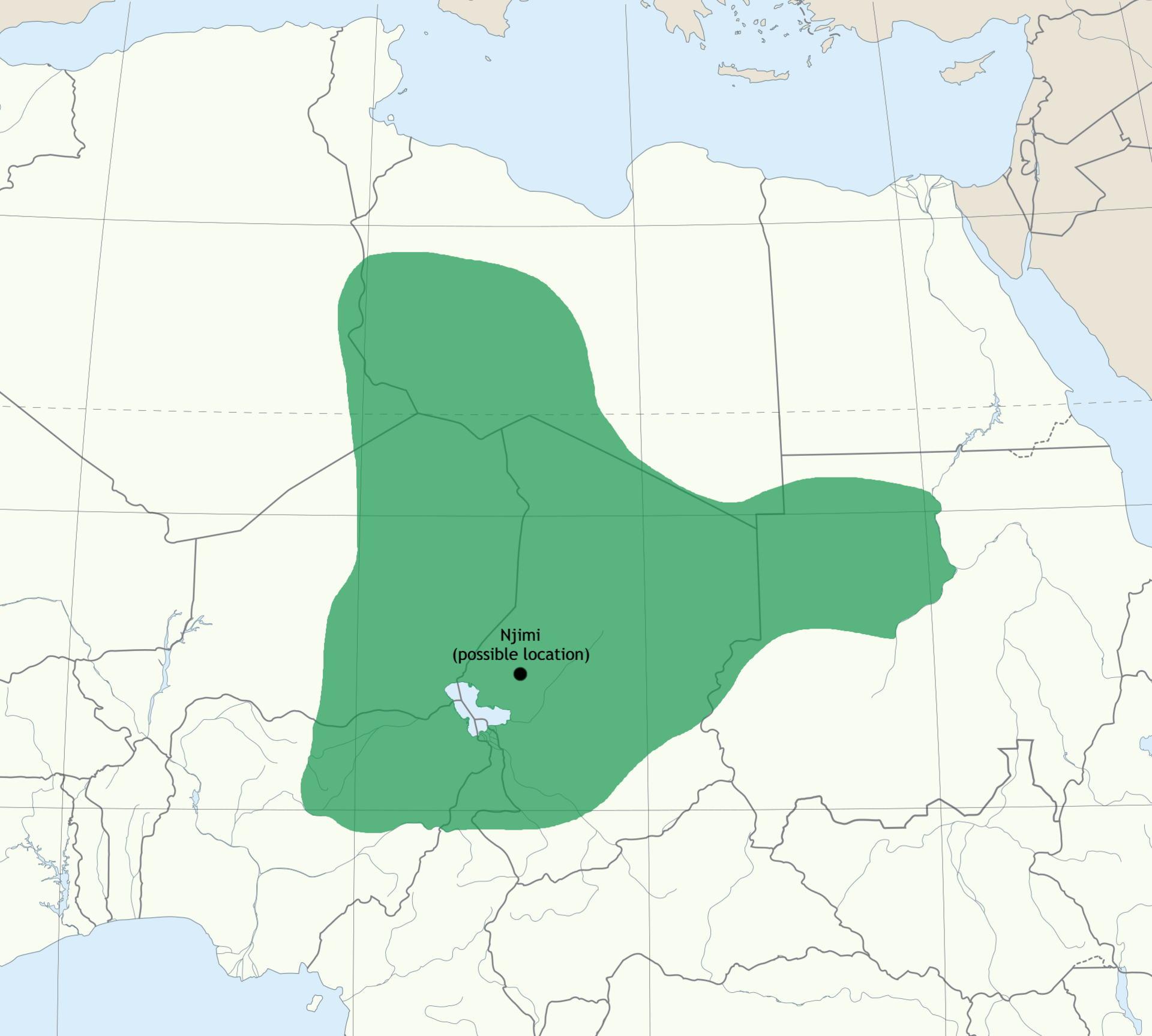
Few people realize that a single empire controlled trade around Africa’s Lake Chad region for over a thousand years, making it one of the longest-lasting political dynasties in world history. East of Songhai, the Kanem-Bornu Empire ran the region from the 800s to the 1800s – a run of continuous relevance that outlasted the Roman Empire by several centuries.
The empire built major trade cities and maintained diplomatic ties across the Sahara, linking sub-Saharan Africa to Mediterranean trade routes for centuries. Its rulers navigated dynastic conflict and shifting capitals, yet its core institutions proved remarkably resilient across an astonishing timespan. Mali and Songhai occasionally appear in world history surveys because of rulers like Mansa Musa, but the empire that quietly outlasted both of them by centuries rarely earns a mention.
At a Glance
- Controlled the Lake Chad trade region from the 800s to the 1800s
- Outlasted the Roman Empire by several centuries
- Linked sub-Saharan Africa to Mediterranean trade routes across the Sahara
- Survived dynastic conflict and shifting capitals for over a millennium
#5 – Great Zimbabwe: The Ruins Colonizers Refused to Believe Were African
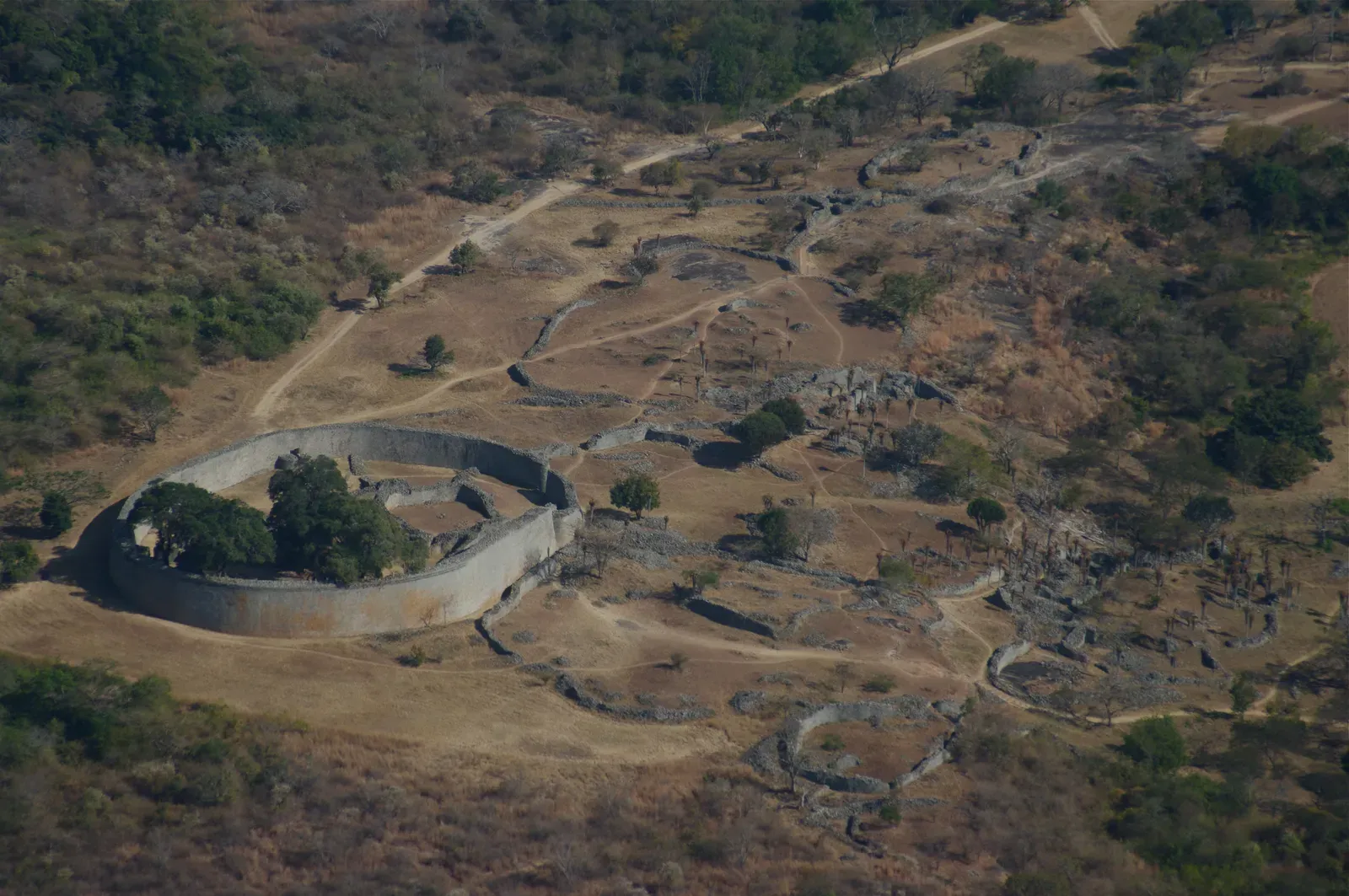
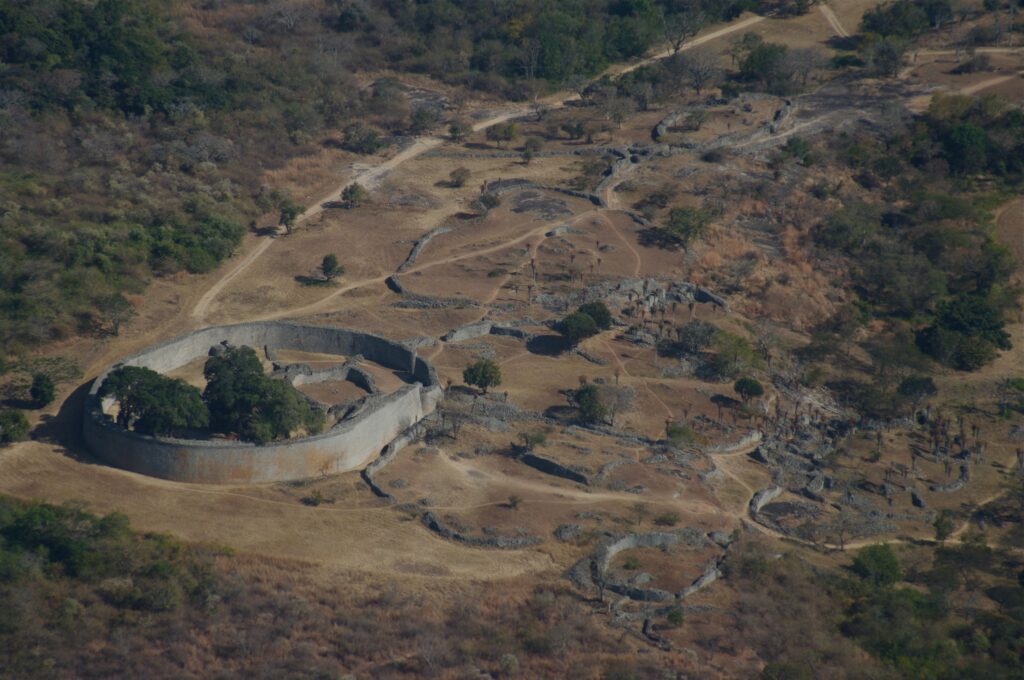
The stone ruins scattered across modern Zimbabwe aren’t just archaeological curiosities – they’re the remains of a genuinely wealthy trading empire that many Western historians spent decades refusing to believe Africans had built. The city of Great Zimbabwe anchored a trading empire in southern Africa from about 1100 to 1500, and it grew rich trading gold.
For much of the colonial era, some European commentators bizarrely insisted the massive stone walls must have been built by outsiders, refusing to credit the local population – a myth that took decades of archaeological work to fully dismantle. After Great Zimbabwe declined, the Torwa kingdom rose to the southwest and the Mutapa empire developed in the north, both continuing the gold trade. The dry-stone construction, built without any mortar, remains one of sub-Saharan Africa’s most impressive architectural achievements – yet most world history books give it a single sentence, if that.
#4 – The Xiongnu Empire: The Nomads Who Inspired the Great Wall
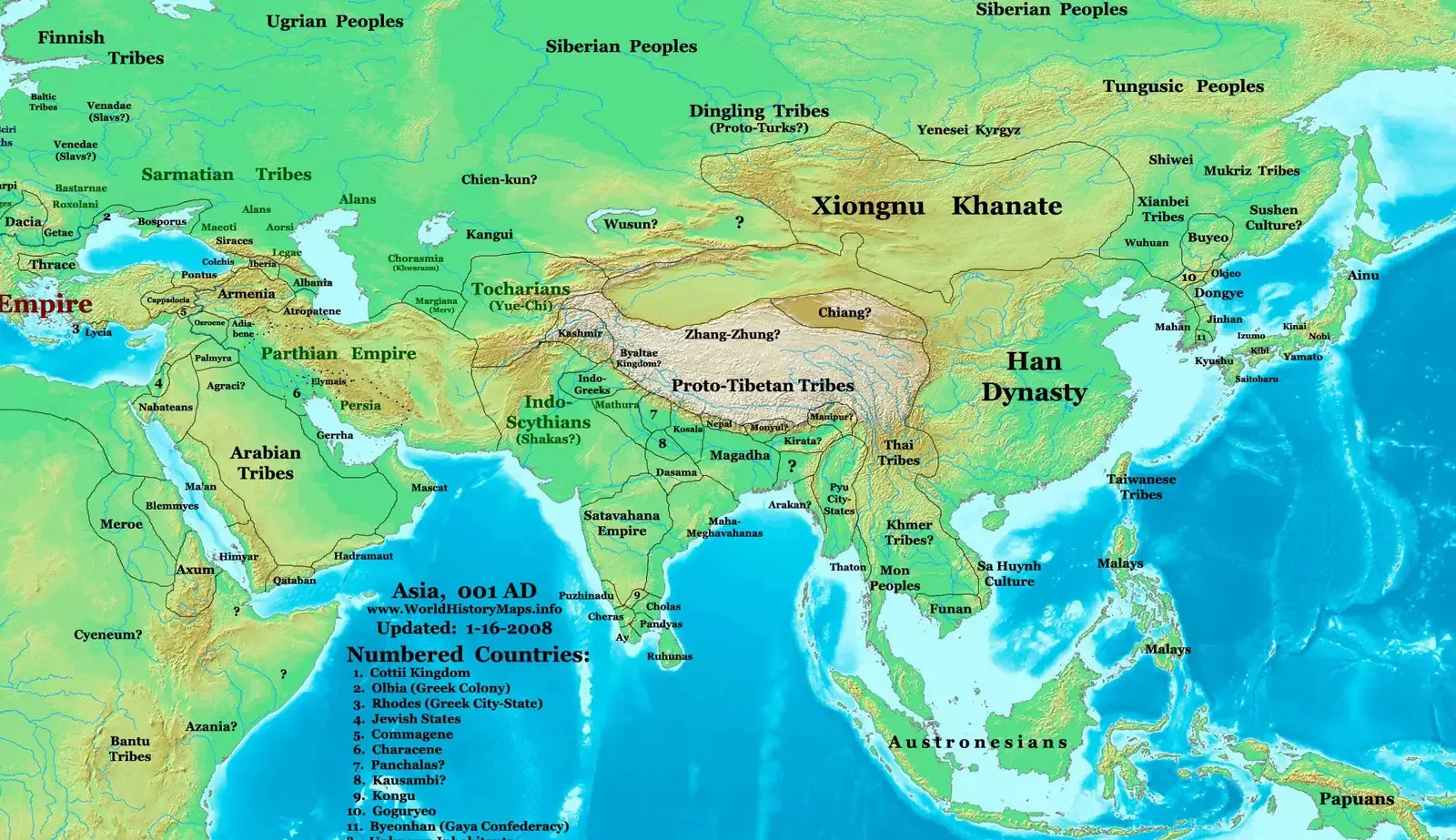
Long before Genghis Khan, there was Modu Chanyu – and the nomadic empire he built terrified China so badly that it directly inspired one of the most famous structures on Earth. The fortifications initially built to keep the Xiongnu out eventually became the Great Wall of China, a monument to just how seriously this empire was taken.
At its height, the Xiongnu stretched from Korea to the Aral Sea and included diverse tribes, making it a genuine continental power rather than a loose confederation of raiders. It lasted roughly 300 years, longer than any other steppe empire, a testament to organizational skill as much as military force. Most people think the Great Wall was built against generic “barbarians”; almost nobody realizes it was built because of one empire’s dominance – an empire most history books never bother to name.
#3 – The Kushan Empire: A Superpower Squeezed Out of the History Books
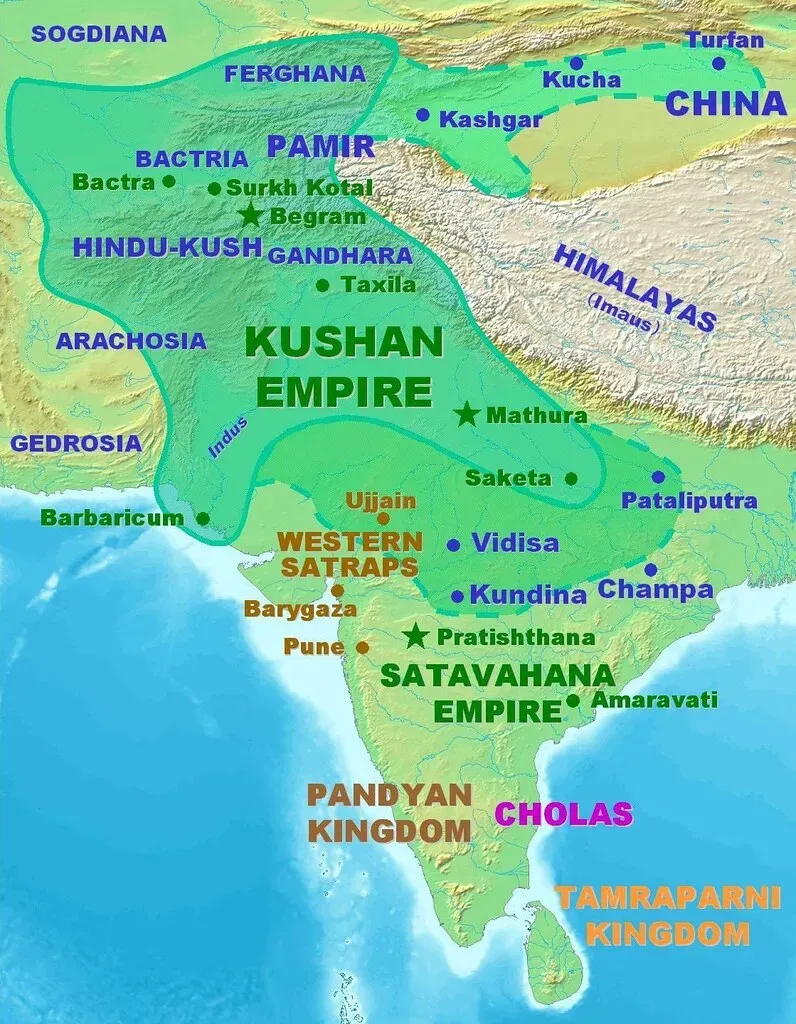
Somewhere between the Roman Empire and Han Dynasty China, an empire most people have never heard of quietly became one of the four dominant powers on Earth. Ancient writers in Rome, China, and India all recognized Kushan power and actively sought diplomatic and commercial relationships with it.
At its peak around 200 CE, the Kushan Empire controlled between 2 and 2.5 million square kilometers, stretching from the Aral Sea to Varanasi, and served as the crucial link between Rome, Parthia, Han China, and the Indian kingdoms. Originally a nomadic group with no fixed territory, the Kushans transformed themselves into the gatekeepers of nearly all East-West trade for two centuries. Many specialists now argue this empire deserves equal billing with Rome and Han China in any serious world history curriculum – not a passing mention.
#2 – The Kingdom of Aksum: The African Empire That Beat Europe to Christianity
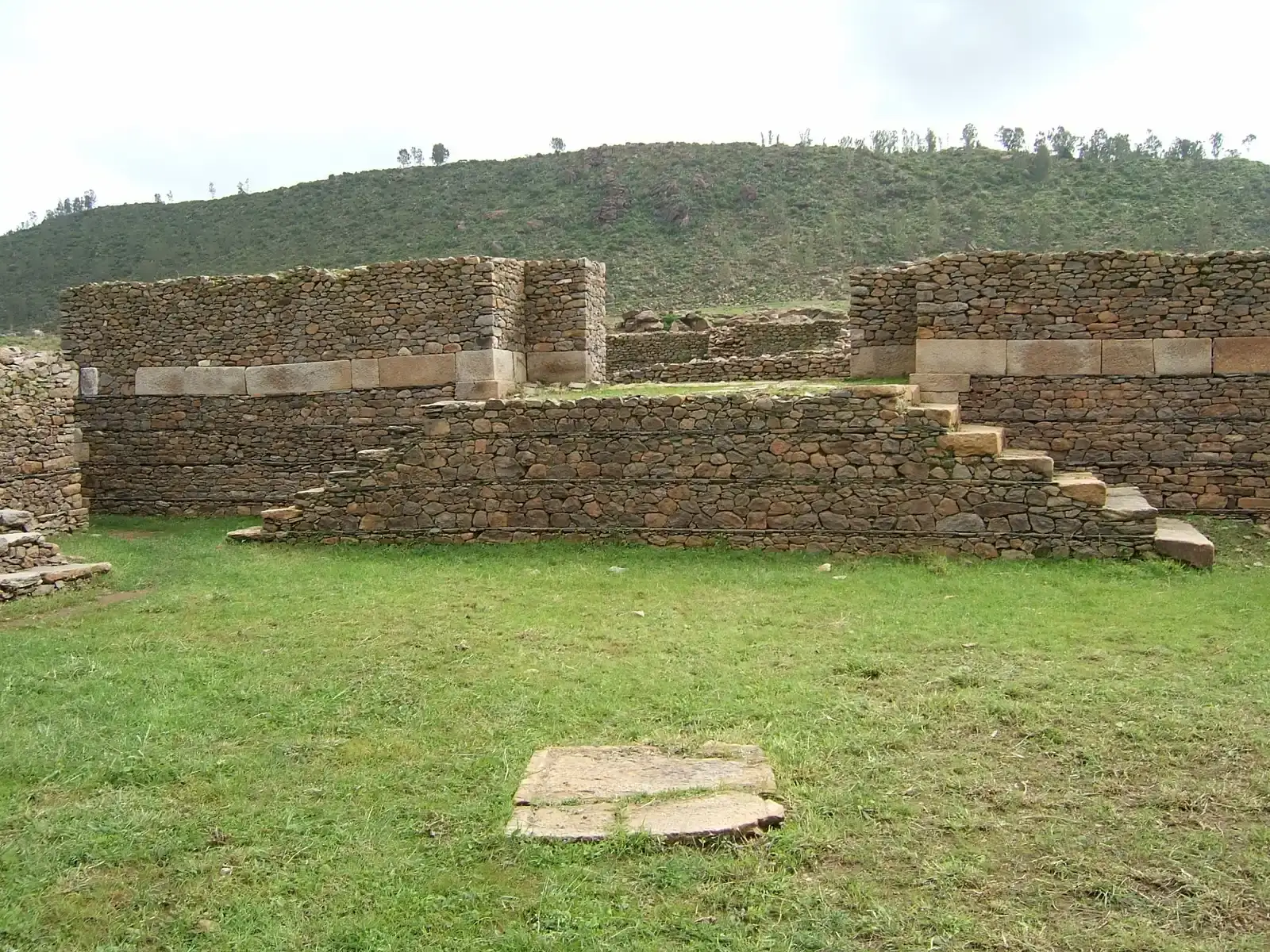
Aksum is arguably the single most underrated empire in world history, and the evidence is staggering once you actually look at it. This sub-Saharan empire held vast territory and power throughout late antiquity, controlling trade routes linking the Roman Empire to the Middle East and India.
It was the first sub-Saharan African state to mint its own coinage, and around 350 CE, the first to officially adopt Christianity – meaning an African kingdom beat most of Europe to state-sponsored Christianity by decades. At its peak, Aksum became the greatest market of northeastern Africa, with merchants trading as far as Alexandria, and it even briefly controlled territory across the Red Sea into Arabia. Given all that, its near-total absence from world history curriculums is genuinely one of the biggest oversights in modern education.
#1 – The Parthian Empire: Rome’s Forgotten Equal
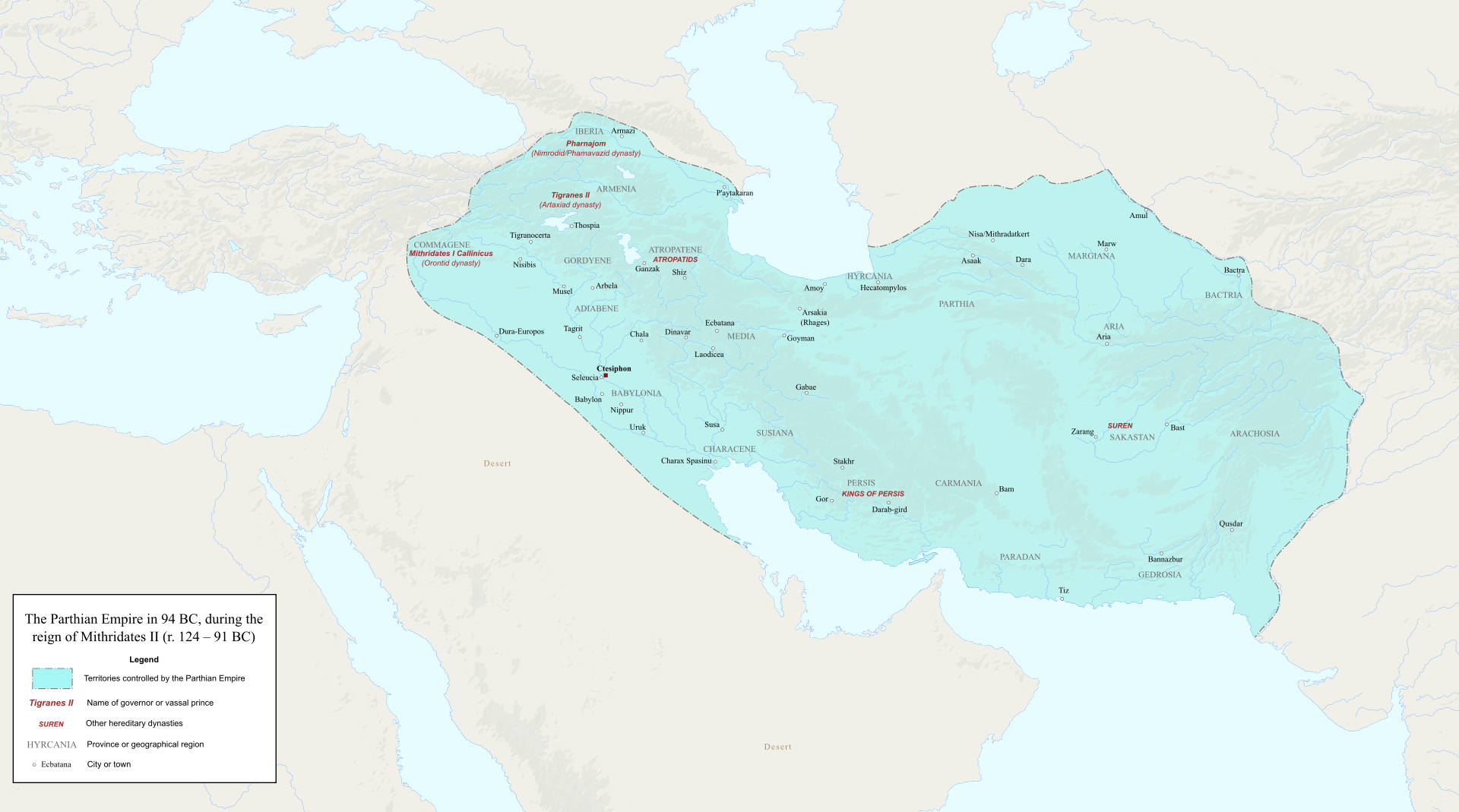
If Rome had a true equal on the world stage, it wasn’t Carthage or the Gauls – it was the Parthian Empire, and most people have simply never heard of it. Often called the second Persian Empire, Parthia was a major Iranian political and cultural power founded by Arsaces I, and one of Rome’s most persistent rivals for half a millennium.
The Parthians killed Crassus, one-third of Rome’s ruling triumvirate alongside Julius Caesar and Pompey, kicking off the power struggle between the two remaining Romans. Positioned squarely between the Roman Empire and Han China, Parthia controlled the trade routes linking east and west, producing goods like carpets and fine textiles that flowed along those same roads. The Parthians were never conquered by Rome, inflicted several famous defeats on Roman armies, and held on until 228 AD, when they finally fell to the Sassanids. An empire that defeated Rome, ran the Silk Road economy, and survived for nearly 500 years deserves far more classroom time than empires that lasted a fraction as long.
Why It Stands Out
- Killed Crassus, fracturing Rome’s First Triumvirate
- Never conquered by Rome despite centuries of conflict
- Controlled the trade corridor linking Rome, Parthia, and Han China
- Endured nearly 500 years before falling to the Sassanids in 228 AD
The Bottom Line
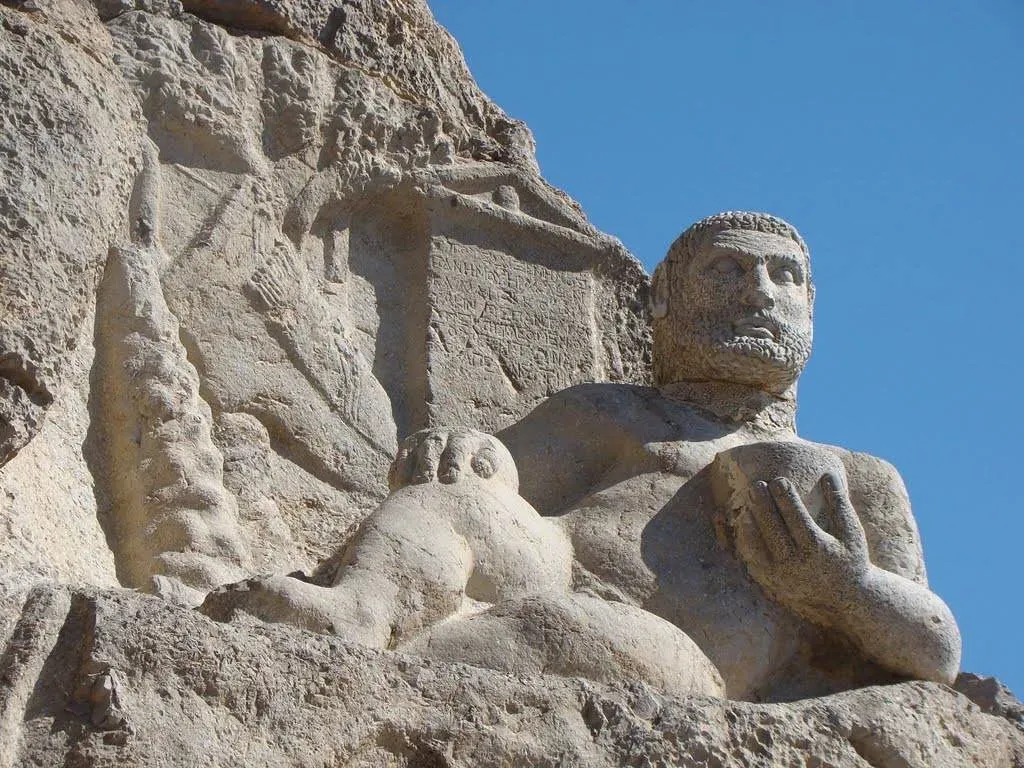
The pattern here isn’t subtle. History books tend to fixate on the empires that left behind the loudest ruins, the most dramatic conquests, or the most convenient origin stories for Western civilization – while genuinely powerful empires like Parthia, Aksum, and the Kushans get erased simply because they don’t fit that narrative.
That’s not an accident. It’s a selection bias baked into how history has traditionally been taught, and it’s long overdue for a correction. These weren’t minor kingdoms that got lucky for a few decades – several of them outlasted Rome, dominated global trade, or reshaped entire religions, and the fact that most of us have never heard their names says more about the storytellers than the empires themselves. Which forgotten empire do you think deserves the most attention? Drop your pick in the comments.