
Most people assume “ancient” means “primitive” – that early civilizations stumbled through history with sticks, mud huts, and guesswork until modern science finally showed up to save the day.
That assumption is almost insulting once you look at what these cultures actually built.
Bronze Age Greeks built a mechanical computer. Bronze Age Pakistanis had better plumbing than most 19th-century cities. A Peruvian desert culture engineered wind-powered water pumps that are still running today, unattended, two thousand years later. These weren’t lucky accidents – they were deliberate feats of engineering that took modern science centuries to even understand, let alone replicate. Here’s what the evidence actually says.
#1 – The Greeks Built a Mechanical Computer 2,000 Years Before Computers Existed
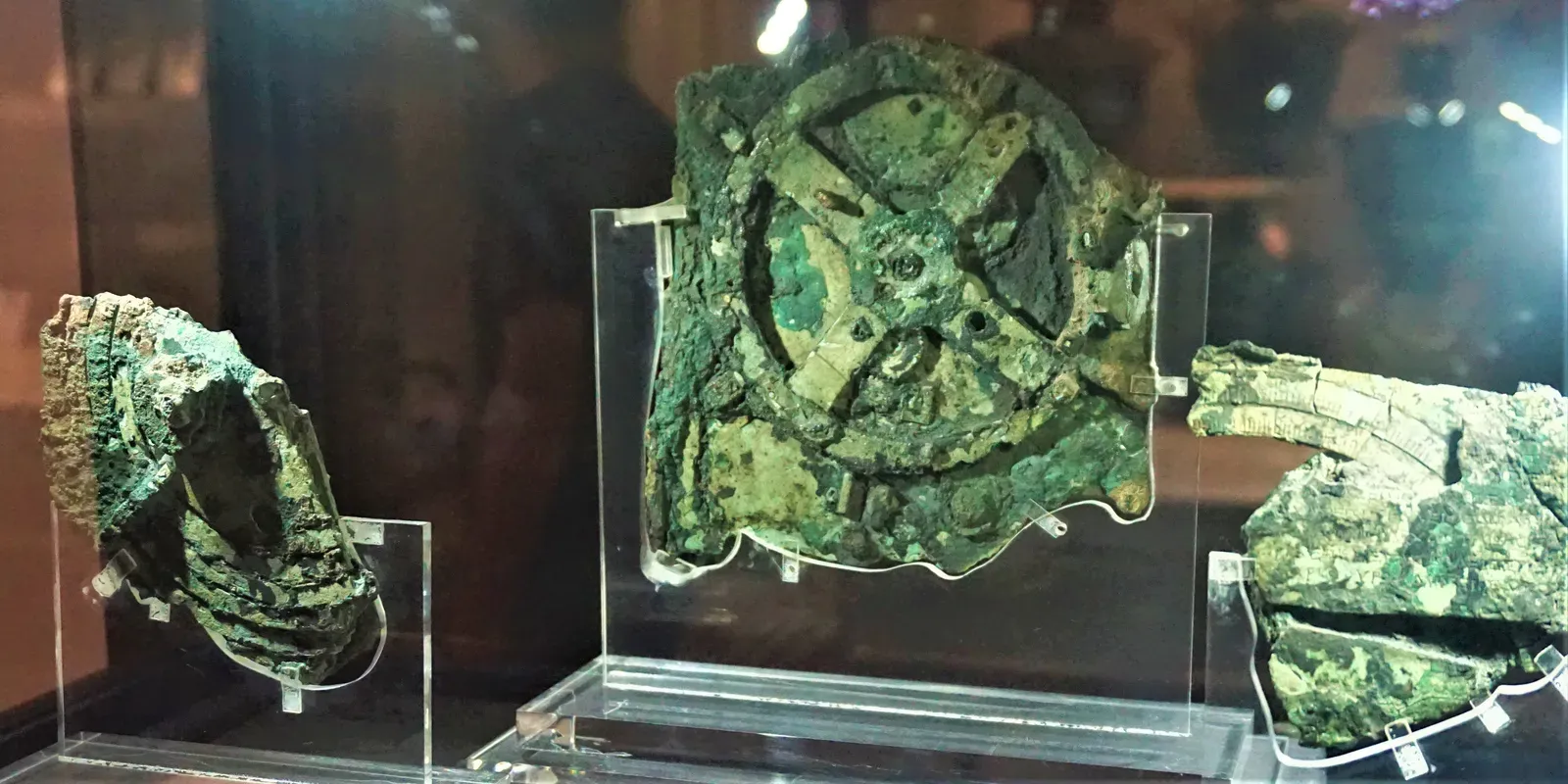
The Antikythera Mechanism is the single most jaw-dropping artifact in the history of engineering, and it sat corroding at the bottom of the Mediterranean for two millennia before anyone noticed.
Pulled from a shipwreck in 1901, this lump of bronze turned out to be the world’s first analog computer, dated to roughly 205-60 BCE and built to calculate the position of the sun, moon, and planets. Researchers eventually found it packed with more than 30 interlocking bronze gears that predicted lunar phases, eclipses, and even the timing of the Olympics. Even more shocking: the device contained a differential gear mechanism, a component not thought to have been invented until the 16th century – more than 1,500 years later. Ancient Greek engineers had already solved a mechanical puzzle that Renaissance clockmakers would later have to reinvent from scratch.
Fast Facts
- Discovered in 1901 in a shipwreck off the coast of the Greek island of Antikythera
- Built to accurately calculate the position of the sun, moon, and planets, dated to roughly 205-60 BCE
- Contained at least 30 interlocking bronze gears packed into a wooden case roughly the size of a shoebox
- Could forecast eclipses and lunar phases years in advance
- Mechanical clocks of comparable gear complexity did not appear in the European record until the astronomical clocks of the 14th century, more than a millennium later
#2 – Bronze Age Pakistan Had Better Toilets Than Medieval Europe
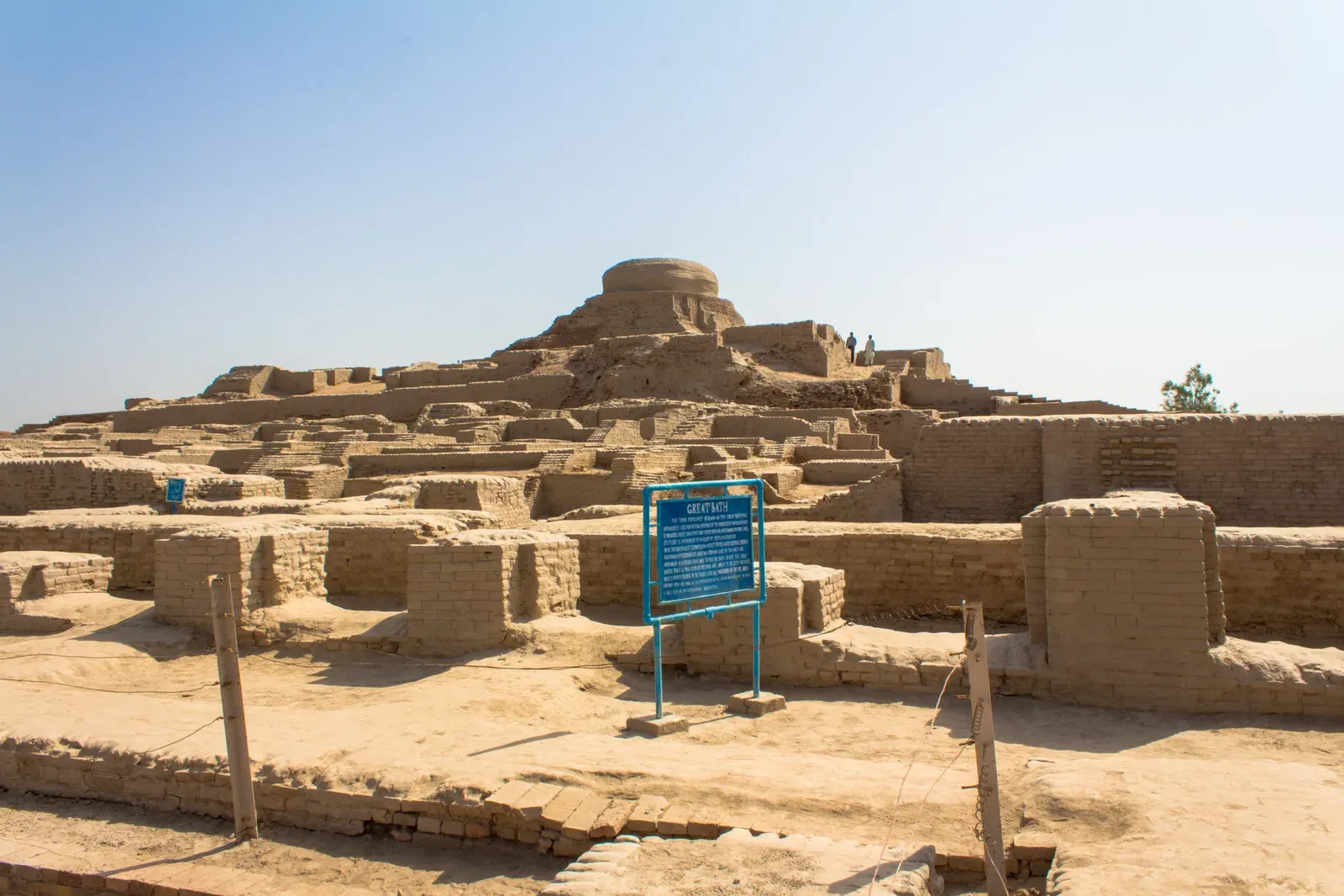
While Europeans were still dumping waste straight into the streets centuries later, the Indus Valley Civilization had already figured out indoor plumbing.
Cities like Mohenjo-Daro featured some of the earliest known water supply and sanitation systems, including piping and a complex underground sewage network. Nearly every home had a private bathing platform connected to precisely bricked drains, backed by a sophisticated system of reservoirs. National Geographic didn’t hold back on the comparison, calling it the ancient world’s best plumbing – and noting it may have surpassed what the Romans would build well over a thousand years later.
“The ancient world’s best plumbing.”
National Geographic
#3 – Roman Concrete Gets Stronger the Longer It Sits in Seawater
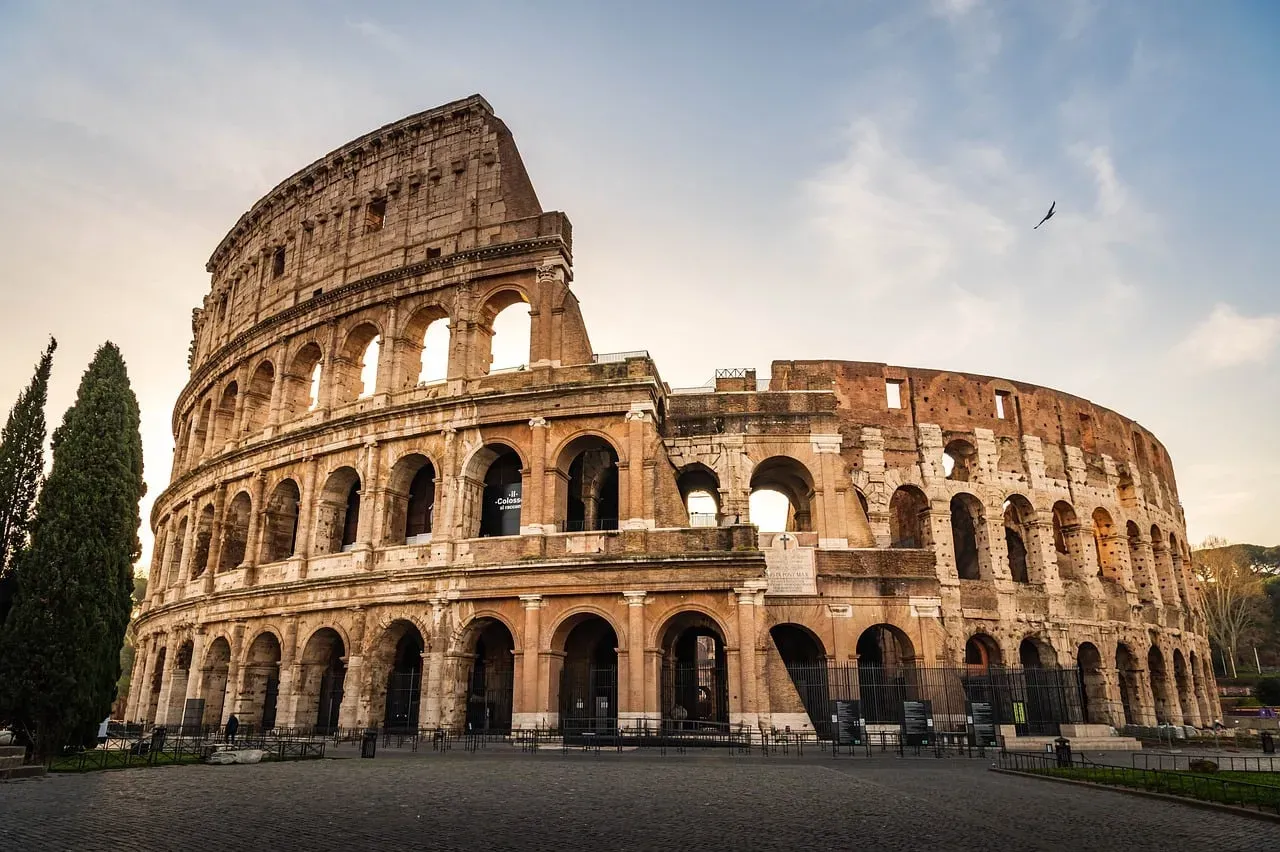
Modern concrete crumbles within decades near the ocean. Roman concrete does the opposite – it heals itself.
MIT-led researchers finally cracked the mystery in the 2020s. Roman builders used a “hot mixing” technique that left small, reactive lime clasts scattered through the mixture. When cracks form and seawater seeps in, those clasts dissolve and recrystallize as calcium carbonate, sealing the damage from the inside out. Structures like the Pantheon’s unreinforced dome, dedicated in 128 A.D., still stand today – and engineers are now scrambling to reverse-engineer a recipe the Romans perfected with zero understanding of chemistry, just centuries of trial, error, and observation.
#4 – A Desert Culture Built Wind-Powered Water Pumps 1,700 Years Ago
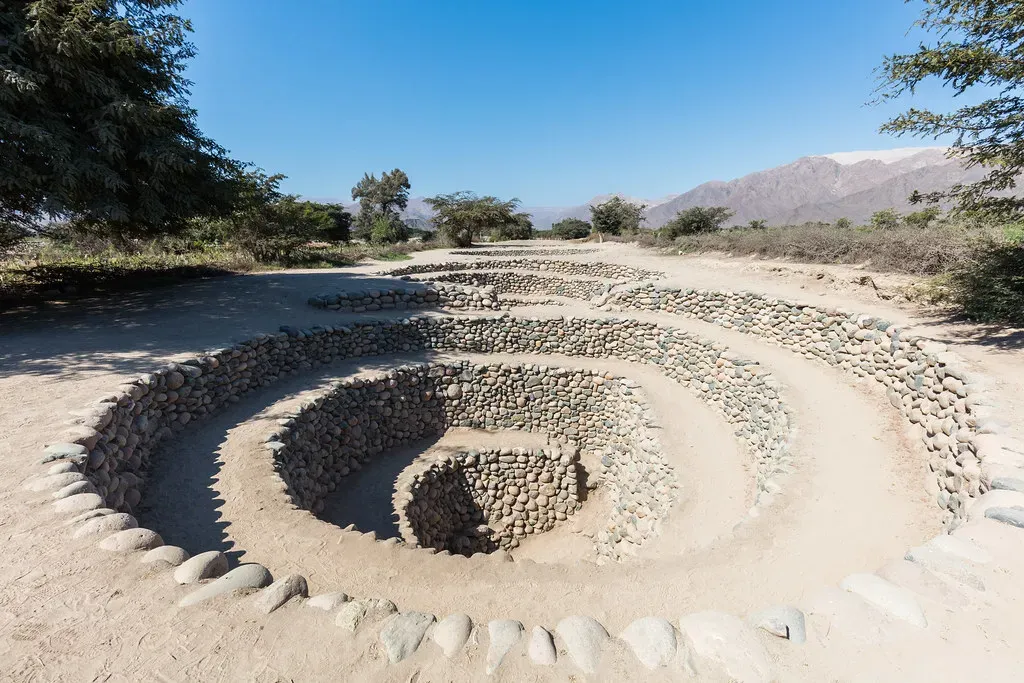
The Nazca people are famous for their mysterious desert line drawings, but their real engineering triumph is hidden underground.
Facing a landscape with almost no rainfall, Nazca engineers built the puquios – a network of underground aqueducts, surface channels, and reservoirs constructed between roughly 300 and 600 CE. The spiral entrances, called ojos, weren’t just maintenance access points. In 2016, researchers discovered they actually function as wind tunnels that keep water flowing through the tunnels, effectively creating one of the earliest wind-driven water pumps on the planet. The wildest part isn’t the age of the system – it’s that more than 30 of these aqueducts are still working today, quietly outperforming plenty of modern irrigation projects.
#5 – An African City Built Walls Without a Single Drop of Mortar
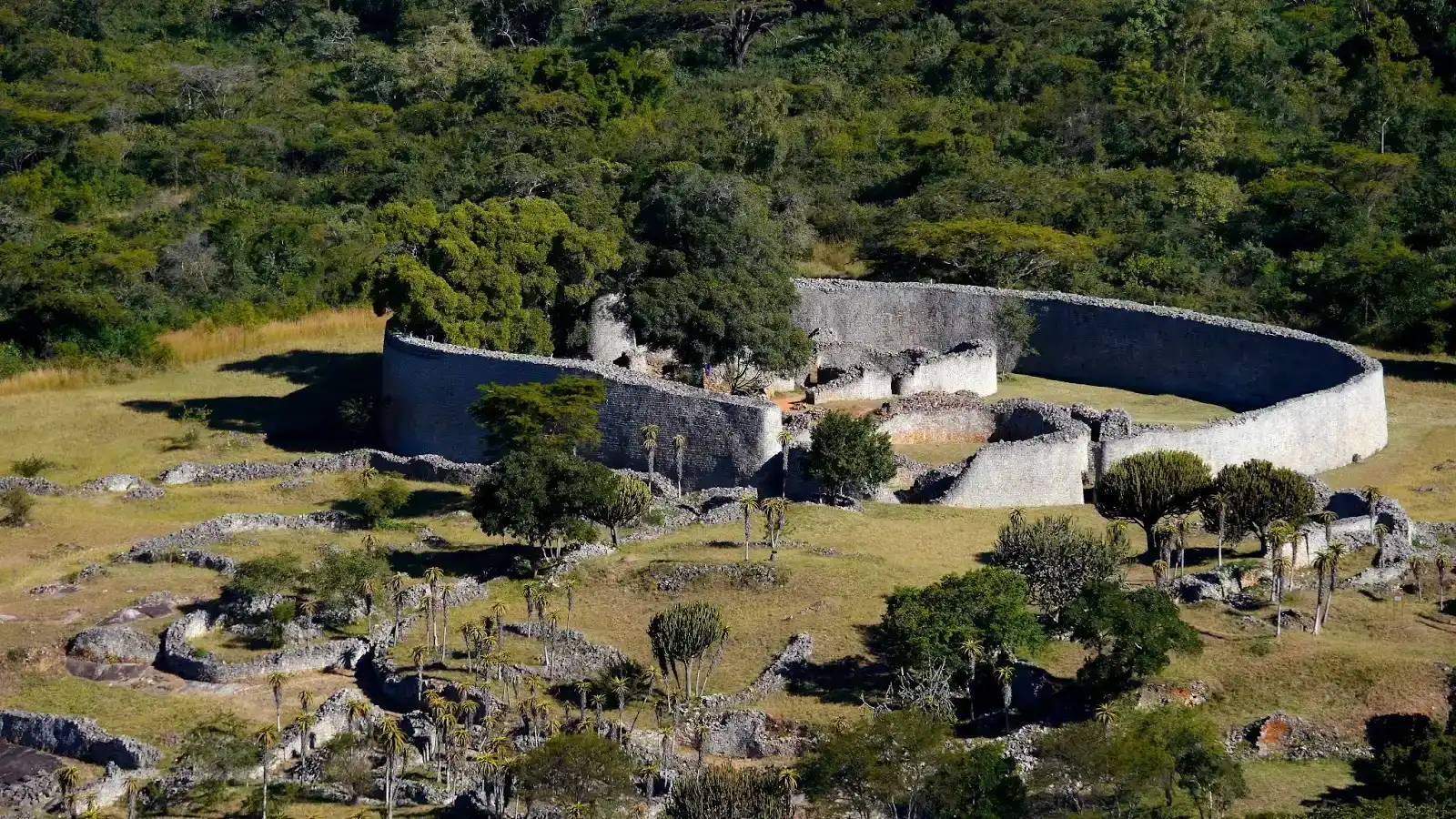
Colonial historians once refused to believe Africans built Great Zimbabwe. Modern archaeology proved them catastrophically wrong.
Constructed by ancestors of the Shona people starting around the 11th century, the city’s granite walls stretch more than 250 metres with some sections rising 11 metres high – all without a drop of mortar. Builders stacked stones with each layer slightly more recessed than the last, creating a stabilizing inward slope through pure structural physics. The site contains over one million dressed-granite blocks, all shaped and stacked by hand with enough precision to survive nearly a thousand years of weather and earthquakes. It deserves the same architectural reverence as any European cathedral, yet it remains criminally under-discussed in world history classrooms.
#6 – Hunter-Gatherers Built Massive Temples Before They Even Invented Farming
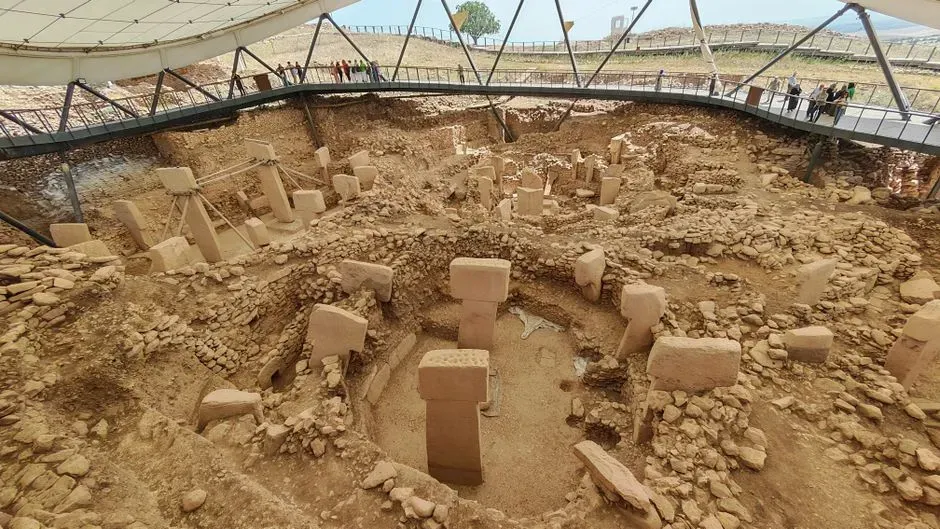
Everything we thought we knew about the “agriculture-first” theory of civilization got upended by a hill in southeastern Turkey.
Gobekli Tepe features massive carved limestone pillars arranged in circular enclosures, built by people who were still hunting and gathering their food rather than farming it. That flips the traditional assumption that agriculture came first, cities second, and monumental architecture last. Instead, it looks like large-scale construction projects may have actually helped push humans toward settled farming – not the other way around. The coordination required to quarry, transport, and erect multi-ton stone pillars with only stone tools suggests a level of social organization nobody expected from “primitive” foragers.
Quick Compare
- Gobekli Tepe: built around 9600 BCE, during the Pre-Pottery Neolithic period, by people who hadn’t yet invented farming
- Stonehenge: dating back to 3000 BCE, roughly 6,000 years later
- Great Pyramid of Giza: dating back to 2500 BCE, roughly 7,000 years later
- That makes it the world’s oldest known temple – predating Stonehenge by 6,000 years and the Great Pyramid of Giza by 7,000 years
#7 – Maya Astronomers Calculated Time More Precisely Than Some Modern Calendars
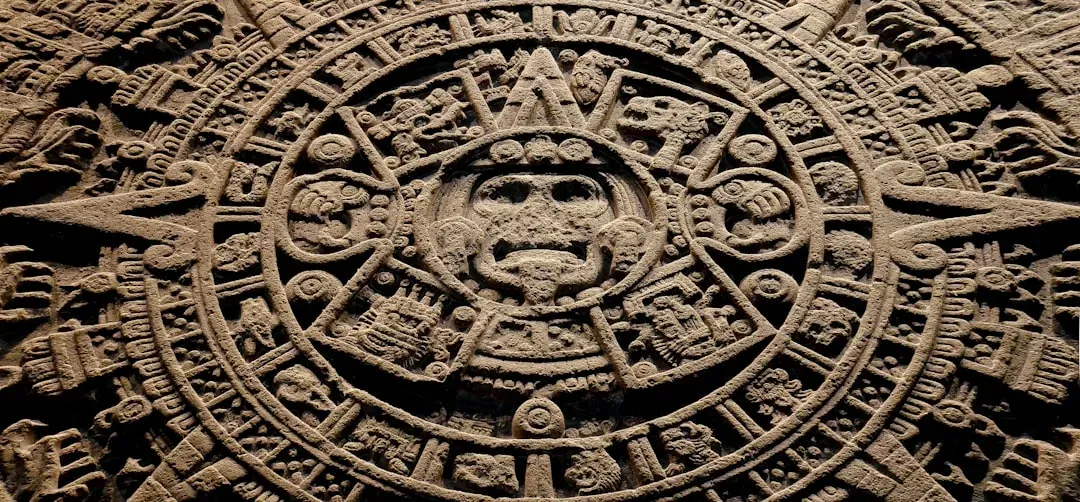
The Maya weren’t just skywatchers. They were mathematicians operating on a level that wouldn’t be matched in Europe for centuries.
Maya priest-astronomers tracked the cycles of Venus, the sun, and the moon with extraordinary precision, building interlocking calendar systems that stayed synchronized across vast stretches of time. Their calculations required sustained, generational record-keeping and sophisticated positional mathematics, including an early use of the concept of zero. This wasn’t superstition dressed up as science – it was functional astronomy used to plan agriculture, ceremonies, and political events. Most people picture the Maya purely through pyramids and human sacrifice, but their observatories reveal a civilization obsessed with precision timekeeping in a way few cultures have matched since.
#8 – Egyptian Pyramid Builders Achieved Precision Modern Architects Still Can’t Fully Explain

The Great Pyramid of Giza is aligned to true north with an accuracy that would be impressive even with satellite technology.
Built without iron tools, wheels for hauling stone, or modern surveying instruments, the pyramid’s base is nearly perfectly level, with sides aligned to the cardinal directions within a fraction of a degree. The logistics alone are staggering: coordinating tens of thousands of workers, quarrying multi-ton limestone blocks, and executing a construction timeline with almost no room for error. Forget the alien theories – the real explanation, organized labor, ramps, levers, and generational engineering knowledge, is honestly just as impressive. The true marvel isn’t the size of the pyramids; it’s the administrative genius required to feed, house, and coordinate that workforce for decades, a management problem most modern corporations would struggle to solve.
#9 – Minoan Crete Had Multi-Story Buildings With Indoor Plumbing Before Most of Europe Had Roads
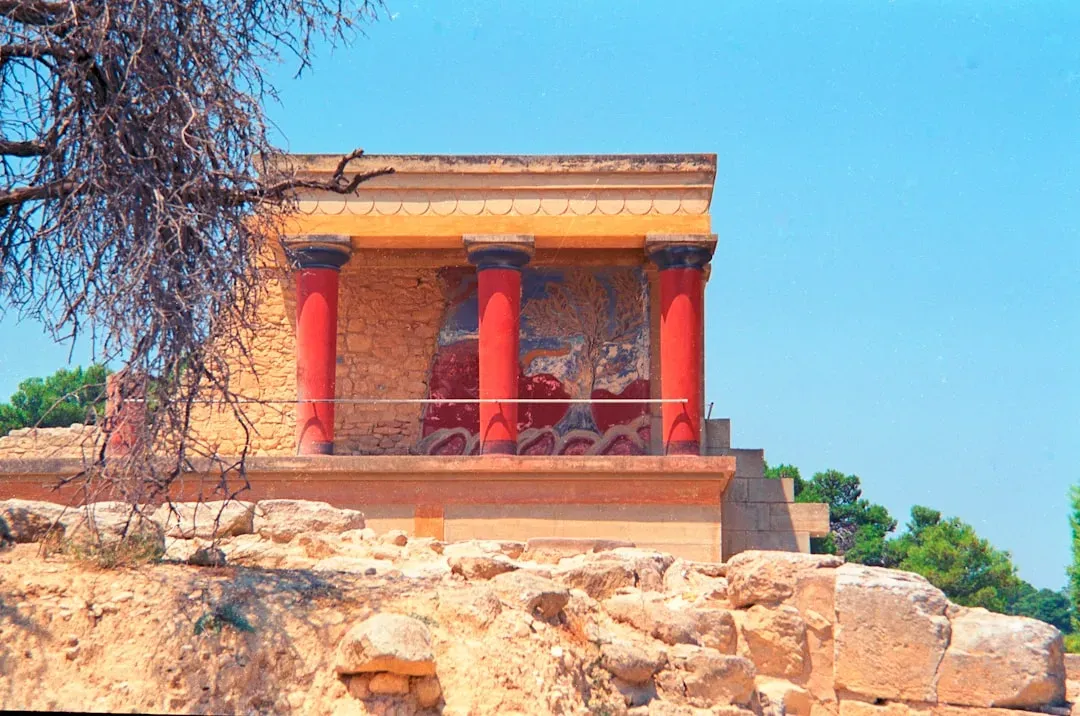
Long before Athens or Rome rose to prominence, the Minoan civilization on Crete was already living what looks suspiciously like a modern lifestyle.
Palace complexes like Knossos featured multi-story construction, elaborate drainage systems, and evidence of early flushing-style toilets connected to terracotta piping. Frescoes recovered from these palaces depict vibrant scenes of daily life, trade, and ceremony, suggesting a society with enough surplus wealth to invest heavily in art rather than pure survival. Minoan traders also built extensive maritime networks across the Mediterranean, moving goods and ideas between cultures long before “globalization” was a concept. It’s a networked, engineered society that stands in stark contrast to the popular image of the ancient Mediterranean as scattered, disconnected villages.
#10 – Ancestral Puebloans Built Structures That Track the Sun With Astronomical Precision
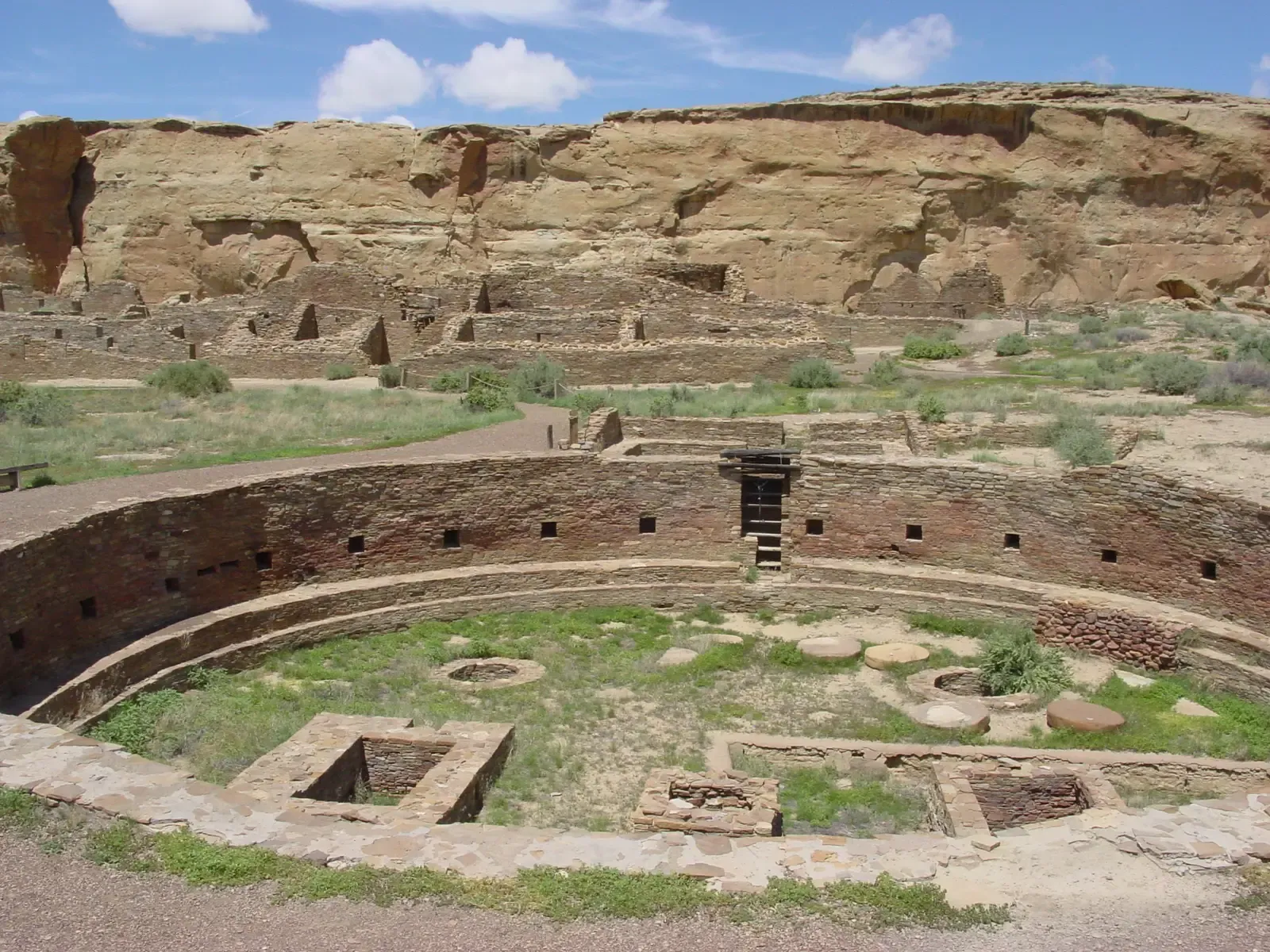
In the American Southwest, ancient builders constructed structures so precisely aligned to solar and lunar cycles that modern astronomers still use them to verify calculations.
Chaco Canyon’s “Great Houses” – massive multi-room stone complexes – were positioned to track solstices, equinoxes, and lunar cycles that repeat only once every 18.6 years. This wasn’t guesswork. It required generations of sustained astronomical observation passed down through oral tradition rather than written records, centuries before the telescope existed anywhere in the world. Many researchers now believe these sites doubled as ceremonial centers, calendars, and administrative hubs – a triple-purpose design most modern urban planners would call remarkably efficient.
At a Glance
- Location: northwestern New Mexico, at the heart of the Four Corners region
- Main building period: built 4 and 5 stories high, requiring hundreds of thousands of hours of labor over 300 years, from about 850-1150 AD
- Pueblo Bonito: more than 600 rooms towered four and five stories above the valley floor, covering 3 acres
- Road network: served as a hub for a vast network of roads, connecting it to outlying communities across four states
- Astronomical role: built to align with solstices, equinoxes, and the 18.6-year lunar standstill cycle
#11 – South America’s Oldest City Had Zero Evidence of Warfare for a Thousand Years
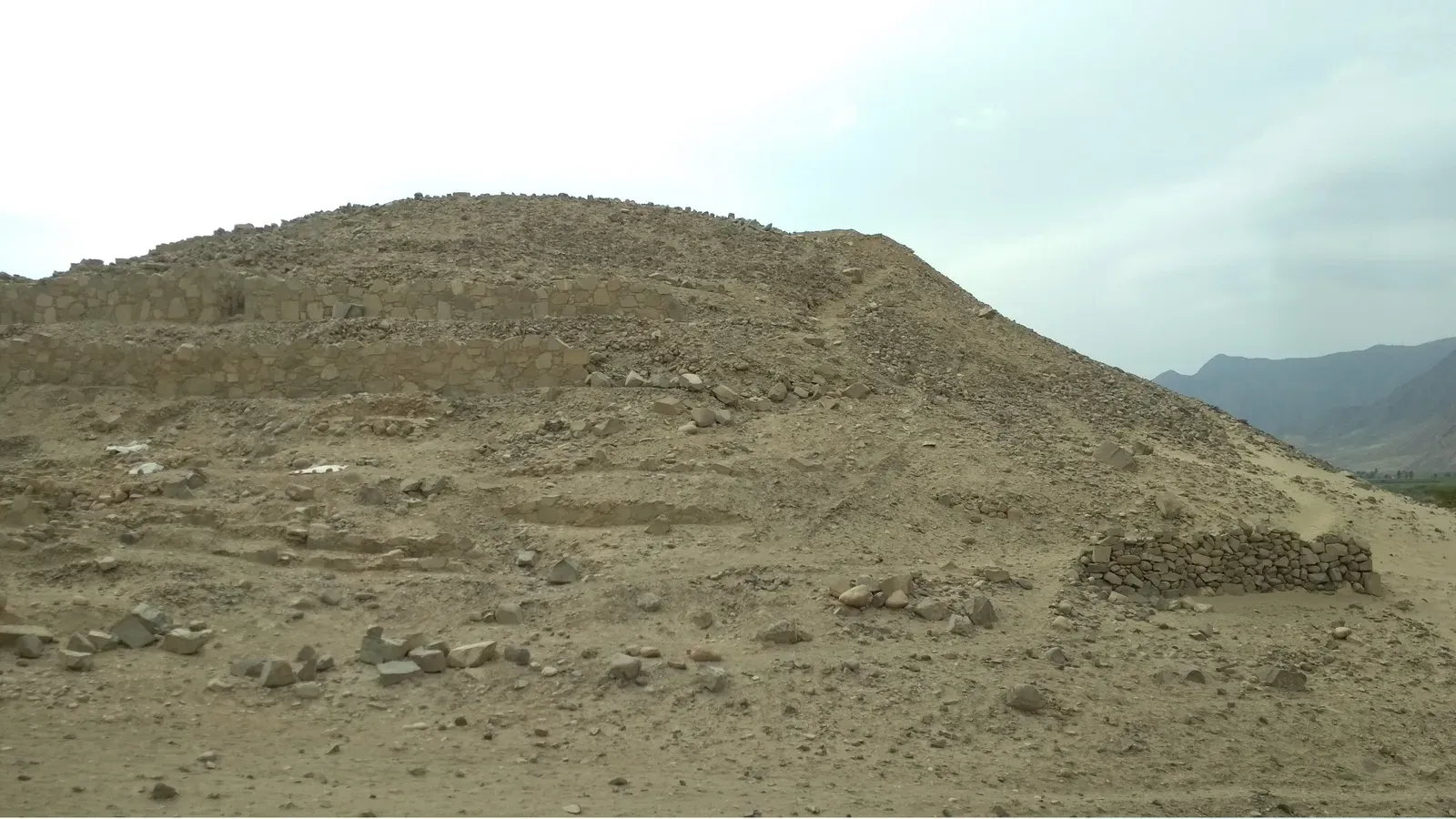
Caral, in coastal Peru, is considered one of the oldest urban civilizations in the Americas – and its most shocking feature isn’t its architecture. It’s the absence of weapons.
Unlike almost every other early civilization, archaeologists have found no fortifications, no mass graves, and no significant weapon caches at Caral, despite it thriving as a complex, monument-building society for centuries. Instead, the city poured its resources into massive earthen pyramid platforms, sunken circular plazas, and irrigation systems that supported agriculture in one of the driest regions on Earth. The society appears to have organized itself around trade, music, and religious ceremony rather than conquest. That’s an uncomfortable data point for anyone who insists conflict is simply “human nature.”
#12 – The Khmer Empire Engineered a Water System That Powered the Largest Preindustrial City on Earth

Angkor, the capital of the Khmer Empire, wasn’t just home to spectacular temples like Angkor Wat – it was an engineering marvel hiding in plain sight.
The city’s real achievement was a massive hydraulic network of reservoirs, canals, and moats that captured monsoon rainwater and redistributed it across the dry season, sustaining intensive rice agriculture for what may have been the largest urban settlement on the planet before the Industrial Revolution. This wasn’t a happy accident of geography – it was centuries of deliberate hydraulic engineering. Ironically, some researchers believe the very complexity of this system may have contributed to the empire’s decline, as prolonged droughts and catastrophic flooding eventually overwhelmed infrastructure that had worked for centuries. It’s a cautionary tale that feels uncomfortably relevant to modern cities battling climate extremes today.
#13 – Phoenician Sailors Navigated the Open Ocean Without Modern Instruments
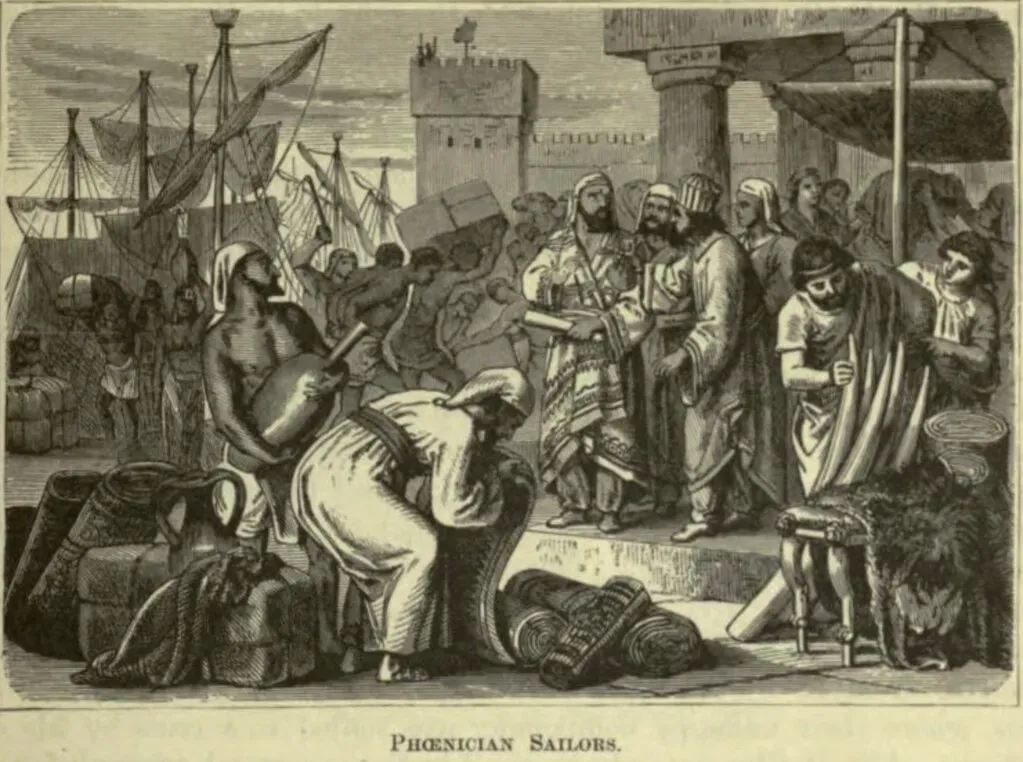
While other ancient cultures hugged the coastline for safety, Phoenician sailors confidently crossed open water using nothing but the stars, wave patterns, and generational knowledge.
Phoenician merchants established trade networks stretching from the eastern Mediterranean to the Atlantic coast of Africa and possibly beyond, spreading their alphabet – the ancestor of the one you’re reading right now – across multiple cultures in the process. Their shipbuilding techniques, including advanced hull designs, allowed for longer, more stable voyages than most contemporary vessels could manage. This wasn’t reckless exploration; it was calculated risk-taking backed by centuries of accumulated navigational expertise. Most people never connect the modern alphabet to a seafaring trade civilization, yet nearly every Western writing system today traces its lineage back to Phoenician innovation.
#14 – Sumerians Invented a Math System We Still Use Every Single Day
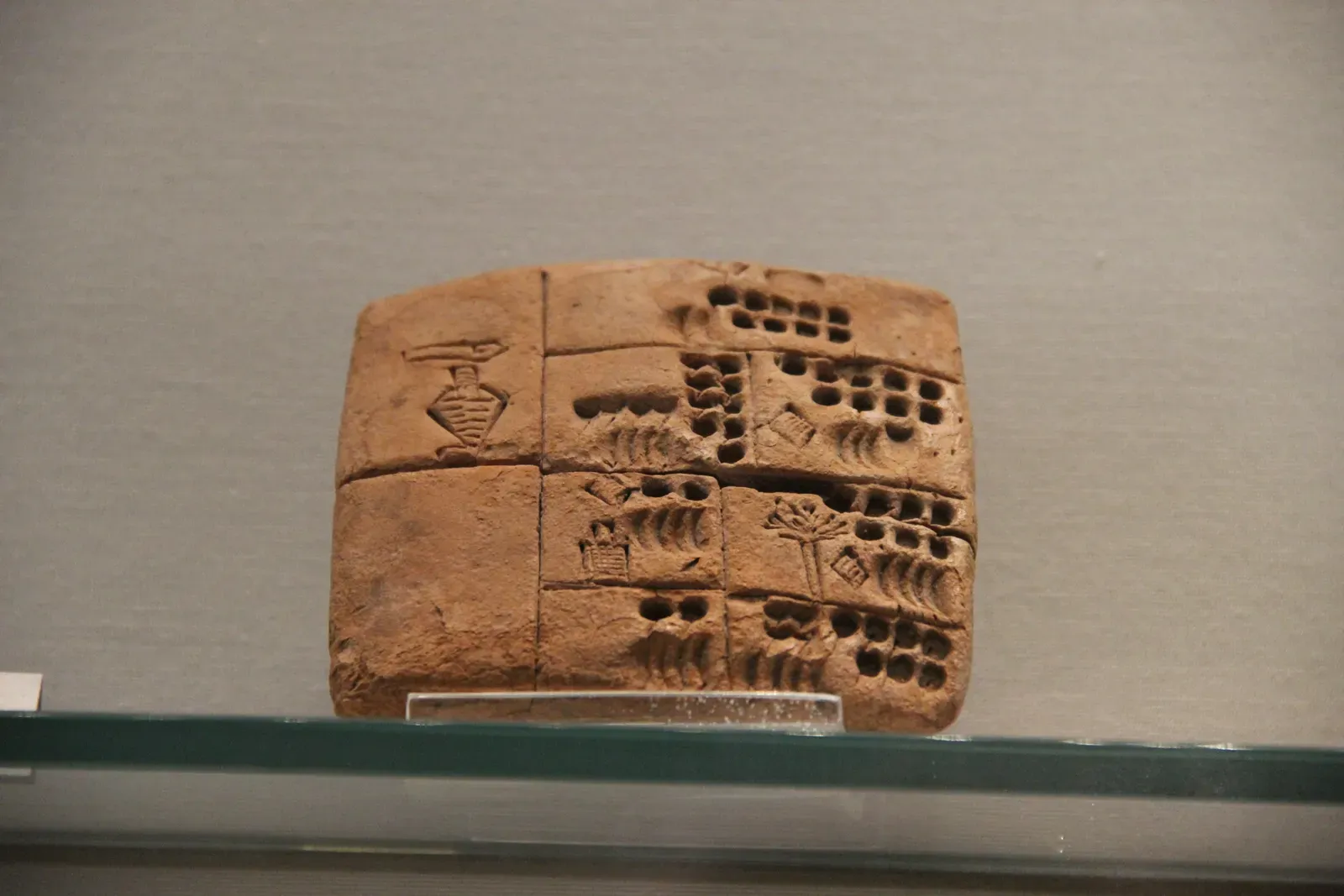
Every time you check a clock or look at a compass, you’re using technology invented by a civilization that existed over 4,000 years ago.
The Sumerians of ancient Mesopotamia developed a base-60 numerical system, which is precisely why our clocks are divided into 60 minutes and 60 seconds, and why a circle contains 360 degrees. Alongside this, they created one of the earliest writing systems, cuneiform, using it not just for religious texts but for contracts, tax records, and legal codes – essentially inventing bureaucracy as we know it. Most people assume ancient mathematics was primitive counting on fingers. In reality, the Sumerians built a numerical framework so functional it has survived, completely intact, for four millennia, outlasting nearly every empire that came after it.
Worth Knowing
- Base-60 counting still governs modern clocks: 60 seconds, 60 minutes, and 360-degree circles
- Cuneiform script was used for contracts, tax records, and legal codes – not just religious texts
- This numerical framework has survived, largely intact, for more than 4,000 years
- It has outlasted nearly every empire that came after the Sumerians themselves
The Bottom Line
The pattern here is impossible to ignore: civilization after civilization solved problems modern engineers still struggle with, using tools that seem laughably primitive by comparison. Self-healing concrete, wind-powered water pumps, mortar-free megastructures, mechanical computers – these weren’t flukes. They were the product of patient observation and generational expertise that our fast-moving modern world has largely abandoned in favor of quick fixes.
Frankly, it’s a little humbling. We like to tell ourselves progress only moves in one direction, forward, but the truth is messier: we’ve forgotten more ancient engineering knowledge than we probably realize, and some of it we’re only now rediscovering with million-dollar labs and satellite imaging. Maybe the real lesson isn’t that these cultures were “ahead of their time.” Maybe our timeline of progress was wrong from the start. Which one of these surprised you the most? Drop it in the comments.