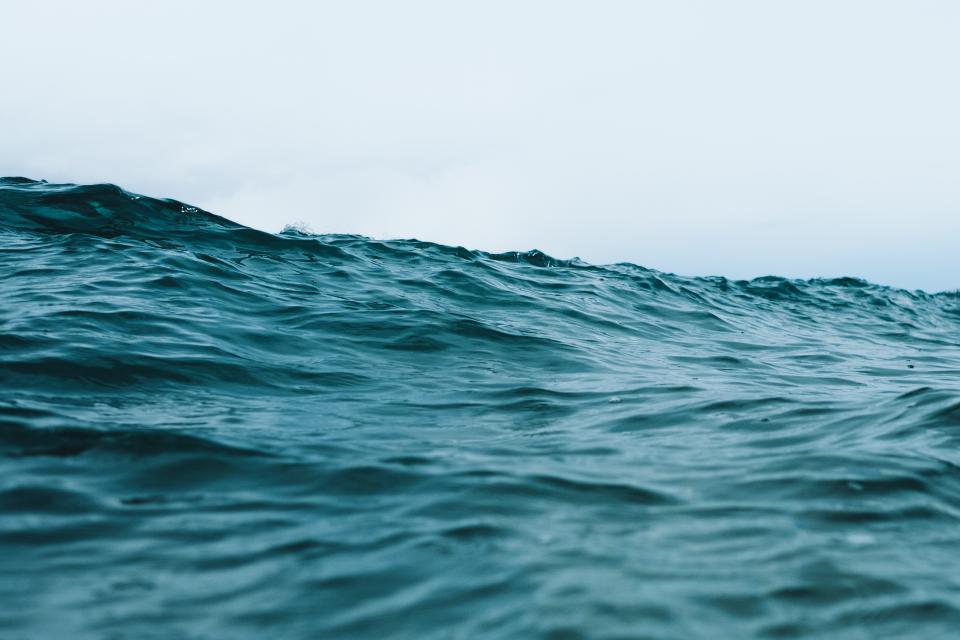
You are used to thinking of the ocean as constantly churning and mixing, like an endless washing machine. But deep in the Pacific, there are layers of ancient water that have barely touched the surface since before your oldest known civilizations rose and fell. You are essentially looking at a hidden time capsule, sealed under pressure, darkness, and silence for roughly about a thousand years or more.
When you hear that life there may defy current classification, it sounds like science fiction. In reality, what scientists are finding is subtler, weirder, and in some ways more unsettling: entire microbial communities that run on different rules than the ones you learned about in school. You are not dealing with giant sea monsters, but with invisible empires that quietly reshape the chemistry of the planet from the shadows.
How a Thousand-Year-Old Layer of Water Can Even Exist
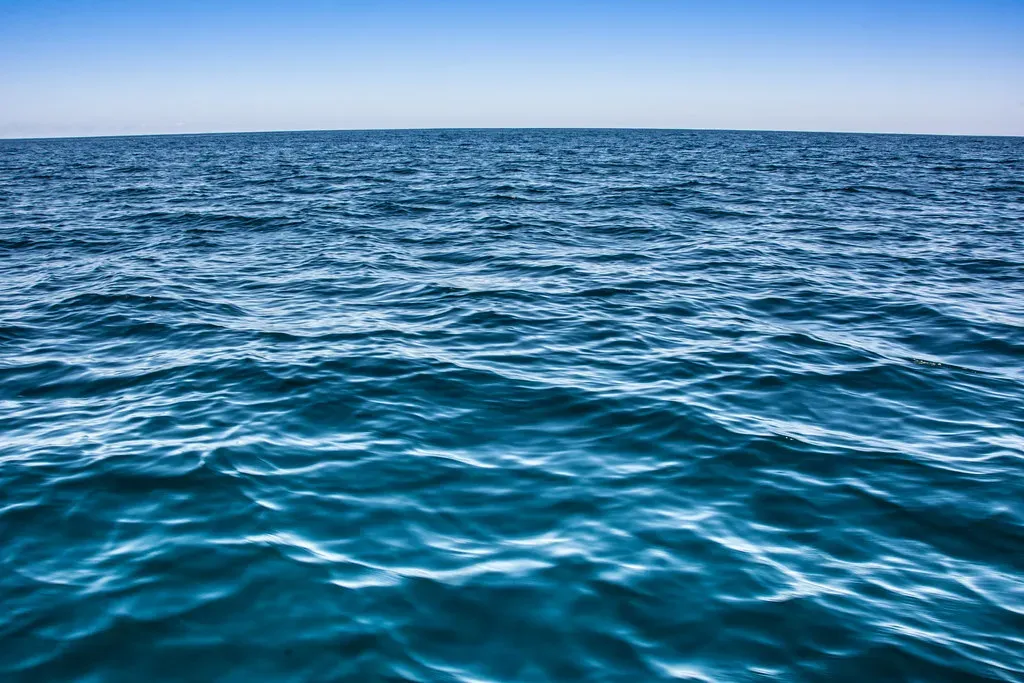
If you stand on a beach, the ocean looks chaotic and endlessly stirred, but most of the deep Pacific is surprisingly stratified. You can imagine it like a layered cake, with distinct slabs of water stacked on top of each other, each one with its own temperature, salinity, and density. Because denser water sinks and lighter water floats, those layers resist mixing the way oil fights to stay separate from vinegar.
In the Pacific, some deep and intermediate water masses sank at the surface near the poles centuries ago, then slowly crept along the ocean’s interior like a slow-motion river. As they move, they barely interact with the surface again, locked in place by density differences and weak vertical mixing. When you hear that a layer has not mixed with the surface in over a thousand years, it means the last time that water touched air, the atmosphere had a different chemical fingerprint than the one you breathe now.
The Pacific’s Deep Time Capsule and What It Stores
That ancient water is not just old; it actually carries a memory of the planet’s past. When it last contacted the atmosphere, it absorbed gases like carbon dioxide and oxygen that were present at that time. Since then, as the water mass drifted through the depths, living organisms slowly consumed the oxygen and released dissolved nutrients and carbon, like a long, slow exhale happening in the dark.
By sampling this water today, you can read those chemical signals like an archivist opening a sealed letter. Ratios of gases and nutrients tell you how long the water has been cut off from the surface and what kinds of biological activity have been happening inside it over the centuries. In that sense, you are not just measuring seawater; you are reading a timeline of invisible life, written without ink or paper, in the language of molecules.
Life in the Dark: Microbial Worlds That Rewrite the Rules
When you picture marine life, you probably think of whales, fish, or reefs – all things that depend on sunlight at some level. In the thousand-year-old deep layers, you leave the world of photosynthesis behind and step into a world driven by chemistry instead of light. Here, microbes make a living by using dissolved chemicals like ammonia, methane, or sulfur compounds as energy sources, turning the deep sea into a slow-burning chemical power plant.
What shocks researchers, and would probably surprise you too, is how complex and specialized these invisible communities are. Genetic surveys of water from these layers often reveal enormous numbers of DNA sequences that do not match any known species in existing catalogs. You are looking at lineages that may have split off from familiar microbes long ago, quietly evolving in the cold, dark stability of deep water while the surface world kept changing.
Why Some Deep-Sea Life Defies Current Classification
When scientists say something defies current classification, it does not mean they have discovered mythical creatures. It usually means that, when they read the genetic code of the microbes living there, the usual tree of life categories start to wobble. You might expect to drop each organism neatly into a known family or genus, but in these layers, you often find branches that do not fit cleanly anywhere, or that stretch the boundaries of existing groups.
For you, this is like opening a phone book and realizing that roughly about one third of the names are totally unfamiliar, with no address or history you recognize. These organisms may not look bizarre under a microscope, but their metabolisms, genes, and symbiotic relationships can be unlike anything you learned from standard textbooks. You are forced to reconsider how flexible life can be, and how much of Earth’s biodiversity is still hidden in places you almost never see.
How Scientists Study a Layer You Will Never See
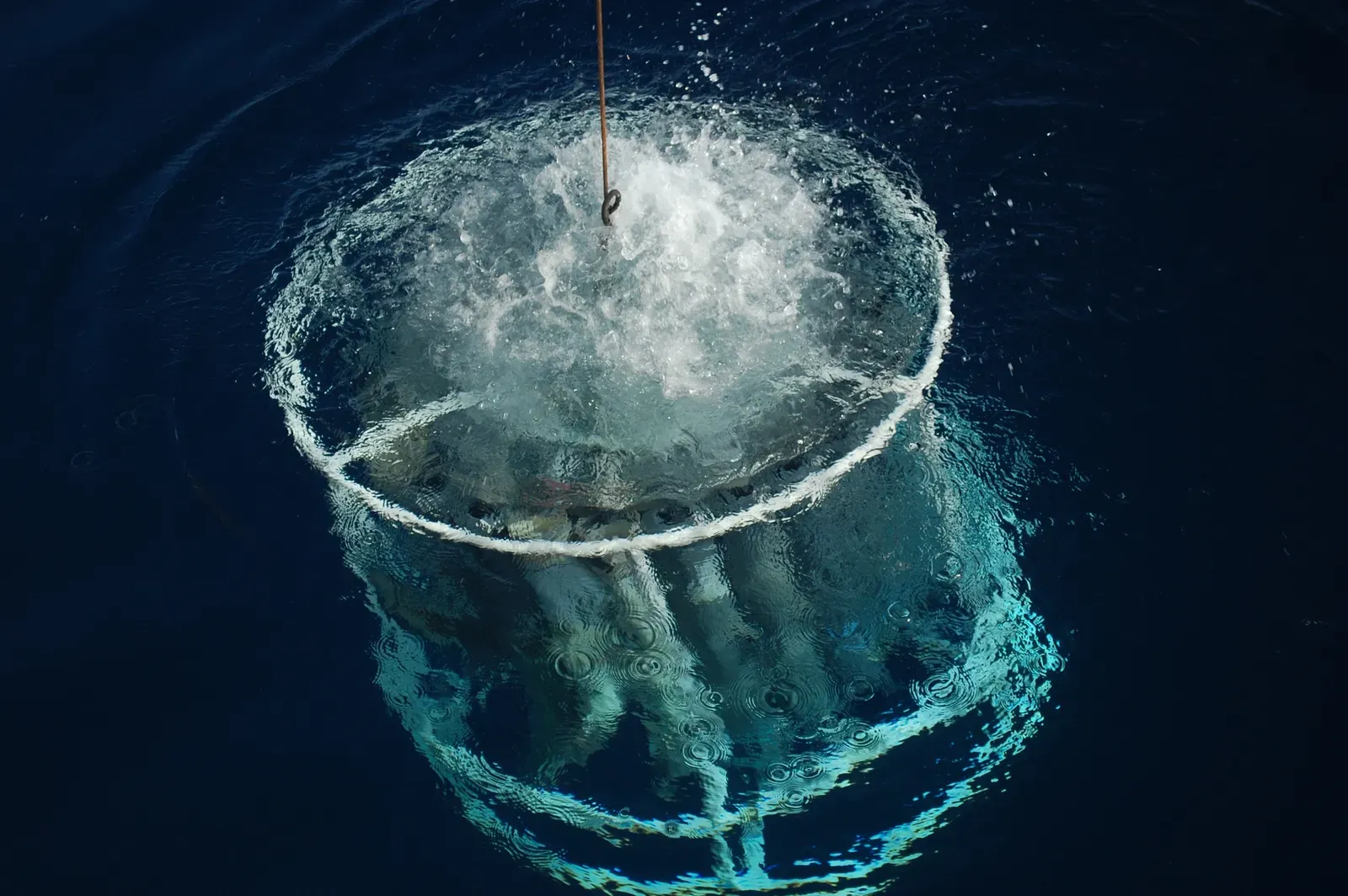
Reaching a thousand-year-old water mass is not as simple as dropping a bucket over the side of a ship. Researchers use specialized instruments called rosette samplers, which are lowered kilometers down, carrying a ring of bottles that snap shut at precise depths. You can think of it as taking core samples of liquid time, capturing thin slices from different layers stacked through the water column.
Back on deck and in the lab, those samples are filtered, sequenced, and chemically analyzed. You might see scientists measuring nutrients, counting cells, or extracting DNA to decode which organisms are present and what they are doing. For you, the results show up as maps, graphs, and colorful diagrams, but each data point started as a tiny volume of water pulled from a silent, pressurized world that you will never directly touch.
Why These Ancient Waters Matter for the Climate You Live In
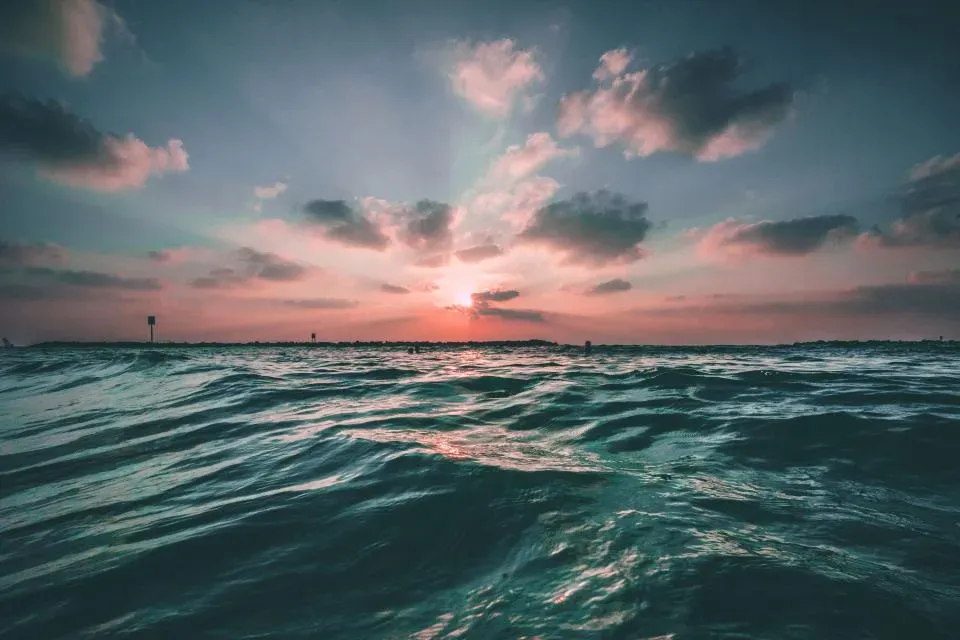
It can feel like this hidden layer is disconnected from your everyday life, but it plays a quiet role in the climate system that shapes your weather, crops, and coastlines. The deep Pacific acts as a massive storage vault for carbon, locking away the remains of surface life and the gases the ocean once absorbed from the air. Because this water only slowly returns to the surface over many centuries, it delays and smooths out climate swings, acting like a planetary shock absorber.
At the same time, you depend on the way these layers eventually release nutrients back into shallower waters, fueling plankton growth that supports fish and other marine life. If deep circulation patterns speed up or slow down as the climate warms, the timing of when these thousand-year-old waters reemerge could shift, changing how much carbon the ocean can hide and how productive surface ecosystems remain. You are more connected to these invisible layers than you might think when you look up at the sky or check the temperature outside your window.
The Edge of the Map: What You Still Do Not Know
Even with modern instruments, deep genomics, and advanced models, your understanding of these ancient water masses and their life is still partial. Every new expedition tends to bring back DNA sequences that do not match the databases, chemical reactions that are more intricate than expected, or new hints of interactions between microbes that you had not guessed. You are essentially sketching the coastline of a vast continent in the dark, adding details bit by bit without seeing the full shape.
That uncertainty is not a flaw but a reminder of how young ocean science really is. You stand in a time when you can measure thousand-year-old waters and detect single-celled residents that have lived in the dark for generations, yet you cannot fully predict how they will respond to the rapid changes happening at the surface. You are looking into a mirror that reflects both the planet’s deep past and its uncertain future, and you are still learning how to read what you see.
Conclusion: Living With a Planet You Still Barely Know
When you realize that parts of the Pacific have not touched the surface in over a thousand years, you start to see your planet differently. You share Earth with ancient water masses and strange microscopic citizens that quietly maintain the chemical balance your life depends on, even though you will never meet them face to face. You live your entire life in the thin, sunlit skin of the ocean-atmosphere system, while a much older, quieter world turns beneath you.
The fact that some of the life down there resists your current ways of classifying and naming it is a humbling reminder that your scientific map is still incomplete. As you go about your daily routines, those deep layers will keep drifting, aging, and evolving in the dark, carrying stories about the past and clues about the future. Knowing that, you might ask yourself: what else is your own planet hiding just beyond the reach of your familiar light?