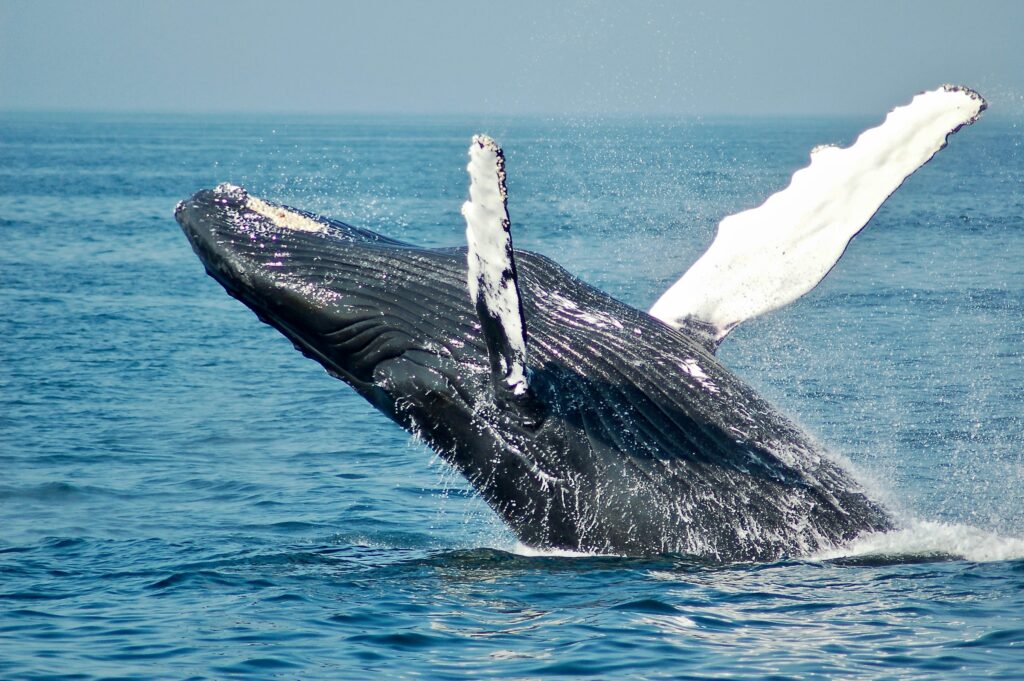
You probably picture whales singing long, eerie songs in the deep. But there’s a much stranger detail scientists are now obsessed with: the short sound a whale makes right before it dives. For decades, you were told these calls were just part of their general chatter or hunting routine. Now marine biologists are quietly admitting they may have been wrong, and that this mysterious pre‑dive sound might mean something far more complex than anyone guessed. You’re living at a moment when underwater microphones, artificial intelligence, and years of archived recordings are all colliding. As researchers re‑analyze old data with new tools, they’re realizing you still don’t really know what whales are “saying” in that last sound before they vanish into the dark. And that uncertainty is forcing science to rethink not just whale behavior, but what you even count as communication or language in another species.
That Last Sound Before the Dive: What You’re Actually Hearing
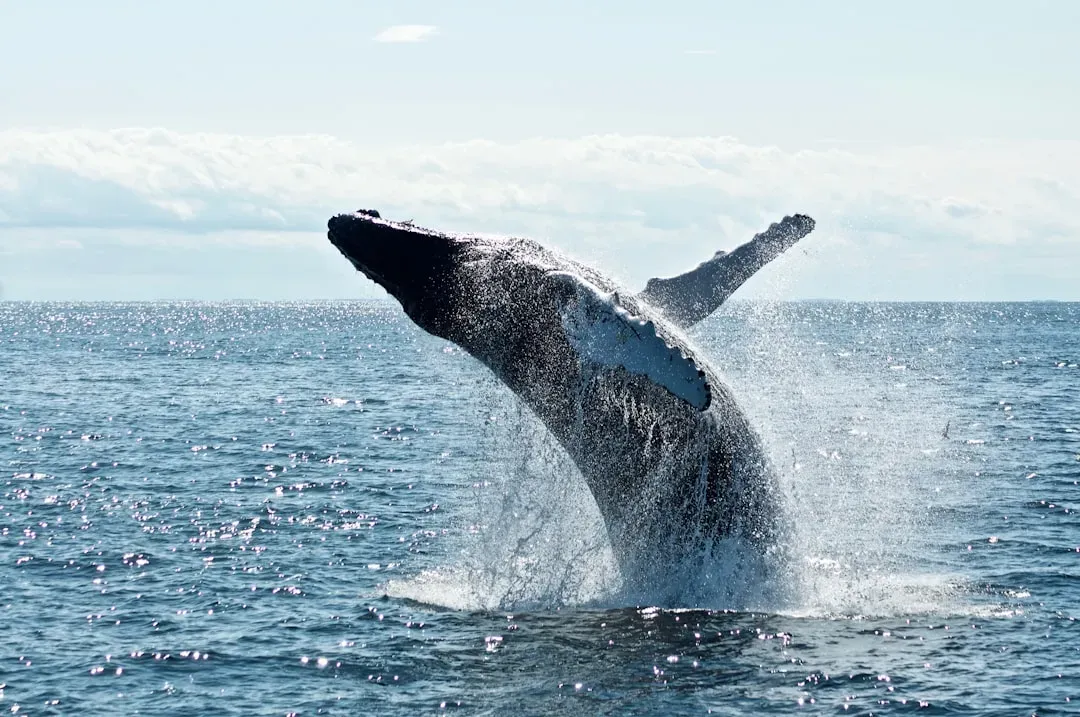
If you’ve ever listened to whale recordings, you know the dramatic songs and clicks. But right before many whales dive, there’s often a distinct sound: a short call, a pattern of clicks, or a brief pulsed noise that stands out from everything that follows. You can think of it like the last word someone says before hanging up the phone, except you don’t know if it means goodbye, get ready, or something else entirely. Researchers have recorded these pre‑dive sounds in different species, but the function has stubbornly refused to fit into a neat box. You’re not alone in wondering why it’s still a mystery. Even in well‑studied animals like sperm whales and humpbacks, scientists admit that a surprising number of calls and codas have unknown meanings, especially those that appear at the transition between surface and deep‑foraging behavior. In other words, you can see the pattern: surface… pre‑dive sound… deep dive… but you still don’t know whether that sound is a command, a check‑in, a navigation cue, or something completely outside your human categories.
Why Marine Biologists Are Suddenly Questioning Old Assumptions
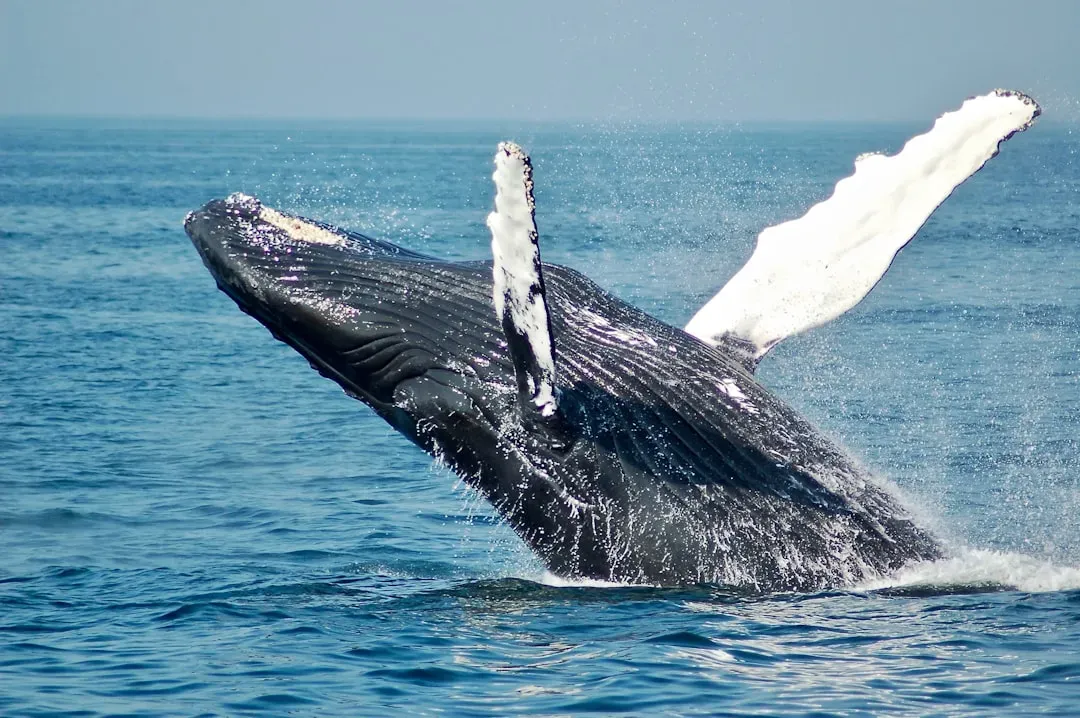
For a long time, you were told fairly simple stories: humpback songs were mostly for mating, sperm whale clicks were mainly for sonar, and various grunts or squeaks fit into broad labels like “contact call” or “foraging sound.” That made everything feel tidy. But as datasets got bigger and analysis got smarter, those neat boxes started to leak. The more researchers zoomed in on timing, context, and subtle variations, the less the old one‑sentence explanations held up. Now, you’re watching a genuine shift happen. For example, some scientists studying sperm whale codas have found that these click patterns change depending on the social situation and sequence, hinting at a flexible, combinatorial system, not just a handful of fixed signals. Others looking at humpback songs argue you shouldn’t treat them like simple mating songs or musical notes at all, but more like a shifting performance that might serve multiple functions at once. In that light, that pre‑dive sound stops looking like a boring technical cue and starts looking like a missing piece of a very complicated puzzle.
Could That Sound Be a Group Signal, Not Just a Solo Habit?
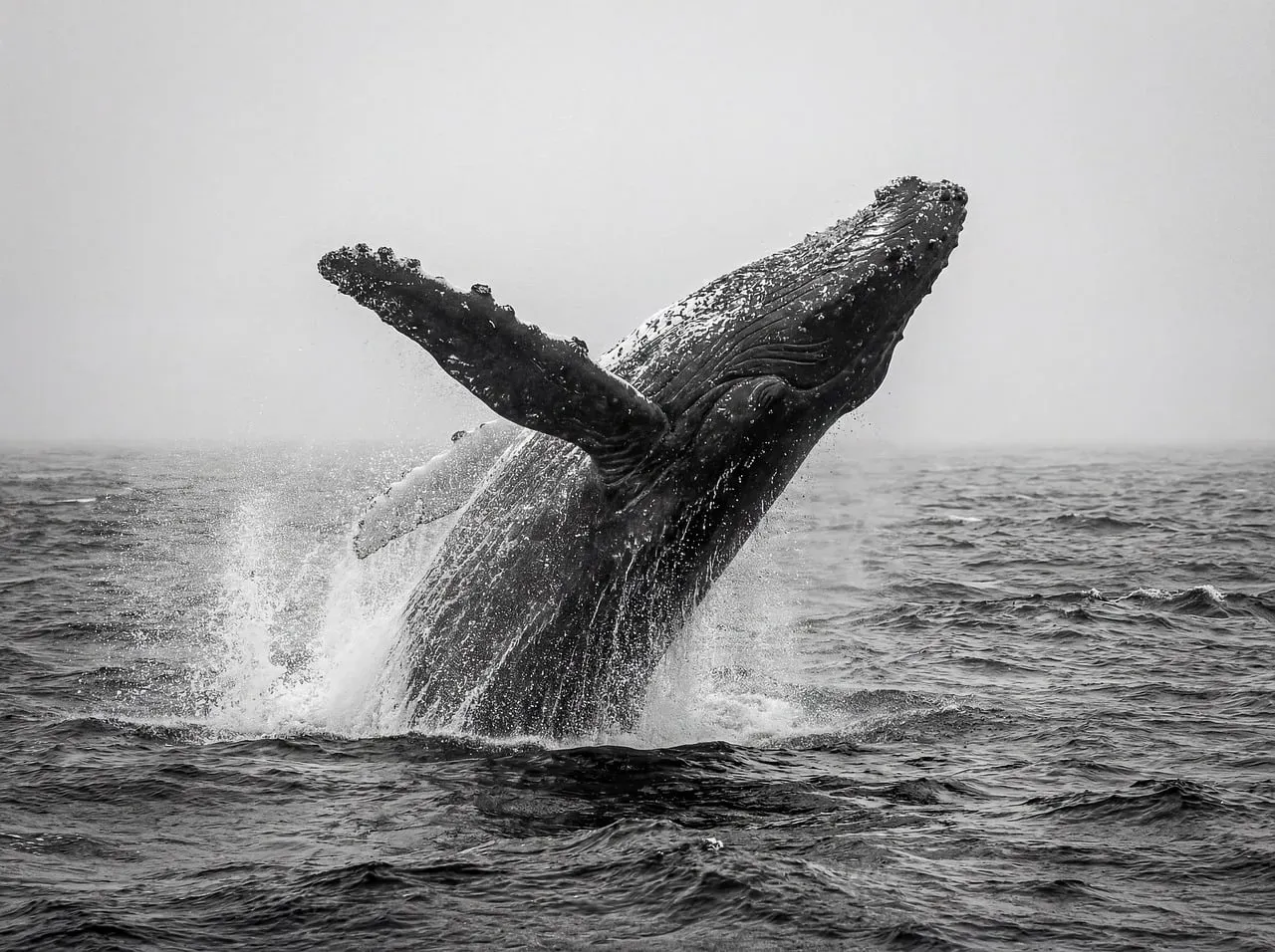
When you hear “whale sound,” you probably imagine one animal calling into the void. But whales live in tightly connected social groups, from sperm whale families to humpback associations that last for seasons. That means the final sound before a dive might not be about the individual at all. It could be a way of saying to the group: stay close, get ready, or follow me down. In other social animals, you already see this – think of birds giving take‑off calls before flying, or primates using short signals before coordinated movements. Marine biologists are starting to look at these pre‑dive sounds through that lens. By lining up audio recordings with movement data and group behavior, some teams are asking whether a pre‑dive call predicts what everyone else does in the next few seconds. Do other whales adjust their position? Do calves move to a safer spot? Does the group synchronize its dive? You can imagine how powerful it would be if that tiny moment turned out to be more like a spoken agreement than a random noise.
The Tech Revolution: How AI Is Making You Rethink Whale “Language”
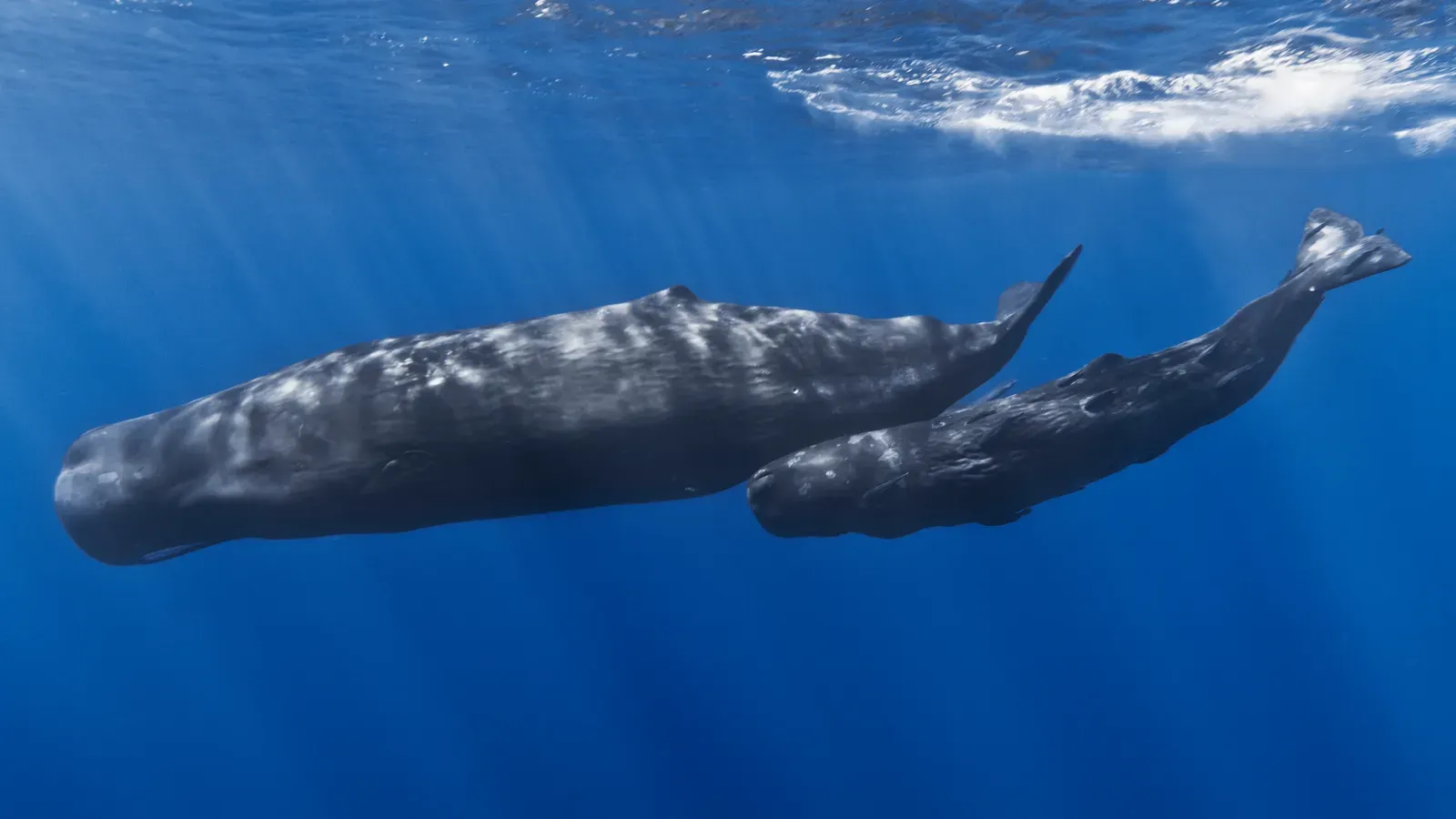
Here’s where things get really wild for you: the same kinds of machine‑learning tools that help translate human languages or power voice assistants are now being turned on whale recordings. Instead of relying only on human ears and basic statistics, scientists can feed thousands of hours of underwater sound into algorithms that hunt for patterns no person could spot alone. These systems can flag which sounds cluster together, which follow each other in sequences, and how calls change with context like depth, group size, or behavior. In sperm whales, for example, recent research shows their codas have structure that looks surprisingly language‑like, with units that can be combined and varied depending on what’s happening socially. That doesn’t mean you’ve “decoded whale,” but it does mean your old idea of simple, repetitive calls is crumbling. If complex structure shows up in the parts of conversations right before dives, then that pre‑dive sound might be part of a small “sentence” rather than a lone syllable. AI is not handing you a translation, but it is forcing you to admit that you might be listening to something richer than you assumed.
Uncomfortable Truth: You Still Don’t Know What Most Whale Sounds Mean
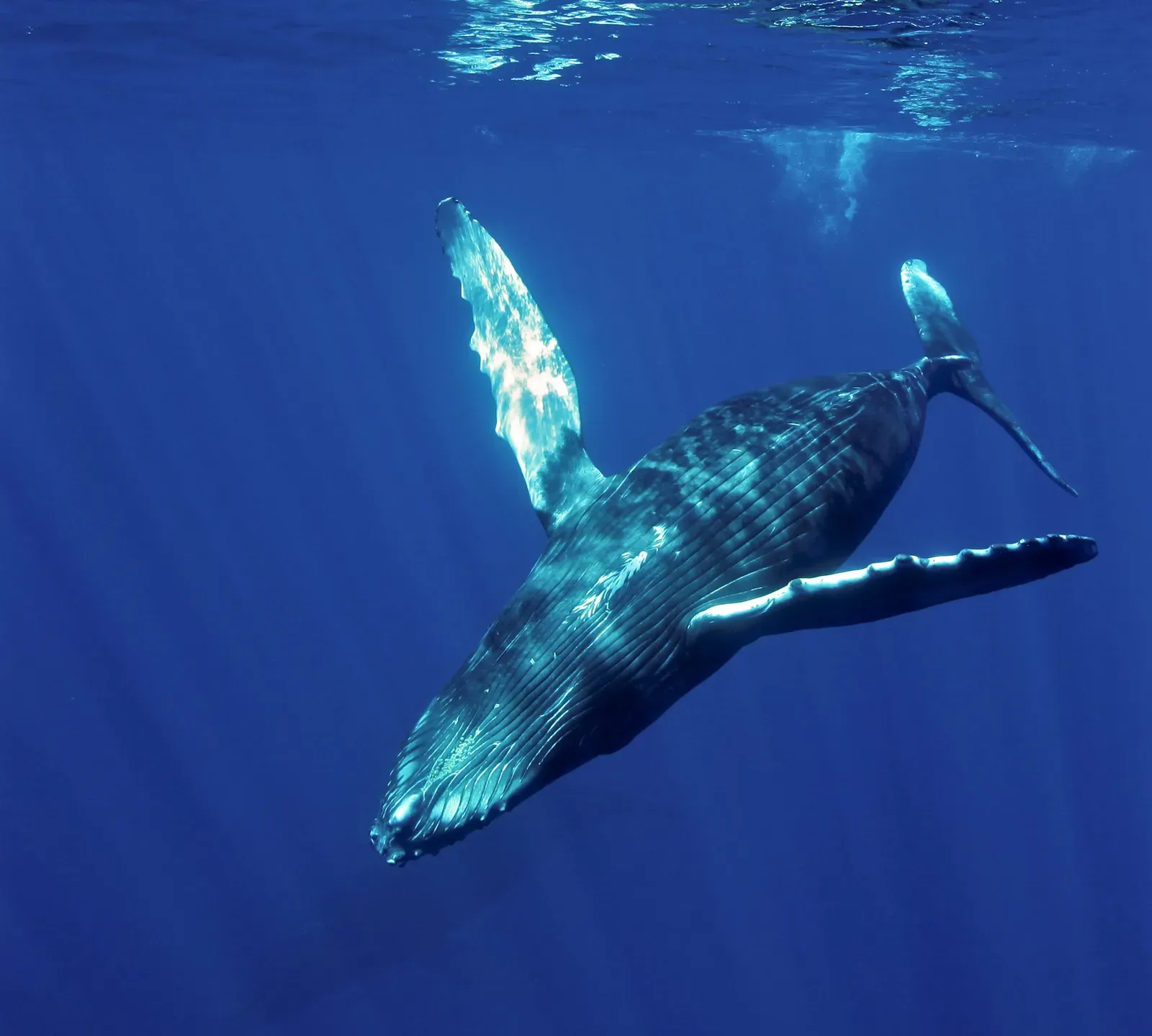
It’s tempting to assume that by 2026, scientists must have nailed down the basics of something as obvious as whale sounds. The uncomfortable reality for you is that a large fraction of their acoustic repertoire is still unexplained. In many species, researchers can say when and where a sound happens, and sometimes who makes it, but not what it actually conveys. Even in intensively studied species, only certain call types – like some social codas or particular songs – have reasonably well‑supported hypotheses about function. So when you zoom in on that pre‑dive sound, you’re looking at a symbol of your broader ignorance. You know it happens at a meaningful transition: from surface breathing and socializing to deep foraging or travel. You can measure its timing, its frequency, and even its slight variations between individuals or groups. Yet you can’t honestly say whether it’s about coordination, emotion, navigation, or something humans do not even have a word for. That kind of uncertainty can feel frustrating, but it’s also a healthy correction against the overconfident stories people liked to tell in the past.
Noise, Climate Change, and Why Meaning Is Getting Harder to Read
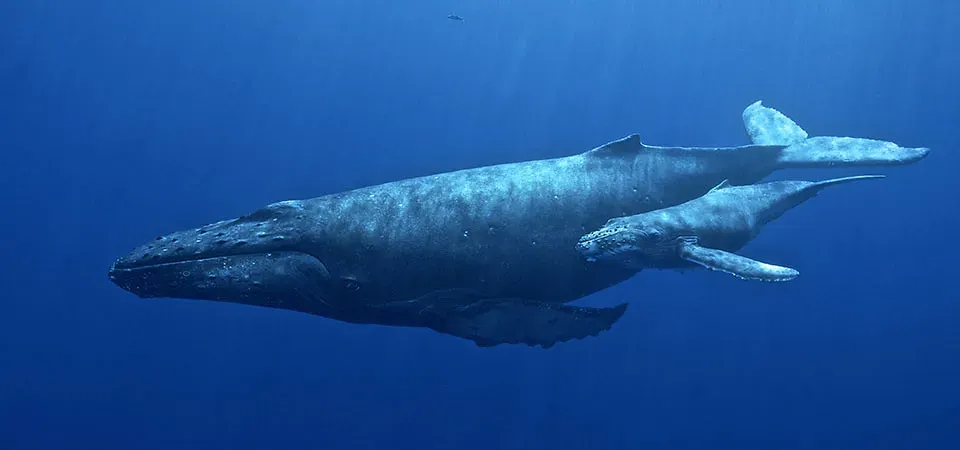
There’s another twist you might not have thought about: the ocean itself is getting louder and weirder. Ship traffic, industrial activity, military sonar, and even melting ice all change the underwater soundscape. When you try to interpret a faint pre‑dive signal in that mess, you’re dealing with a moving target. A sound that once carried clearly across long distances may now be masked or distorted, and whales might be changing how or when they call just to be heard above the constant hum. On top of that, climate change is reshaping where and how whales feed, migrate, and socialize. If a pre‑dive call helps coordinate a group hunt or navigate complex seafloor features, then warming waters and shifting prey could be altering the context behind that sound in real time. You’re not just trying to decode a static code; you’re chasing a living, adapting communication system in an environment that is being remodeled beneath it. That makes every small pattern – like that last call before the plunge – feel even more urgent to understand.
Listening Differently: What This Mystery Says About You
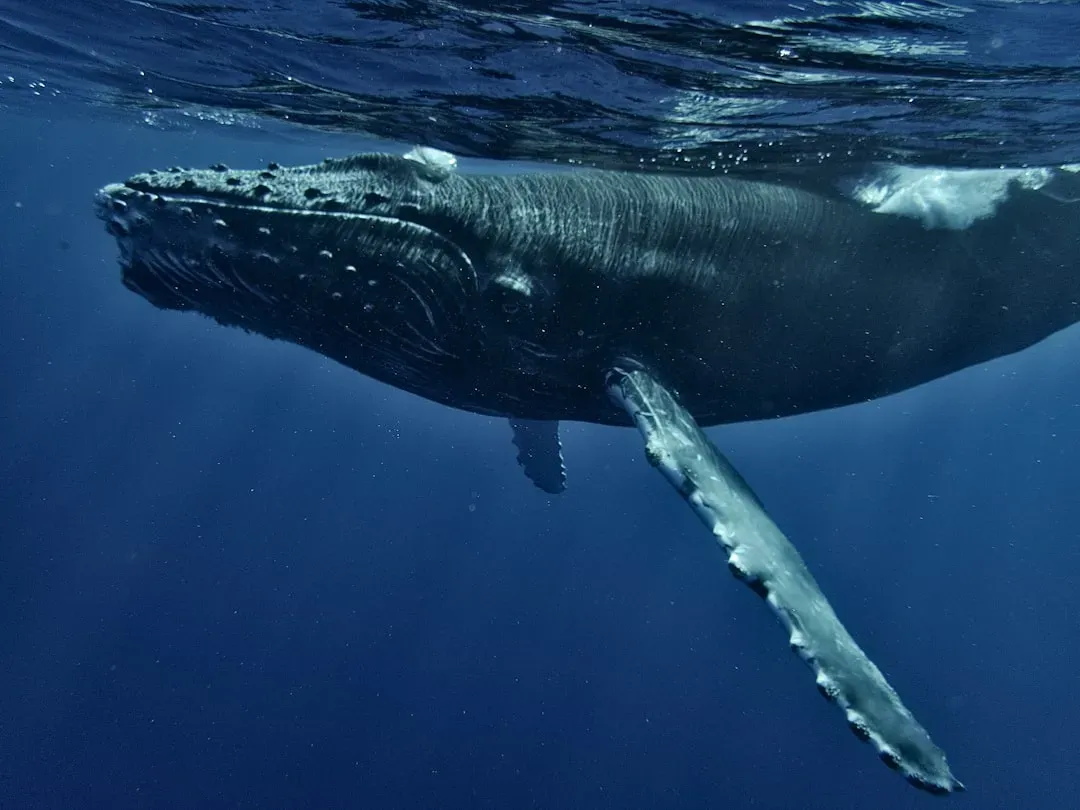
The fact that you still can’t pin down the meaning of a single, repeated sound before a whale dives is humbling. It challenges your instinct to assume that if you can record something and analyze its frequency, you must understand it. You’re being forced to admit that meaning is more than shape on a spectrogram or a line in a data table; it lives in relationships, histories, and experiences you don’t share with these animals. In a way, this mystery is less about what whales are saying and more about how you listen. Personally, I love that. It’s a reminder that not everything in nature immediately bends to human categories like “greeting,” “warning,” or “navigation cue.” When you stand on a boat or look at a graph of whale calls, you’re not just doing science – you’re bumping into the limits of your own imagination. That final pre‑dive sound might one day turn out to be something delightfully mundane, or something that forces you to rewrite entire chapters of animal communication textbooks. Either way, it’s telling you to be slower, quieter, and more curious.
What This Could Mean for Future “Conversations” With Whales
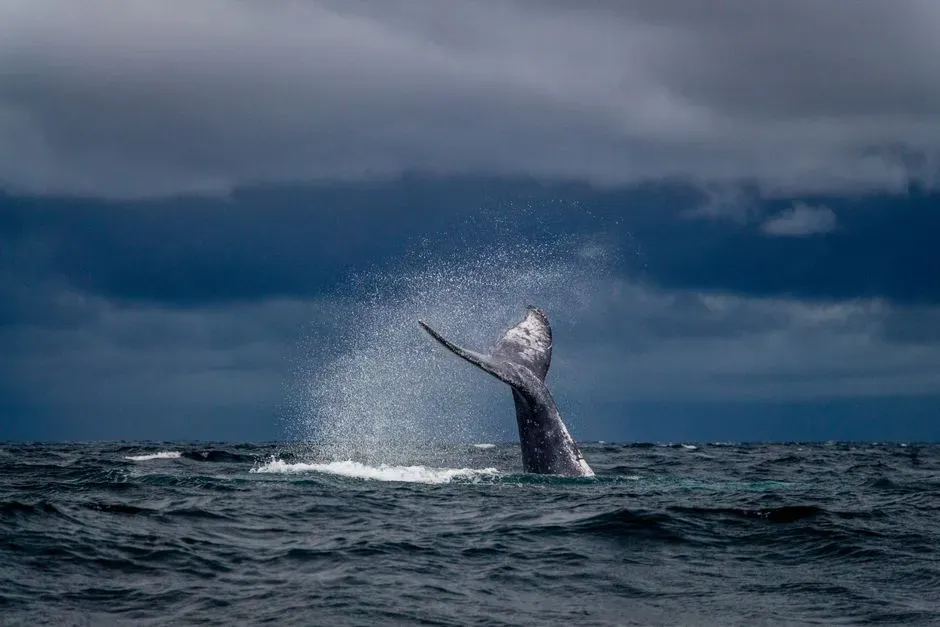
You may have seen headlines about researchers playing recorded calls to whales and getting responses that look eerily like back‑and‑forth exchanges. Those experiments are still in their early days, and you shouldn’t oversell them as full conversations. But they hint at a future where you might not just passively listen – you might carefully “speak back” in their acoustic language, testing hypotheses about what certain calls do. In that future, the pre‑dive sound becomes a prime candidate for experiments: what happens if you play it at the wrong time, or alter its pattern? To do that responsibly, though, you need to understand much more about context and consequence. If that sound is tied to coordination, safety, or stress, careless playback could confuse or disturb animals that already live in a noisy, pressured ocean. So the same curiosity that drives you to decode it has to be matched by restraint. The better you get at identifying where that sound appears in a behavioral “conversation,” the more ethically you can test its role – and the closer you come to a genuine, respectful dialogue instead of a loud, one‑sided intrusion.
Conclusion: A Tiny Sound, a Huge Question
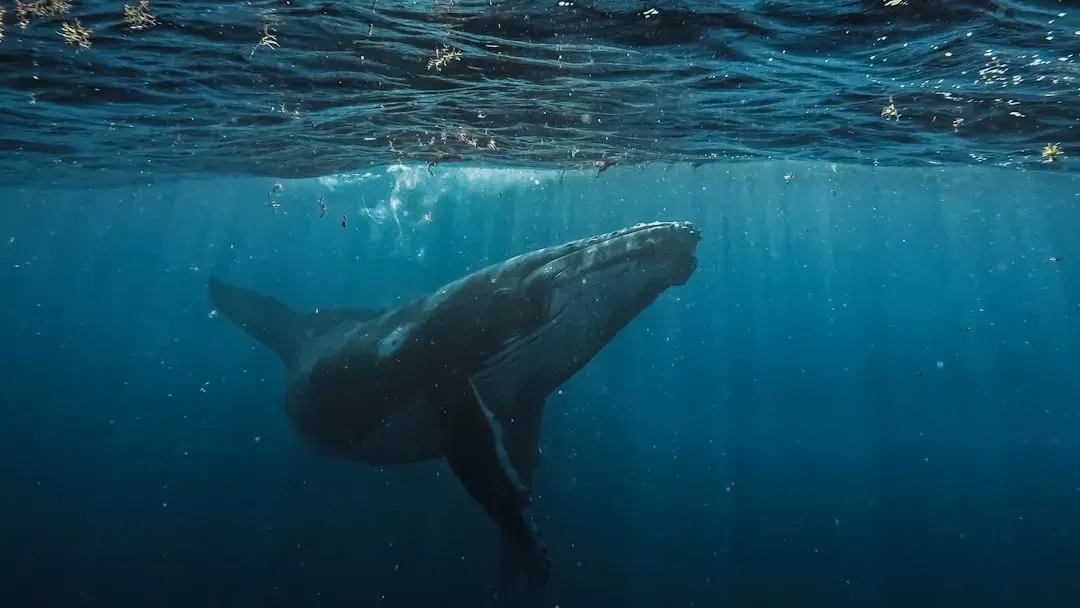
When you strip it down, the whole story hangs on a fleeting moment: a brief sound before a whale disappears beneath the surface. You know when it happens and what it looks like on a graph, but not what it means. That gap between measurement and understanding is exactly where science is most alive right now. It’s where marine biologists, acousticians, and AI researchers are all converging, not with answers, but with sharper questions about language, social life, and intelligence in the sea. For you, that small, unexplained call is an invitation. It asks you to hold two truths at once: whales may be communicating in ways richer than you imagined, and you may never fully see the world as they do. Maybe that’s the real lesson – learning to live with wonder instead of rushing to easy explanations. The next time you hear a recording of a whale right before it dives, will you still hear just a noise, or will you hear a mystery that’s quietly asking you to listen harder?