
You know that ridiculous moment: you stride into a room with purpose, stop, look around…and your mind goes blank. You stand there thinking, what on earth was I doing? It feels like a glitch in your brain, or proof that you’re way too stressed, distracted, or getting older faster than you’d like. But what if that mental “error message” is actually your brain doing its best to protect you from overload instead of failing you? When you look at this through the lens of behavioral science and cognitive psychology, that doorway pause starts to make a lot more sense. Your brain is constantly deciding what matters right now and what can safely fade into the background. Walking into a new space is like opening a new tab in your mental browser: your brain may quietly close the older tab to keep everything running smoothly. Once you understand this, you stop seeing these moments as proof something is wrong with you – and start using them as signals about how your attention and priorities are shifting under the surface.
The Doorway Effect: Why Your Memory “Resets” Between Rooms

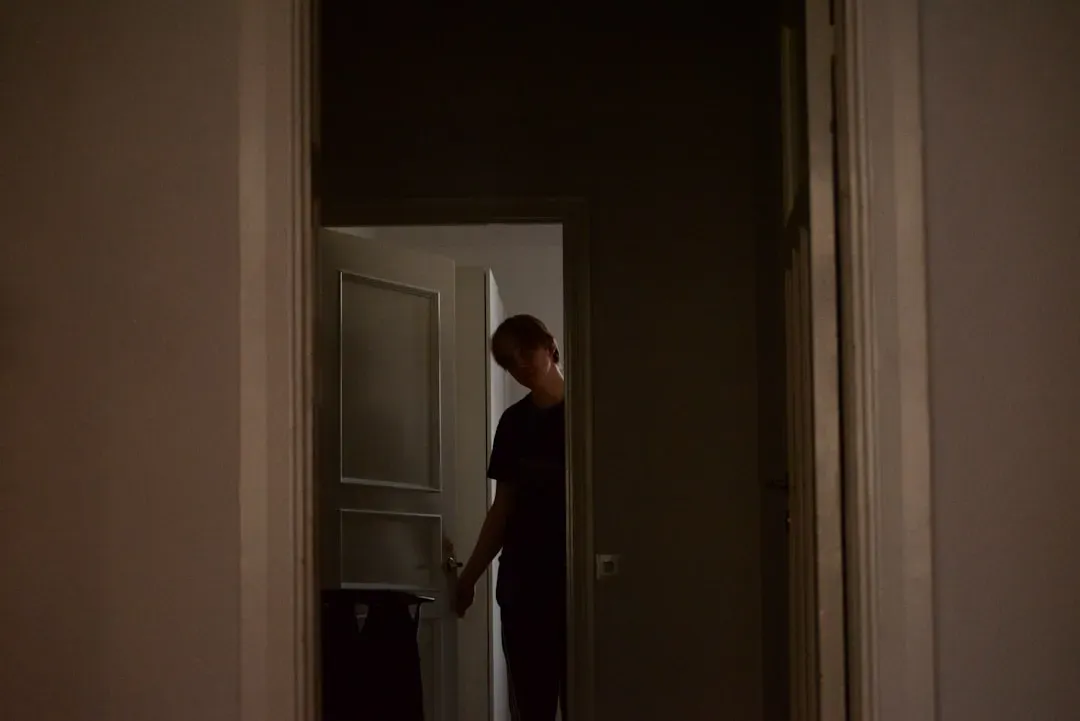
Researchers sometimes call this strange blank-out the “doorway effect.” When you cross a threshold into a new space, your brain treats it as a kind of scene change, like when a movie cuts to a new location. In that split second, your mind is updating its internal map: new environment, new potential threats, new opportunities, new tasks. The information that got you up off the couch – grab your keys, find your notebook, get your phone – is suddenly filed under “less important” because your brain is now focused on taking in the new setting.
You experience this as forgetting, but under the hood it is more like an automatic re-sorting of mental priorities. Your memory relies heavily on context, so when you step into a different room, the context cues you used to hold onto your intention drop away. Your brain is not broken; it is optimizing for what might matter in the new space. The cost is occasional blank moments. The benefit is that you’re not stuck obsessively clinging to old details when something in your environment changes.
Your Brain’s Real Mission: Preventing Overwhelm, Not Remembering Everything

You might think your brain is supposed to be a perfect storage device, faithfully recording everything and keeping it available on demand. In reality, your brain is more like a ruthless editor than an archivist. Its real mission is not to remember everything; it is to keep you functional, safe, and reasonably focused in a world that constantly bombards you with far more information than you can possibly process. Forgetting becomes a necessary tool, not just a bug.
When you walk into a room, your brain is quickly asking: what do you need to notice here? Who is present? Is there something important, or potentially dangerous, or urgent? To free up mental bandwidth for those questions, your mind may quietly drop the “old” intention you had just a few seconds ago. That lost thought might be annoying, but it is often sacrificed so your attention can stay flexible instead of being crushed under too many competing demands at once.
Working Memory Has a Small “Desk,” and Your Brain Keeps Clearing It
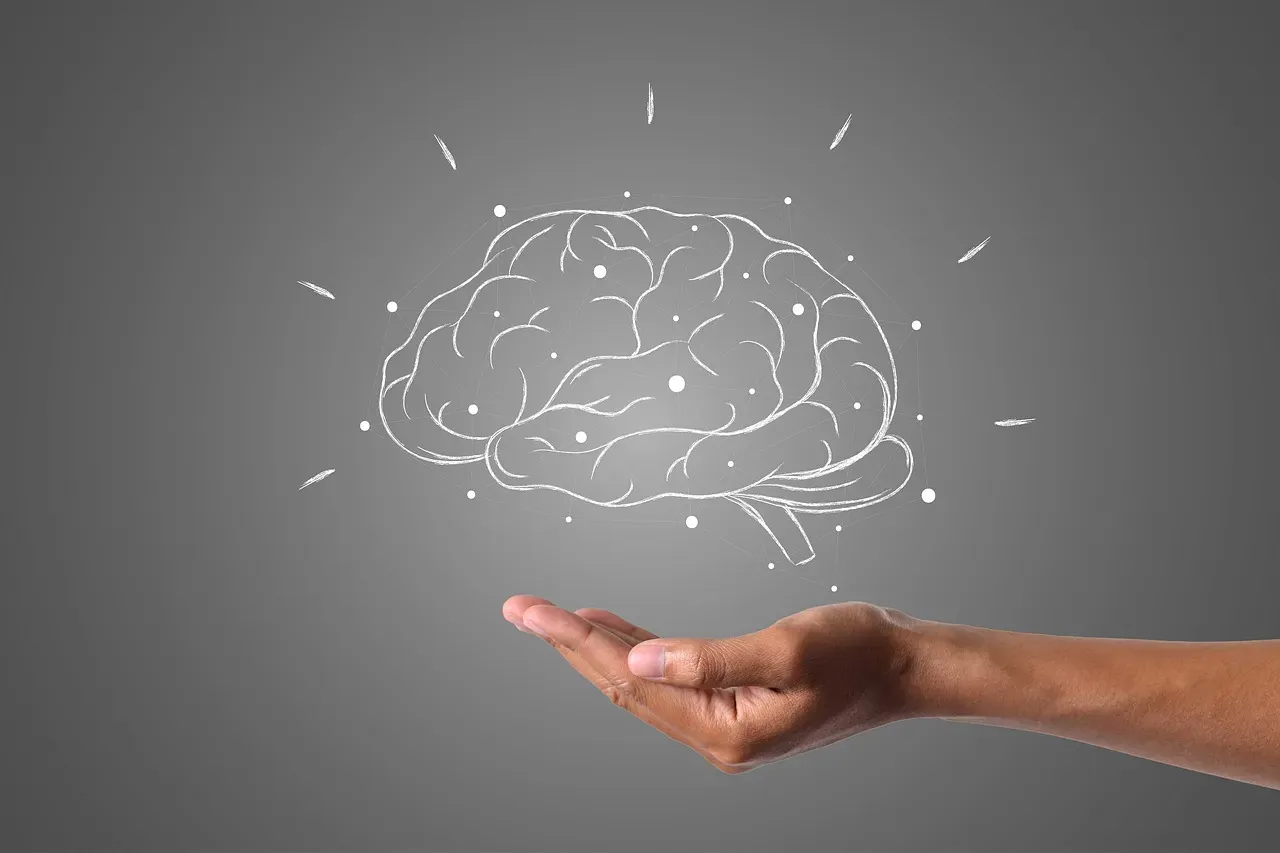
Think of your working memory like a small desk where you can lay out only a handful of papers at a time. Walking into a new room is like having someone dump a fresh pile of documents on that desk – new sights, sounds, and possibilities. To cope, your brain sweeps some of the old pages right off the surface. Your original goal, which was clearly visible a few seconds ago, might be one of the things pushed aside to make room.
When you forget why you entered a room, you are bumping up against the limits of this small desk. You may already have several things open in your head: conversations, worries, half-finished tasks, notifications. The doorway simply adds another demand on the same cramped workspace. Instead of blaming yourself, you can treat these moments as a gentle signal that your mental desk is crowded and needs a bit more intentional organization and less constant piling on.
Context Is Your Silent Cue, and Doorways Disrupt It

Your brain loves context. Where you are, what you see, and what you were just doing all serve as silent prompts that help you keep track of your intentions. When you decide in the kitchen to grab your charger from the bedroom, the kitchen itself is part of that memory. The moment you step into a different room, many of those original cues disappear. Your mind has to rebuild the intention without the background “stage set” it started on.
That is why retracing your steps back to the original room helps so often. You are not magically “unlocking” the memory; you are putting yourself back into the same context that supported the intention in the first place. You might feel dramatic calling this a context reboot, but that is exactly what it is. You are giving your brain the same cues it used to file the original goal so it can pick that thread up again.
Why You Forget More When You’re Stressed, Distracted, or Multitasking

Have you noticed this happens way more on days when you feel scattered or overloaded? When you are already juggling a dozen mental tabs – messages, deadlines, family logistics, random notifications – walking through a doorway is just one more nudge that pushes something off the edge. Your brain is trying to triage, to decide what is safe to drop so you are not completely overwhelmed. Unfortunately, that might be the exact reason you got up in the first place.
Multitasking makes this worse because you constantly force your attention to jump contexts even without moving rooms. Every time you switch between apps, conversations, or tasks, your brain pays a small tax. Add physical context shifts on top of that, and small intentions fall through the cracks. Instead of treating this as personal failure, you can see it as feedback: your attention is stretched, and your brain is making emergency cuts to keep you going.
Small Habits to Help Your Brain Help You (Instead of Fighting It)

The goal is not to bully your brain into remembering every tiny thing but to work with how it already operates. Before you leave a room, you can say your intention out loud or in your head: “Phone charger from the bedroom,” “Put laundry in the machine,” “Grab the folder from the office.” That simple sentence strengthens the intention and makes it more resilient when the context shifts. You are giving your brain a sharper, more defined “file name” to hang onto.
You can also lean on quick visual cues or tiny physical anchors. If you stand up to get something, you might hold an object related to the task, set a note where you were sitting, or open the app you need before you move. These tiny moves act like breadcrumbs for your future self. You are not demanding a superhuman memory; you are just designing the environment so your brain has a better chance to keep track of what matters when the scenery changes.
Reframing Forgetfulness: From Annoying Flaw to Useful Signal
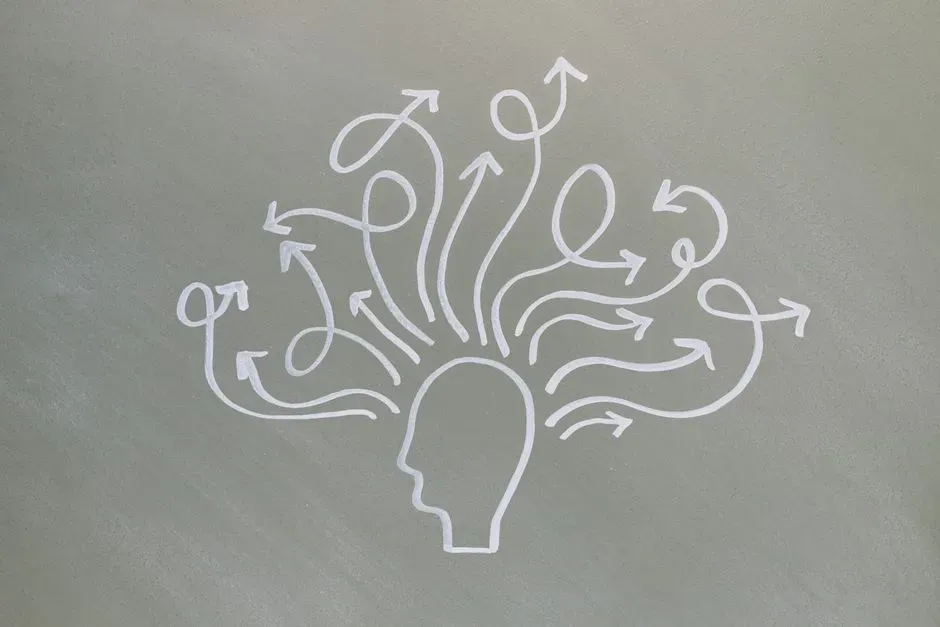
It is easy to turn these doorway blanks into a story about yourself: you are too busy, too scattered, too old, not sharp enough. But when you reframe the moment as your brain actively reshuffling priorities, the story changes. Instead of seeing proof of decline, you see evidence that your mind is trying to protect your focus against chaos, even if it sometimes gets overzealous about what it lets go. That small dose of compassion for yourself can change your mood more than you expect.
You can even use these moments as a quick check-in. When you catch yourself standing in a doorway, clueless about what you came for, you can ask: what is crowding my mental space right now? Am I trying to hold too many things at once? Your forgetfulness becomes a nudge to slow down, write things down, or close a few mental tabs. You are not broken; you are running a complex system at full capacity, and the occasional dropped ball is part of how that system survives.
What This Teaches You About Focus in a Noisy World
Living in 2026 means your attention is under constant attack in ways your brain never evolved to handle. You are carrying a device that can interrupt you at any second, while juggling work, relationships, and a steady stream of news and content. Against that backdrop, it is not surprising that walking through a doorway sometimes knocks a fragile intention out of your working memory. In a sense, your brain is doing damage control in a world that keeps asking it to do more than it was built for.
Understanding this gives you a quiet kind of power. Instead of demanding perfect recall from yourself, you can design your habits, spaces, and routines around the reality of how your mind works. You can protect your focus by doing less frantic multitasking, giving each task a clear context, and treating these tiny memory lapses as information, not indictment. The next time you walk into a room and forget why you are there, you might smile and think: my brain is just trying to keep me from drowning. Did you ever imagine that a blank moment in a doorway could be one of your mind’s clever survival tricks?