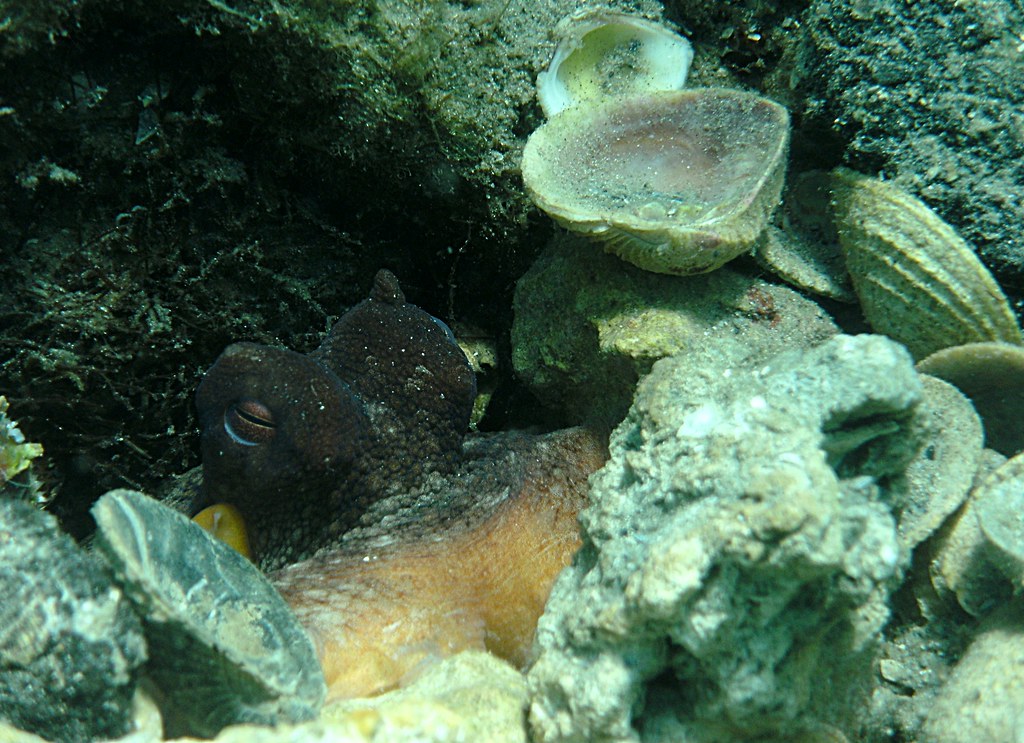
If you ever needed proof that the ocean is stranger than science fiction, look at an octopus den. Instead of a bare hole in the seafloor, you’ll often find a little living room: piles of empty shells, carefully arranged rocks, even the occasional bottle or can. It looks weirdly intentional, almost like the octopus has a sense of style.
But this isn’t just underwater interior design for fun. When an octopus drags shells back home, stacks them around the entrance, or covers the floor with them, it’s making a series of smart survival decisions. Some reasons are obvious once you think about them, others are surprisingly subtle and still debated. Let’s walk through what scientists know, what we suspect, and why these shell-strewn dens tell us so much about how clever and complicated octopus lives really are.
Shells As Shields: Building A Personal Fortress
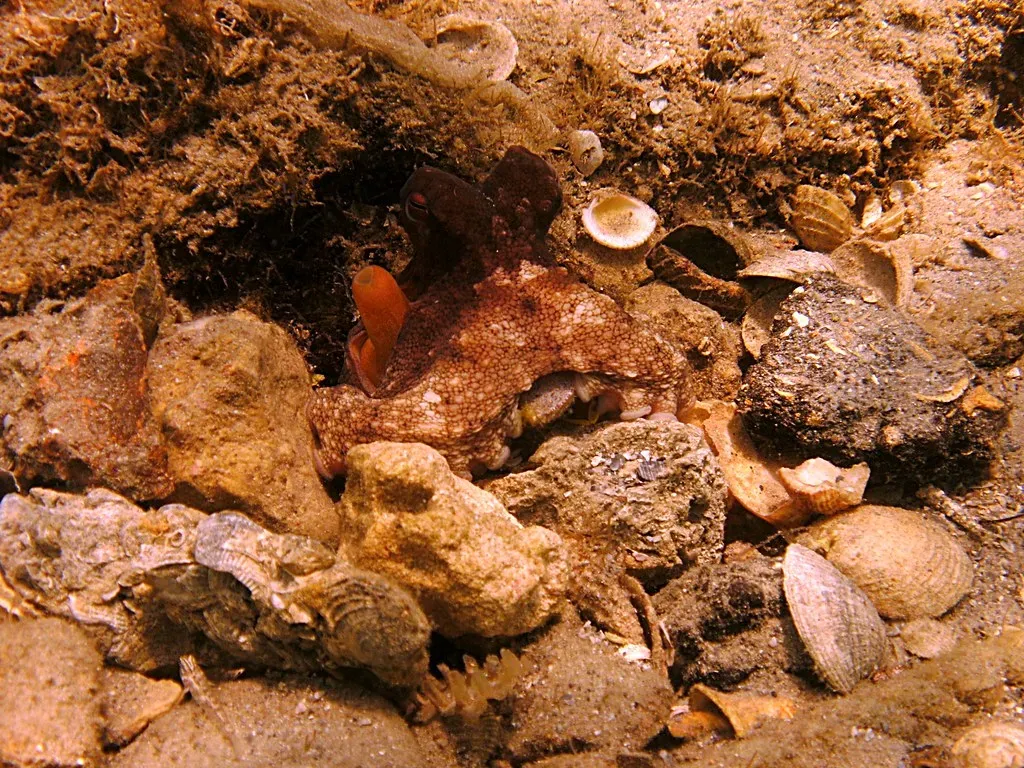
The most straightforward reason for a shell-decorated den is protection. An octopus is basically a bag of protein with no bones, no scales, and no armor, which makes it a tempting snack for sharks, larger fish, eels, and even other octopuses. By stacking shells around the entrance or propping them up as a loose barrier, the animal creates a quick, makeshift bunker that can slow down or discourage predators.
Think of it like dragging furniture in front of your door when you hear a strange noise outside. A determined predator might eventually push through, but the extra effort changes the risk–reward equation. For a hunter, time and energy matter; a den that looks cramped, cluttered, or hard to enter is less appealing than an easy, open target a few meters away.
Camouflage And Confusion: Blending Into The Seafloor
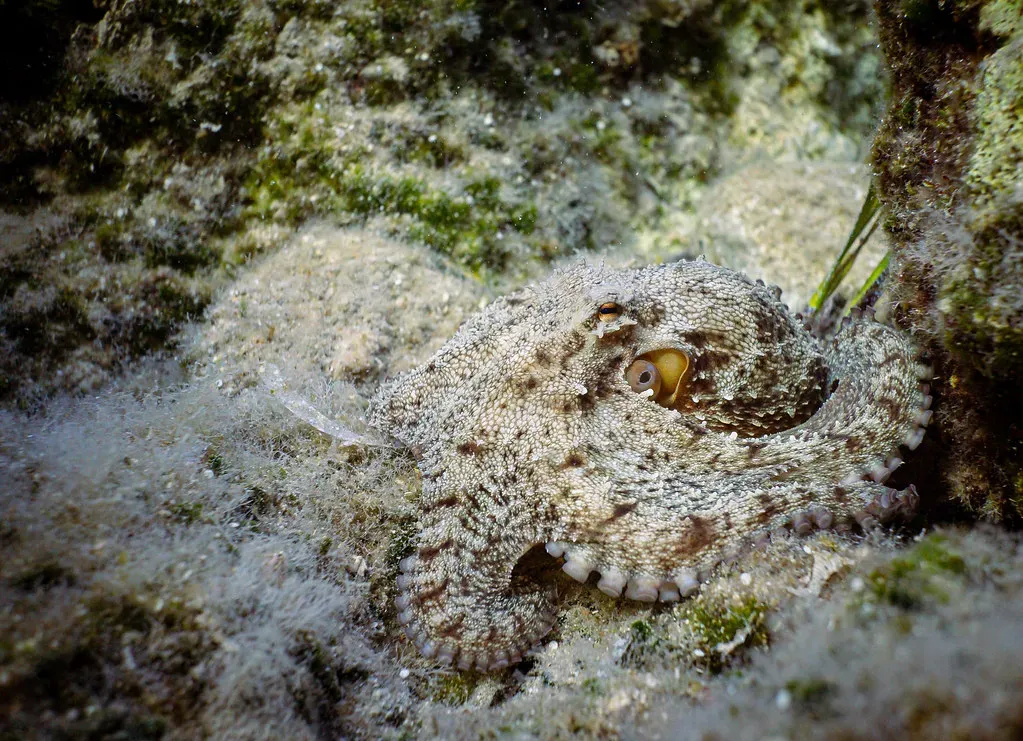
From above, a bare octopus den can stand out as a dark hole in otherwise uniform sand or rubble. By spreading shells and debris around the entrance, the octopus can break up that clear outline, making the den blend better into the messy background of the seabed. To a passing predator, it may look like just another patch of old shells, not a doorway to a soft-bodied meal.
Shells also add visual noise. The white and brown patterns of scattered fragments and the uneven textures can confuse an animal trying to spot shapes or movement. It’s similar to how people in camouflage gear prefer broken, irregular patterns instead of a single solid color; the goal is not to disappear completely, but to become just another piece of clutter that the eye skims over.
Leftovers Piled High: The “Midden” As A Side Effect
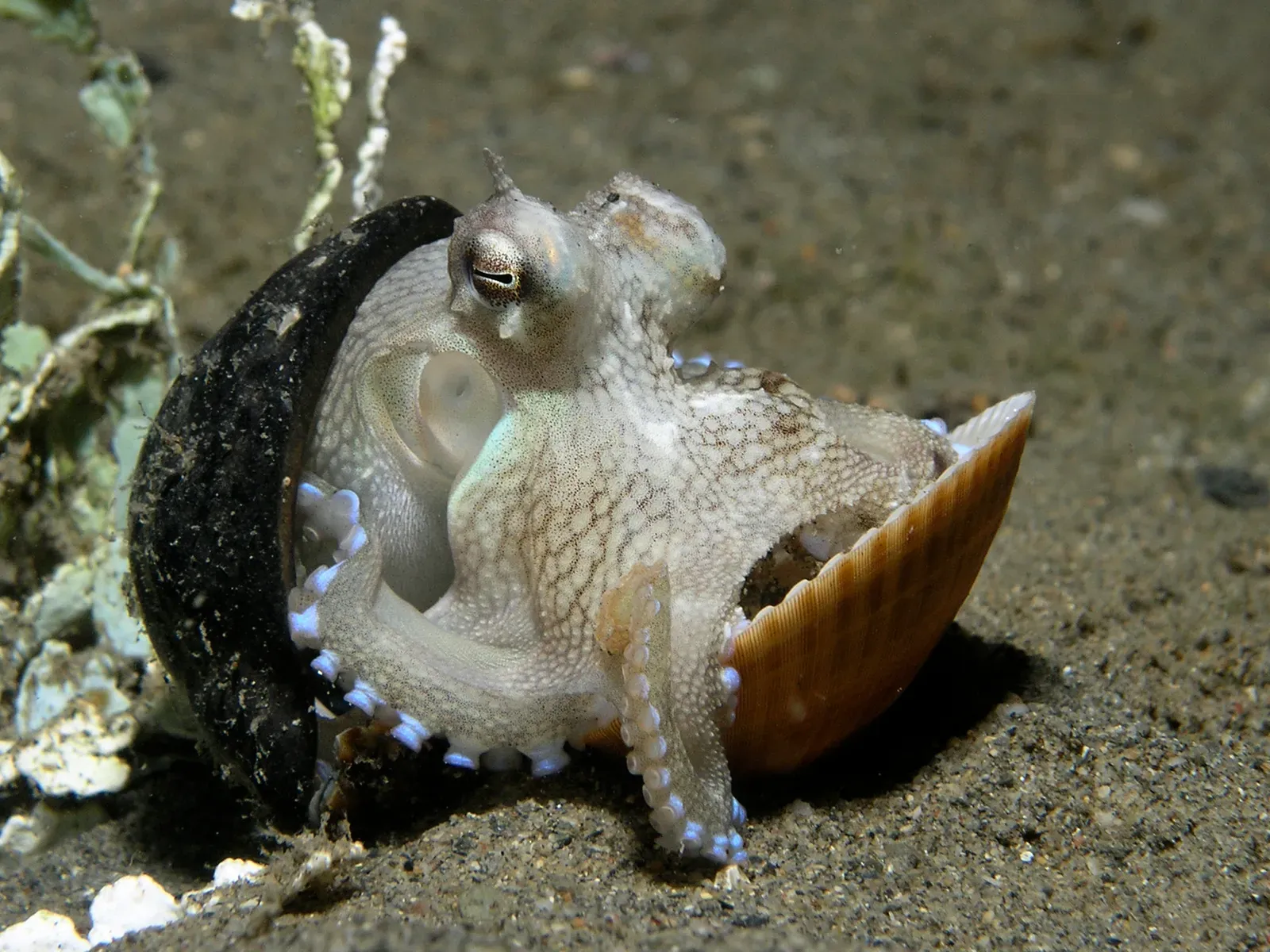
Another big reason octopus dens are ringed with shells is simple: that’s where they eat. Octopuses often drag prey like clams, mussels, crabs, and snails back home, pry them open, and then toss the shells aside. Over time, those leftovers pile up into what biologists call a midden, a kind of garbage heap that marks the den’s location.
In many cases, what looks like decorating is partly just the result of repeated meals in the same spot. However, the interesting detail is that octopuses don’t always leave the shells exactly where they fall. They may nudge or reposition some of them, suggesting that a basic food dump can gradually turn into a deliberately structured barrier or camouflage layer. It’s like your laundry pile slowly evolving into a makeshift soundproofing wall without you fully planning it.
Engineering Comfort: Shells As Structural Support
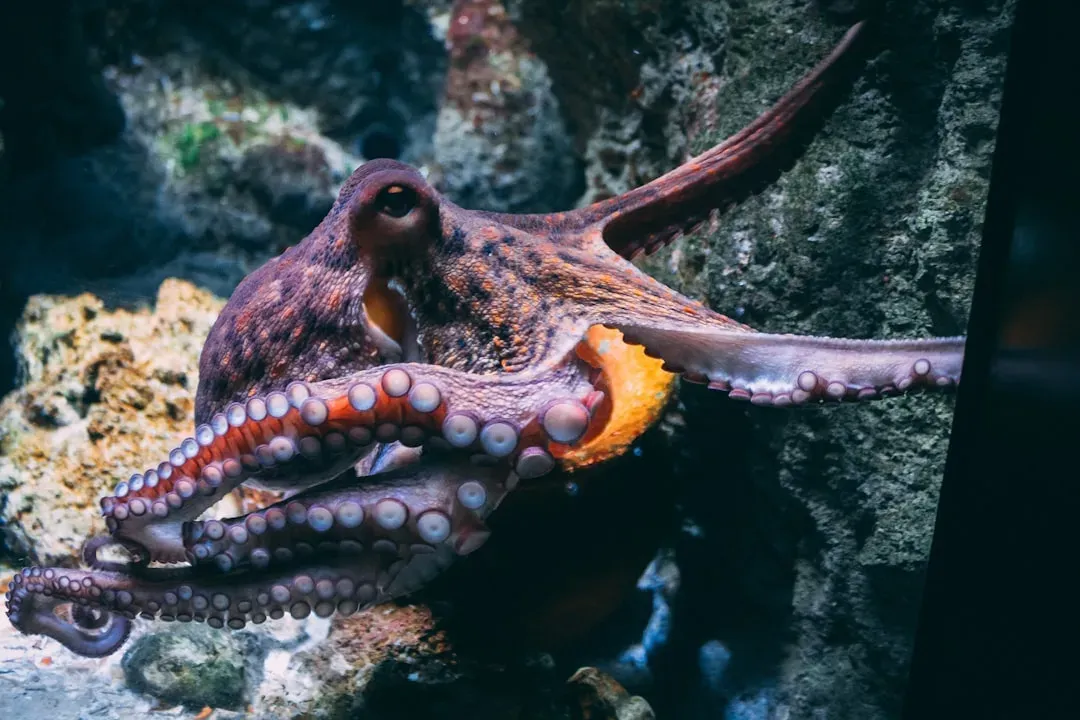
Rocky crevices and small caves are prime real estate for octopuses, but those hideouts are not always perfectly shaped. Shells can act like wedges, props, or floor tiles to adjust a den’s interior. An octopus might push shells into gaps to block drafts of water, reduce the size of the entrance, or create a smoother surface to rest on instead of rough rock.
For an animal that relies on jetting water to breathe and move, water flow inside the den matters a lot. Too much flow and the octopus is constantly buffeted; too little and waste products might not get flushed out efficiently. By subtly modifying the structure with shells, rocks, and other debris, the octopus can tune its micro-habitat in a way that feels surprisingly similar to us rearranging furniture for comfort.
Egg Security And Nursery Design
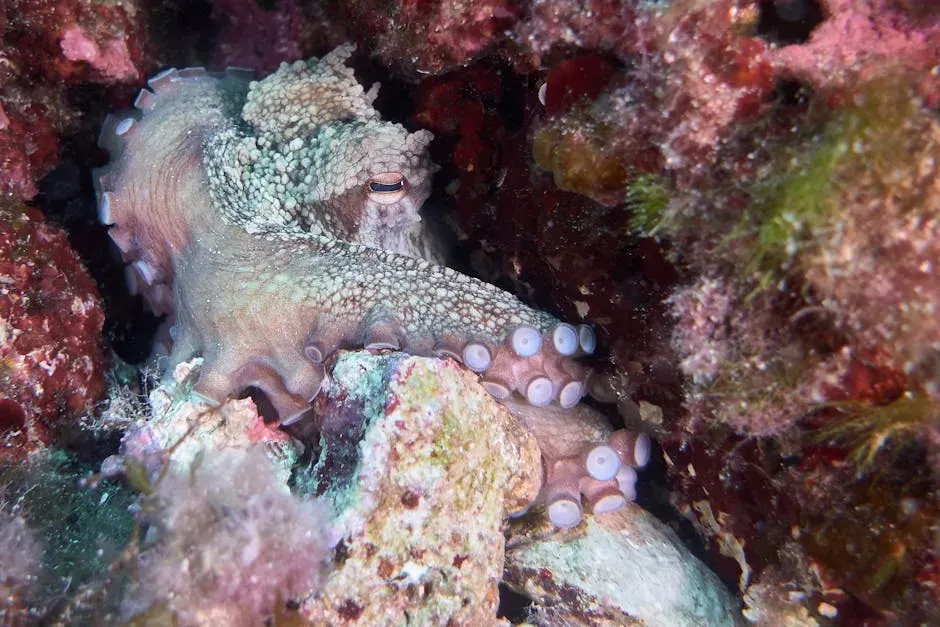
When a female octopus lays eggs, the den becomes a nursery and the stakes rise dramatically. In many species, the mother will guard and tend the eggs for weeks or months, fanning them with water and cleaning them until they hatch. During that time, she often reinforces the entrance with extra shells and rubble, narrowing the opening and making it harder for unwanted visitors to get inside.
This barricade does more than just keep out predators; it also helps control the delicate conditions inside. A more enclosed space can create a more stable internal environment, buffering eggs from strong currents or abrupt disturbances. Shells, in this sense, are not just decoration but building blocks in a temporary fortress built around the next generation.
Intelligence In Action: Problem-Solving And Material Use
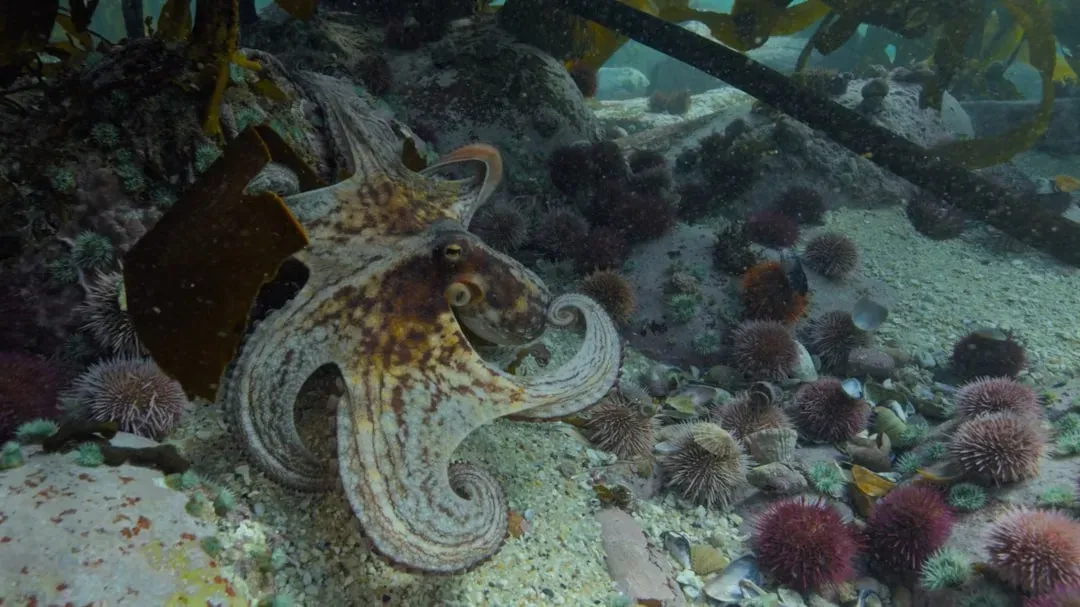
Octopuses are famous for their brainpower, and shell use is one of the clearest everyday examples of that intelligence. Instead of treating shells as random objects, they treat them as tools and building materials – dragging them, stacking them, and sometimes even carrying them around as portable shields. This is not instinct on autopilot; it involves choices, trial and error, and memory of what worked before.
Watching an octopus rearrange its den feels a bit like watching someone tinker with their home office setup: shifting things a little, stepping back, then adjusting again. It shows an ability to imagine different configurations and act toward a goal, whether that goal is safety, concealment, or comfort. That kind of flexible, context-dependent behavior is one reason many scientists argue that octopuses deserve to be considered among the most cognitively complex animals in the ocean.
Are Octopuses Decorating For Aesthetic Reasons?
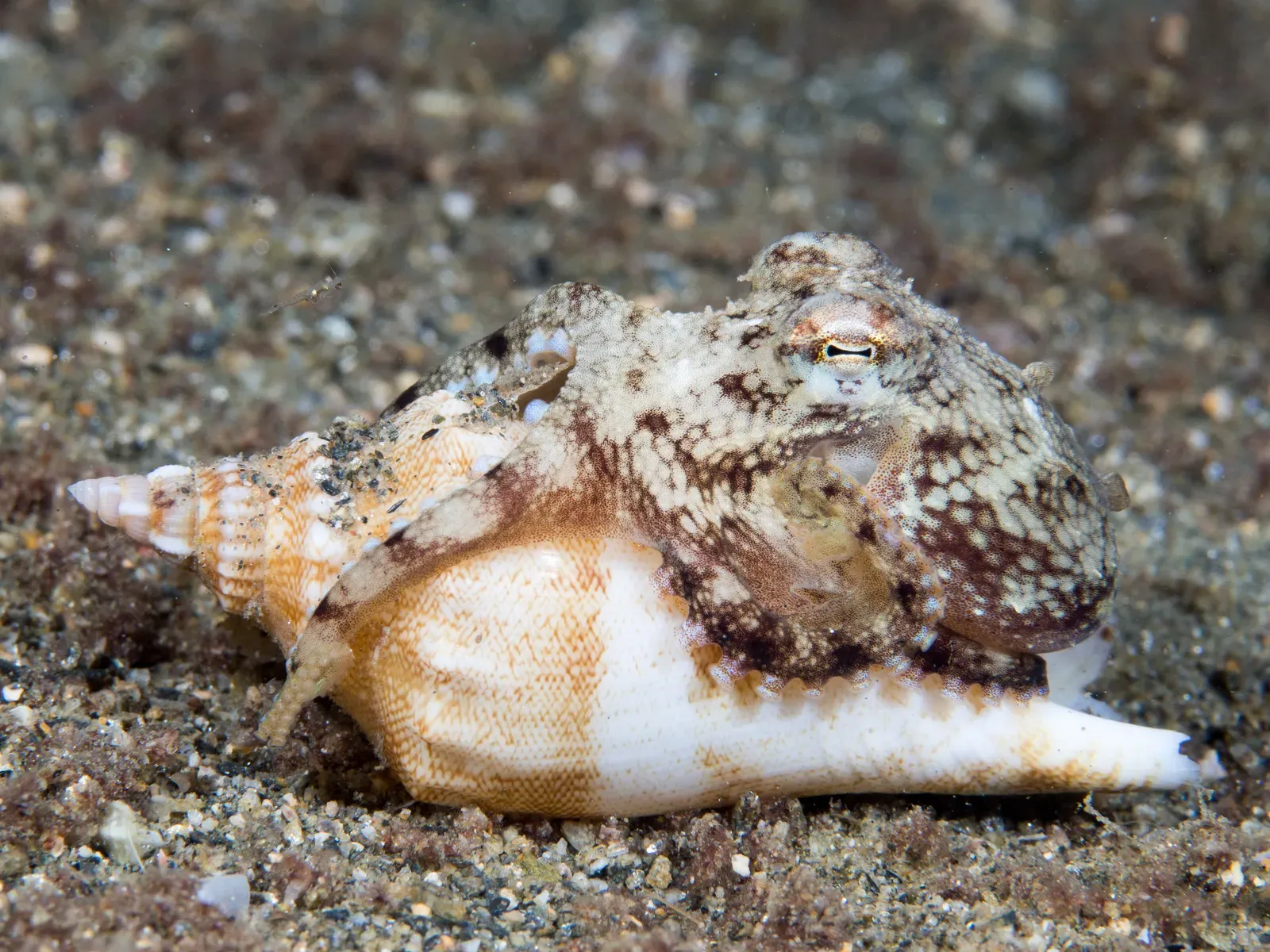
This is where things get controversial and, honestly, fascinating. The safe answer is that we do not have solid scientific proof that octopuses care about beauty in the way humans do. Most behavior around shells can be explained by survival benefits: protection, camouflage, den structure, and the simple by-product of eating messy shellfish meals. From a cautious scientific standpoint, that’s where the evidence comfortably sits.
Still, when you see an octopus that seems almost picky about specific items or that rearranges its shell collection with what looks like deliberate care, it’s hard not to wonder if there’s more going on. My own opinion, based on how often creative behavior shows up in intelligent animals, is that there’s probably a fuzzy line where practical use, curiosity, and perhaps something like enjoyment overlap. Even if it starts as survival, it would not be shocking if some octopuses also find the act of arranging their surroundings oddly satisfying, in the same way we might enjoy tidying a room that technically did not need it.
What Shell-Strewn Dens Tell Us About Life Underwater
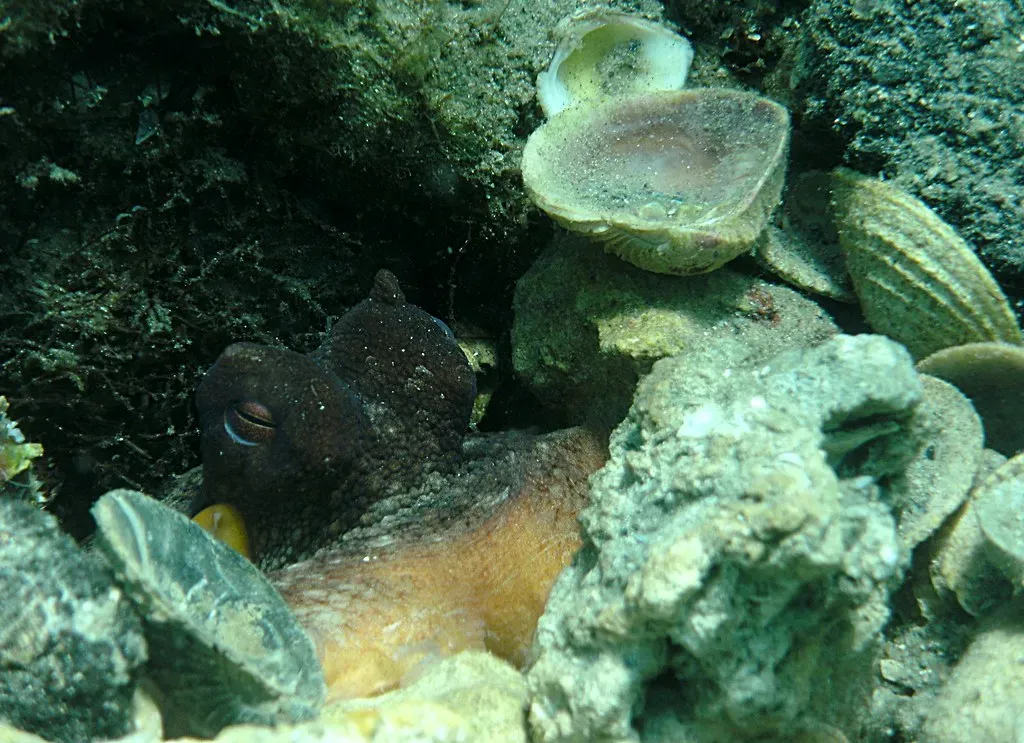
For me, the most striking thing about octopuses decorating is what it reveals about agency. These animals are not just drifting through their environment; they are actively editing it. A shell heap is like a living signature stamped on the seafloor, saying that a thinking creature lives here and has been making decisions day after day.
There is still a lot we do not know, and I’m glad scientists are cautious about jumping to dramatic conclusions. But I think the evidence is already strong enough to say this: octopuses are not simply reacting to the ocean, they are quietly reshaping little corners of it to suit their own needs and, perhaps, their own preferences. That makes every shell-strewn den a kind of tiny, alien apartment – half fortress, half workshop, and maybe just a touch of personal expression. Next time you see a photo of one, will you still think it is just a pile of junk, or will you see the resident architect behind it?