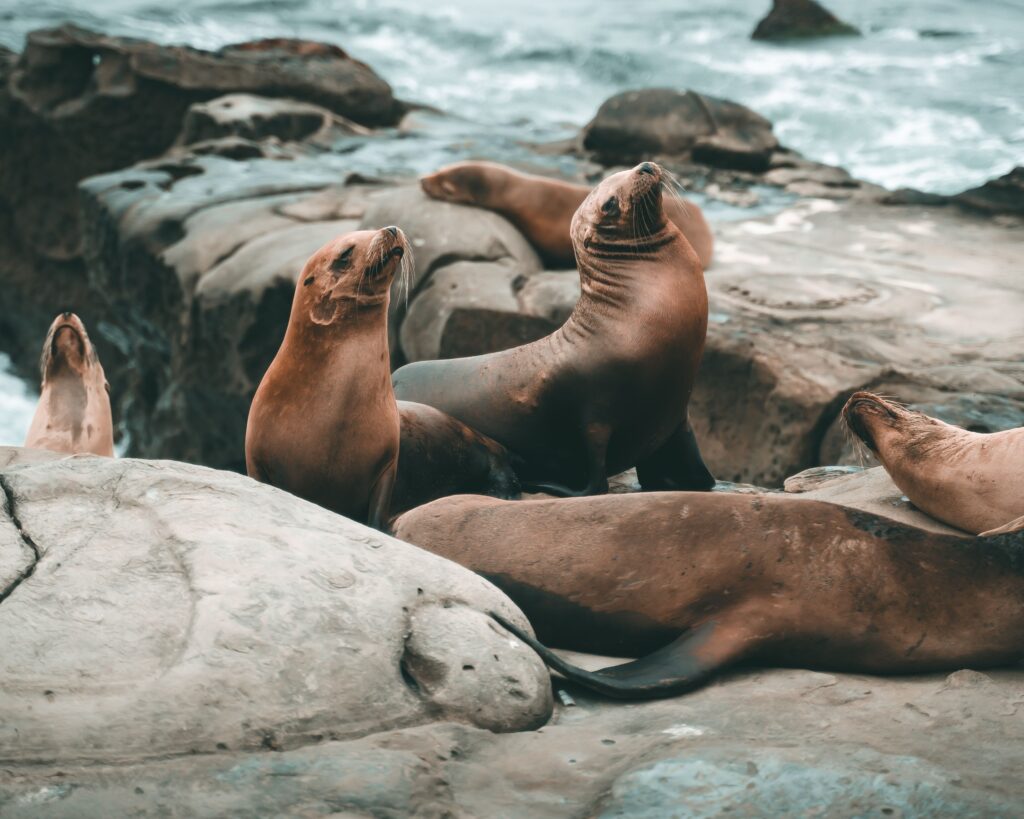
You’re standing by the shore, watching sea lions bob in the waves, when suddenly the whole group surges out of the water at once. It feels dramatic, almost like they know something you don’t. In that moment, you might wonder if there’s danger lurking below the surface, or if you’ve just witnessed a bit of animal politics play out in front of you. When sea lions move together like this, they’re not being random or theatrical. Their behavior is tightly linked to survival, food, social rules, and sometimes sheer confusion with human activity. Once you start to understand what might be going on, those sudden exits from the water stop feeling mysterious and start looking like clues you can read.
Seeing a Predator? Why Safety in Numbers Matters
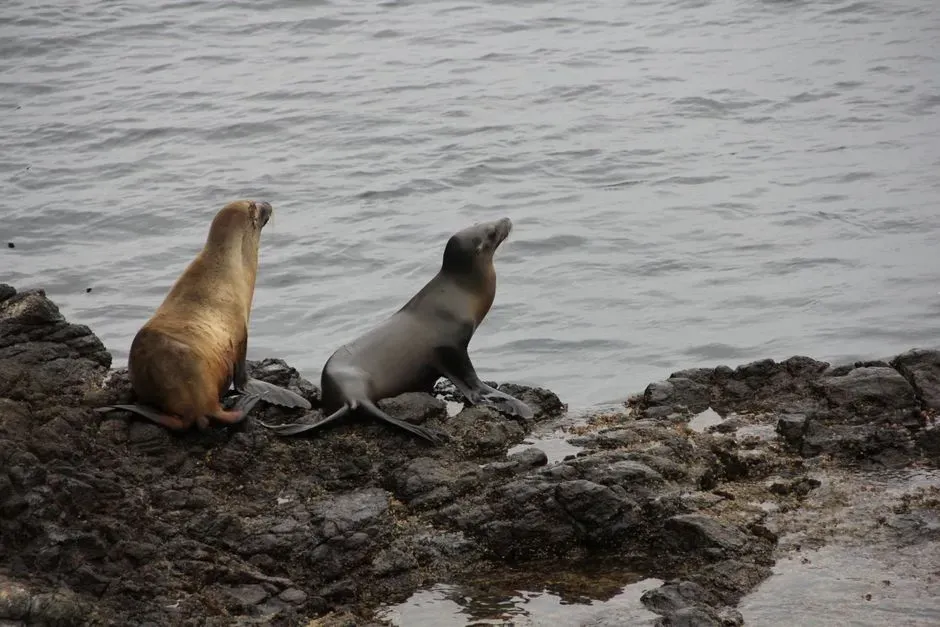
One of the most serious reasons you might see sea lions leave the water together is a perceived threat, often from predators like sharks or orcas. If even one sea lion senses danger, the alarm can spread through the group in a heartbeat, and the safest place suddenly becomes solid ground where a large predator is less effective. To you it might look like chaos, but for them, it’s a practiced survival response that has worked for countless generations.
From your perspective on shore, you rarely see the trigger: a shadow, a sudden change in another animal’s movement, or even just a strange vibration in the water. What you do see is the reaction – several animals making a synchronized dash for rocks or beach. When that happens, it’s smart for you to keep your distance and avoid getting between the water and where they’re trying to haul out, because stress and fear can make wild animals unpredictable.
Reading the Room: Social Tension and Dominance Fights
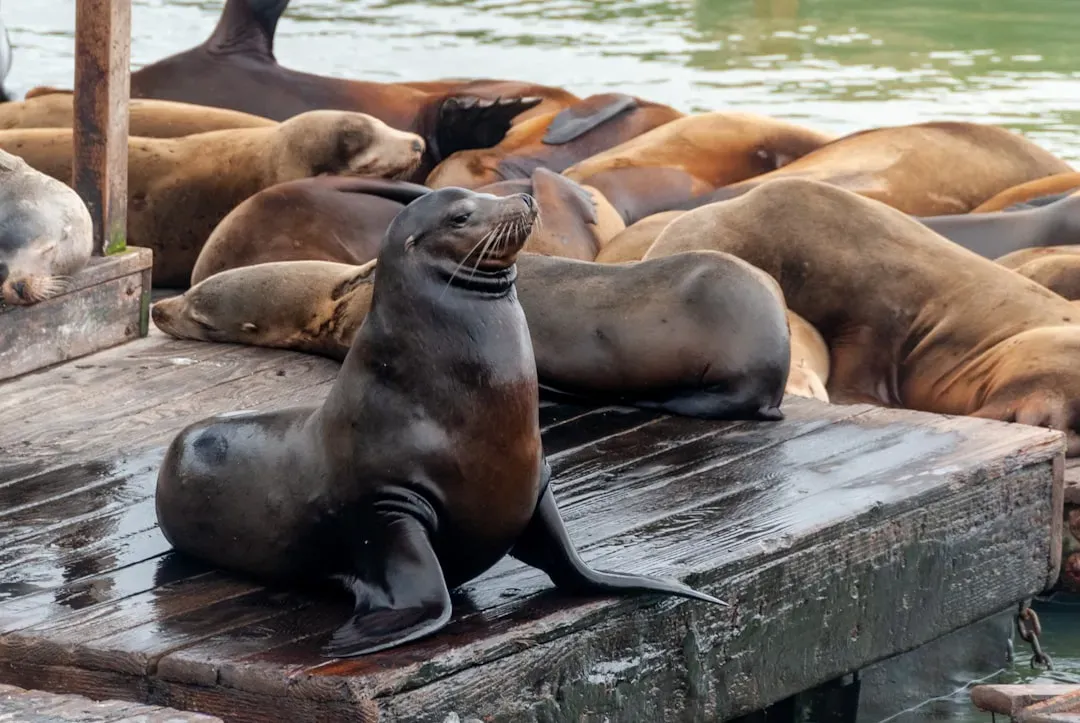
Sometimes, that big coordinated exit isn’t about a lurking shark at all – it’s about drama inside the sea lion group. Sea lions live in a social world with hierarchies, rivalries, and short tempers, especially around breeding seasons or crowded haul-out spots. If a dominant male charges, bites, or chases others in the water, several animals may bolt for land at once to avoid the chaos.
When you watch closely, you might notice a pattern: a larger male pushing others around, a lot of splashing, loud vocalizations, and then a ripple of animals heading for the rocks. In that case, they’re not fleeing the ocean itself but escaping each other. To you, it’s a reminder that wild animals have social stress just like people in a busy workplace – only their disagreements involve teeth, not emails.
Following the Food: Shifting From Hunting to Resting
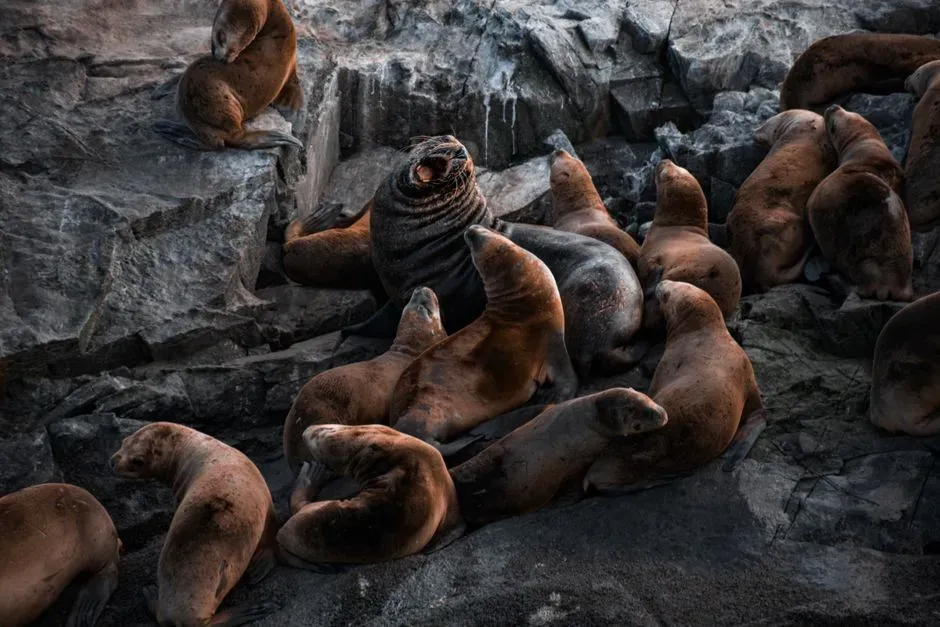
Another reason you may suddenly see a group leave the water is simple: they’re done feeding for the moment. Sea lions often feed in groups, diving and surfacing together around schools of fish or squid. When that feeding window closes – maybe the prey moves deeper or spreads out – many of them may head to shore almost in unison to digest and rest.
If you notice that they emerge looking calm rather than panicked, barking a bit and then settling into a sleepy pile on the rocks, you’re probably watching this feed-and-rest rhythm in action. It’s a lot like you and your friends leaving a restaurant at the same time and heading home to crash on the couch. What looks sudden is just the end of a shared activity.
Temperature Swings: Warming Up or Cooling Down Together
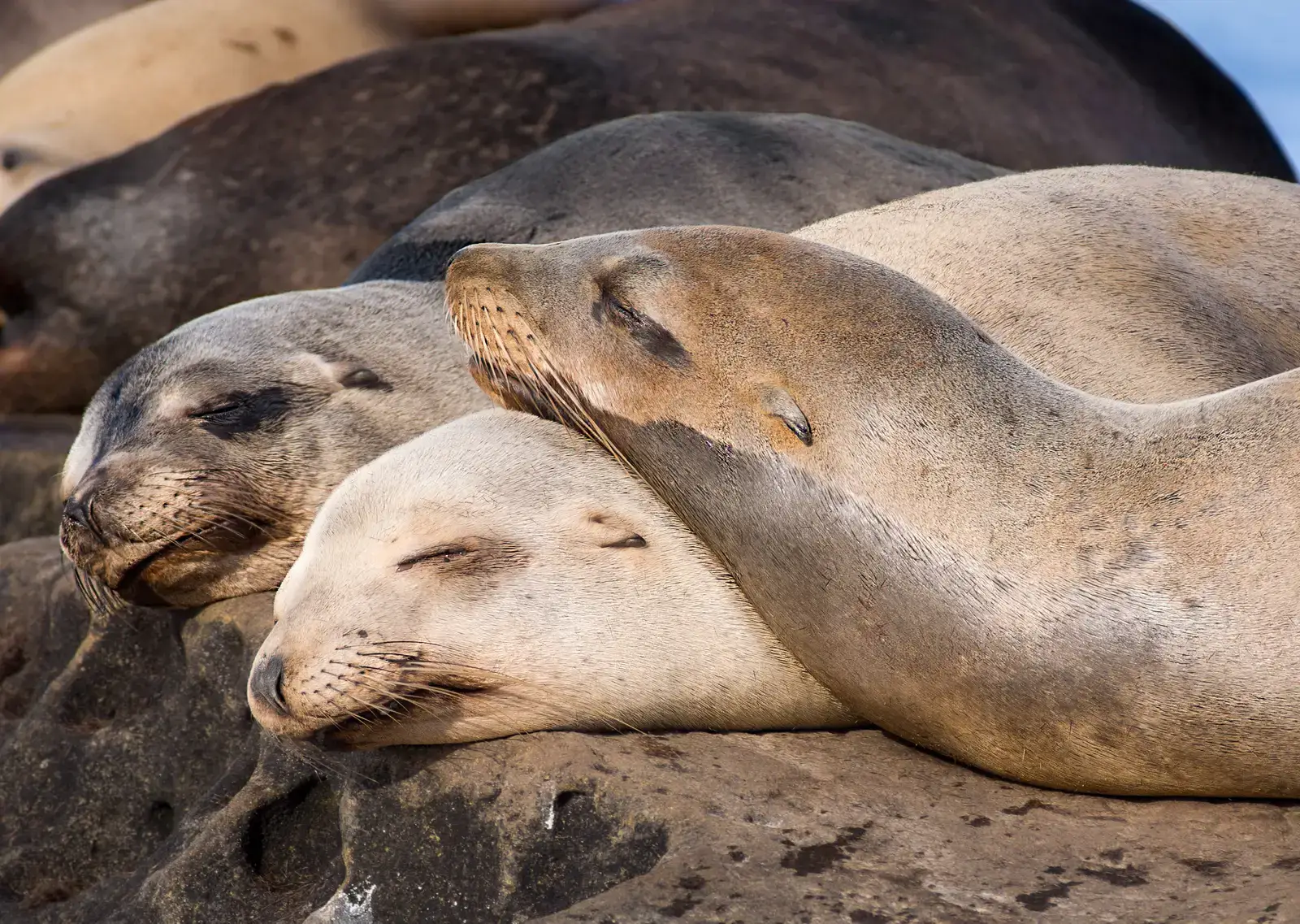
Sea lions are built for cold water, but that doesn’t mean their body temperature never needs fine-tuning. When the water is colder than usual, or when they’ve been diving deep for a while, hauling out together gives them a chance to conserve heat, dry off, and reset. In warm conditions, they may leave the water to find a cooler breeze on rocks or shaded ledges, adjusting as a group because they’ve been foraging together in the same conditions.
You might notice them fanning their flippers in the air or shifting position as the sun moves. That’s not random fidgeting; it’s careful thermoregulation. If many of them leave the water at once on a chilly or very warm day, you can safely guess that temperature comfort is part of the story, especially if their mood seems relaxed rather than alarmed.
Human Disturbance: When You (Or Your Boat) Are the Problem
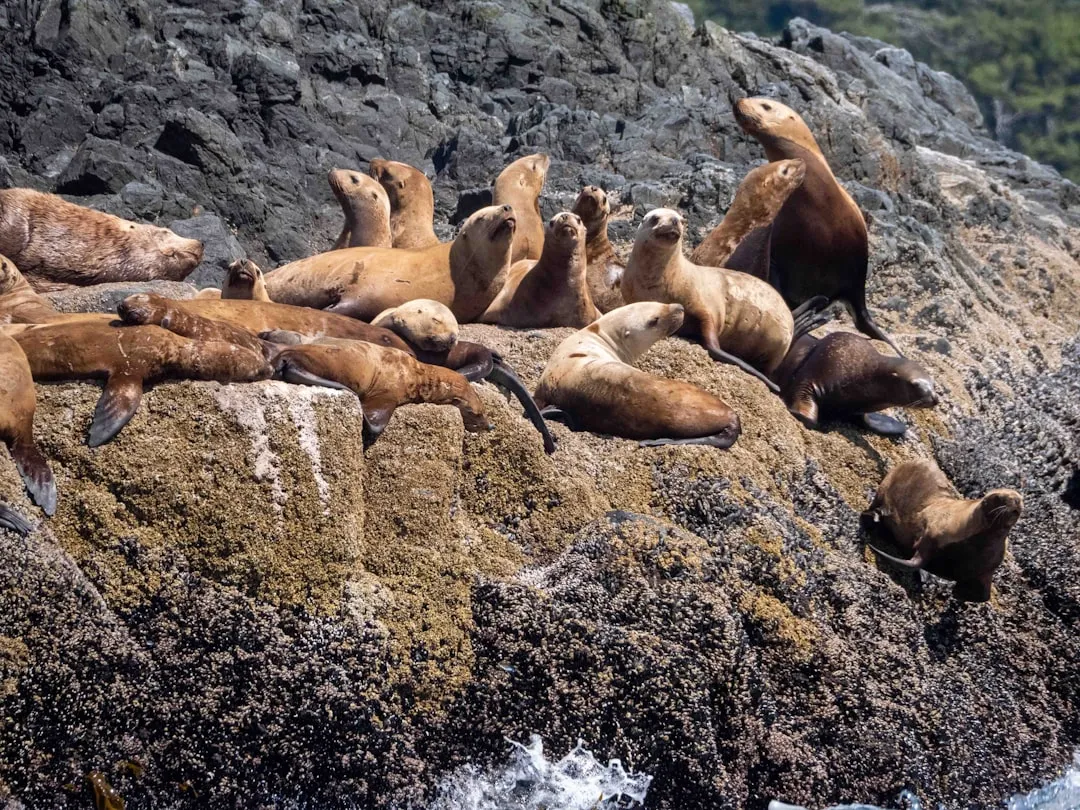
As much as predators and temperature matter, you and other humans can easily become the reason sea lions suddenly abandon the water together. Loud boat engines, jet skis, kayaks getting too close, drones buzzing overhead, or people shouting or throwing objects can all trigger a group flight. Wild animals often treat unfamiliar or intense noise as potential danger, and one frightened individual can set off a chain reaction.
If you notice that sea lions were relaxed, then suddenly jerk their heads toward you or your boat and rush out of the water, take that as a clear sign you’re too close or too disruptive. Backing off, cutting engine noise, or giving them more space isn’t just polite – it directly reduces stress on animals that already live in a busy, noisy environment. In many places, staying a respectful distance away is also a legal requirement, not just a suggestion.
Reading the Ocean: Rough Conditions and Sudden Swells
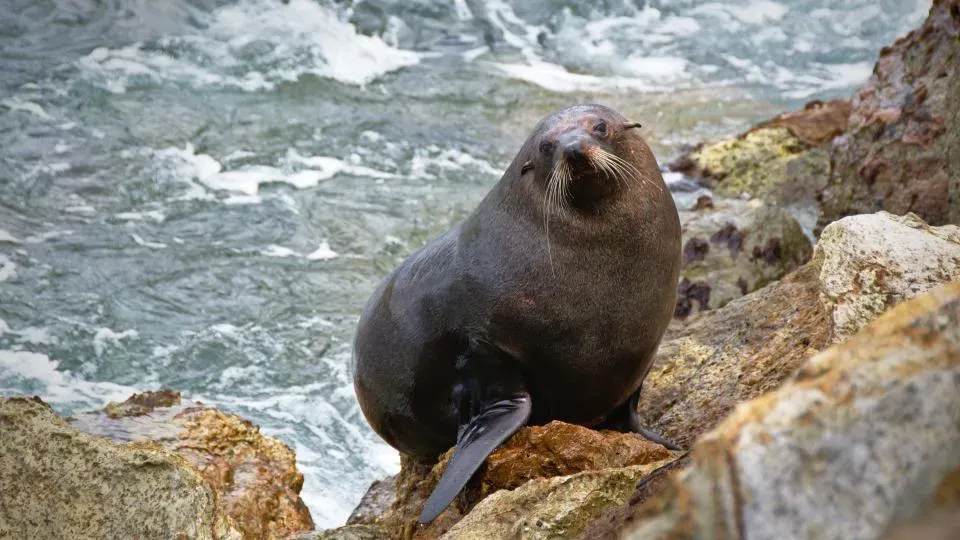
Sometimes the ocean itself tells sea lions it’s time to haul out together. Rapidly changing swells, strong currents, sudden chop from weather fronts, or fast-rising surf can turn a comfortable feeding ground into a risky place to linger. You might not notice the underwater turbulence, but they feel it in every movement of their bodies and whiskers, which are sensitive to water flow.
When conditions start to get dicey, sea lions may head for shore as a group, especially if the nearest rocks give them a stable platform above the waves. If you’re watching during a brewing storm or a day when the swell is building, a mass exit from the water can be their way of riding out the rough patch. Think of it like you cutting a beach day short when you see dark clouds stacking on the horizon.
Seasonal Rhythms: Breeding, Molting, and Life on Land
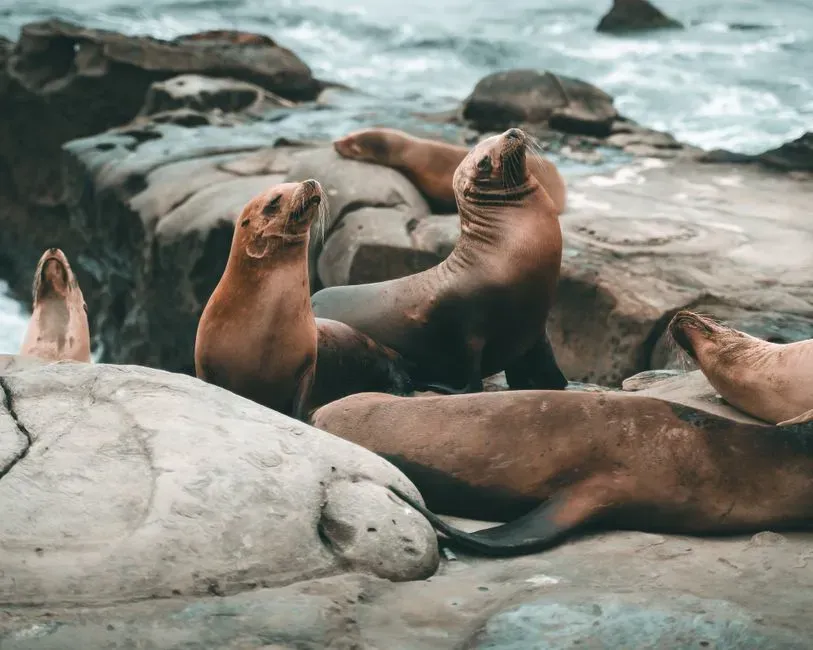
Depending on the time of year, you might be catching sea lions in the middle of big life stages that pull them out of the water more often. During breeding season, large males defend territories on beaches or rocky ledges, and females come ashore to give birth and nurse. Groups may enter and leave the water together as they juggle resting, nursing pups, avoiding aggressive males, and grabbing quick feeding trips offshore.
During molting periods, when they shed and replace their fur, sea lions may also spend more time out of the water to help the process along and avoid the extra energy demands of constant swimming. If you notice a lot of animals looking shaggy, patchy, or scruffy and then suddenly hauling out as a group, you’re likely seeing this seasonal shift at work. For you as an observer, the key is to recognize that not every dramatic group movement means immediate danger; sometimes it simply signals a predictable stage in their year.
Sensing What You Can’t: Subtle Cues and Group Intelligence
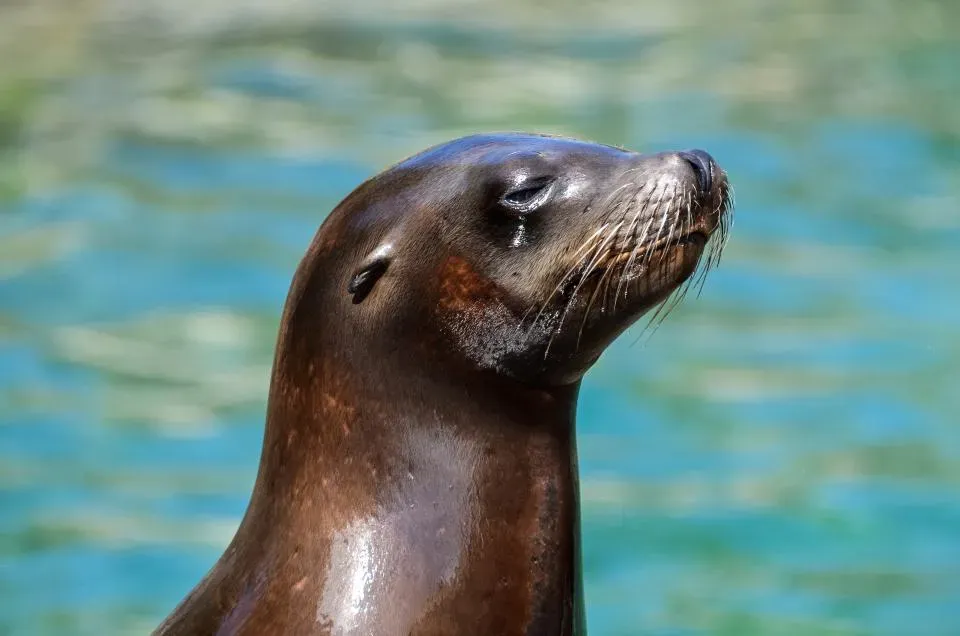
There will be times and you just can’t see a clear reason. That doesn’t mean there isn’t one. They pick up on subtle cues – tiny changes in water chemistry, low-frequency sounds, vibrations from distant ships or earthquakes, or the behavior of other marine animals – that never reach your senses. In many cases, following the group is a low-risk strategy: if others are leaving quickly, it’s safer to go with them than to stay behind and be wrong.
When you watch this kind of behavior with that in mind, it starts to feel less like a mystery and more like you’re looking at a kind of shared intelligence. You’re seeing a community make rapid decisions in real time, using information you don’t have. Even if you can’t always decode the exact reason, you can still respect that those sudden exits are rarely random and treat them as a sign to observe quietly rather than intervene.
How to Respond When You See It Happen
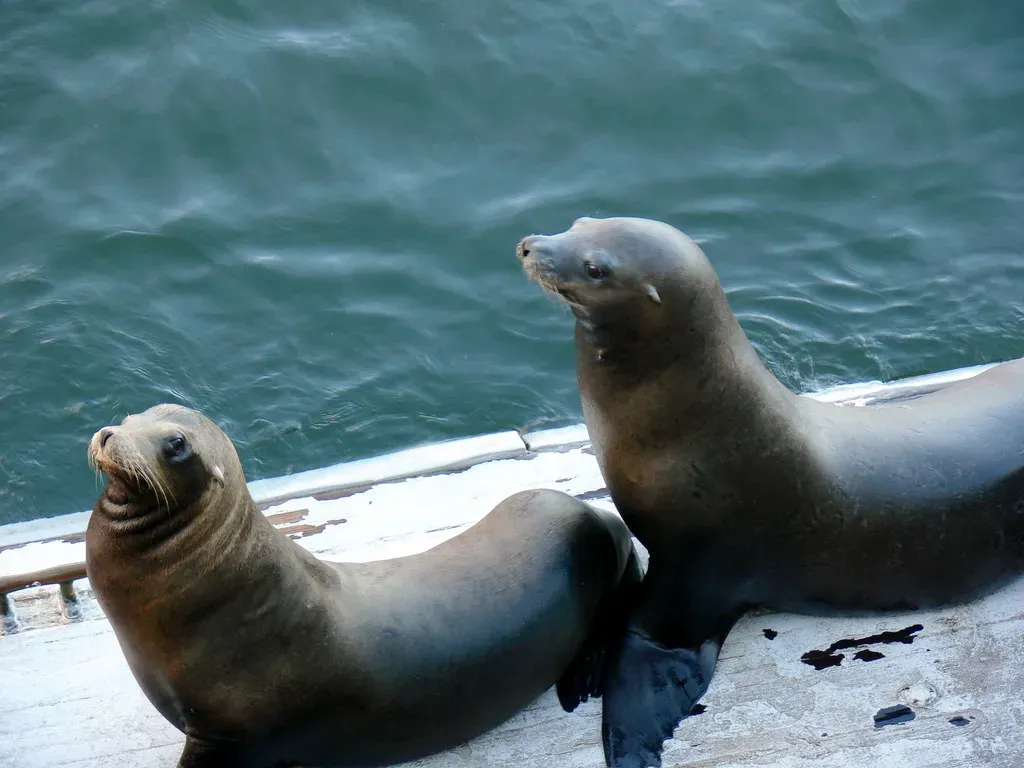
When you do see sea lions leave the water together, your first job is not to get a closer photo; it’s to give them space. Move back, lower your voice, and if you’re on the water, slow or cut your engine and adjust your course. By doing that, you reduce the chance that your presence is adding to whatever triggered their alarm in the first place, whether that’s a predator, rough seas, or another disturbance you can’t see.
You can also turn the moment into a personal learning experience instead of just a quick spectacle. Ask yourself what the animals’ body language is telling you: are they tense and watchful, or relaxed and sleepy once they’re on land? Is the ocean calm or suddenly rough? Are boats or loud noises nearby? When you treat each dramatic exit as a small puzzle instead of an accident, you start to build an intuitive sense of what these animals are trying to navigate every day.
Conclusion: Listening to the Sea Lions’ Story
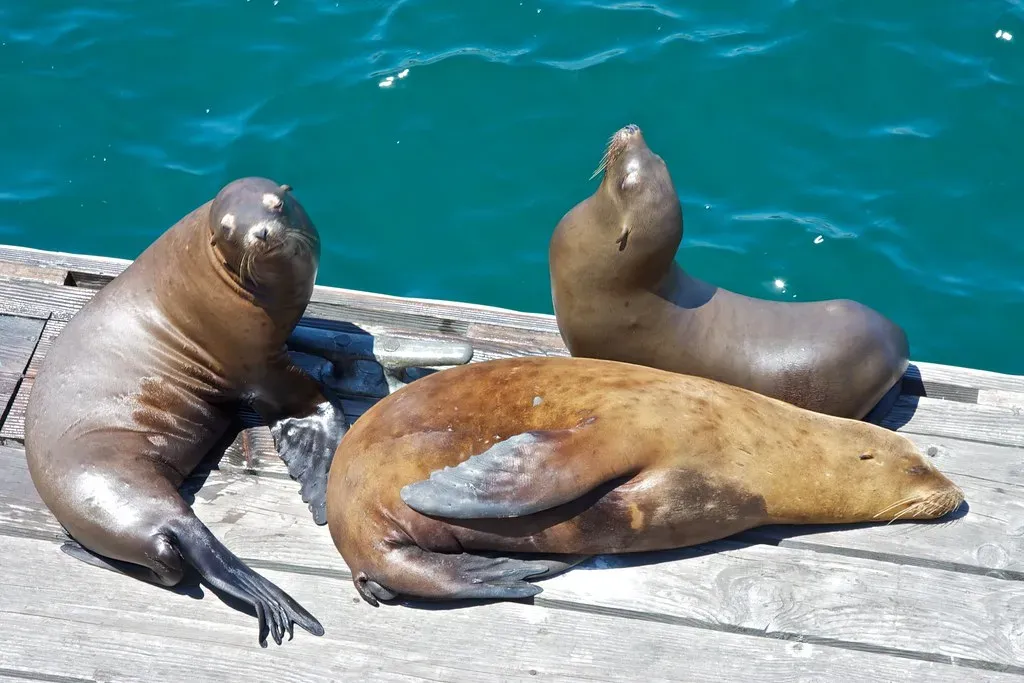
, you’re watching a silent conversation between wild animals and their environment. Sometimes it’s about danger, sometimes about food, comfort, or social tension, and sometimes about signals you simply can’t perceive. Either way, their behavior is a living map of what matters out there: safety, energy, and survival in a changing ocean.
If you pay attention, those moments can change how you see the coastline around you. Instead of just spotting “cute animals on rocks,” you start noticing patterns, risks, and rhythms you never saw before. The next time you see a whole group surge out of the water at once, what story will you imagine they’re telling you?