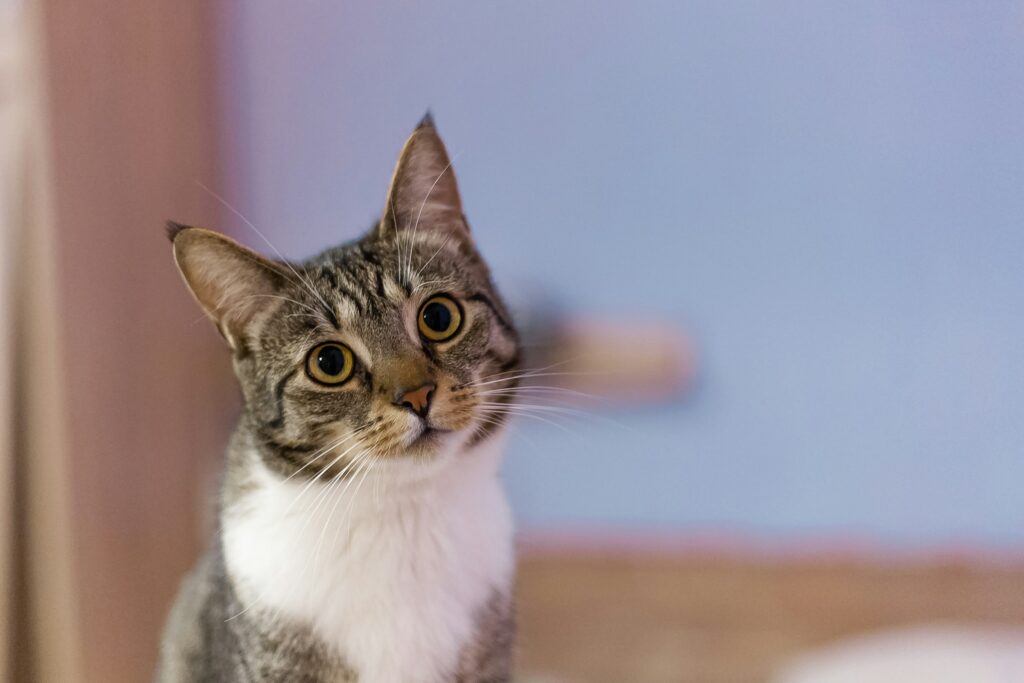
You probably know every quirk your cat has… until one day you catch them sitting stock-still, staring into a blank corner like they are seeing something you cannot. Minutes pass. Then an hour. They barely blink. You call their name, and they flick an ear but stay locked in place. It can feel eerie, almost like your cat has slipped into another world right in front of you. You are not imagining that something unusual is going on. Many feline behavior experts describe this kind of long, focused stillness as a trance‑like state, where your cat’s senses and brain activity shift into a different gear. Science does not fully understand it yet, but researchers are slowly piecing together what might be happening when your cat appears to “zone out” into the wall. The more you understand it, the less spooky it feels – and the more you can use it as a window into your cat’s inner life.
Why Your Cat’s Corner Staring Feels So Strange to You
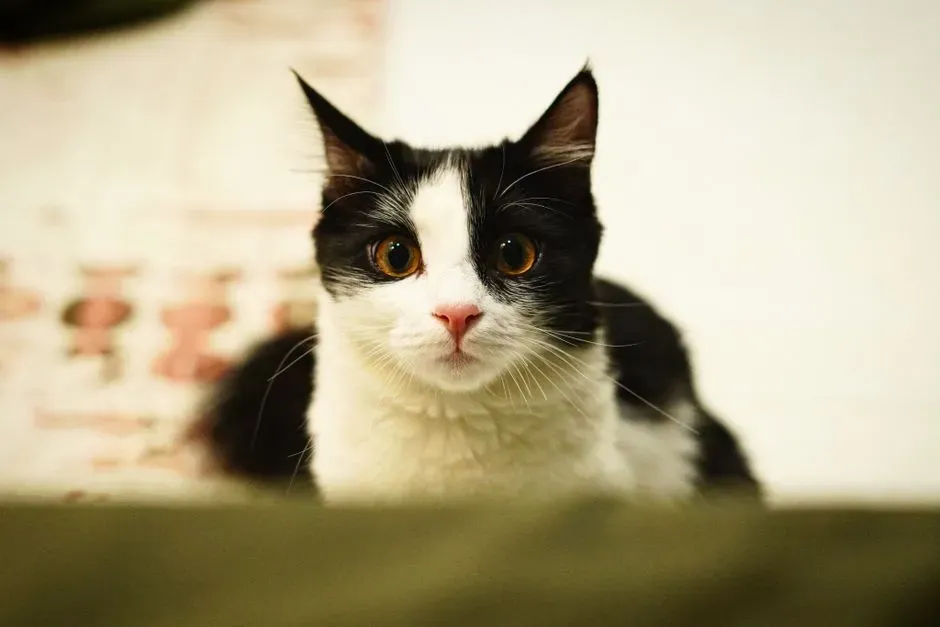
The reason this behavior unnerves you is that it breaks the usual rhythm of how you see animals behave. You are used to cats being either clearly active – playing, hunting, begging for food – or clearly resting, snoozing in a sunbeam. A cat sitting upright for ages, muscles tense but motionless, eyes fixed on… nothing obvious? That falls right between your mental categories and sets off your “something’s wrong” alarm. On top of that, you naturally project human meaning onto what you see. If a person sat motionless facing a corner, you might worry about emotional distress. With a cat, it is tempting to jump straight to paranormal explanations or dramatic health fears. But a lot of what makes this look so eerie is simply that your brain is trying to interpret a non‑human way of experiencing the world using human rules that do not quite fit.
How Your Cat’s Super Senses Feed a Trance‑Like State
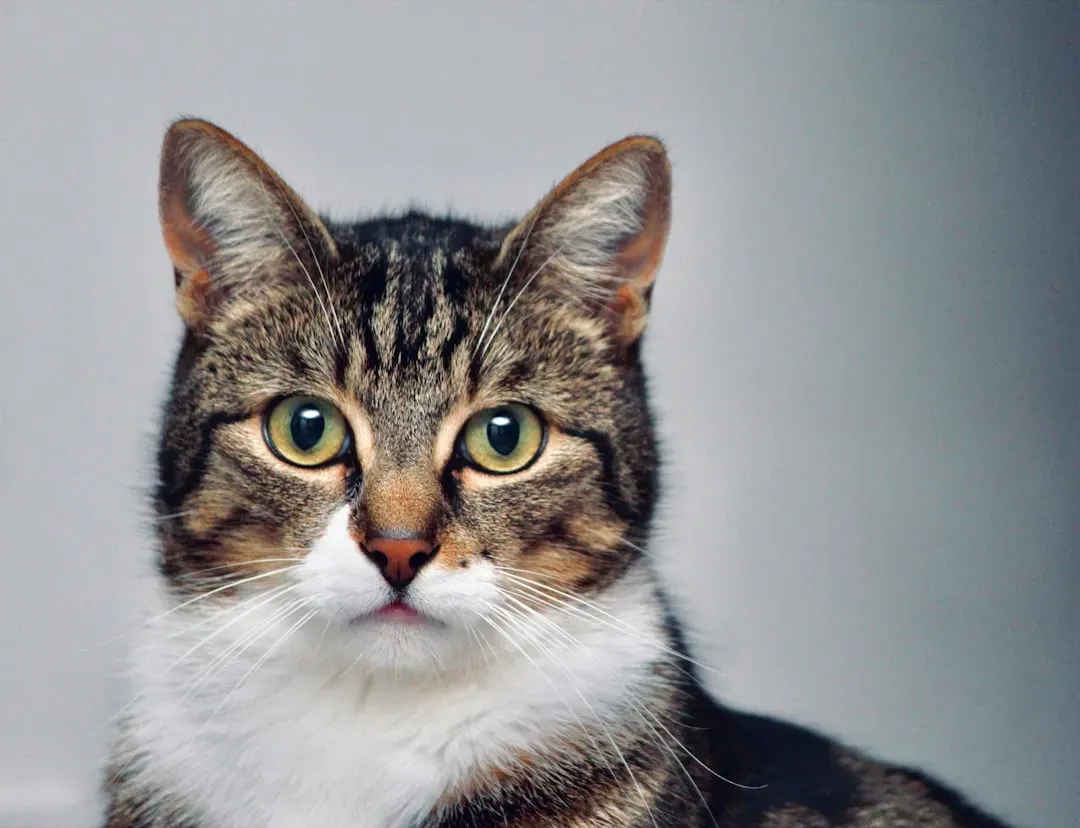
Before you assume your cat is communing with the spirit realm, remember that they are wired with senses far sharper than yours. Your cat hears higher pitches, catches quieter sounds, and detects subtler vibrations. They can also see in low light much better than you. When they sit facing a corner, there is a good chance they are tracking faint noises in the wall, tiny drafts, or slivers of light that simply do not register for you. That deep stillness can be part of a sensory “tunnel vision” moment. Your cat filters out everything except that one fragile stimulus – a faint scratch behind the drywall, the buzz of a pipe, the flutter of a tiny insect. To you, it looks like empty nothingness. To your cat, it might feel like staring straight into a crowded, noisy street. The trance‑like quality is really your cat letting their animal instincts take full, quiet control.
The Hunting Brain: A Predator in Slow Motion
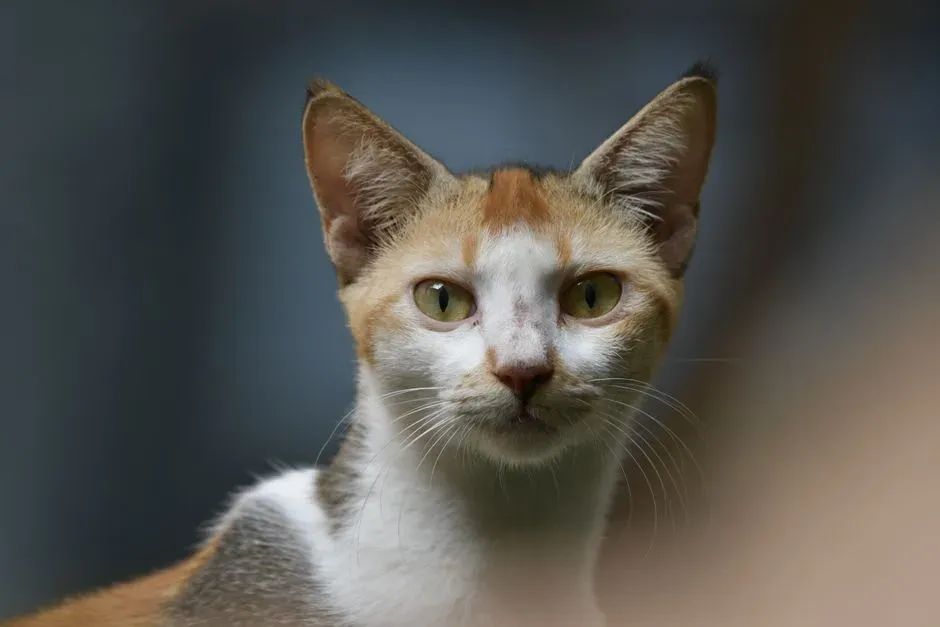
If you think of your cat primarily as a pet, this corner pose seems bizarre. But if you remind yourself you are living with a stealth predator, it starts to make more sense. A hunting cat in the wild often alternates between explosive bursts of movement and long, frozen stretches of waiting. That frozen stillness can be a hunting posture, even if there is no obvious mouse or bird in sight. When your cat sits facing a corner, their brain may be sliding into “ambush mode.” They remain still to gather every bit of sensory data without giving away their presence. It is like they have pressed pause on their body while their mind runs a slow‑motion analysis of tiny sounds and smells. To you, it looks like a trance. To your cat, it might feel like an intense, focused wait for prey that may or may not actually be there.
Is It Really a Trance? What Behaviorists Mean by That
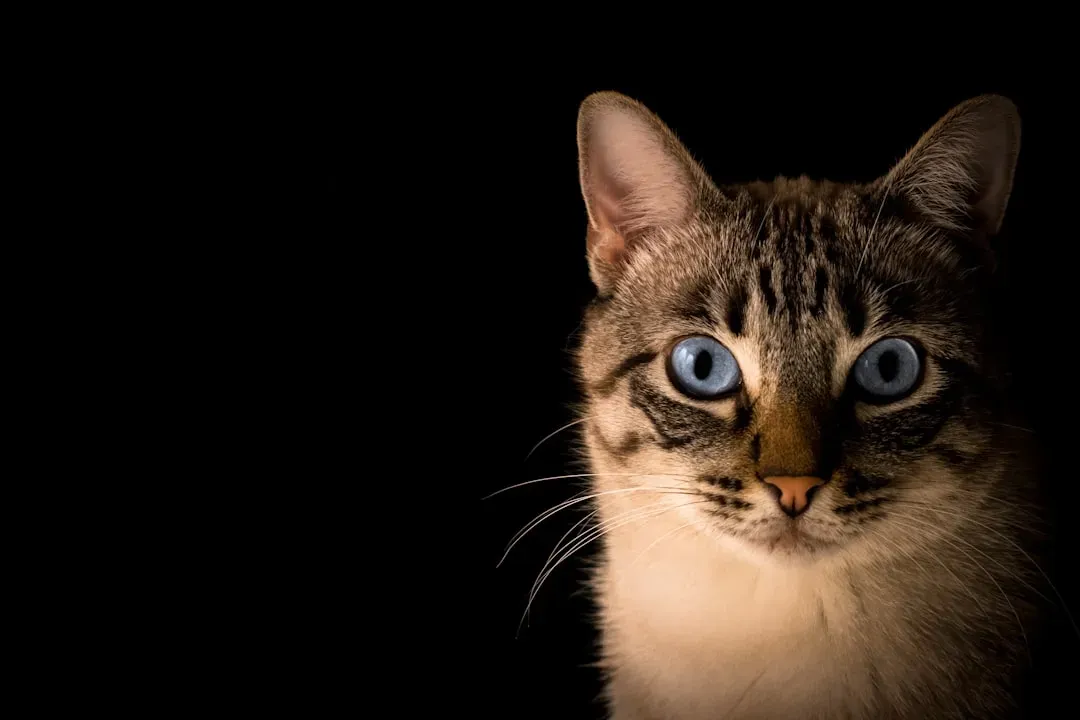
When some behaviorists talk about a feline trance state, they are not saying your cat is having a mystical experience. They are usually describing a shift into a deeply absorbed, semi‑detached mode where your cat is highly inward‑focused. You might notice their breathing slow, their eyes half‑narrow, and their reactions to normal household activity become delayed or muted. In that state, your cat is not asleep, but they are not fully in everyday alert mode either. Think of how you feel when you get lost in thought or completely absorbed in a book: people can call your name and you barely register it for a moment. Your cat’s version is more sensory and instinctive than intellectual, but the feel is similar. They are “there,” but not quite all the way there with you.
When Corner Sitting Is Probably Harmless
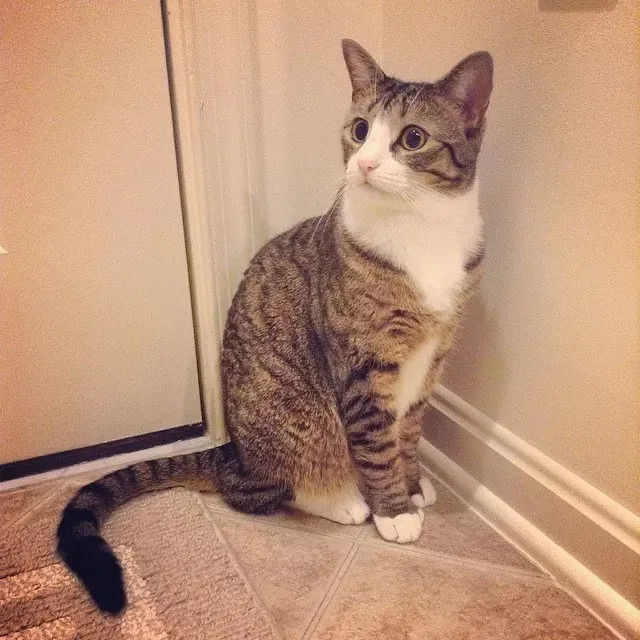
In many cases, this behavior is just one of your cat’s odd but normal rituals. If your cat eats, drinks, plays, and uses the litter box as usual, and the corner sessions are occasional rather than constant, you are probably just seeing a quirky part of their personal routine. Some cats pick the same corner every time; others rotate between favorite “listening posts” around the house. You may notice patterns that make it even less mysterious. The trance‑like sitting might happen more at dawn or late at night when the house is quiet and subtle sounds stand out. It might follow a burst of activity, almost like a cool‑down phase. Over time, you will start recognizing it as part of your cat’s own daily rhythm, no stranger than that one odd spot they always choose for naps.
When You Should Worry About Medical or Cognitive Issues
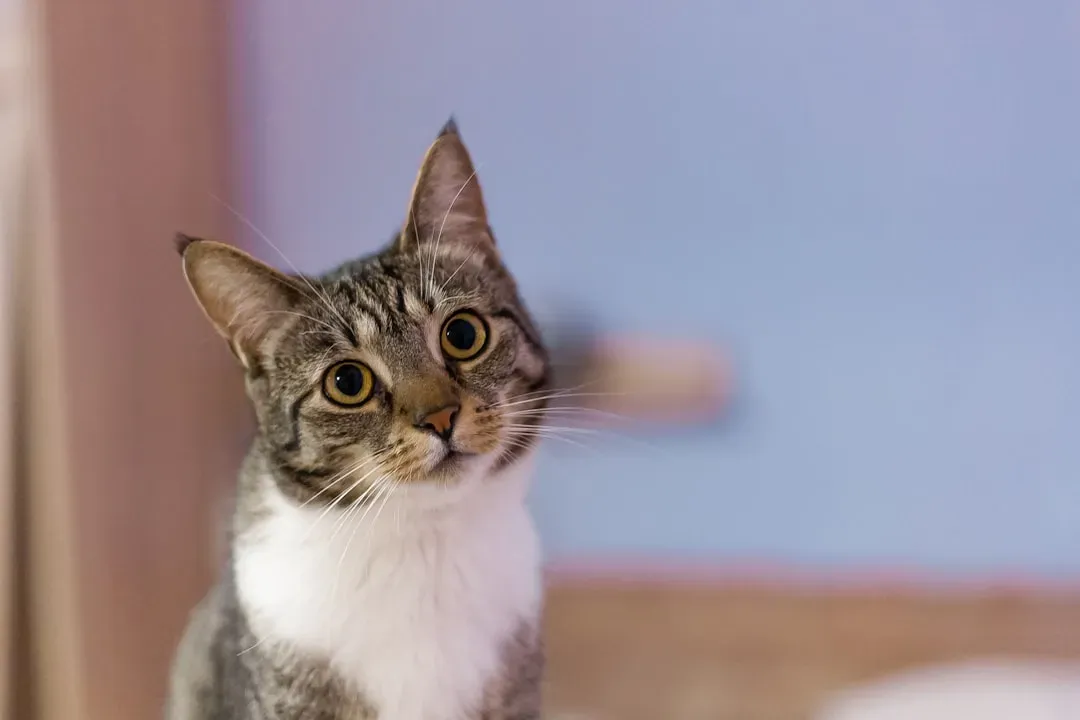
There is a line where “cat in a trance” stops being cute and starts being a possible red flag. If your cat suddenly begins spending long stretches facing the wall, especially if they never did this before, you should pay attention. Changes in routine can hint at vision or hearing problems, neurological issues, high blood pressure, or cognitive decline – especially in older cats. You want to watch for other clues. Does your cat seem disoriented, bump into furniture, stare at walls in several rooms, or yowl at night? Are they eating less, hiding more, or showing personality changes? If the corner sitting is new, frequent, or combined with these signs, you should schedule a vet visit. You are not being paranoid – cats are masters at hiding discomfort, and odd behavior is often one of the first meaningful hints you get.
How to Respond in the Moment Without Stressing Your Cat
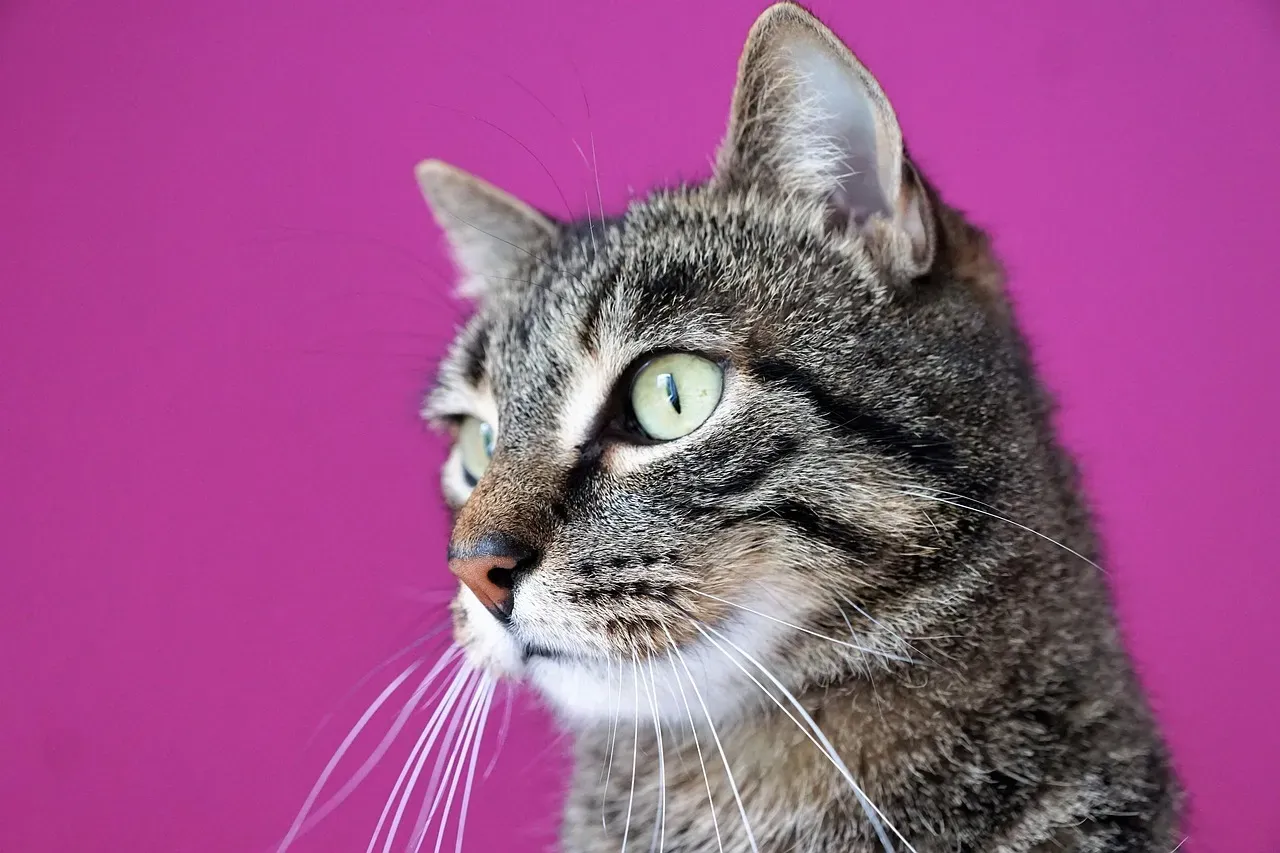
When you catch your cat in one of these long, still sessions, your first impulse might be to interrupt it. You call their name, clap, or wave a toy, partly to reassure yourself everything is okay. In moderation, that is fine. If your cat snaps out of it, looks at you calmly, and either returns to the corner or strolls away, you can treat the moment as a harmless quirk and move on. What you want to avoid is turning it into a source of stress. Do not yank them away from the corner, scold them, or flood them with loud noises just because the behavior weirds you out. Instead, you can gently test their responses now and then, making sure they can still hear, see, and react. Think of it like knocking on the door of someone’s room when they have headphones on: you are just checking in, not dragging them out.
Making Your Home a Better Environment for a Trance‑Prone Cat
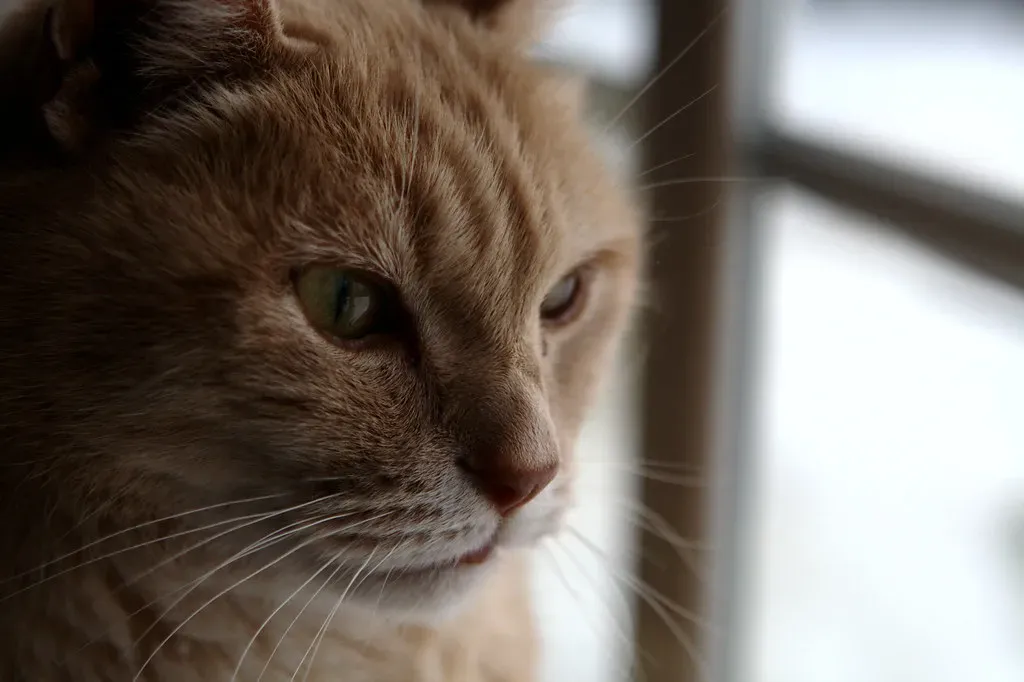
If your cat seems drawn to this kind of deep, focused stillness, you can actually lean into it in a positive way. Create a few safe, quiet observation points with soft bedding near windows or higher perches. When your cat has more enriching spots to stare, scan, and listen from, they are less likely to fixate on bare corners where you cannot tell what has their attention. At the same time, you want to offer engaging alternatives. Regular play sessions, puzzle feeders, and new textures or scents to explore can satisfy your cat’s mental and hunting needs. The goal is not to stamp out trance‑like behavior but to balance it. If your cat spends some time in that zoned‑out state and then eagerly interacts with you and their environment, you are seeing a healthy range of feline moods, not a problem.
What Science Still Does Not Know – and How You Can Observe Like a Researcher
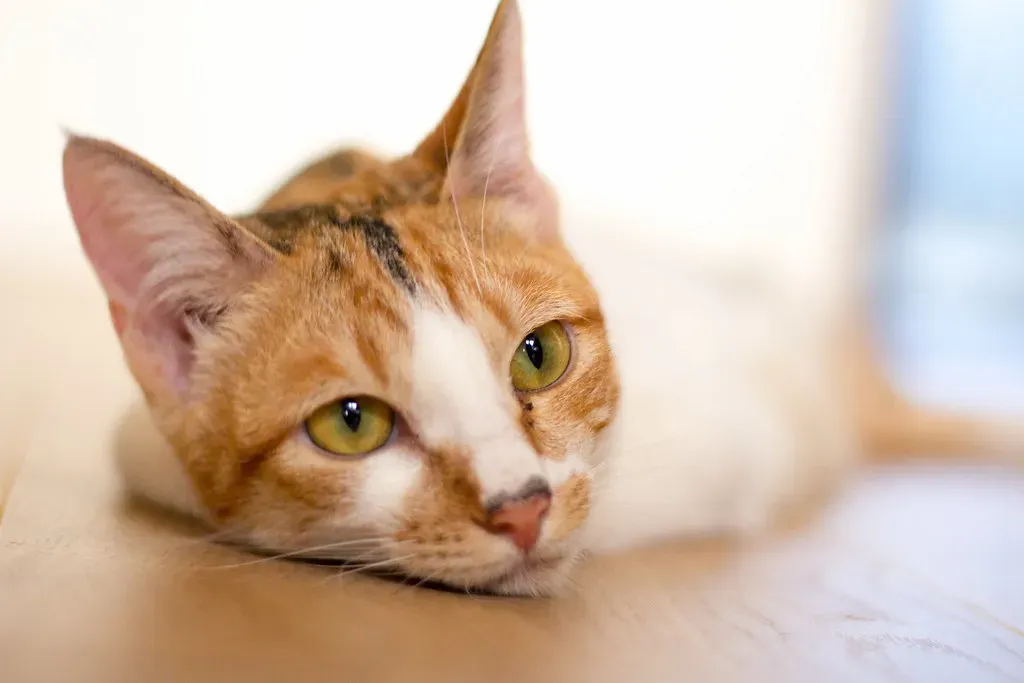
The truth is, researchers are only beginning to map how a cat’s brain works across different states – play, rest, hunting, and these strange in‑between moments. There are hints that certain patterns of brain activity in animals look a little like meditative or flow states in humans, but the evidence is early and limited. No one has a complete explanation yet for why your particular cat might choose your particular corner as their favorite place to zone out. What you can do, though, is treat your home like a small, gentle lab. Notice when the behavior happens, how long it lasts, what else is going on, and how your cat behaves before and after. Jot a few notes on your phone if something seems off. If you ever need to talk to a vet or behaviorist, those detailed observations will be worth more than any guess. You become your cat’s best data source, simply by paying close, calm attention.
Conclusion: A Strange Little Window Into Your Cat’s Inner World
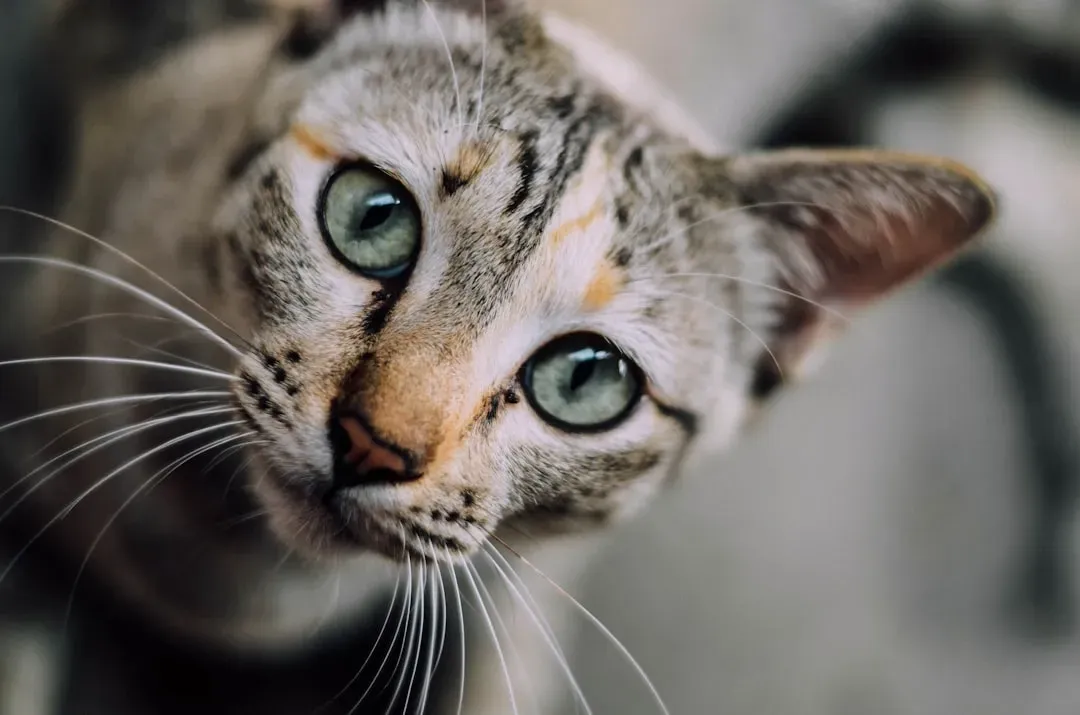
The next time you see your cat sitting motionless, facing a corner like they are listening to another dimension, you can look at it with a new mix of curiosity and caution. Sometimes you are just watching a predator’s ancient instincts switch on, or a highly sensitive animal sink into deep sensory focus. Other times, you might be seeing the first whisper of a medical or cognitive issue that deserves a professional look. Either way, this odd, trance‑like pose is a reminder that your cat’s inner world runs deeper than the simple labels of “lazy” or “aloof.” You share your life with a creature whose senses, instincts, and brain states do not always line up neatly with your own. If you stay observant, stay kind, and stay open to the idea that your cat experiences reality a bit differently, these strange moments become less frightening and more fascinating. When your cat disappears into that corner again, will you see it as a glitch – or as a glimpse into who they really are?