For most of human history, the world felt haunted. Strange lights flickered in the sky, statues seemed to cry, people fell into trances and spoke in voices that did not sound like their own. When you do not have physics, neurology, or satellite imagery, the line between natural and supernatural is razor thin. Even today, when we love to say we are rational and data driven, those old stories still tug at something deep and emotional in us.
I still remember standing in a dark field as a kid, watching the northern lights for the first time. My rational brain knew it was charged particles hitting the atmosphere, but another part of me honestly understood why ancient people thought the gods were fighting overhead. This is the strange place we live in: caught between awe and explanation. Here are ten natural phenomena that people long treated as divine warnings, ghostly visitations, or demonic attacks – until science, slowly and imperfectly, began to pull back the curtain.
Auroras: Heavenly Battles Turned Space Weather
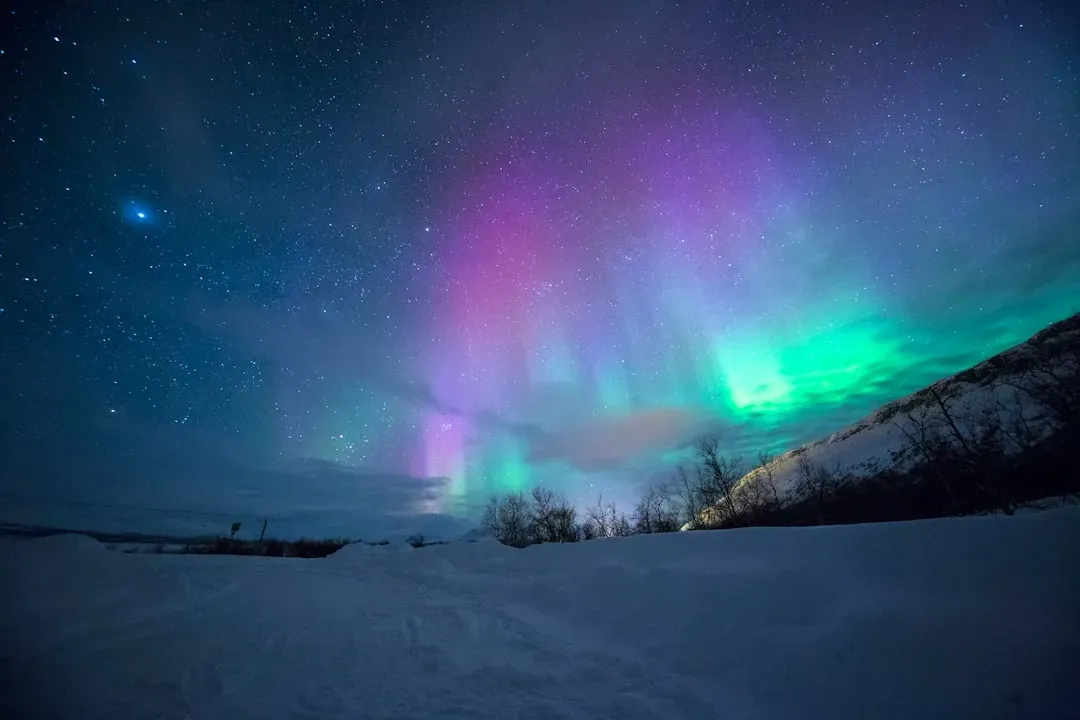
For centuries, shimmering curtains of green and red in the night sky were read as cosmic omens. In Europe and Asia, auroras were often seen as signs of war, divine anger, or the souls of the dead marching overhead. The sudden appearance of these lights during dark, quiet nights must have been genuinely terrifying if you had no concept of solar activity or magnetic fields to fall back on.
Modern science now explains auroras as the result of charged particles from the Sun being funneled by Earth’s magnetic field into the polar regions, where they collide with atoms in the upper atmosphere and emit light. We have equations, satellites, and space-weather forecasts to track them, but the explanation is still only partial: we understand the broad mechanism, yet predicting their exact appearance, shapes, and intensity at a specific hour is still tricky. The mystery has shrunk, but it has not vanished – and standing under a blazing aurora still feels more like being inside a myth than inside a physics lesson.
Ball Lightning: Ghost Lights That Still Baffle Physicists
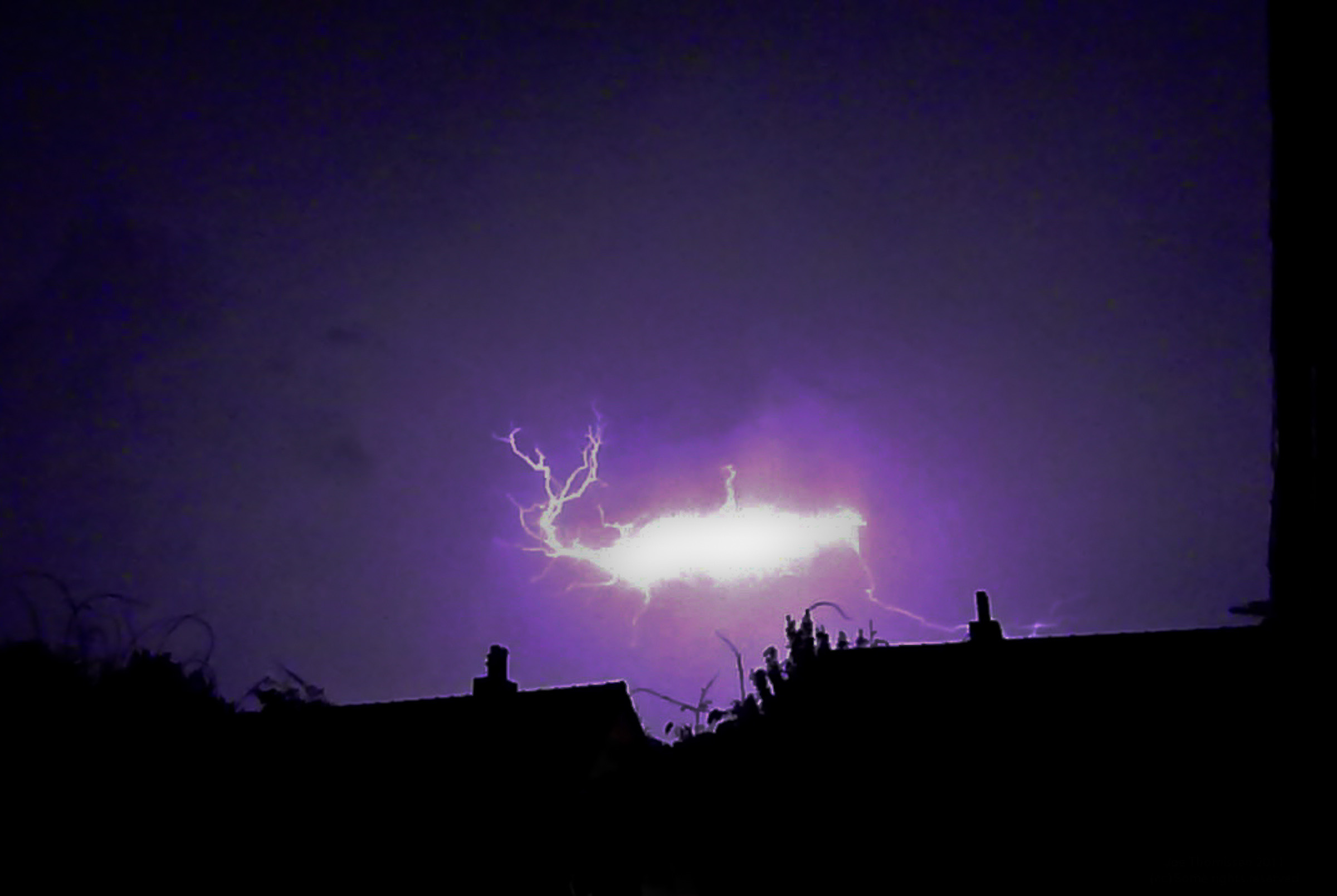
Ball lightning has been blamed for ghost lights over fields, floating orbs in haunted houses, and glowing spirits appearing after thunderstorms. For a long time, many scientists even doubted it was real at all, suspecting that stories of bright, drifting spheres indoors or in open skies were just exaggerations, misremembered strikes, or outright folklore. Yet reports have come from pilots, ship captains, and trained observers who had little reason to embellish.
Today, ball lightning is generally accepted as a real but rare atmospheric phenomenon, and several models try to explain it, from plasma-based theories to ideas involving vaporized silicon in soil kicked up by lightning strikes. There have even been a few accidental recordings and lab experiments that seem to mimic aspects of it. But there is no single universally accepted theory that can explain every reported behavior, size, and duration. So in a way, the old villagers who called these lights ghostly were admitting something science still faces: we see the thing, we name the thing, but we do not fully understand the thing.
Earthquakes: Angry Gods vs. Shifting Plates

Before geology, earthquakes were almost universally framed as messages from below: gods pounding in fury, giant animals shaking the world, or imprisoned demons tossing and turning. When the ground itself, the thing you trust most, turns into a wave, the idea that some enormous being is responsible feels disturbingly reasonable. Many cultures built rituals, sacrifices, and taboos around trying to keep these hidden powers calm.
Plate tectonics now gives us a powerful framework: earthquakes arise when stress built up along faults between moving tectonic plates suddenly releases, sending shock waves through rock. We can map fault lines, estimate recurrence intervals, and design buildings to survive many quakes that would once level cities. Still, we cannot predict the exact time and place of a major quake, only probabilities. That lack of precise foresight keeps a faint echo of the supernatural alive – some people still turn to prophecies and omens whenever the earth begins to move.
Solar Eclipses: Devoured Suns and Celestial Mechanics
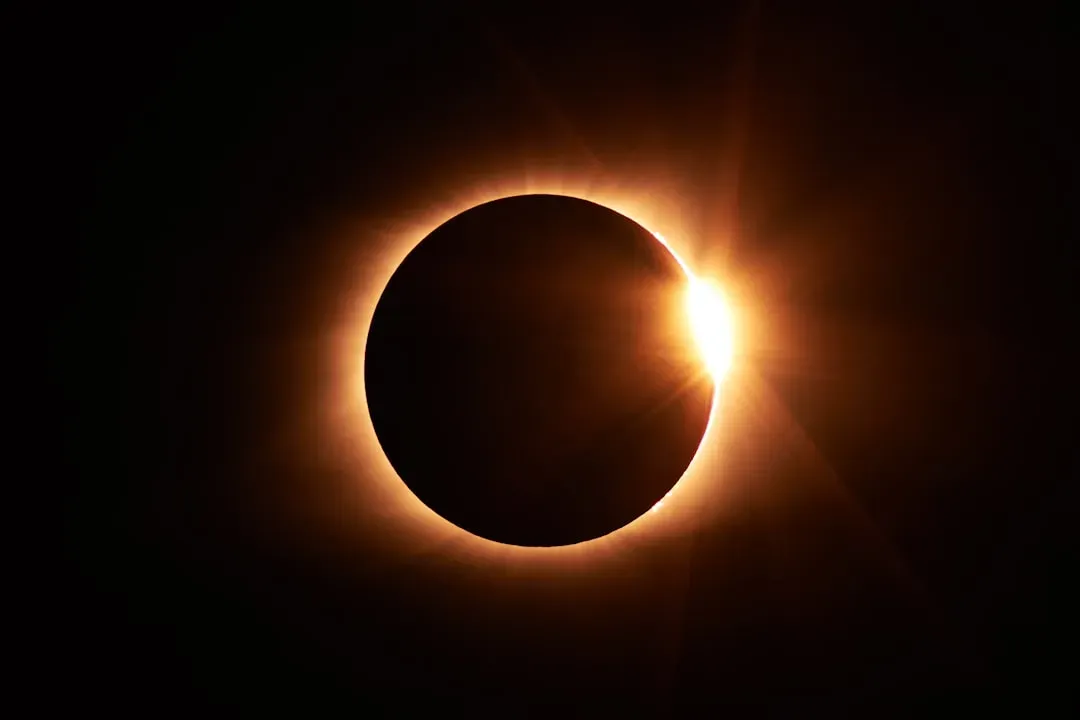
Imagine staring up at a blazing midday Sun and suddenly watching it swallowed by a dark, creeping bite. For ancient observers, solar eclipses felt like the end of the world. Myths of sky dragons, ravenous wolves, or monstrous birds trying to eat the Sun are nearly universal, and people responded with frantic noise, prayers, or sacrifices to drive the monster away and bring back the light.
We now know an eclipse is simply the Moon passing between Earth and the Sun, casting its shadow on our planet in a precise and predictable dance. Astronomers can calculate eclipse paths centuries in advance, down to minutes and kilometers. Yet even with that knowledge, standing in totality is unnerving in a primal way: daylight collapses, temperatures drop, animals act confused. The scientific explanation is solid, but the emotional shock still hints at why people reached for supernatural stories for so long – rational models do not erase the feeling of the world briefly breaking.
Comets: Harbingers of Doom Turned Icy Visitors
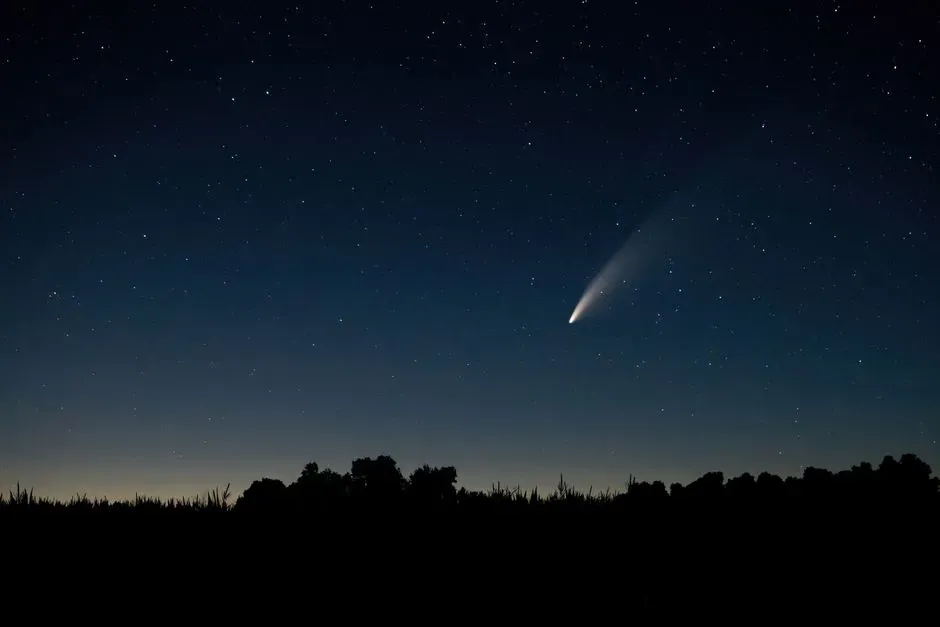
For a huge slice of history, comets were cosmic bad news: streaks of dirty light that seemed to appear from nowhere and linger ominously in the sky. Kings feared them, priests interpreted them, and ordinary people braced for famine, war, or plague. Because comets often stood out against the predictable march of the planets and stars, they felt like messages from outside the normal order of the heavens.
Today we classify comets as icy bodies from the outer reaches of the Solar System, often originating in distant reservoirs like the Oort Cloud or Kuiper Belt. As they swing closer to the Sun, their ices vaporize, creating bright comas and long tails of gas and dust. We have sent spacecraft to fly by and even land on comet nuclei, measuring their composition and watching jets erupt from their surfaces. Even so, there is still plenty we do not fully pin down: the detailed evolution of their orbits over millions of years, how much water and organic material they brought to early Earth, and how often large impacts might have reset the planet’s history. They are less like fiery swords from angry gods now and more like ancient, messy time capsules – but still unpredictable enough to stir a bit of unease.
Volcanic Eruptions: Gateways to the Underworld
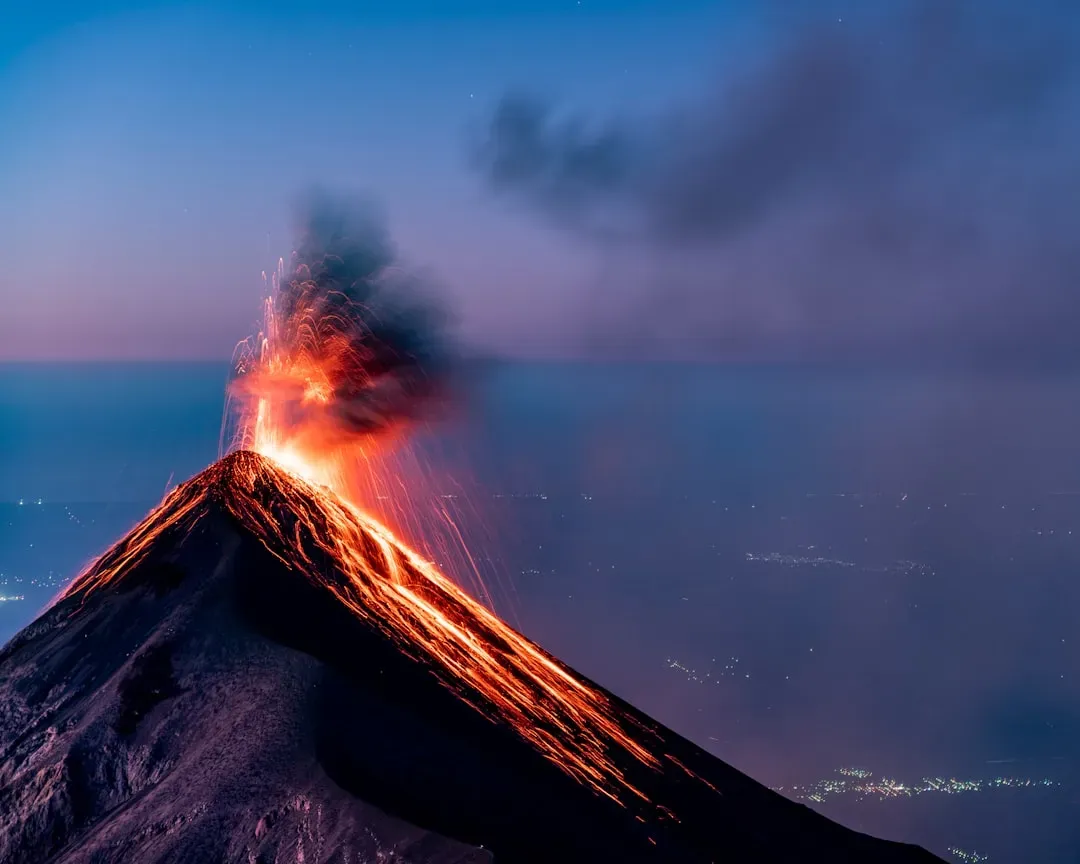
Mountains that suddenly belch fire, ash, and choking gases were almost tailor-made for supernatural explanation. Many cultures placed gods, spirits, or the dead inside volcanoes, interpreting eruptions as anger, messages, or battles in an unseen realm. When entire towns are buried in ash or lava, the idea that this is a moral reckoning from beyond can feel more satisfying than the idea that you happened to live on a destructive geological hotspot.
Volcanology reveals eruptions as the result of molten rock rising from beneath the Earth’s crust, pressurized gases expanding, and fractures opening to vent heat and material. We use gas sensors, satellite observations, and seismic monitoring to catch early signs of unrest and sometimes evacuate in time. But volcanoes remain partly unpredictable; some rumble for years and never erupt, others sleep for centuries and then explode catastrophically. The science is steadily improving, yet it still has holes – and in those gaps superstition easily finds room to breathe.
Sleep Paralysis: Demons on the Chest vs. A Brain Glitch

Stories of night demons, incubus and succubus attacks, or witch rides share a remarkably consistent feature across cultures: a person wakes up unable to move, feels a heavy presence sitting on their chest, senses a threatening figure in the room, and struggles to breathe or cry out. Before neuroscience, the most intuitive explanation was that something sinister and invisible was pinning you down, feeding on your fear or your soul.
Modern sleep research frames these episodes as sleep paralysis, a state in which parts of REM sleep remain active while consciousness returns. Your muscles are still inhibited so you do not act out dreams, but your awareness is back online and your brain can misinterpret dream imagery as terrifying hallucinations. Knowing this can be incredibly relieving – I have had one of these episodes, and discovering it was a known neurological quirk, not a demonic visit, changed my entire relationship with the experience. Still, we do not fully understand why some people have recurrent, intense episodes and others almost never do, which is why supernatural interpretations still linger in many communities.
Saintly Visions and “Miraculous” Apparitions
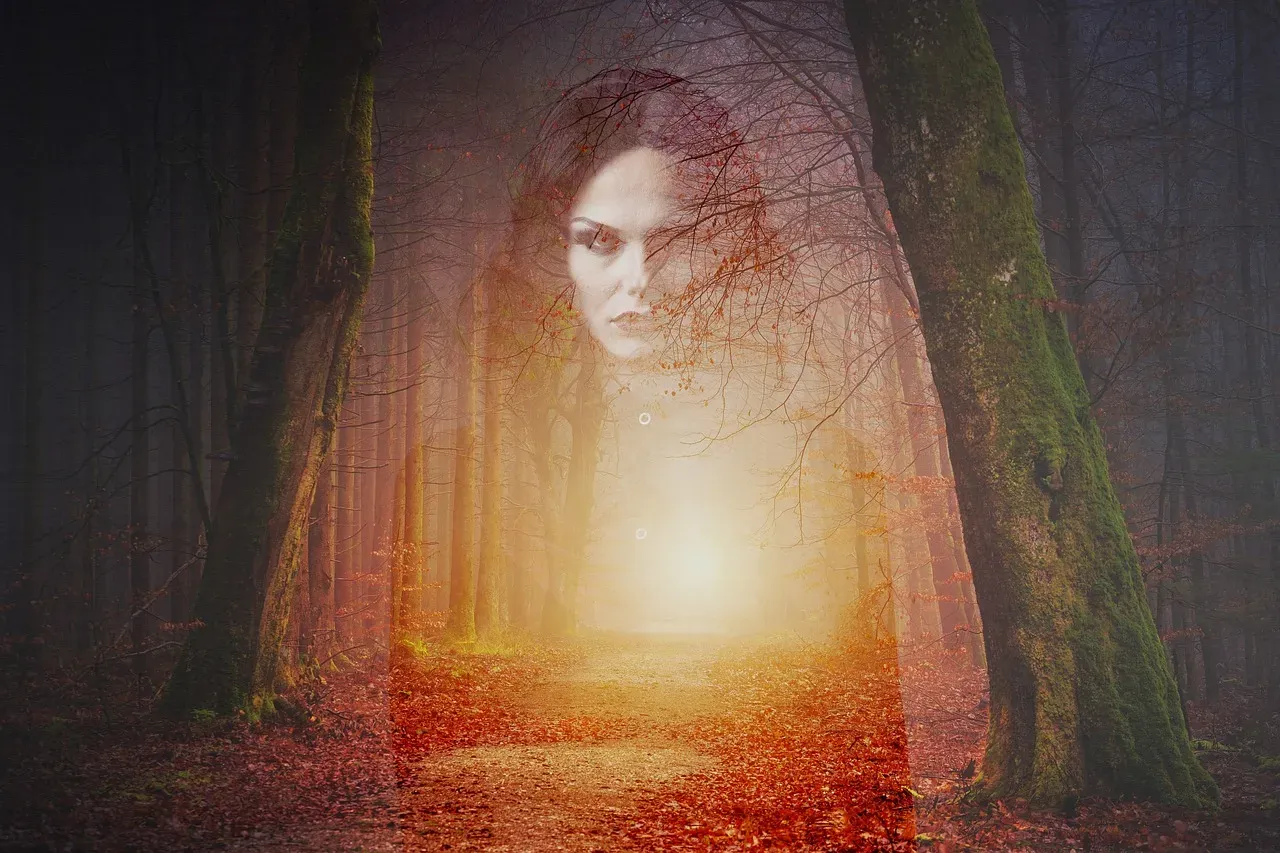
For centuries, reports of luminous figures, saints appearing in the sky, or glowing silhouettes on walls and windows were folded directly into religious belief. Entire pilgrimage sites grew up around recurring apparitions, with crowds traveling long distances to catch a glimpse of a mysterious light or shape. In intensely devout settings, these experiences were often seen as direct communication from a divine realm, validating a specific faith or message.
Psychology and perception science point toward a messy mix of factors: expectation, suggestion, crowd dynamics, optical illusions, and in some cases underlying neurological or psychiatric conditions. Light reflecting off glass or moisture, pareidolia (our tendency to see faces and figures in random patterns), and emotional priming can combine into something that feels overwhelmingly real. That does not mean every famous apparition has a neat, single cause, and research is often incomplete or controversial. What it does show is that our brains are not passive cameras – they are active storytellers, eager to turn ambiguous shapes into meaningful presences, especially when the community around us is primed to see miracles.
“Demonic Possession” and Certain Neurological Disorders

Long before neurology, many conditions that affected behavior or consciousness were read as spiritual invasions. People who had sudden convulsions, spoke in unfamiliar ways, heard commanding voices, or swung between strange moods were often labeled as possessed or cursed. In societies with strong religious frameworks, exorcisms or ritual cleansings became the default response, sometimes with tragic consequences for the person involved.
Today, we recognize that a range of neurological and psychiatric conditions, including some forms of epilepsy, psychosis, and dissociative disorders, can produce exactly those kinds of symptoms. Brain imaging, medication, and therapy offer partial but often life-changing relief. It is crucial, though, to be honest about the “partial” part: our understanding of the brain is still far from complete, and diagnosis can be messy. From my point of view, the most humane stance is to see supernatural explanations as historical attempts to make sense of something terrifying, while also insisting that modern medical care, not rituals alone, should come first when a person is suffering.
Will-o’-the-Wisps: Spirits of the Marsh or Marsh Gas?
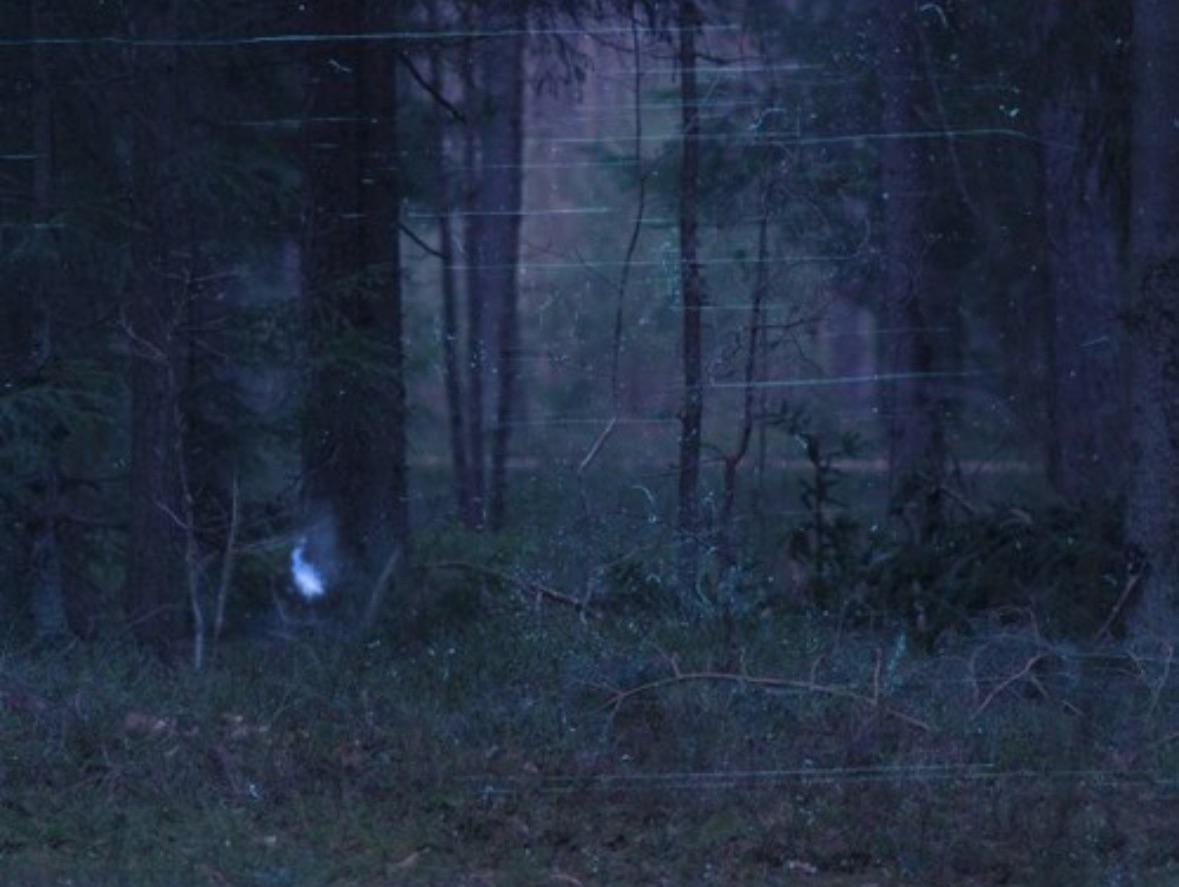
In folklore from Europe, Asia, and beyond, travelers told of ghostly lights flickering over bogs and marshes, luring people off safe paths into dangerous ground. These so-called will-o’-the-wisps, or similar spirits under other names, were often portrayed as playful tricksters or malevolent entities trying to claim unwary souls. When your only lantern is weak and the night is truly dark, a distant dancing light can feel like a supernatural invitation you might regret following.
Science has offered a few overlapping explanations. One involves the spontaneous ignition of gases like methane and phosphine produced by decaying organic matter, which can create brief, flickering flames near wet ground. Other cases may be insects, distant human lights distorted by atmospheric conditions, or visual effects from tired eyes in low light. None of these explanations neatly covers every single account, and modern recreations are still debated, which keeps a faint aura of mystery clinging to the phenomenon. Honestly, even if I know the chemistry, if I ever see a floating light over a swamp at midnight, I am not sure I will be curious enough to walk toward it.
Opinionated Conclusion: Awe, Uncertainty, and Why the “Supernatural” Never Quite Dies
Looking at these ten phenomena side by side, a pattern jumps out: humans hate not knowing. Faced with sky fires, shaking ground, choking darkness at noon, or terrifying nights where our own bodies betray us, we reach for the fastest narrative that makes emotional sense. For a long time, that narrative was supernatural – gods, demons, spirits, curses. Science has not simply crushed those stories; it has replaced some, softened others, and in many cases left us with a more nuanced but still incomplete picture.
Personally, I think the tension is healthy. The problem was never wonder itself; the problem was using supernatural explanations to stop asking questions. The best part of the modern approach is that we can say, this used to be called a miracle or a curse, and now we know part of the truth, but there is more to uncover. Maybe that is the real shift: from a world ruled by capricious forces to one where mystery is an invitation, not a verdict. When you next see a strange light in the sky or wake from a paralyzing dream, will you feel haunted, curious, or a bit of both?