Most of us secretly wonder how dying actually happens inside the body but are too afraid to ask. We picture a single dramatic moment, yet in reality, death is usually a quiet chain reaction, a slow unwinding of systems that once worked together like a beautifully synchronized orchestra.
Understanding that sequence does something strange: it is both unsettling and oddly comforting. When you see how the body protects the brain until the last possible second, or how breathing changes hours before the heart stops, death becomes less of a mysterious monster and more of a deeply human, biological process. It will never be easy, but it can feel less senseless.
The First Domino: Circulation and Oxygen Delivery Start to Falter
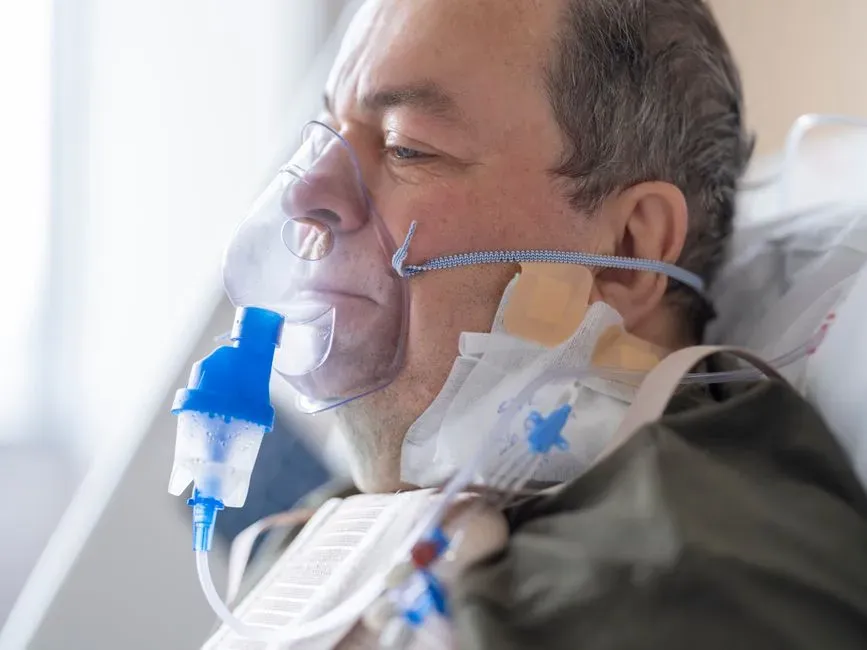
The dying process almost always begins, in one way or another, with reduced blood flow and oxygen delivery. The heart may still be beating, but it becomes less efficient, like a pump running dry; blood pressure slips lower, hands and feet turn cool, and the body quietly starts rationing where the remaining oxygen goes. This is why people near the end of life often feel weak, dizzy, or too tired to do even simple things like sit up or talk much.
When circulation slows, the body makes cold, rational decisions: keep the brain and heart supplied as long as possible, and let the rest of the tissues take the hit. Blood is shunted away from the skin and extremities toward the core, which is why mottling or patchy discoloration on the legs and arms is such a common sign. It is not the moment of death, but it is the first clear sign that the internal dominoes have started to fall.
The Lungs Change Their Rhythm and Surrender Oxygen

As blood flow declines, the lungs enter a strange new pattern. Breathing often becomes shallow and irregular; there can be long pauses followed by a few deeper breaths, a pattern that can look frightening but is actually a natural response to changing carbon dioxide and oxygen levels. The brain’s respiratory center is trying to adapt to failing circulation, like a conductor trying to keep time while the musicians tire and drop out.
In the final hours or days, the muscles of breathing are weaker, and fluid may collect in the airways, causing that rattling sound people dread hearing in someone they love. From the inside, though, this is usually less dramatic than it sounds from the outside. Many patients are not distressed, especially if pain and anxiety are managed; the lungs are simply doing the best they can in a game that is already decided by the failing circulation they depend on.
The Kidneys Quietly Fall Behind on Their Cleanup Job
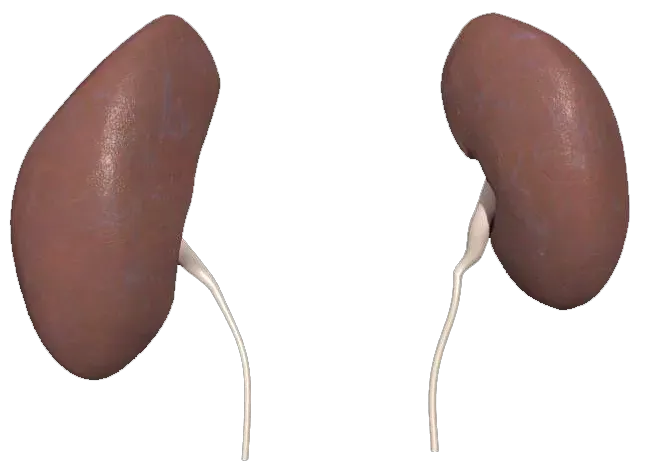
The kidneys are like the body’s tireless cleaning crew, filtering waste and extra fluid all day, every day. When blood pressure drops and circulation weakens, they are among the first major organs to struggle; with less blood coming in, they cannot filter properly, and urine output slows or stops. Families often notice that the person is barely urinating or not at all, which is a strong sign that kidney function is shutting down.
As the kidneys fall behind, waste products and fluid build up in the blood, changing the body’s chemistry in subtle but powerful ways. People may become more drowsy, confused, or disinterested in food and conversation. To outsiders, it can look like the person is “drifting away,” but on a biological level, this is the result of toxins and fluid altering the brain’s environment, nudging the body deeper into a state where wakefulness is no longer a priority.
The Liver Loses Its Grip on Toxins and Metabolism
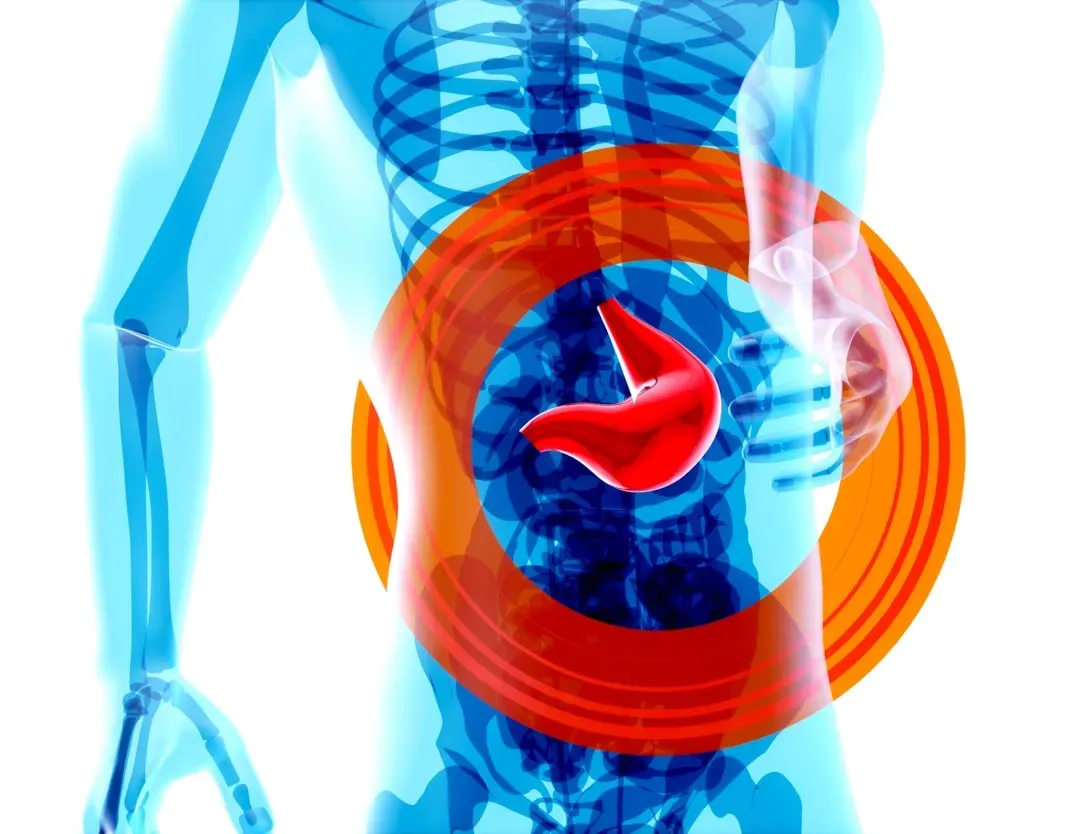
The liver is the unsung multitasker: it processes medications, detoxifies substances, regulates energy, and helps produce proteins that keep blood from clotting too easily. As circulation dwindles, the liver receives less oxygenated blood and starts to falter, which can cause jaundice (a yellowing of the skin and eyes) or changes in how drugs and pain medications are handled. What worked well for pain relief last week may act more strongly or last longer now because the liver can no longer break it down at its usual pace.
When liver function drops, the balance of chemicals and proteins in the bloodstream changes, sometimes causing swelling, easy bruising, or more pronounced fatigue. In some cases, toxins that the liver would normally neutralize reach the brain, deepening confusion or causing a dreamlike state. It is not the liver “failing” in a moral sense; it is simply one more player in a complex system running out of the fuel it needs to do its job.
The Gut and Immune System Step Back From Daily Battles
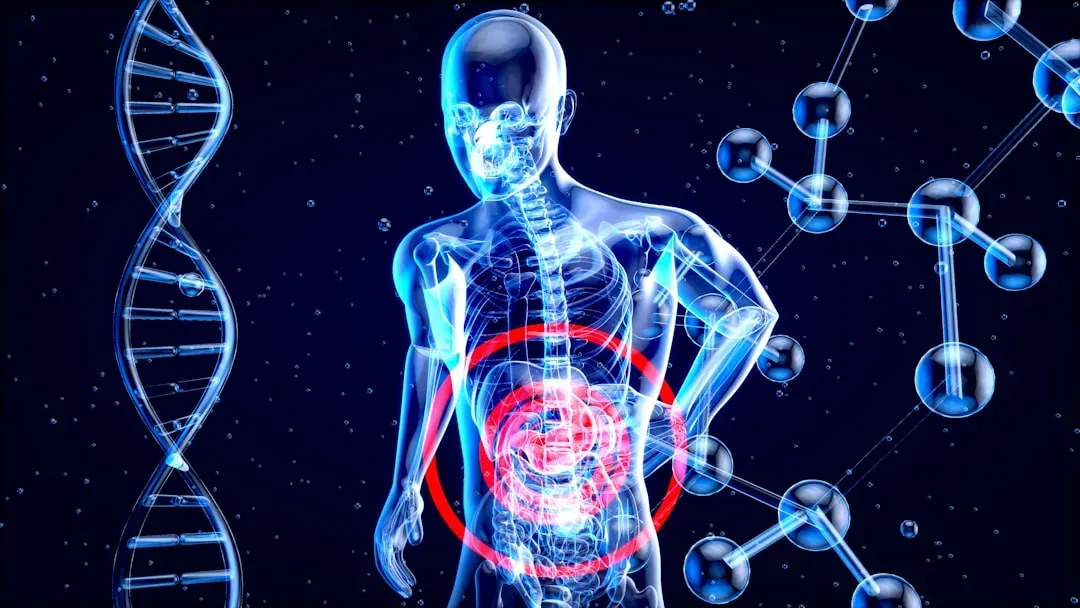
The digestive system is surprisingly energy hungry. Near the end of life, the body steadily turns down its demand for food and drink, not because the person is stubborn or “giving up,” but because digestion is no longer a wise way to spend limited resources. Appetite fades, the sense of thirst changes, and forcing food or fluids at this stage often causes more discomfort than benefit. This is one of the hardest things for families to accept because feeding has always been an act of care.
At the same time, the immune system stops fighting with its usual intensity. Infections that a younger or healthier body might have shaken off become overwhelming, not because the germs are especially fierce, but because the army defending against them is depleted. To me, this has always felt less like a battle lost and more like an exhausted guard finally setting down their weapons, recognizing that the deeper process of dying has already taken the lead.
The Brain Fades From Alertness Into a Protective Distance

The brain is fiercely protected right up until the end; it gets priority access to blood and oxygen for as long as the heart can possibly provide them. Still, as circulation and organ function decline, the brain starts to change. People may have periods of confusion, agitation, talking to people who are not present, or drifting in and out of consciousness. It is disorienting to watch, but in many ways, this state creates a psychological and sensory buffer between the person and the full intensity of what is happening.
In the final stretch, wakefulness usually gives way to a deeper and more continuous sleep. Reflexes slow, responses to voice or touch become minimal, and awareness of the outside world narrows to a thin thread or disappears altogether. I tend to think of this not as the brain failing in a crude way but as it releasing its tight grip, allowing consciousness to gradually loosen rather than drop off a cliff in a single instant.
The Final Convergence: Heart, Breathing, and the Moment of Death

All of these changes eventually converge on a simple, stark reality: the heart will stop. Just before that happens, breathing may become irregular, with long pauses and shallow breaths that family members count anxiously, wondering which one will be the last. The pulse can be hard to find, skin turns cooler and more mottled, and there can be a long, quiet pause that feels infinite before anyone is sure the moment has actually come.
In medical terms, death is declared when both circulation and breathing have stopped and do not return on their own. In human terms, what we witness is the end point of a series of carefully orchestrated trade-offs and slow surrenders. It is rarely a fireworks finale; more often, it is a gentle dimming, like a house at night where lights go out room by room until only one remains, and then that one, too, goes dark.
Why Understanding Organ Shutdown Changes How We Face Death

Knowing that organs shut down in a sequence, with the body prioritizing comfort and essential functions as long as possible, can radically change how we think about dying. It shifts the story from one of violent interruption to one of a body doing its best to protect the person it belongs to, even as its abilities decline. That perspective has made it easier for me to see sedation, hospice care, and comfort-focused decisions not as giving up but as aligning with what the body is already trying to do: ease the person through an unavoidable transition.
I have a strong bias here: I think we should talk about this process more openly, not to scare ourselves but to reclaim some sanity around the end of life. When we understand that loss of appetite, changing breathing, and fading consciousness are not failures of care but expected stages of organ shutdown, we are less likely to panic and more likely to focus on what truly matters in those final days: presence, comfort, honesty, and love. It will always hurt to lose someone, but maybe the real question is this: if we can better understand how the body lets go, can we learn to let go with a little more gentleness too?