Have you ever walked past the same patch of sidewalk or forest path and noticed a feather lying there again and again, almost like it is waiting for you? It can feel oddly personal, as if the world is nudging you, whispering something just out of earshot. Many people shrug it off as coincidence, but in a lot of Indigenous North American traditions, repeating signs in nature are rarely considered random.
Before we go any further, it is important to be clear: there is no single “Indigenous” belief system. North America is home to hundreds of distinct Nations, each with its own languages, teachings, and ceremonial ways. Still, some broad themes show up again and again across different communities, especially around birds, feathers, and messages carried on the wind. If you keep finding feathers in the same spot, these teachings can offer a respectful, grounded way to think about what might be happening.
Feathers as Sacred Gifts, Not Cute Coincidences

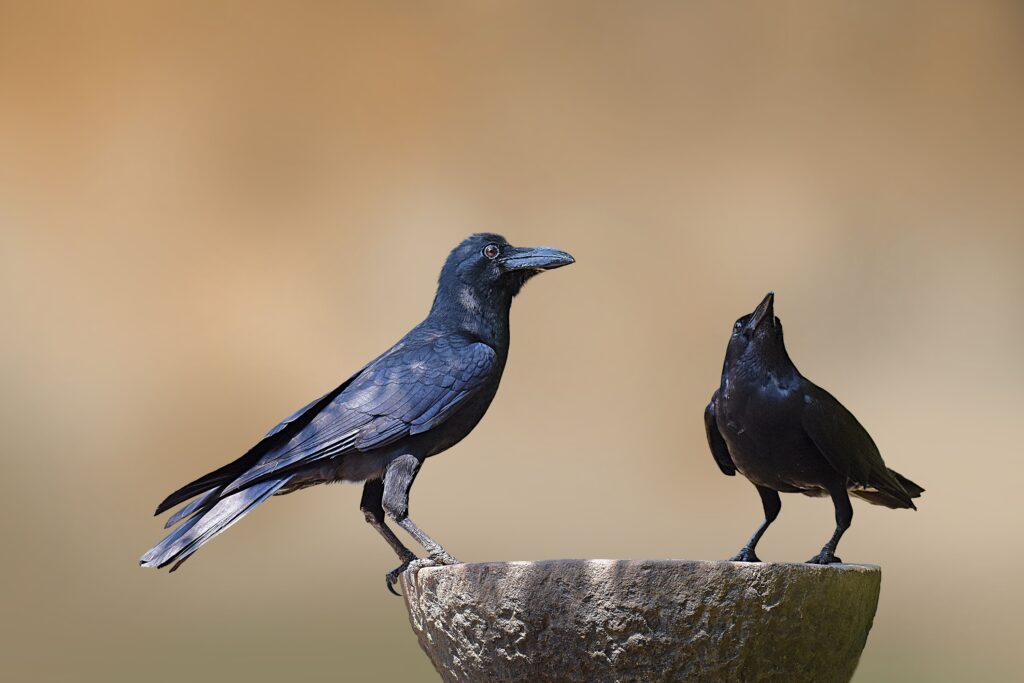
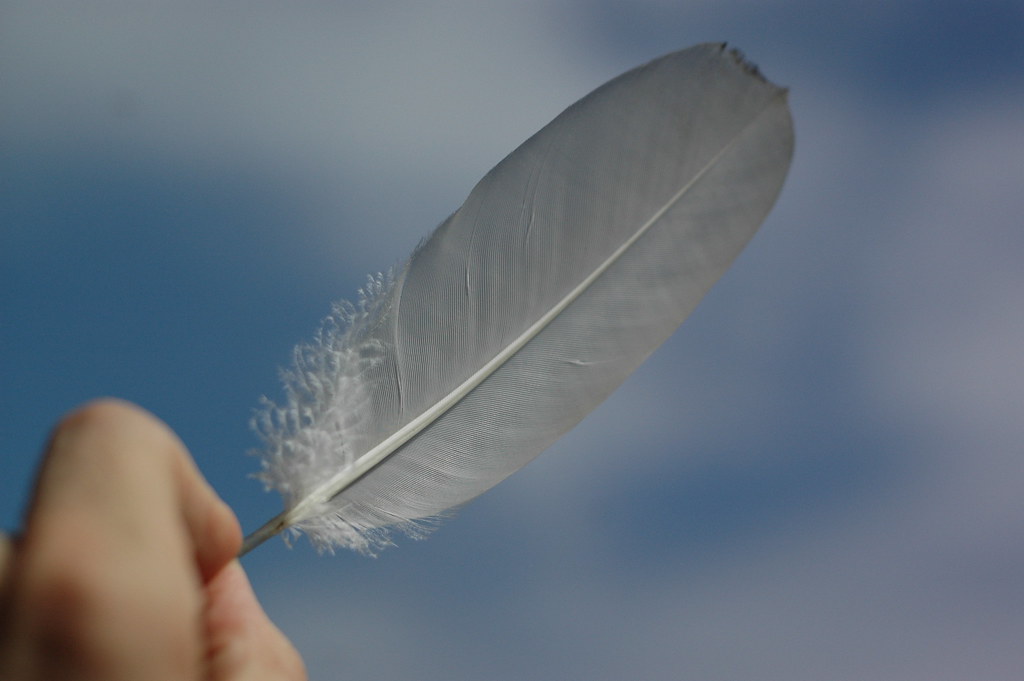
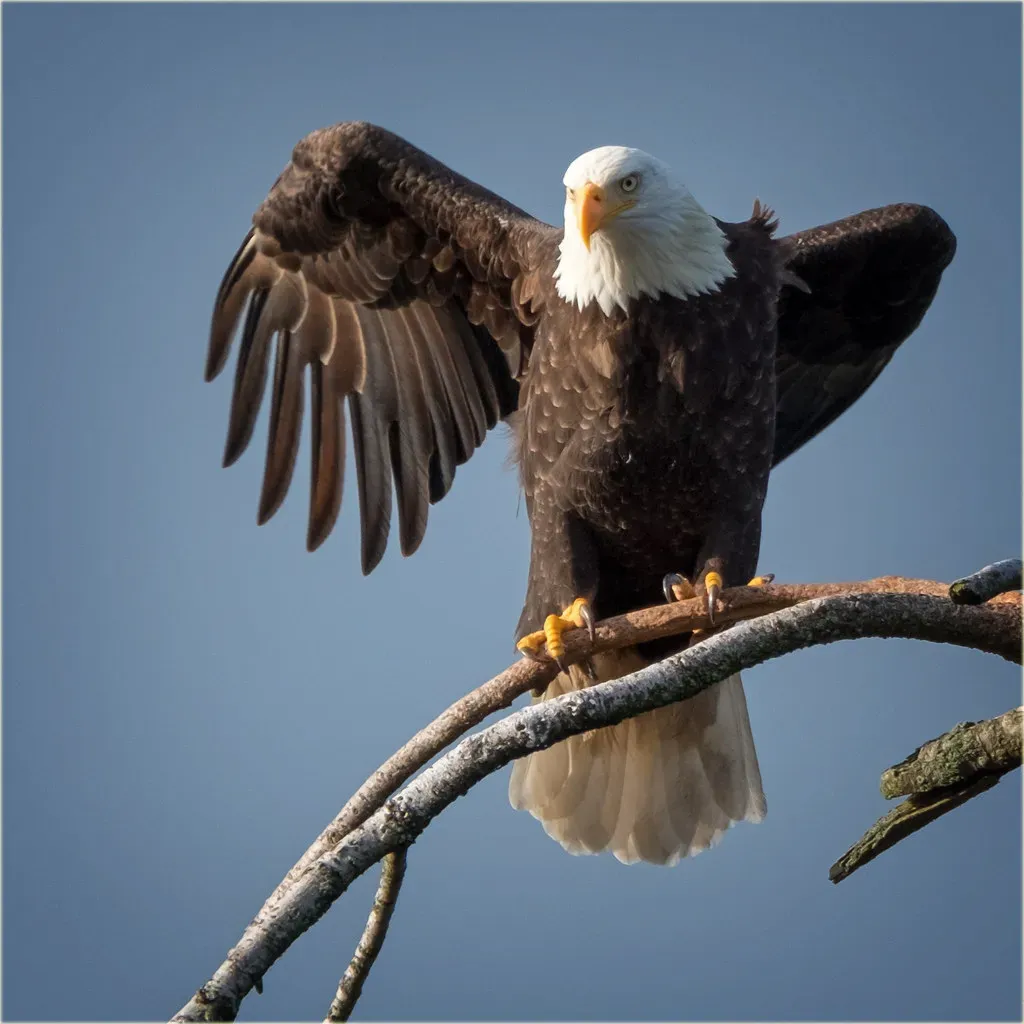
In many Indigenous cultures across North America, feathers are not treated as knickknacks or decoration; they are sacred items associated with ceremony, prayer, and responsibility. Eagles, hawks, owls, crows, and songbirds all play different roles depending on the Nation, but the shared thread is that feathers often symbolize a bridge between the earth and the sky. When a feather falls, some teachings see it almost like a tiny piece of sky choosing to touch the ground where you walk.
Because of that, finding a feather repeatedly in the same place is not automatically labeled as random chance within these knowledge systems. Instead, the pattern itself can be part of the message: timing, location, and what you are going through in life all matter. From this perspective, the feather is not just an object; it is part of a conversation between you, the land, and the more-than-human world that has been going on long before you noticed it.
Place Matters: Why “The Same Spot” Is a Big Deal
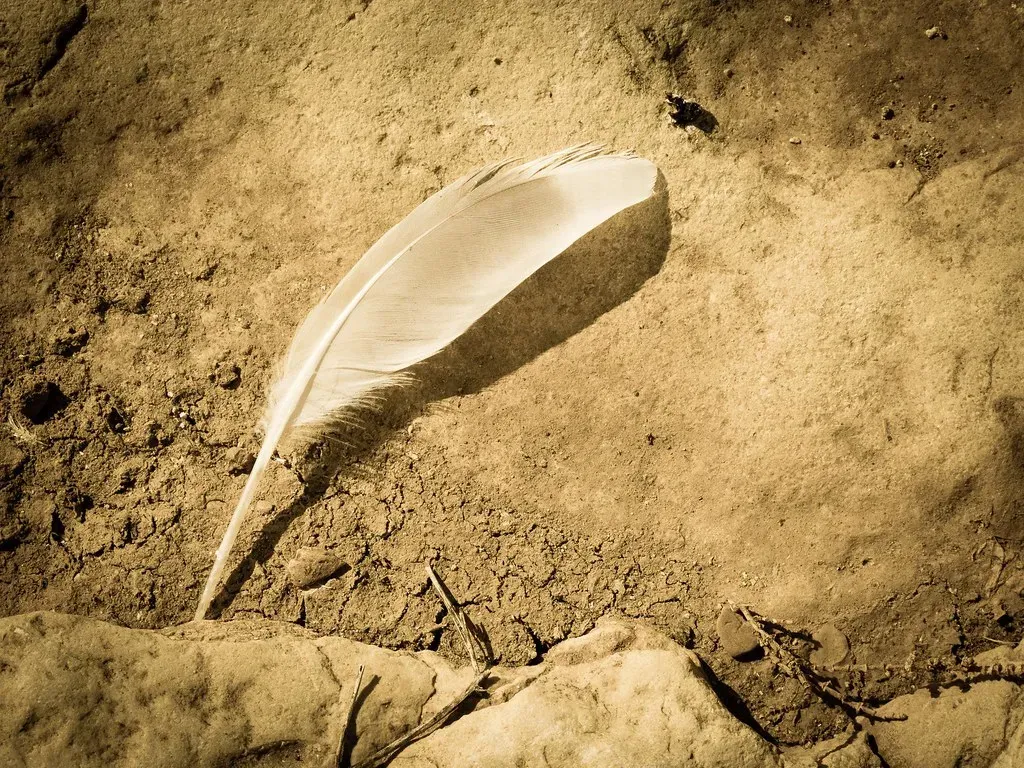
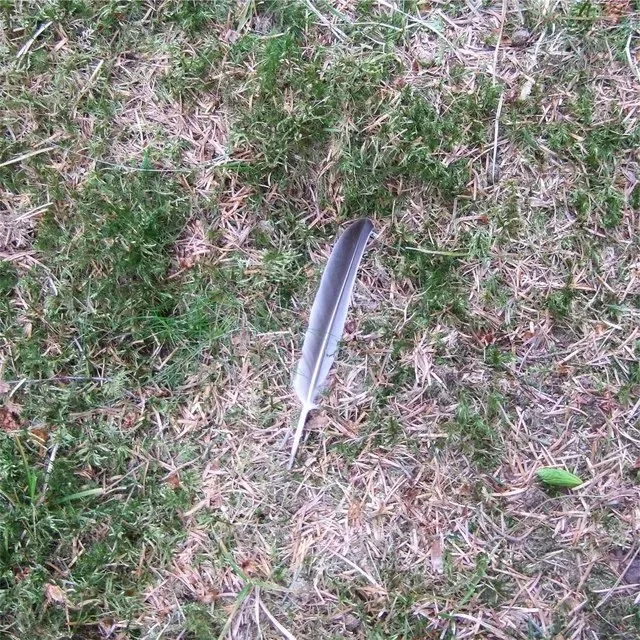
One of the biggest differences between mainstream spiritual trends and many Indigenous worldviews is how seriously place is taken. Land is not just background; it is kin, teacher, and archive. When something shows up in the same spot over and over – like a feather on the same patch of ground – that repetition calls attention to that place itself. The message, if there is one, may be as much about where you are standing as it is about the object you are seeing.
In some teachings, particular areas can be known for specific energies: a place of transitions, a quiet spot for listening, a boundary between two kinds of terrain. If the same kind of feather keeps appearing in that location, it can be read as the land emphasizing a lesson. The spot where you find the feather might be tied to a choice you make there every day, like taking a certain route to work or pausing to check your phone, and the repetition can serve as a soft but persistent reminder to wake up to what you are doing in that moment.
Bird Messengers and the Language of Patterns
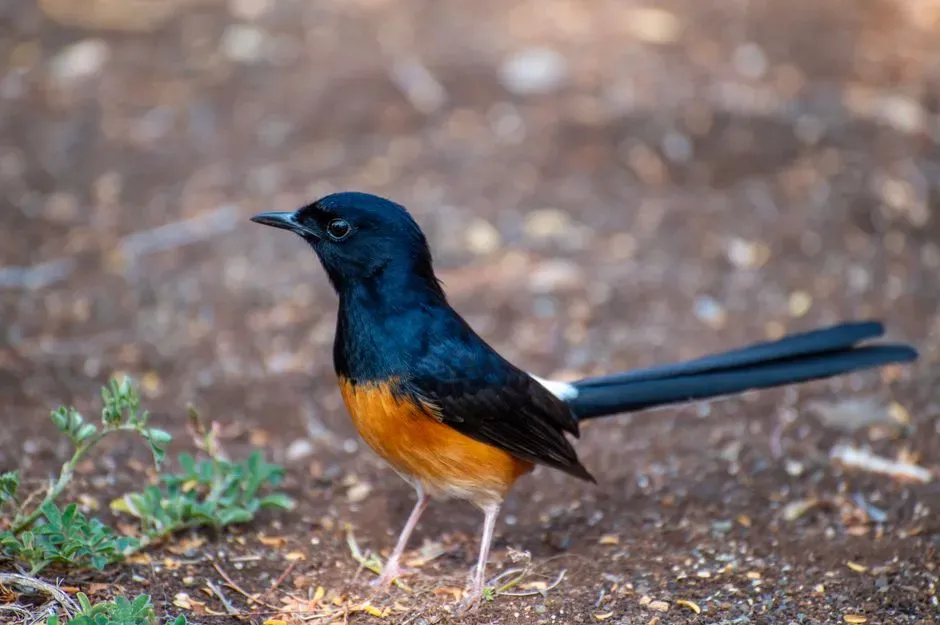
Across different Indigenous Nations, birds are often seen as messengers that move between realms that humans cannot easily cross: earth and sky, village and wilderness, the seen and the unseen. Feathers, then, can be understood as traces of those messengers, like letters dropped from a higher vantage point. If you think of life as a conversation, the birds are sometimes the ones carrying responses you cannot quite hear but might be able to feel.
Finding feathers in the same place again and again highlights the importance of patterns rather than single, flashy moments. Many Indigenous knowledge-keepers pay more attention to what repeats over time than to what happens once. A single feather could be written off as chance; the third or fourth one, appearing where you least expect it, can start to feel like a sentence being formed. It is less about decoding a rigid symbol and more about noticing what changes in you every time you see it.
Personal Responsibility: Are You Ready to Receive a Teaching?
One thing that might surprise people used to quick spiritual answers is how much Indigenous teachings often emphasize responsibility along with meaning. You do not just “get” a message from a feather the way you might get a horoscope. Instead, you are invited to ask whether you are ready to carry what that message might demand from you. If a feather keeps turning up in the same place, that persistence might be asking: will you finally pay attention, or will you keep walking on autopilot?
That sense of responsibility also means approaching the feather with humility. In many communities, you would not casually grab a feather, especially from protected birds like eagles, without knowing the laws and the cultural protocols. Sometimes the teaching is to leave it where it lies but to change how you move around it: slow down, offer a thought of gratitude, or quietly reflect on what in your life is asking for similar care. The point is not to “own” the sign, but to let it work on you.
Context Is Everything: What Is Happening in Your Life Right Now?
Indigenous knowledge systems are highly contextual. The same sign can mean different things depending on who sees it, when, and under what circumstances. So if you keep finding feathers in the same spot while you are going through a breakup, facing a big decision, or grieving a loss, that context shapes how the experience might be understood. The feather is not a fortune cookie; it is more like a mirror that reflects what you are already wrestling with, from a gentler angle.
This is where being honest with yourself matters. If you are stressed, numb, or deeply unsettled, the repeating feather might be an invitation to pause and admit what you have been pushing aside. In that sense, one of the most grounded interpretations – very much in line with many Indigenous approaches to signs – is that the feather is not telling you the future. Instead, it is calling you back to the present, to your body, to the land under your feet, so that you can meet your own life more fully.
Different Nations, Different Teachings: Avoiding One-Size-Fits-All Spirituality
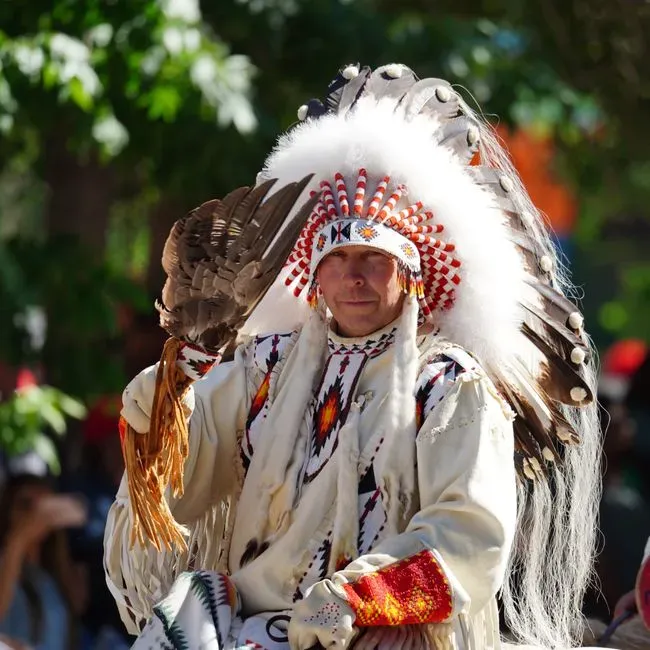
The phrase “according to Indigenous belief” is almost always too vague to be accurate. North America holds an enormous diversity of Nations, each with its own teachings about birds, feathers, and signs in nature. For some communities, a particular bird’s feather might be associated with warrior societies; for others, it might signal healing, protection, or even a warning. There is no universal dictionary that says one feather always means the same thing to everyone.
Because of that, it is important to resist the urge to cherry-pick bits of Indigenous spirituality and apply them loosely to your life without context. A respectful approach is to see these stories and patterns as windows into different ways of relating to the world, not as a catalog of symbols you can quickly adopt. If you are not from the Nation whose teachings you are interested in, listening, learning, and giving credit are better than claiming that your personal interpretation is “what Indigenous people believe.”
Feathers, Science, and Synchronicity: Can Both Be True?
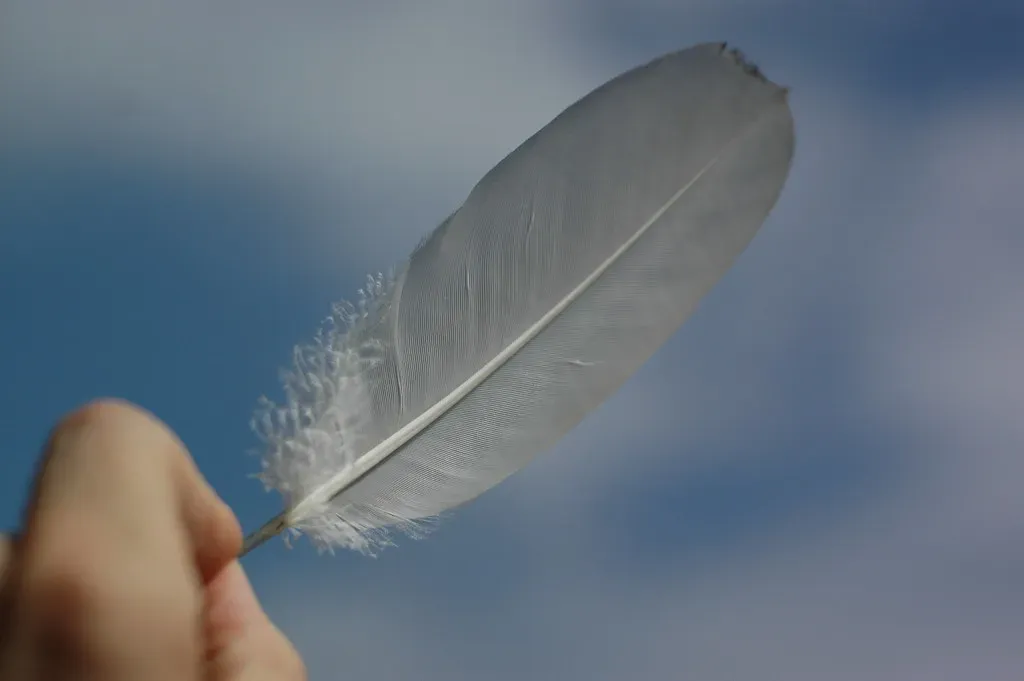
From a scientific perspective, there are a lot of practical reasons you might keep seeing feathers in the same place. Maybe there is a nesting site nearby, a favored perch over the spot, or a wind pattern that tends to drop light objects in that exact area. Birds molt, feathers loosen, and urban landscapes can accidentally funnel debris to specific corners. None of that has to cancel out the possibility of meaning; it just adds another layer of understanding.
Many Indigenous knowledge systems are not threatened by ecological explanations; they rely on them. Knowing the habits of local birds, migration routes, and seasonal cycles actually deepens the significance of what you find on the ground. You can hold both views at once: the feather is there because of real-world bird behavior and weather patterns, and its repeated presence in your life can still function as a meaningful nudge. Rather than choosing between science and spirituality, you can let them sit side by side, like two lenses giving you a sharper picture together.
How to Respond Respectfully When Feathers Keep Appearing
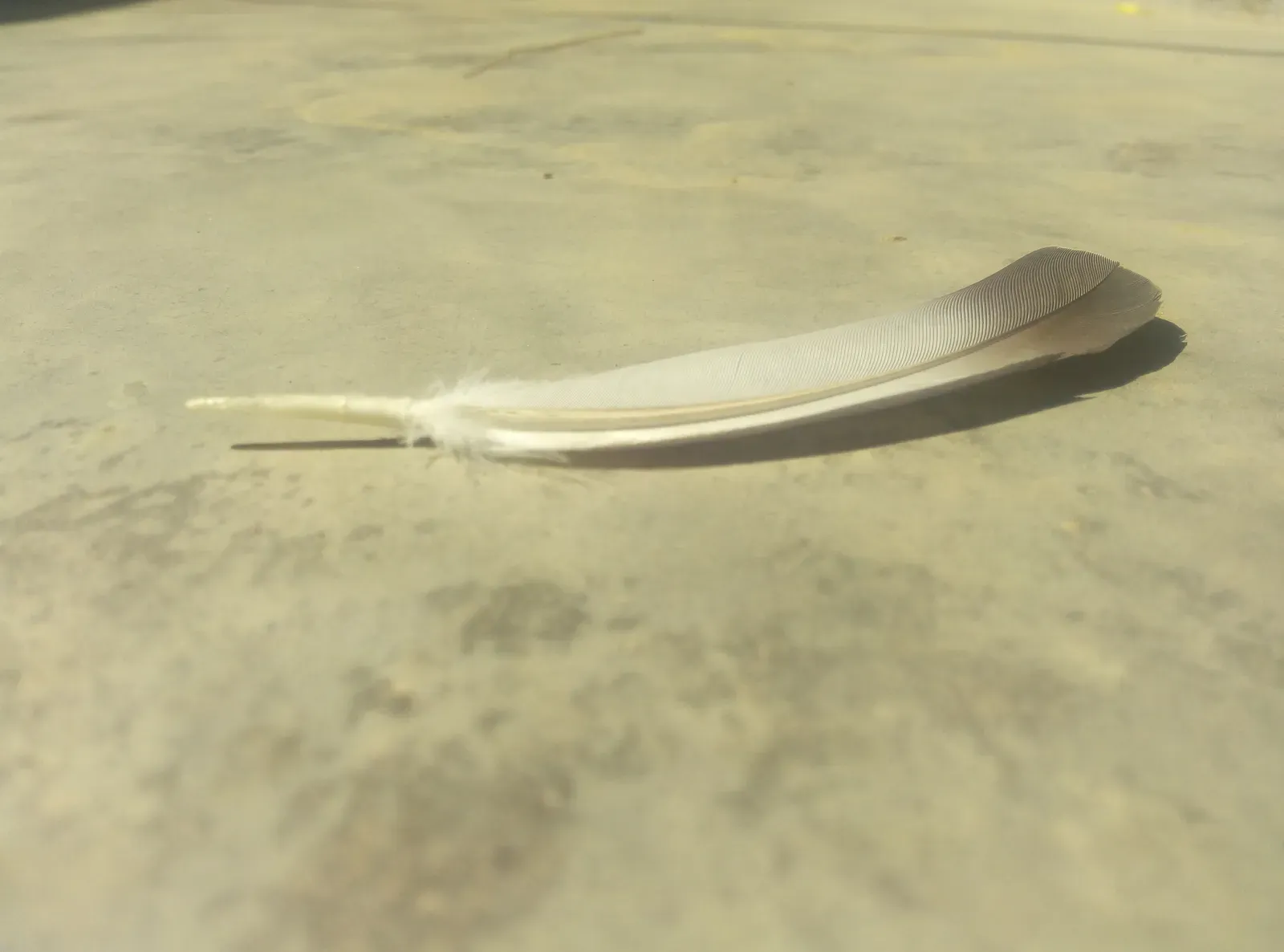
If you are moved by the experience of finding feathers repeatedly, the way you respond matters just as much as how you interpret it. One simple, grounded response – echoing many Indigenous values around gratitude – is to pause, acknowledge the moment, and offer a quiet thanks to the bird, the land, and whatever mystery is at work. You do not need elaborate rituals to start treating the encounter as a relationship instead of a random novelty.
It can also be powerful to pay the moment forward: pick up a piece of trash near the feather instead of the feather itself, or choose to change a small habit that has been weighing on you. In that sense, the “message” becomes something you co-create through your actions. The feather is not a magic ticket to a new life; it is a reminder that your choices ripple outward, just like a bird’s flight leaves invisible trails across the sky even after the wings are gone.
Conclusion: A Sign, a Story, or Just a Feather?
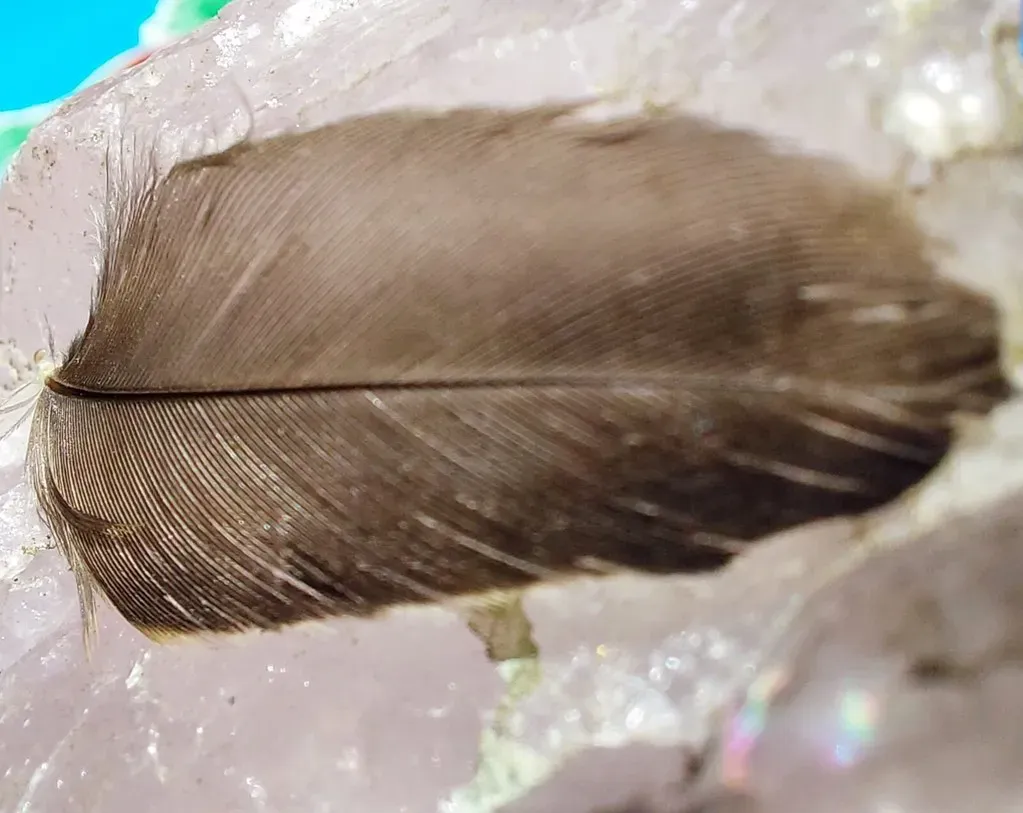
If you keep finding feathers in the same spot, you are standing in the middle of several overlapping realities at once. There is the ecological story about birds and wind, the personal story about whatever is happening in your life, and, for many Indigenous Nations, the deeper relational story about land, spirit, and responsibility. My own view is that dismissing it as “just coincidence” is too easy, and claiming to know exactly what it means is too arrogant. The richest response lives somewhere in between: curious, humble, and willing to let the experience change how you move through the world.
In the end, whether you treat that repeating feather as a sacred gift, a gentle nudge, or simply a beautiful reminder to look down once in a while, you are choosing the kind of relationship you want with the world around you. That choice is where the real power lies, not in any automatic symbolism. So next time you see a feather waiting in the same old spot, maybe the better question is not “What does this mean?” but “How do I want to show up now that I have seen it?”