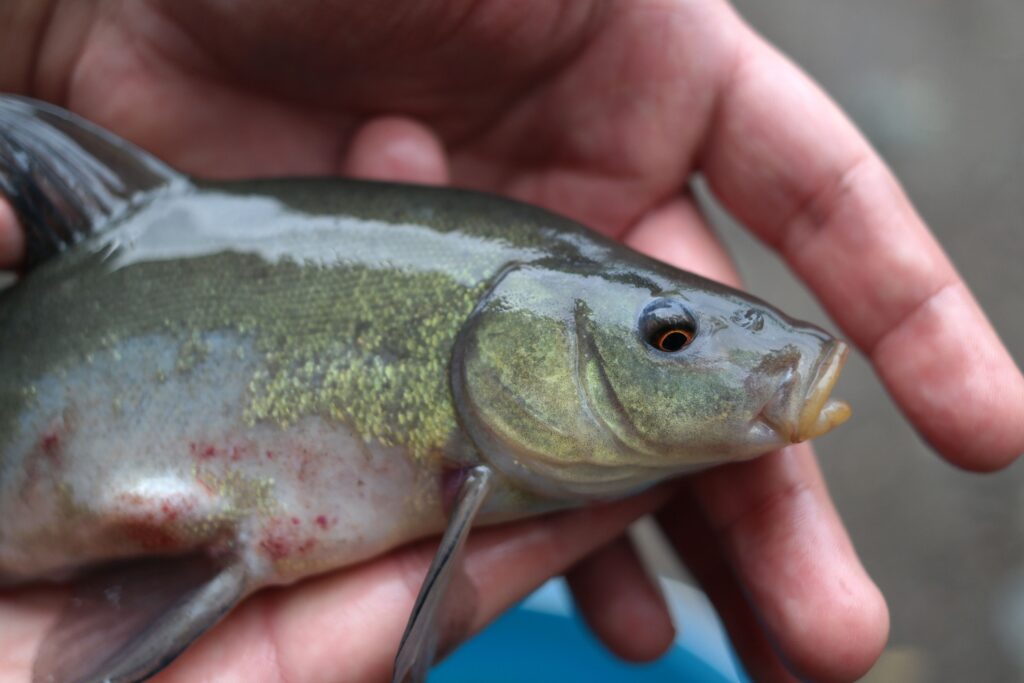
Most of us grew up thinking of fish as emotionless little machines: cold eyes, tiny brains, silent mouths. Hook, net, fillet – no guilt required. But a wave of research from neuroscience, animal behavior, and consciousness studies is quietly blowing that comfortable story apart. The picture emerging is uncomfortable, fascinating, and impossible to ignore.
Scientists are now arguing that the signals fish experience when injured are not just simple reflexes but something functionally very close to what we would call pain. If that is even partly true, then everything from industrial fishing to home aquariums starts to look very different. The ocean stops being a vast larder and becomes something more like a vast hospital ward – crowded with beings who can suffer, whether we notice or not.
The Surprising Case for Fish Feeling Something Like Pain
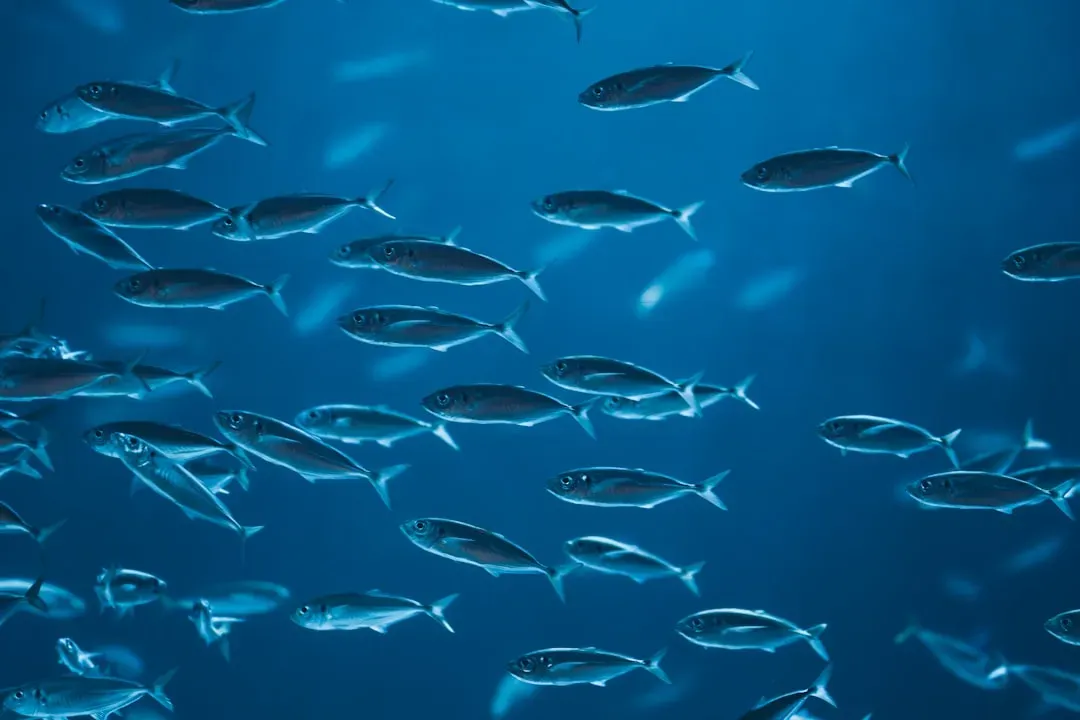
Here’s the shocking part: the argument that fish feel something functionally similar to pain does not come from sentimental activists but from hard-nosed experimental work. Researchers have identified specialized nerve fibers in many fish species that respond specifically to damaging or potentially damaging stimuli, a biological setup strikingly similar to the systems seen in mammals and birds. When these fibers are activated, fish don’t just twitch; they show sustained changes in behavior consistent with distress.
In controlled experiments, fish that experience harmful events often try to avoid the source later, change how they swim, or even stop feeding for extended periods. When given substances that in humans are used as painkillers, these behavioral changes are reduced, suggesting the internal state driving them is not a simple reflex. The conclusion is not that fish feel pain exactly the way we do, but that they experience a negatively valenced state tightly coupled to tissue damage – in other words, pain in all but name.
Neurons, Nociceptors, and the Fish Brain: Why Structure Matters
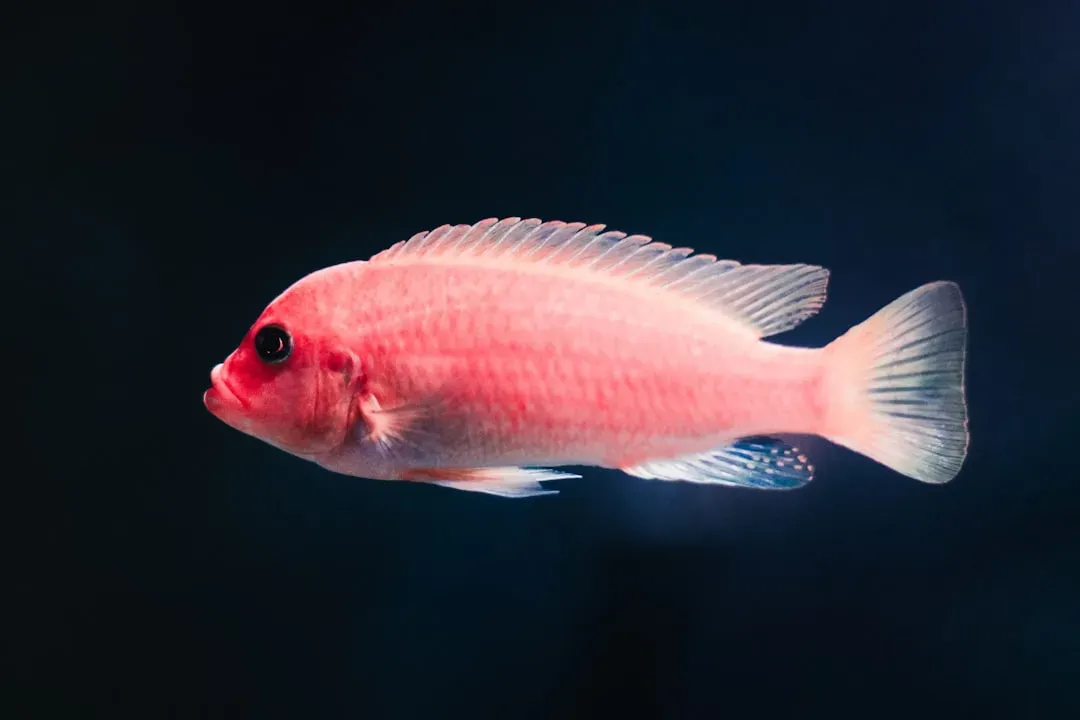
One of the biggest objections to the idea of fish pain has always been their relatively simple brains. Without a cerebral cortex like ours, how could they possibly have anything resembling conscious experience? Neuroscientists have been pushing back on this assumption by pointing out that structure does not need to be identical for function to be similar. Fish nervous systems include nociceptors, cells specialized for detecting harmful stimuli, and these signals are processed in brain regions that integrate information and modulate behavior over time.
What matters for consciousness researchers is not the exact anatomical layout, but whether there is a dynamic, integrated system that can represent the body’s condition and adjust priorities accordingly. Fish satisfy many of these criteria: they show learning, memory, flexible decision-making, and altered states depending on internal and external conditions. Taken together, this suggests that fish brains are not crude switchboards but complex biological computers capable of generating subjective, though alien, experiences.
Behavior That Looks Less Like Reflex and More Like Experience
If fish only operated like robots, their responses to harmful events would be quick, automatic, and inflexible. Instead, we see something more nuanced. Injured fish may rub affected body parts against surfaces, reduce activity, or seek out particular environments that appear to provide relief. These patterns are hard to explain as mere reflexes and make more sense if the fish are weighing options under the pressure of a bad internal state.
Some experiments show fish paying a clear cost to avoid situations in which they were previously hurt, even when the immediate environment looks attractive in other ways. That kind of trade-off implies a representation of risk and discomfort that goes beyond basic wiring. It is as if the fish are not just reacting, but remembering, anticipating, and trying to prevent a repeat of something that felt bad before.
What “Functionally Identical to Pain” Actually Means
It’s important to be precise about language here. When scientists say the fish experience is “functionally identical” to pain, they are not claiming that a trout on a hook has the same inner life as a human in a hospital bed. Instead, they are arguing that the role this state plays in the fish’s mind-body system closely matches the role pain plays in ours: it signals damage, reshapes priorities, drives avoidance learning, and persists beyond the immediate stimulus.
In practical terms, that means pain-like states in fish are not philosophical abstractions but working parts of their survival toolkit. This functional framing is powerful because it sidesteps the unsolvable question of what it “feels like” to be a fish and instead focuses on measurable consequences. If a state walks like pain, quacks like pain, reorganizes behavior like pain, and responds to painkillers like pain, at some point refusing to call it pain starts to look like wishful thinking.
The Moral Shockwave: Rethinking Fishing, Farming, and Recreation
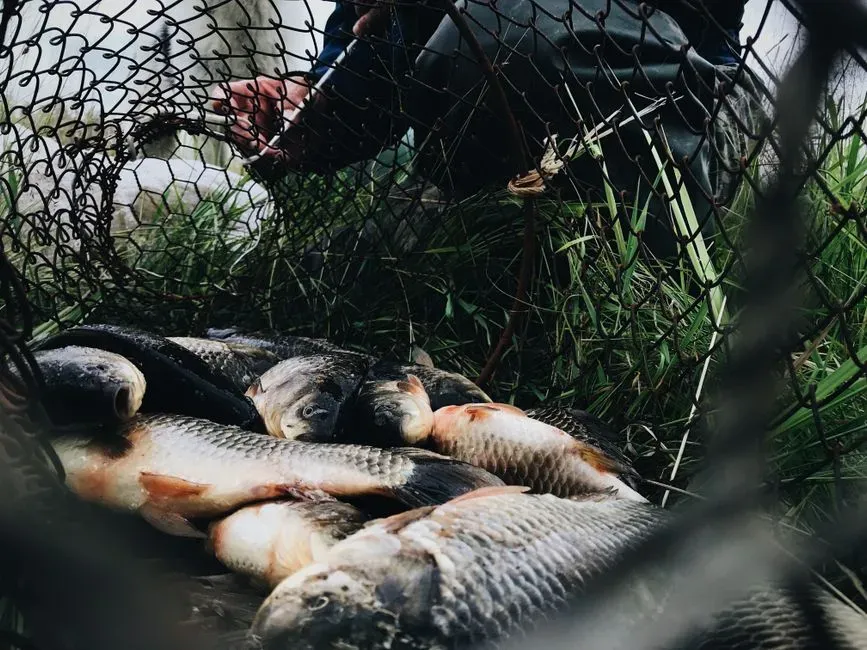
Once you accept that fish can suffer in a functionally similar way to pain, everyday activities begin to look morally loaded. Recreational fishing, often framed as a peaceful pastime, transforms into a practice that repeatedly hooks sentient animals through the mouth for fun. Commercial fishing, which already takes a huge toll in terms of numbers, starts to resemble a slow-moving catastrophe of unacknowledged suffering beneath the waves.
Fish farming, promoted as a sustainable alternative to wild catch, also comes under a harsher light. Crowded tanks, handling procedures, transport methods, and slaughter practices all become ethical flashpoints rather than minor details. The key question is no longer just how many fish we can produce, but how much negative experience we are creating per kilogram of protein. For an honest society, that is not a small shift in perspective; it is a moral earthquake.
How This Changes the Way We Talk About the Ocean

Our language about the ocean has long been cold and extractive: stocks, yields, biomass, harvest. The recognition that fish probably experience something close to pain forces a vocabulary upgrade. Suddenly, we are not just managing resources; we are managing lives that can go well or badly from the inside. That makes it much harder to shrug off bycatch, rough handling, or slow, suffocating deaths as mere inefficiencies.
This shift filters into policy debates, education, and even how kids are taught about sea life. An ocean full of feeling beings is a different world than an ocean full of moving objects. Currents and coral reefs become the backdrop for countless individual stories of comfort, fear, hunger, and relief. Where we once saw only blue and silver, we start to notice red flags of distress, and that awareness alone changes what feels acceptable.
Policy, Law, and the Slow March of Recognition
Legal frameworks have historically treated fish as low-priority or entirely outside the circle of animal welfare. That stance is under pressure as more jurisdictions begin to acknowledge that fish can experience negative states significant enough to warrant protection. Some regions are revising guidelines for stunning and slaughter methods, tackling issues like suffocation in air, prolonged struggle, and injurious handling as real welfare concerns rather than technical afterthoughts.
It is a slow and messy process, full of compromises and loopholes, but the direction of travel is clear: once science establishes that a class of animals can suffer in a meaningful way, ignoring that in law becomes harder to justify. Consciousness research does not write legislation, but it moves the Overton window of what lawmakers and voters consider morally reasonable. With fish, that window is finally cracking open after decades of being nailed shut.
Living With the Truth: Personal Choices and Cultural Resistance
Here is where things get uncomfortably personal. If you accept that fish feel something functionally like pain, your dinner plate, your hobbies, and your shopping habits are suddenly implicated. Some people respond by cutting fish out of their diets entirely, folding them into the same ethical category as mammals and birds. Others aim for harm reduction: eating fewer fish, choosing products from better-regulated sources, or avoiding practices that clearly cause prolonged suffering.
There is also predictable resistance. Many people simply do not want to see fish as capable of suffering because it collides with cultural traditions, culinary habits, or economic interests. You can see this tension whenever someone jokes about not wanting to “think too hard” about where their food comes from. In a sense, fish are forcing us to decide whether our comfort matters more than their pain-like experiences – and that is a brutally clarifying question.
Conclusion: The Ocean Is No Longer Silent, Whether We Listen or Not
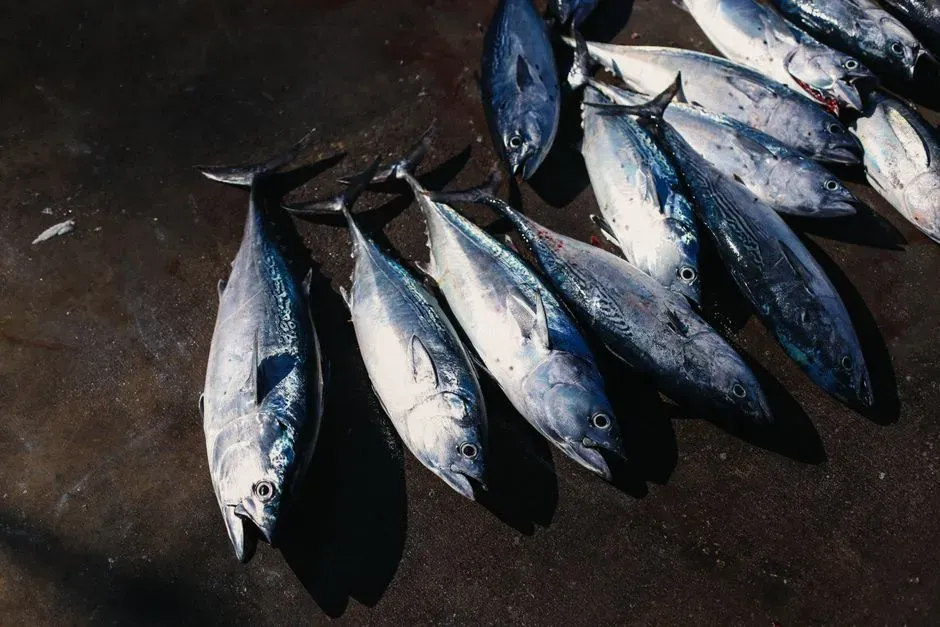
The emerging scientific consensus that fish experience something functionally identical to pain tears down a convenient myth: that the sea is full of life but empty of real feeling. I think that myth stuck around so long because it let us enjoy seafood, sport, and industry without the friction of conscience. Now that evidence is piling up, pretending fish are insensitive is starting to look less like skepticism and more like denial.
We are standing at an uncomfortable crossroads. We can update our ethics, policies, and personal choices to reflect what we now know, or we can double down on willful blindness and treat fish pain as an inconvenient detail. The first path is harder but more honest; the second is easier but leaves a moral stain that is getting harder to wash out. When you picture the ocean from now on, will you see only shimmering schools and dinner menus, or will you allow yourself to see beings who can hurt and hope as they move through the blue?